Aberdeenshire, Angus & Speyside
Scotland’s forgotten coast — cliff-top castles, empty golden beaches and the malt-whisky heartland.
Scotland’s forgotten corner for most visitors, and all the better for it. The North-East runs from the pink-granite cliffs and dune beaches of the Aberdeenshire coast, down through the harbour towns of Angus, and inland to Speyside — the malt-whisky heartland where roughly half of Scotland’s working distilleries sit within a handful of glens. It is big-sky, big-beach country, far quieter than the west, and it hides some of the finest seafood, sands and drams in the land. This is Gordon country, ruled for centuries by the “Cock o’ the North,” and the doorstep of the Speyside Whisky Trail.
Snubbed by the NC500 — and all the better for it. Here’s the thing that baffles us. Scotland’s famous touring route, the North Coast 500, loops out of Inverness and strikes north — so the entire North-East, all of Aberdeenshire, the Mearns and Angus, gets left off it completely, and the tour buses pour past to the west without a backward glance. We think that’s a big mistake. In places this coast is pure heaven: pink-granite cliffs and dune beaches you’ll have to yourself, cliff-top castles like Dunnottar and Slains, seal colonies and gannet cliffs, and the freshest shellfish in the country straight off the boat — all of it far quieter than the honeypots out west. Hand on heart, for us it’s a nicer, gentler drive than the east-coast leg of the NC500 itself. Their oversight is your empty beach.
The Aberdeenshire coast
The Buchan coast is a long run of red cliffs, working fishing ports and near-empty beaches that see a fraction of the west coast’s traffic. Aberdour Bay is the pick of the quiet ones — a curve of sand and shingle backed by an ancient graveyard and the ruin of St Drostan’s kirk, one of the oldest Christian sites in the North-East, with caves and rockpools along the shore that keep children busy for hours.
Further along, Cruden Bay is a two-mile sweep of pink sand under the gaunt clifftop ruin of Slains Castle — the pile Bram Stoker knew from his holidays here and is said to have folded into Dracula. A cliff path leads to the Bullers of Buchan, a collapsed sea-cave the locals call “the pot,” where the sea churns a couple of hundred feet below your boots.
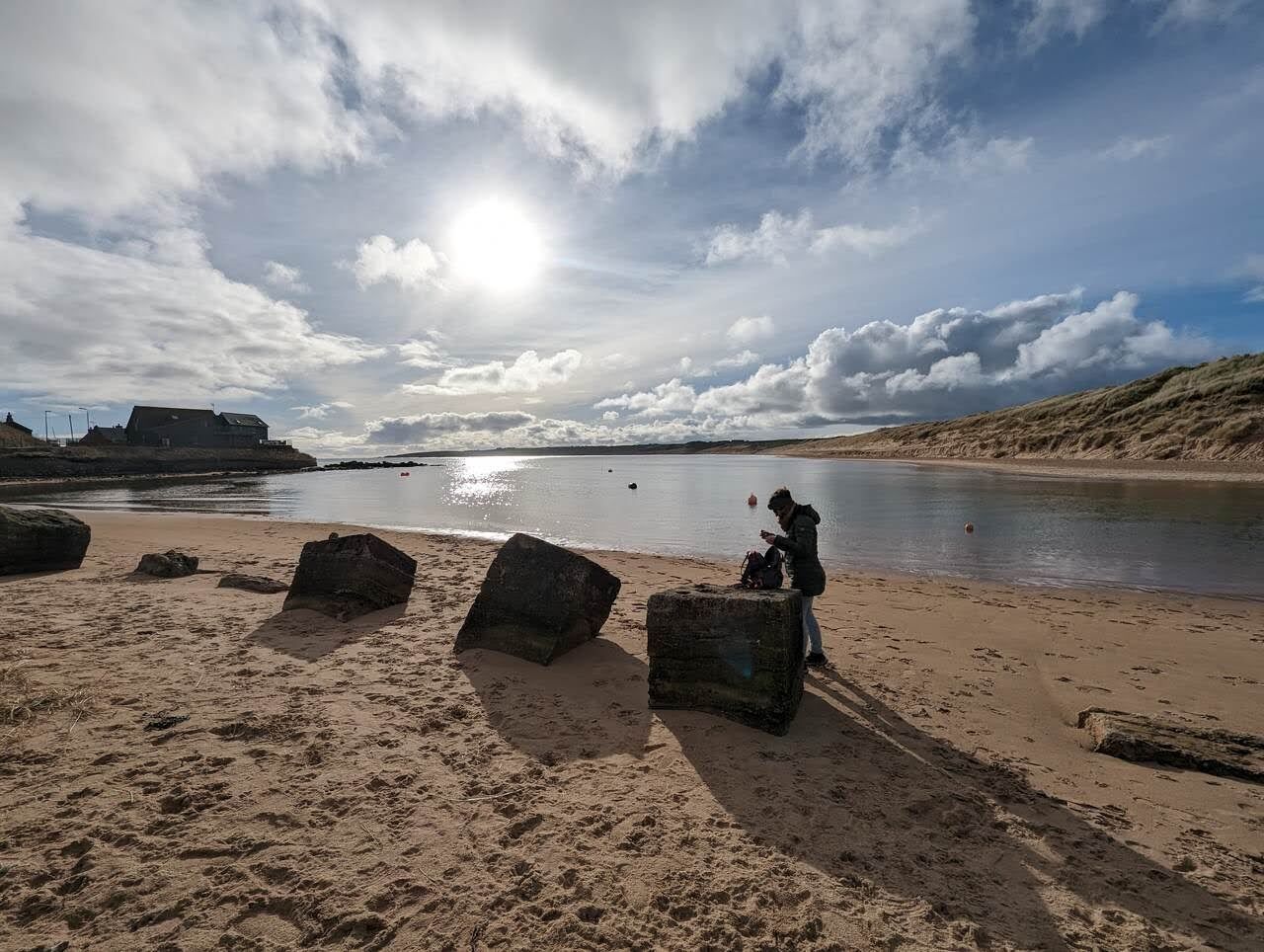
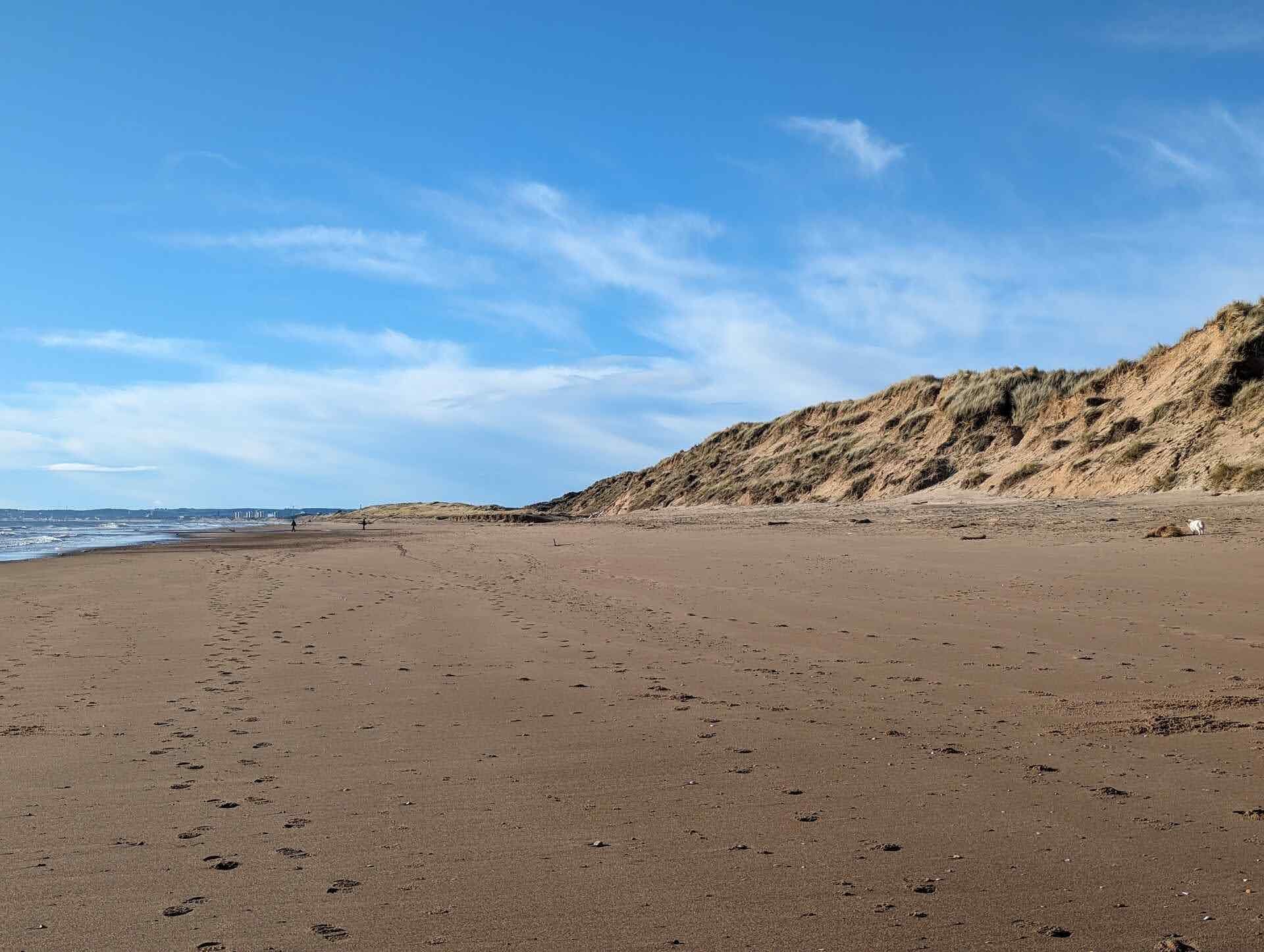
Closer to Aberdeen, Balmedie Country Park throws up one of Britain’s great dune systems — miles of marram-covered hills and hard, wide sand you can walk for an hour without meeting a soul. It also happens to be a cracking free overnight for a van.
Where the River Ythan meets the sea, Newburgh and the Sands of Forvie hold one of Scotland’s largest seal colonies — hundreds of grey and common seals hauled out on the far bank, close enough to hear — behind the least-disturbed dune wilderness in the country, a national nature reserve loud with terns through the summer.
At the very top corner sits Fraserburgh, “the Broch” — one of Europe’s biggest shellfish ports, all langoustine and crab, and home to Kinnaird Head, the first lighthouse the Northern Lighthouse Board ever built on mainland Scotland. It is now the excellent Museum of Scottish Lighthouses, where you climb the original tower with its light still in place.
Stonehaven & the Mearns
Stonehaven is the North-East’s prettiest harbour town: a tight old town of stone houses around a working harbour, a rare Art Deco open-air lido still heated with sea water, and — on Hogmanay — the fireballs, when locals swing balls of blazing wire-wound rags through the streets to see out the old year. It is also, for better or worse, the birthplace of the deep-fried Mars bar.
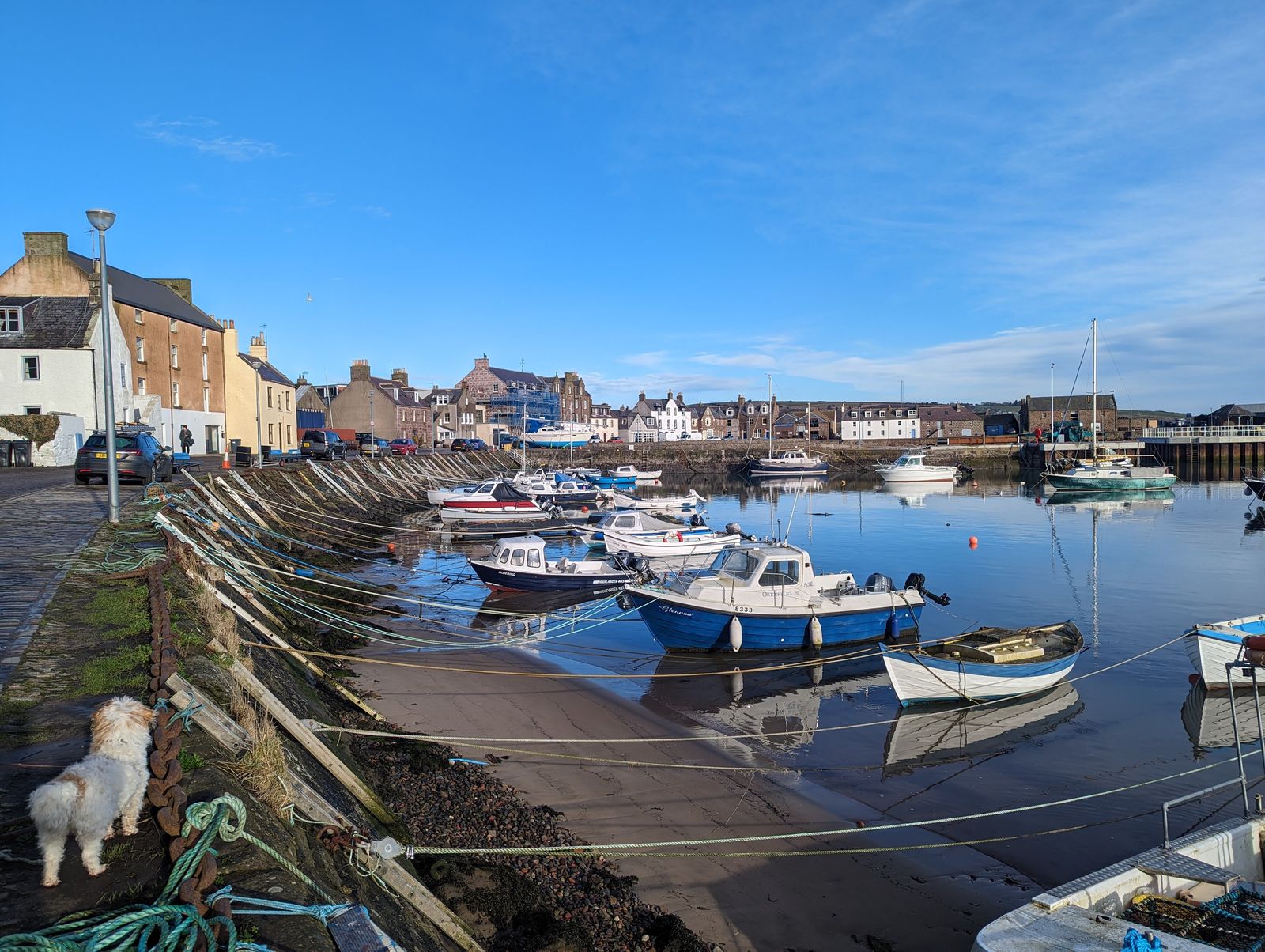
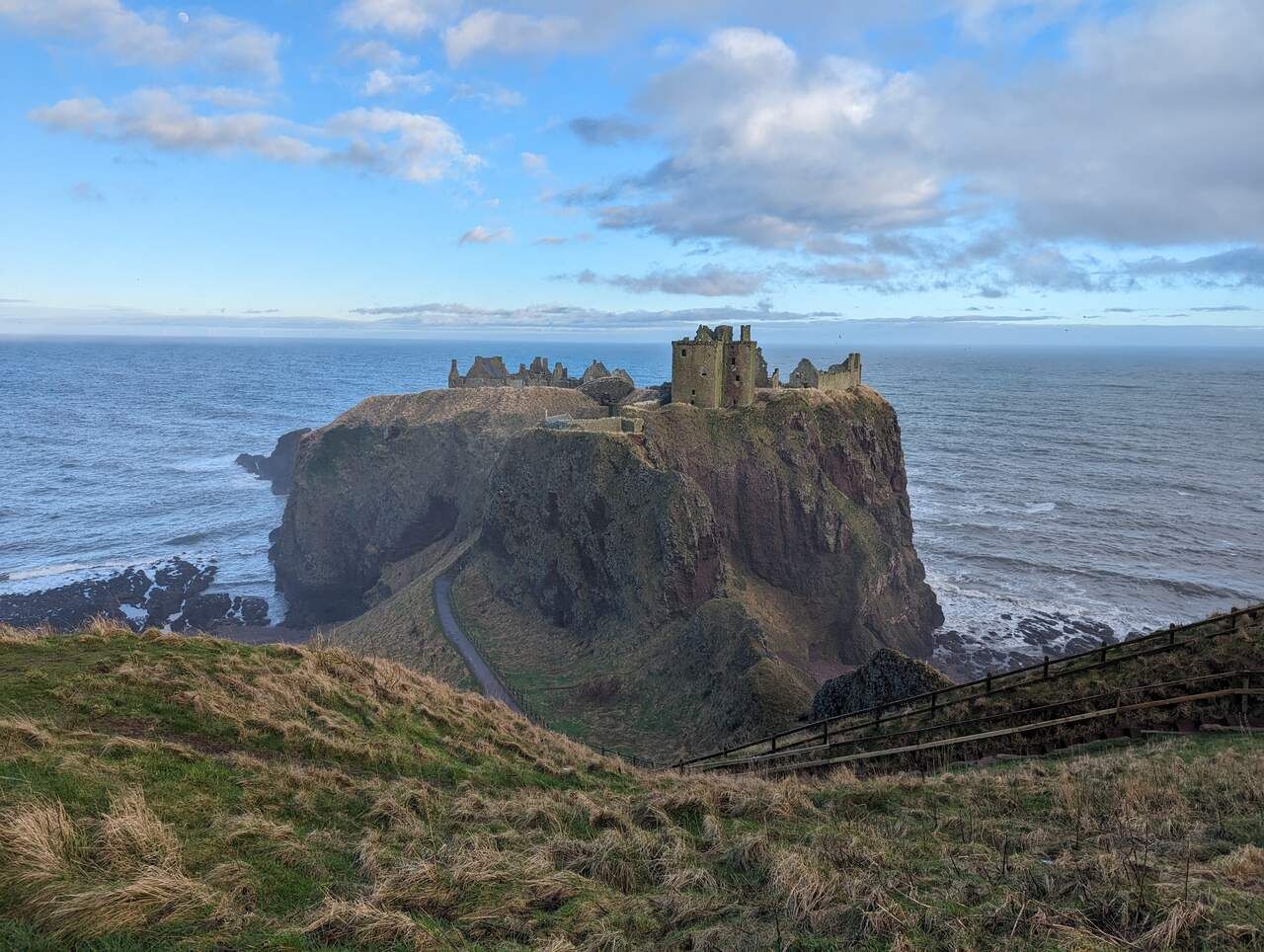
A short walk down the coast path, Dunnottar Castle is the most dramatic ruin in Scotland — a fortress marooned on a sheer sea stack, reached by a dizzying stair. This is where a tiny garrison held out against Cromwell’s army long enough to smuggle the Honours of Scotland, the crown jewels, to safety in a nearby kirk. Come at sunrise, when the haar lifts off it, and you’ll see why it ends up in every film that needs a castle.
Angus
Arbroath is a proper working harbour town, and the home of the Arbroath Smokie — haddock hot-smoked over hardwood in barrels on the quayside, so prized it carries the same protected status as Champagne. Buy a pair straight from the smokehouse, still warm, and eat them on the harbour wall.
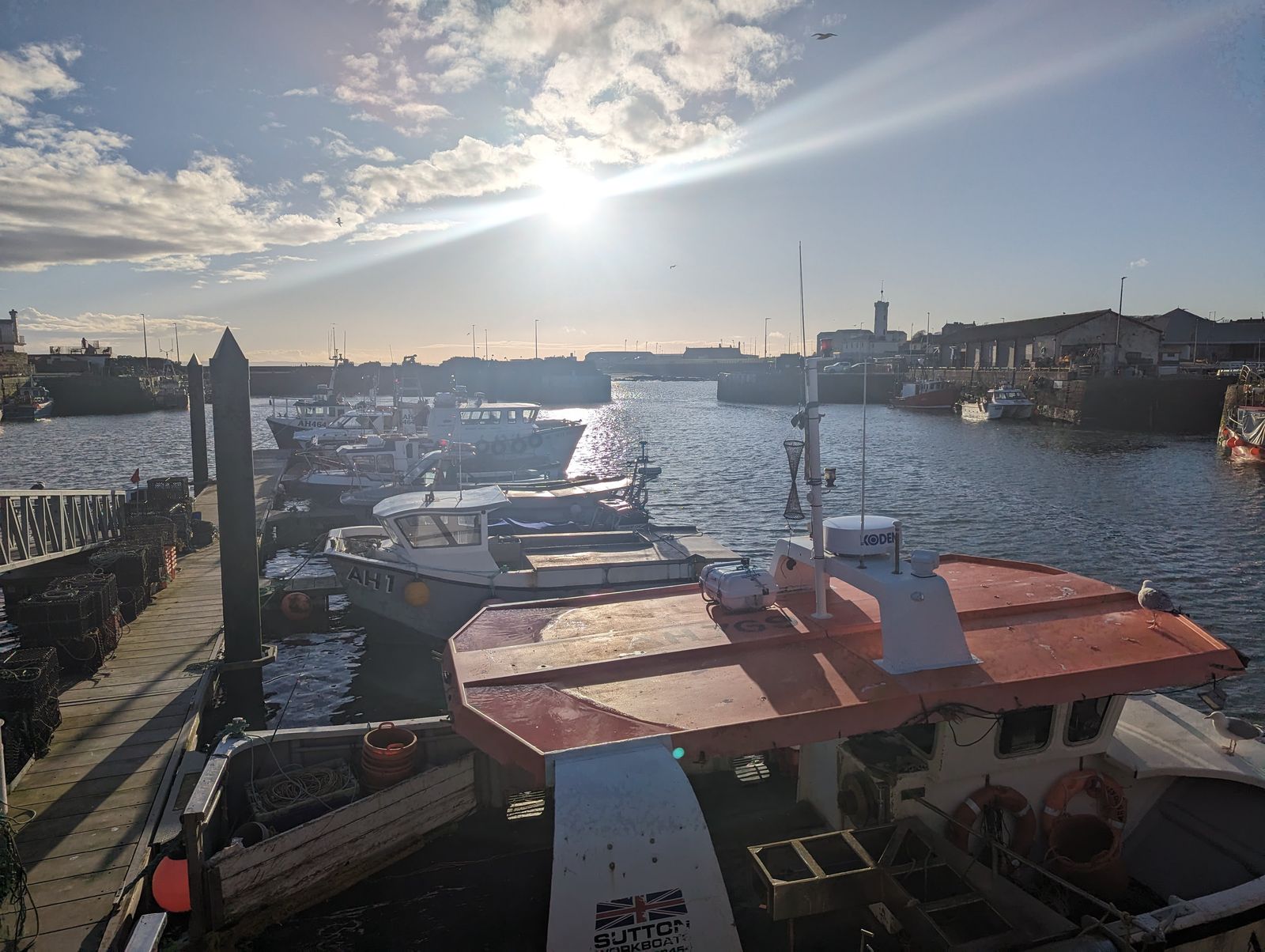
Above the town stands Arbroath Abbey, the red-sandstone ruin where, in 1320, Scotland’s barons set their seals to the Declaration of Arbroath — the letter to the Pope asserting Scottish independence, and the source of the line every schoolchild here still learns: “for so long as but a hundred of us remain alive…”
Speyside & Dufftown: the Malt Whisky Heartland
Inland, the land climbs to Speyside and Dufftown, the self-styled malt-whisky capital of the world: “Rome was built on seven hills,” the saying goes, “Dufftown stands on seven stills.” The town-square clock is the one that once hanged the freebooter James Macpherson over at Banff — famously put forward to beat a last-minute reprieve — and on the edge of town the ancient kirk of Mortlach marks one of the oldest Christian foundations in Scotland.
The distilleries are the reason most people come. Glenfiddich, the world’s best-selling single malt, gives one of the finest tours in the country right in Dufftown, next door to its sister Balvenie and the smaller Dufftown and Mortlach stills. Within a short drive lie the giants of the glen — The Macallan in its spaceship of a distillery, The Glenlivet, sherried Aberlour, Cardhu and Cragganmore. Our Speyside Whisky Trail strings the best of them into a drive-it-yourself loop.
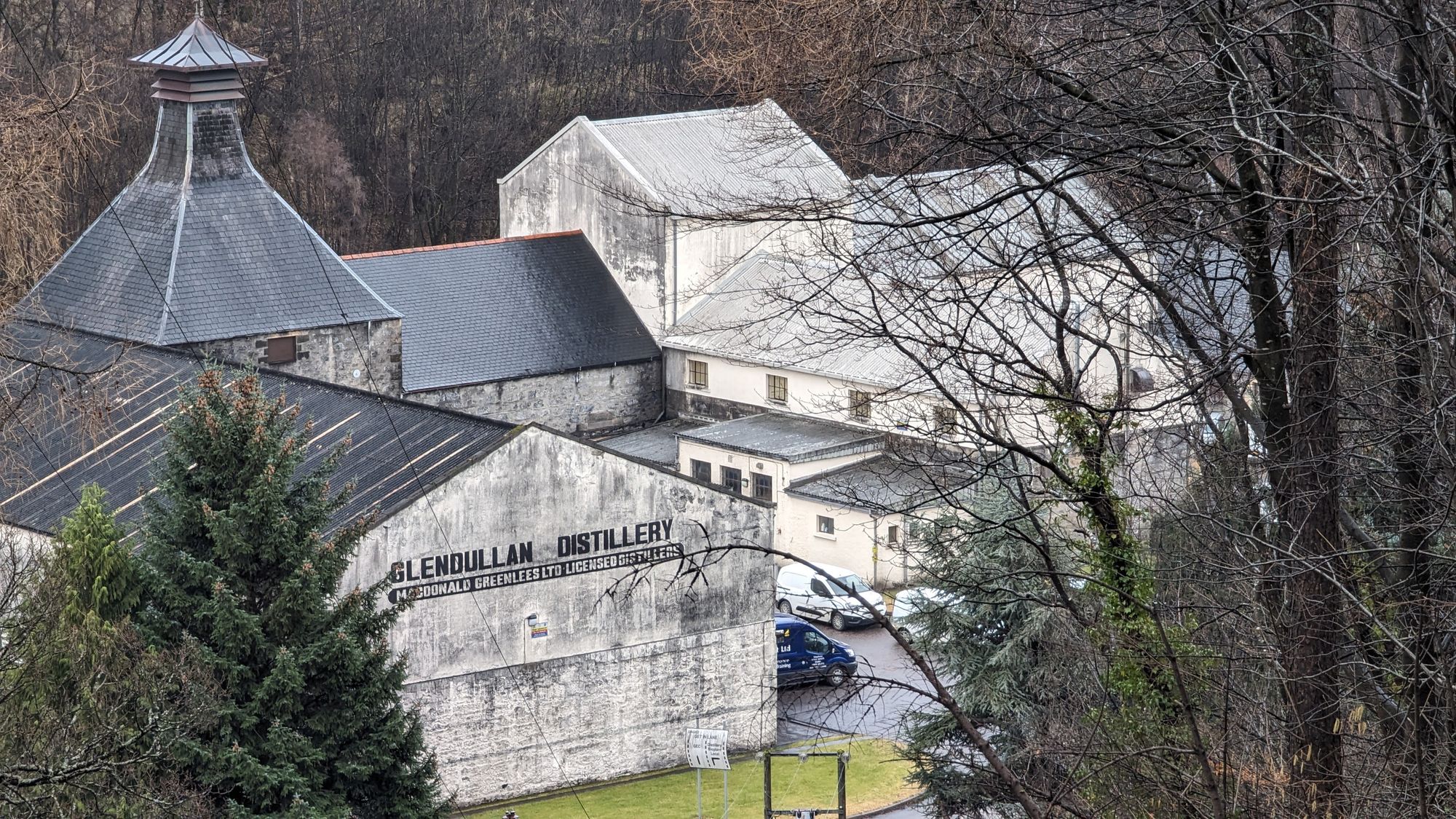
Whisky aside, Balvenie Castle guards the top of the town — a moated medieval stronghold held in turn by the Comyns, the Black Douglases and the Stewart Earls of Atholl, and a quiet, atmospheric ruin to wander when the distillery car parks fill up.
Why the North-East?
Because it gives you the full drama of the Scottish coast — cliff-top castles, empty golden beaches, seal and seabird colonies — with a fraction of the crowds, and throws in the greatest concentration of malt-whisky distilleries on earth for good measure. Come for a long weekend of harbour towns and Speyside drams, or fold it into a bigger east-coast loop; either way you’ll wonder why the tour buses all turned the other way. For us it’s one of the most quietly rewarding corners of the country — a definite yes, and the kind of place you leave already planning to come back to.