Stirling, Clackmannanshire & the Forth Valley
The waist of Scotland — a castle to rival Edinburgh’s and the battlefields that made a nation.
The waist of Scotland, where the Lowlands meet the Highland line and the River Forth coils out toward its bridges. For centuries whoever held Stirling held the country — which is why so much Scottish history was fought out within sight of its castle rock. It’s our home ground, too: we’re based just across the Forth in Clackmannanshire, the wee county under the Ochils, and we think it’s one of the most underrated bases in Scotland — central, quiet, and a short hop from Edinburgh, Glasgow, the Trossachs and the Fife coast alike.
Stirling & around
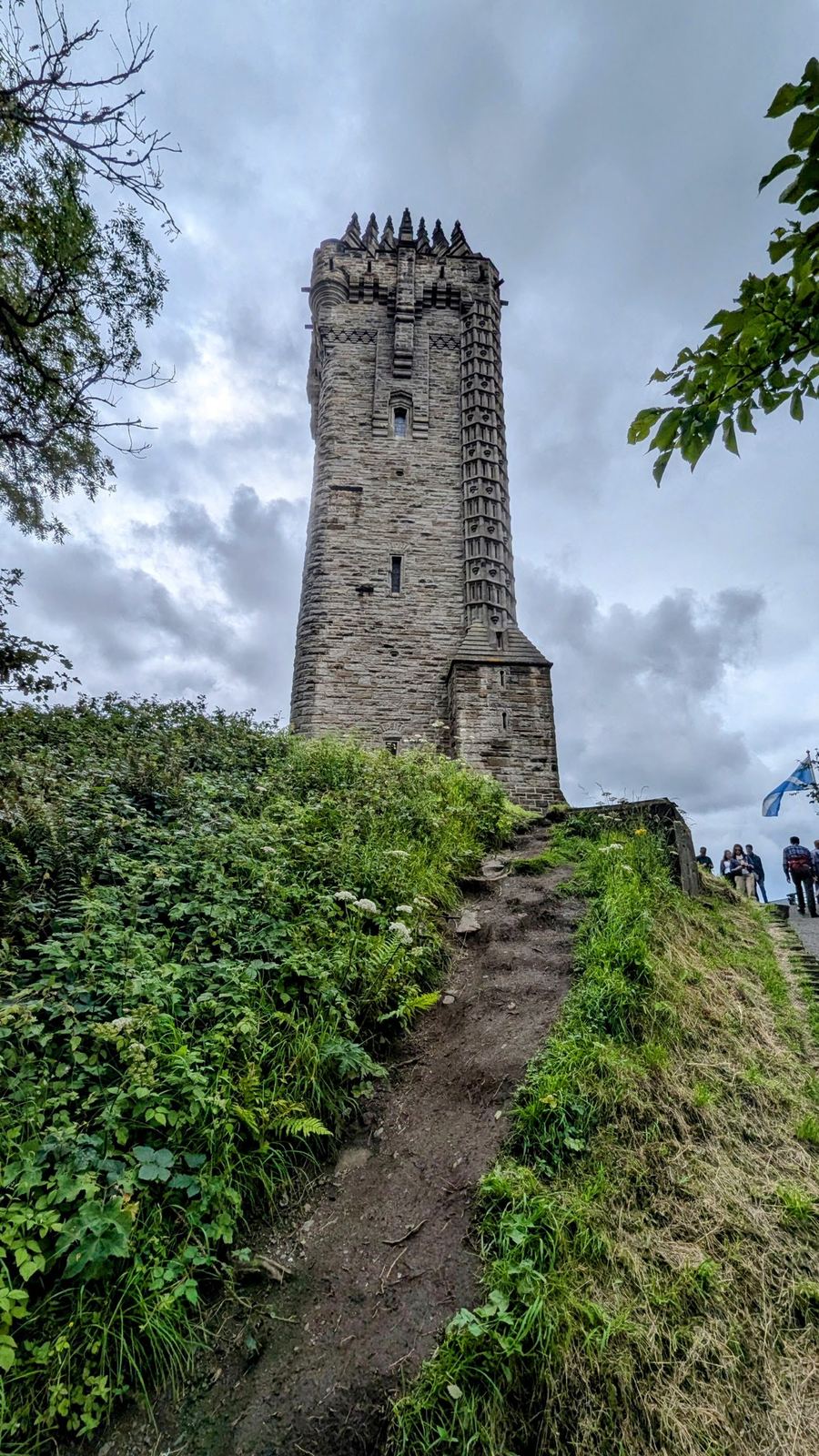
Stirling is the essential stop — and, castle for castle, we’d argue it beats Edinburgh. The great fortress on its crag has been royally restored, with the Renaissance palace of James V repainted and refurnished as it might have looked in the 1540s; below it the cobbled old town climbs past the Church of the Holy Rude (where the infant James VI was crowned) to some of the finest medieval streetscape in the country. On the ridge opposite stands the soaring Wallace Monument, and on the plain below lies Bannockburn — two of the defining moments of the Wars of Independence within a couple of miles of each other. A definite visit, and easily a full day.
In the loop of the river below the castle, the tall bell-tower of Cambuskenneth Abbey is all that really survives of the abbey where Bruce held his parliament in 1326 and where James III lies buried — a quiet, free, atmospheric spot that most visitors never find.
Clackmannanshire & the Hillfoots
Across the Forth, tiny Clackmannanshire packs a lot into a small space. Alloa is our own home base and, we’ll admit, an underrated one — a former brewing and coal town with the superb Alloa Tower, one of the largest surviving medieval keeps in Scotland and the ancestral seat of the Erskine Earls of Mar. The old county capital of Clackmannan is a short way off, keeping its Bruce Tower, its mercat cross and the curious Stone of Mannan that gives the county its name.
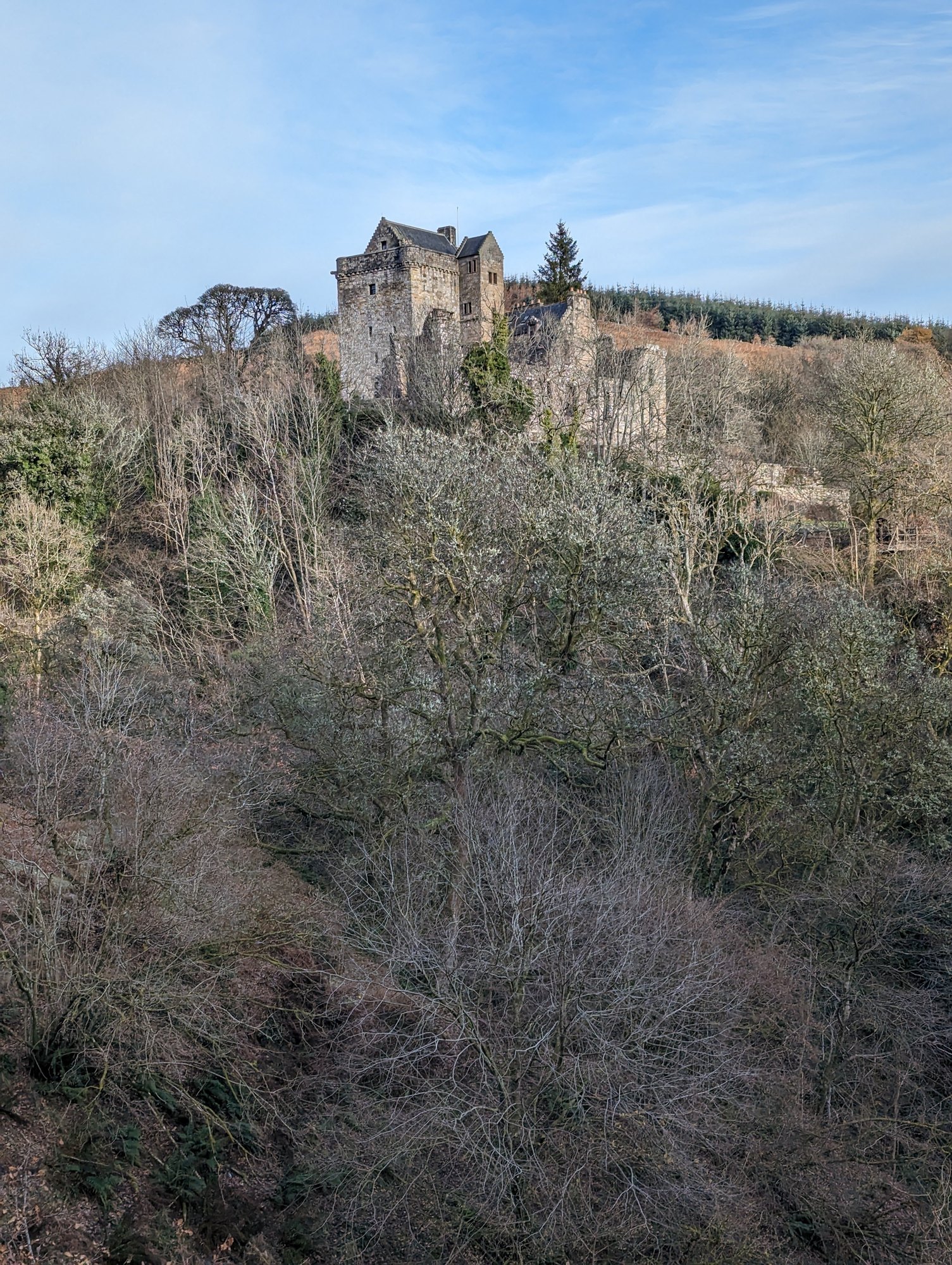
Along the foot of the Ochils runs a string of pretty Hillfoots towns. The pick is Dollar, where a dramatic wooded gorge — Dollar Glen — climbs to Castle Campbell, the old Lowland stronghold of the Campbells once cheerfully known as “Castle Gloom.” The walk up through the glen is superb, and the castle’s hilltop setting is one of the best in central Scotland. Neighbouring Alva hides a remarkable story — the Silver Glen above the village yielded the richest vein of silver ever mined in Britain in the 1710s.
The Ochils, the forest & the Forth
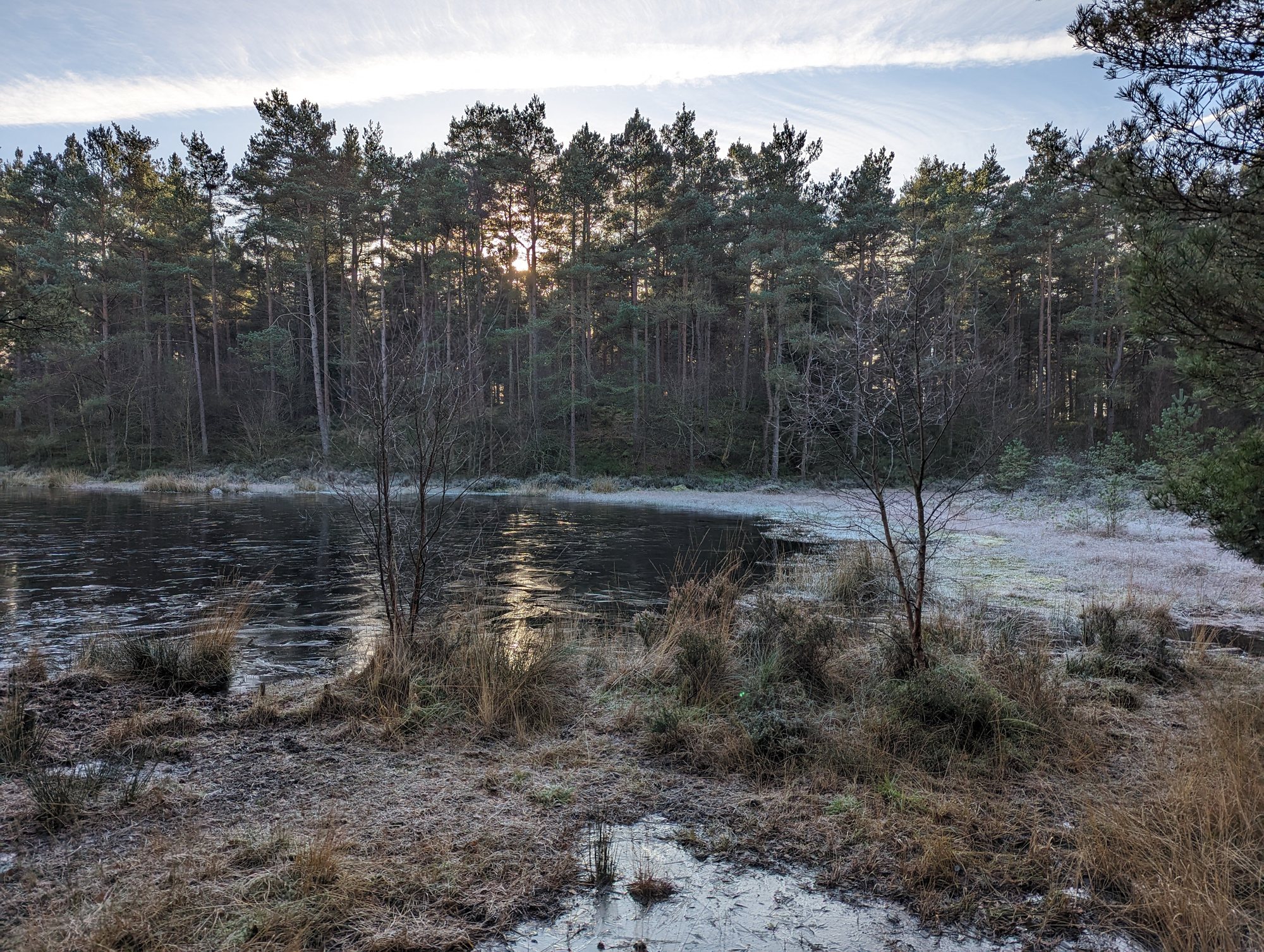
Behind the Hillfoots, the road climbs into the hills at Glendevon — reservoirs, an old drove road and the quiet green heart of the Ochils, good for a walk away from the crowds. West toward the Forth bridges, Devilla Forest is a lovely, low-key ramble — red squirrels, still lochans that freeze in winter, a Bronze-Age standing stone and the poignant plague graves of families who fled here in the 1640s.
The showstopper of the lower Forth, though, is The Kelpies at Falkirk — Andy Scott’s pair of 30-metre steel horse-heads rearing over the Helix park and the Forth & Clyde Canal. They are the largest equine sculptures in the world, and genuinely jaw-dropping up close, especially lit up after dark; the surrounding park is free, flat and brilliant for families and bikes. To link it all on two wheels, the Alloa–Dunfermline Cycle Circle stitches 55km of old railway and Forth coastline together — with a coffee stop at Culross — into one of the best day rides in the central belt.
Why Stirling & the Forth Valley?
Because it is Scotland’s history in one compact, central package — a castle to rival Edinburgh’s, the battlefields that decided the nation, the world’s largest horse sculptures, and a string of quiet Hillfoots towns and glens most visitors never see. It’s also the perfect touring base: within an hour of Edinburgh, Glasgow, the Trossachs and Fife alike. Underrated, easy to reach and genuinely rewarding — a strong yes, and we’d say that even without living here.
Explore more: Lochs · Castles · Clans · Standing Stones · Kirks & Abbeys.