Dufftown: The Malt Whisky Capital of the World — Seven Stills, a Clock That Hanged a Man & an Ancient Kirk
Overview — the honest take
Dufftown is a small, four-square planned town in the hills of Speyside, in Moray — and it happens to make more single malt whisky than anywhere else on earth. The local rhyme sums it up: “Rome was built on seven hills, Dufftown stands on seven stills.” Around this one wee town cluster Glenfiddich, The Balvenie, Mortlach, Glendullan, Kininvie and Dufftown (Singleton) distilleries, with more within a short drive. It’s the natural base for a Speyside trip — but there’s far more here than whisky: a striking Clock Tower with a dark story, one of Scotland’s oldest churches just down the road, a great ruined castle, and Highland cattle in the fields all around.
Where it is
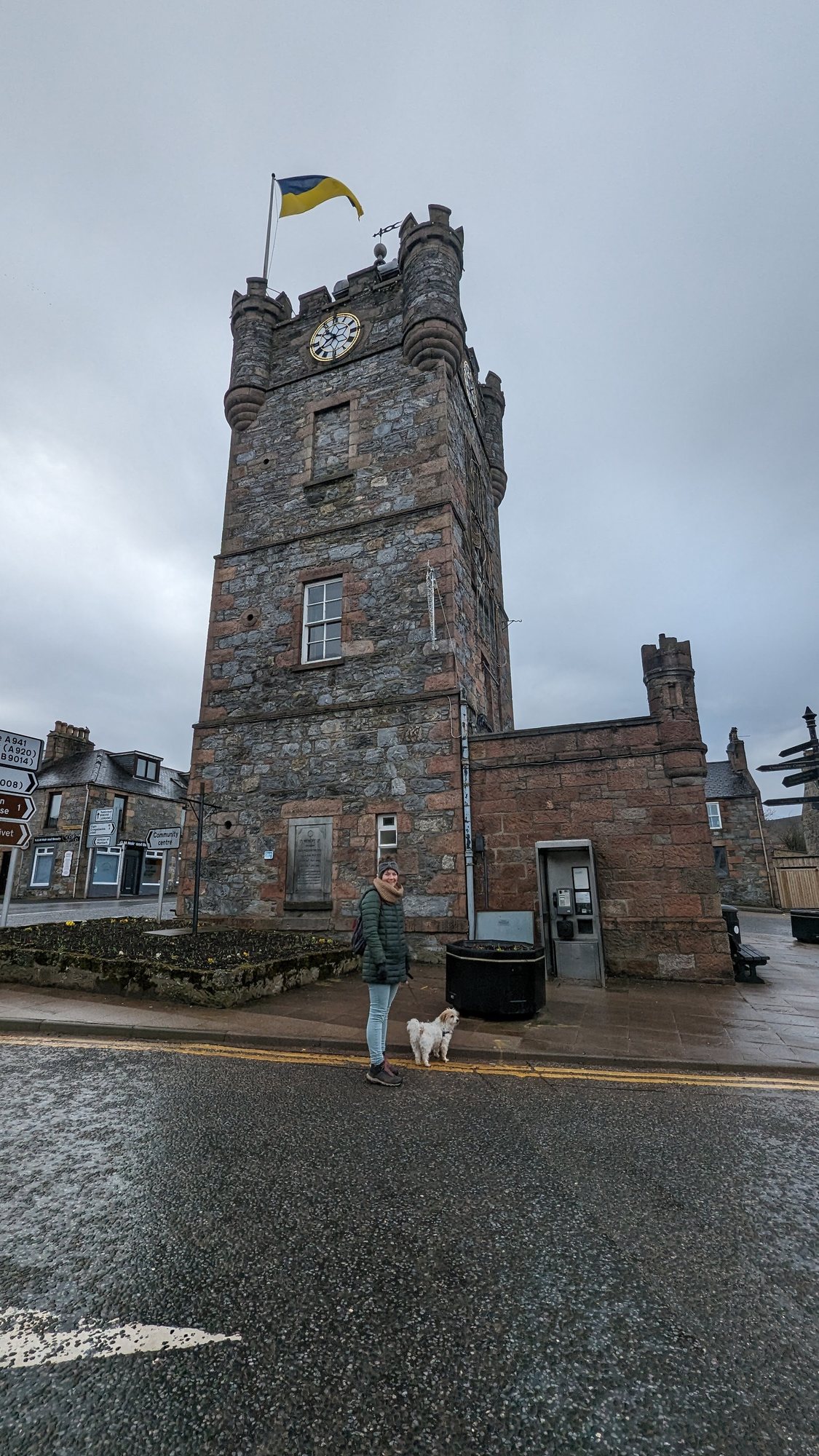
Dufftown sits in Moray, about 17 miles south of Elgin and 10 miles from Keith, up the valley of the Fiddich and Dullan waters. It’s the hub of the Speyside malt country, roughly an hour from the coast and well placed between Aberdeen and Inverness. Four main streets — Fife Street, Balvenie Street, Conval Street and Church Street — meet at the Clock Tower in the square, exactly as the town was laid out to do.
A planned town of the Earls of Fife
Dufftown is not an ancient huddle that grew by accident; it was designed. It was founded in 1817 by James Duff, 4th Earl Fife, to give work and homes to soldiers coming back from the Napoleonic Wars, and it takes its name from his family. The neat grid of streets around a central square is typical of the improving landowners of the age — and it’s what gives Dufftown its tidy, all-of-a-piece feel today.
The Clock Tower — “the clock that hanged Macpherson”
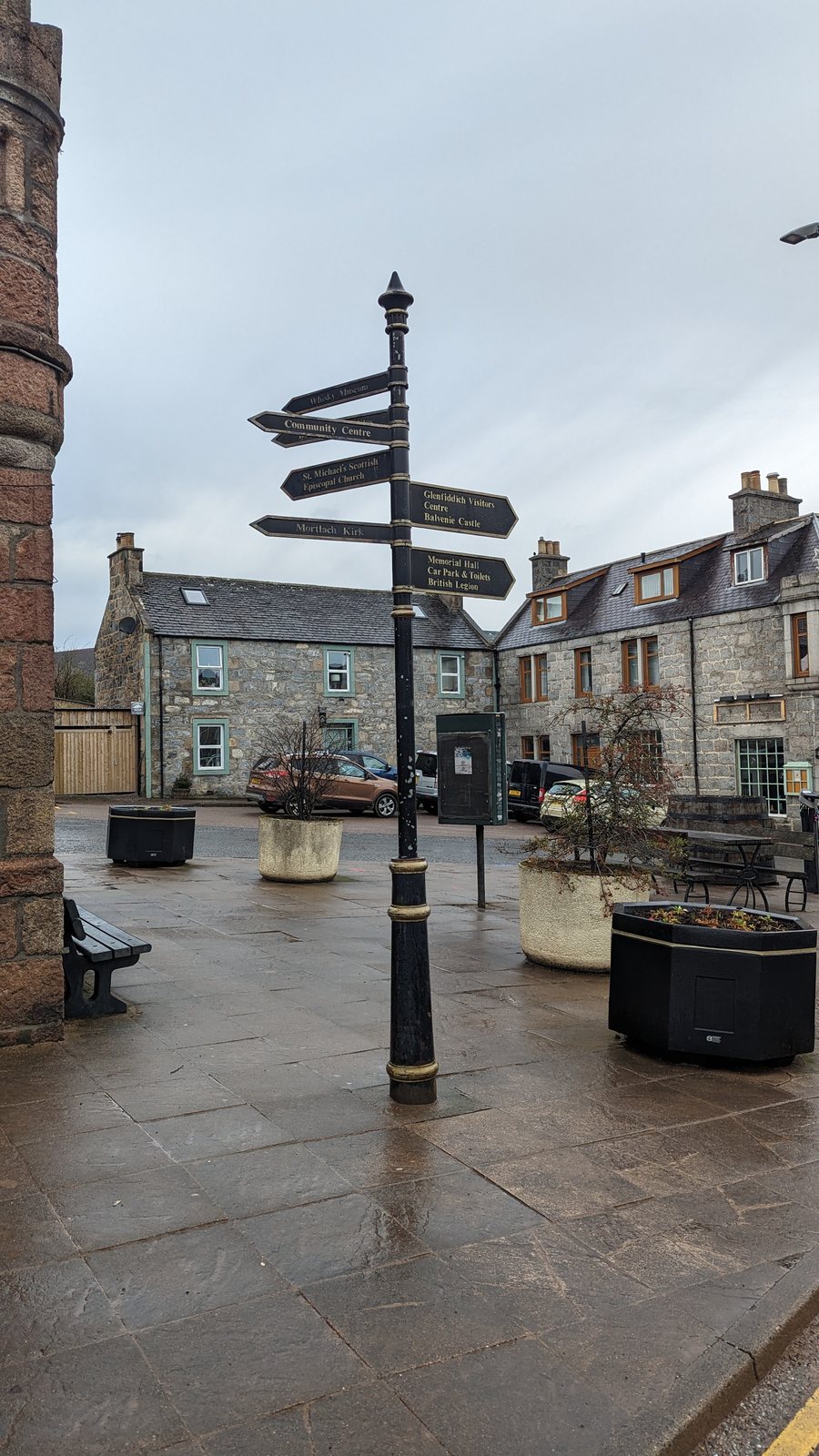
The Clock Tower standing in the middle of the square was built in 1839 as the town’s jail and burgh offices, and later held the tourist office and a small museum. But its clock has a grim past. It is said to be the very clock that once hung on the tolbooth at Banff, where in 1700 the outlaw and fiddler James Macpherson — a Robin Hood of the north-east — was to be hanged. Legend has it the magistrates, fearing a reprieve was riding to town, put the clock forward so the execution could be carried out before the pardon arrived. Macpherson is remembered for playing a defiant tune, Macpherson’s Rant, at the gallows and then smashing his fiddle. The clock, so the story goes, was later moved here — and Dufftown has never quite let the tale go.
The Malt Whisky Capital — the seven stills
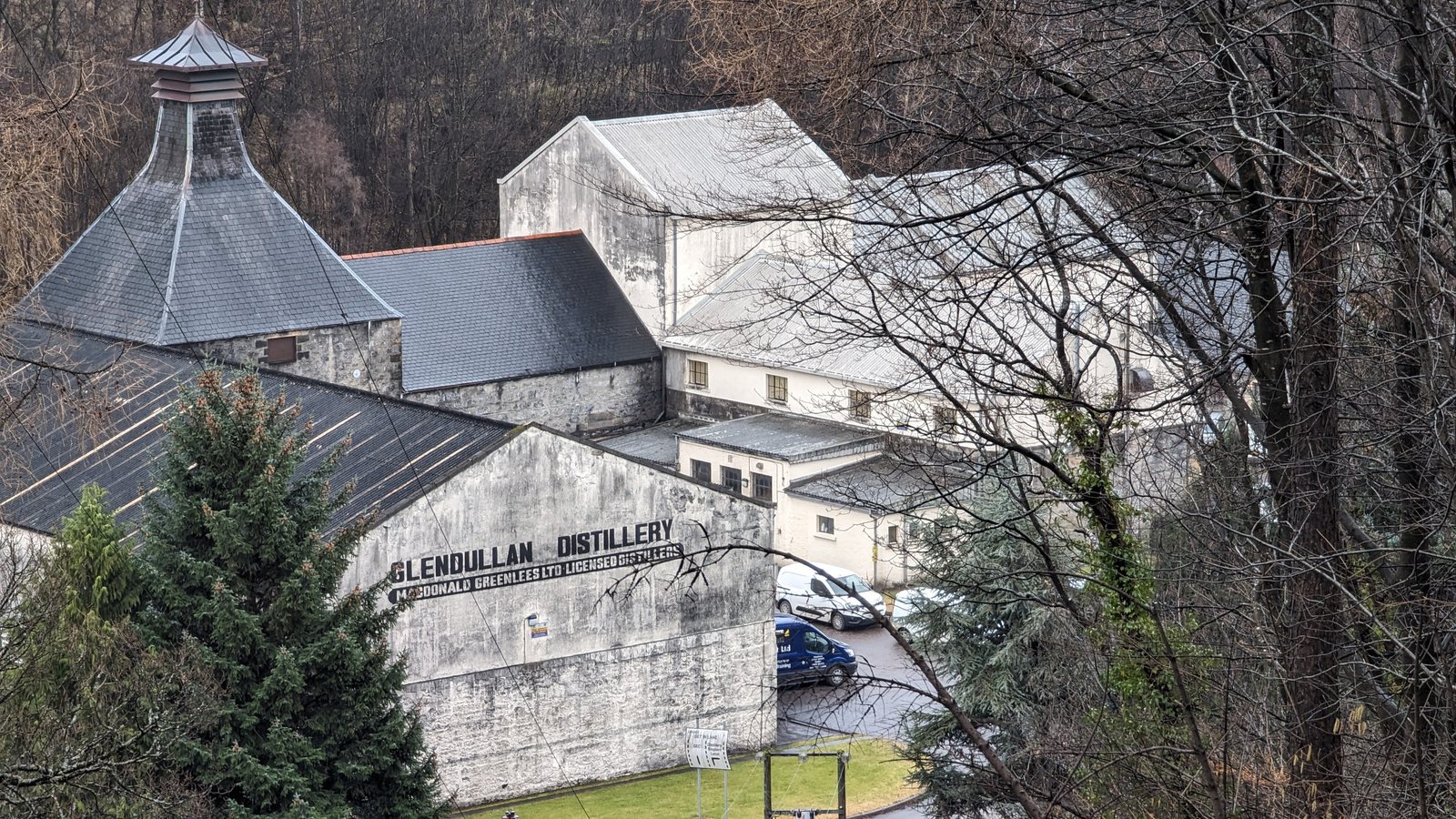
Dufftown’s real fame is liquid. More malt whisky is made in and around this little town than in any other place on the planet, and the pagoda-roofed distilleries are dotted through the glen. The two you’re most likely to visit are neighbours on the Balvenie estate:
- Glenfiddich — founded by William Grant in 1886–87 and still family-owned, the world’s best-selling single malt and a genuinely good distillery to tour.
- The Balvenie — Glenfiddich’s quieter, traditional sister, one of very few distilleries still doing its own floor maltings, sitting right beside Balvenie Castle.
Both, along with Kininvie, are the work of the Grants — whose story we tell on our Clan Grant page. The other stills — Mortlach (the oldest in Dufftown, from 1823), Glendullan and Dufftown (home of The Singleton) — make up the famous seven. The town celebrates it all at the annual Spirit of Speyside Whisky Festival, and you can taste your way round at the Whisky Shop in the square.
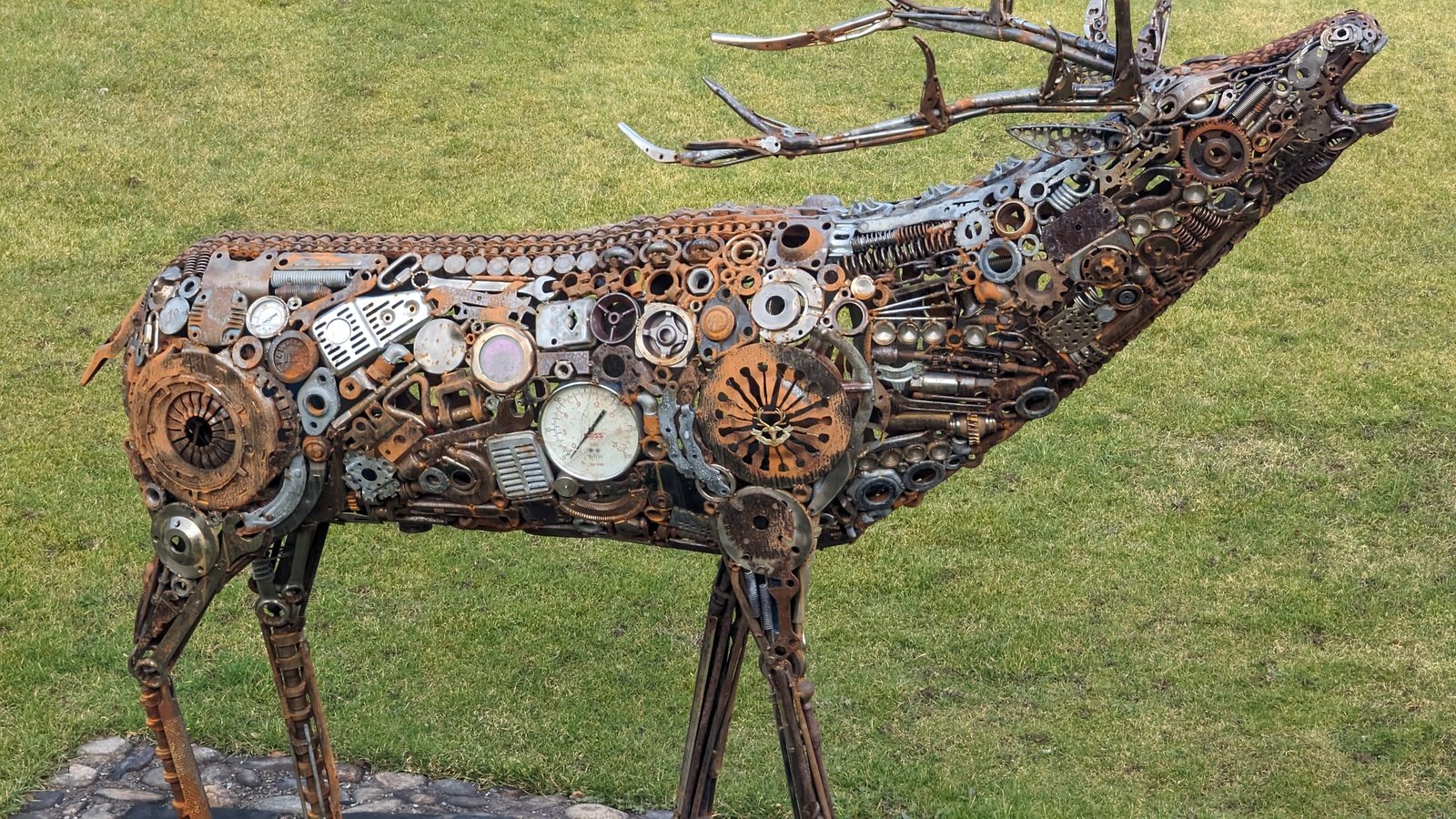
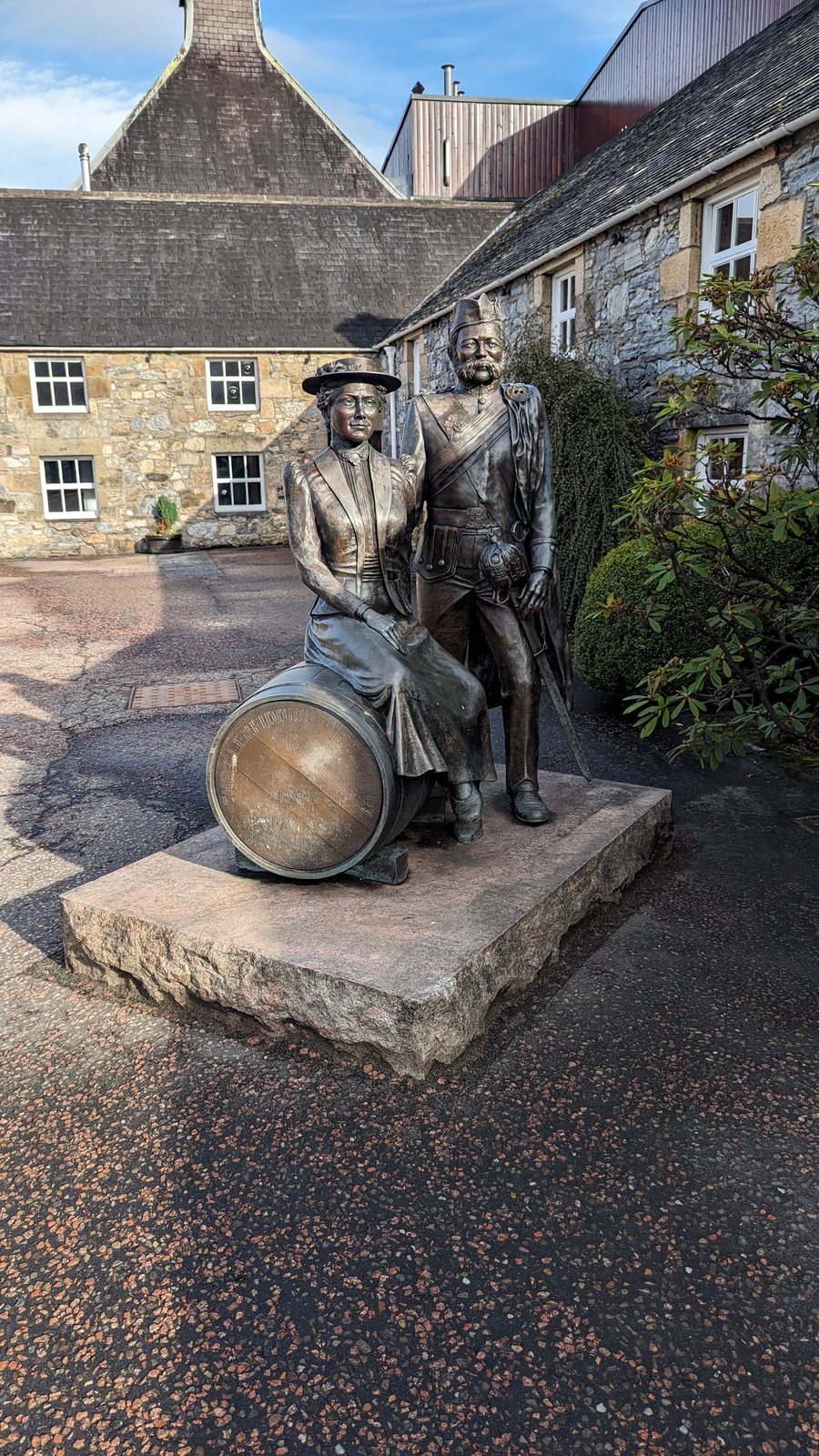
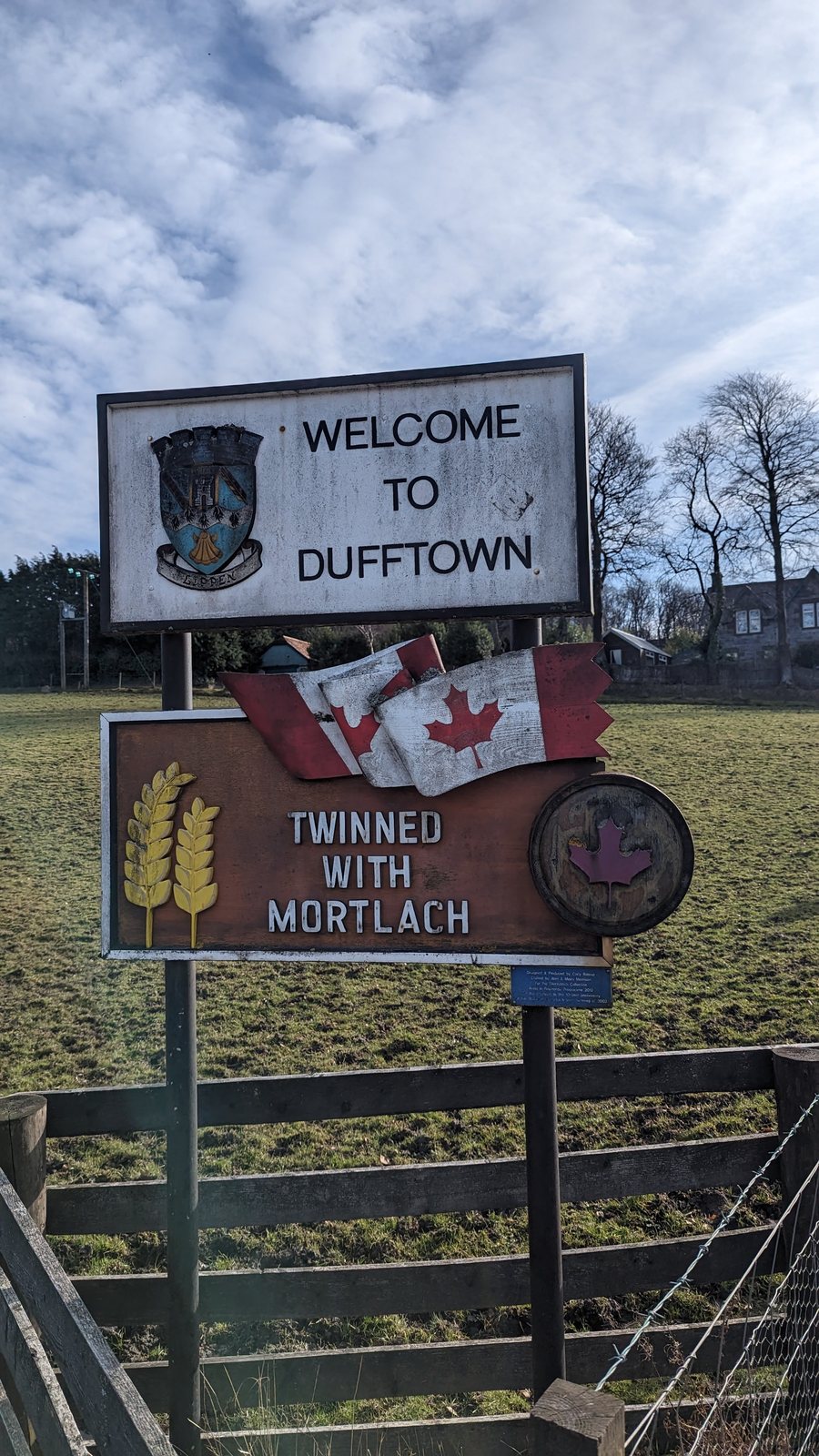
Mortlach Kirk — one of Scotland’s oldest churches
Just south of the square, where the Dullan Water runs, stands Mortlach Kirk — and it is far older than the town around it. There has been a Christian church on this spot since about 566 AD, traditionally founded by St Moluag, making it one of the oldest places of continuous worship in Scotland. For a time in the 11th and 12th centuries it was even a bishop’s seat, before the see moved to Aberdeen.
Its greatest legend is the Battle of Mortlach in 1010, when King Malcolm II is said to have defeated a Norse/Danish army here. As the story goes, the king prayed in the church and vowed that if granted victory he would lengthen it by three spear-lengths — which he duly did. In the kirkyard stand ancient carved stones, including the Battle Stone (a Pictish cross-slab) and the so-called Elephant Stone, and there’s a grim little watch-house built to guard fresh graves from the body-snatchers. It’s an atmospheric, deeply historic spot, and it ties Dufftown straight into the deep story of the Scottish church — see our Kirks, Cathedrals & Abbeys of Scotland pillar. A lovely walk follows the Dullan Water down to the kirk past the Giant’s Chair and the Linen Apron waterfalls.
Balvenie Castle
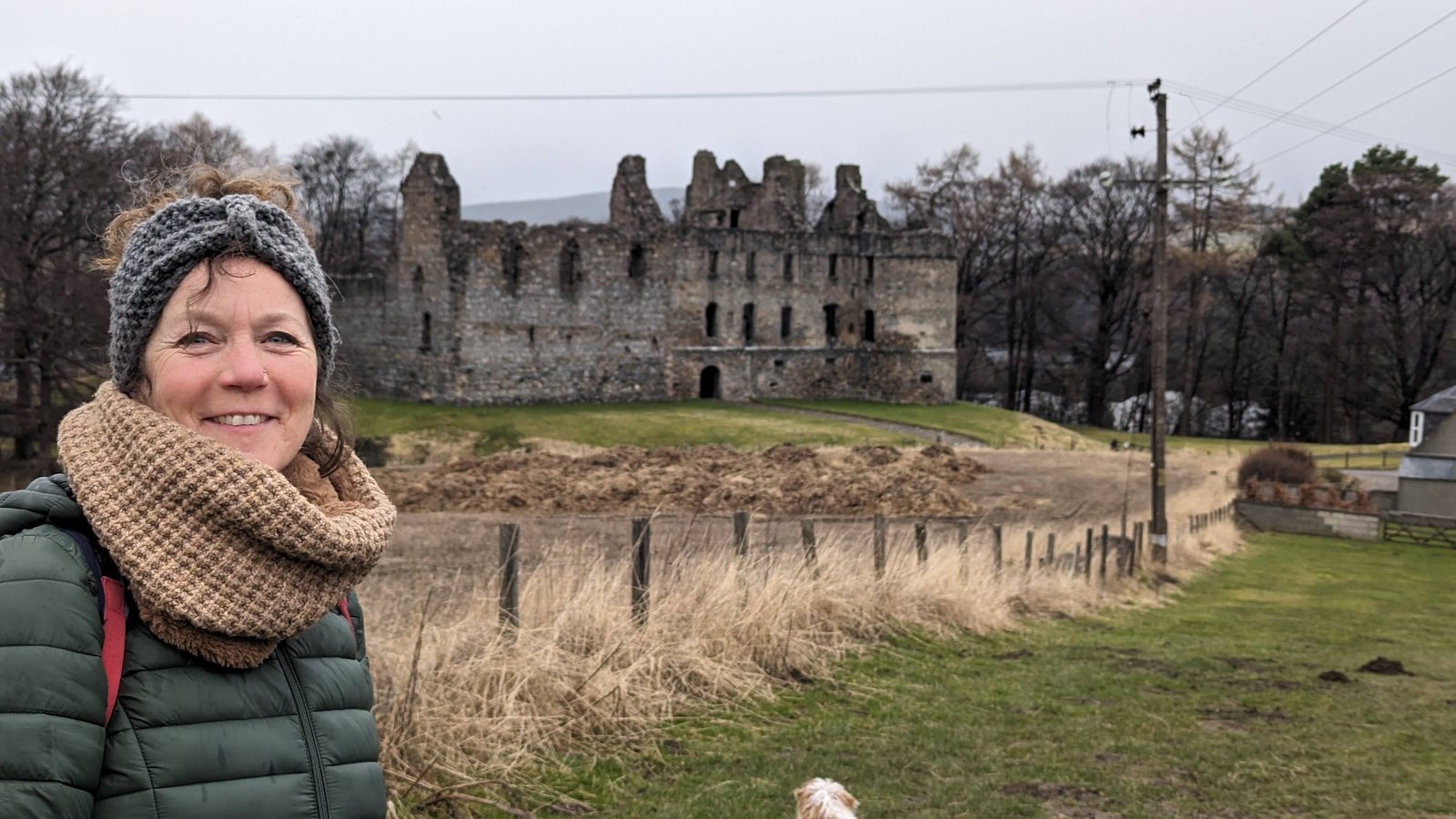
On the edge of the town, right next to the Balvenie and Glenfiddich distilleries, sits Balvenie Castle — a substantial ruined stronghold with one of the few surviving moats in the north-east. Begun by the Comyns in the 1200s, it passed to the Black Douglases and then the Stewart Earls of Atholl, and was visited by Mary, Queen of Scots in 1562. It’s in the care of Historic Environment Scotland; the full story is on its own page.
Highland cattle & the glen
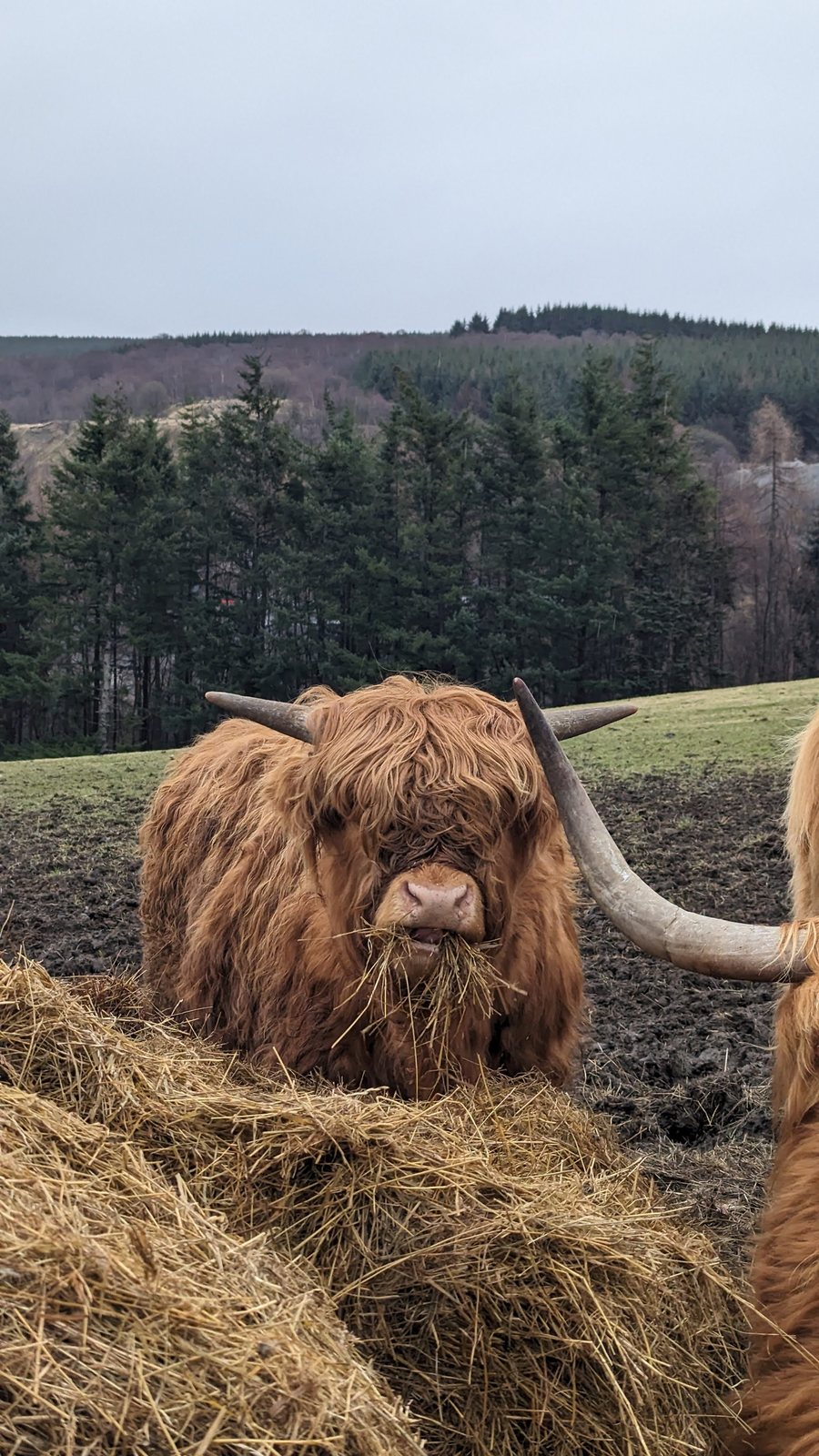
For all the whisky, this is farming country, and the fields around Dufftown are full of shaggy, long-horned Highland cattle. It’s a quietly beautiful bit of Scotland — heather hills, the two rushing rivers, and the pagoda roofs poking up between the trees. If you’re here without a car, the heritage Keith & Dufftown Railway (“The Whisky Line”) runs steam and diesel trains through the glen in season.
Coffee & the town
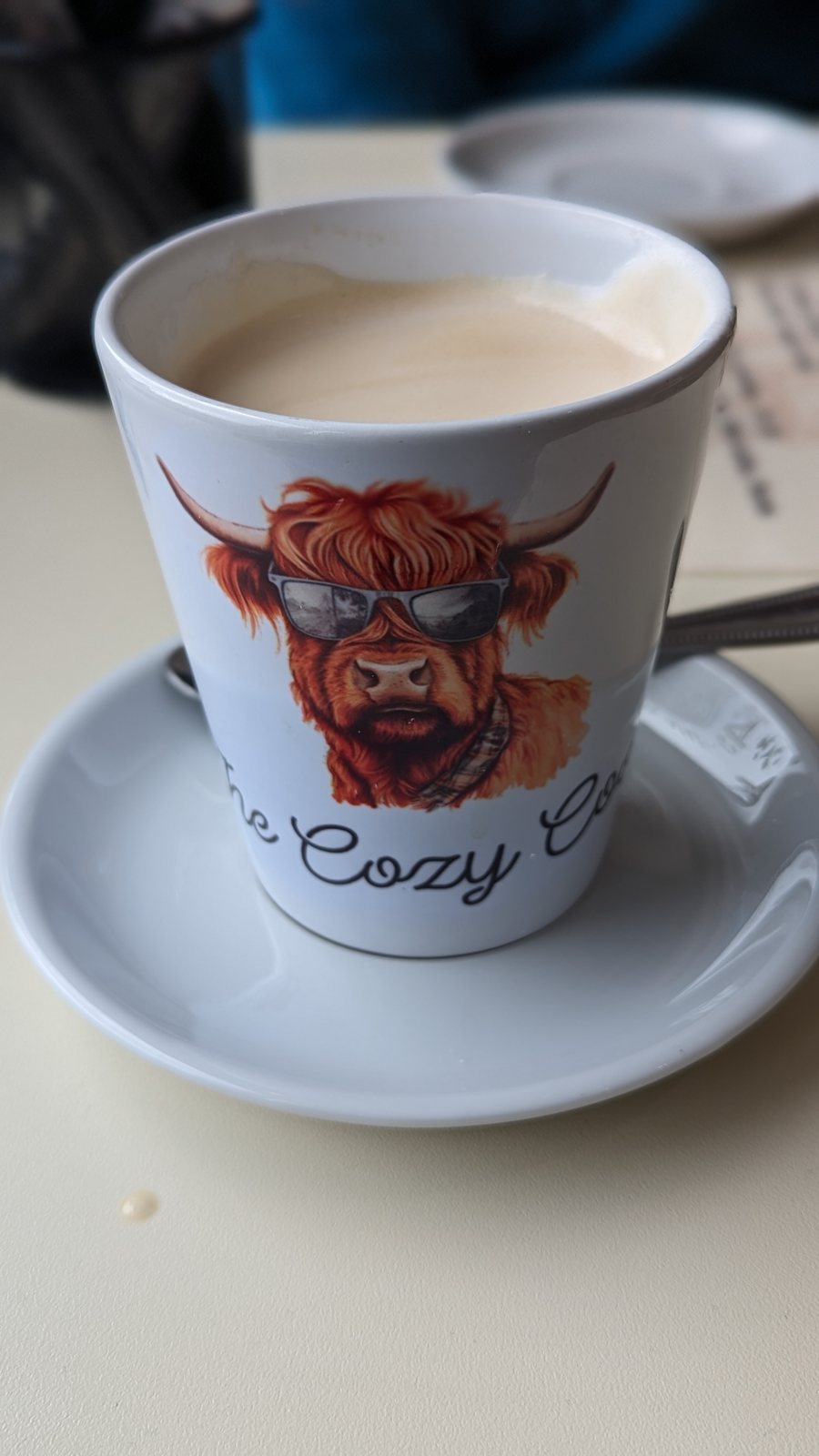
The square and the four streets hold a good scatter of cafés, a couple of pubs, the whisky shops and everyday shops — enough to make an easy, pleasant base for a day or two of distillery-hopping. It’s the sort of small town where everything is a two-minute walk from the Clock Tower.
Nearby
- Glenfiddich Distillery — the world’s best-selling malt, on the edge of town.
- Balvenie Castle — the moated Comyn–Douglas–Stewart stronghold beside the stills.
- Clan Grant — “Stand Fast”: the family behind Glenfiddich and The Balvenie.
- Dunkeld — the ancient cathedral town on the Tay, on the road south.
Sources
- VisitScotland & Wikishire (the town, the Earls of Fife, the seven stills).
- On the Clock Tower and Macpherson, and on Mortlach Kirk: local heritage records and the Canmore entry for Mortlach parish church (foundation, Battle of Mortlach, the carved stones).
- Everything first-hand is from our own winter visit to Dufftown and Speyside.