
Arbroath Abbey: Where Scotland Declared Its Freedom in 1320
🏰 Historic Environment Scotland · paid entry
Overview
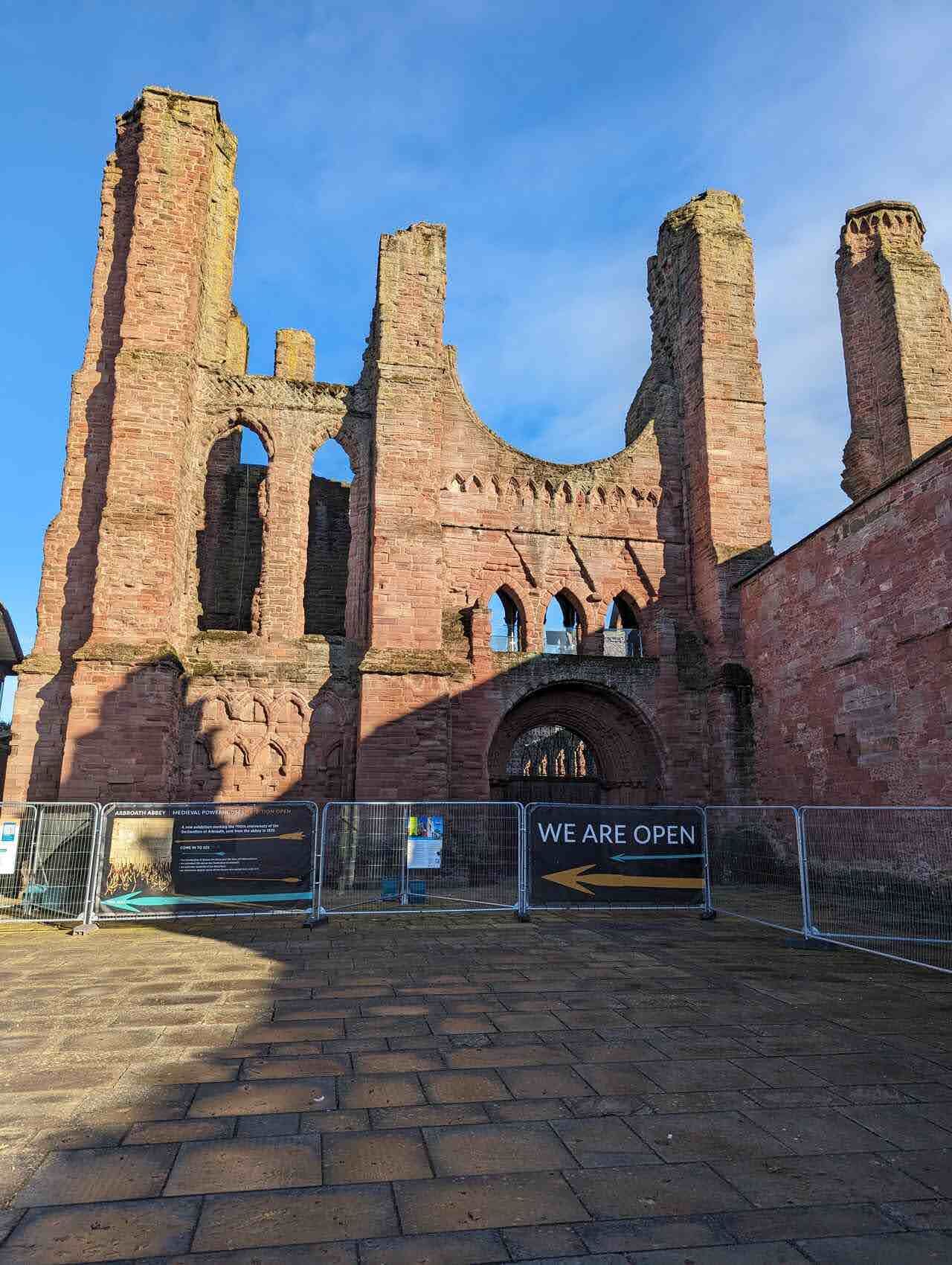
Right in the middle of the Angus town of Arbroath stand the great red-sandstone ruins of Arbroath Abbey — and they carry more history than almost any other spot in Scotland. This is where, on 6 April 1320, the barons of Scotland put their seals to the Declaration of Arbroath, the ringing assertion of Scottish independence and one of the most celebrated documents in the country’s story. It’s cared for by Historic Environment Scotland, with a smart visitor centre telling the tale.
The abbey’s story
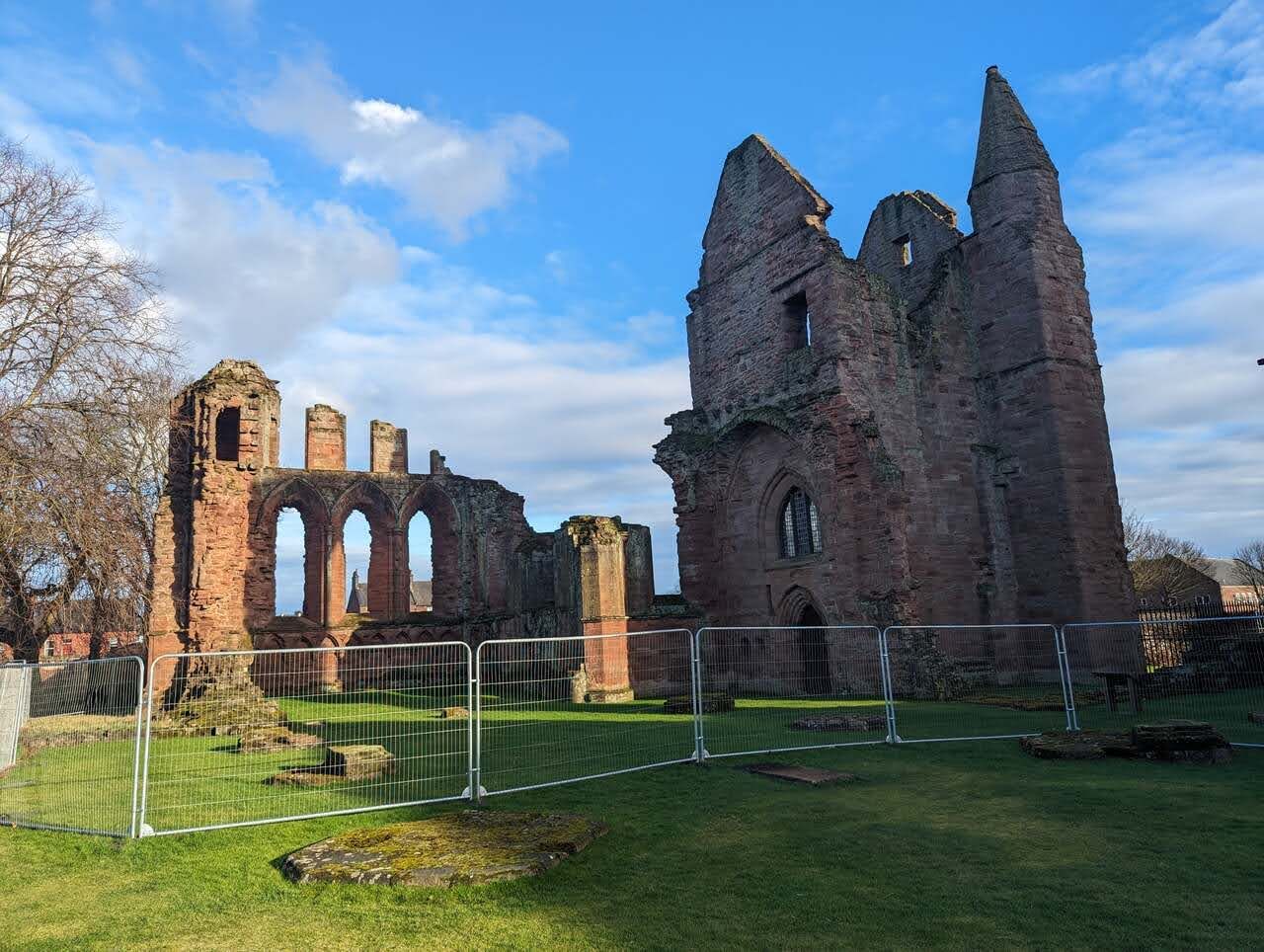
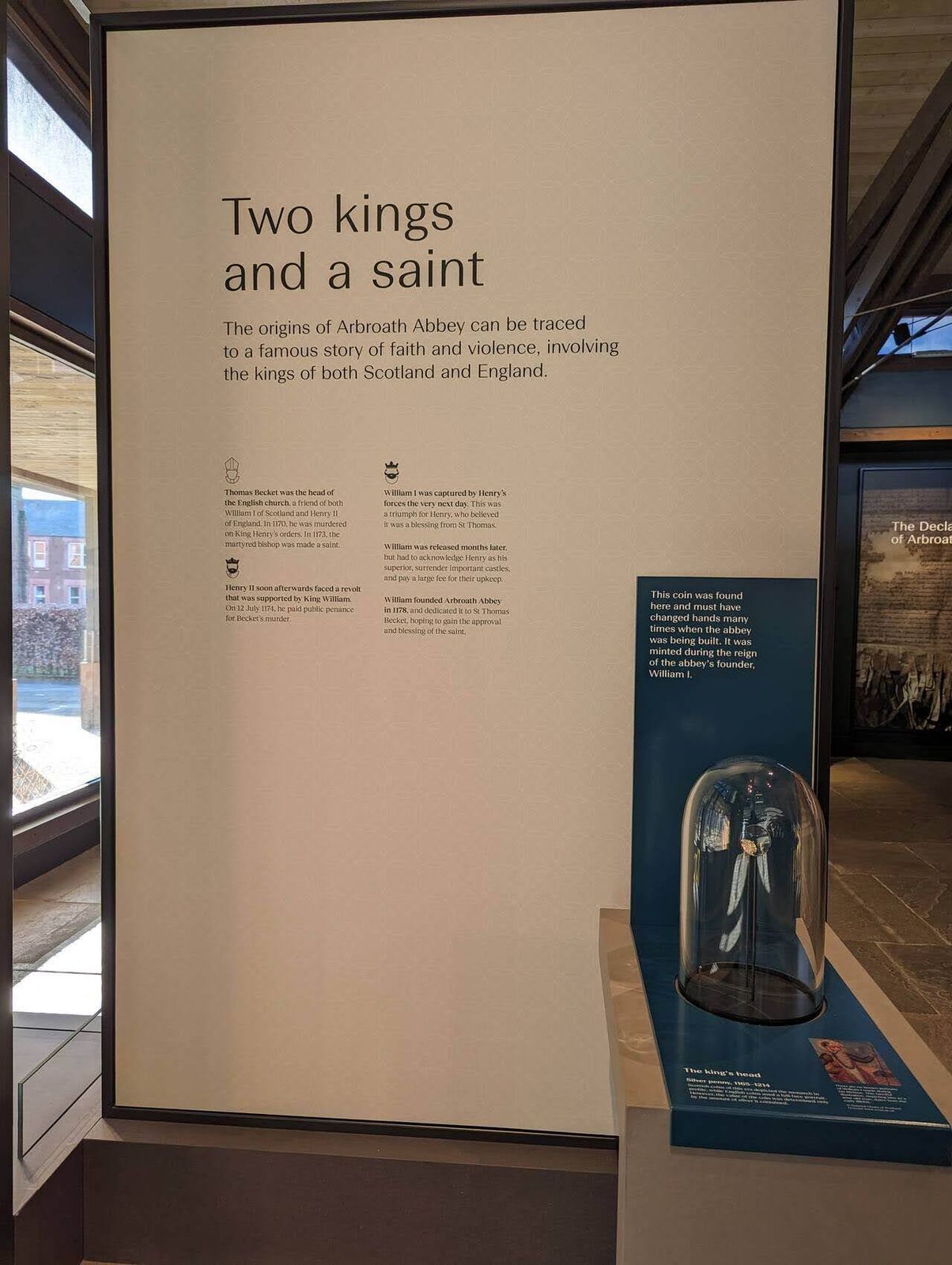
The abbey was founded in 1178 by King William the Lion, and dedicated to his friend Thomas Becket, the archbishop murdered in Canterbury Cathedral in 1170. For nearly 400 years it was one of Scotland’s grandest and wealthiest monasteries, its twin-towered church a landmark for miles. William the Lion himself was buried here in 1214, and a marble effigy thought to be his survives on site.
The Declaration of Arbroath, 1320
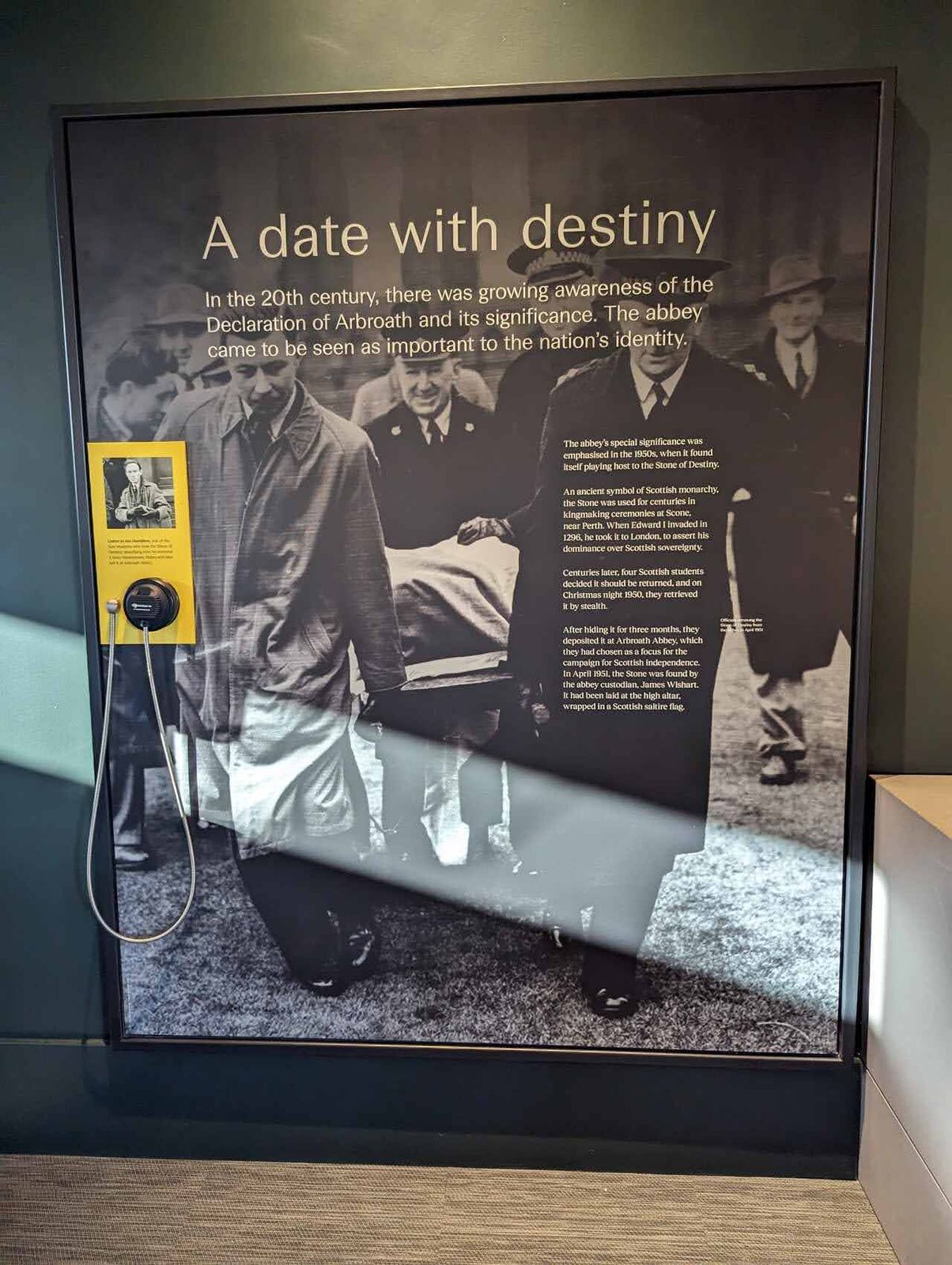
In 1320, Scotland was still fighting for its very existence. Robert the Bruce had won at Bannockburn in 1314, but England would not recognise him, and the Pope had excommunicated him. So the Scottish nobles wrote to Pope John XXII — a letter drafted here at the abbey by Bernard of Kilwinning, Abbot of Arbroath and Chancellor of Scotland, and sealed by fifty-one magnates and nobles. It demanded recognition of Robert the Bruce as rightful king, and Scotland’s freedom as an independent nation.
Its most famous lines still give you a shiver: that the Scots fought “not for glory, nor riches, nor honours, but for freedom alone, which no honest man gives up but with life itself.” The letter worked: it helped bring about the Treaty of Edinburgh–Northampton in 1328, in which England finally recognised Scotland as a fully independent kingdom. Many believe it went on to influence the wording of the American Declaration of Independence four and a half centuries later.
The “Round O”
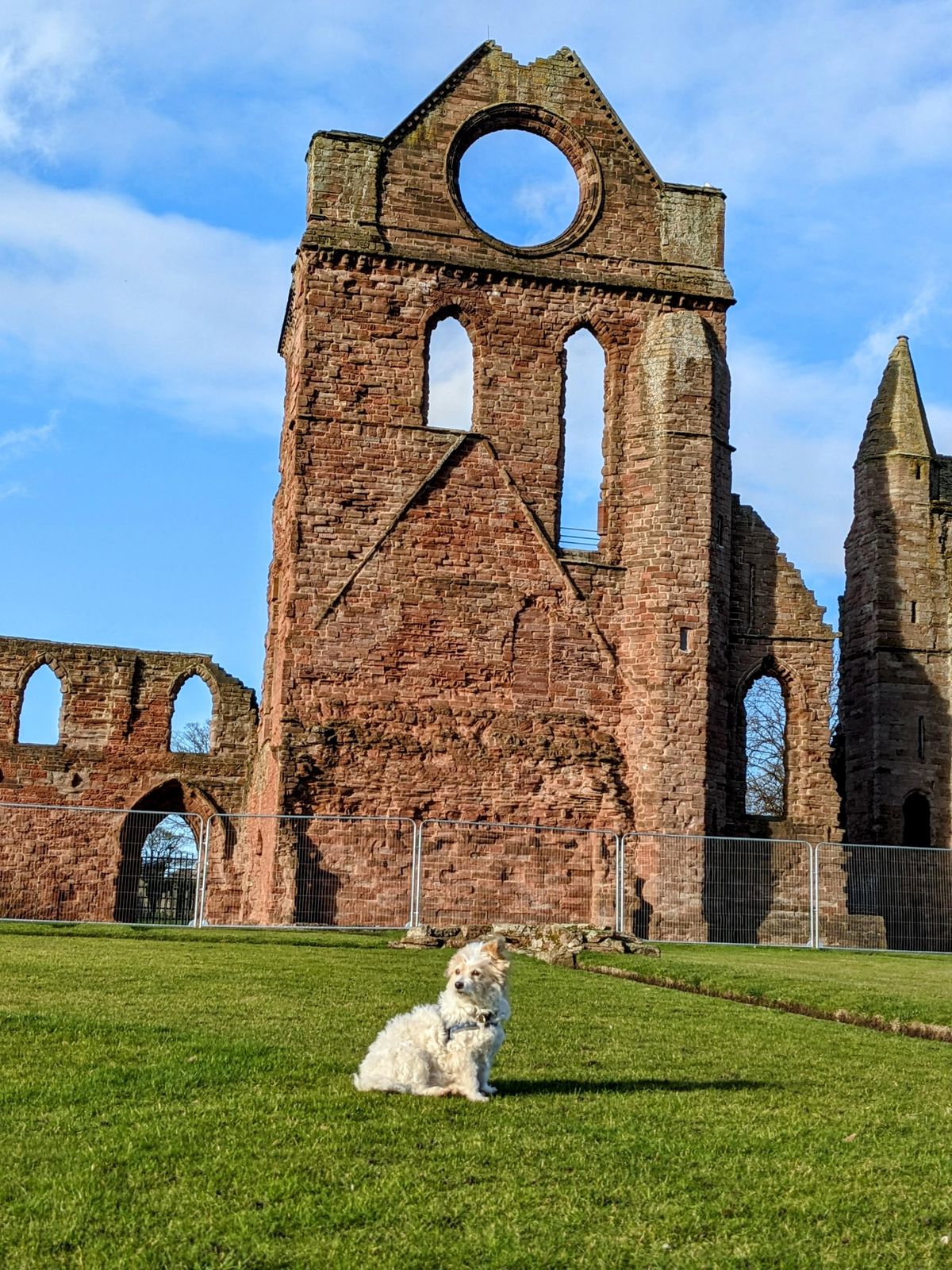
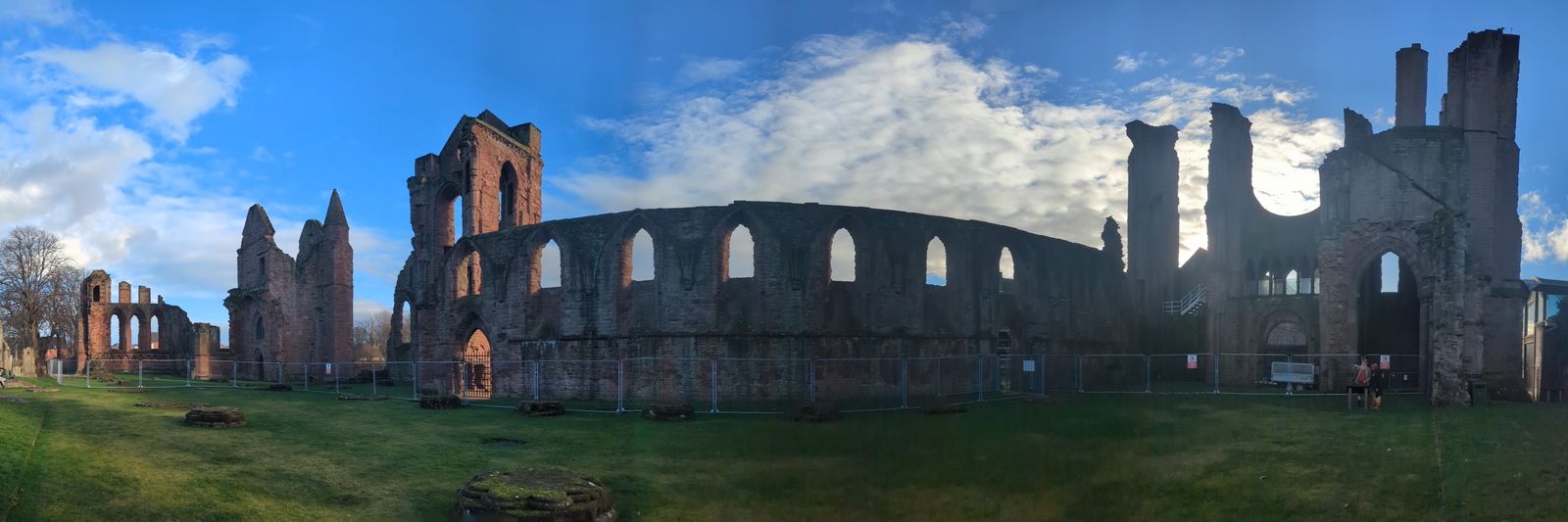
High in the south transept is the abbey’s most-loved feature: a great circular window known as the “Round O.” In the abbey’s working days a light was set in it each night as a beacon for sailors out in the North Sea — a lovely, practical touch of mercy from a building already full of grandeur.
Inside the ruins
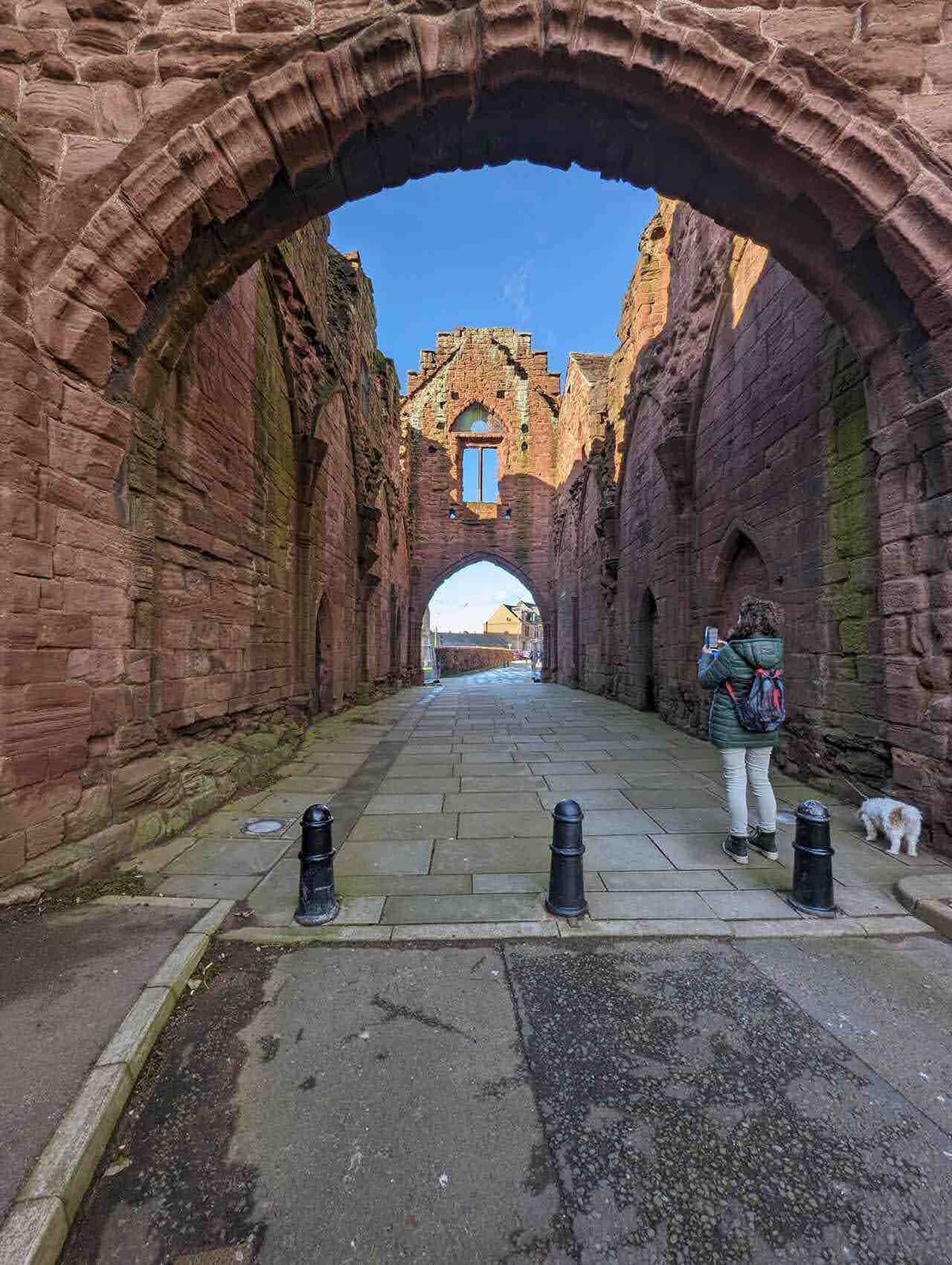
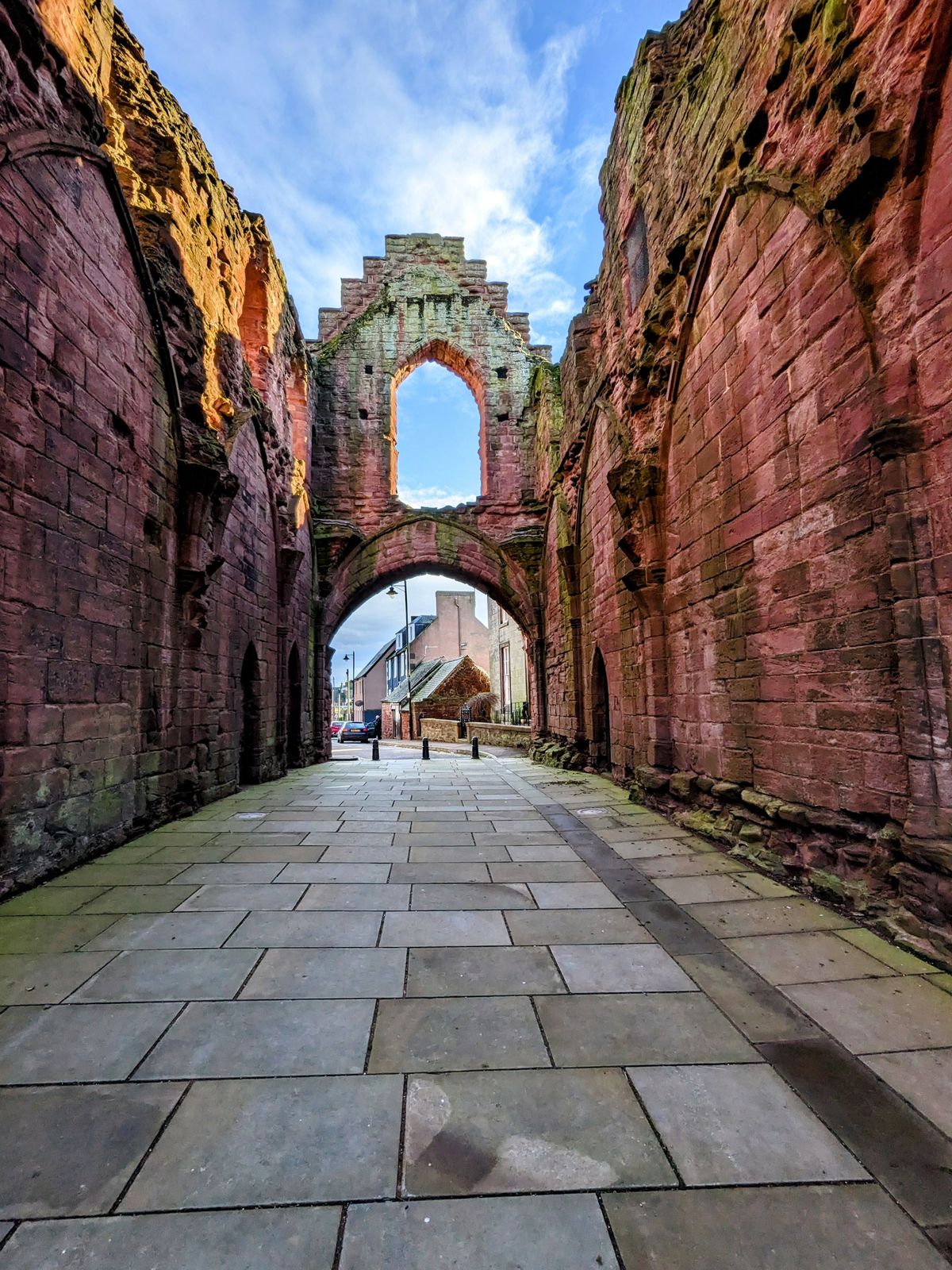
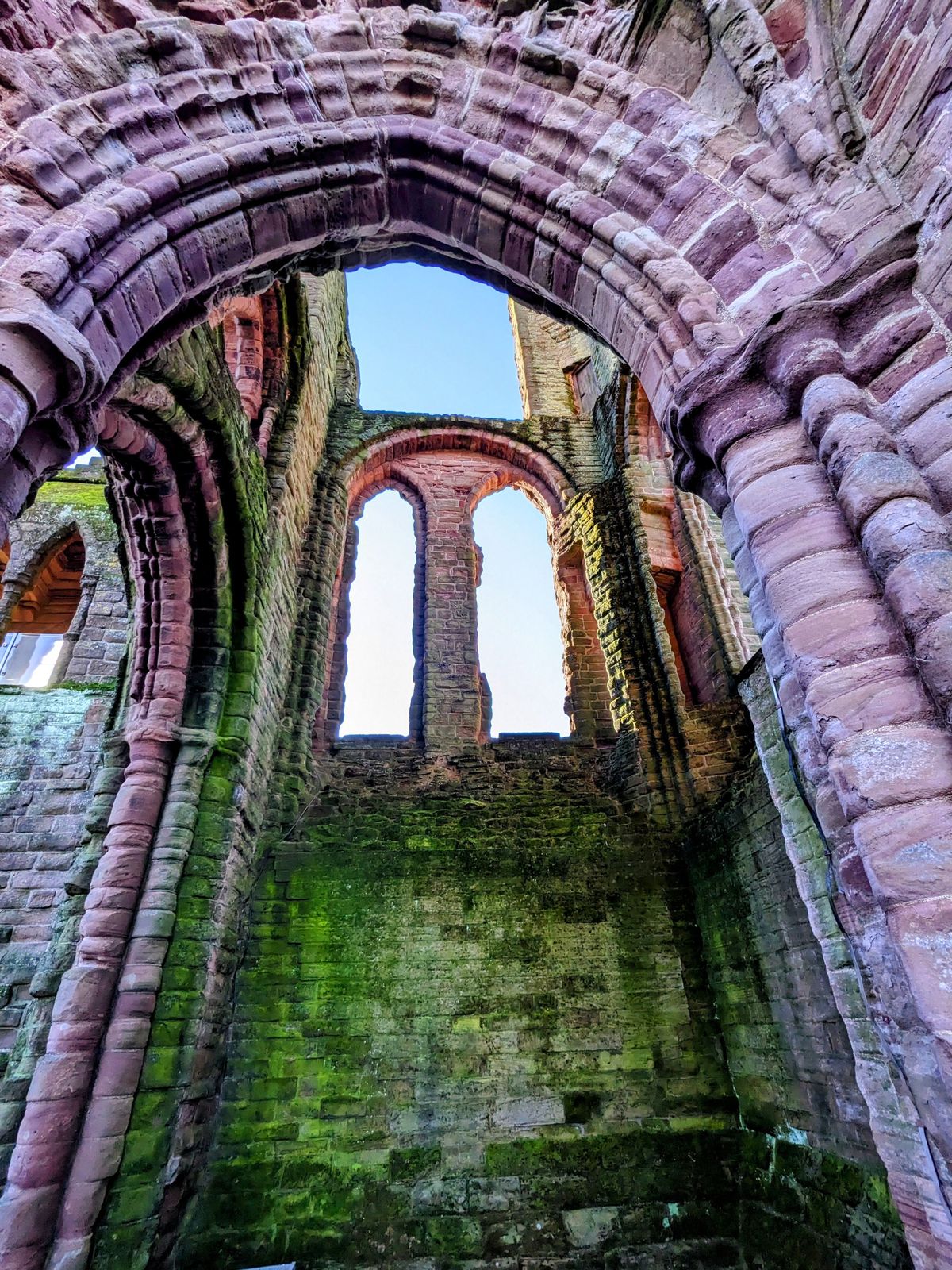
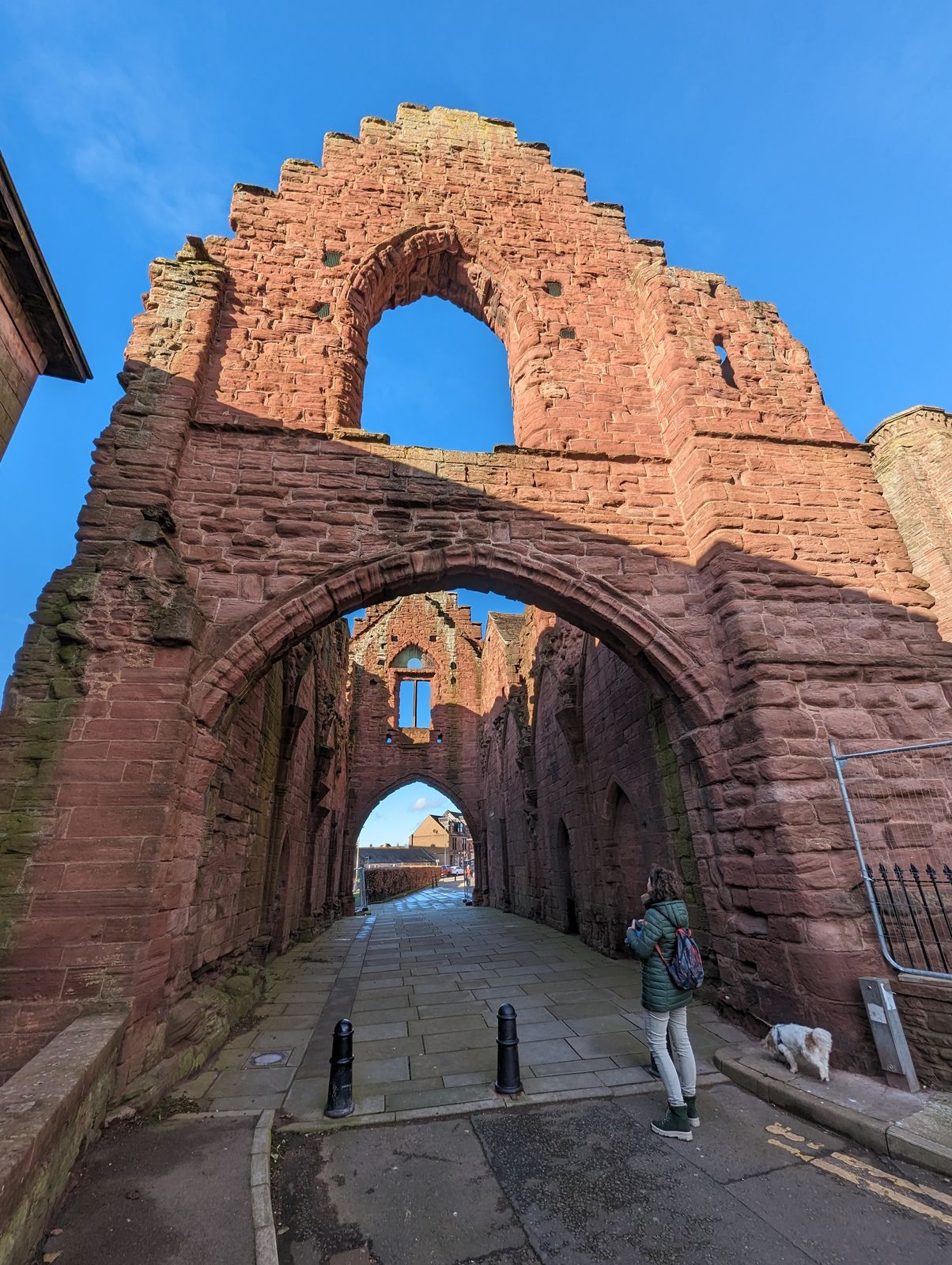
There’s far more to explore than a shell. You can walk the long nave, still soaring though open to the sky, and step inside the abbot’s house — reckoned one of the most complete medieval abbot’s residences anywhere in Britain. The visitor centre holds carved stones, effigies and 50-odd artefacts that bring the monks’ world back to life.
The graveyard
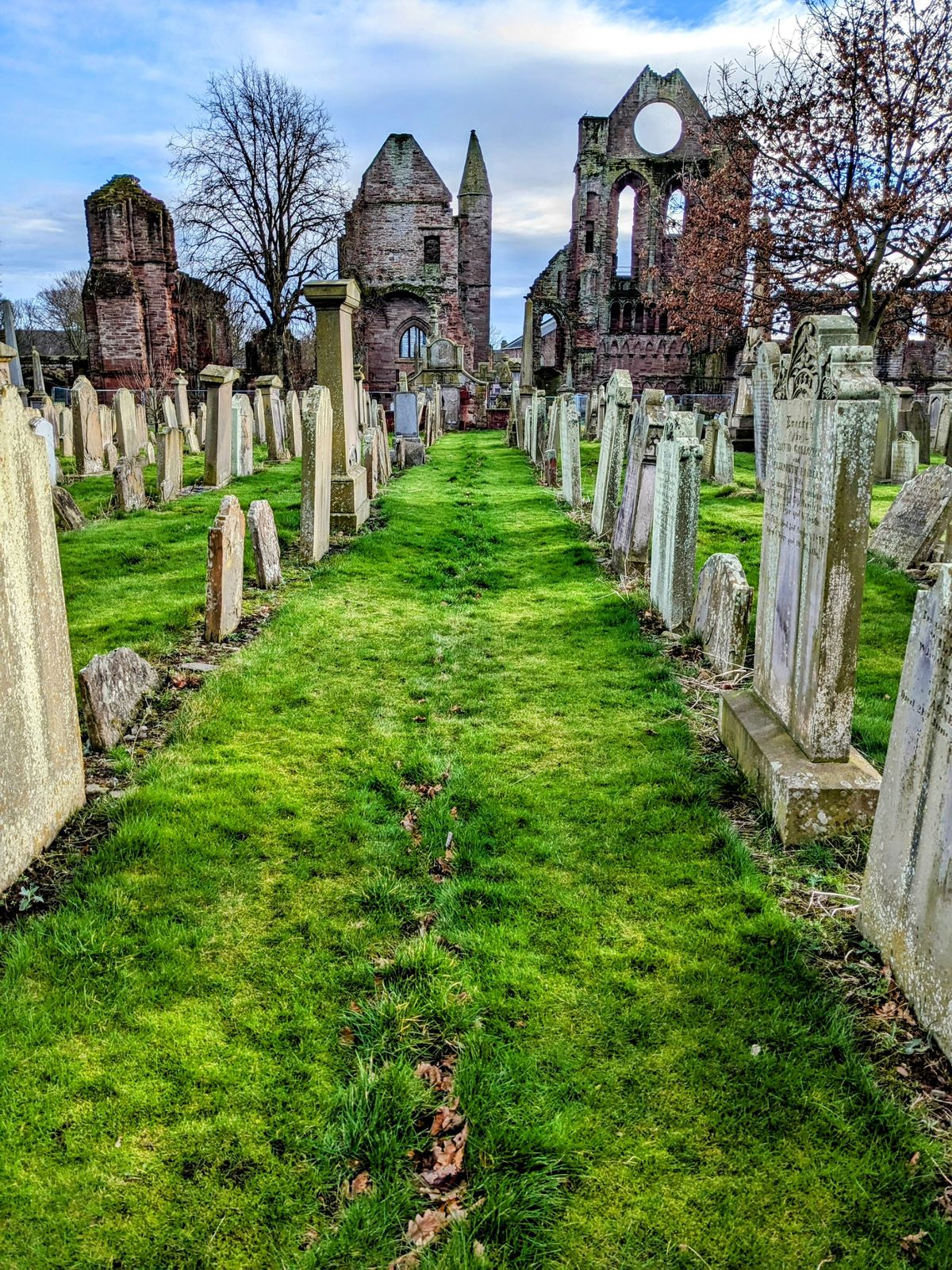
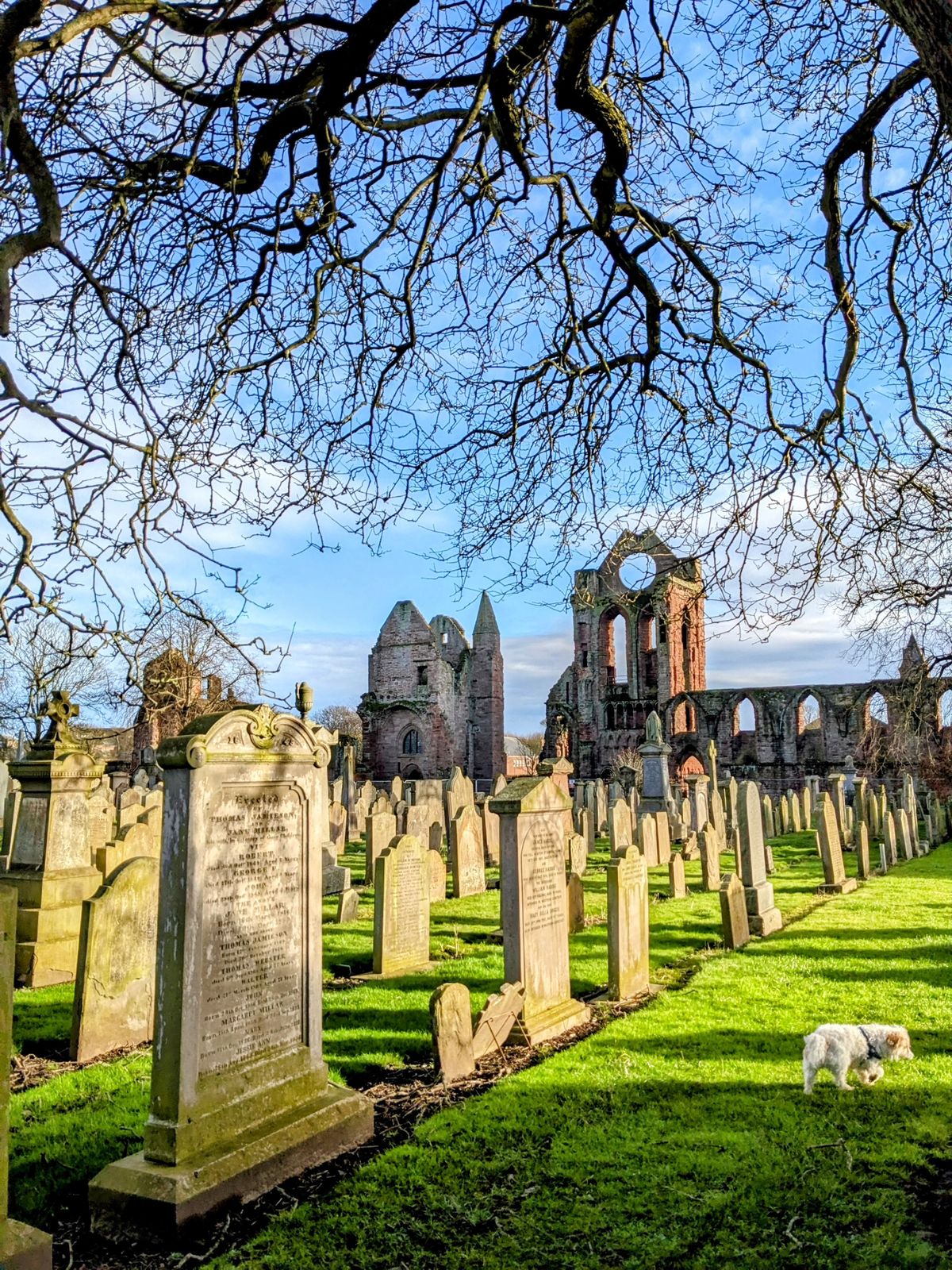
Around the ruins lies an old burial ground thick with weathered, characterful headstones — well worth a slow wander. Lillie, our wee dog, approved of the whole place.
Visiting
Arbroath Abbey is looked after by Historic Environment Scotland, with paid entry and a visitor centre, shop and displays. Check current opening times and prices with HES before you go — and allow a good hour or two, because there’s a lot of story packed into these red walls.
Nearby & the wider story
- Arbroath — the harbour town around the abbey, home of the famous Arbroath smokie.
- Clan Bruce & Stirling (Bannockburn) — the story of Robert the Bruce that the Declaration defended.
- Loch Leven Castle and the rest of our Castles of Scotland.
Sources
- Historic Environment Scotland, The Story of the Declaration of Arbroath.
- Undiscovered Scotland — Arbroath Abbey.
- Everything first-hand is from our own February 2024 visit.