
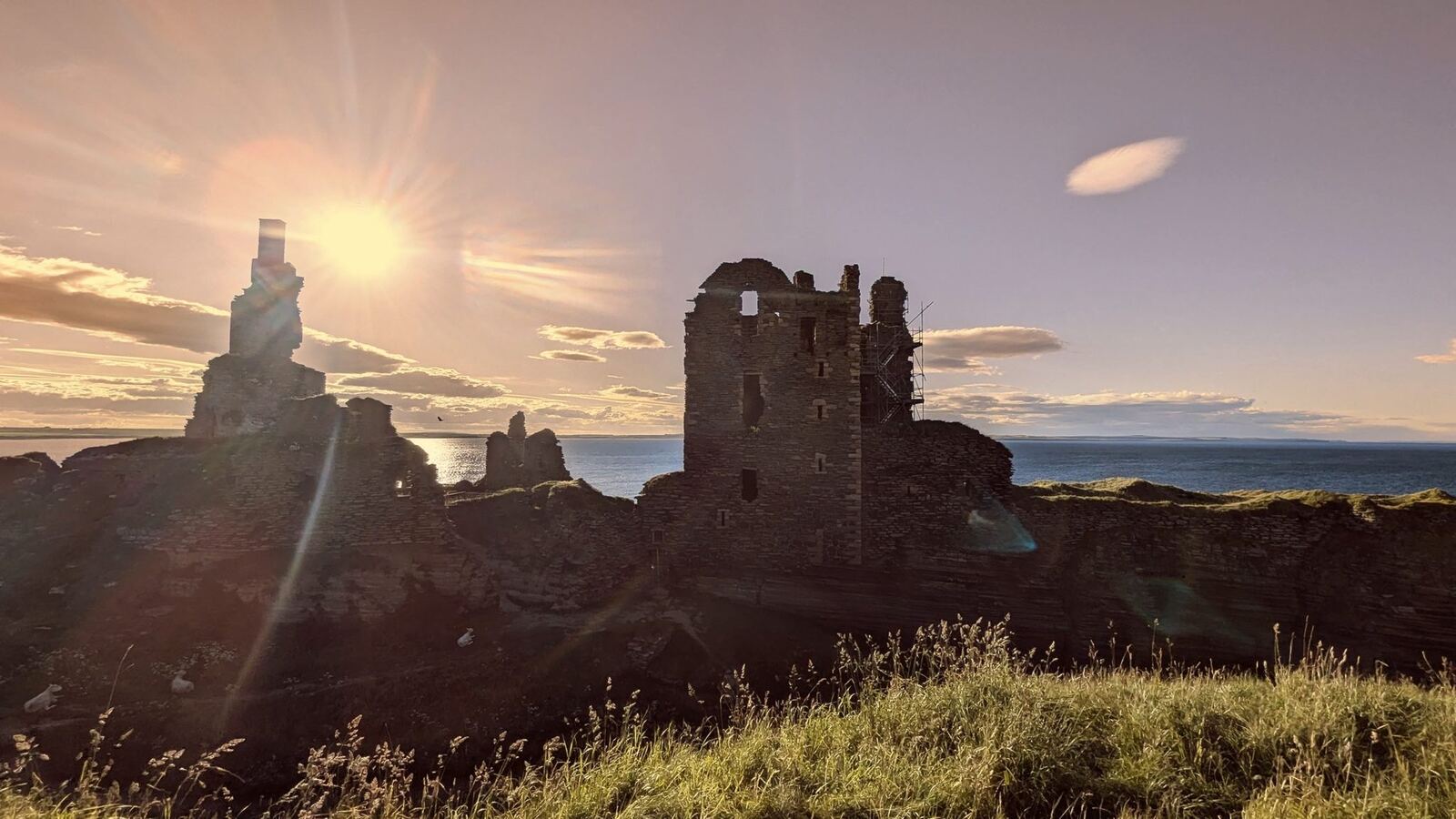
Caithness & the Far North
The top-right corner of the mainland — huge skies, flagstone cliffs and hidden harbours.
The top-right corner of the mainland, and a Scotland all of its own. Caithness is flat, treeless and enormous-skied — a land of flagstone fields, dry-stone “Caithness slabs” set on end for fences, and a coastline of sheer cliffs and hidden inlets. Most people race across it to reach John o’ Groats, but slow down and you’ll find one of the most atmospheric corners of the whole country, steeped in the ghosts of a herring boom that once made this the busiest fishing coast in Europe. It’s a long way north — that’s rather the point — so make the drive part of the adventure and give the far coast a day or two rather than an afternoon.
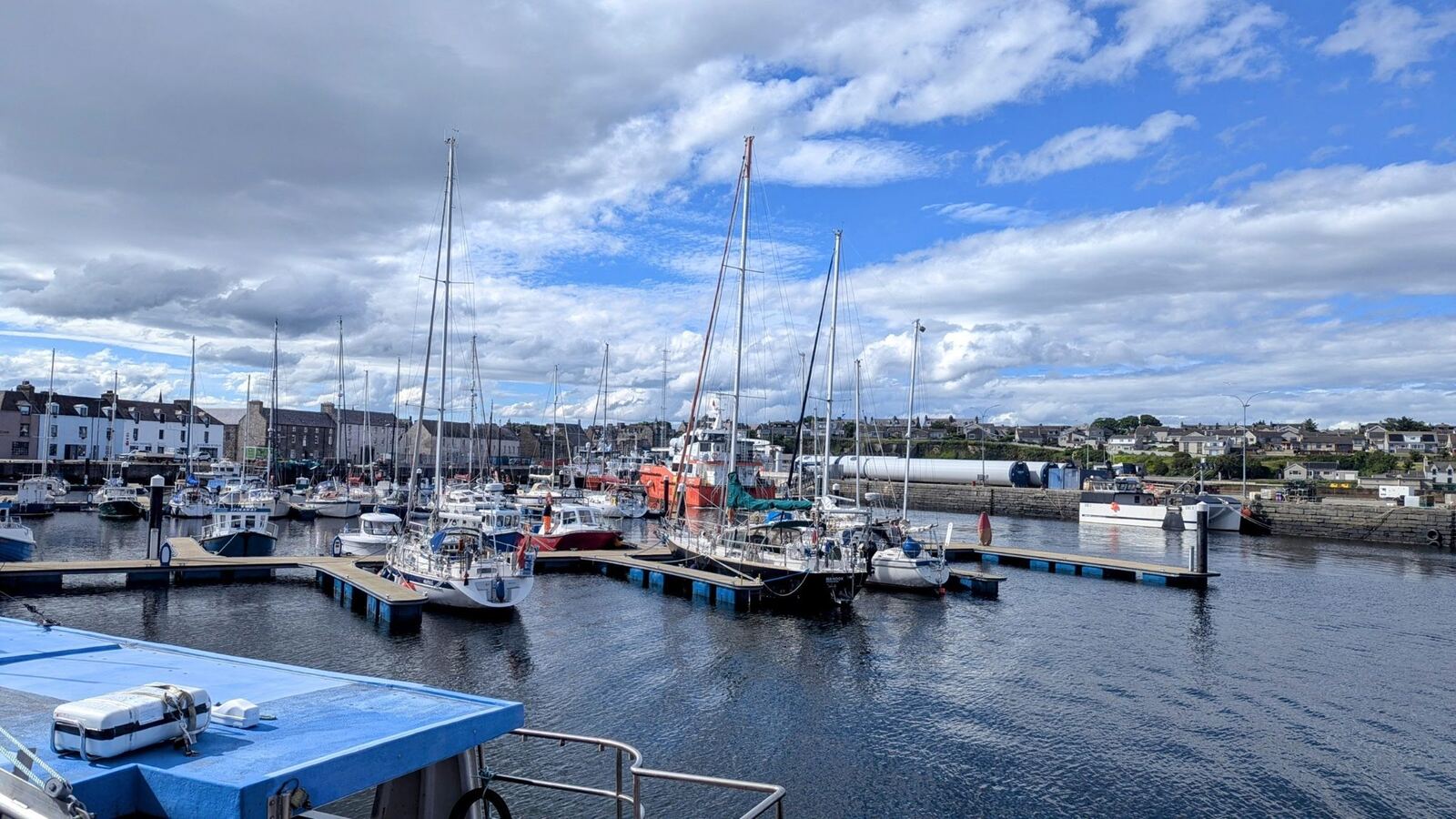
Wick, the herring capital
Wick is the capital of the far north, and in its Victorian heyday it was the greatest herring port on earth — more than a thousand boats crammed into the harbour at the peak of the “silver darlings” boom. The planned district of Pulteneytown, laid out by Thomas Telford to house the fleet, still steps down to the water, and the town’s superb heritage museum tells the whole story. It’s also home to Old Pulteney, “the maritime malt,” one of the most northerly distilleries in mainland Scotland — and, for the record books, the shortest street in the world.
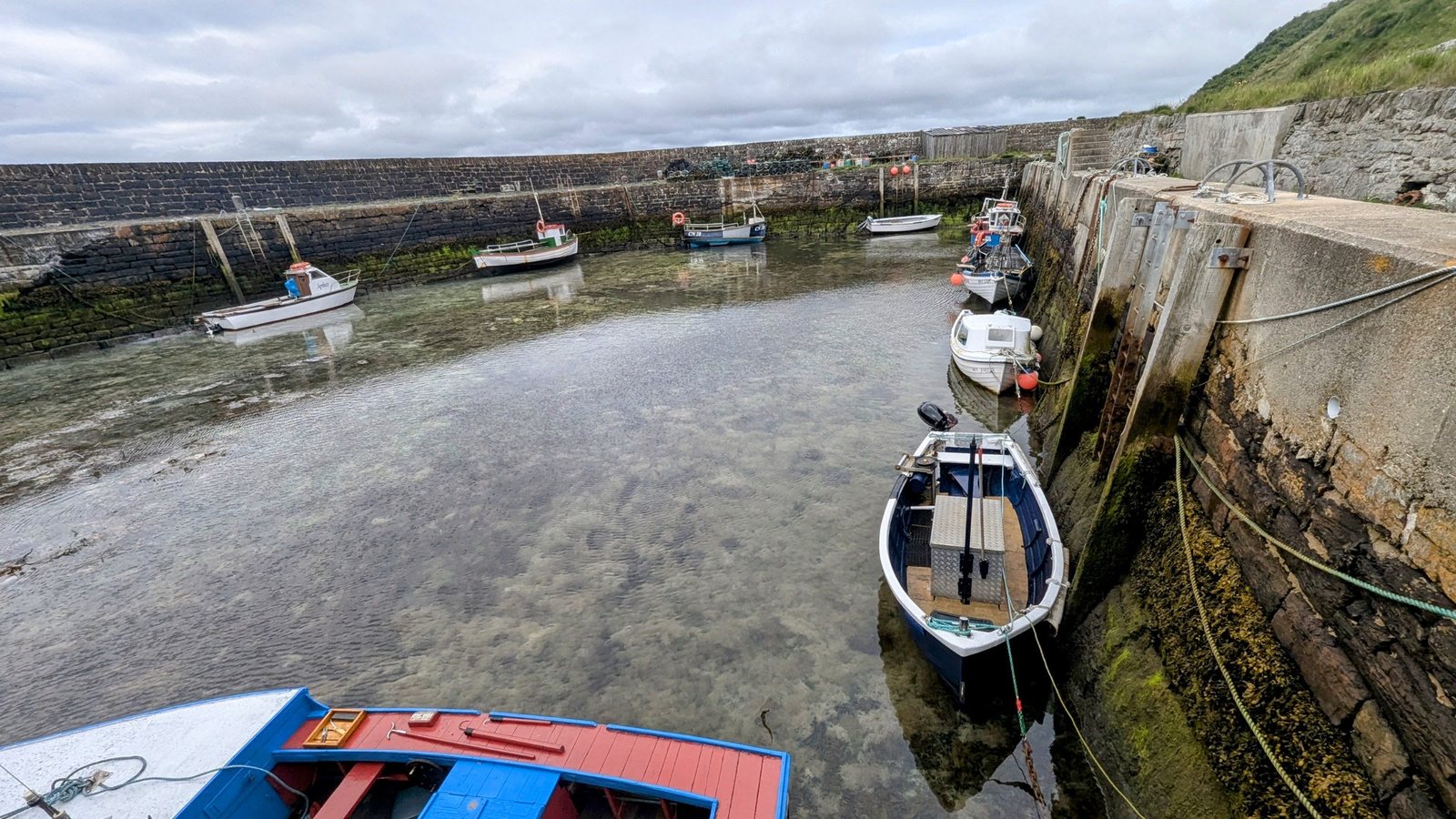
Up the coast: Keiss
A few miles north, the little harbour village of Keiss packs two thousand years of history into a short stretch of shore. Down by the water sit the well-preserved remains of Iron-Age brochs — the tall drystone roundhouses unique to northern Scotland — while on the cliff-edge above the harbour stands the gaunt ruin of old Keiss Castle, a tower house teetering right at the crumbling edge of the sea. It’s a quiet, low-key stop with a real sense of the deep past, and a working little harbour to wander.
The great cliff sites
Just north of Wick, Castle Sinclair Girnigoe is the one you’ll remember — the seat of the Sinclair Earls of Caithness, strung out along a narrow finger of cliff with the sea boiling on both sides and a drawbridge gap where the rock has been cut clean through. It is, for our money, the single most dramatically sited ruin in Scotland, and it’s free to walk out to. A definite visit — take care near the edges, especially in wind.
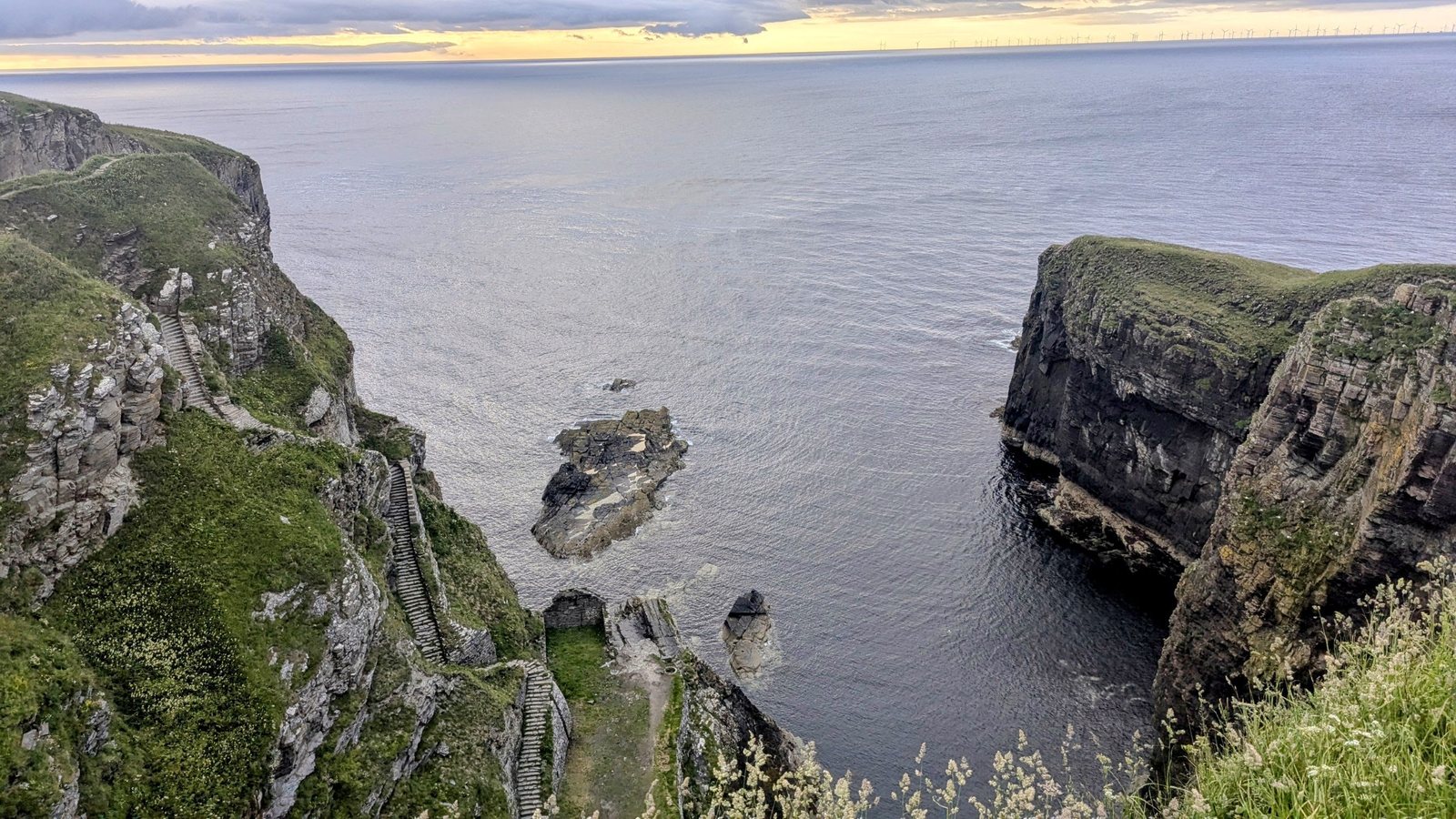
South of Wick lies the other unmissable set-piece: the Whaligoe Steps. Here a flight of 300-odd stone steps zig-zags down the face of a cliff to a tiny natural harbour hidden in a sea-cave “geo” — the astonishing spot where fishwives once carried baskets of herring up on their backs to sell in Wick. The descent is steep and unguarded, and the climb back up will remind you you’re alive, but the hidden haven at the bottom, ringed by 250-foot cliffs, is like nowhere else on the coast. Wear proper shoes and take your time.
Why Caithness?
Because it feels like the end of the world in the best way — huge skies, flagstone cliffs, ghost-harbours of a vanished herring boom, and two of the most dramatic sights on the whole coast in Castle Sinclair Girnigoe and the Whaligoe Steps. It’s a long haul north, and that’s exactly the point: fewer people, bigger horizons. Give the far corner a day or two rather than a blur and it more than repays the miles — a quiet, wild yes.
Explore more: Lochs · Castles · Clans · Standing Stones · Kirks & Abbeys.
Further north, 8 Doors Distillery at John o’ Groats is now the most northerly distillery on the Scottish mainland, opened by King Charles in 2023.
West along the coast at Thurso, Wolfburn Distillery revived a whisky name first distilled there in 1821.