
St Monans: The Windmill, the Sea-Edge Kirk & a Perfect East Neuk Harbour
Overview
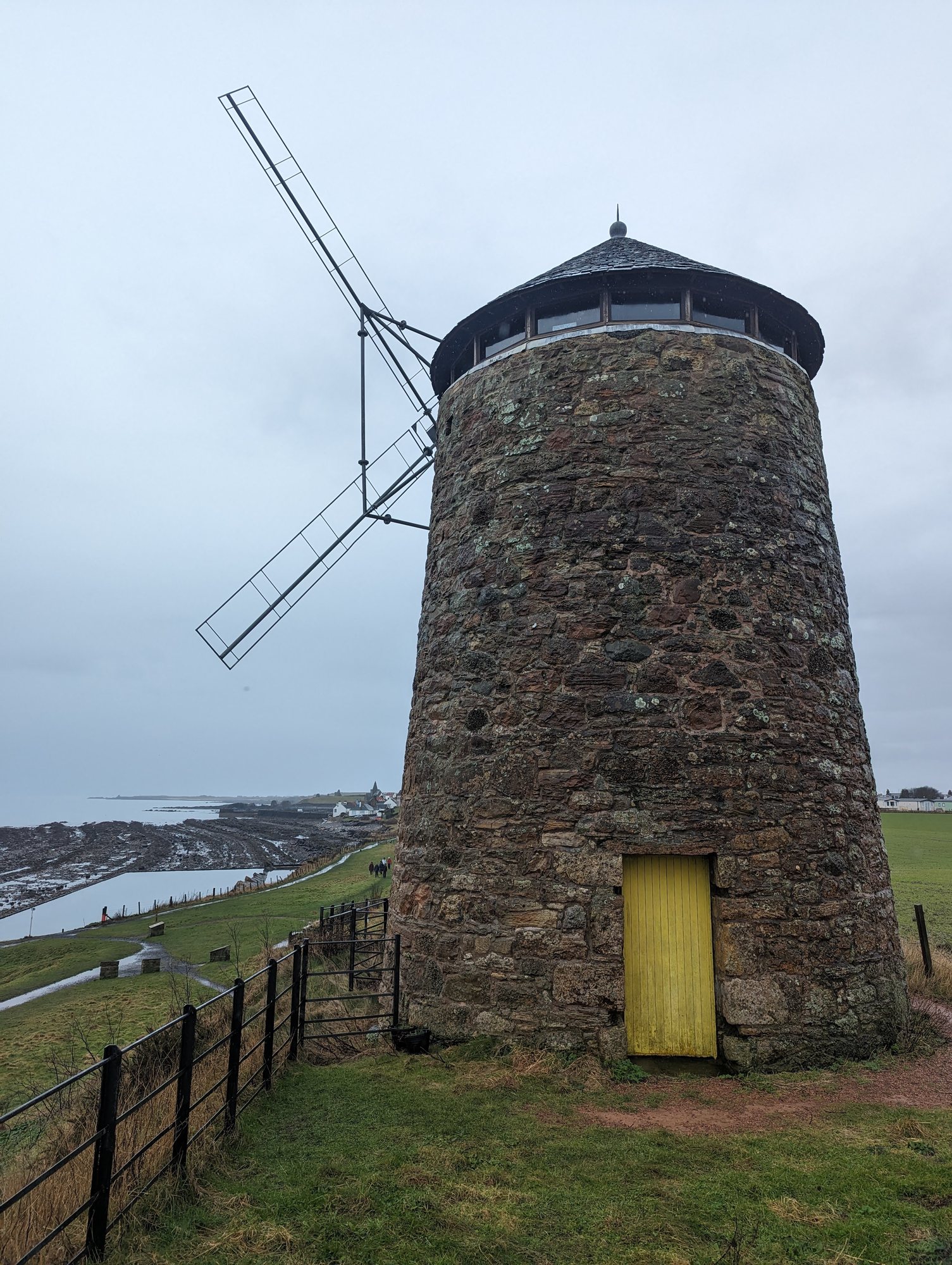
St Monans is one of the smallest and most characterful of the East Neuk of Fife fishing villages — a tight little harbour of crow-stepped houses wrapped round the water, with two things that make it special: a restored windmill left over from a vanished salt industry, and a medieval kirk that stands closer to the sea than any other church in Scotland. We stopped here on a grey February morning and loved it.
Where it is
St Monans sits on the south coast of the East Neuk, between Elie to the west and Pittenweem and Anstruther to the east. The whole string of villages is linked by the Fife Coastal Path, and you can happily walk from one to the next.
The harbour
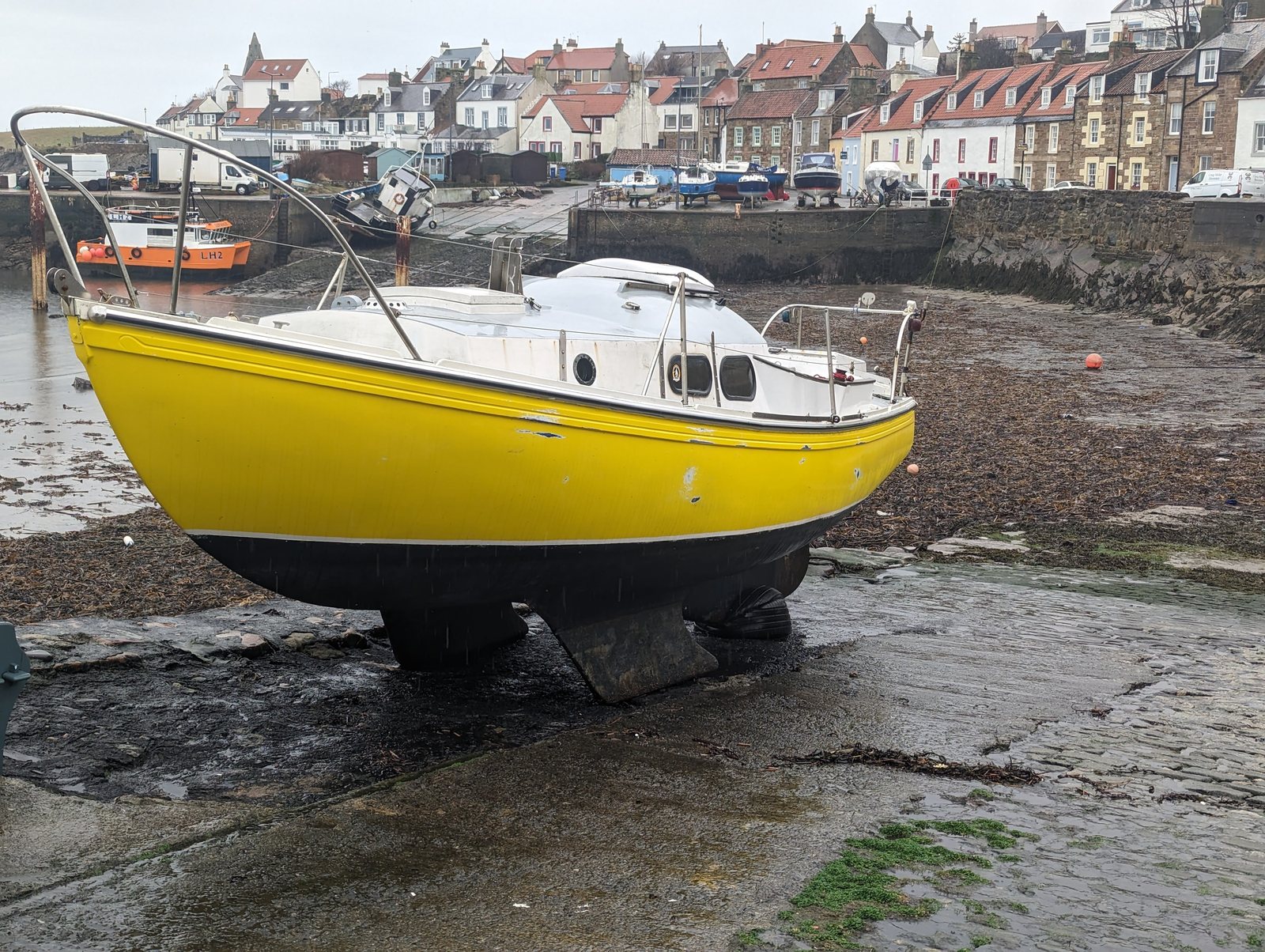
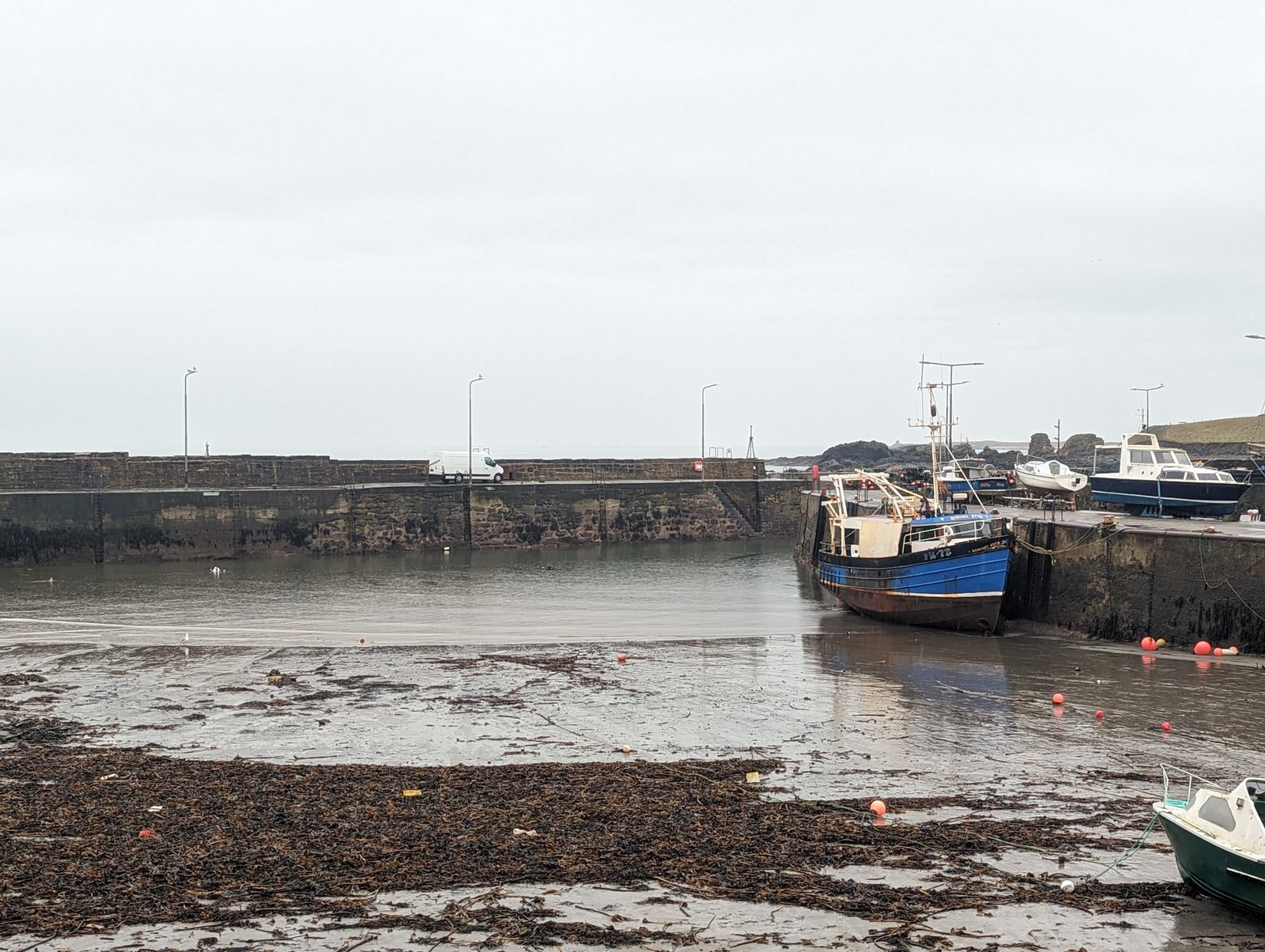
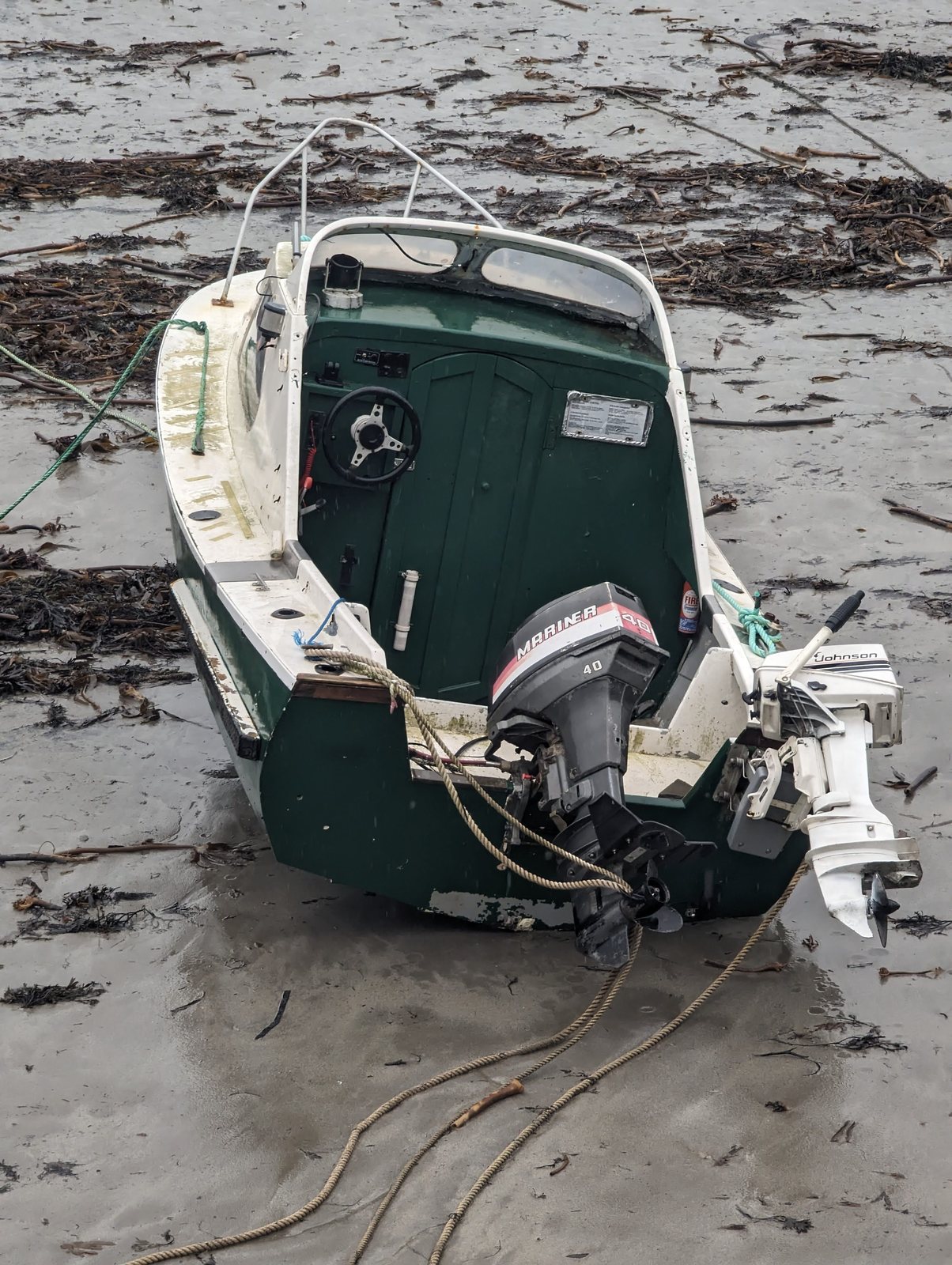
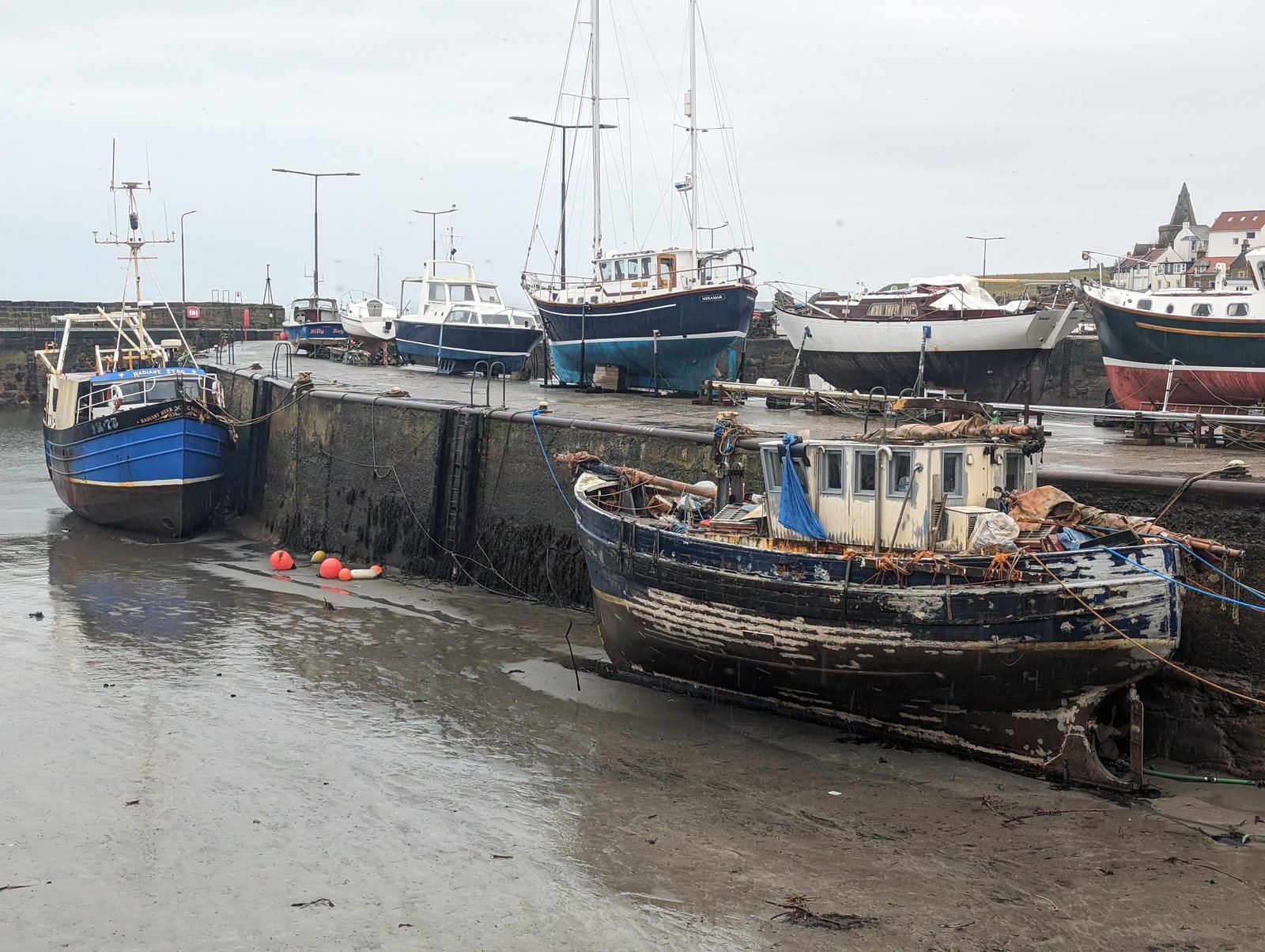
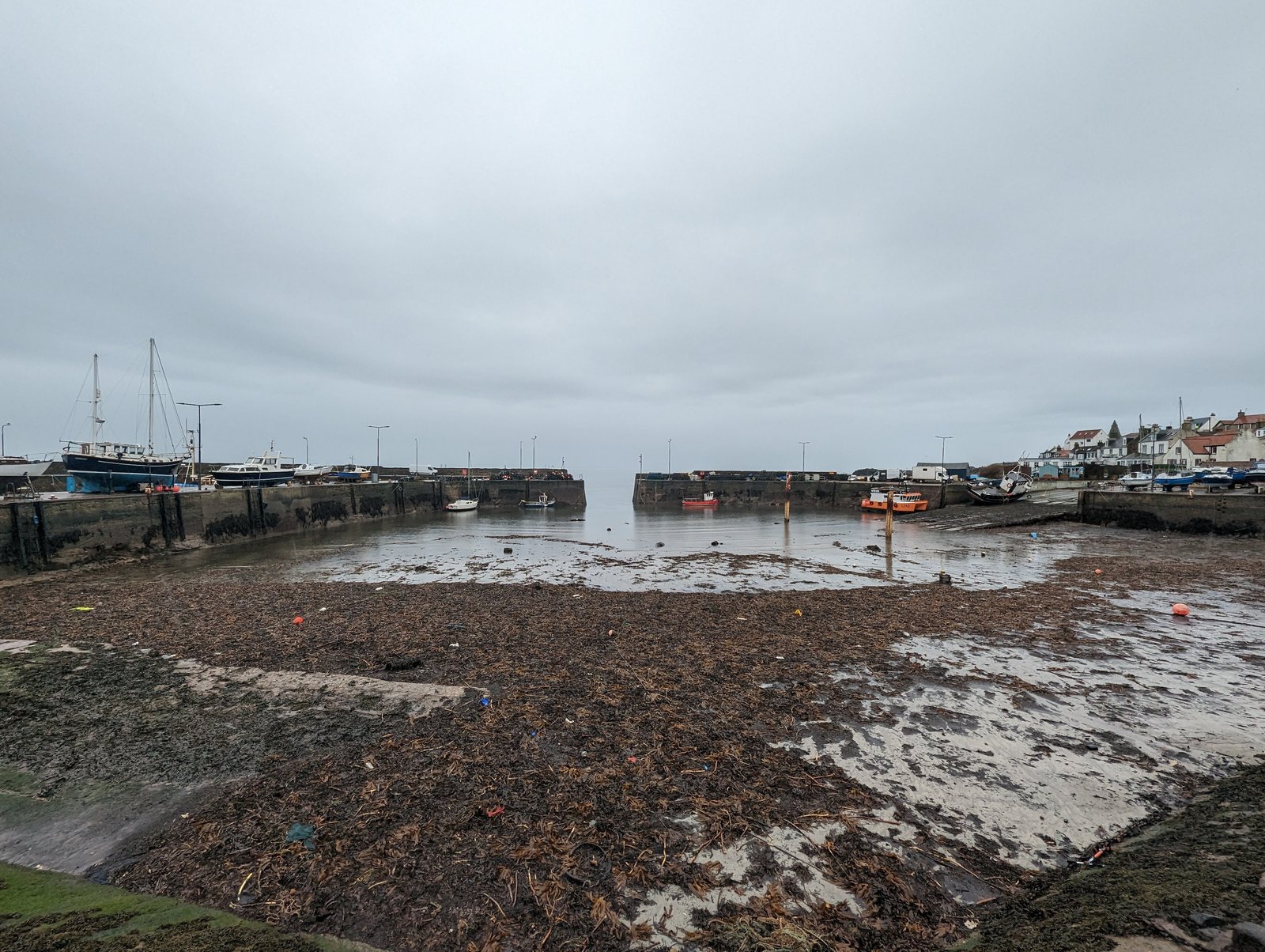
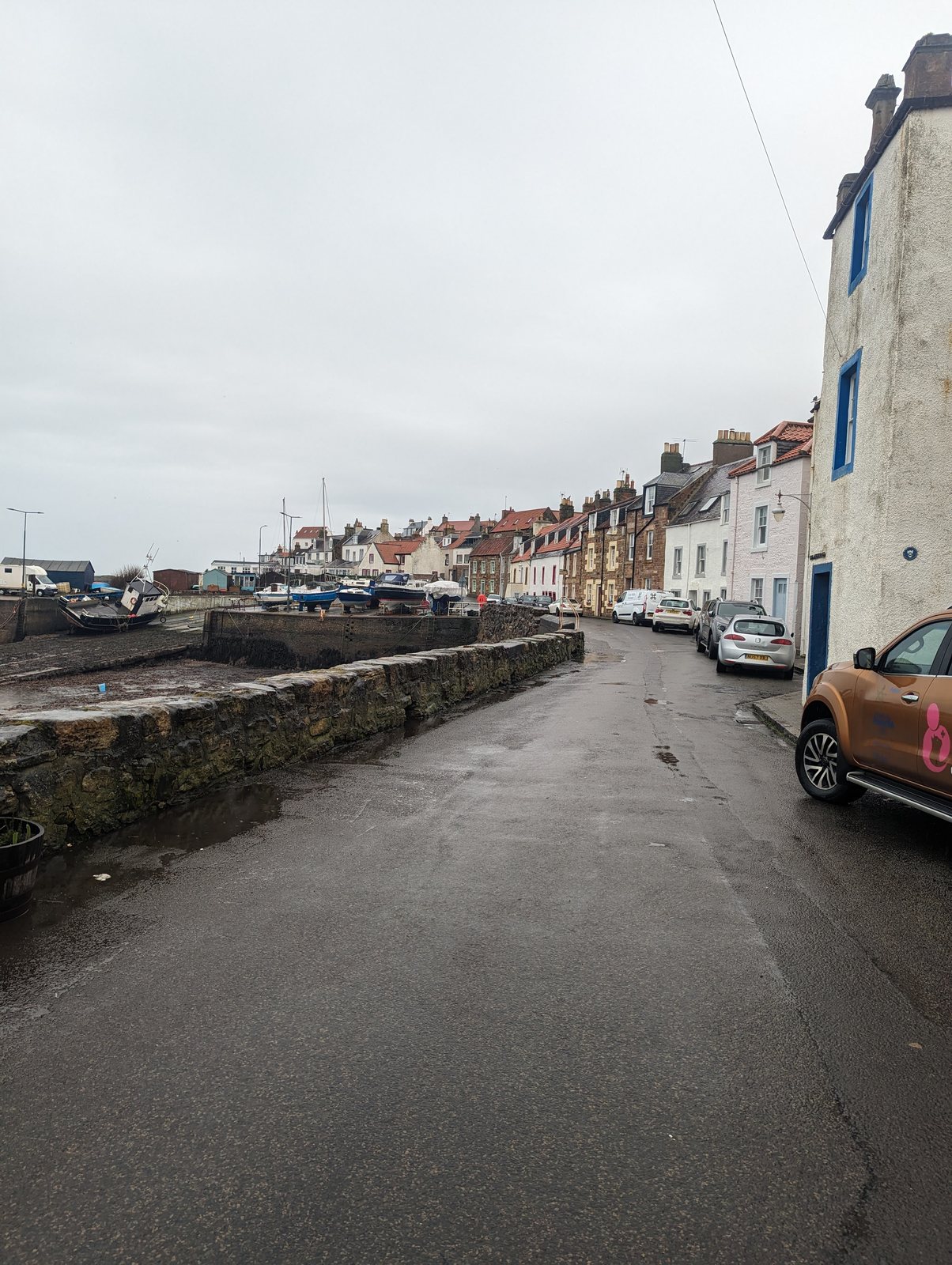
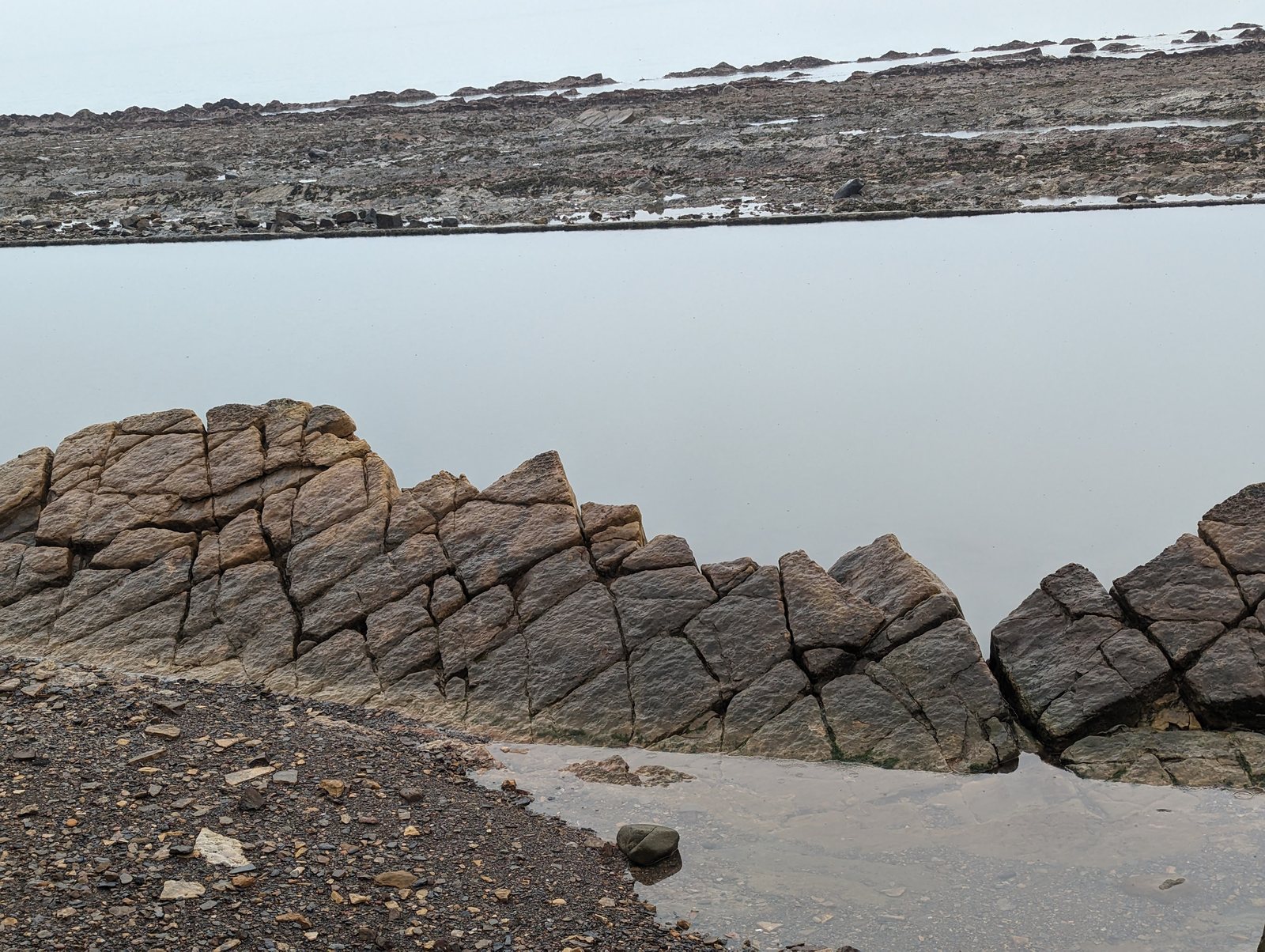
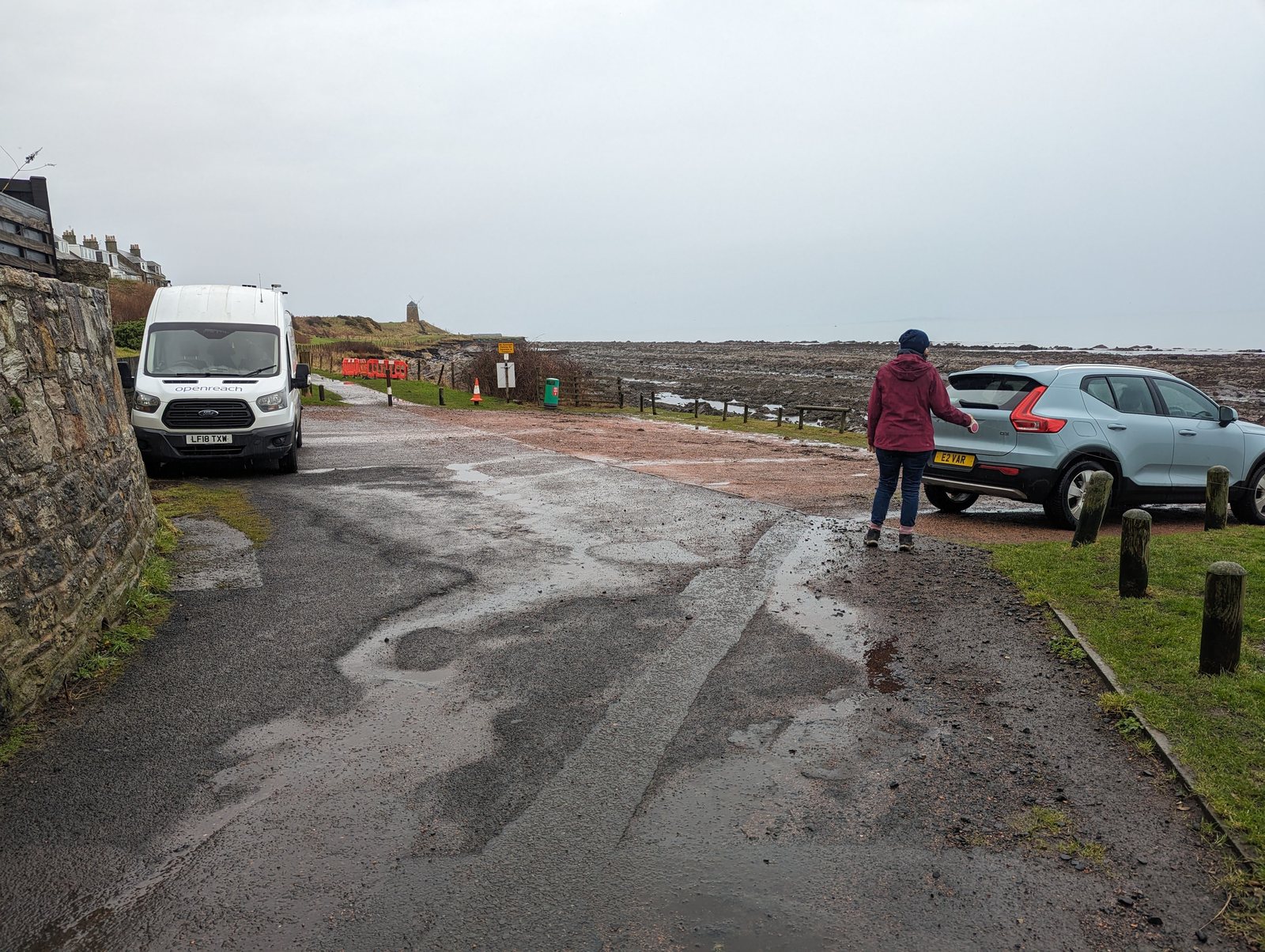
The harbour is the heart of it — one of the oldest in Scotland, and still a working one. Come at low tide, as we did, and the boats settle onto the mud inside the curving stone piers while the Firth of Forth stretches away beyond. It’s a lovely, unshowy place for a wander.
A fishing & boatbuilding village
St Monans has lived by the sea for centuries. As well as its fishermen, the village was long known for building wooden boats — its yards turned out sturdy fishing craft right into the 20th century, and boatbuilding was as much a part of the place as the fishing itself. The village takes its name from St Monan, a shadowy early saint said to have been martyred on this coast in the age of the Viking raids.
The windmill & the salt pans
The village’s landmark isn’t a mill for grinding grain at all — it’s a water pump in disguise. Between 1771 and 1823, St Monans was a centre of salt-making: Sir John Anstruther and his partner Robert Fall set up the Newark Coal and Salt Company, and the windmill drove pumps that dragged seawater through wooden pipes into nine great salt pans, where it was boiled down over coal. In the 1790s salt was serious money — Scotland’s third-largest export after wool and fish. The industry died, but the windmill survives, restored and re-sailed in the 1990s, and it’s the last one left in Fife. You can still trace the pans along the shore.
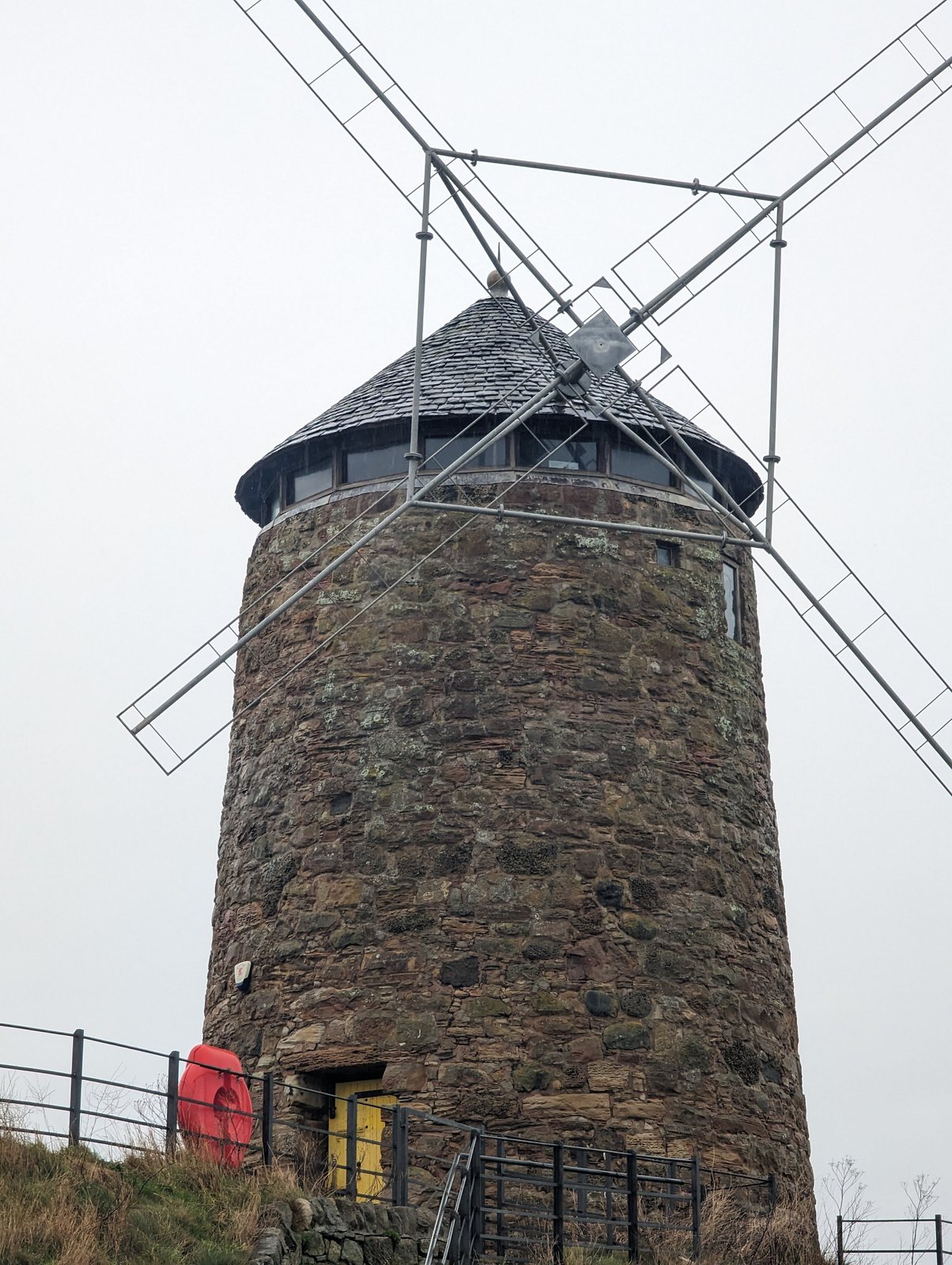
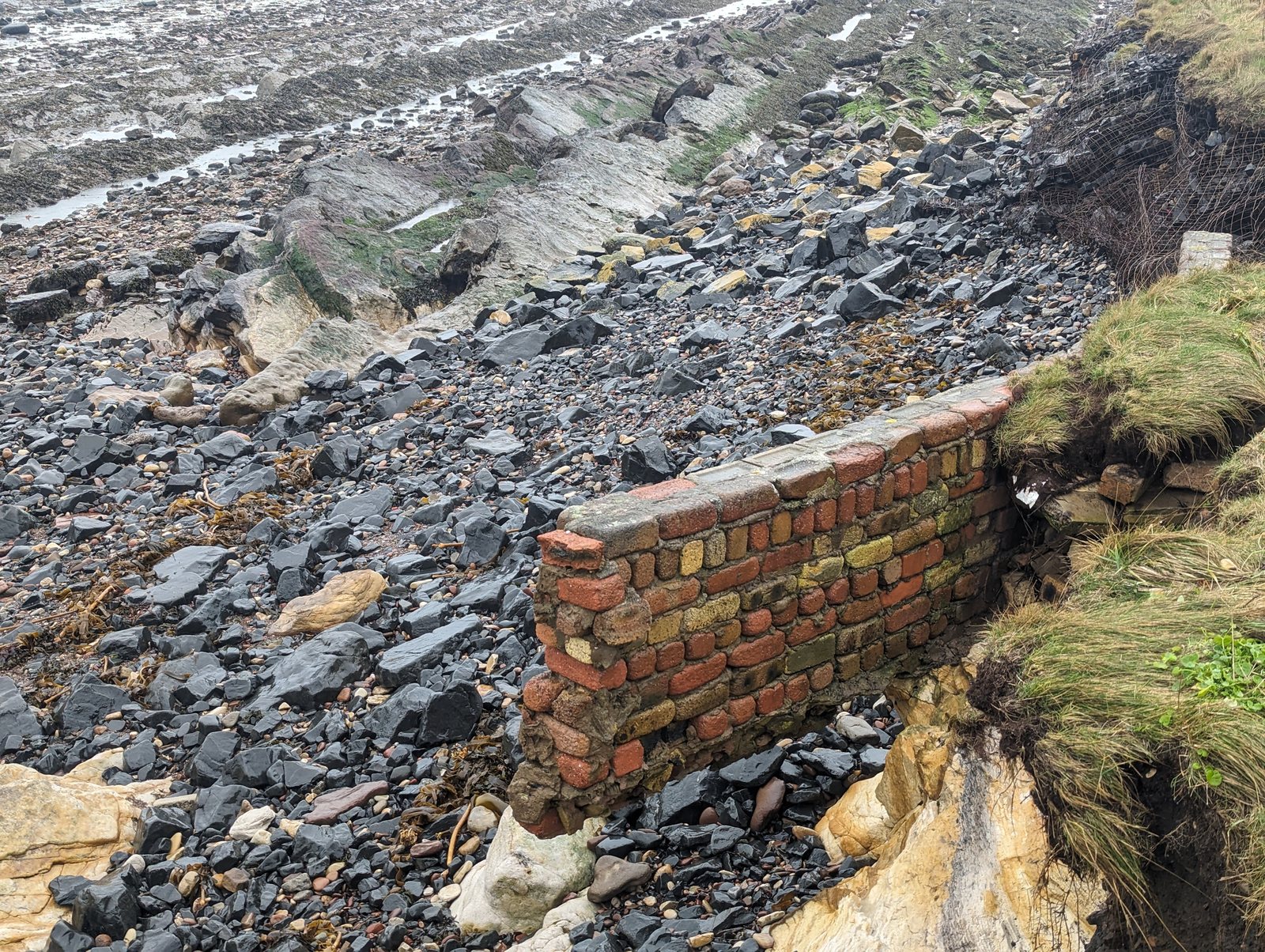
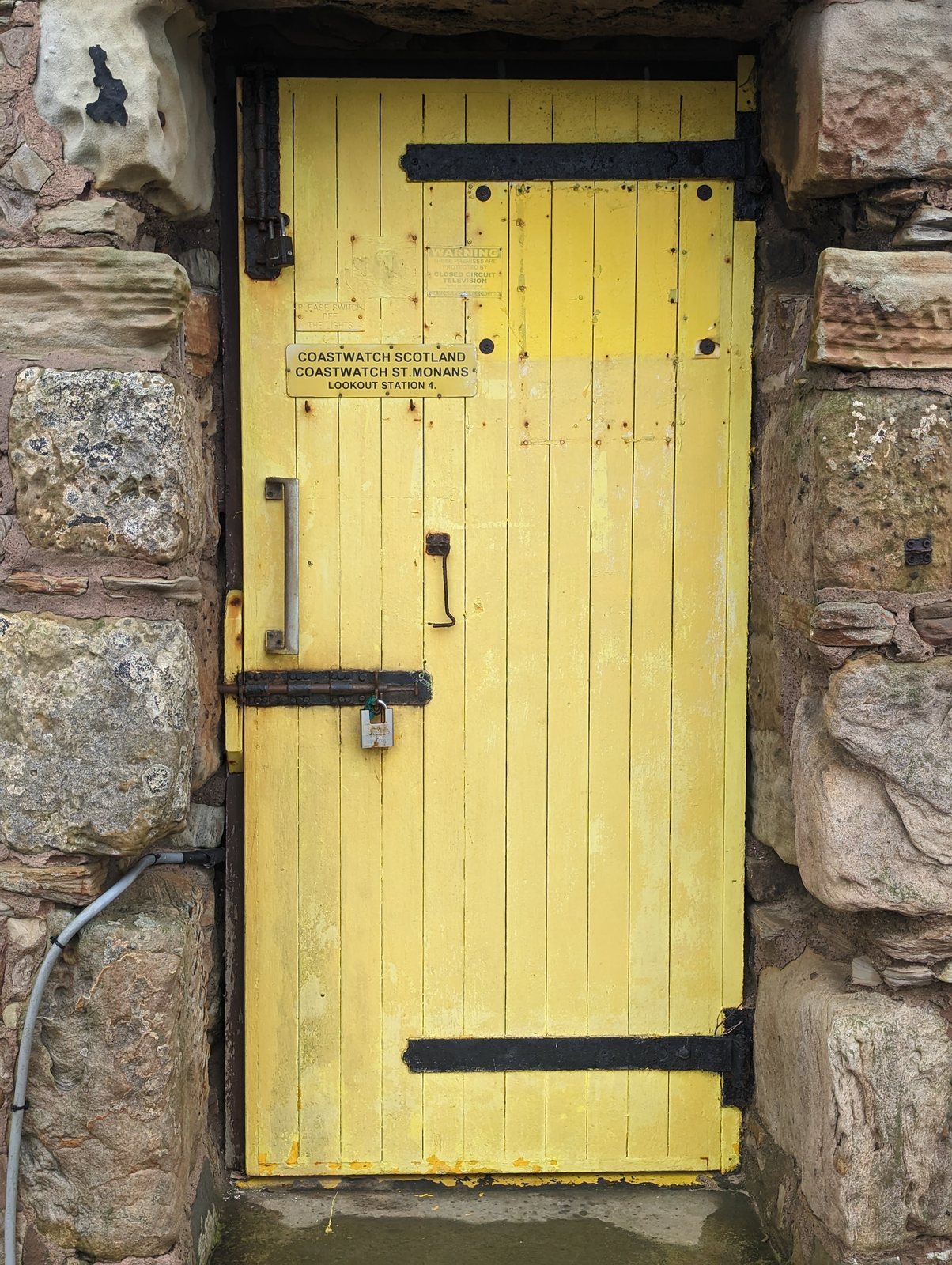
St Monans Auld Kirk — the closest church to the sea in Scotland
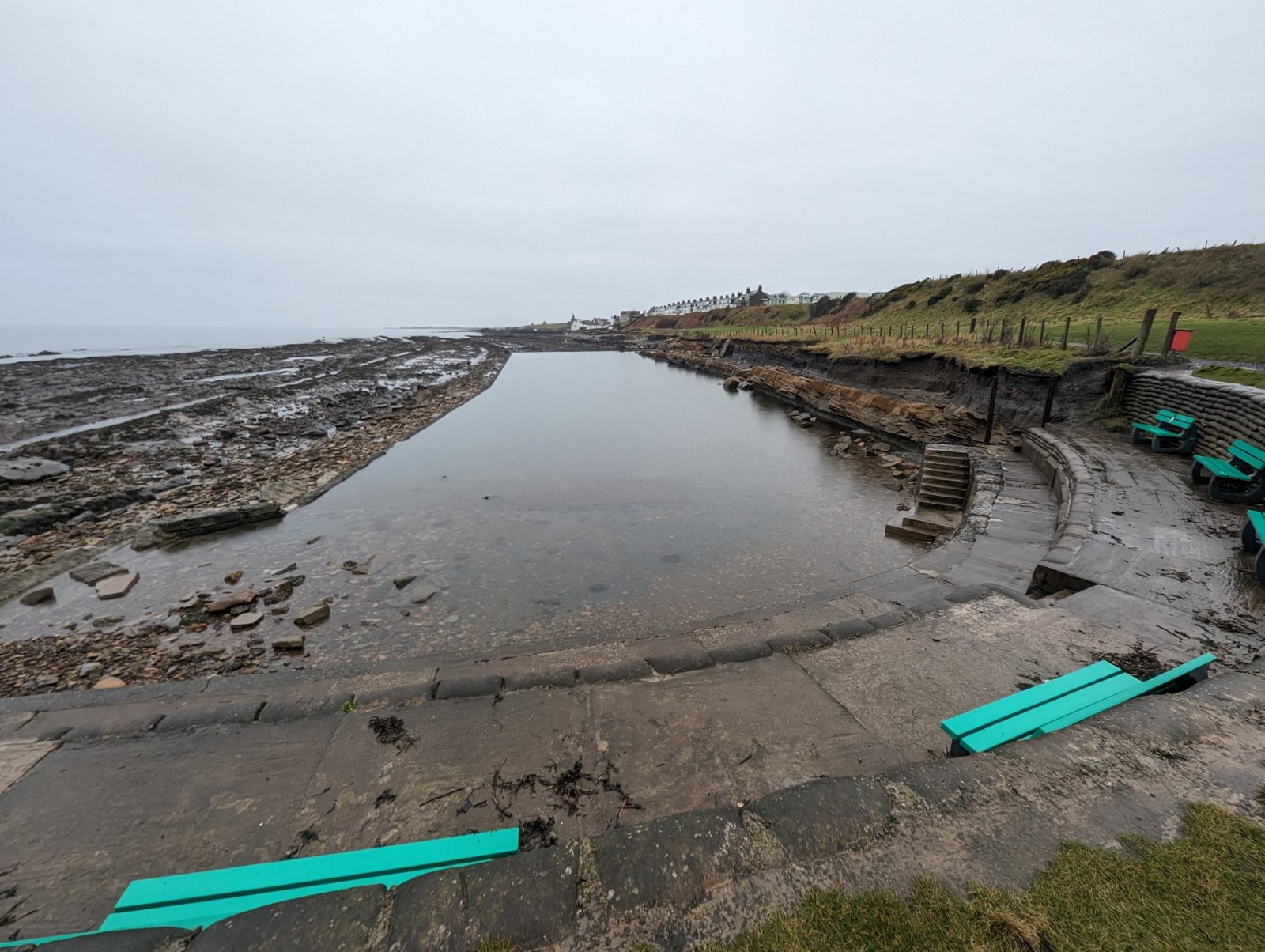
Just west of the harbour stands the Auld Kirk, and it’s a gem. It is reckoned to be the closest place of worship to the sea in Scotland — barely 20 metres from the tideline. It was built in 1369 by King David II, son of Robert the Bruce, as a shrine to St Monan, in thanks (the story goes) for surviving a storm in the Forth. Remarkably it’s still in use — one of the few medieval churches in Scotland that never fell into ruin — and hanging from its ceiling is a beautiful 18th-century model ship, a votive offering from a community that always lived by the sea. We’ve added it to our Kirks, Cathedrals & Abbeys of Scotland collection, and the Bruce connection runs on our Clan Bruce page.
Newark Castle
A short walk south-west along the coast brings you to the cliff-edge ruins of Newark Castle. There has been a stronghold here since the 13th century — King Alexander III is said to have spent part of his childhood on the site — and it was later held by the Sandilands family. In 1649 it was bought by General David Leslie, the Covenanter commander who beat Montrose at Philiphaugh and was himself crushed by Cromwell at Dunbar. It’s a dramatic, crumbling spot; see it in our Castles of Scotland collection.
A coffee by the harbour
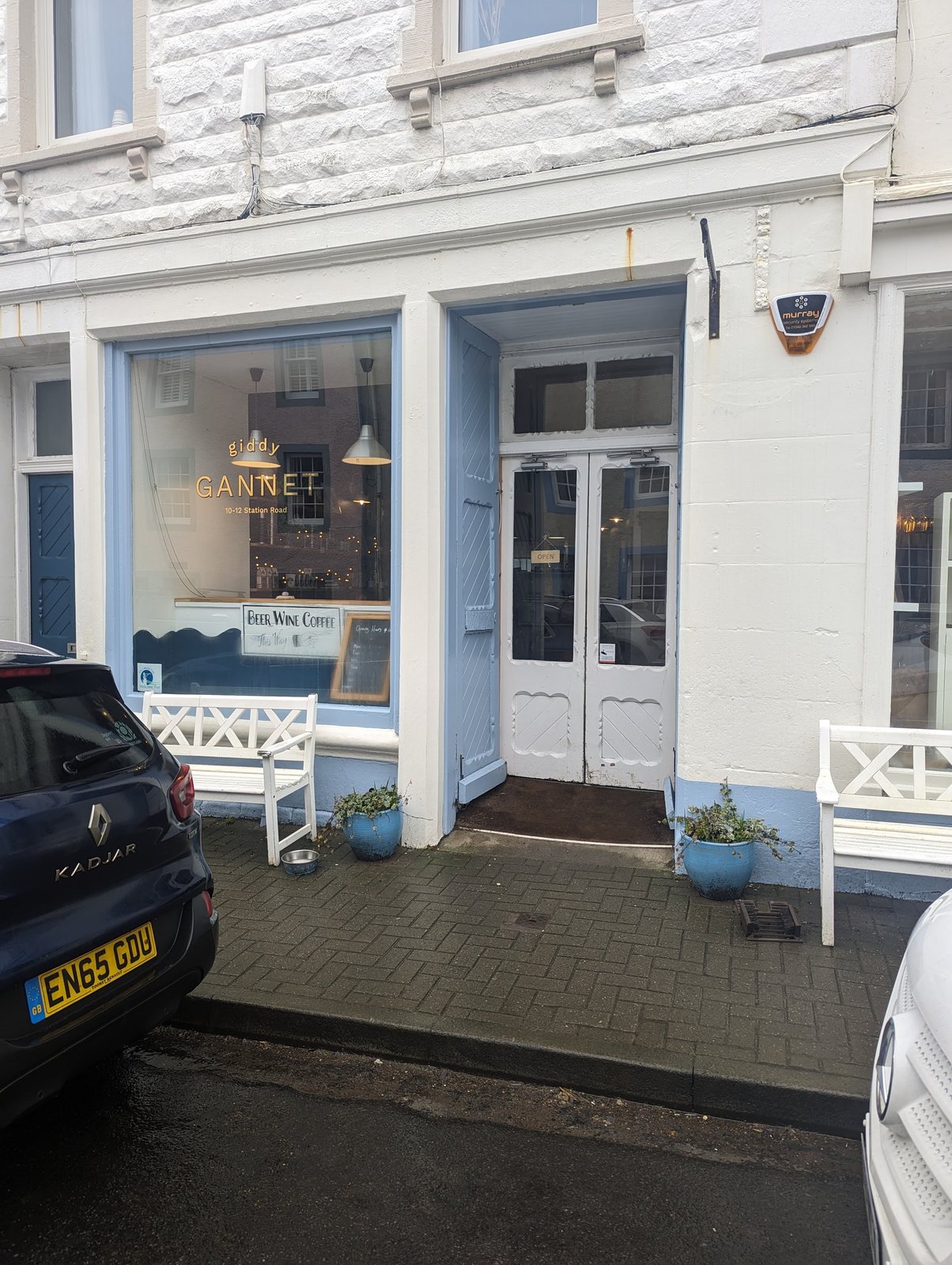
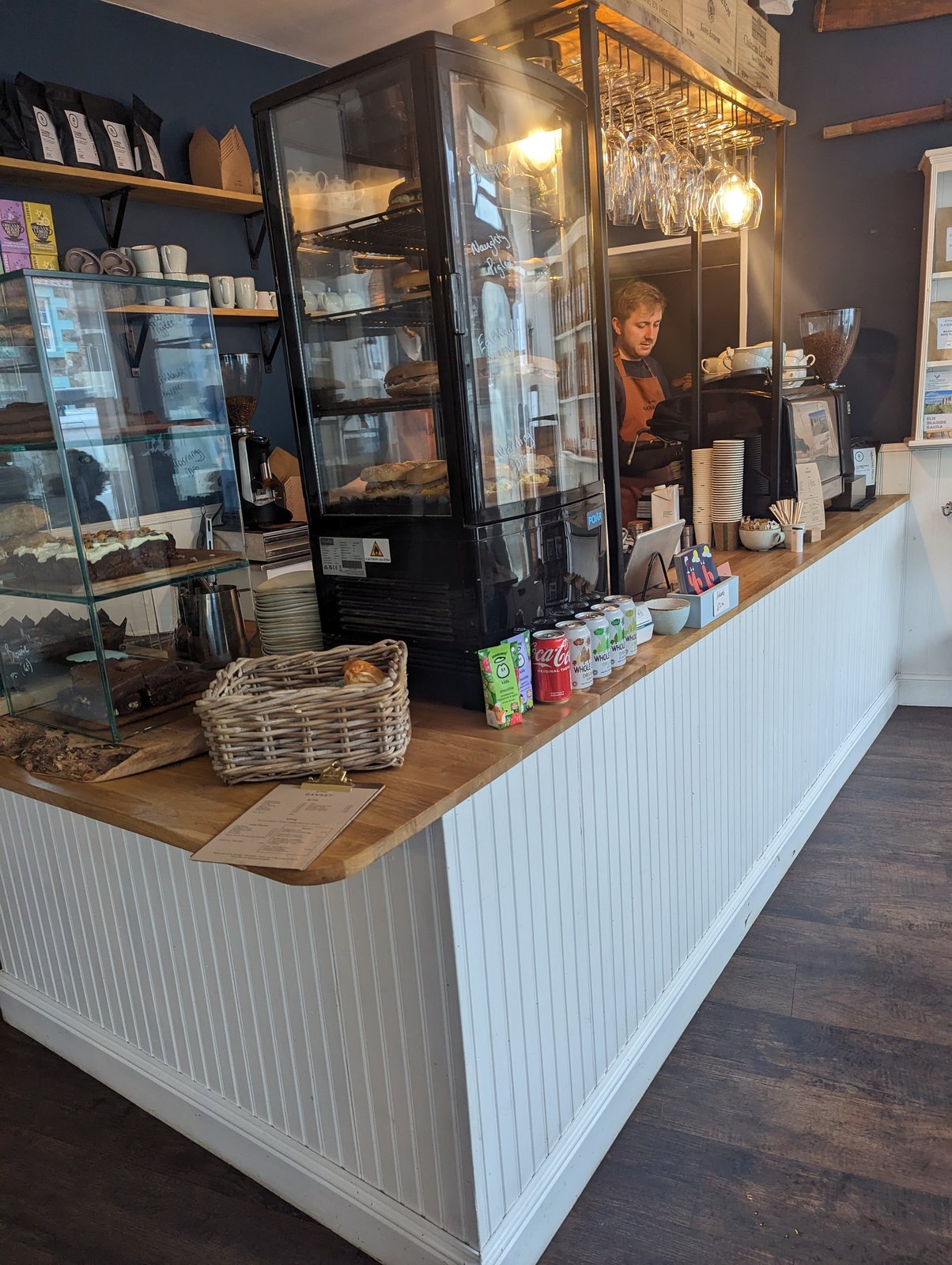
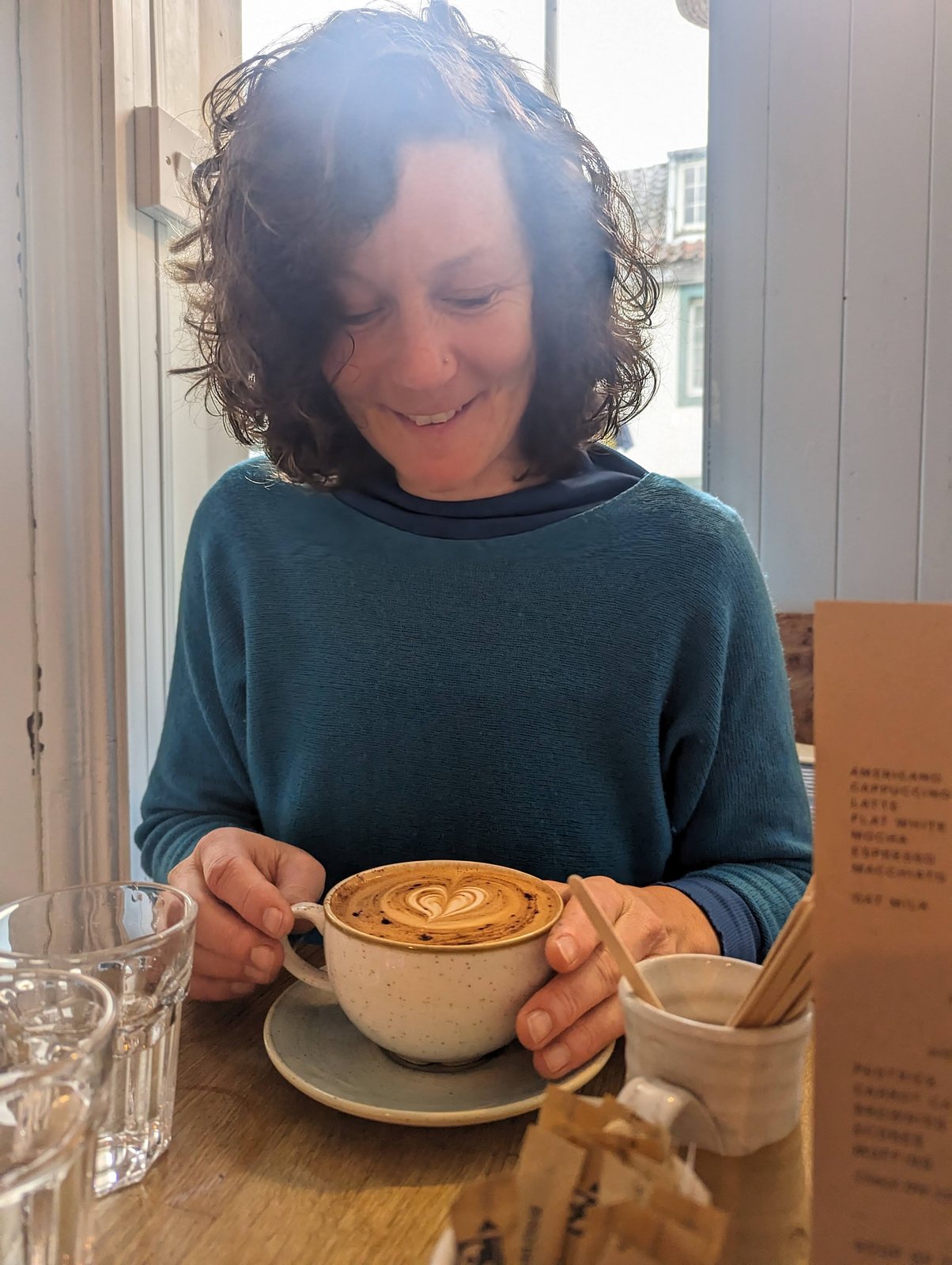
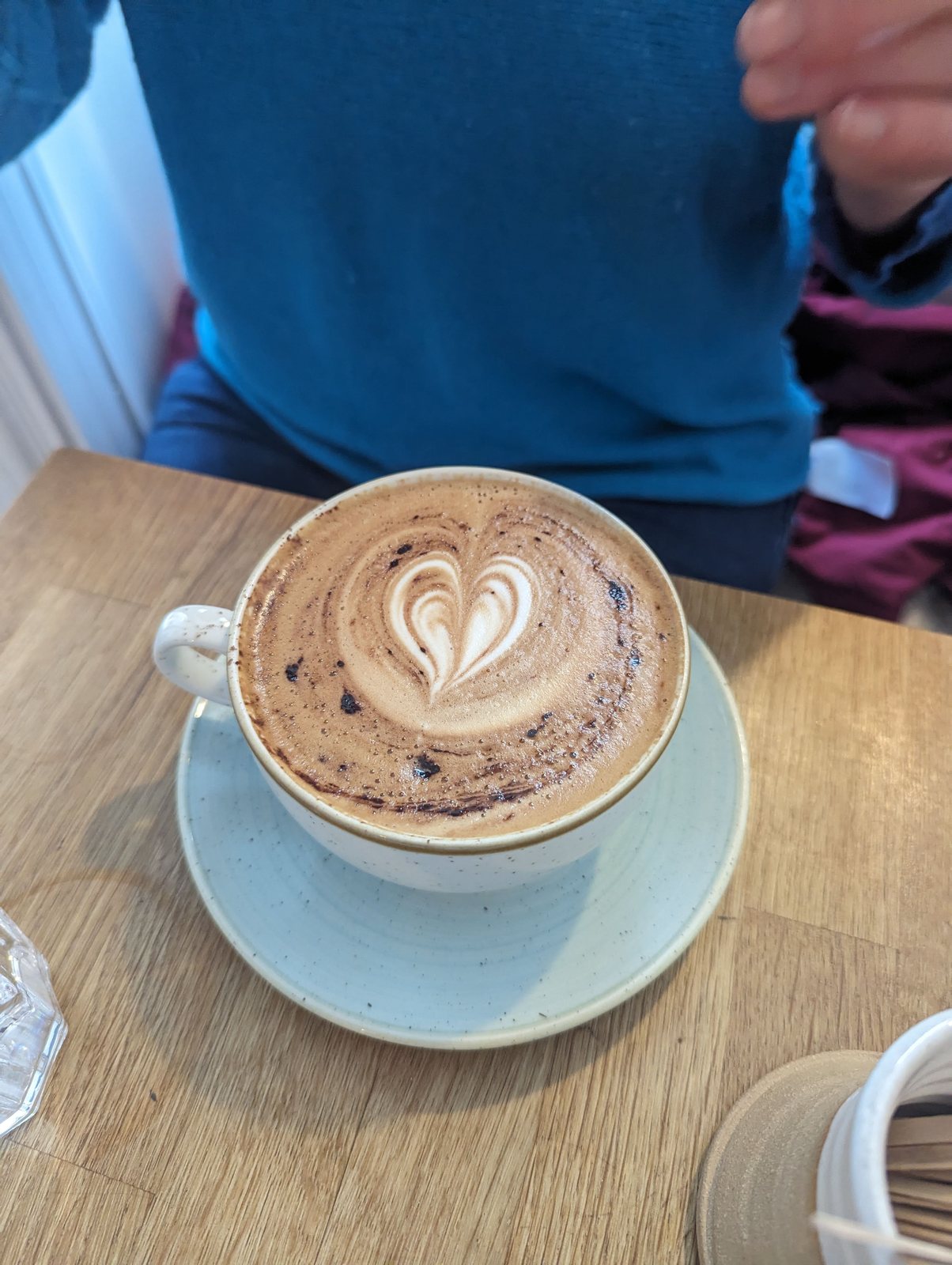
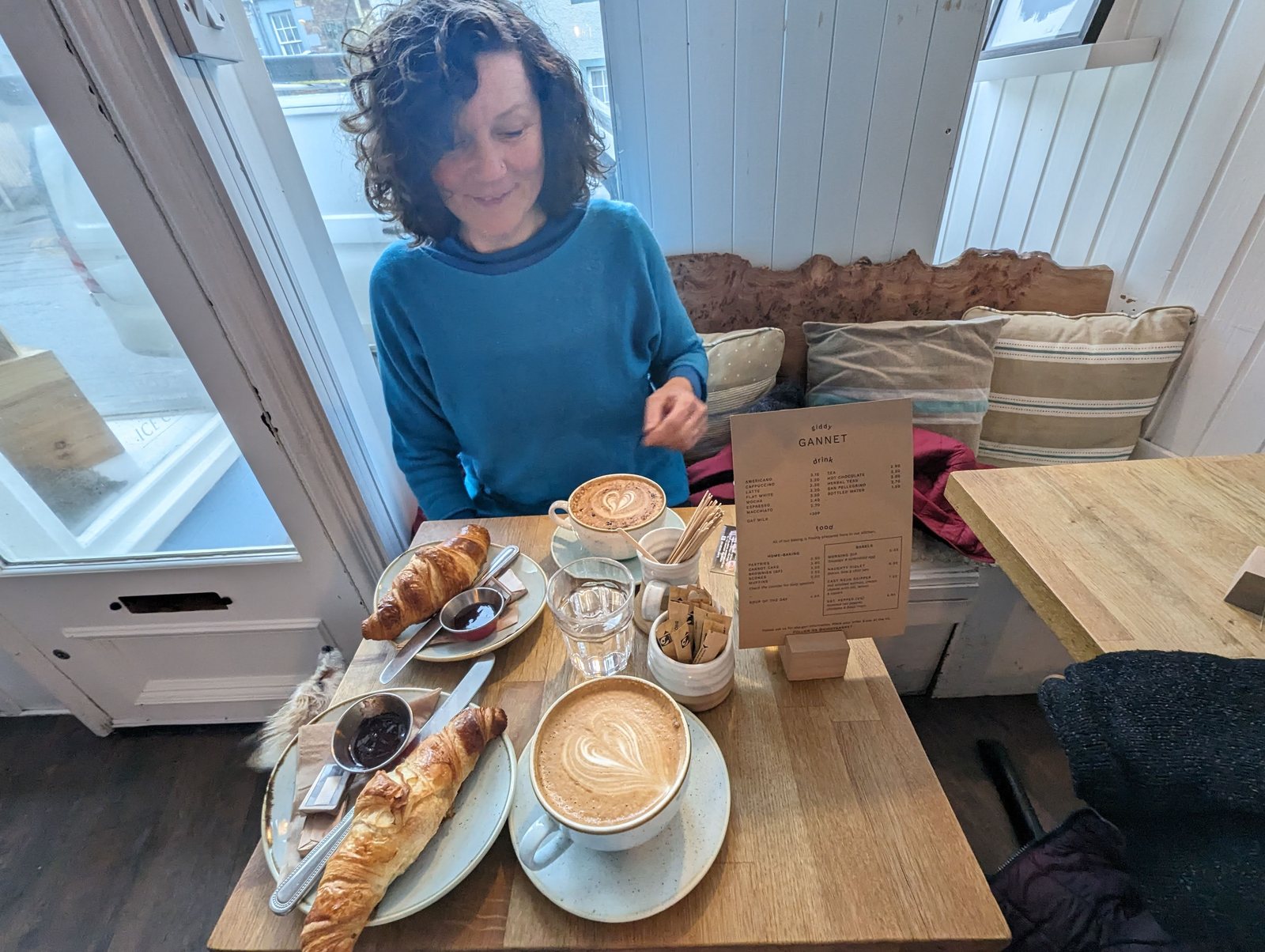
We warmed up in a wee café on the front — grand coffee and pastries with the sea just outside the window, exactly what a cold morning by the water calls for.
Nearby — the East Neuk
- Anstruther — the busy “capital” of the East Neuk, just east.
- Pittenweem — the working fish-market village next door, with St Fillan’s Cave.
- Crail — the prettiest harbour of all, round at the eastern tip.
- Kingsbarns & St Andrews — further round the coast to the north-east.
Sources
- First-hand: Kevin & family, St Monans, 15 February 2024 (own photos).
- Undiscovered Scotland & The Courier (the windmill & salt pans, 1771–1823); Britain Express (the Auld Kirk, David II, 1369); Wikipedia (Newark Castle & David Leslie).