Pittenweem: The East Neuk’s Working Harbour, a Saint’s Cave & the Cocoa Tree
Overview — the East Neuk village that still fishes
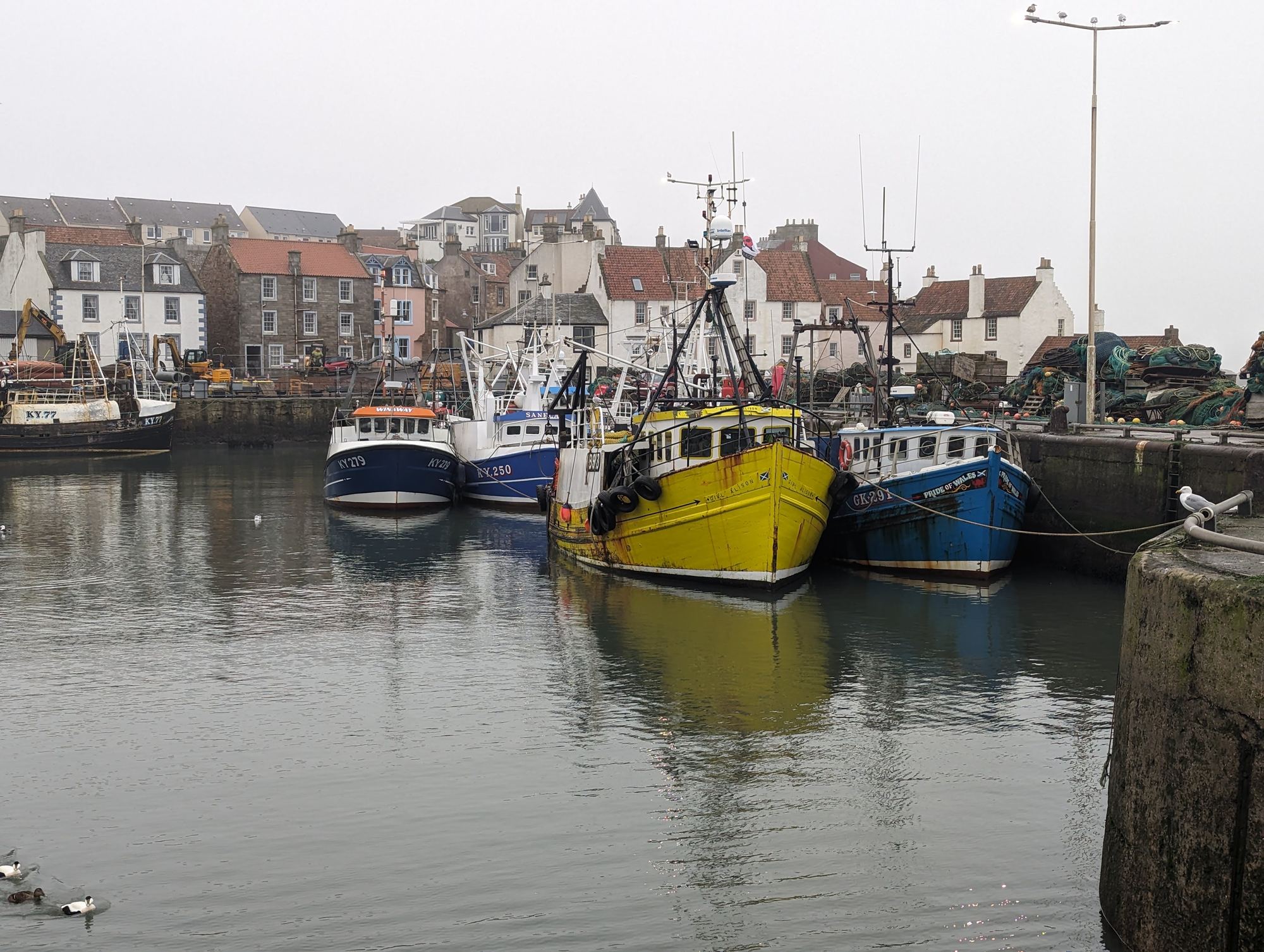
The East Neuk of Fife is a string of impossibly pretty old fishing villages, and most of them long ago swapped nets for holiday homes. Pittenweem is the one that still works. Its harbour is the busiest fishing port on this coast, boats still land their catch onto the quay most mornings, and there’s a proper fish market down by the water. Wrap that around a saint’s cave that gave the village its name, a chocolate shop people drive across Fife for, and a huddle of crow-stepped cottages tumbling down to the sea, and you’ve got one of our very favourite little towns anywhere in Scotland. We came in the grey of February, had the place almost to ourselves, and still didn’t want to leave.
Where it is
Pittenweem sits on the south coast of the East Neuk — the little “corner” (Scots neuk) of south-east Fife — right between St Monans to the west and Anstruther barely a mile to the east. It’s about 10 miles south of St Andrews, and an easy hour and a bit from Edinburgh over the Forth bridges. The whole East Neuk is made for pottering: you can walk between the villages along the shore.
The name & St Fillan’s Cave
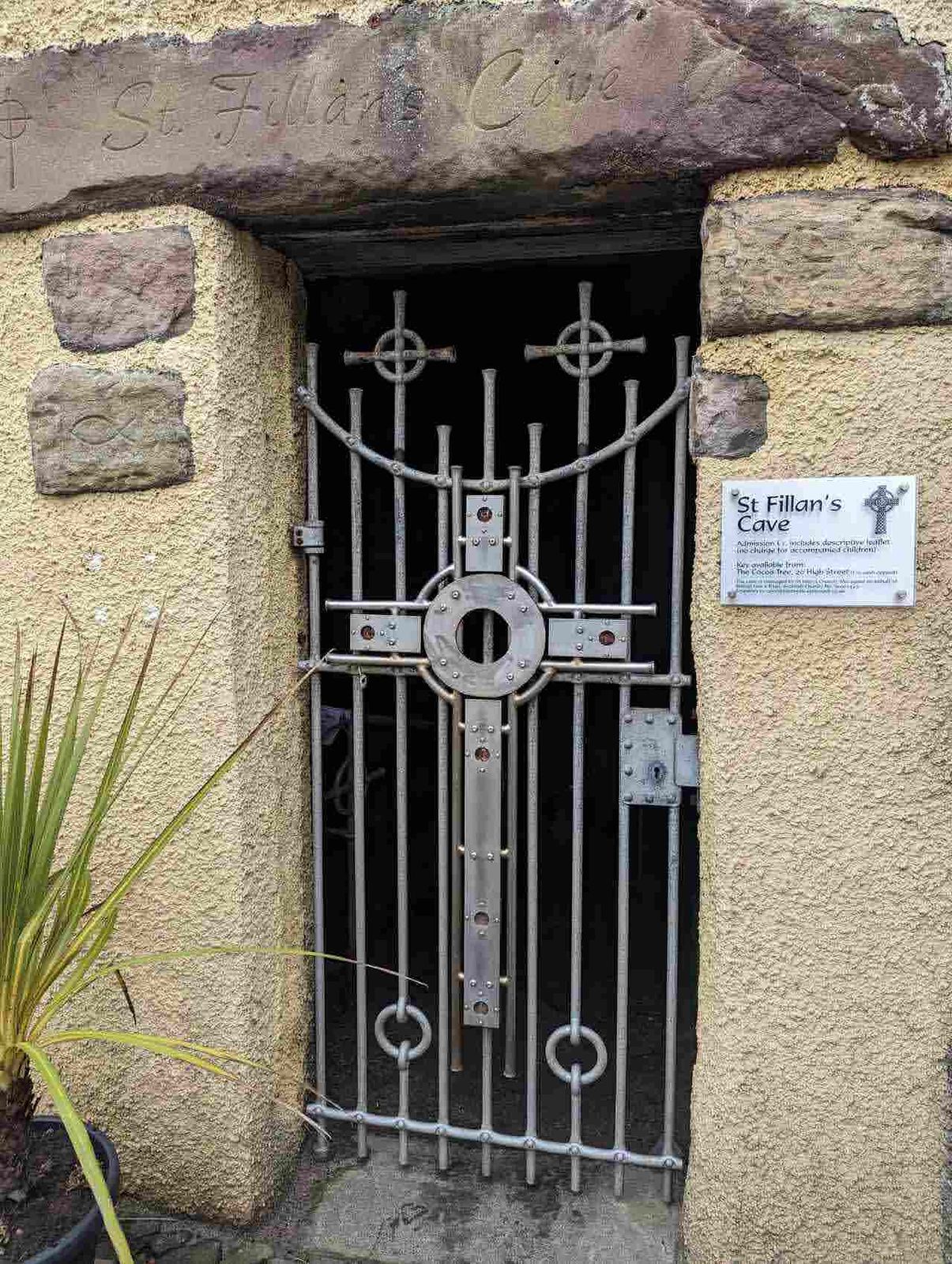
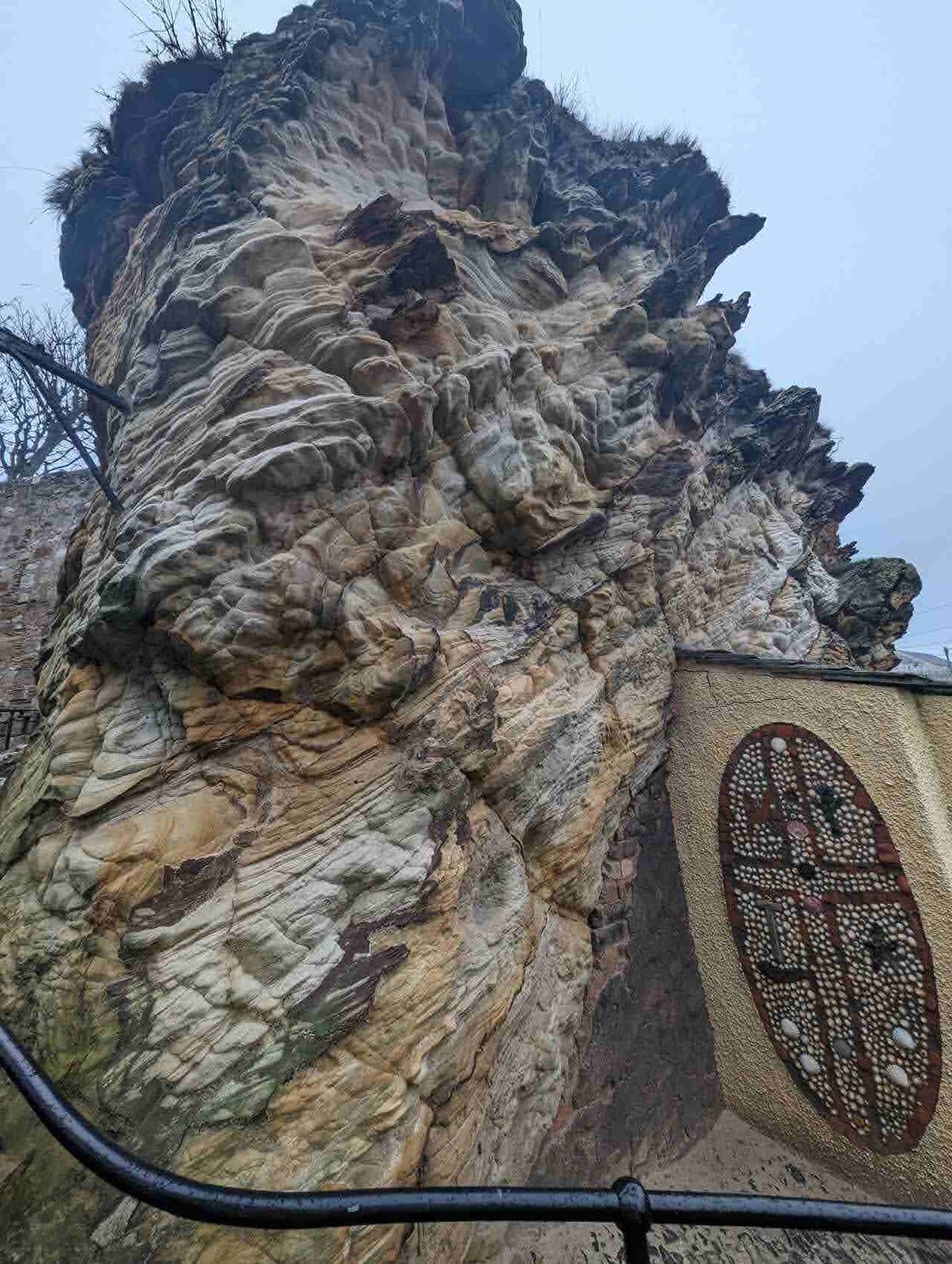
Pittenweem means, more or less, “place of the cave” — a mix of Pictish pit (a place or holding) and Gaelic uaimh (cave). And the cave is still here: St Fillan‘s Cave, a natural hollow in the sandstone just up from the harbour, tied to the 7th-century missionary St Fillan, who is said to have lived and prayed here around AD 640 and to have converted the local people to Christianity from it.
The best legend? Fillan supposedly had a left arm that glowed in the dark, so he could read and write by its light in the black of the cave. Later the monks carved a stairway and a cellar into the solid rock, linking the cave up to the priory garden above. It’s still a working shrine, quietly kept and gated — and the lovely local touch is that you get the key from the Cocoa Tree chocolate shop on the High Street (a small admission, and worth it just for the strangeness of borrowing a cave key over a hot chocolate).
From the Isle of May to a Royal Burgh
Pittenweem’s church history runs straight out to sea. In the 12th century, King David I granted lands here to the priory on the Isle of May — the island monastery out in the Forth, founded near the shrine of St Ethernan (Adrian), a community with roots going back to a Viking massacre of monks in the 9th century. Around 1300 the monks came ashore for good: the Augustinians of St Andrews moved the community from the exposed island to the mainland, and they took up residence in the buildings above St Fillan’s Cave. The Priory and its precinct still shape the top of the town.
The burgh grew up around the priory and the harbour, and trade made it rich: Pittenweem was made a Royal Burgh in 1541, and by 1587 it was reckoned the 12th-richest town in all of Scotland — not bad for a village you can walk across in ten minutes. Salt, coal, and above all fish paid for the fine old merchants’ houses you still see along the shore.
The working harbour
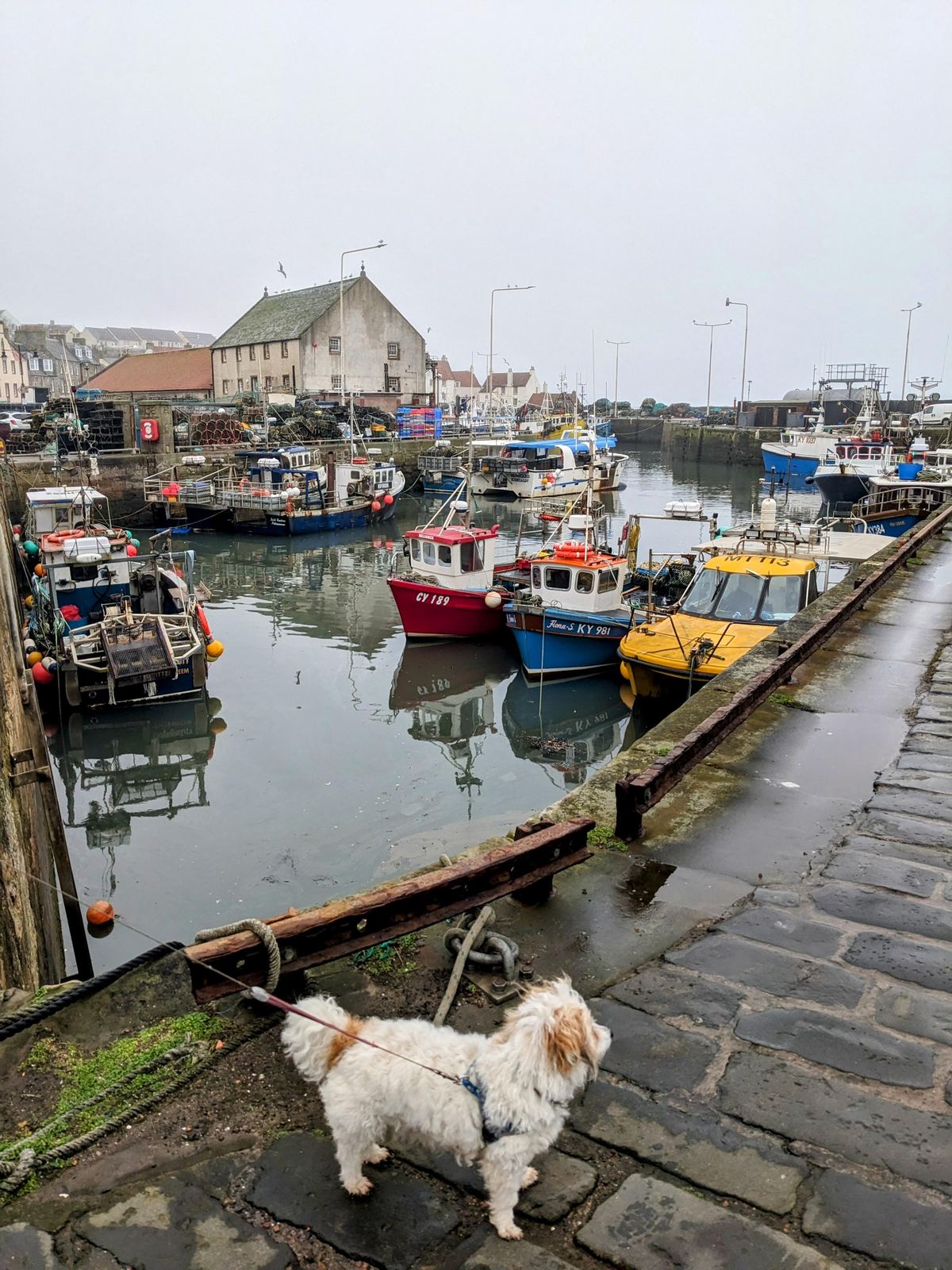
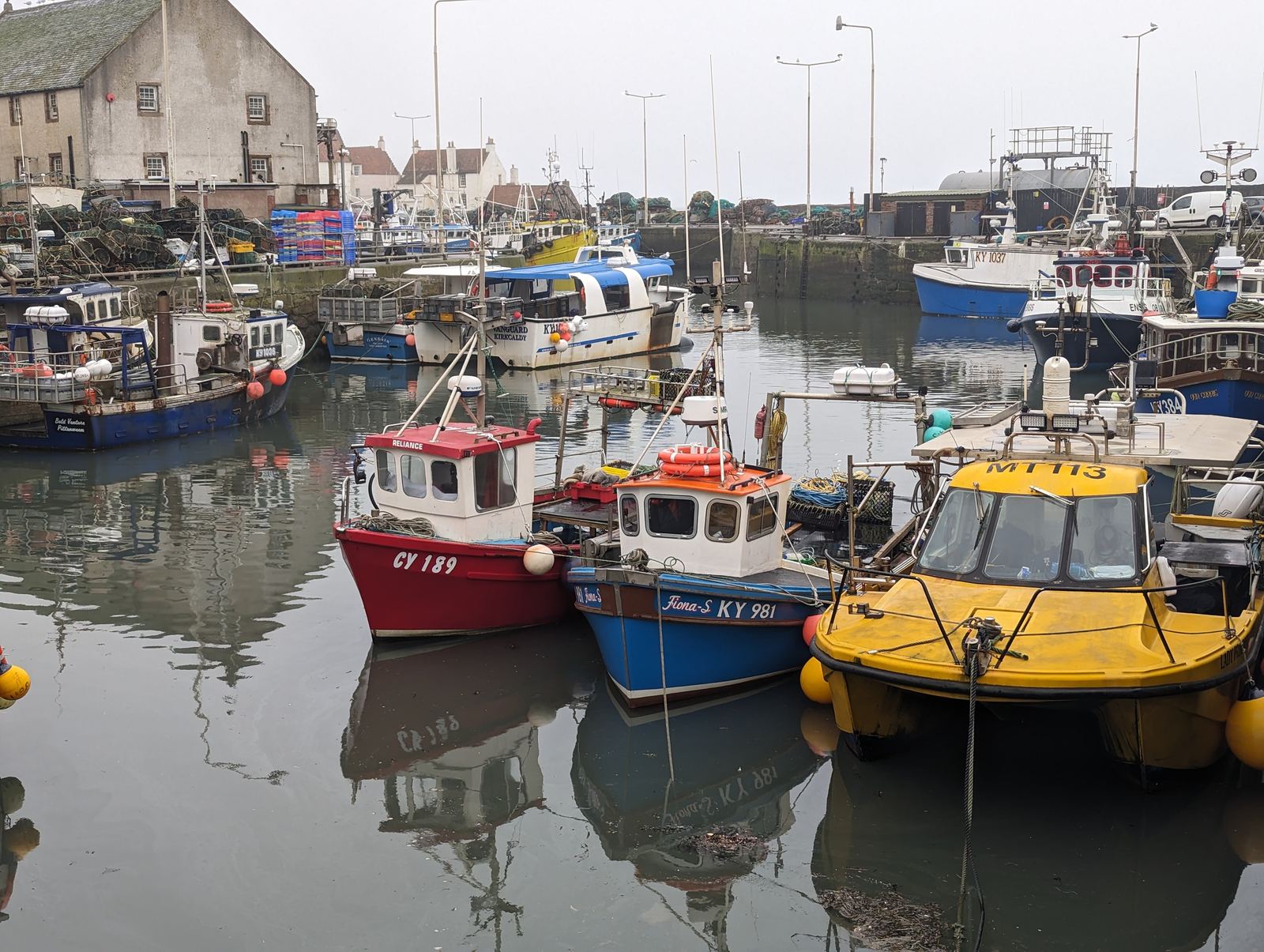
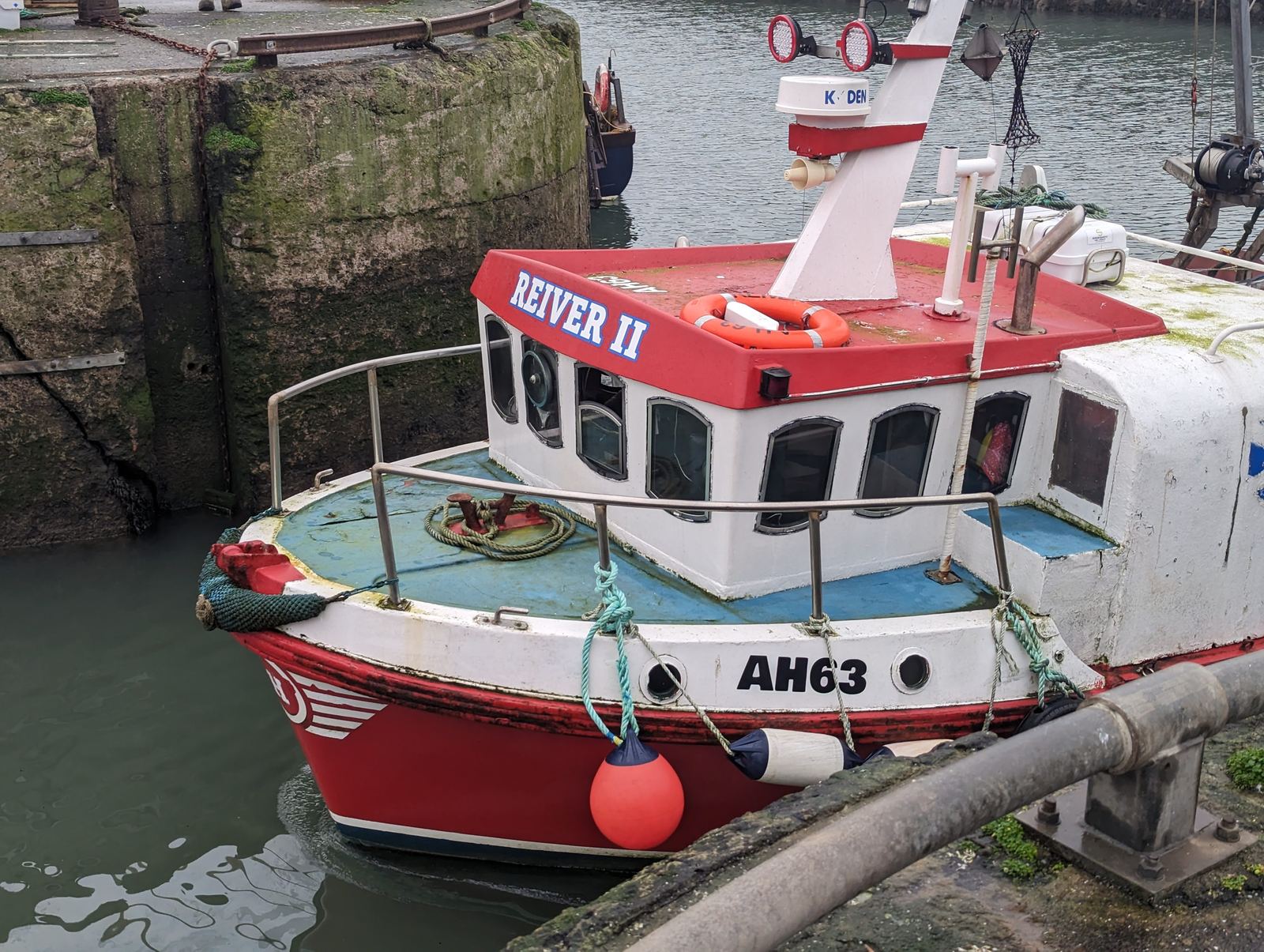
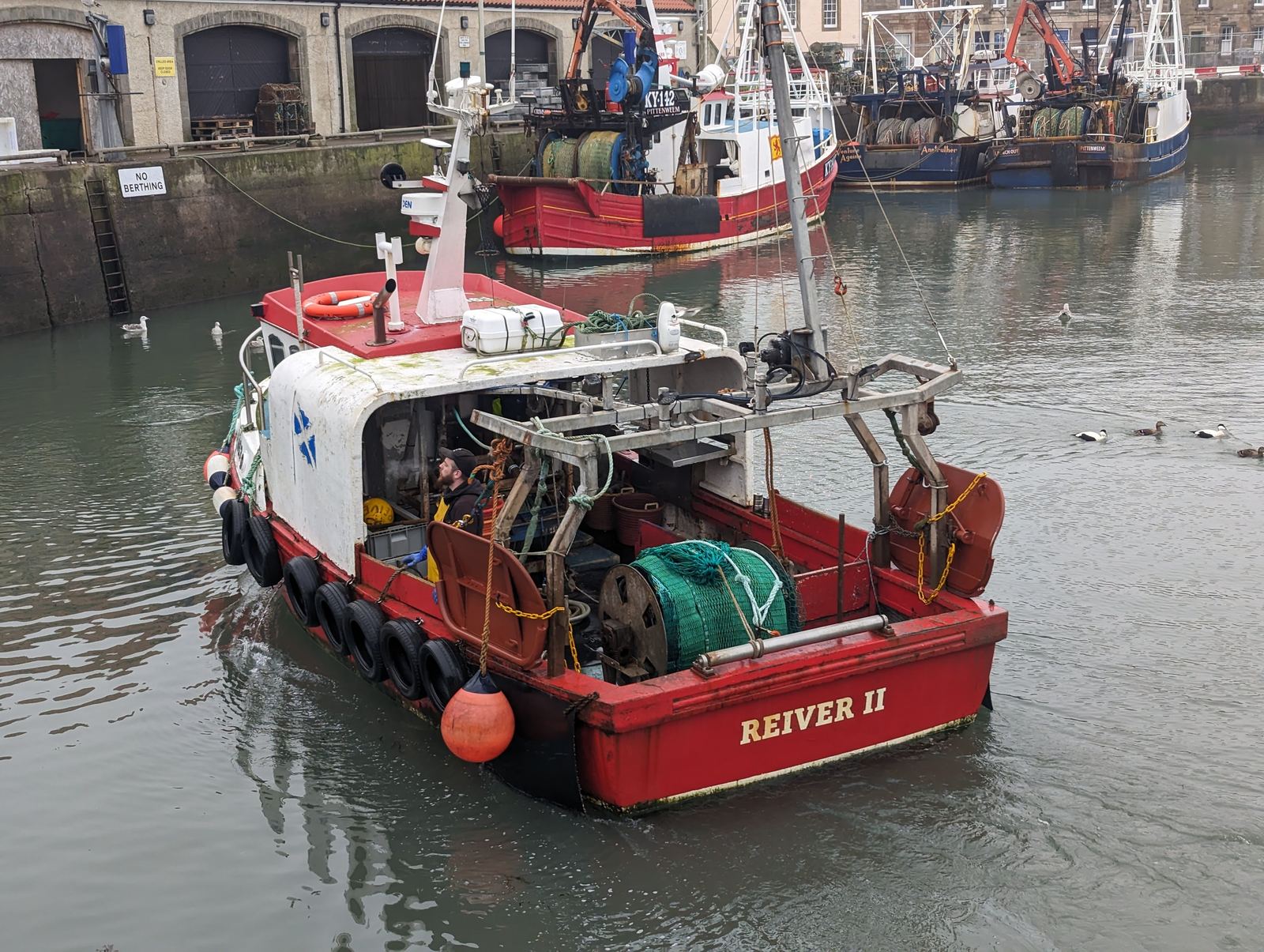
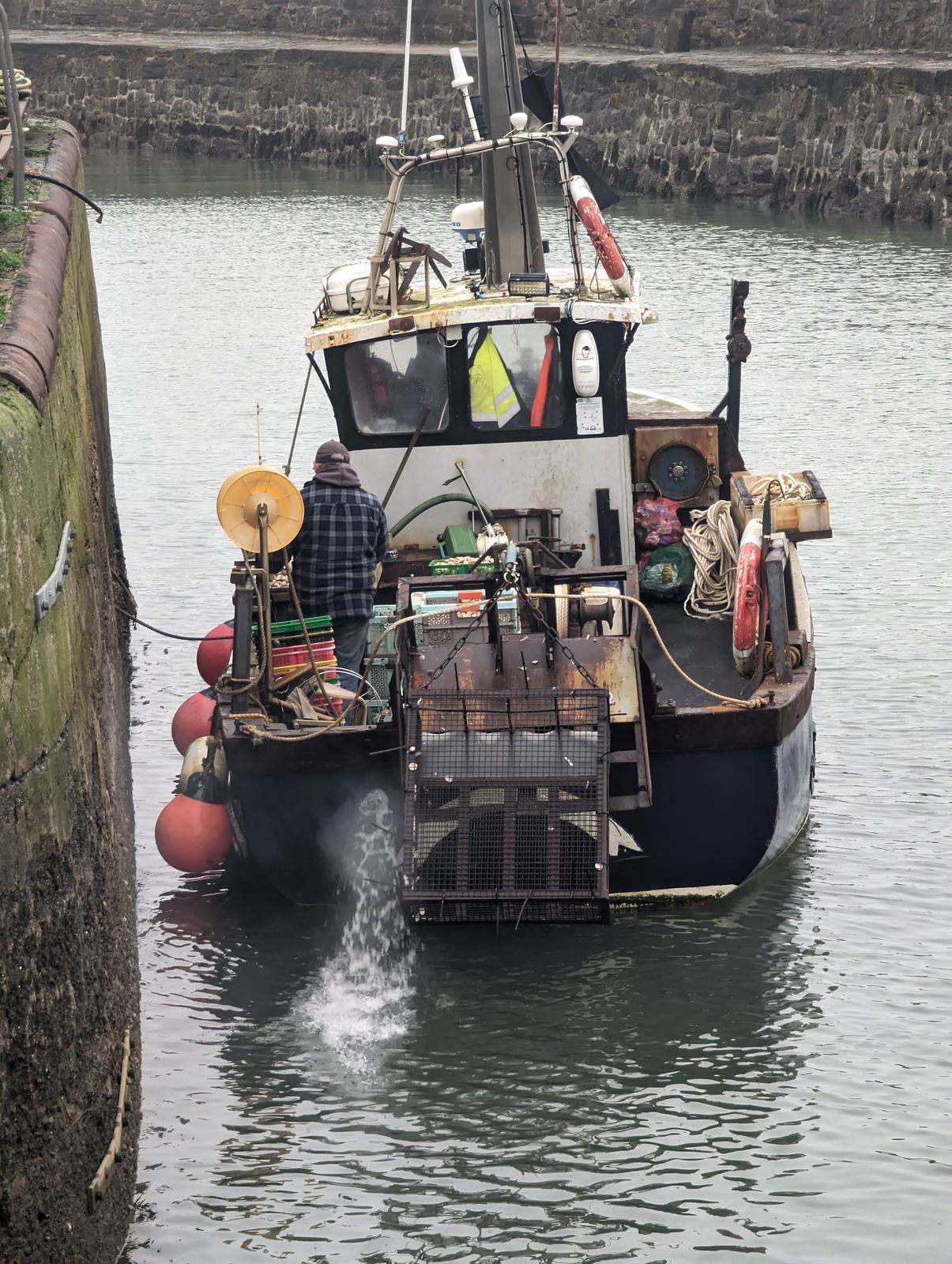
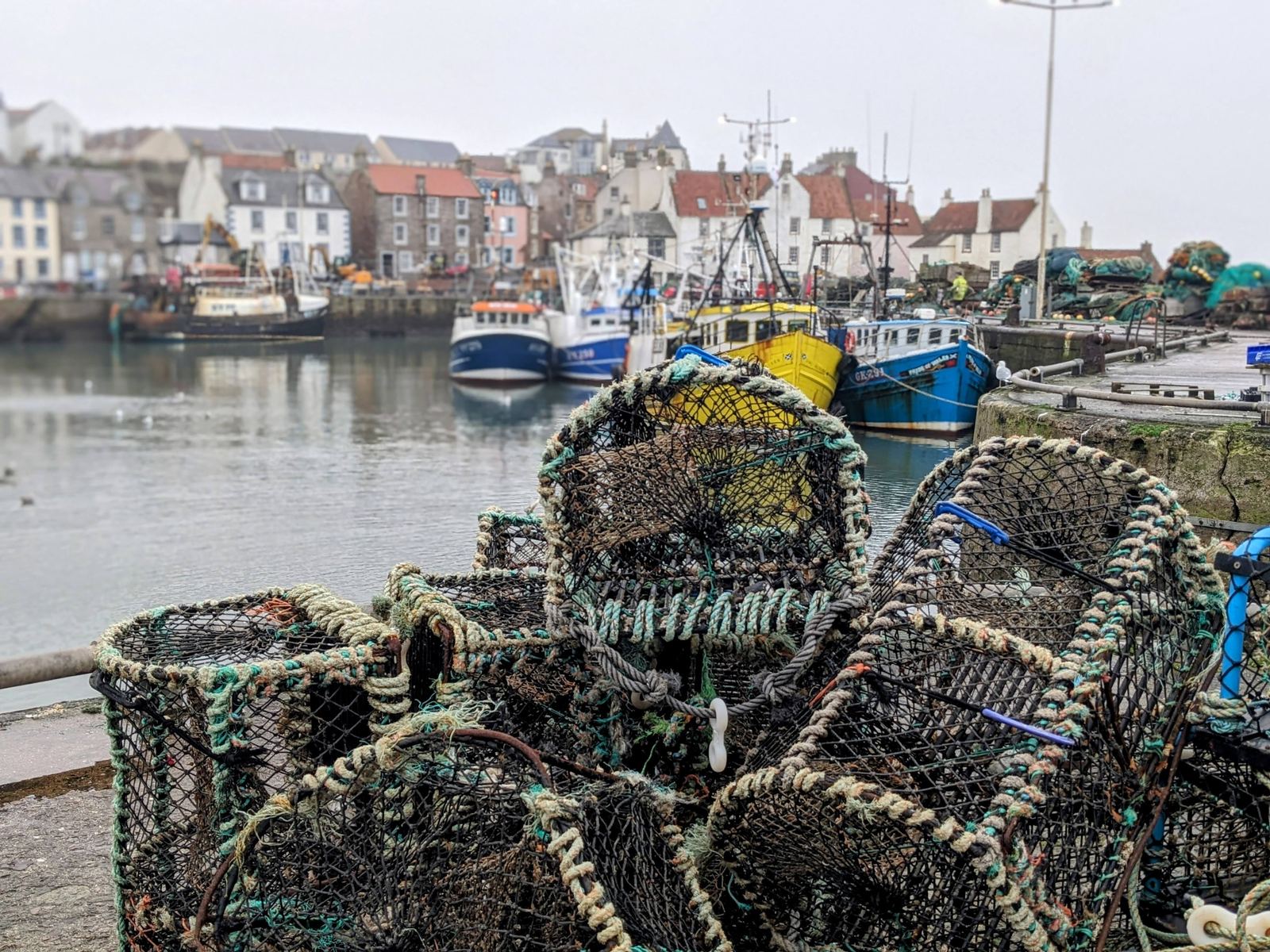
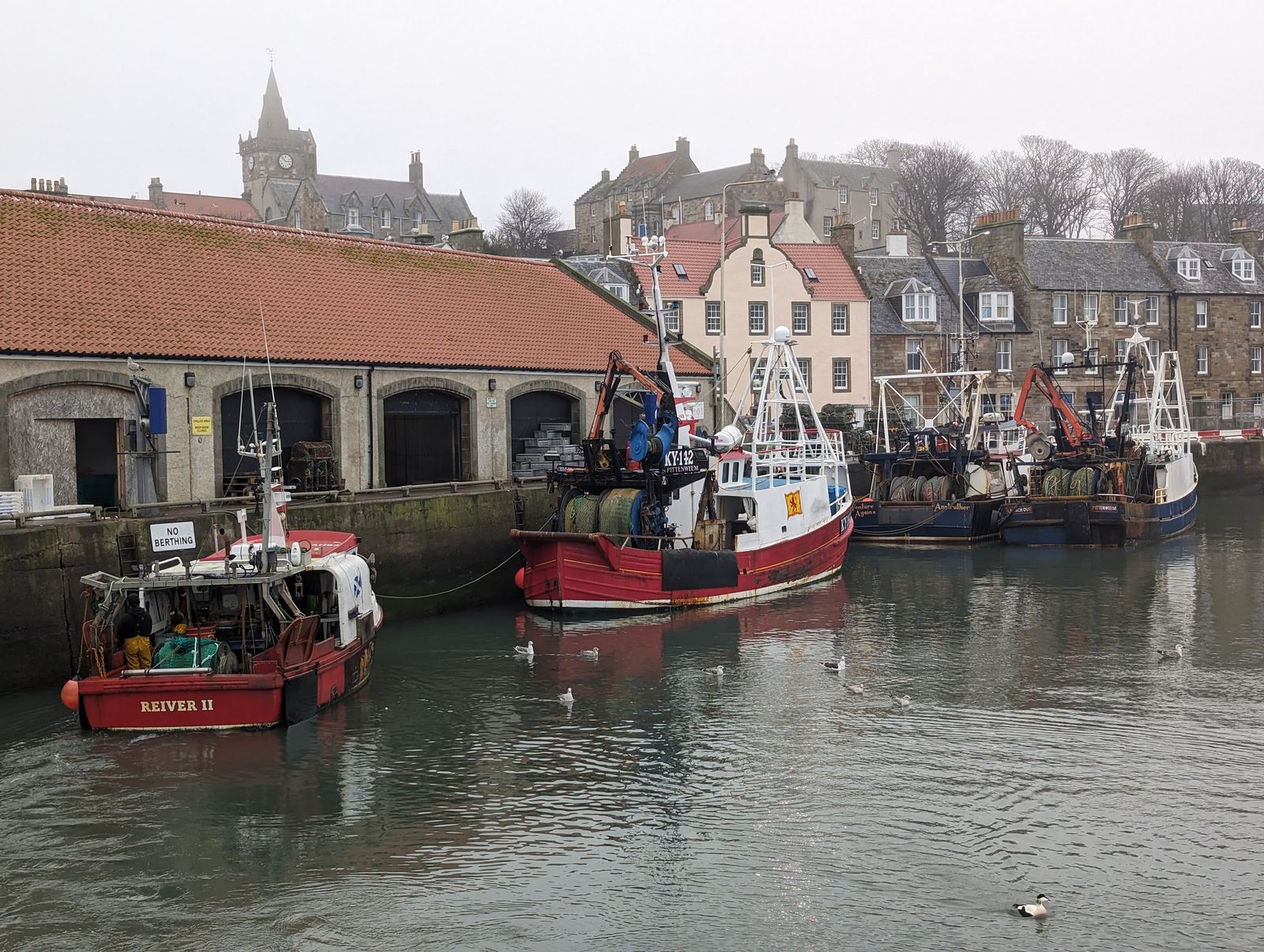
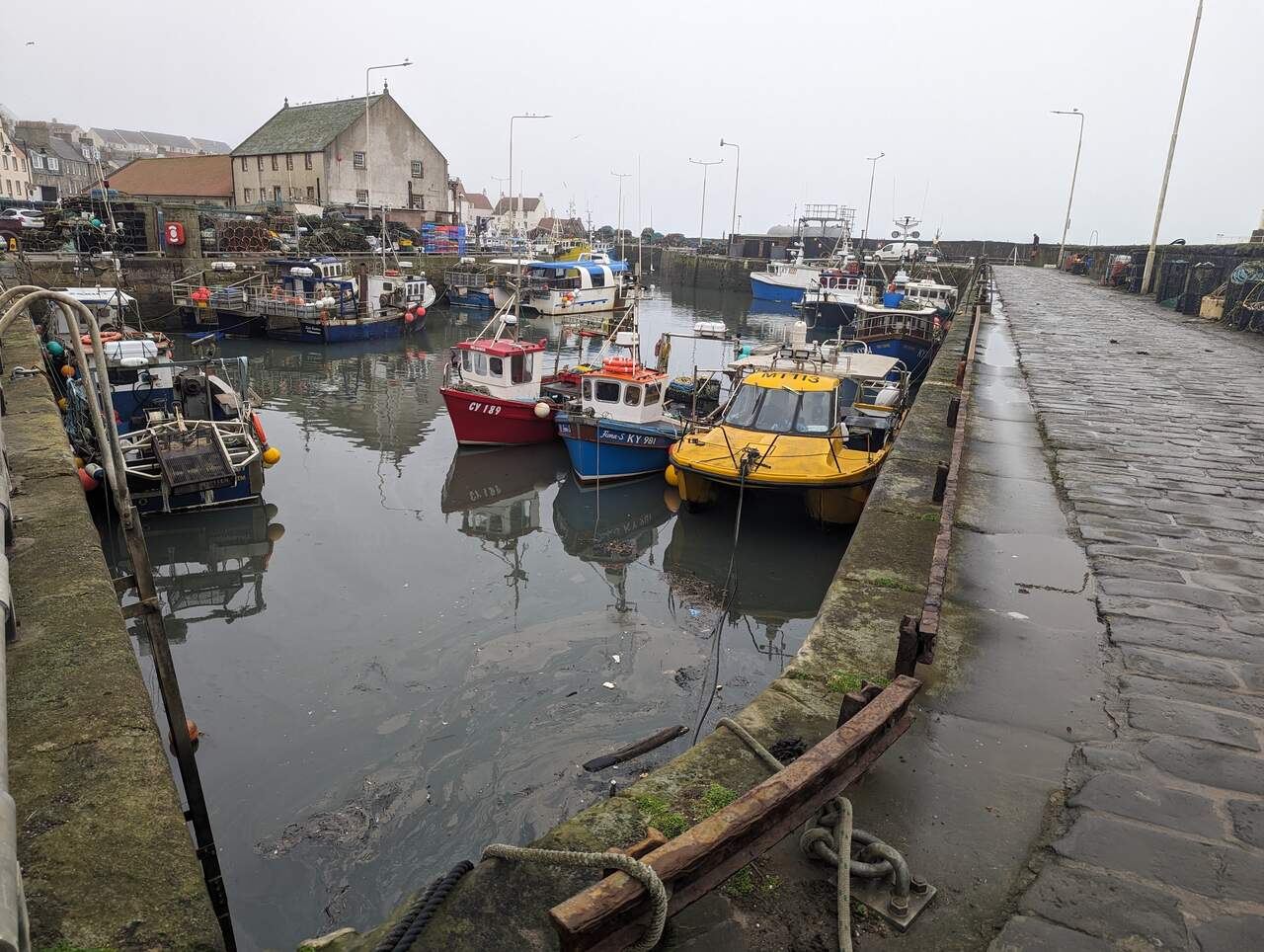
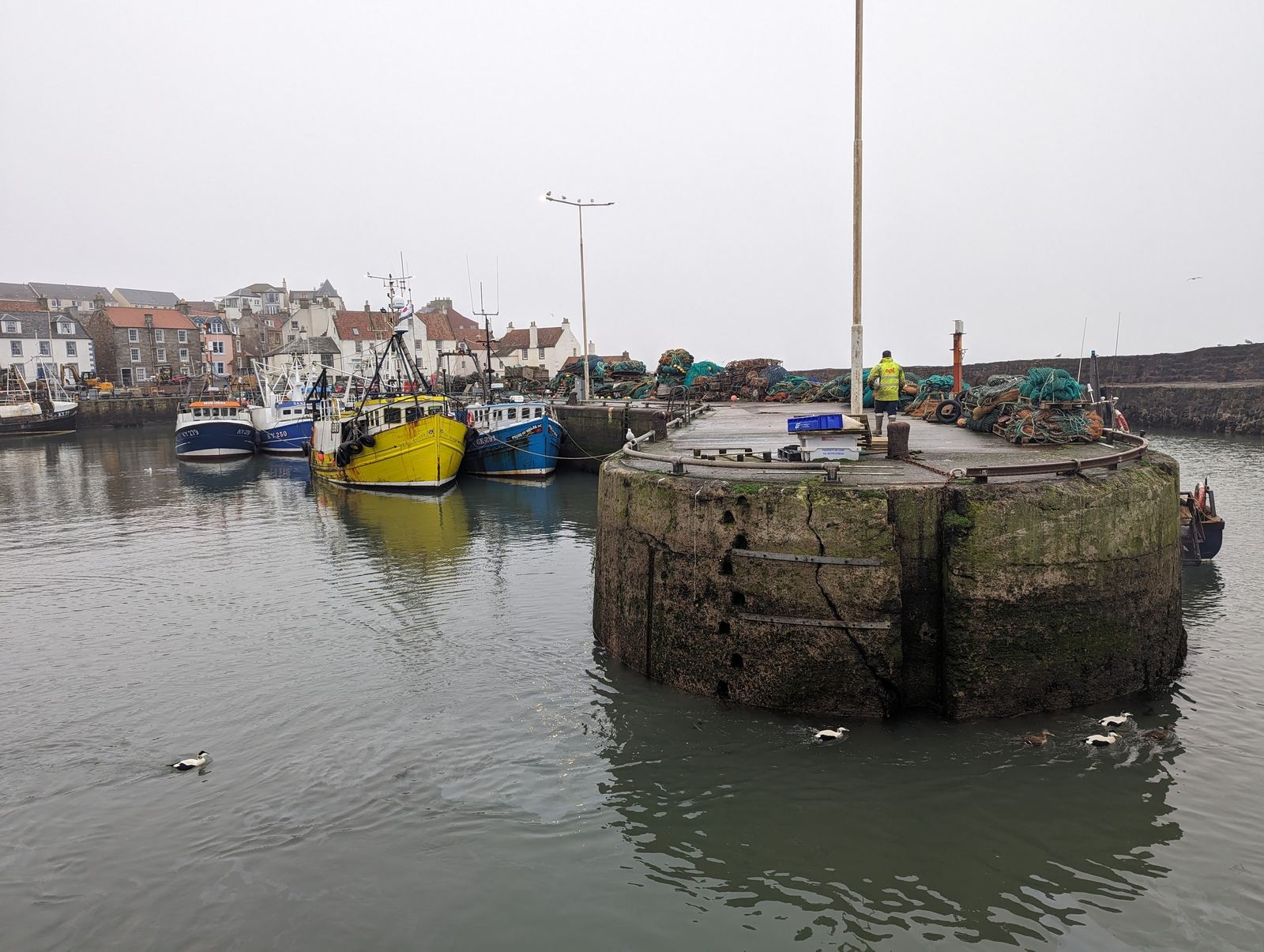
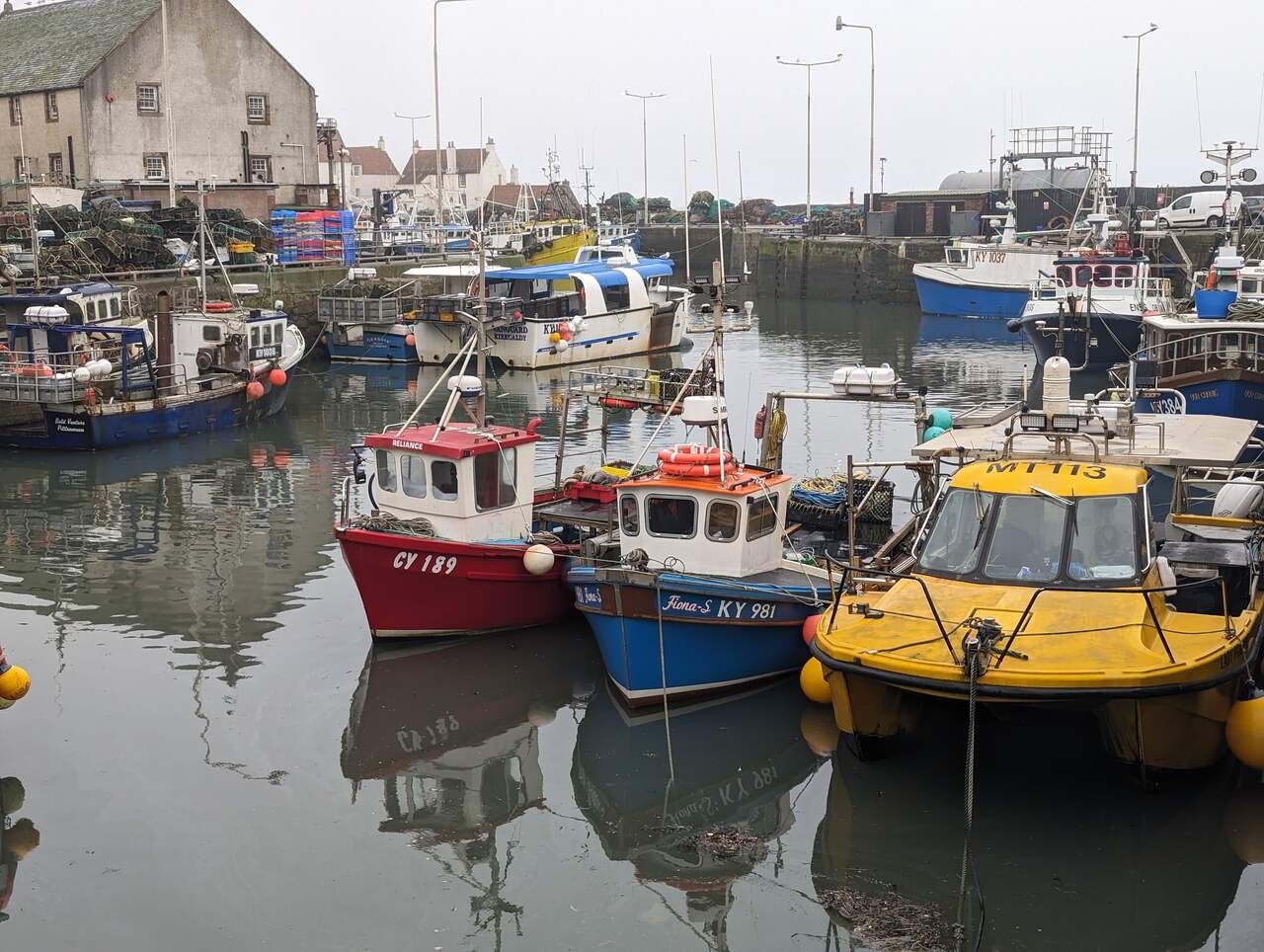
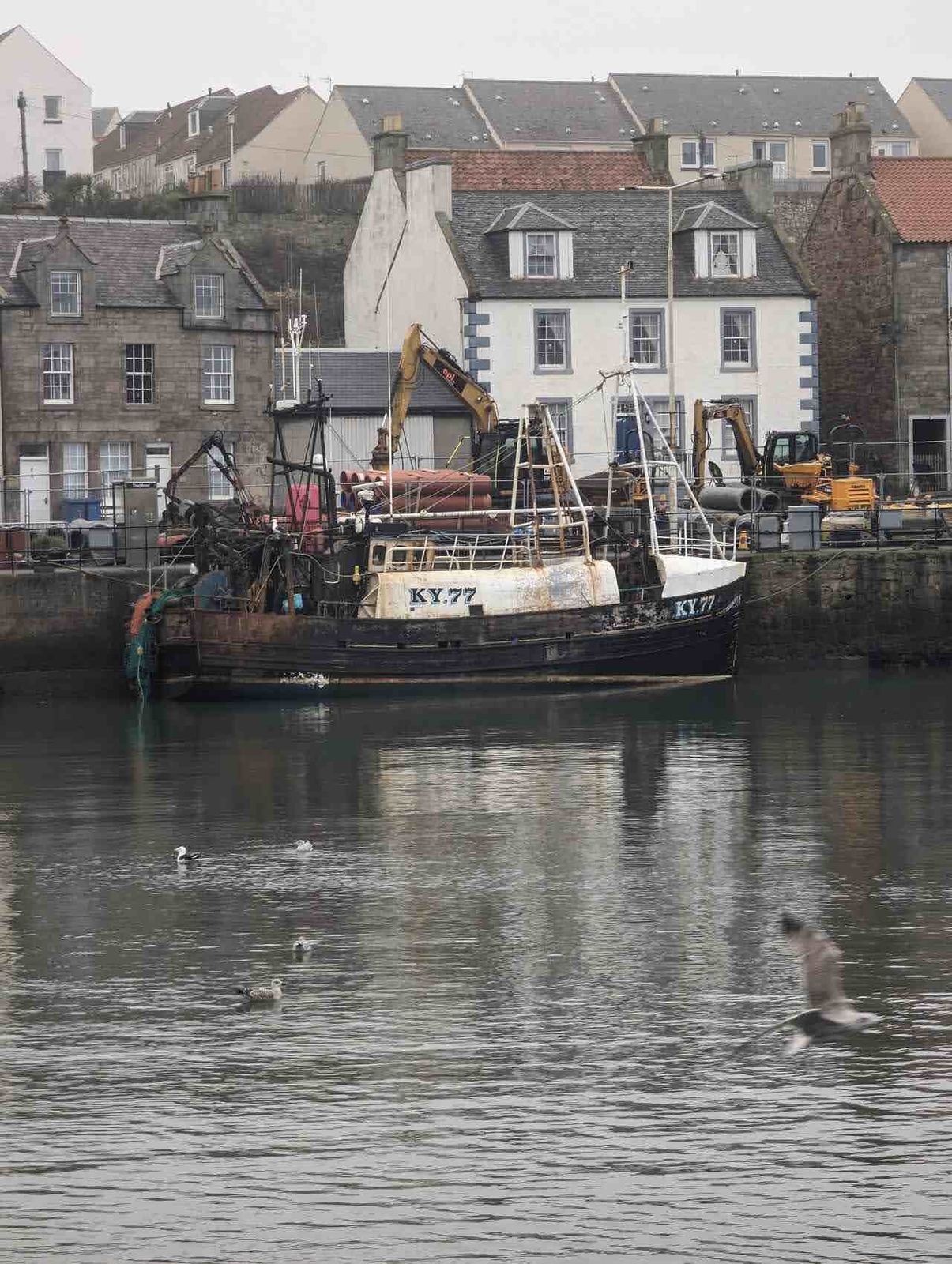
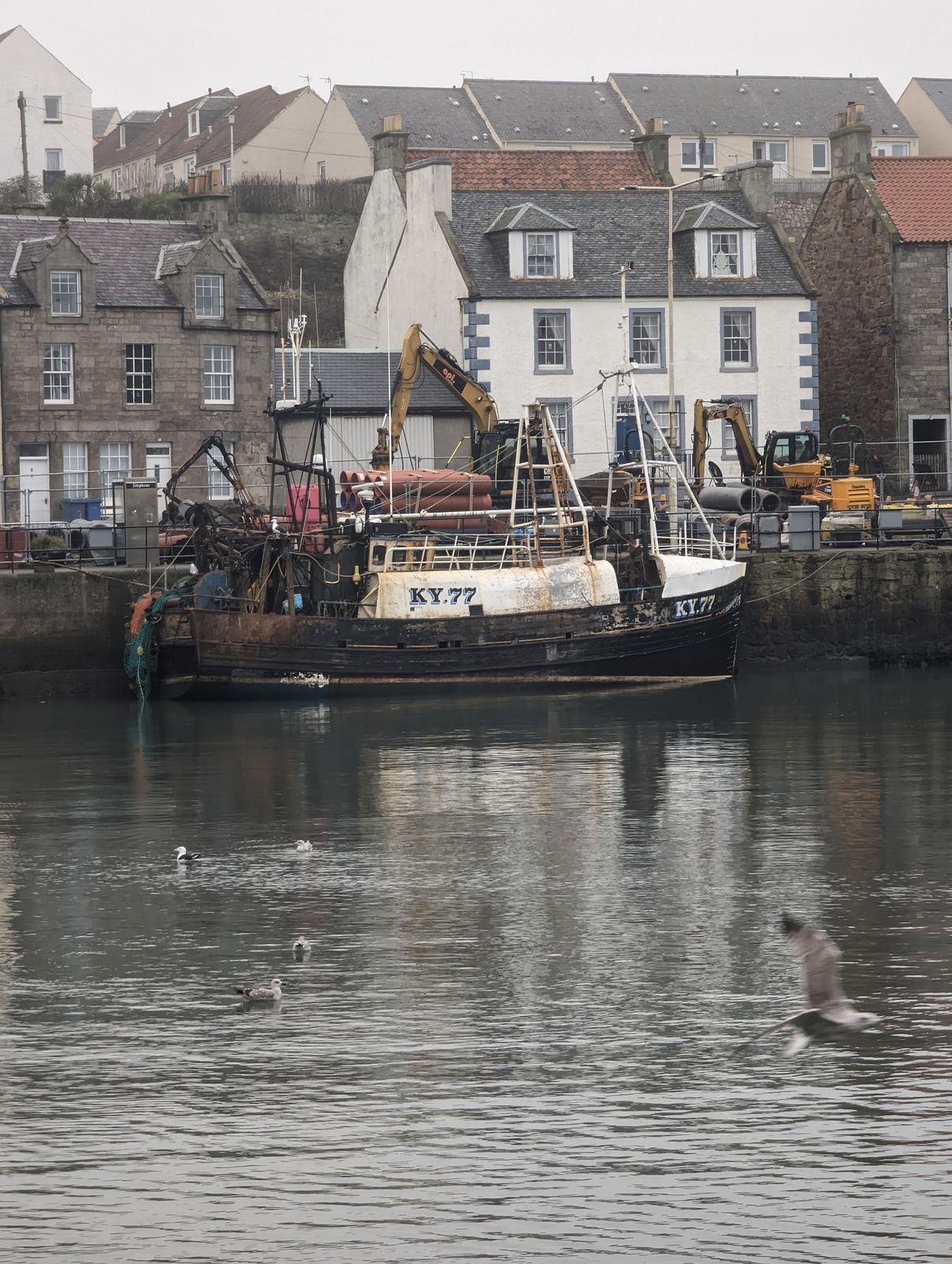
This is the heart of Pittenweem, and the reason to come early. While its neighbours went quiet, Pittenweem kept fishing, and its harbour is now the main landing port of the East Neuk. Boats come in on the tide, the catch — prawns, crab, lobster and white fish — goes up to the fish market on the quay, and the whole place smells of salt, diesel and creel. Wander the piers and you’ll find stacked creels (lobster pots), coils of rope, gulls on every bollard, and working boats in every colour going.
The hard side — the sea always takes its due
A working fishing coast is never only picturesque, and the East Neuk has paid a heavy price over the centuries. The worst single blow was the East Neuk Disaster of September 1875: a fleet was heading home from the East Anglian herring season when a storm blew up off the Norfolk coast and five boats went down with all hands — 21 men lost from St Monans and 16 from Cellardyke, just along the shore.
Pittenweem has its own losses too — like the Morning Star, a small yawl that foundered off the coast in 1910 with the loss of four of her five crew; the bodies were brought ashore into Pittenweem’s own West Harbour. In 2019 the village unveiled a Fishermen’s Memorial on the harbour — a bronze figure by sculptor Alan Herriot — to every local family that never got their men back. It’s worth a quiet minute when you’re admiring the pretty boats: this is what the prettiness cost.
The Cocoa Tree — chocolate, coffee & a cave key
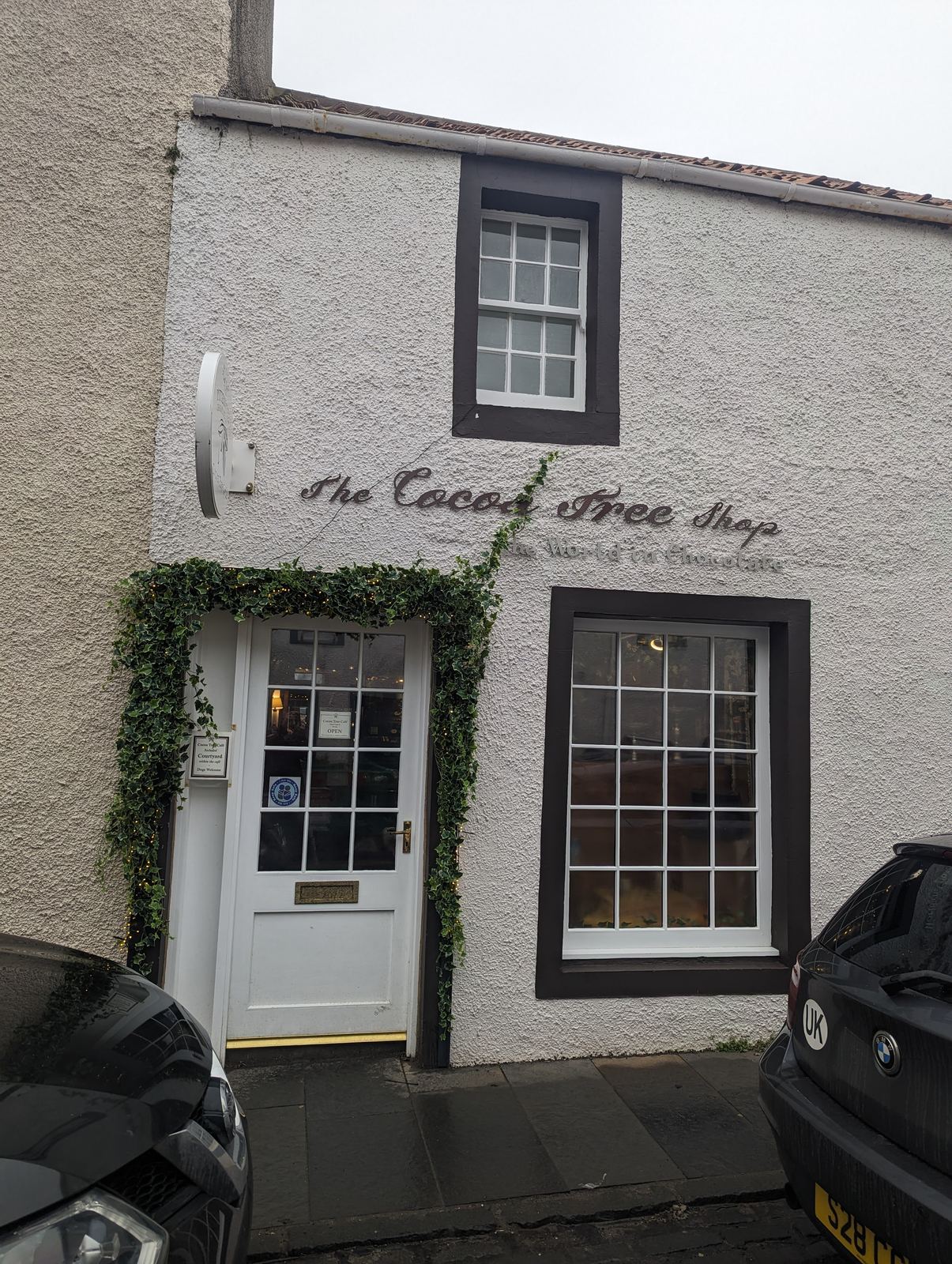
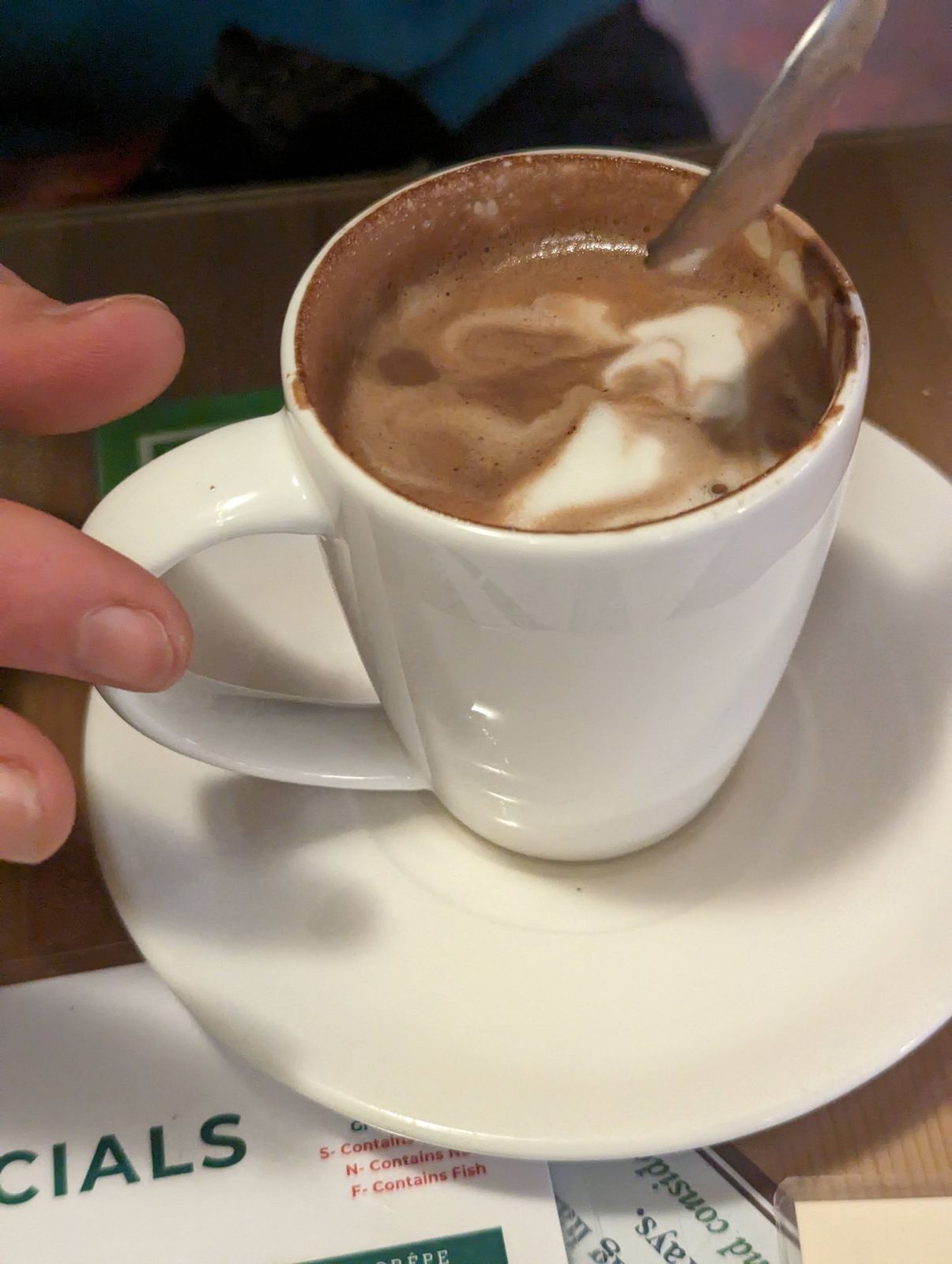
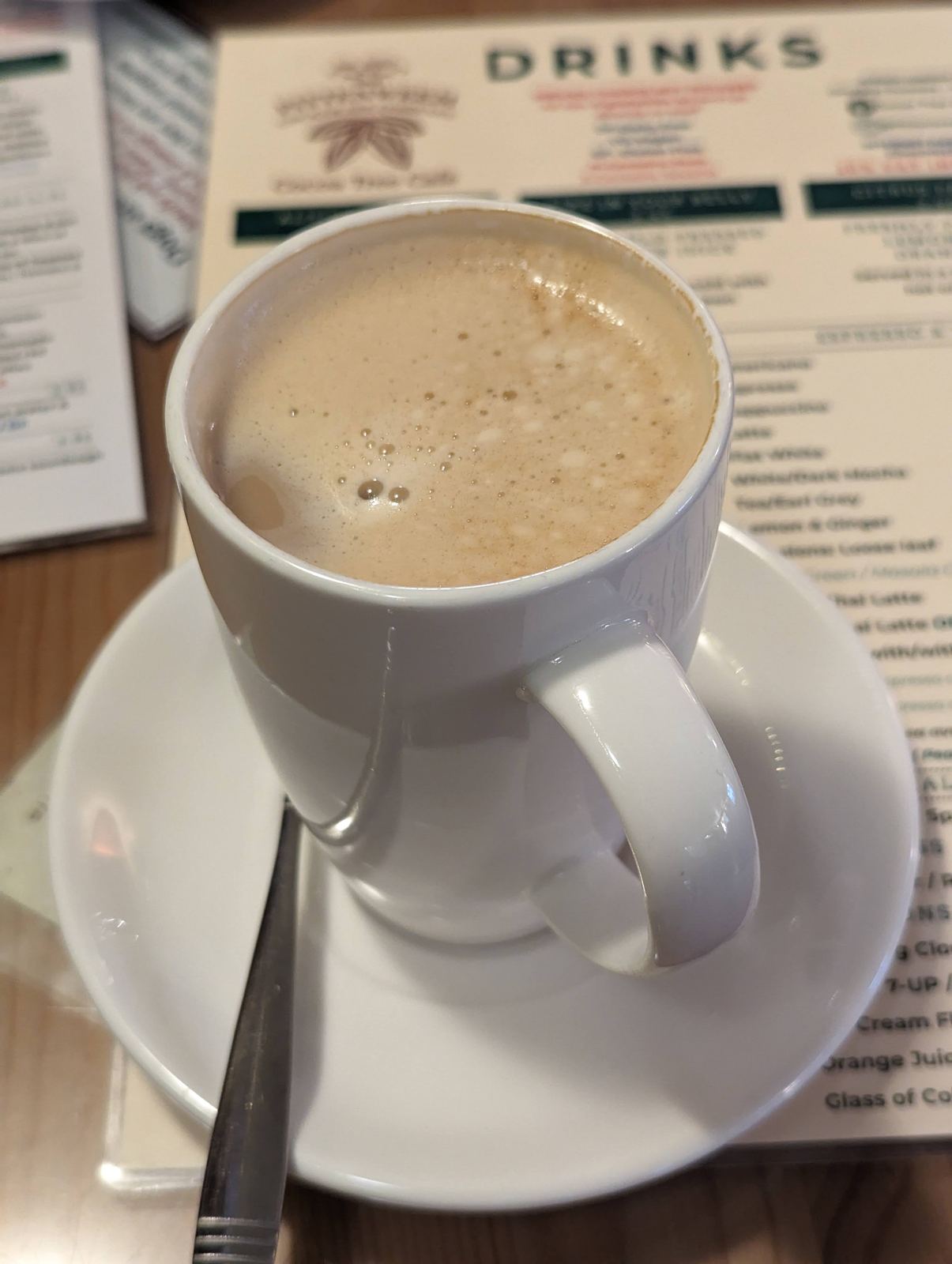
Right in the middle of the High Street is the reason a lot of people come to Pittenweem in the first place: The Cocoa Tree Shop & Café — a proper artisan chocolatier and coffee shop, all dark wood and the smell of cocoa, famous across the East Neuk for its hot chocolate. We had a coffee and a hot chocolate, watched the rain, and (of course) picked up the key to St Fillan’s Cave while we were at it. It’s the sort of place that makes a grey day feel like a treat.
Best fish & chips by the harbour
You cannot come to a working fishing harbour and not have a fish supper, and Pittenweem does it properly. The obvious spot is right on the water: Chip Ahoy at the Larachmhor (Mid Shore), a harbourside chippy-and-bar where you can take a supper out to the quay. Up on the High Street there’s also the Pittenweem Fish & Chip Bar — a cracking wee no-frills chippy, and usually the cheapest good supper in the East Neuk. And if you want the legend, the multi-award-winning Anstruther Fish Bar — repeatedly crowned UK Fish & Chip Shop of the Year, with a board that names the very boat your fish came off — is a one-mile walk east along the shore. We had our fish and chips here twice and sat out by the harbour with them; it’s a proper East Neuk rite of passage.
The West Shore, the cottages & the Gyles
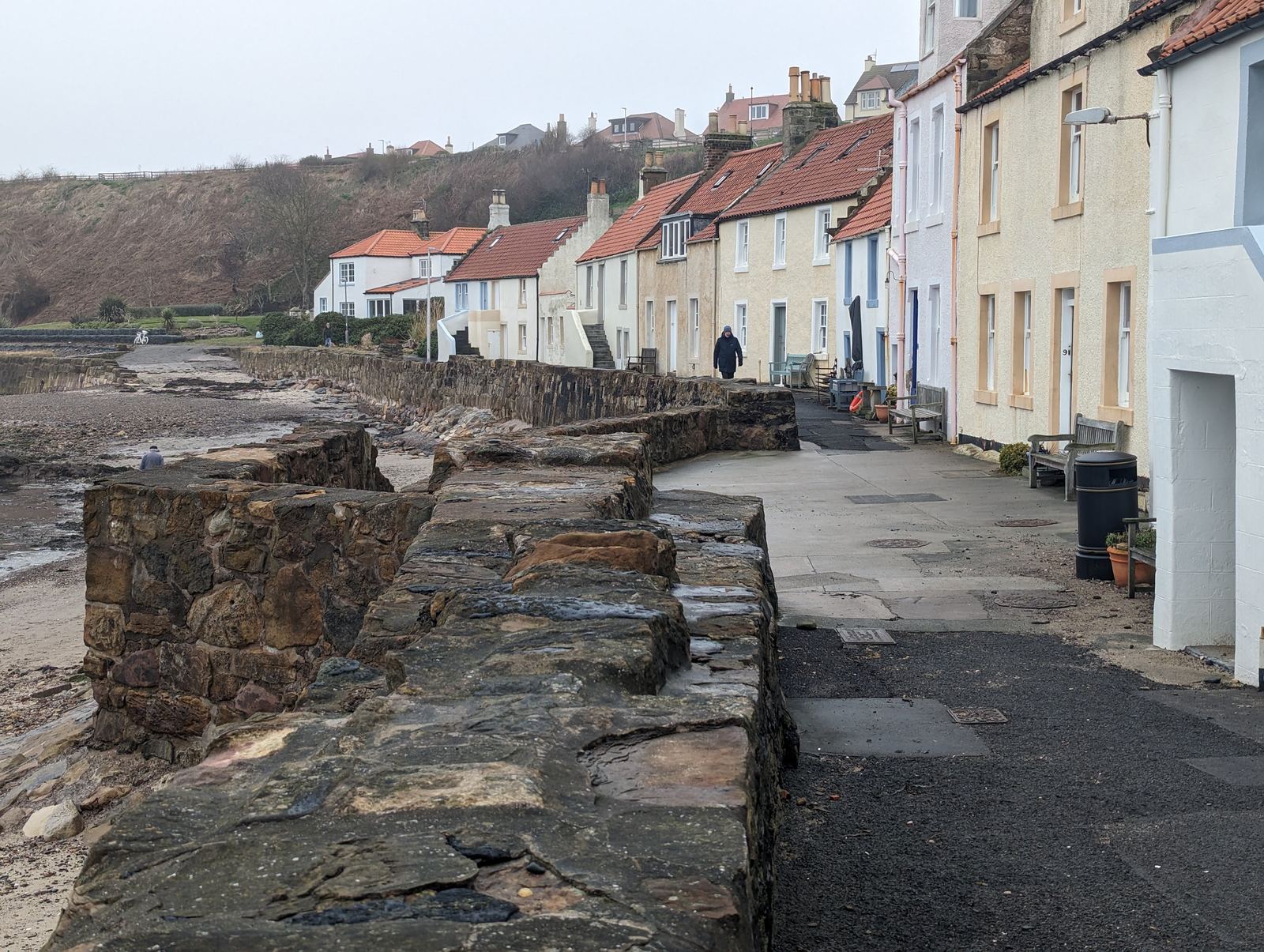
Away from the harbour, the joy of Pittenweem is simply wandering the shore. West of the harbour the West Shore runs along the water past a tight row of old painted and crow-stepped cottages, some of the finest 16th–17th-century vernacular houses in Scotland — including the famous group known as The Gyles, restored by the National Trust for Scotland. Wynds and stone stairs drop down between the houses to the beach, and the whole place is a photographer’s dream even on a dreich day.
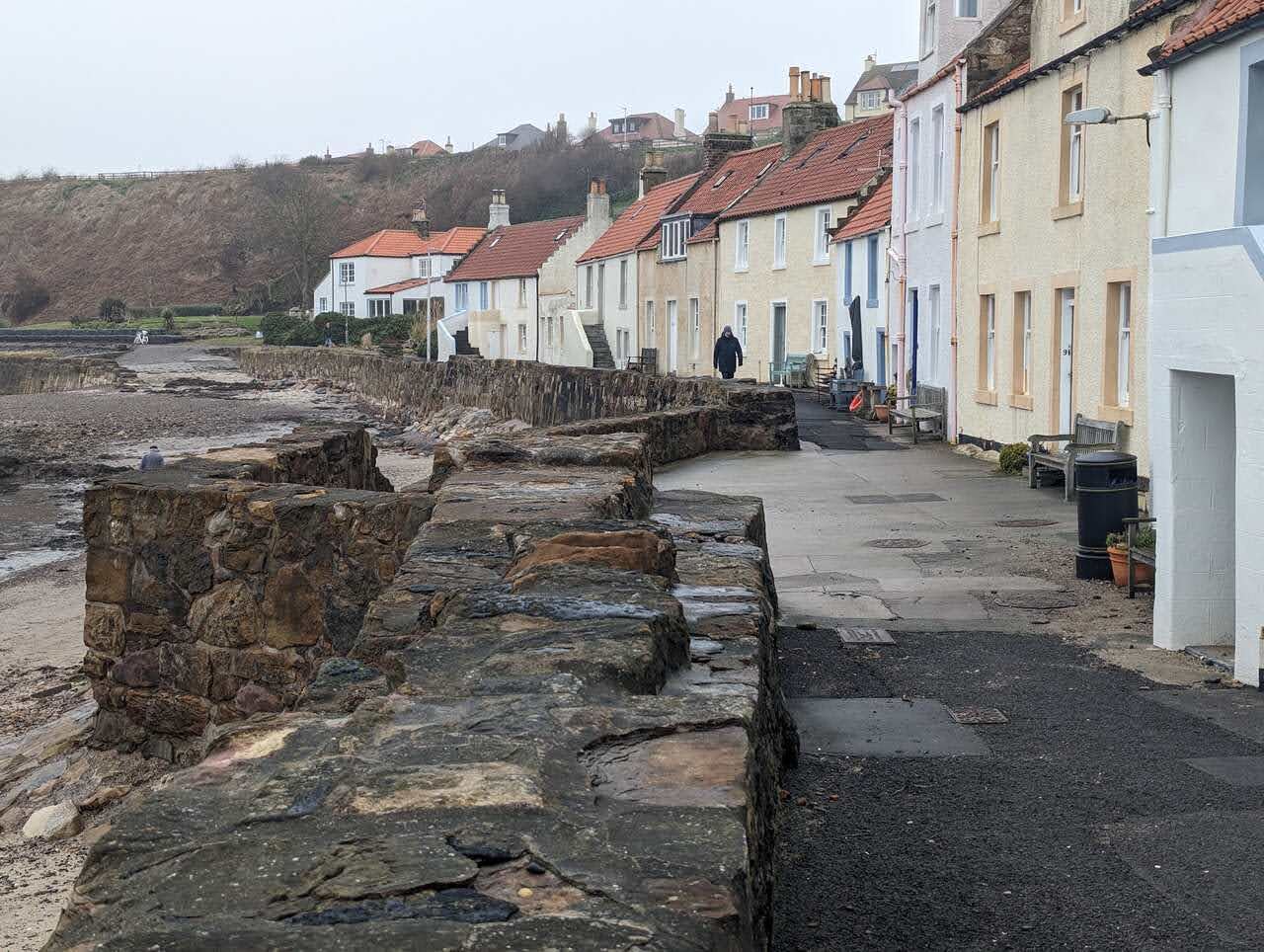
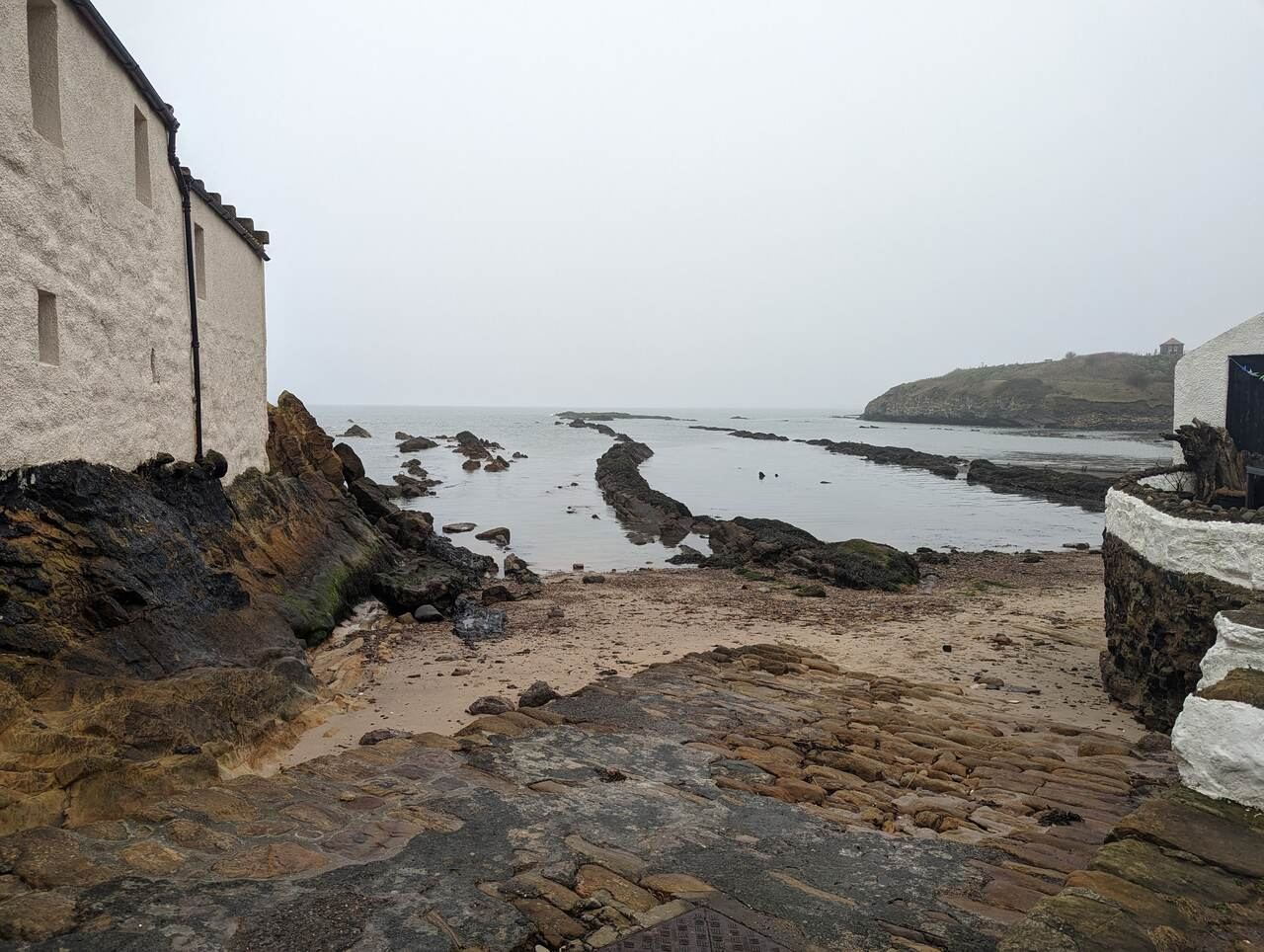
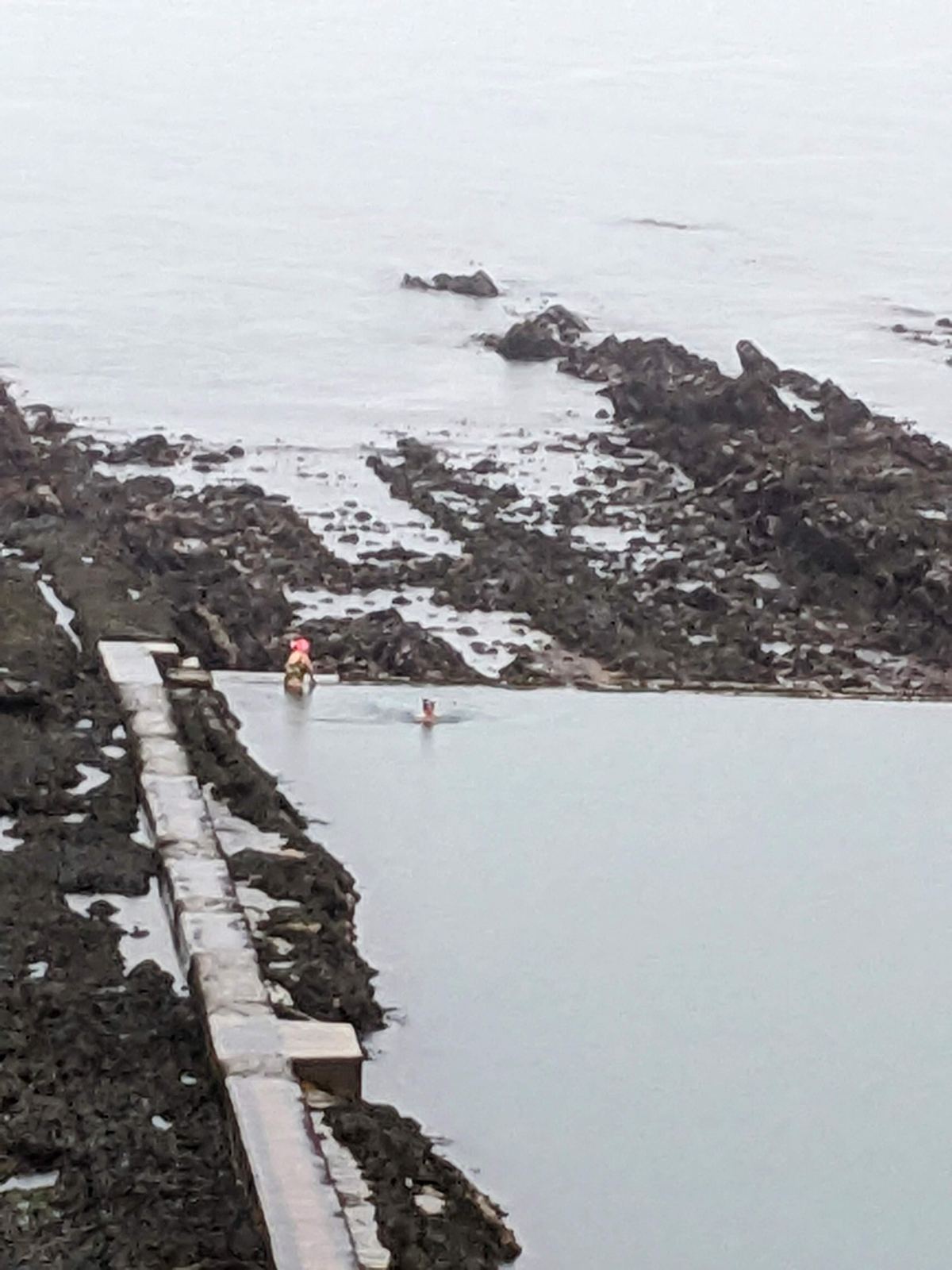
A coffee & a walk around the bay
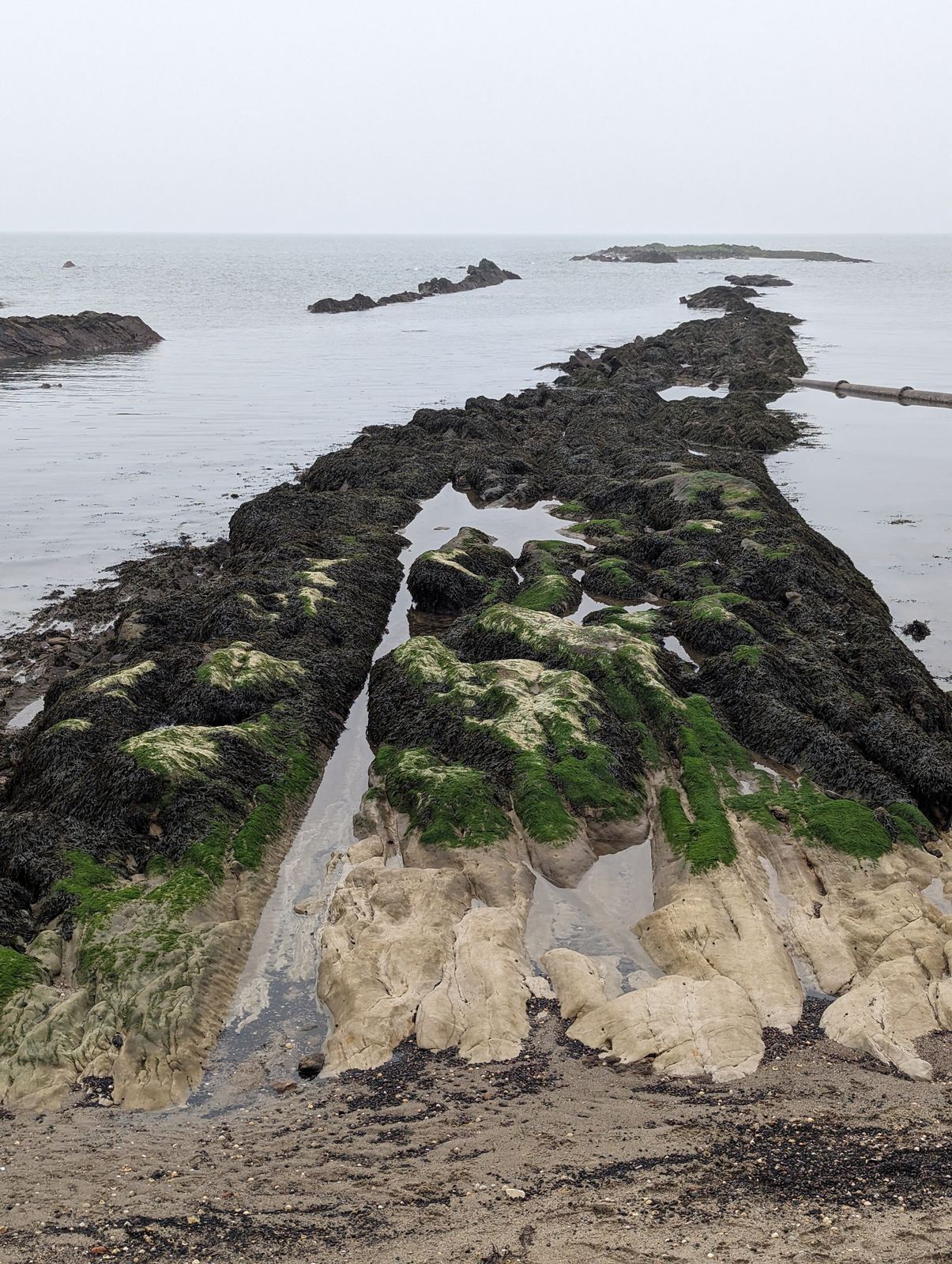
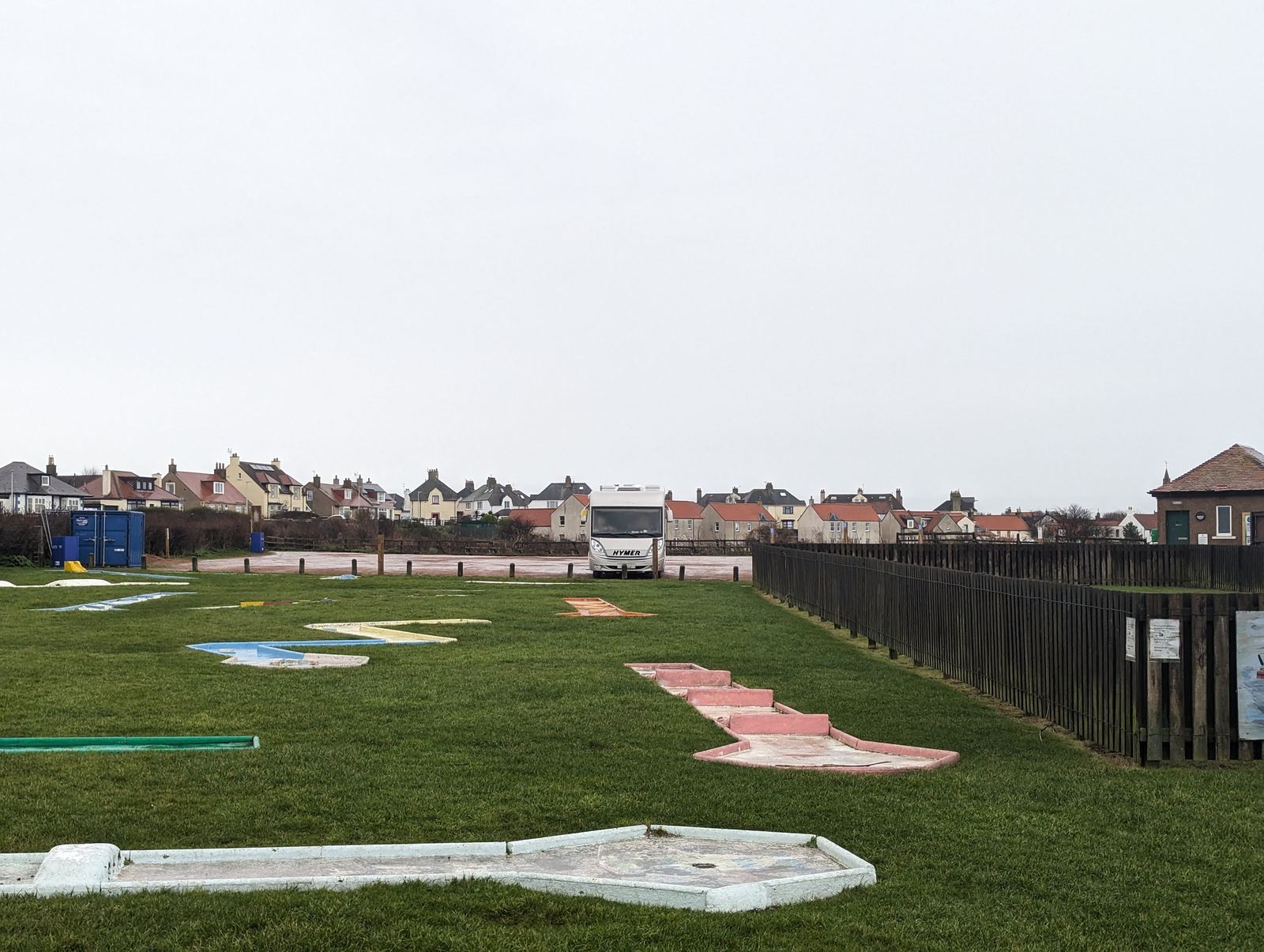
Our perfect Pittenweem morning is a simple one: a coffee from the Cocoa Tree and then a walk around the bay. The Fife Coastal Path runs right through the village, so you can stroll the shore in either direction — west toward St Monans (its sea-lapped kirk and old windmill), or east to Anstruther, about 15–20 minutes along the front. At low tide the rocky foreshore opens right up, there’s a little seafront putting green for a daft ten minutes, and rock pools for anyone with kids or a curious dog. Nothing strenuous — just sea air, big skies and the boats coming and going.
The Pittenweem Arts Festival
If you can, come in early August for the Pittenweem Arts Festival — running since 1982 and now one of Scotland’s biggest, when artists across the village open their homes, sheds and studios as pop-up galleries and the whole place fills up. It’s a completely different Pittenweem from our quiet grey February one — busy, colourful and brilliant — so pick your season to suit your mood.
Overnight & motorhomes
Pittenweem’s streets and harbour are tight and busy with working traffic, so it’s not a spot to plonk a big van on the quay. There’s a car park by the harbour for daytime visits, and the East Neuk has campsites and quieter parking spots nearby. As ever, read the signs, don’t block the working harbour, and leave no trace.
Practical
- 🅿️ Parking: harbour car park for day visits; the village streets are narrow — big vehicles take care.
- 🕗 Come early: the harbour is at its best in the morning when the boats are working.
- 🗝️ St Fillan’s Cave: small admission; key from the Cocoa Tree, 30 High Street.
- 🍫 The Cocoa Tree: chocolate shop and café on the High Street — the hot chocolate is the thing.
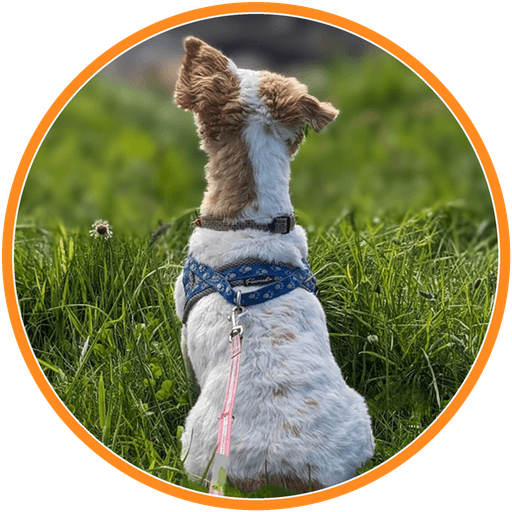
- 🐕 Dogs: very welcome around the harbour and shore (mind the working quay and the tide).
- 🎨 Arts Festival: first week of August — book accommodation well ahead.
Nearest places
- Anstruther — one mile east; the Scottish Fisheries Museum, boat trips to the Isle of May, and the UK-champion fish bar. (Page coming.)
- St Monans — just west; a church almost in the sea, an old tidal windmill and salt pans. (Page coming.)
- Crail — the most-painted little harbour in Scotland, a couple of miles east. (Page coming.)
- Elie & Earlsferry — the East Neuk’s best sandy beaches, a little further west. (Page coming.)
- St Andrews — the Home of Golf and the great ruined cathedral, ten miles north.
Sources
- First-hand: Kevin & family (and Lillie), Pittenweem, February 2024 (own photos)
- Pittenweem — Undiscovered Scotland · Pittenweem Priory — Wikipedia
- St Fillan’s Cave — Britain Express · Pittenweem Fishermen’s Memorial Association