
St Fillan: The Healing Saint of Breadalbane
Overview
St Fillan is one of the great early saints of the Scottish Highlands, and his story is woven right through Killin and the country around the head of Loch Tay. An 8th-century Irish missionary, he left behind a set of healing stones still kept in the village to this day, a scatter of holy places across Breadalbane and Strathfillan, and a bond with Robert the Bruce that reached all the way to the field of Bannockburn.
Who was St Fillan?
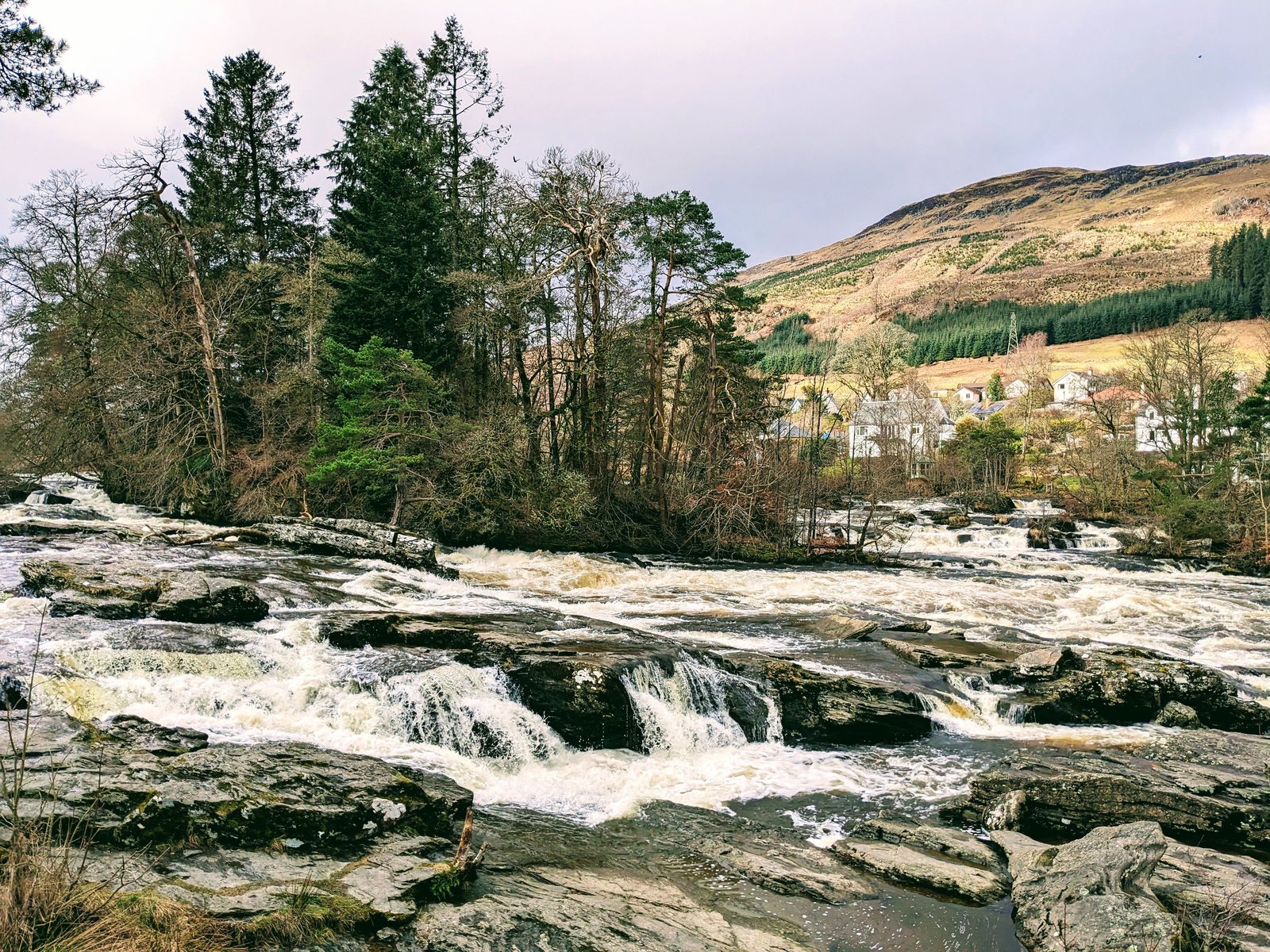
Fillan (in Gaelic Faolán) was an Irish monk of the 8th century, said to be the son of St Kentigerna and nephew of St Comgan, who crossed to Scotland with his family to spread Christianity. He settled to work in Glen Dochart and Strathfillan, in the heart of what is now Perthshire’s Breadalbane, and became so beloved that his name still marks the land: Strathfillan (the strath of Fillan), the River Fillan, St Fillan’s wells and chapels. His feast day is kept on 19 January.
The Healing Stones of Killin
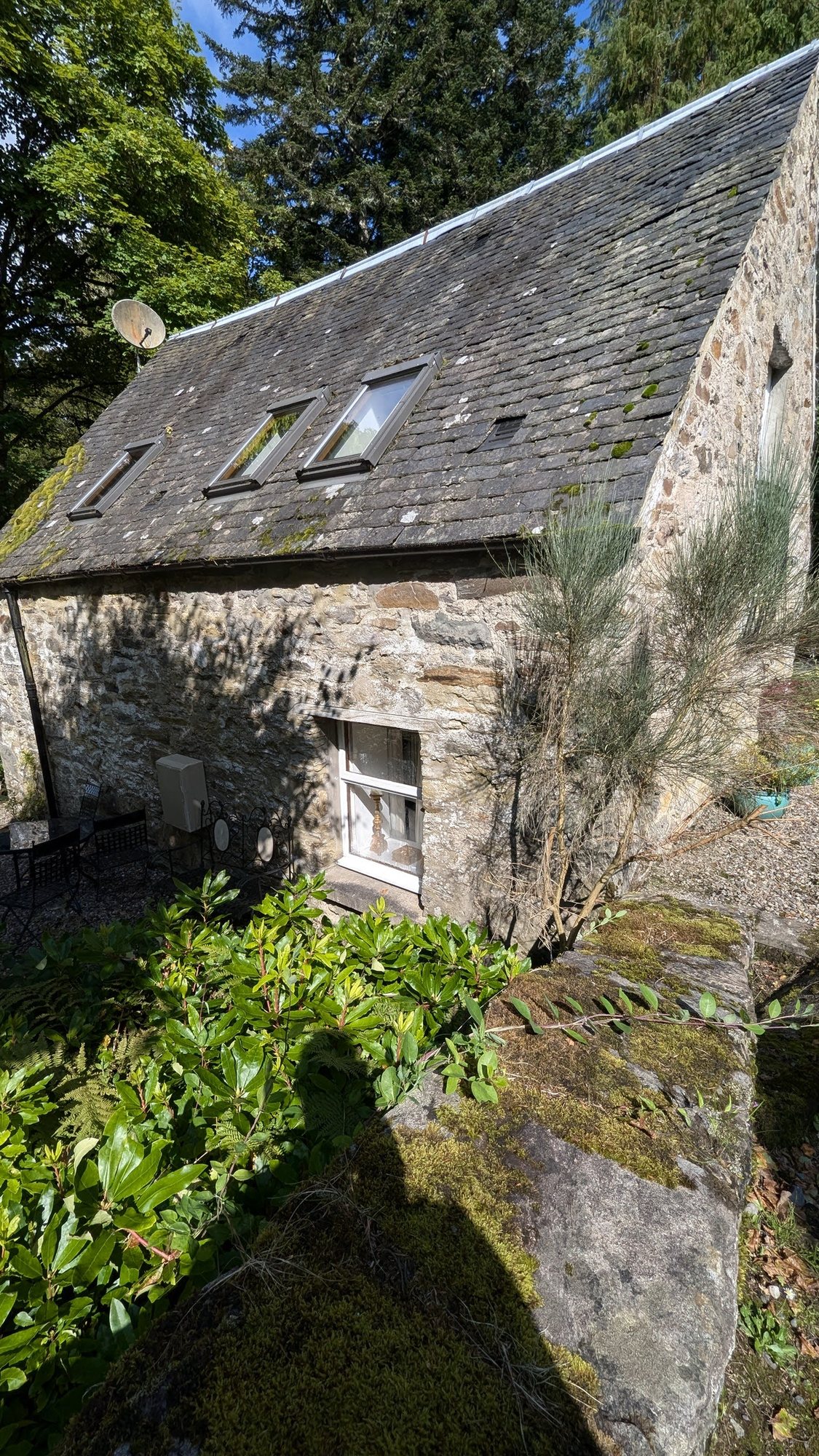
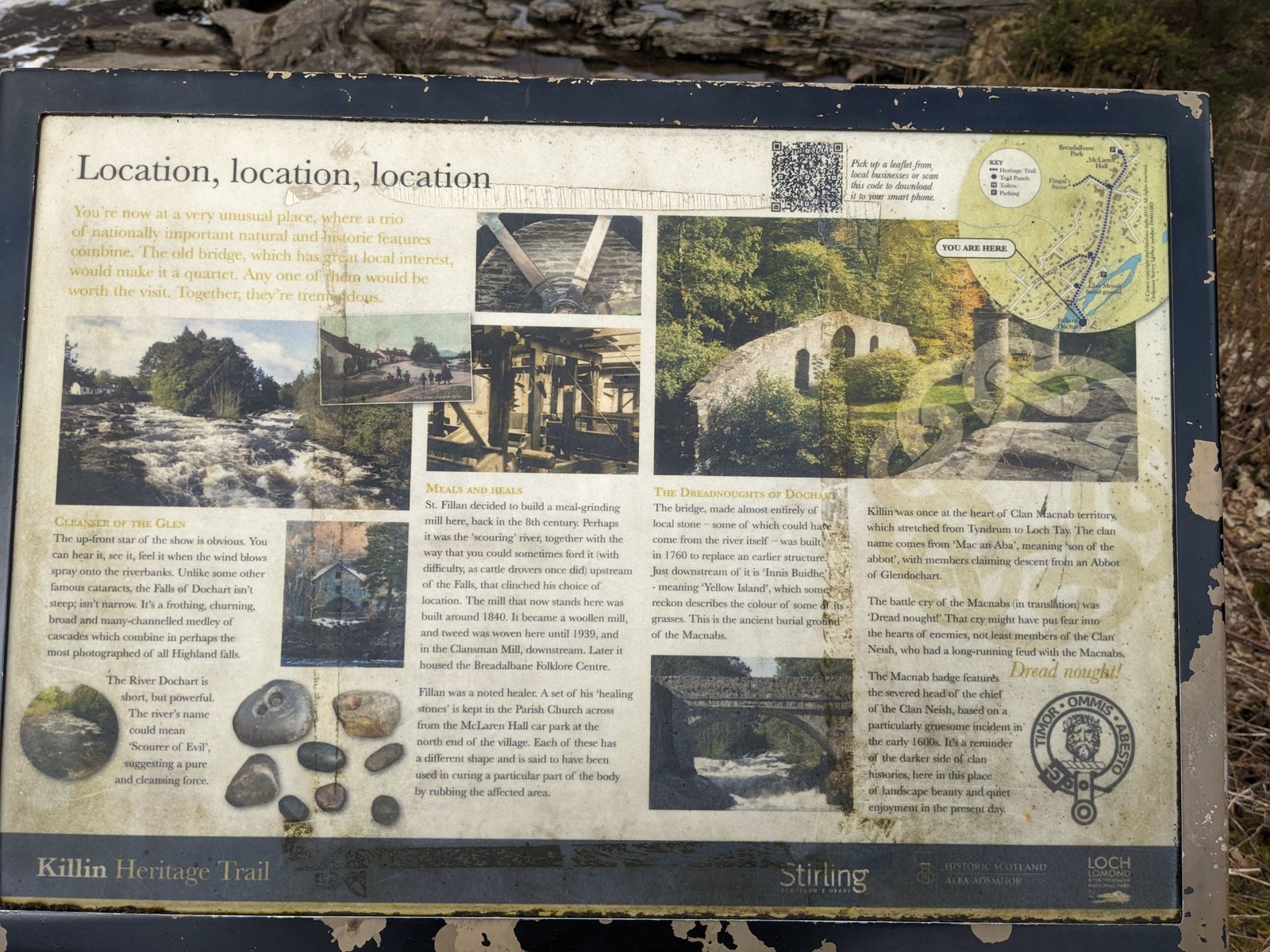
His most remarkable survival is in Killin itself. The Healing Stones of St Fillan are a set of smooth, water-worn river stones, each traditionally taken to match a part of the body — and for centuries people came to be cured by them. They are still kept at the old mill by the Falls of Dochart, laid each year on a fresh bed of straw or reeds renewed at midwinter, exactly as they have been for generations. It is one of the last living folk-healing traditions in Scotland, and standing in front of them is a genuinely moving thing.
His relics — the crozier and the bell
Two of St Fillan’s relics became among the most treasured in medieval Scotland. The Quigrich — the ornate silver-gilt head of his crozier or pastoral staff — and his bronze hand-bell, the Bernane, were carried down the centuries by hereditary keepers, the Dewars, who held small parcels of land in return for guarding them. The Quigrich survives today in the collections of the National Museum of Scotland — a direct, tangible link back to the saint himself.
St Fillan and Robert the Bruce
Bruce held St Fillan in special devotion. Tradition tells that on the eve of Bannockburn in 1314, the king had one of the saint’s relics brought to his tent; when the reliquary was found to have miraculously opened of its own accord, it was taken as a sign of the saint’s blessing on the coming battle. After his great victory, a grateful Bruce founded a priory at Strathfillan around 1318 — St Fillan’s Priory, near Tyndrum — and richly endowed the saint’s cult. The MacNabs of nearby Kinnell, the “children of the abbot,” traced their own name to this early monastic world.
The Holy Pool
A darker, stranger corner of the story lies on the River Fillan near Tyndrum: the Holy Pool of St Fillan. Well into the 19th century, people believed to be mentally ill were brought here to be dipped in the cold water and then left bound overnight in the ruined chapel nearby, in the hope that the saint would heal them by morning. It’s a haunting reminder of just how deep — and how long-lived — belief in St Fillan’s power ran in this landscape.
Nearby: just up Strath Fillan lies Dalrigh, where Robert the Bruce was ambushed by the MacDougalls in 1306.