Cambuskenneth Abbey: Bruce’s Parliament, a Buried King & the Great Bell Tower
Free · Historic Environment Scotland · open grounds; tower interior seasonal
Overview — a great abbey in a loop of the Forth
Tucked into a loop of the River Forth just east of Stirling, Cambuskenneth Abbey is one of the most important religious houses in Scottish history hiding behind one of its quietest settings. A royal parliament was held here, a king of Scots lies buried under its high altar, and its soaring bell tower is the best-preserved of its kind in the country. Yet it sees a fraction of the visitors of the castle on the skyline — you’ll often have the whole place to yourself. It’s a flat, easy stroll from the little village of Cambuskenneth, and it costs nothing.
Getting there — over the footbridge
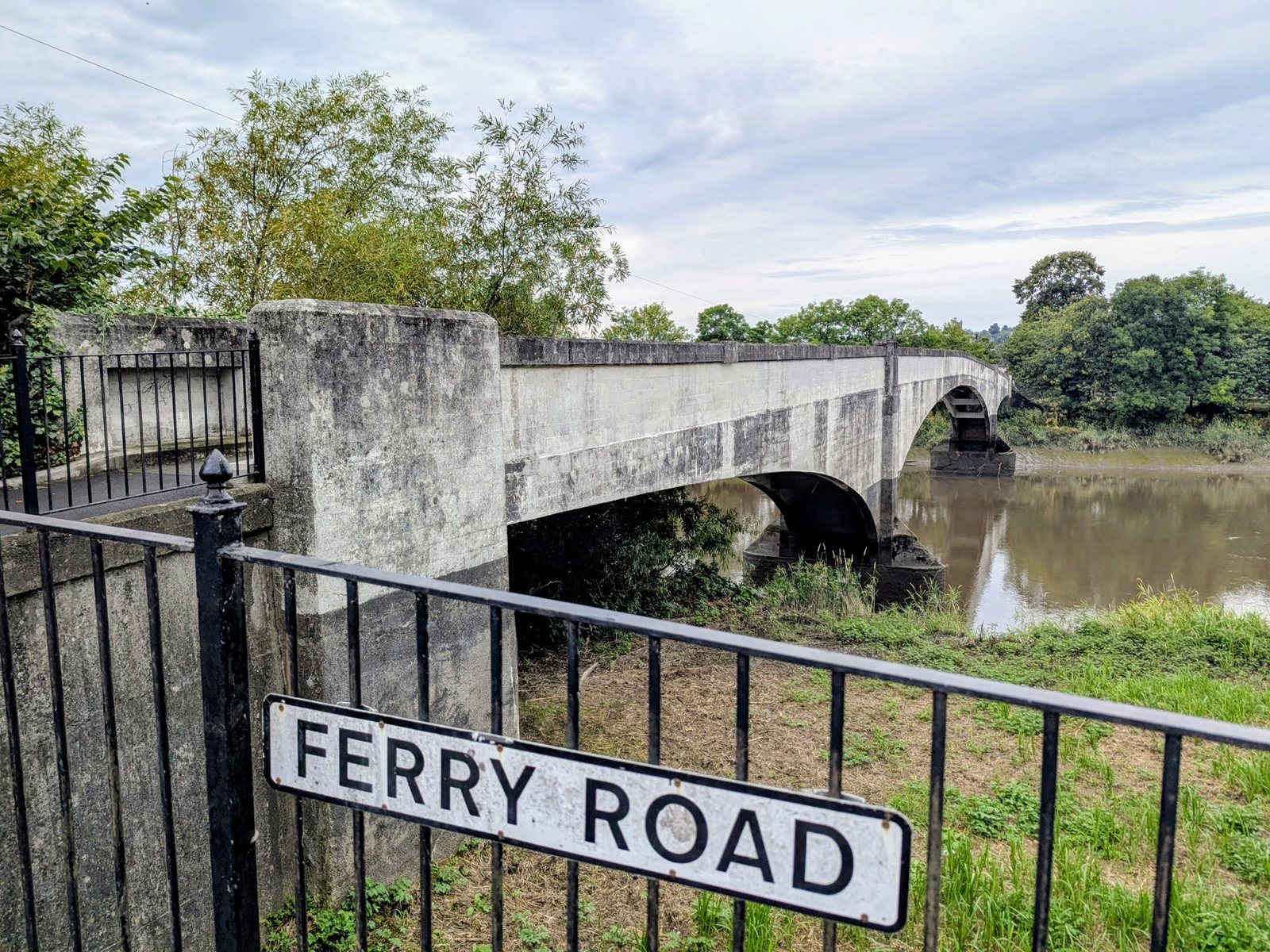
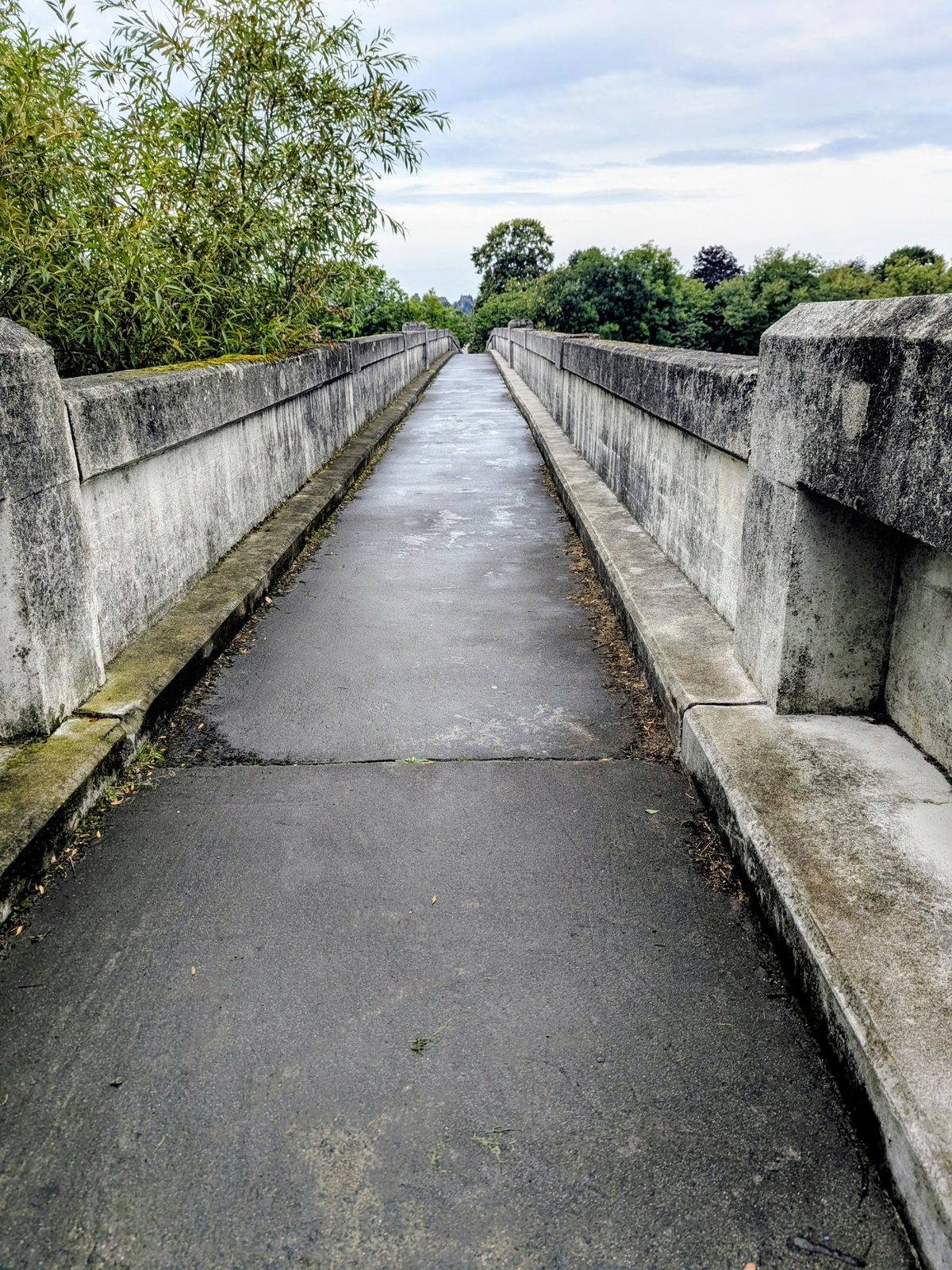
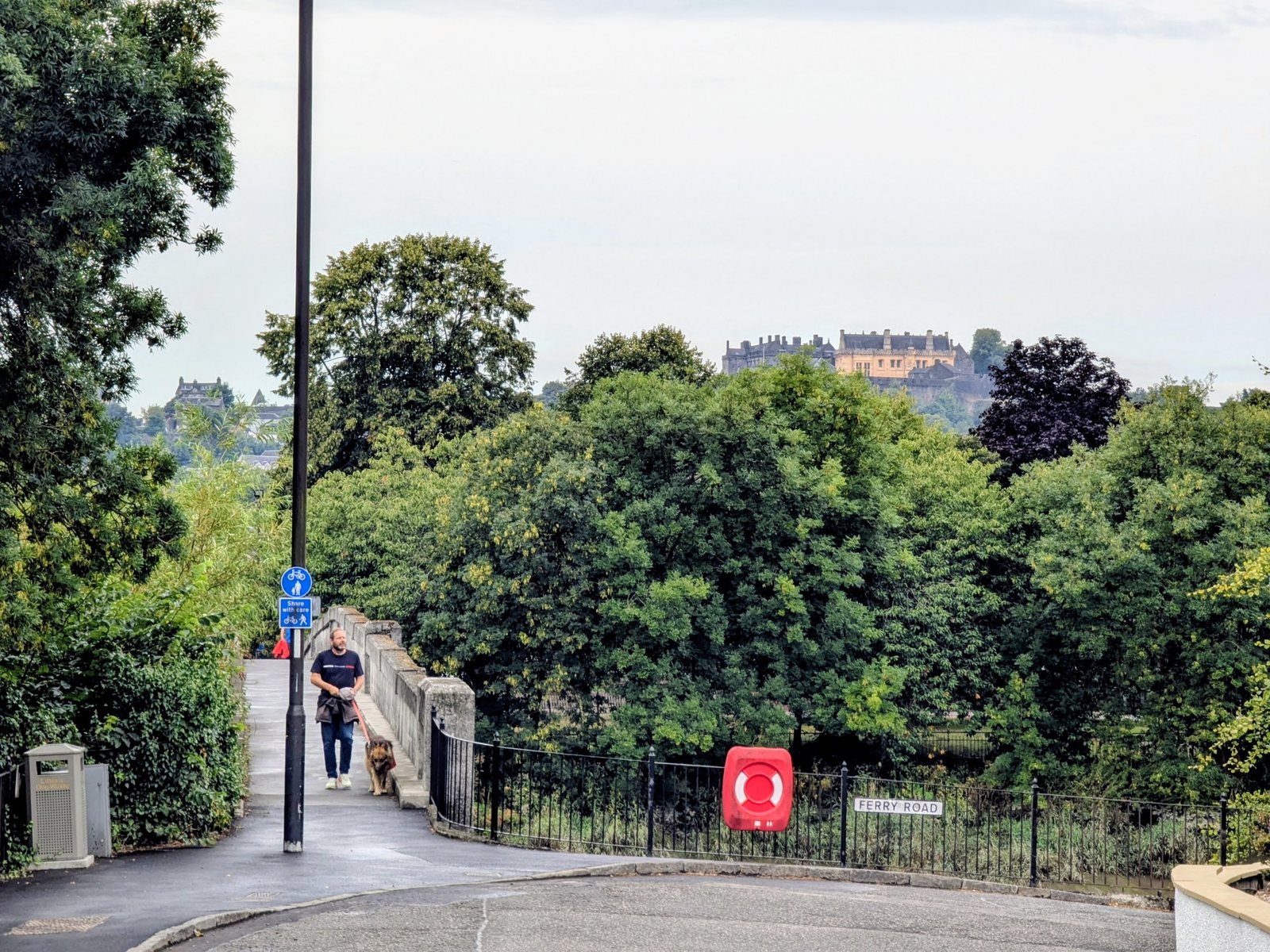
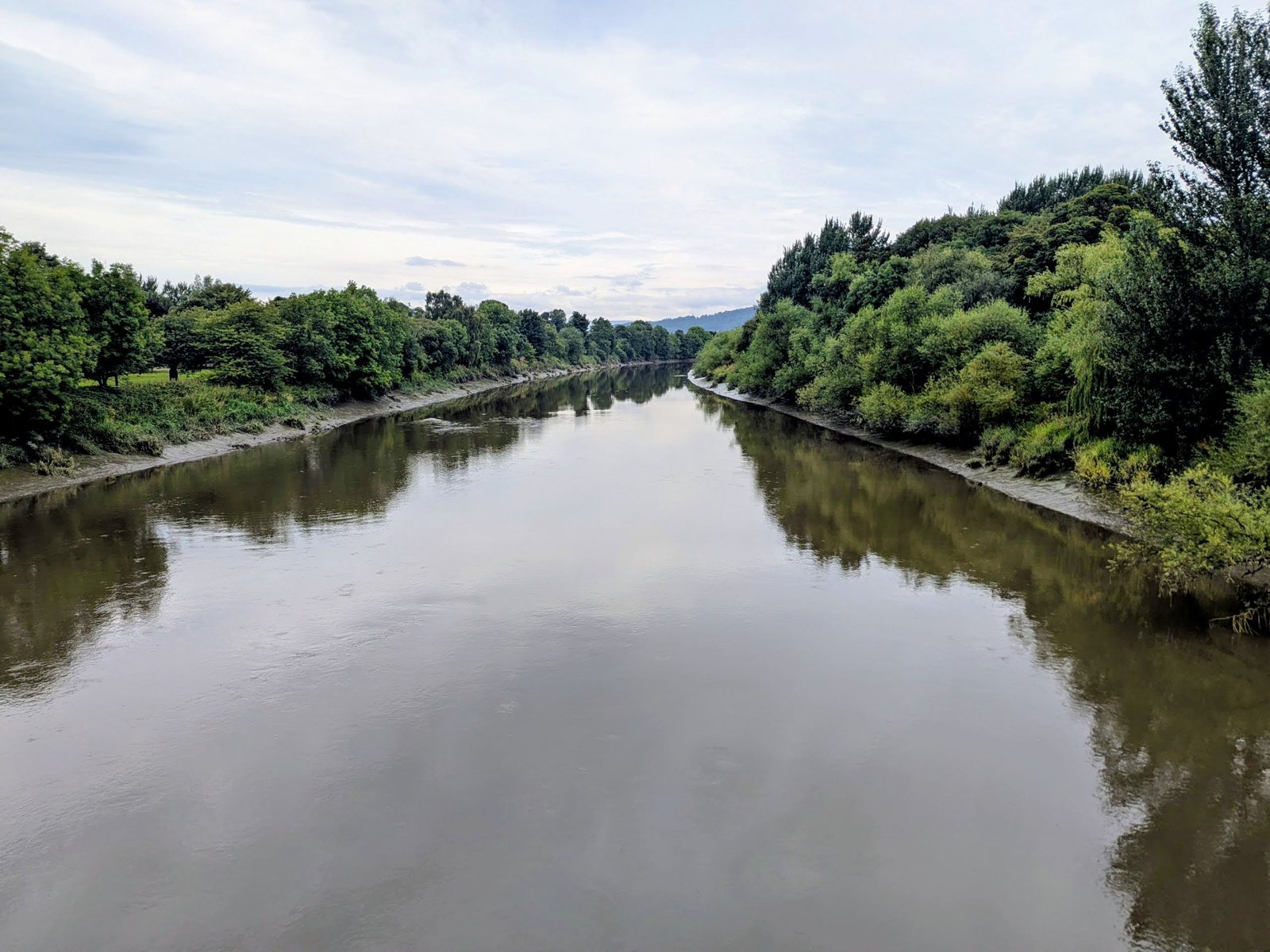
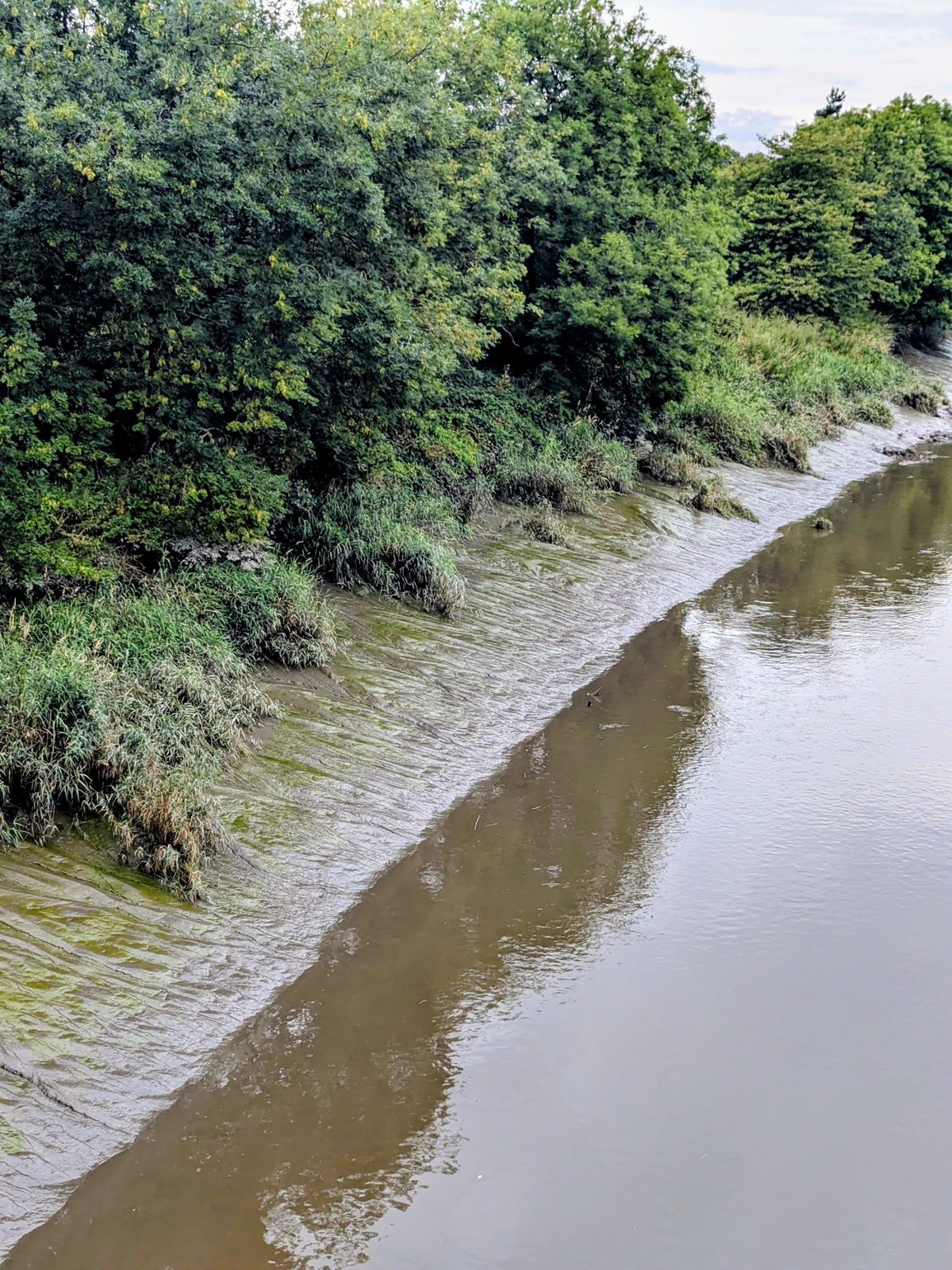
There’s no road to the abbey. You reach it on foot, over a footbridge across the Forth from the village, following Ferry Road — the name a memory of the ferry that served here for centuries before the bridge. It’s a couple of hundred flat yards from the bridge to the tower.
The bell tower — the great survivor
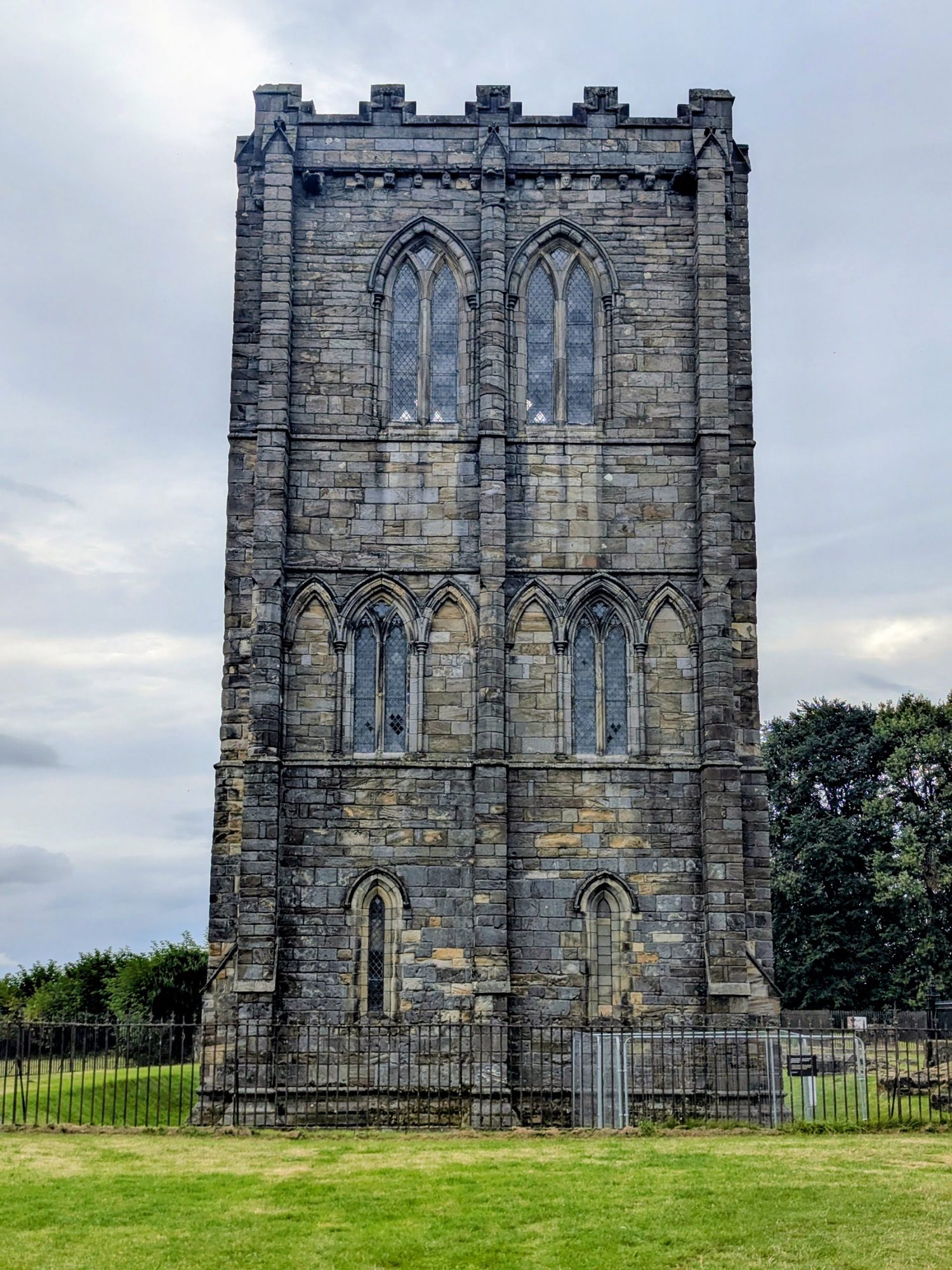
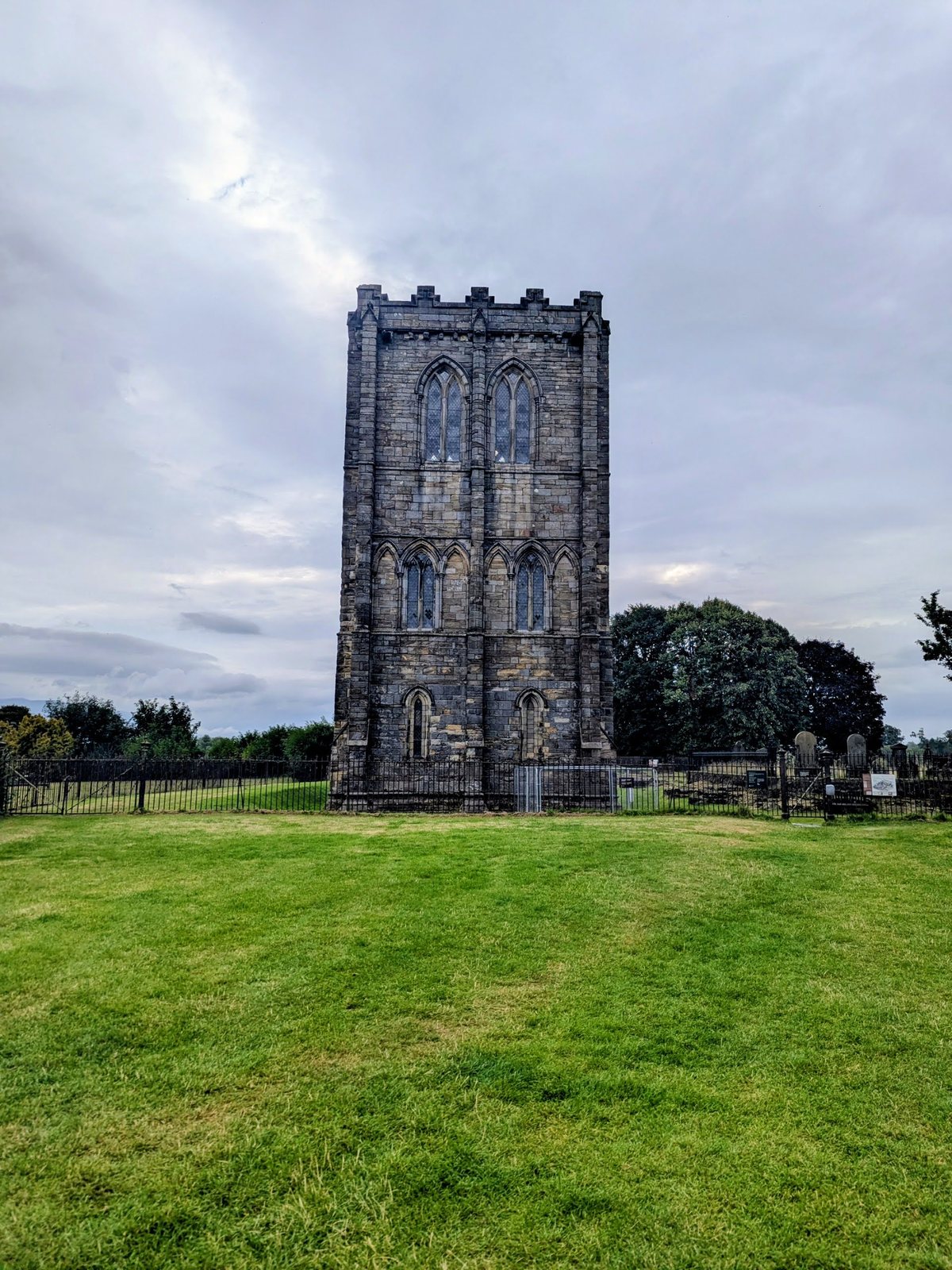
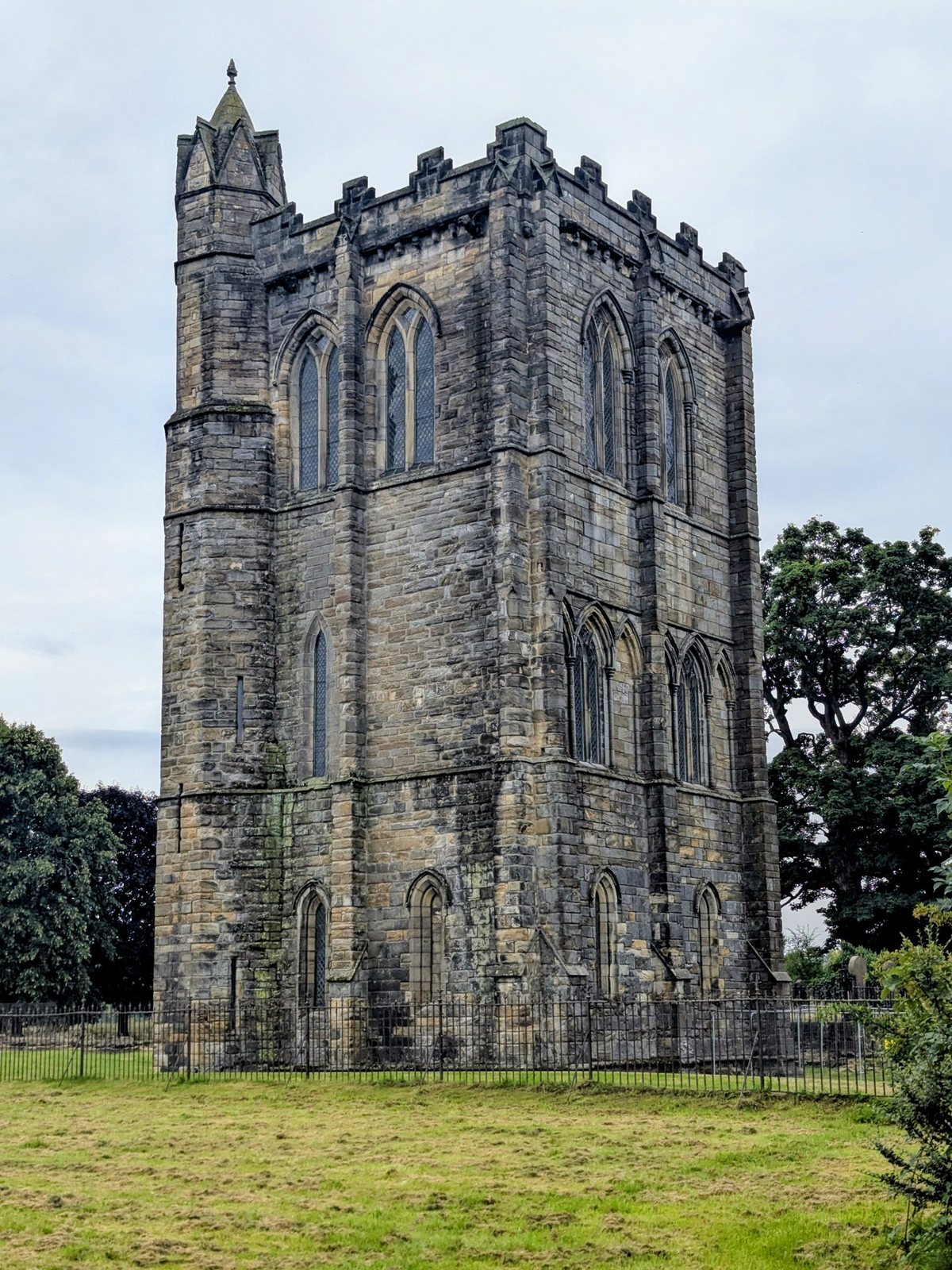
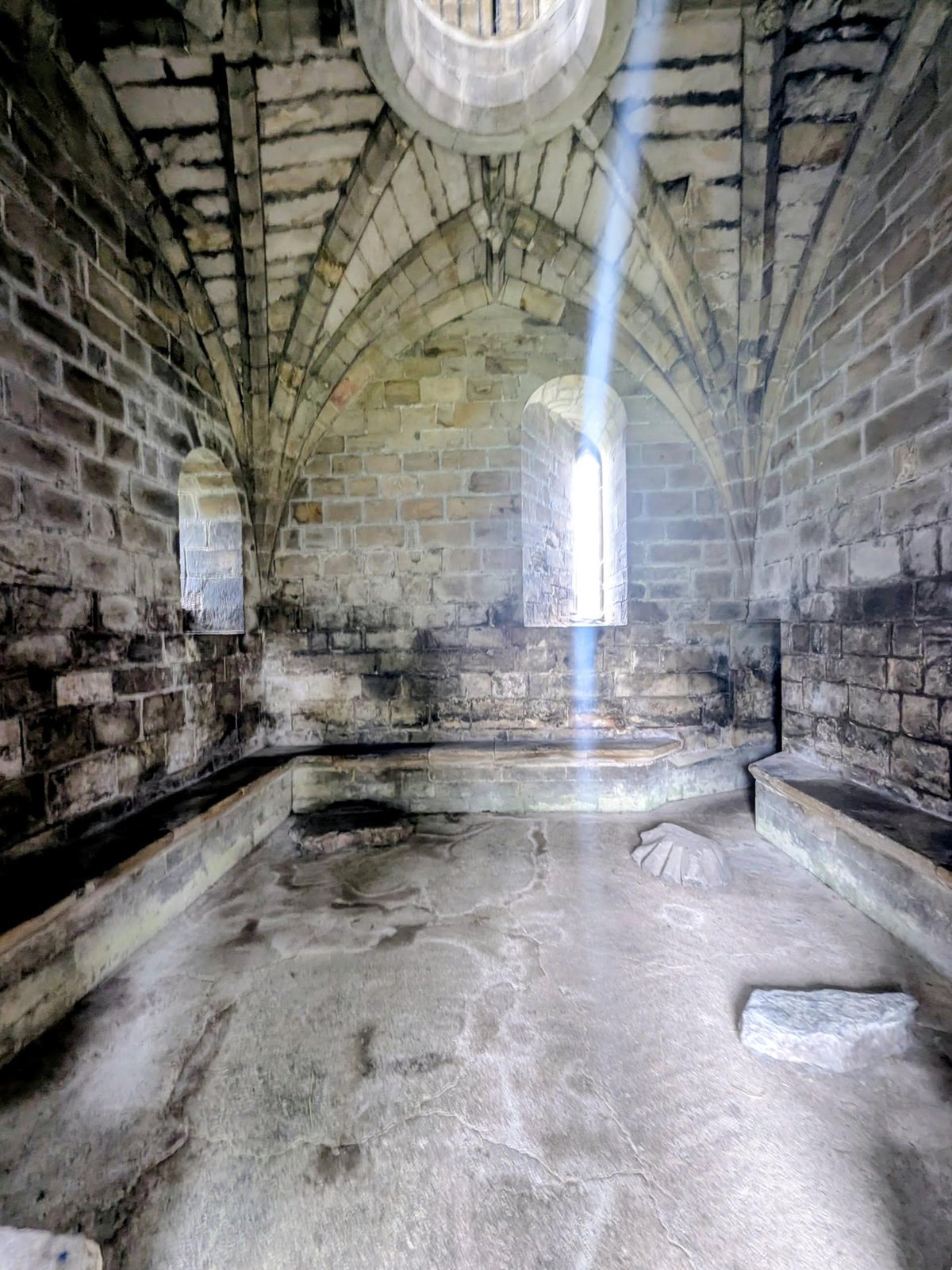
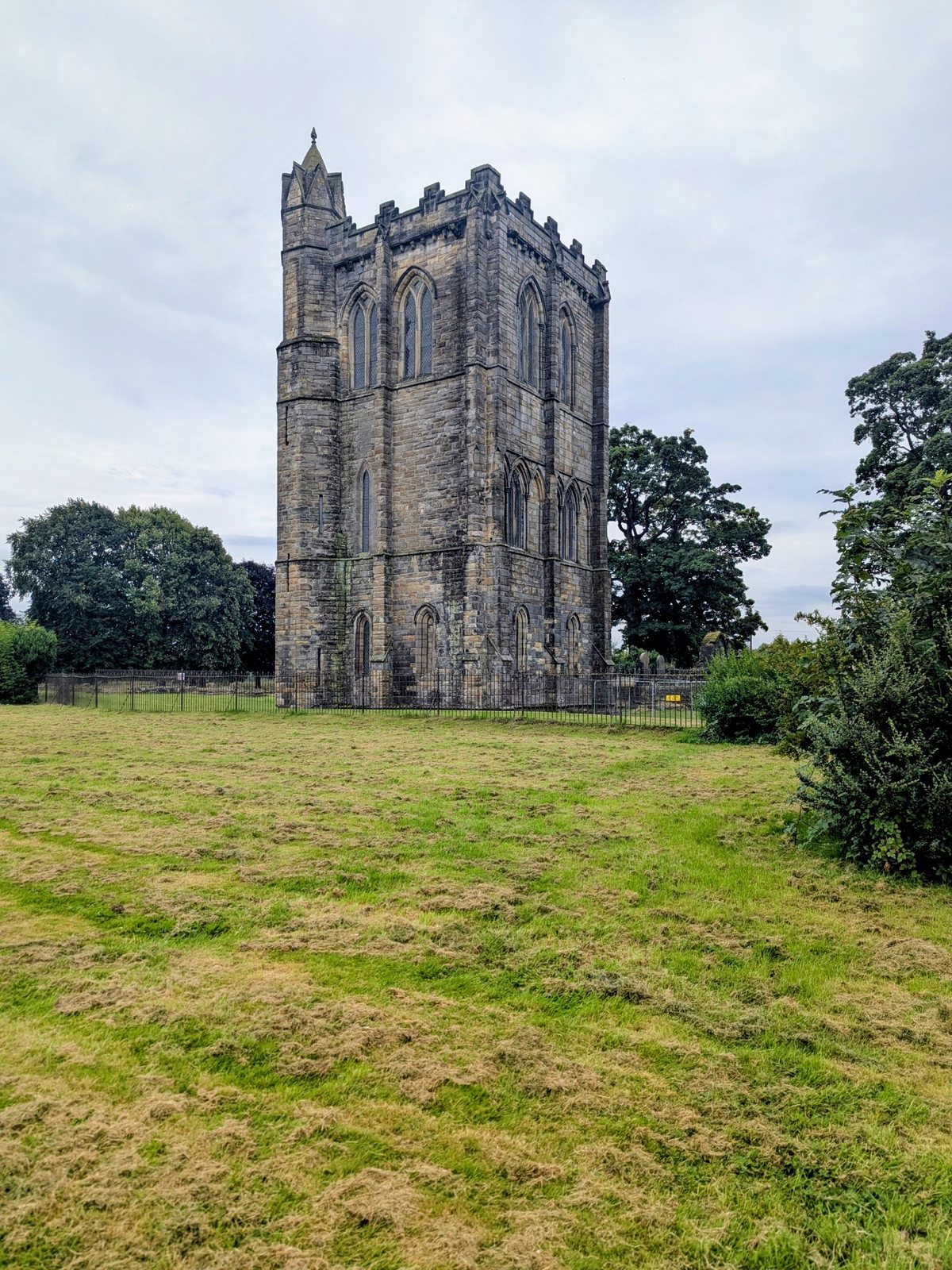
The abbey’s free-standing bell tower is the star. Built in the 13th century, it is the finest detached medieval campanile in Scotland — three storeys of beautifully cut stone, with lancet windows and corner buttresses, standing all but complete while the rest of the abbey was reduced to its footings. You can still go inside the vaulted ground floor when it’s open in season.
Founded by David I
The abbey was founded around 1140 by King David I for Augustinian canons, and dedicated to St Mary — it was often simply called the Abbey of Stirling. Its position mattered: it sat almost within sight of the royal castle, at the lowest bridging-and-ferrying point of the Forth, on the road between Lowlands and Highlands. That put it close to the centre of Scottish power for four hundred years, and its abbots were men of national weight.
Bruce’s parliament, 1326
The abbey’s proximity to Stirling drew it into the Wars of Independence. It served as a store and muster point for Robert the Bruce around the Bannockburn campaign of 1314, fought just to the south. Twelve years later, in 1326, Bruce summoned a parliament to Cambuskenneth — one of the most important of his reign — at which the Scottish estates settled the succession on his infant son, the future David II. For a few days, this quiet meadow was the seat of the Scottish nation.
A royal murder & a buried king
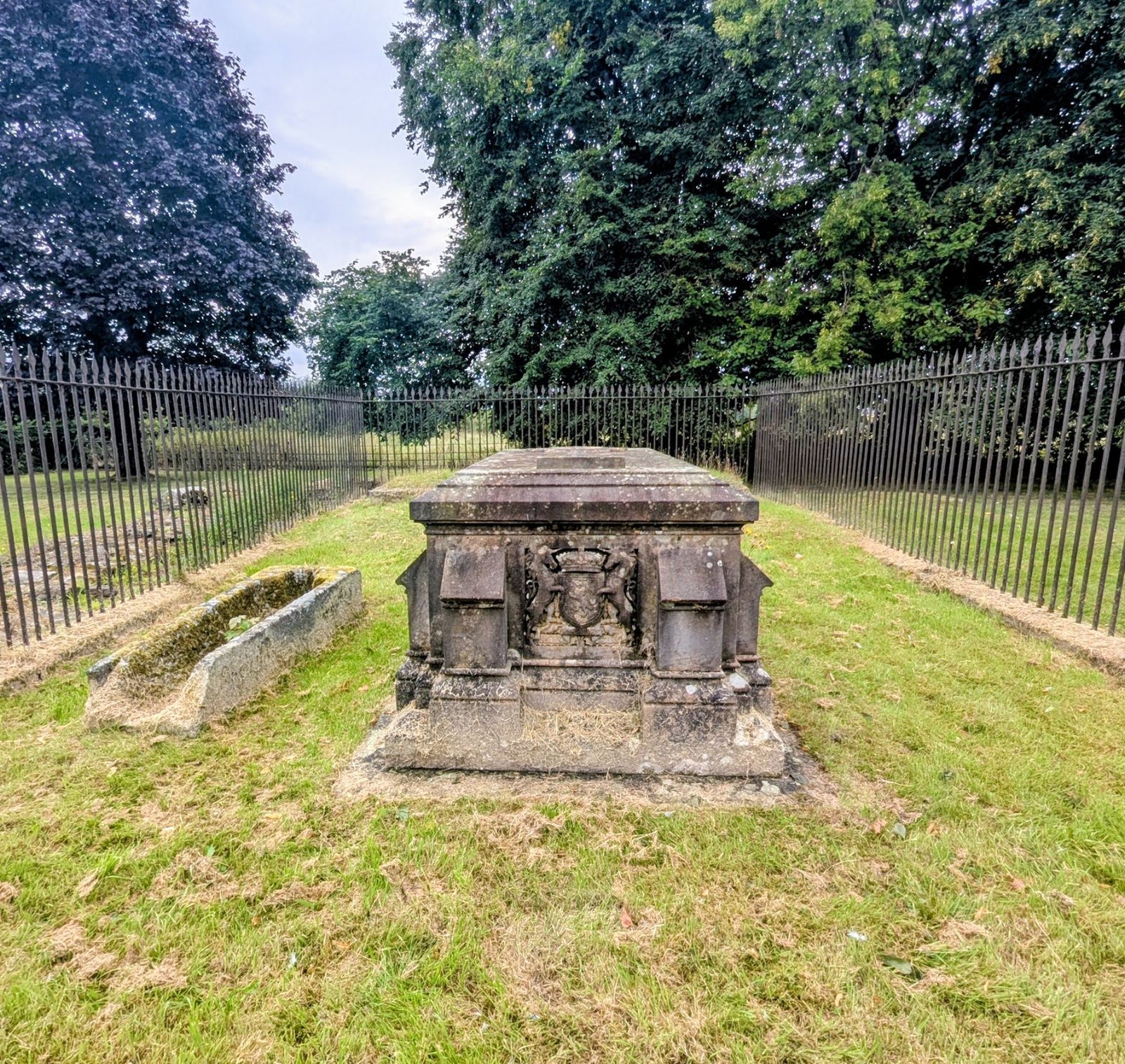
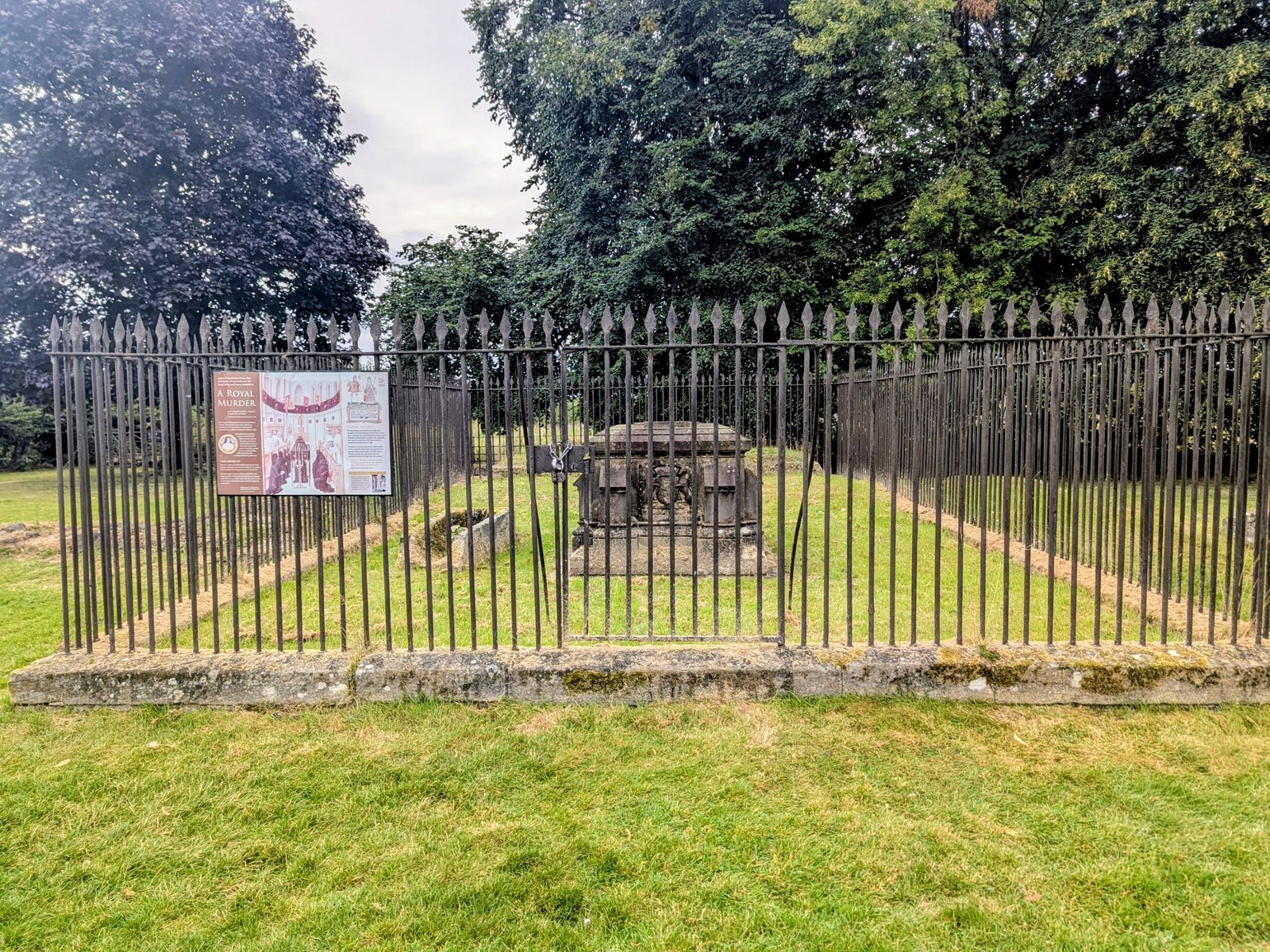
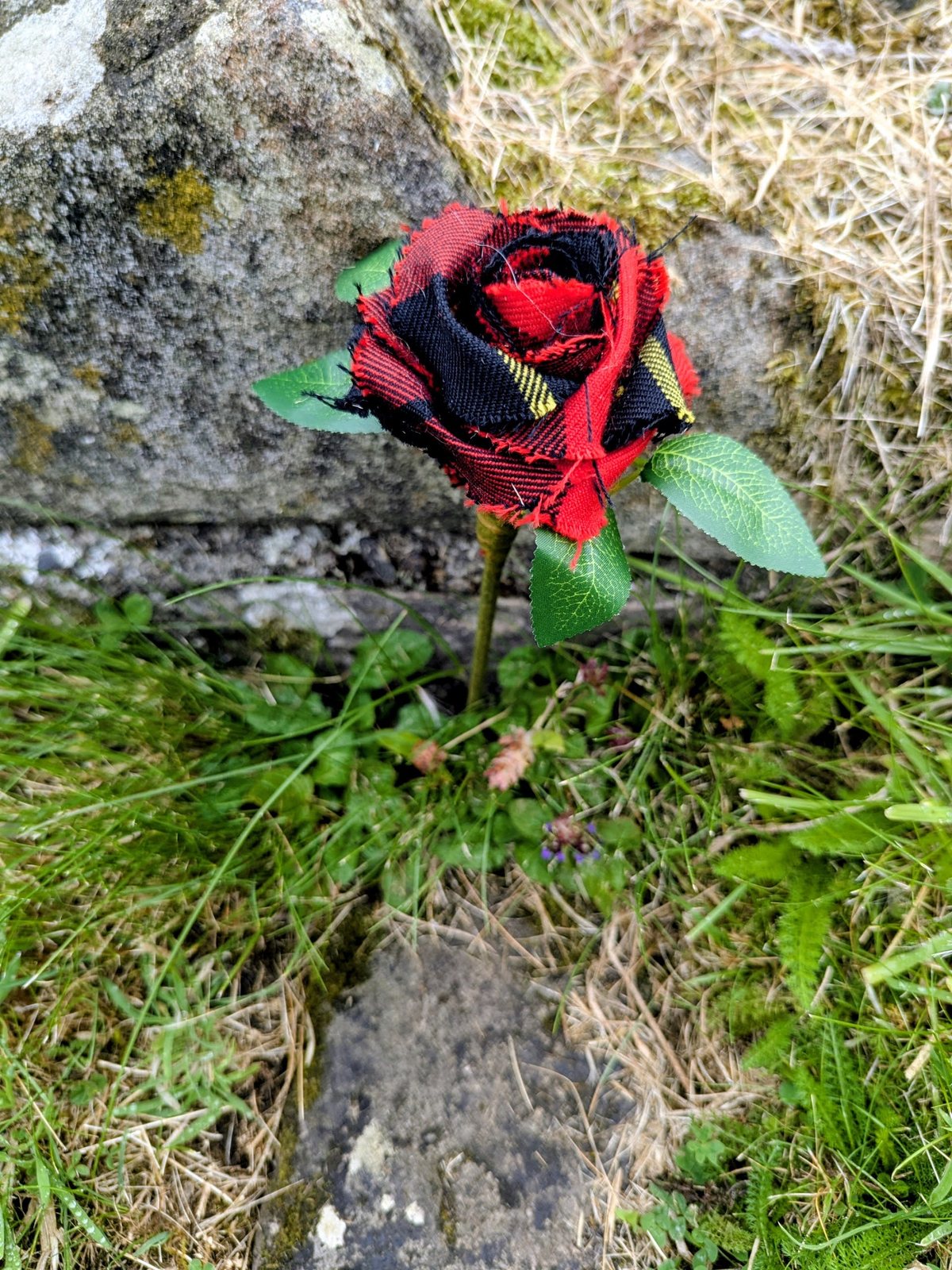
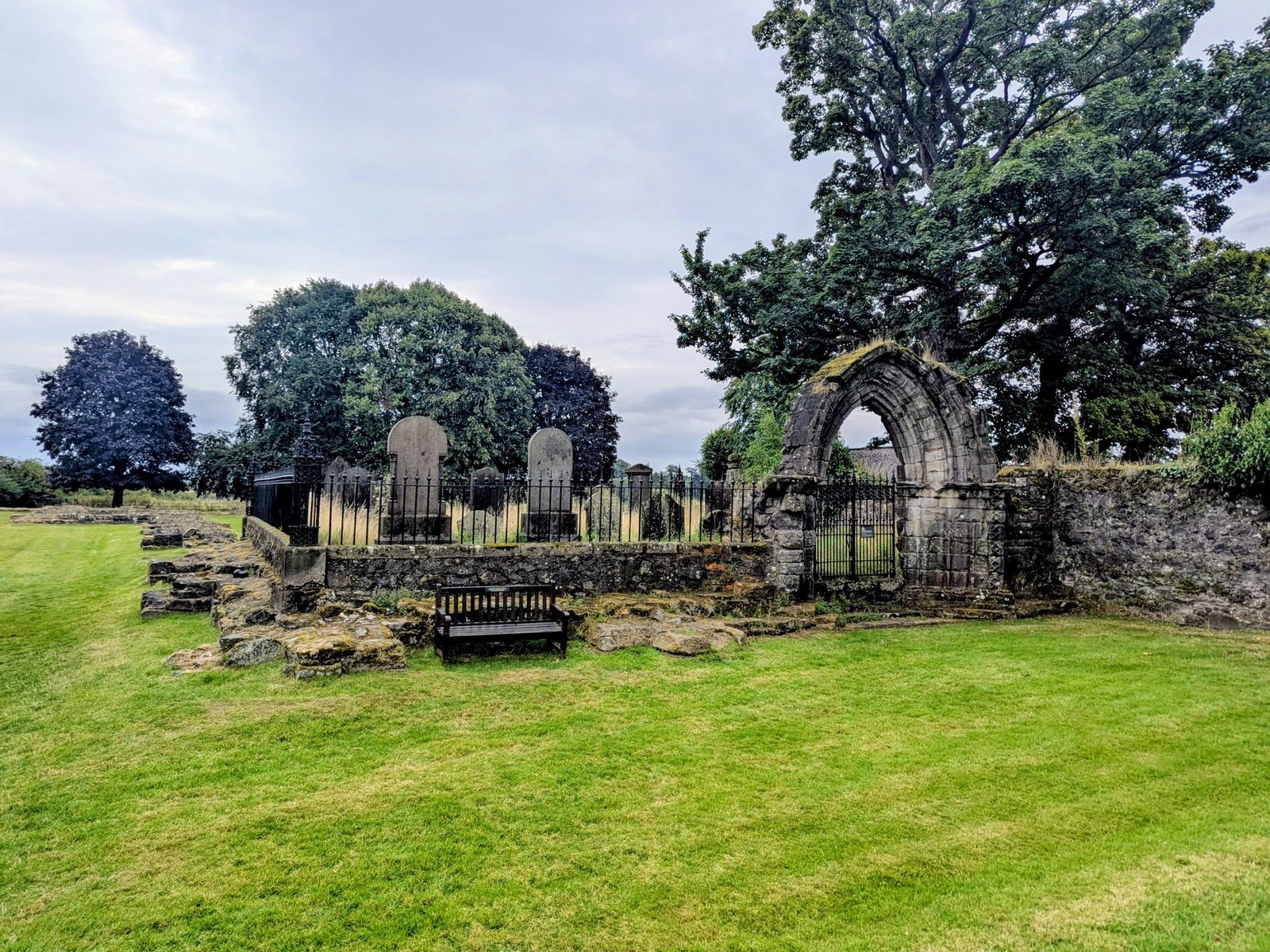
Cambuskenneth’s most poignant story belongs to James III. In 1488 the king was defeated by a rebel army — led in part by his own son — at the Battle of Sauchieburn, a few miles away, and killed as he fled. He was buried at Cambuskenneth, and his queen, Margaret of Denmark, was laid beside him. Their grave lay forgotten in the ruins for centuries until Queen Victoria paid for the present monument over it in 1865, on the site of the abbey’s high altar.
What survives today
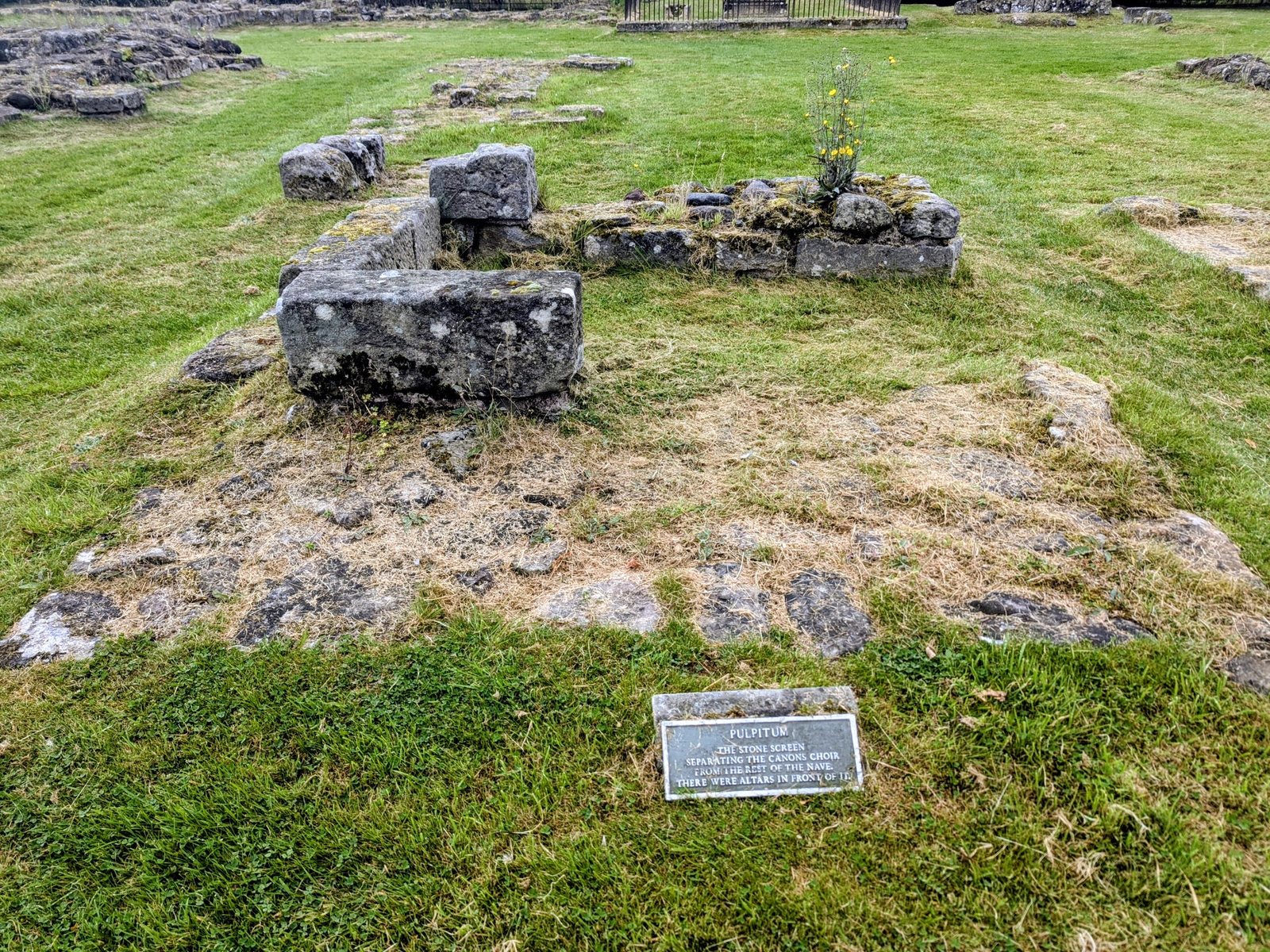
The Reformation finished the abbey: suppressed and stripped after 1559, its stone was carted off — some of it, they say, to build parts of Stirling. Beyond the tower, what’s left is mostly low grassy foundations tracing the outline of the church and cloister, a fragment or two of standing wall, and an old burial ground. It makes for a peaceful wander: the shape of a great church written in the turf, under wide Forth-valley skies.
The setting — between castle and monument
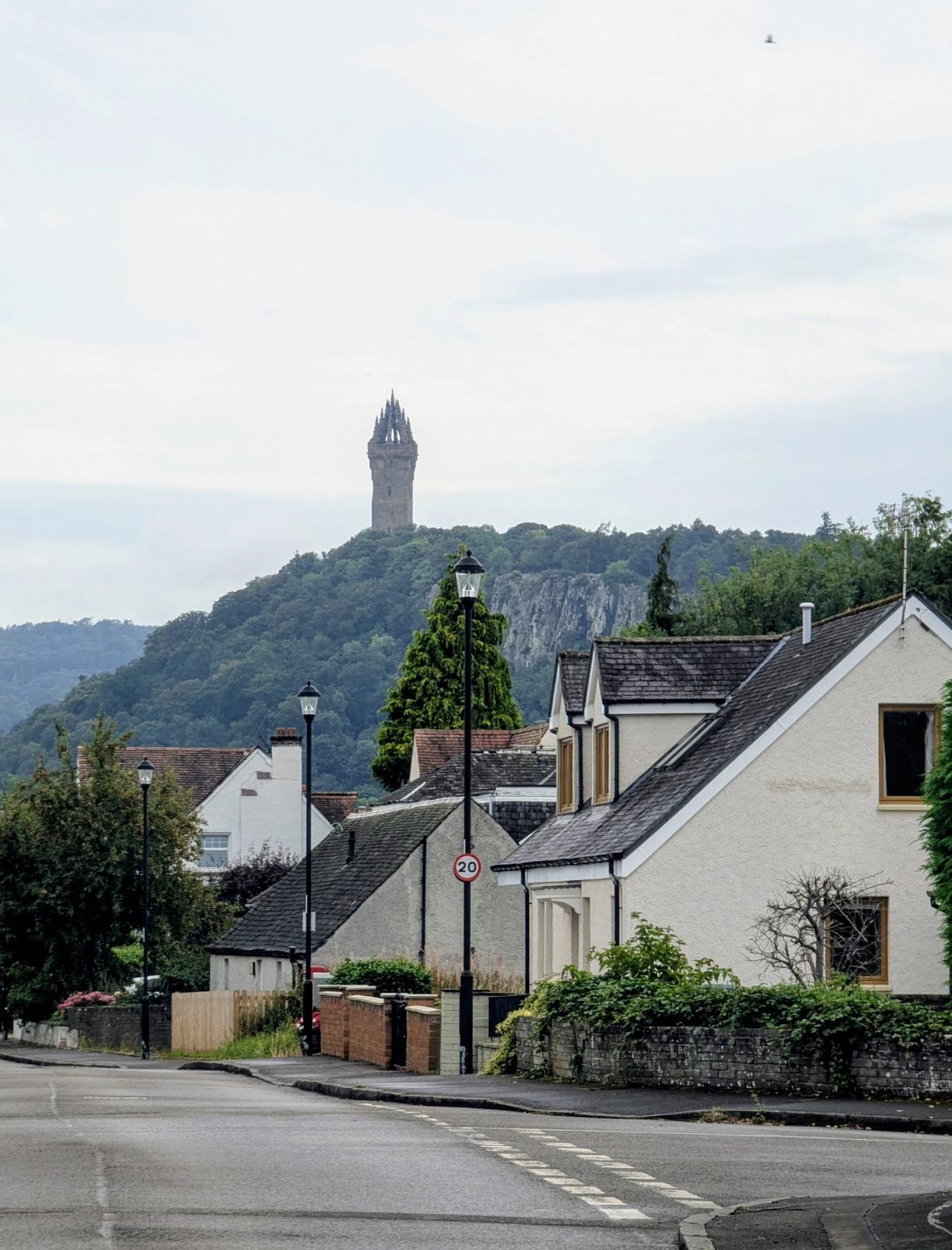
Part of the charm is where it sits. From the village street the National Wallace Monument rides the crag of Abbey Craig above the rooftops, and turn the other way and Stirling Castle stands on its rock — the abbey nestled in the Forth’s loop right between the two great landmarks of Scotland’s story.
Practical bits
- Cost: free. In the care of Historic Environment Scotland; the grounds are open all year, the tower interior seasonally.
- Getting there: on foot over the footbridge from Cambuskenneth village (Ferry Road). Park considerately in the village — it’s a small, quiet place.
- Dogs: fine on a lead in the grounds — a lovely short walk.
- Combine it with: a full Stirling day (castle, Old Town, Wallace Monument) or a visit to nearby Alloa and the Ochils.
See also: Stirling · Clan Bruce · Alloa · our Castles of Scotland and Kirks, Cathedrals & Abbeys round-ups.
Sources
- First-hand: our own visit on 28 August 2026 (all photos our own)
- Cambuskenneth Abbey — Historic Environment Scotland · Cambuskenneth Abbey — Wikipedia