Alva: The Ochils Village That Struck the Richest Silver in Britain
Overview
Alva is a handsome little town at the very foot of the Ochil Hills, one of the string of “Hillfoots” villages a few miles from our home base in Alloa. It has two things worth going for: a dramatic gorge walk straight up into the hills, and an astonishing history — for a short, dazzling moment in the 1700s, the hill above Alva yielded the richest silver ever found in Britain.
Where it is
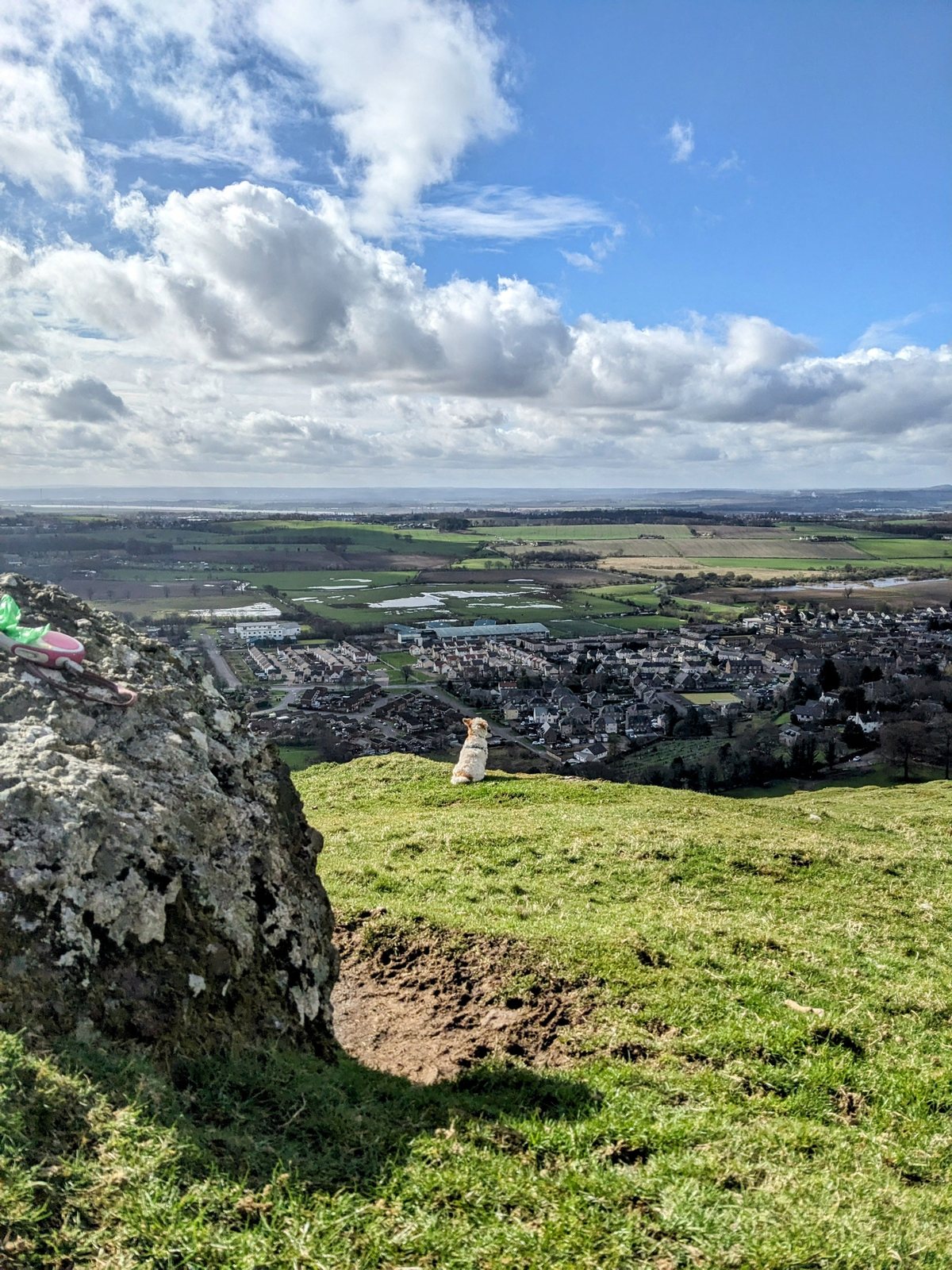
Alva sits on the A91 along the foot of the Ochils, between Menstrie and Tillicoultry, about 6 miles from Alloa and 8 from Stirling. The great green wall of the hills rises steeply right behind the town, with Ben Cleuch (721m, the highest of the Ochils) at its head.
The silver of the Silver Glen
Here is a story that ought to be far better known. In 1715, in a glen just east of the town, miners struck a vein of native silver so rich it remains the greatest silver find ever made in the British Isles. Its owner, Sir John Erskine of Alva, had the worst possible timing: the strike came just as the Jacobite rising of 1715 broke out, and Erskine promptly rode off to join the rebels — leaving his wife in charge of the mine.
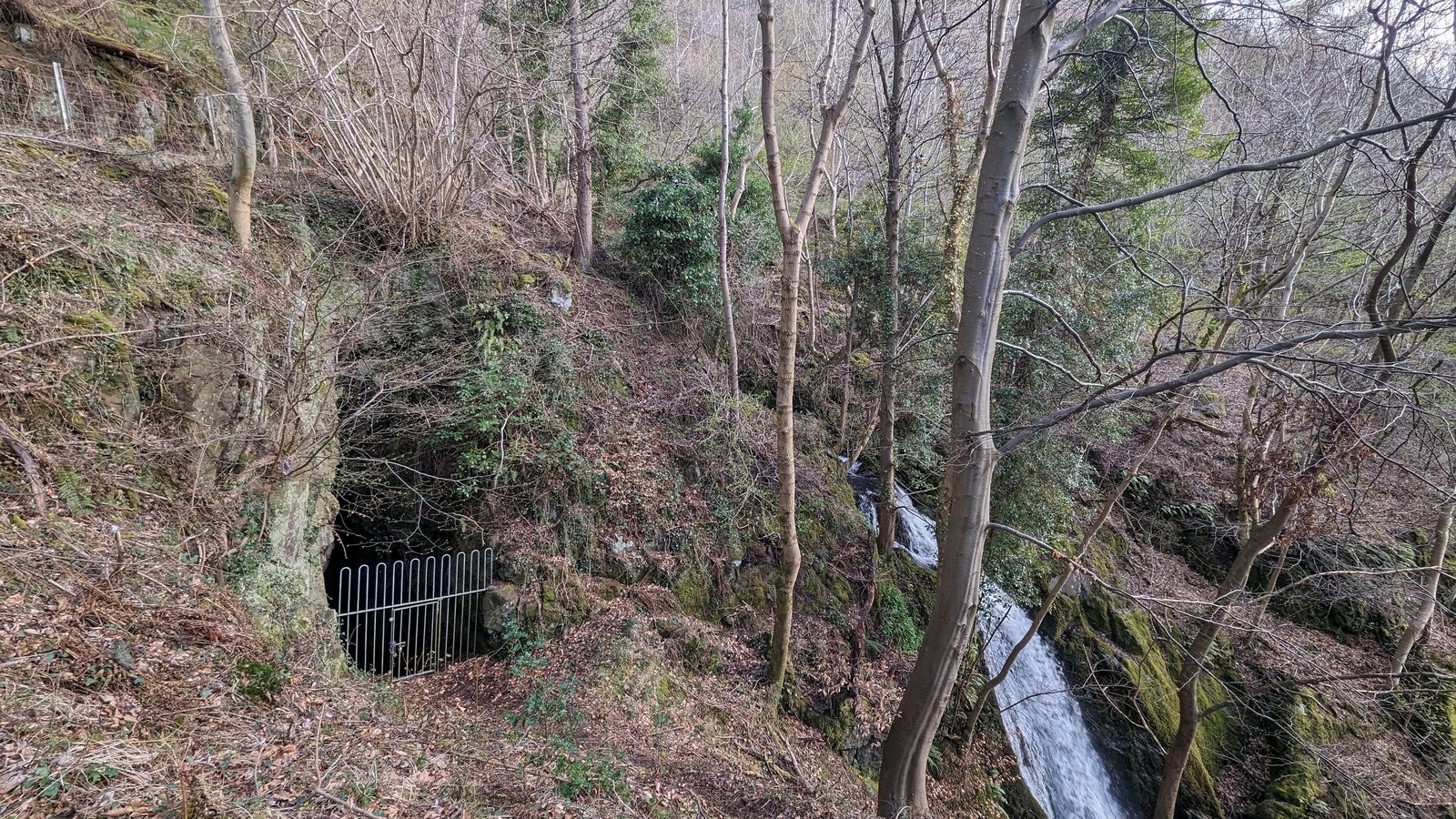
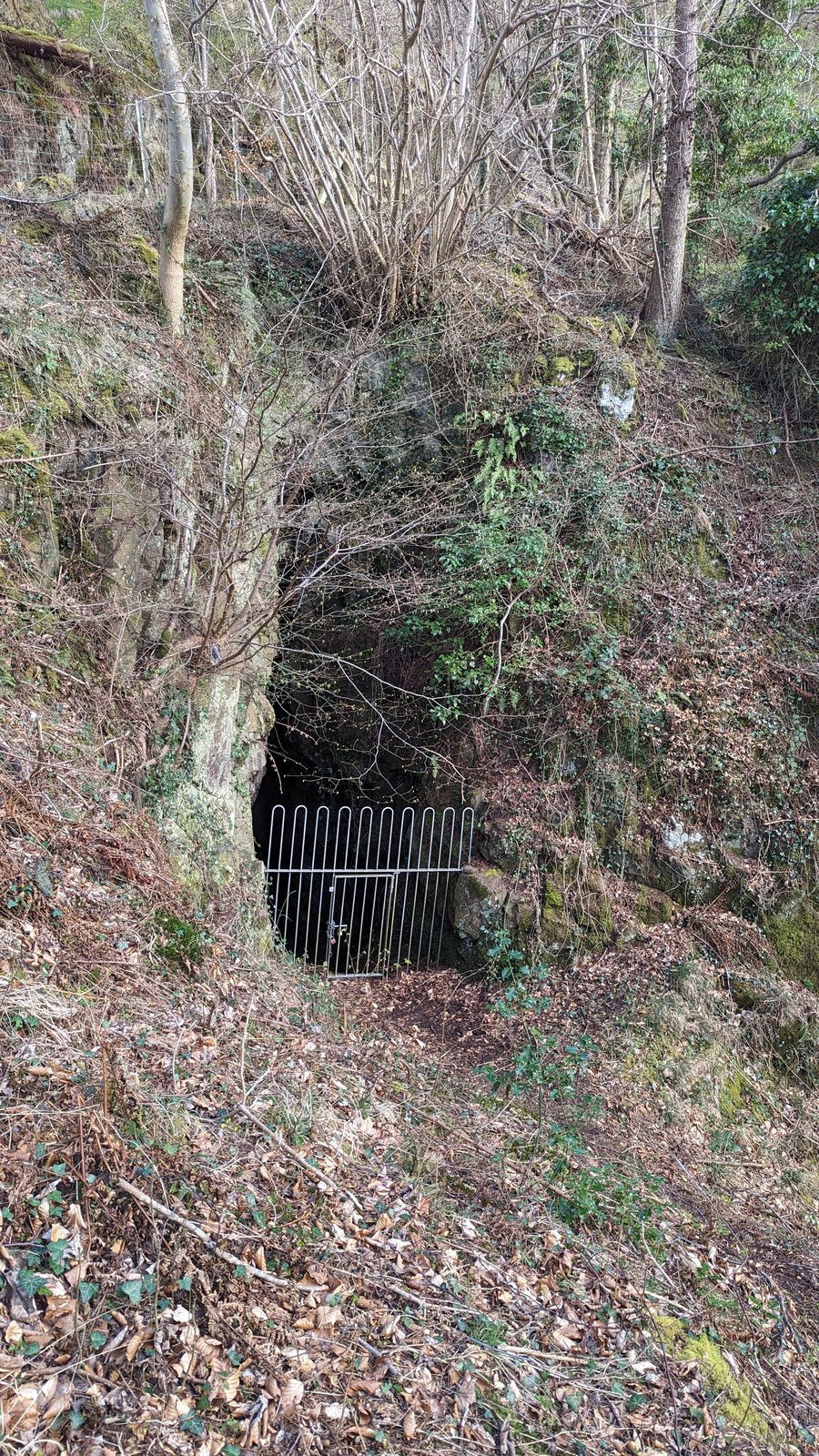
What she oversaw is the stuff of legend. Some 40 tons of ore were raised and buried in barrels in the grounds of Alva House, while the very richest was smelted into ingots and hidden under the floorboards of the house. Samples were sent to none other than Sir Isaac Newton — then Master of the Royal Mint — who confirmed the ore was extraordinarily rich. The silver is said to have helped fund the Jacobite cause, and the glen’s later cobalt was used to colour porcelain blue. The workings — the “Silver Glen,” with its nine old shafts — are still there in the hillside.
Alva Glen — the gorge walk
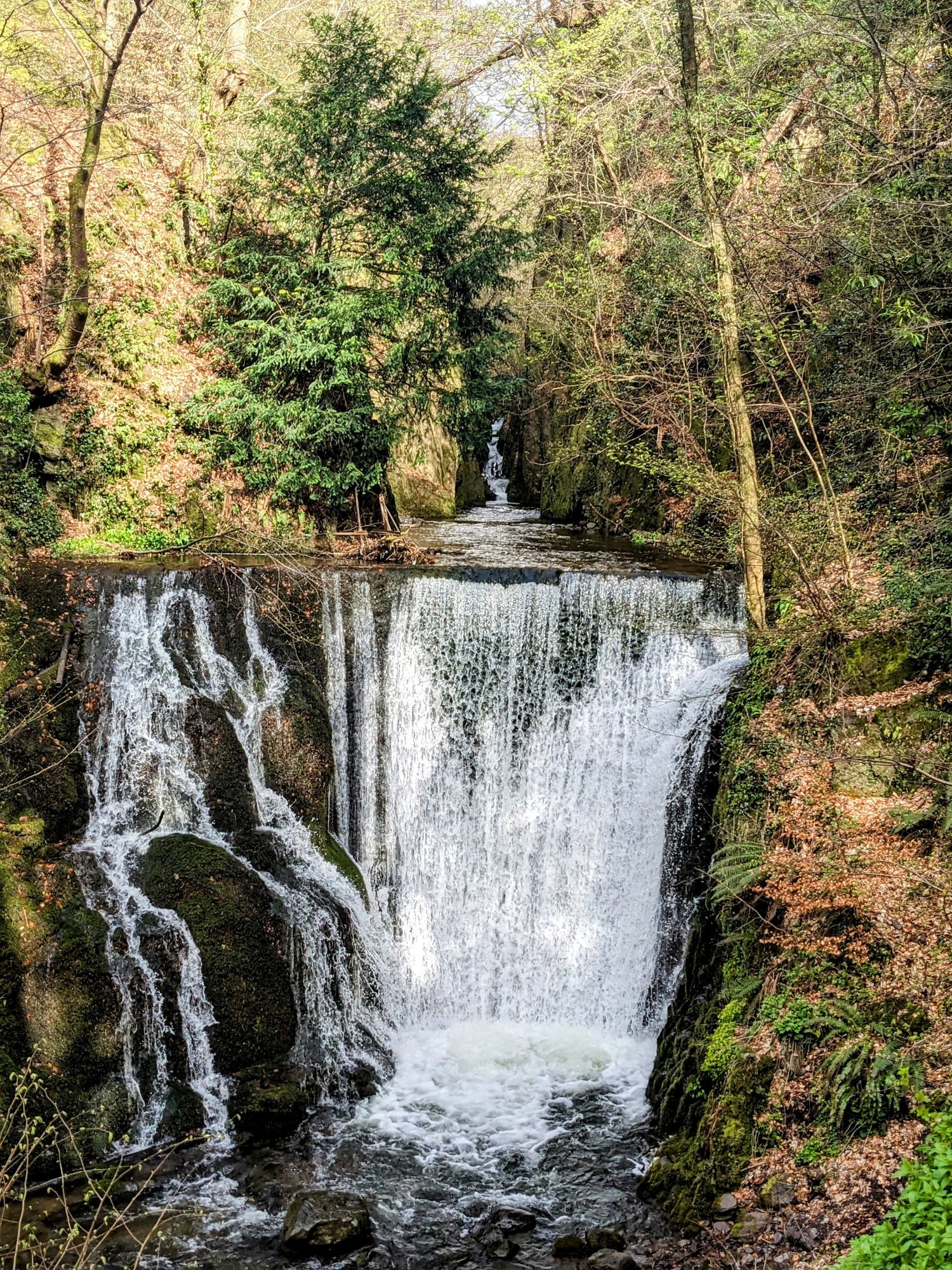
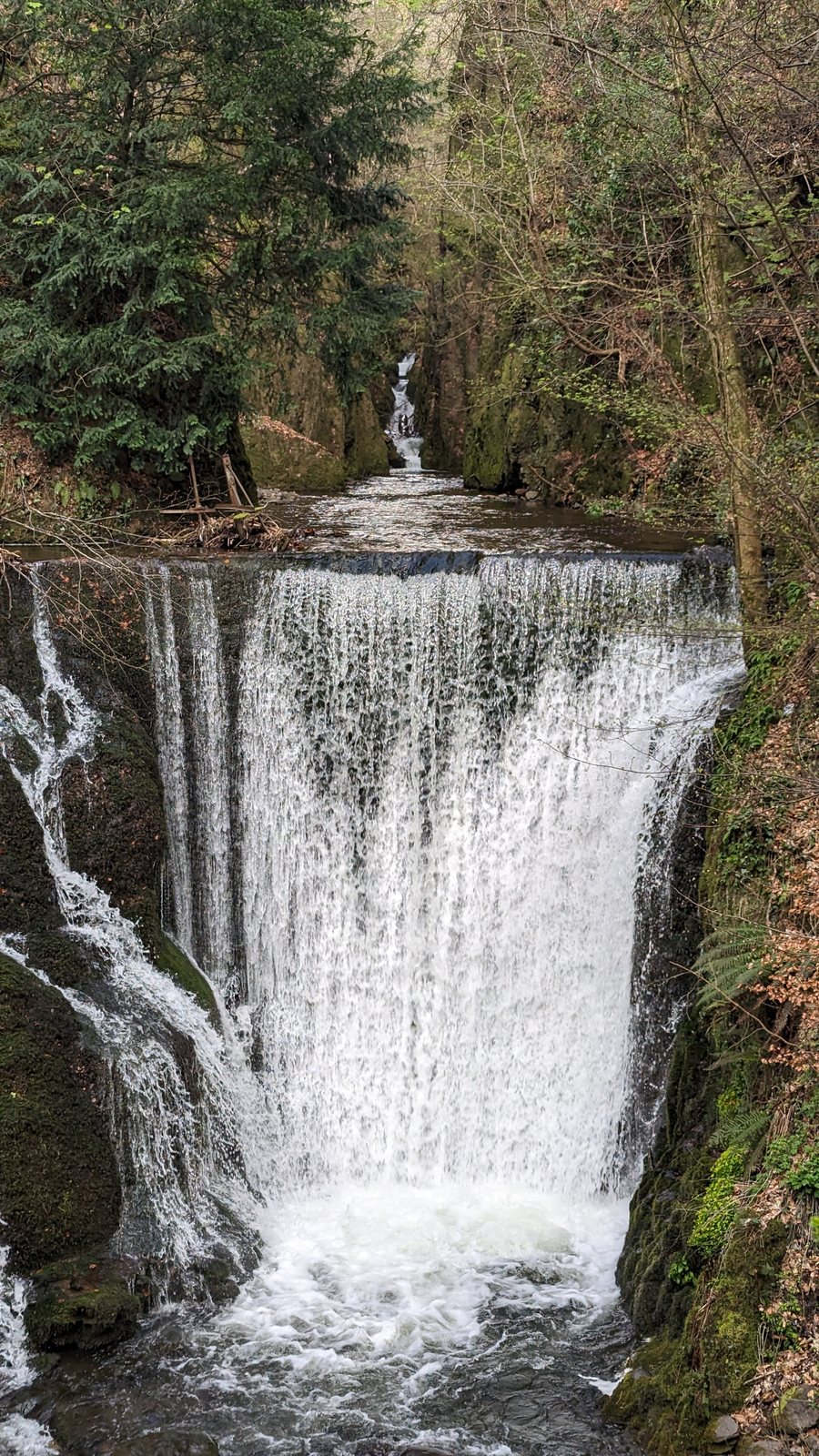
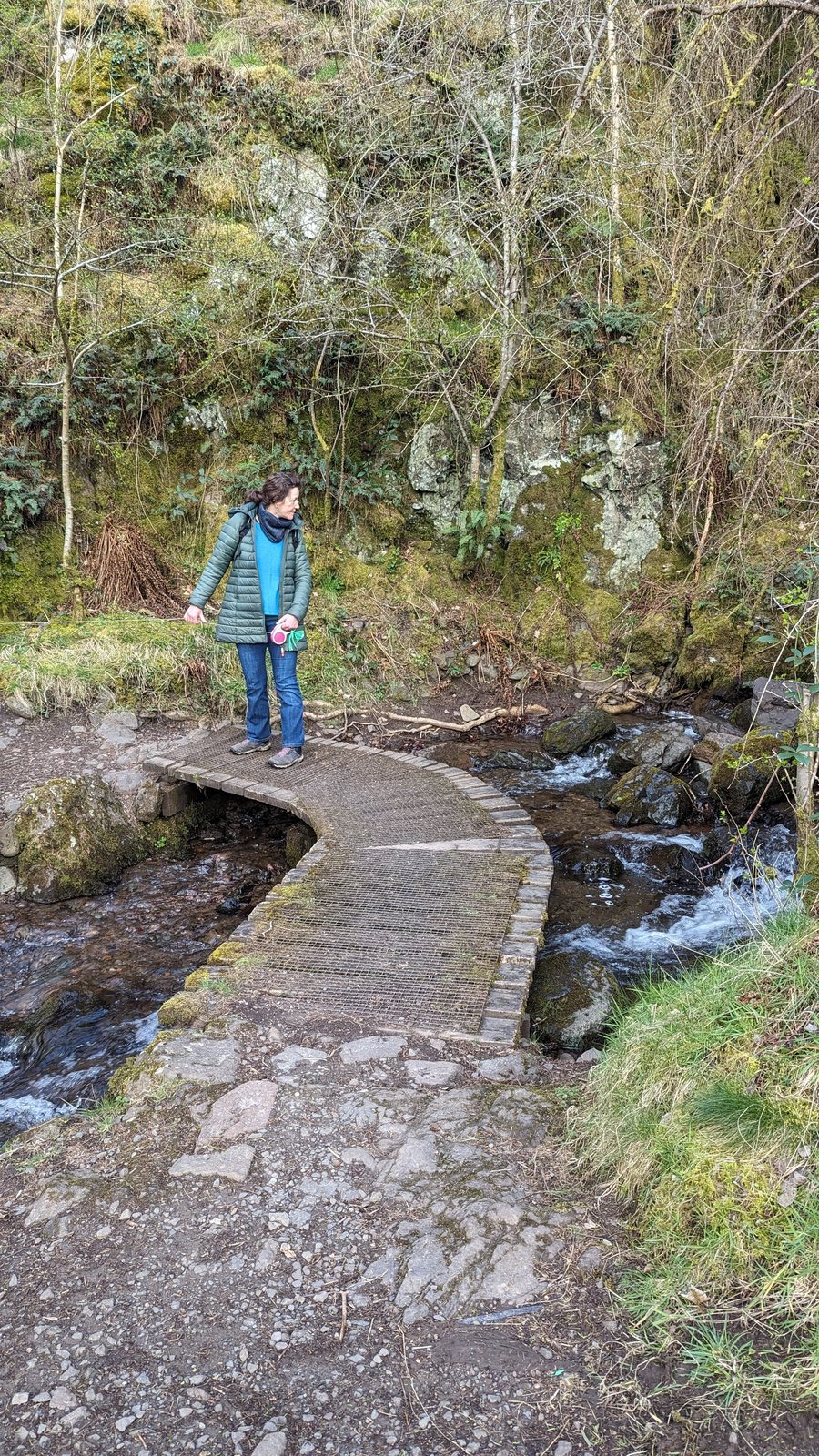
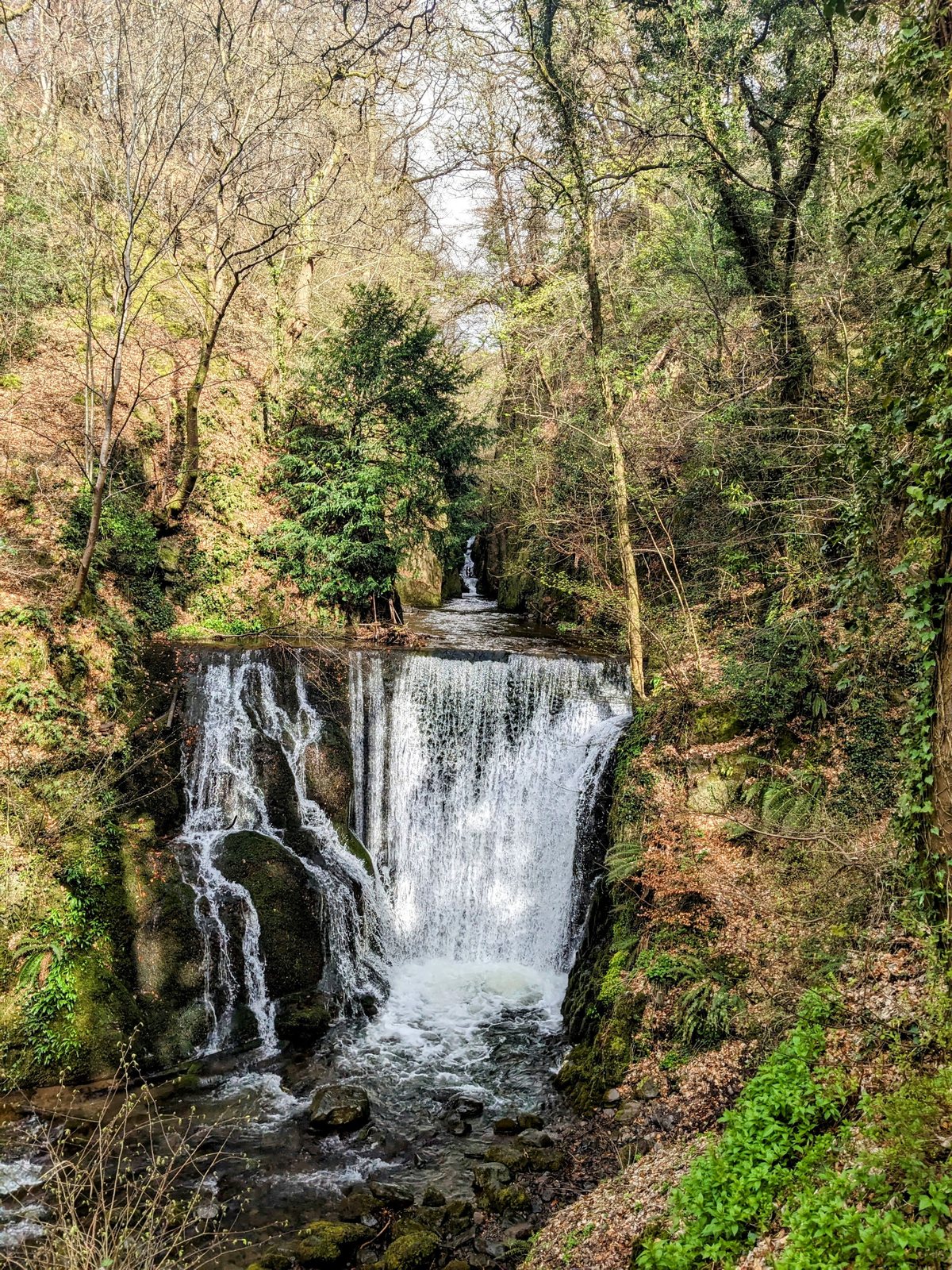
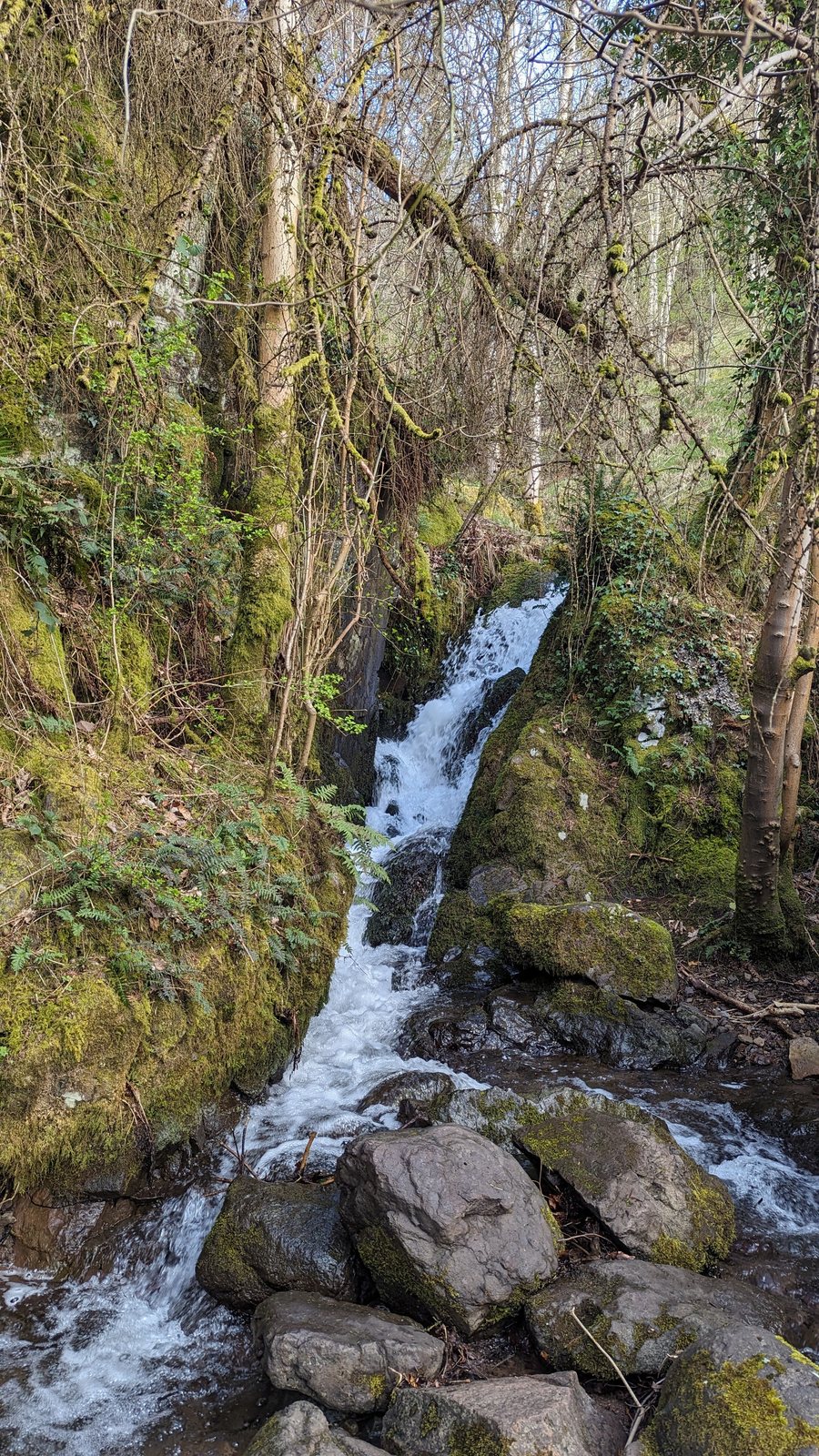
The reason most people come to Alva today is the Glen itself — a steep, dramatic gorge that cuts straight into the Ochils immediately behind the town, with tumbling waterfalls, footbridges and cut-rock walkways climbing beside the burn. It’s one of the best short walks in the Hillfoots, and from the top the paths open onto the high Ochils and the climb to Ben Cleuch. We walk it out from Alloa when we’re home; here’s the route from our own GPS.
🗺️ Map — to Alva & up the Glen (from our GPS)
The mill town
Like its neighbours Tillicoultry and Menstrie, Alva grew rich a second time on wool. Through the 19th century the Hillfoots were a powerhouse of woollen and worsted milling, the mills driven by the very burns that carved the glens — and the tall mill chimneys and workers’ rows are still part of the townscape.
Nearby
- Alloa — our home base, with its tower, harbour and the walks & rides that reach right along the Hillfoots to here.
- Dollar — the next Hillfoots town east, with Castle Campbell and its own dramatic glen. Tillicoultry and Menstrie complete the string of Hillfoots villages along the A91.
- Clackmannan — the old county town, with the Bruce tower and the Stone of Mannan, just across the carse.
- Stirling — the castle and the Wallace Monument, a few miles west; and Dunfermline, Scotland’s ancient capital, over the Forth.
- The Ochil Hills — Ben Cleuch and the high tops rise straight above the town.
Sources
- First-hand: Kevin & family, Alva & the Glen (home patch; walk and photos our own).
- Silver Glen (Wikipedia) & Mindat (the 1715 silver strike, Sir John Erskine, the hidden ingots, Newton’s assay).