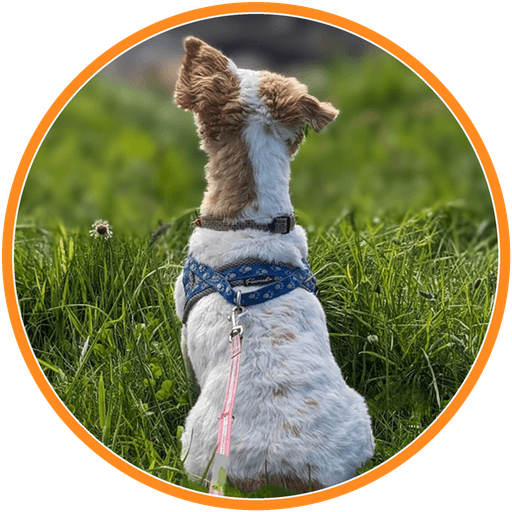
Devilla Forest: Red Squirrels, Frozen Lochans, a Bronze-Age Stone & the Plague Graves
Overview — the honest take
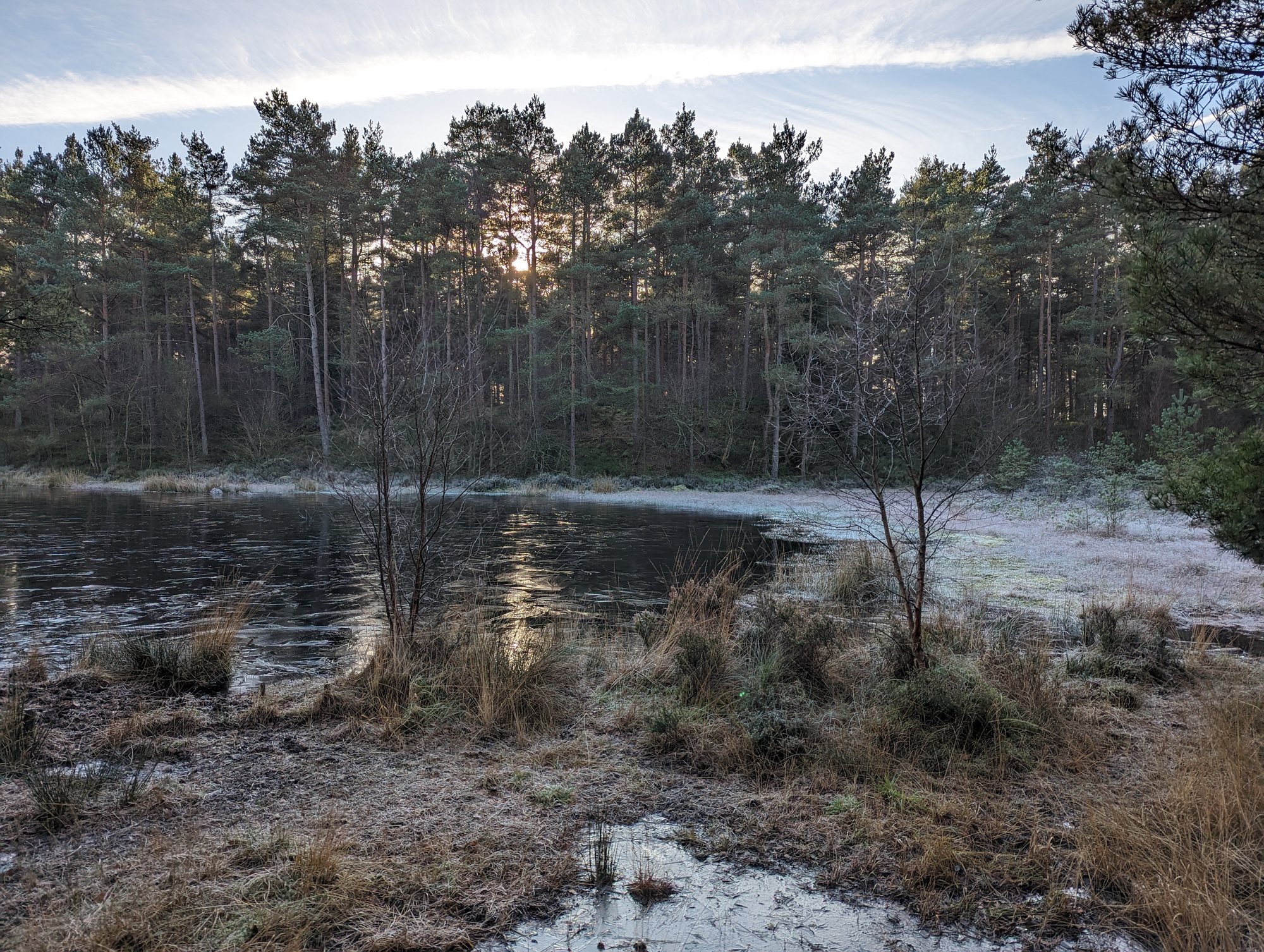
Devilla Forest is a big, peaceful conifer forest in west Fife, laced with easy waymarked trails and dotted with reedy lochans that freeze beautifully in winter. It’s a proper local gem: a stronghold for red squirrels, home to a genuinely ancient standing stone and a poignant set of plague graves, and just the right size for a gentle half-day walk with a dog and a flask. It doesn’t draw crowds, and that’s exactly its charm — you can walk for an hour and meet almost no one.
Where it is
Devilla sits between Kincardine and Culross, just off the A985, on the west-Fife side of the Forth. It’s minutes from the Kincardine Bridge, a short hop from Culross, and easily reached from our base at Alloa. There’s a forest car park off the main road with the trails leading in from it.
The walks & the lochans
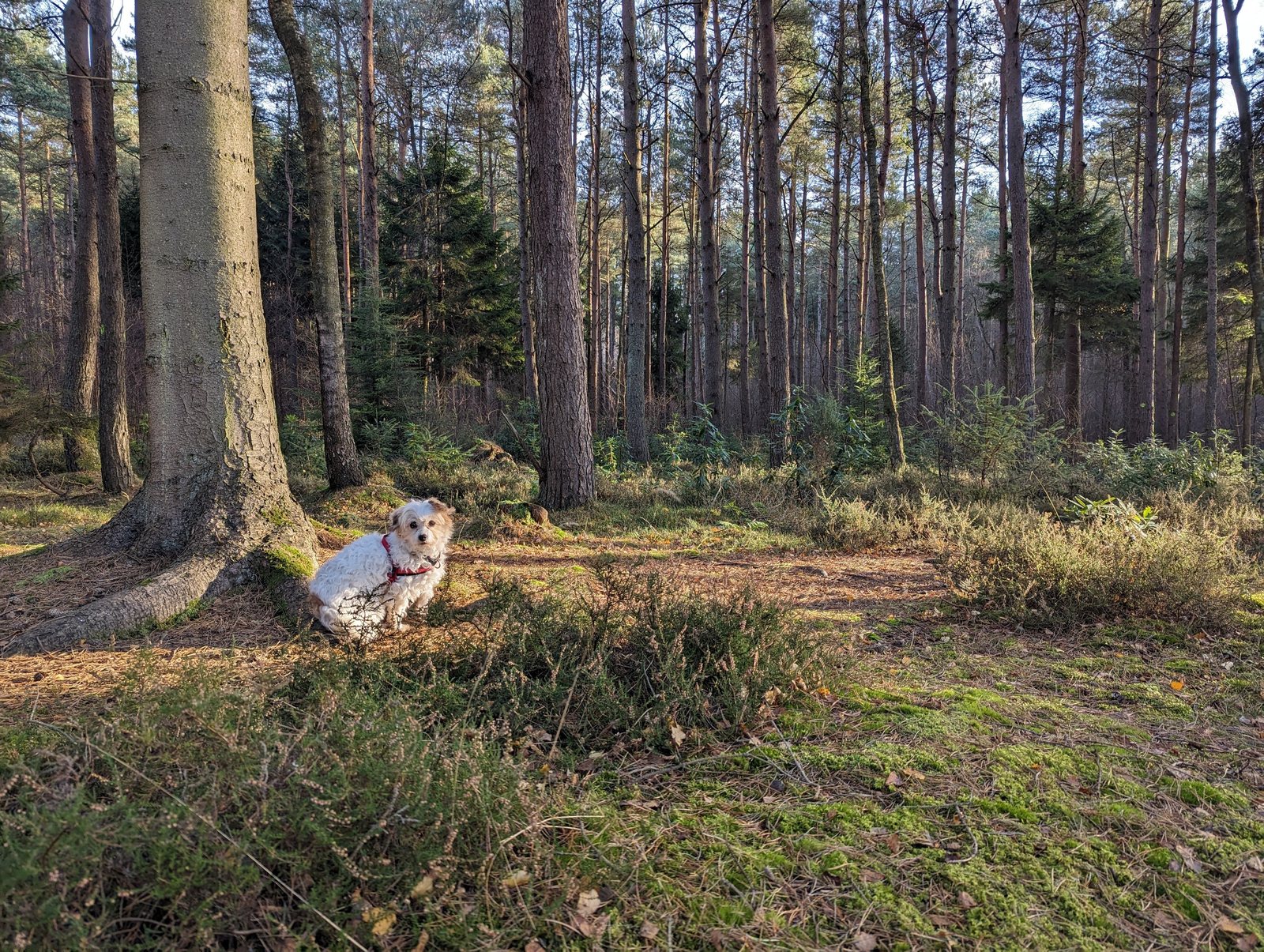
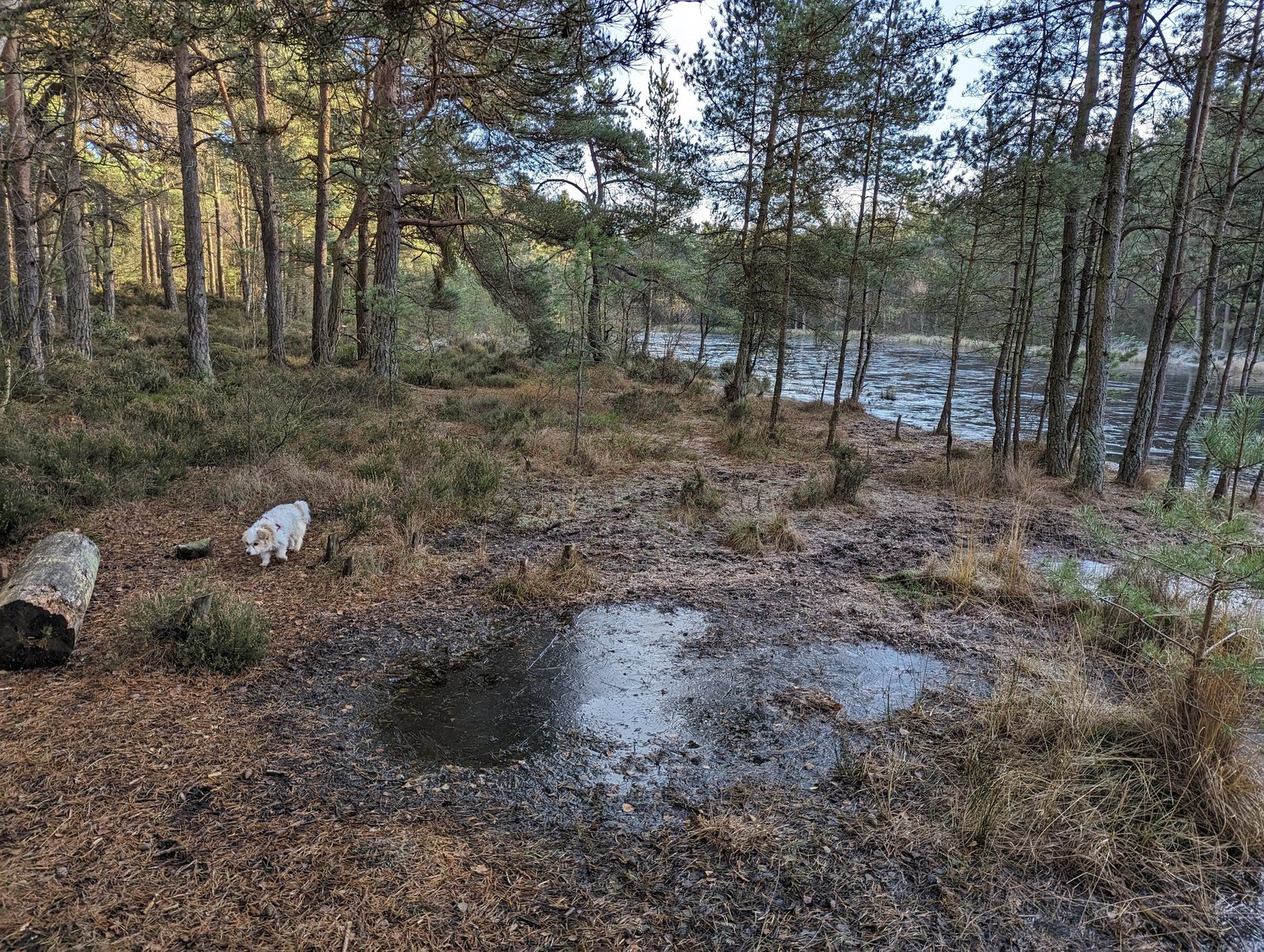
The forest is threaded with colour-coded waymarked routes, mostly flat and family-friendly, on good forest tracks. The highlights are the lochans — Moor Loch, Peppermill Dam and Keir Dam — old reservoirs that are now lovely, wildlife-rich pools ringed by reeds and pine. On a cold, still day they ice over and mirror the trees, and it’s about as pretty as a low-key winter walk gets.
Red squirrels
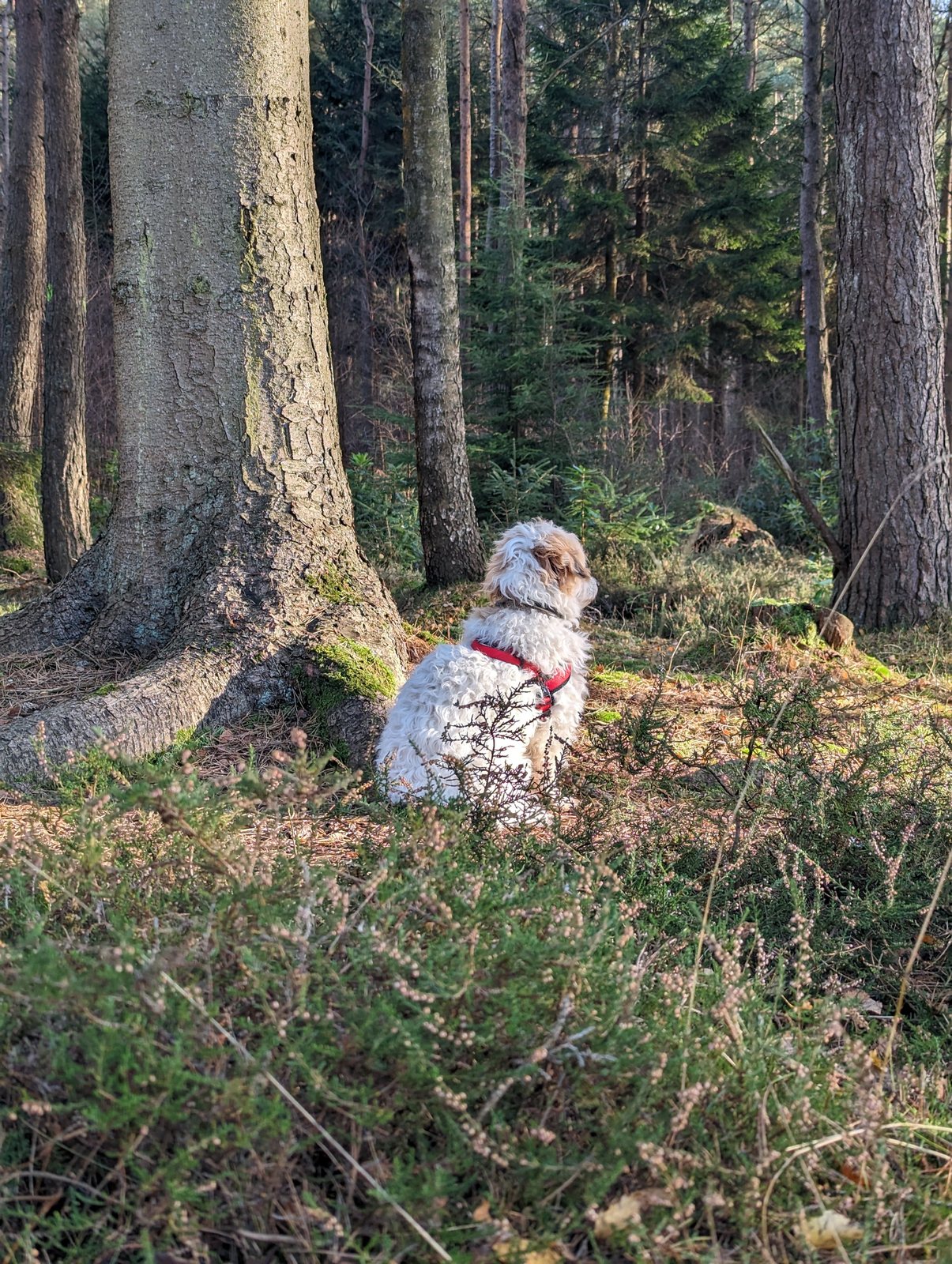
Devilla is one of the better places in this corner of the country to see a red squirrel. The forest is managed as a red stronghold, and there’s a small squirrel hide where, with patience and a bit of luck, you can watch them come to the feeders. Keep quiet, keep dogs close, and keep your eyes on the pine canopy.
The Standard Stone & the Plague Graves
For a quiet forest, Devilla holds some real history. The Standard Stone is a genuine Bronze-Age standing stone, tucked among the trees; local tradition — almost certainly later legend — says it marks the spot where a Danish standard-bearer fell in an ancient battle.
More moving are the Plague Graves. A little cluster of stones deep in the wood marks the resting place of three children of the Bald family, said to have died of the plague in 1645 and buried out here, away from the village, to keep the sickness at bay. It’s a sobering, atmospheric spot to come upon on a woodland walk, and a reminder of how these quiet places once served hard, frightened times.
A gentle day out
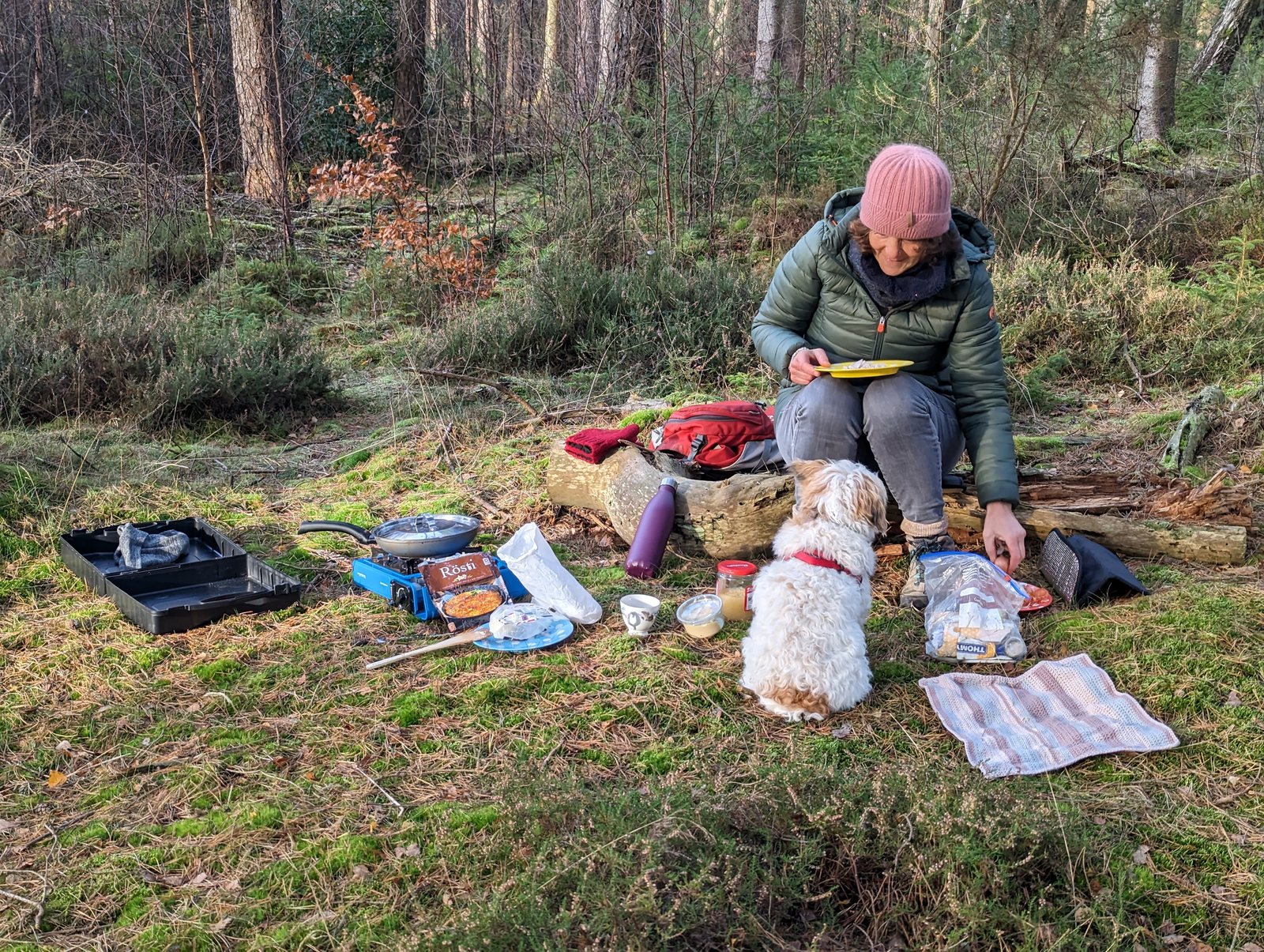
It’s the sort of place to take your time: an easy loop, a stop by a lochan, a look for the squirrels, a picnic on the forest floor. Pair it with a morning in Culross just down the road and you’ve got a lovely, low-cost day on the west-Fife coast.
Nearby
- Culross — Scotland’s best-preserved 17th-century village, minutes away on the coast.
- The Alloa–Dunfermline Cycle Circle — old railway and Forth-coast riding that passes close by.
- Alloa — our home base, just across the Forth.
Sources
- Forestry and Land Scotland — Devilla Forest (trails, lochans, red squirrels).
- Local heritage records on the Standard Stone and the Bald children’s Plague Graves (1645).
- Everything first-hand is from our own winter walk at Devilla.