
Stirling: The Castle, the Wallace Monument & the Gateway to the Highlands
Related pages: Alloa · Dollar & Castle Campbell · Callander · Culross
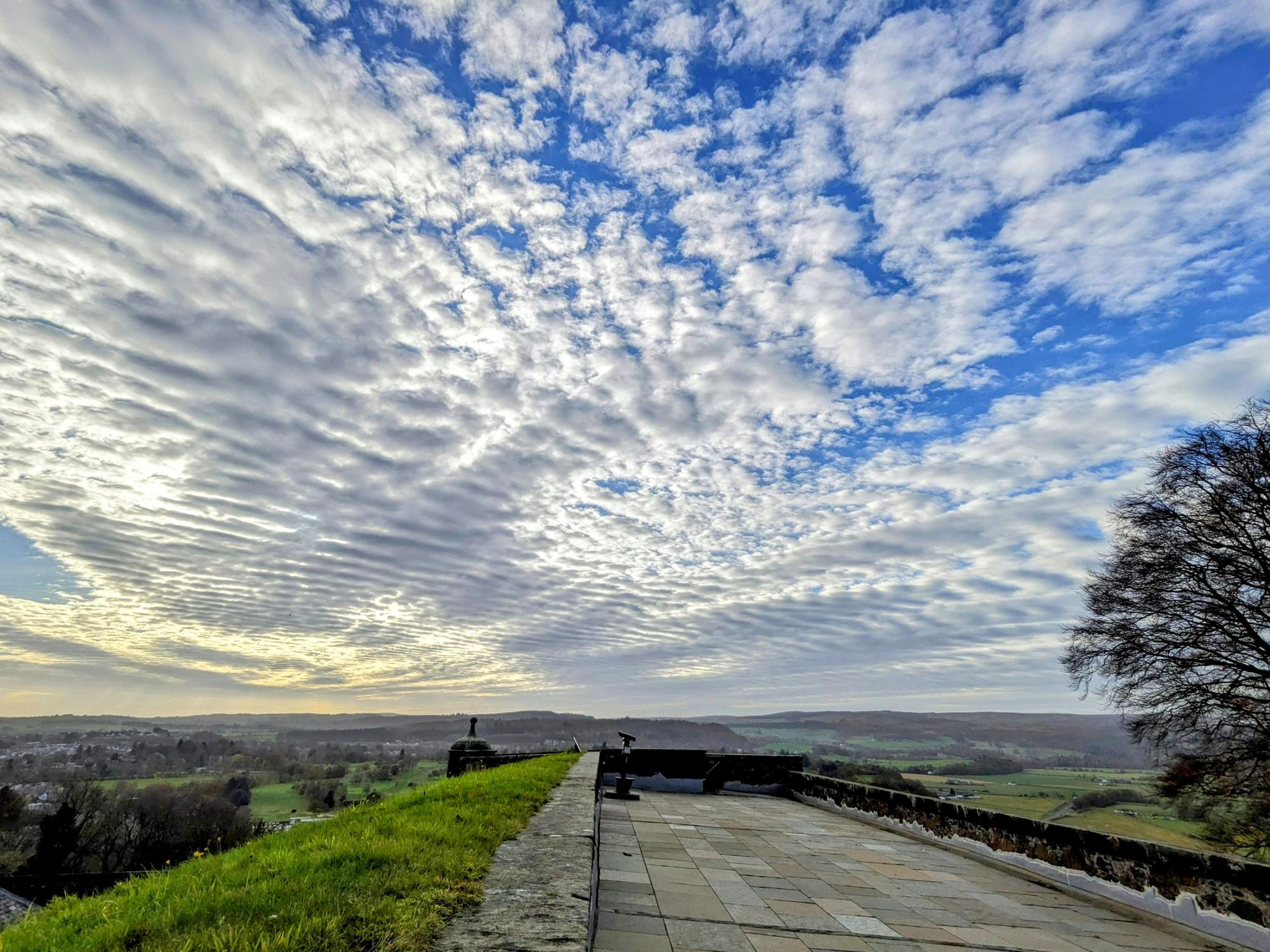
If Edinburgh is the showpiece, Stirling is the hinge. It sits exactly where the Lowlands narrow to a waist and the Highlands begin — “the brooch that clasps the Highlands and Lowlands together” — and for centuries whoever held its castle held the country. Wallace, Bruce, Mary Queen of Scots, the Stewart kings: the whole story of Scotland runs through this one small town. It’s also, quietly, one of our favourite days out — a stunning castle, a soaring monument, a medieval old town and cafés we keep going back to. Here’s the lot.
Overview — Scotland’s history in one town
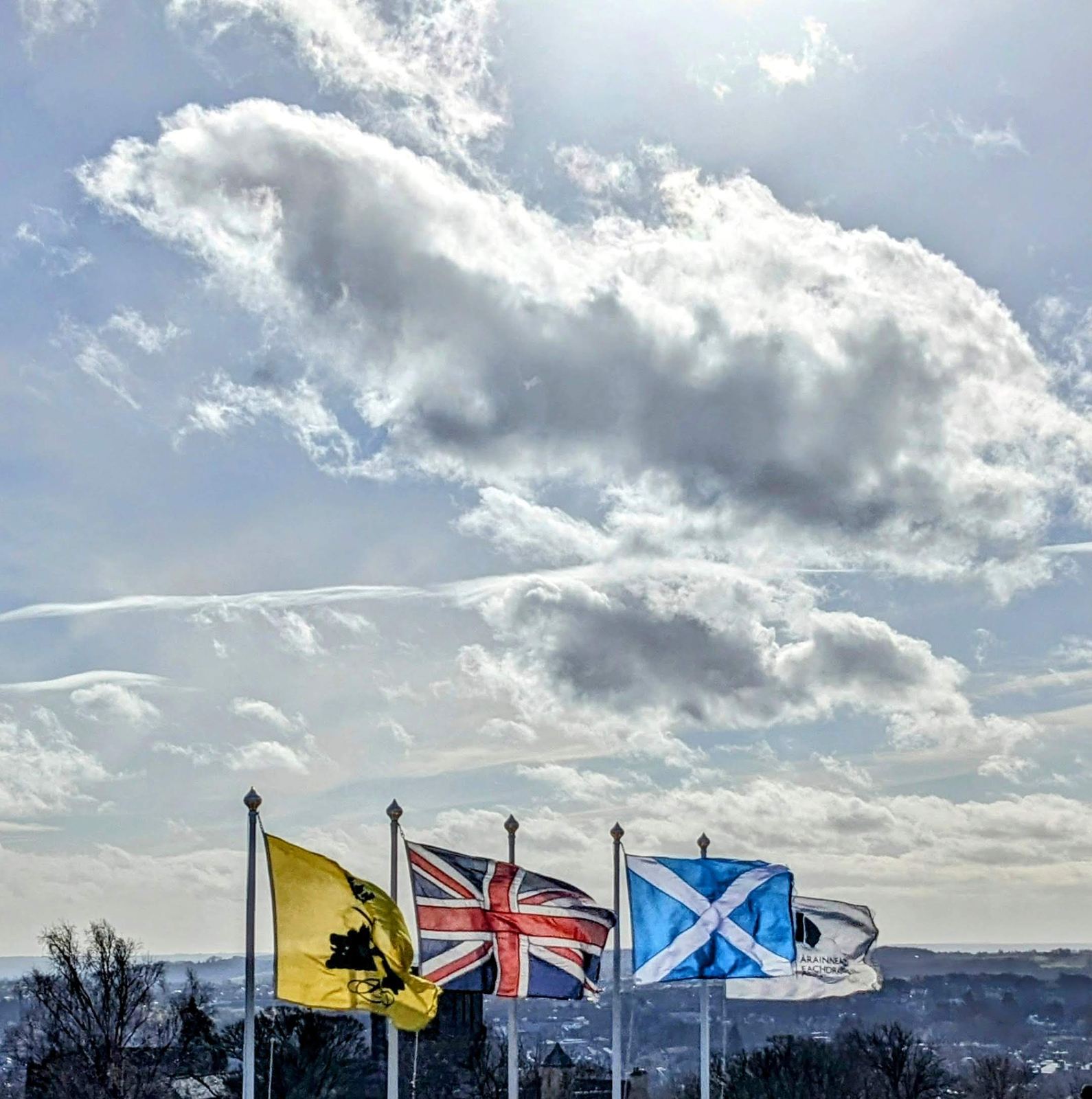
On a plug of volcanic rock stands Stirling Castle, one of the grandest in Britain and the childhood home of Mary, Queen of Scots. A mile away, on the crag where William Wallace watched the English march north, rises the National Wallace Monument. Between them curls the River Forth, past the ruined Cambuskenneth Abbey where Robert the Bruce held a parliament. Below the castle tumbles a steep, cobbled Old Town of Renaissance ruins, a coronation church and a Victorian cemetery full of stories. Add the battlefields of Stirling Bridge (1297) and Bannockburn (1314) on the doorstep, and there is nowhere in Scotland with more history packed into a smaller space.
Where it is (and where on the route)
Stirling sits at the very centre of Scotland, where the M9, the main railway and the River Forth all funnel through the gap between the Ochil Hills and the Campsies. It’s about 35 minutes from both Edinburgh and Glasgow, and it’s the natural pivot of the whole central belt — our base town of Alloa is ten minutes east, Dollar and the Hillfoots run along the Ochils, and Callander and the Trossachs begin just to the north-west. If you’re heading for the Highlands, you’ll pass right by; stop.
Stirling Castle — cradle of the Stewart kings
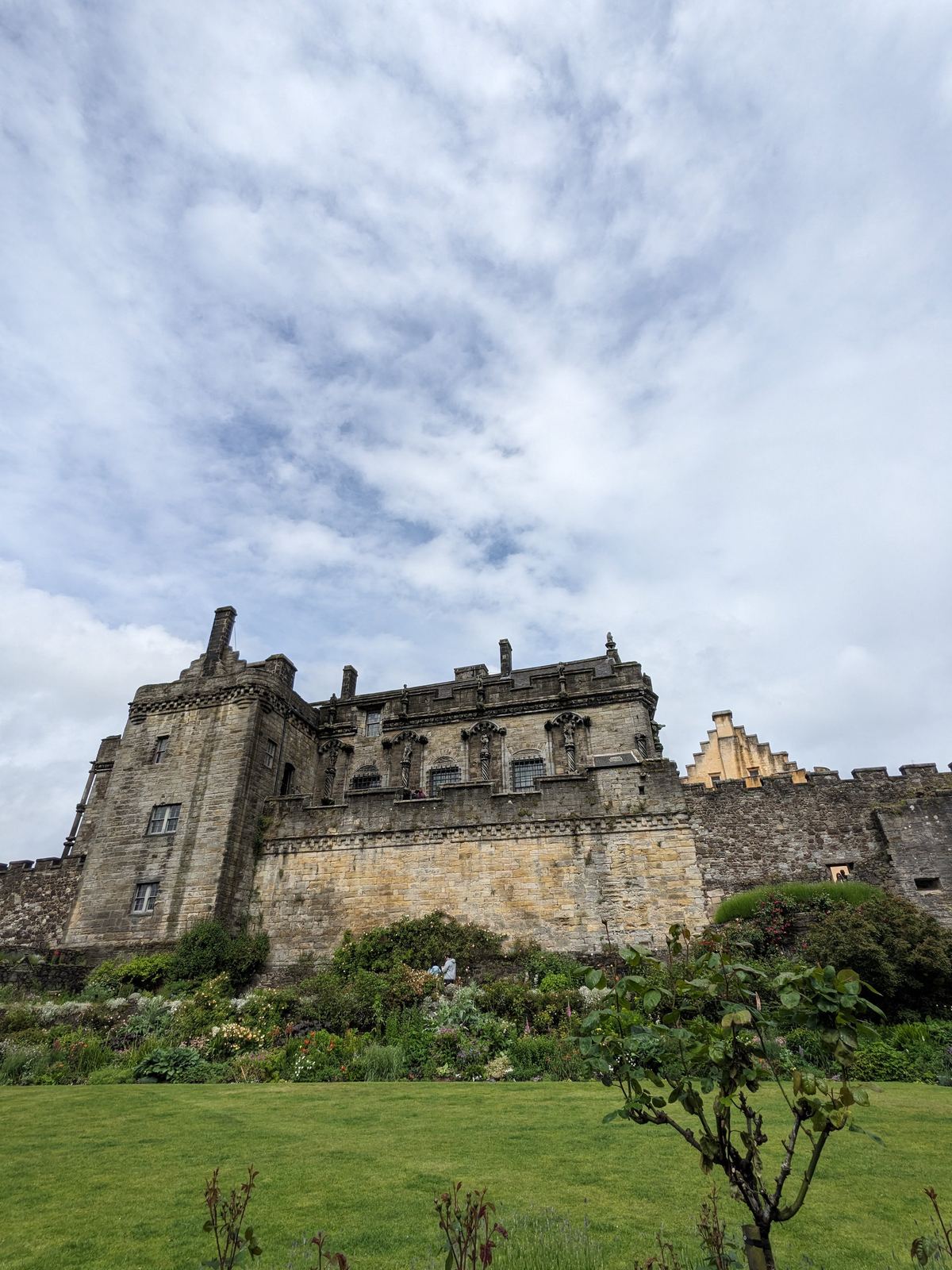
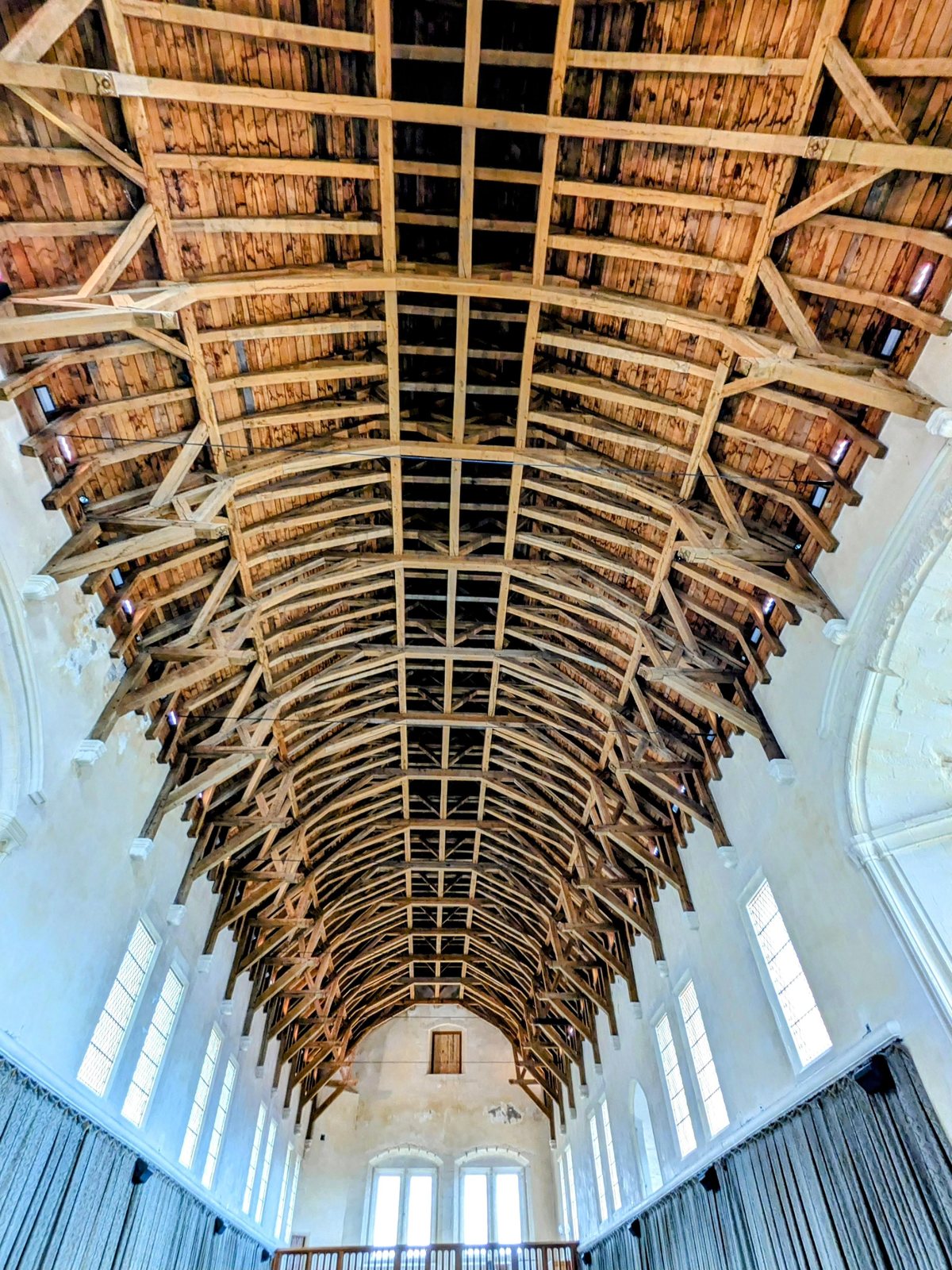
There has been a stronghold on this rock since before records began, but the castle you walk today is largely the work of the Stewart kings, who turned a fortress into a Renaissance showpiece. James IV raised the magnificent Great Hall — the largest medieval banqueting hall ever built in Scotland, its hammerbeam roof and lime-harled gold walls now restored to how they’d have looked in 1500. His son James V added the extraordinary Royal Palace in the 1540s, its outer walls crawling with carved figures, and inside the Stirling Heads — a ceiling of carved oak medallions that’s one of the treasures of Scottish art.
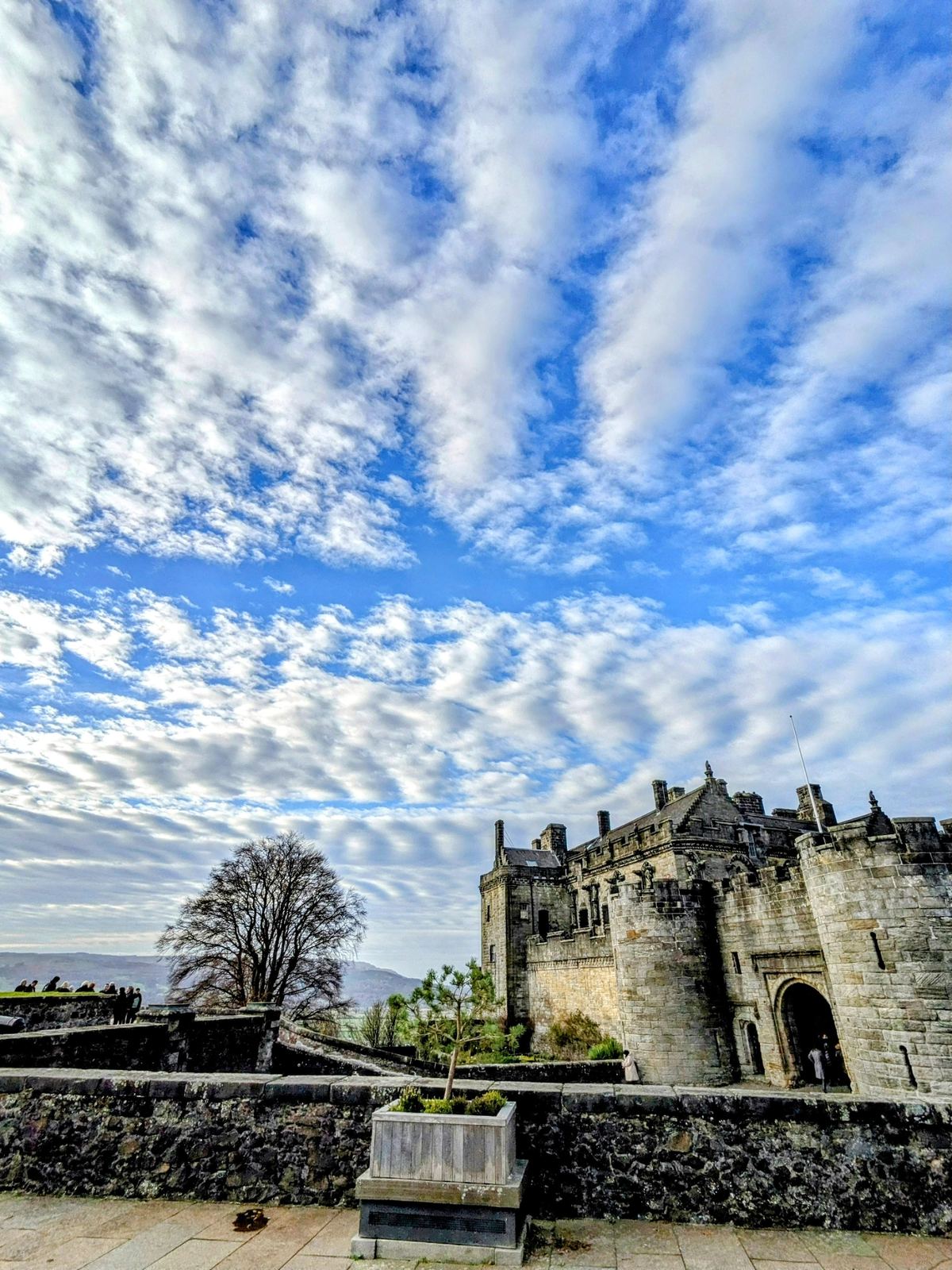
Above all, this was Mary, Queen of Scots’ castle. She was crowned here in the Chapel Royal in 1543, aged just nine months, and spent much of her childhood within these walls before being spirited off to France. A generation later her son, the future James VI (and I of England), was raised and educated here too. For the best part of two centuries, this rock was the beating heart of the Scottish crown.
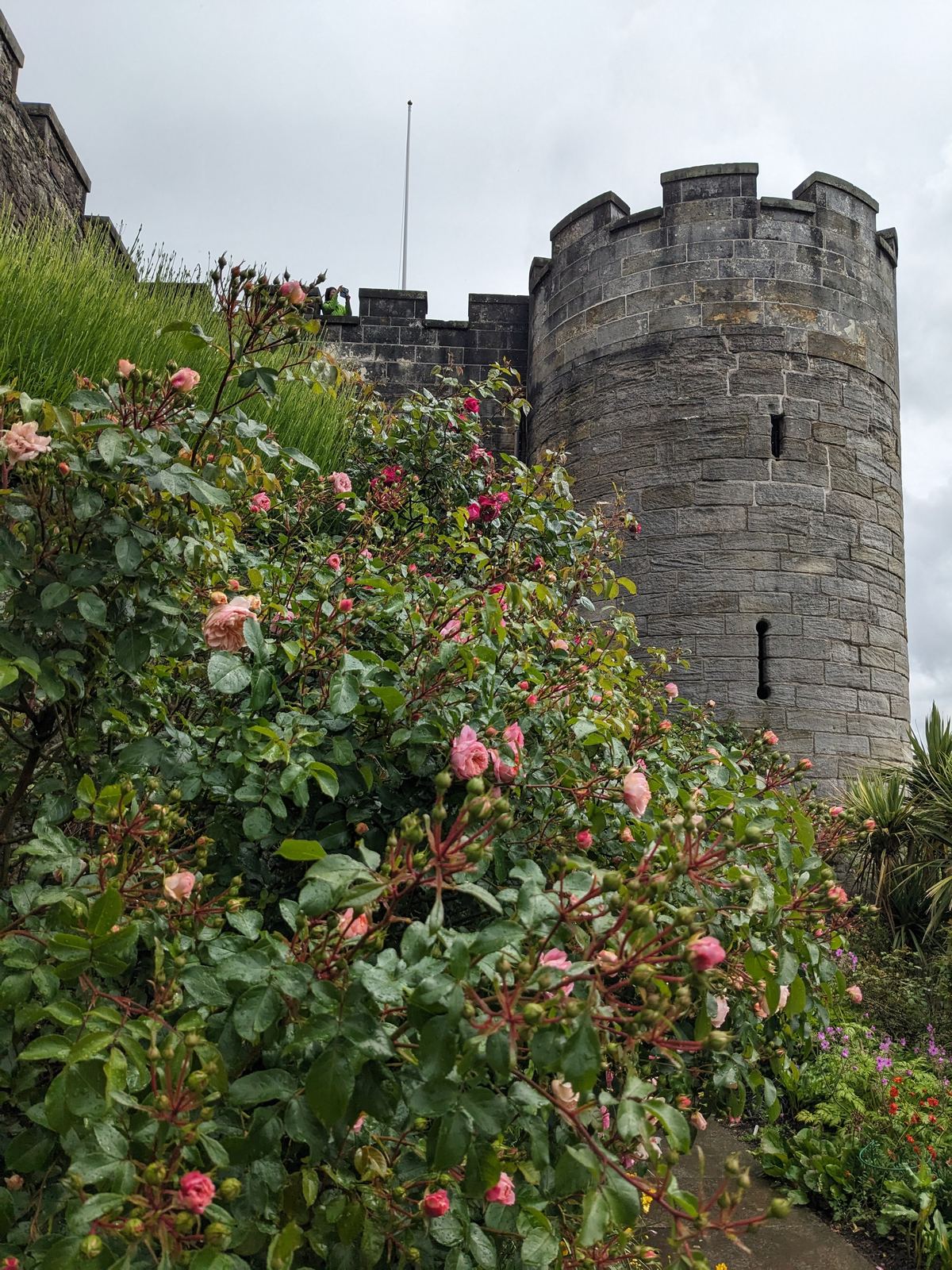
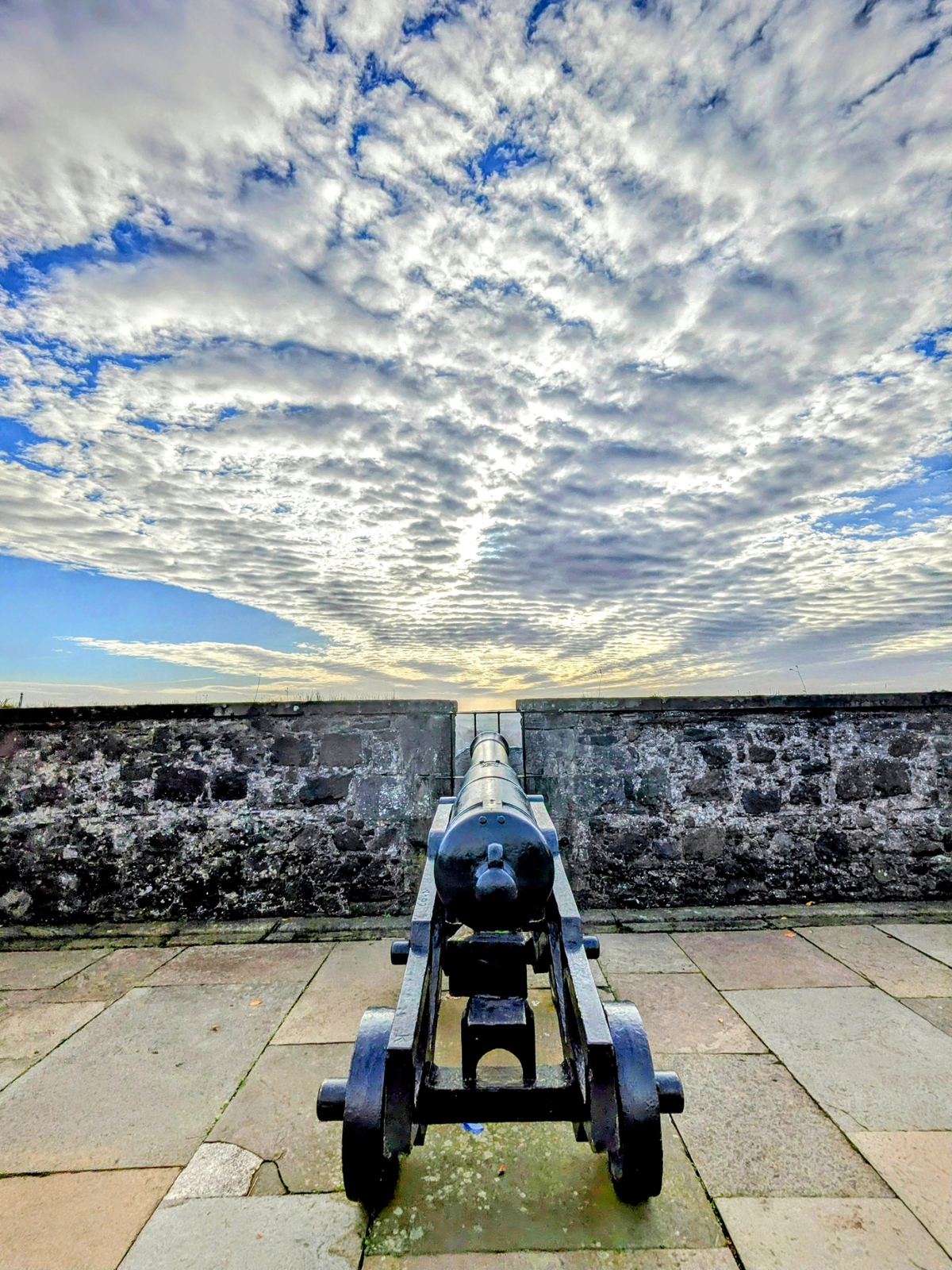
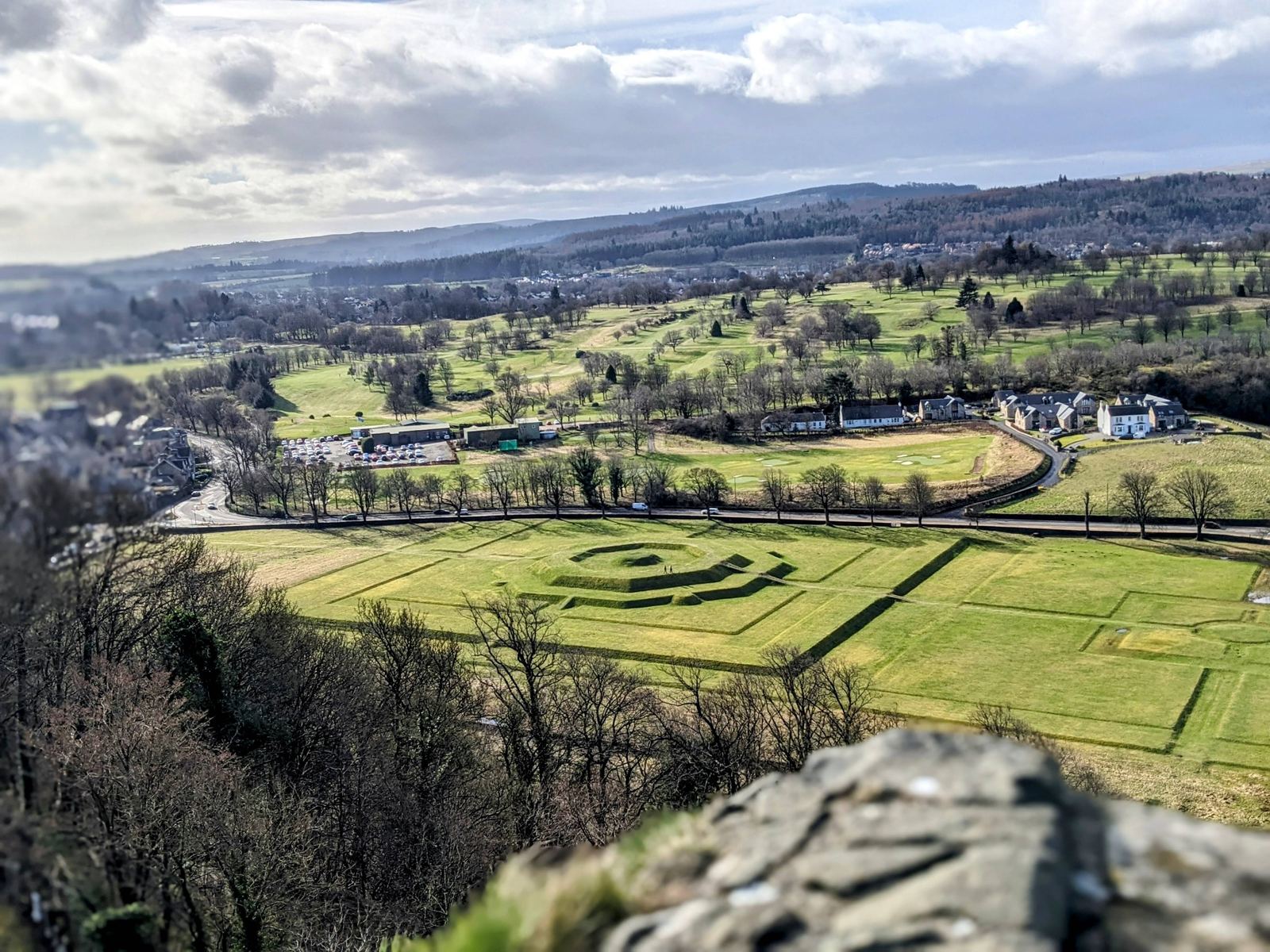
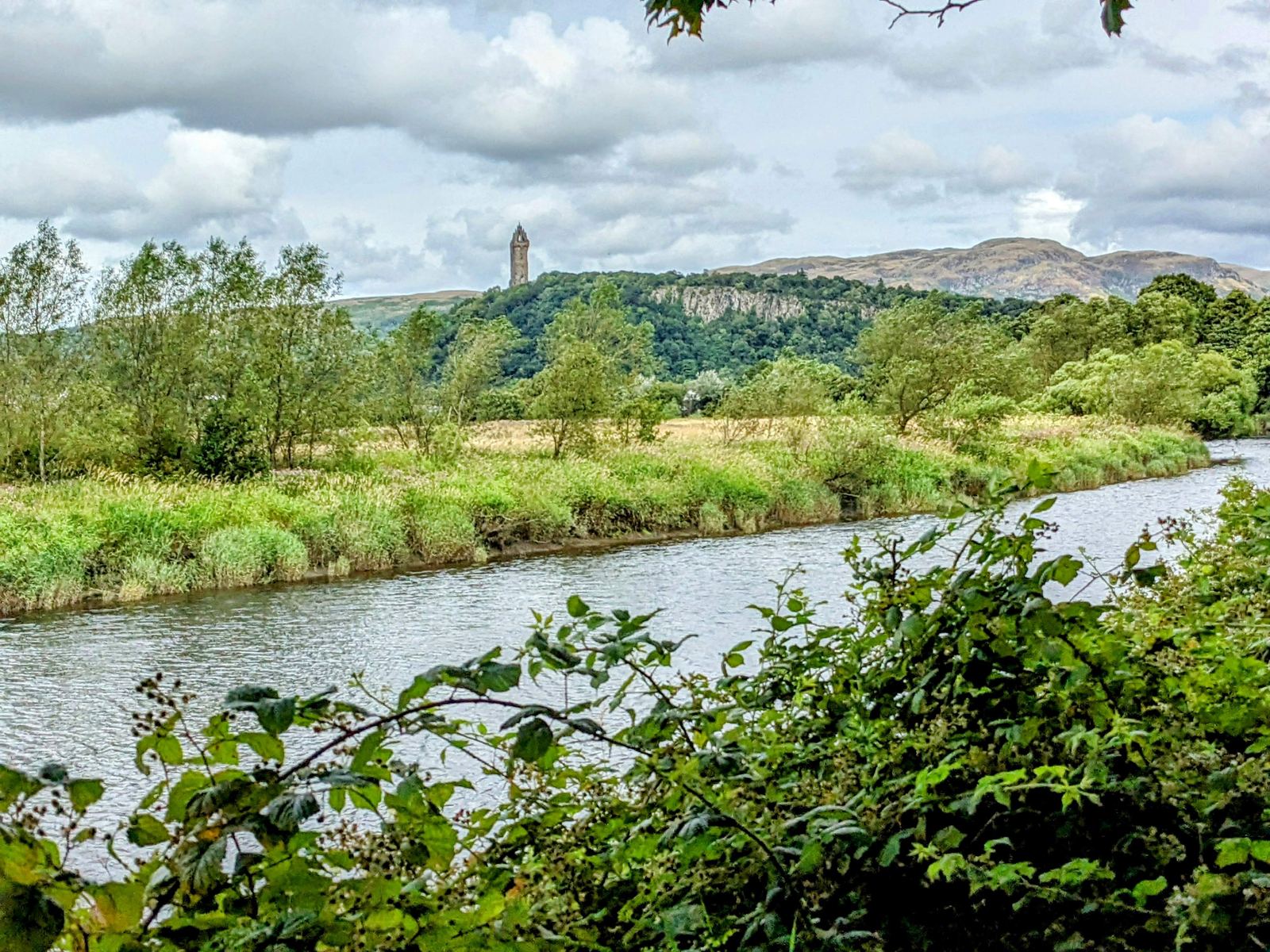
From the ramparts you look straight down onto the King’s Knot, a curious octagonal earthwork in the valley below — the remains of the royal gardens, best seen from above. And the views are the other half of the visit: the flat green carse unrolling to the Ochils, the silver loops of the Forth, and the Wallace Monument standing sentinel on its own crag across the valley.
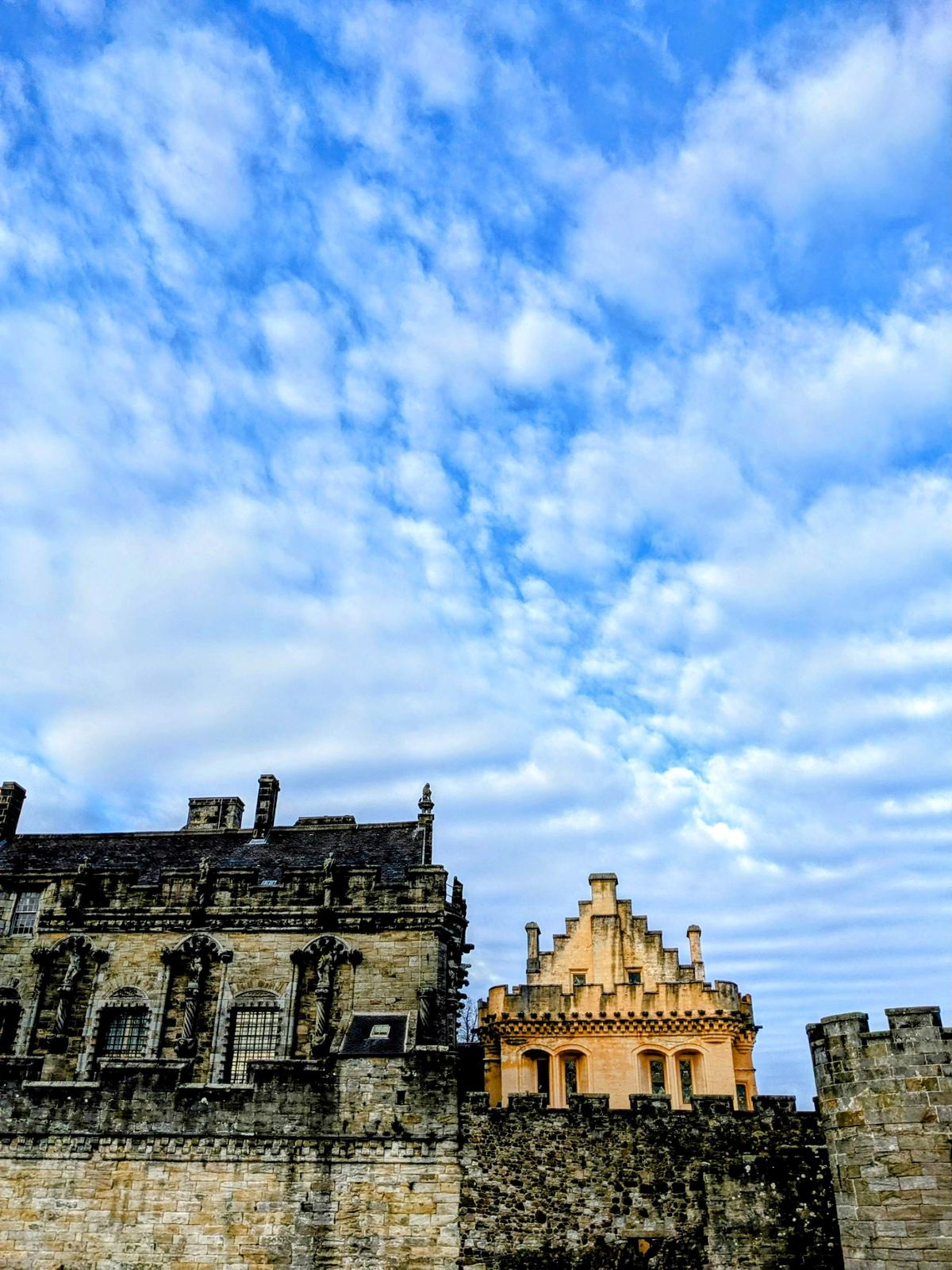
🏰 Stirling Castle is run by Historic Environment Scotland — it’s a paid entry (an Explorer Pass or HES membership covers it, and also Edinburgh Castle, Doune, Linlithgow and dozens more, so it pays for itself fast). Allow a good two to three hours. Check current opening and prices on the HES website before you travel.
The Old Town — Renaissance ruins & steep cobbled wynds
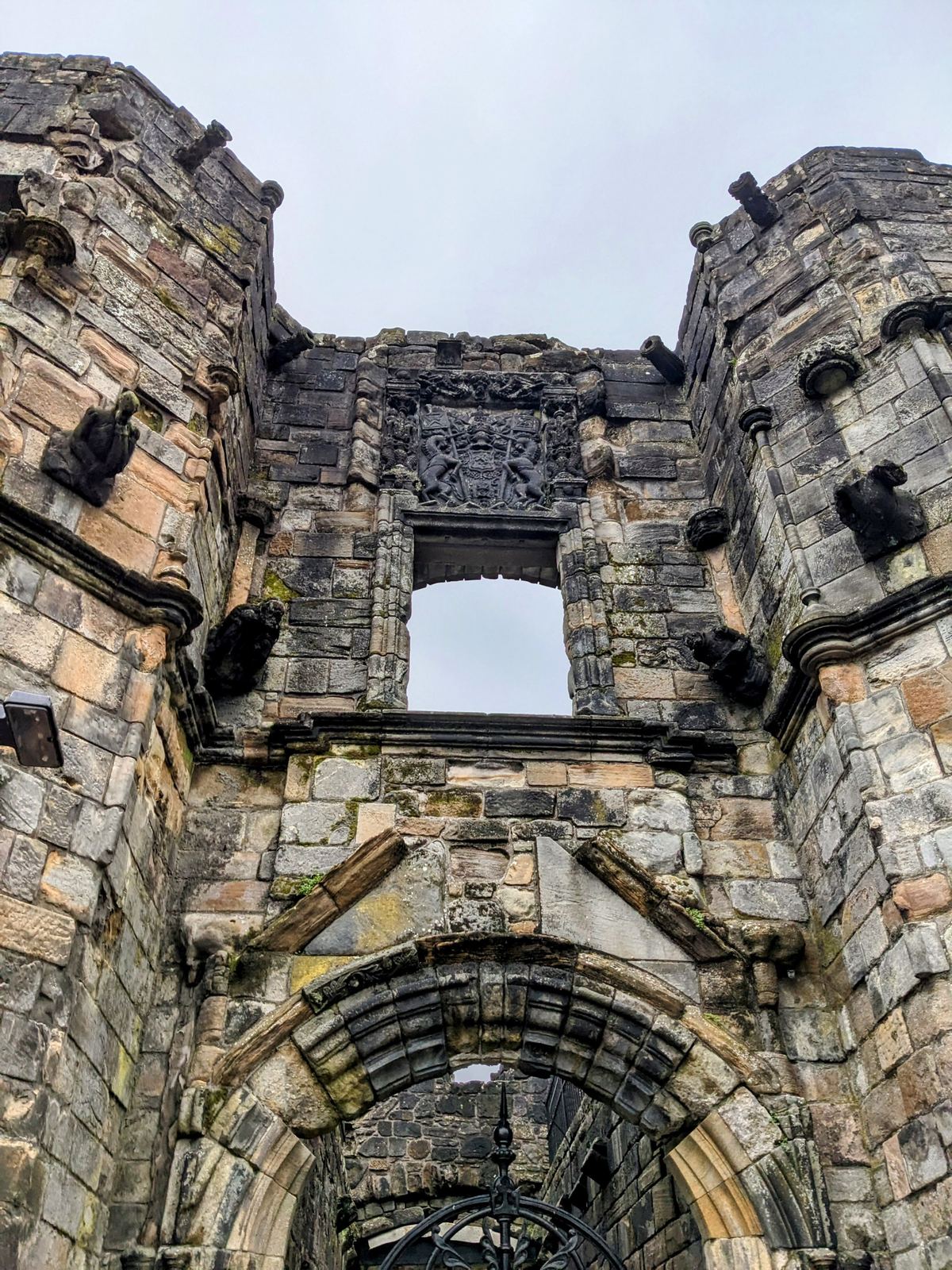
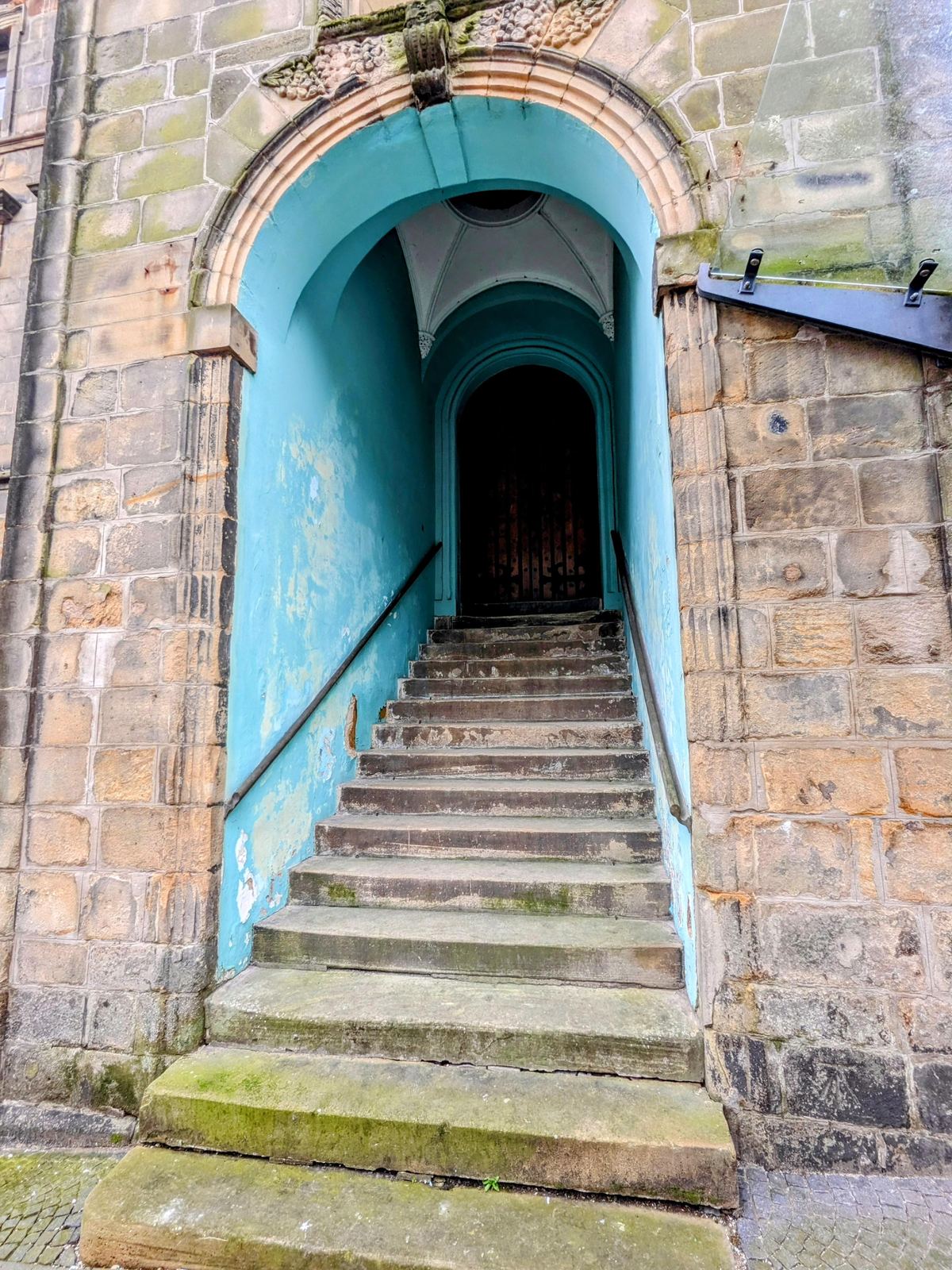
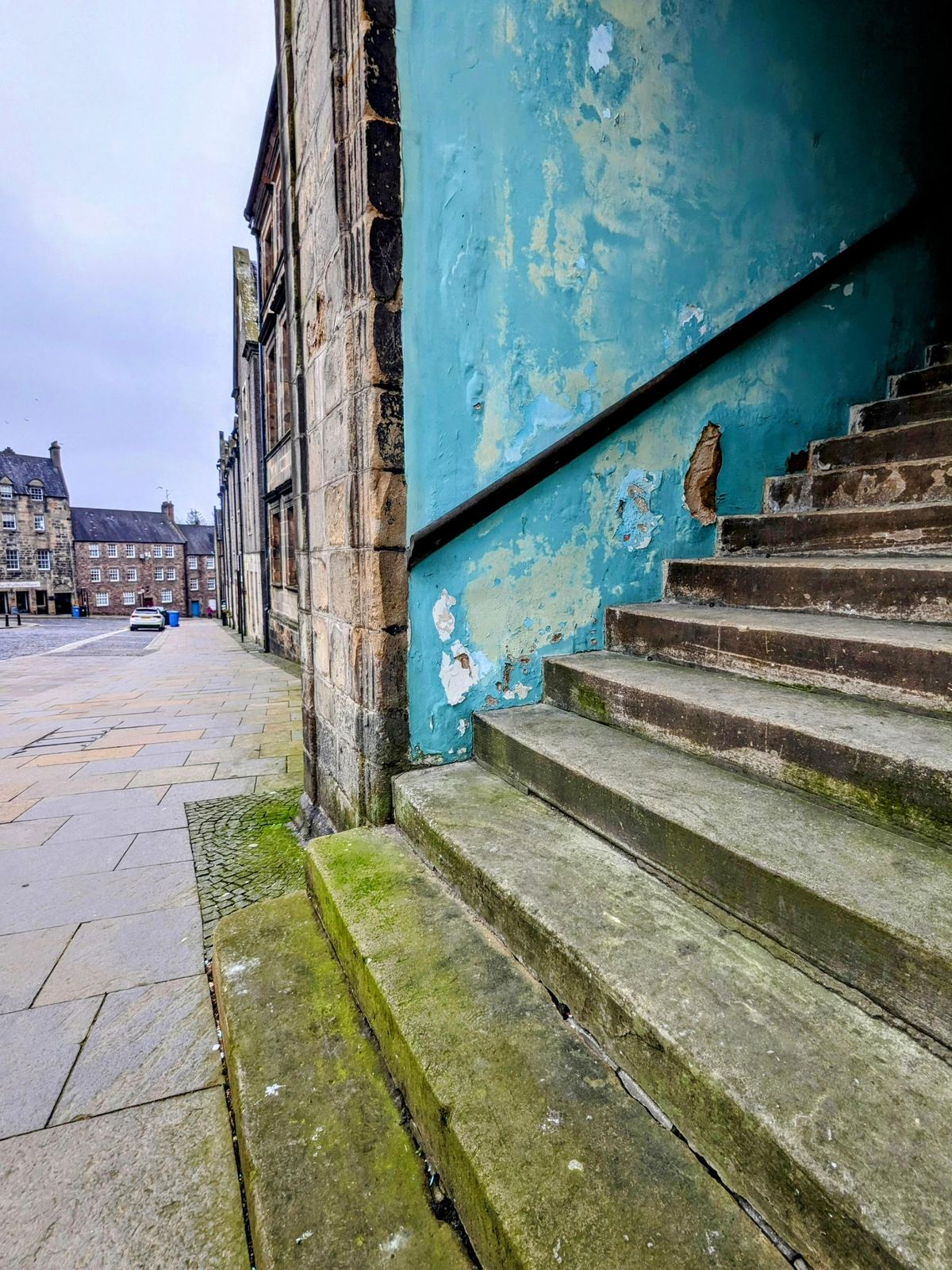
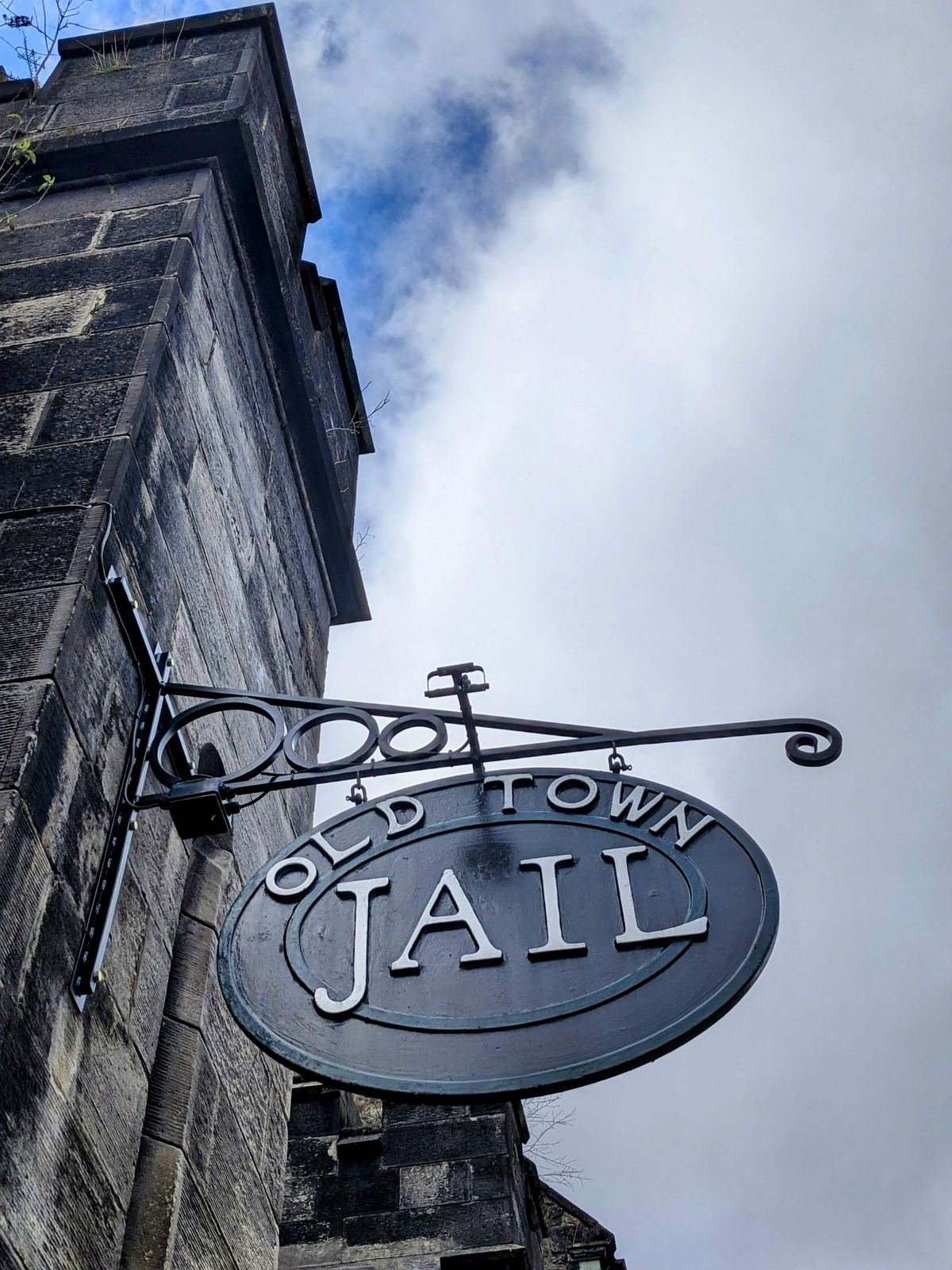
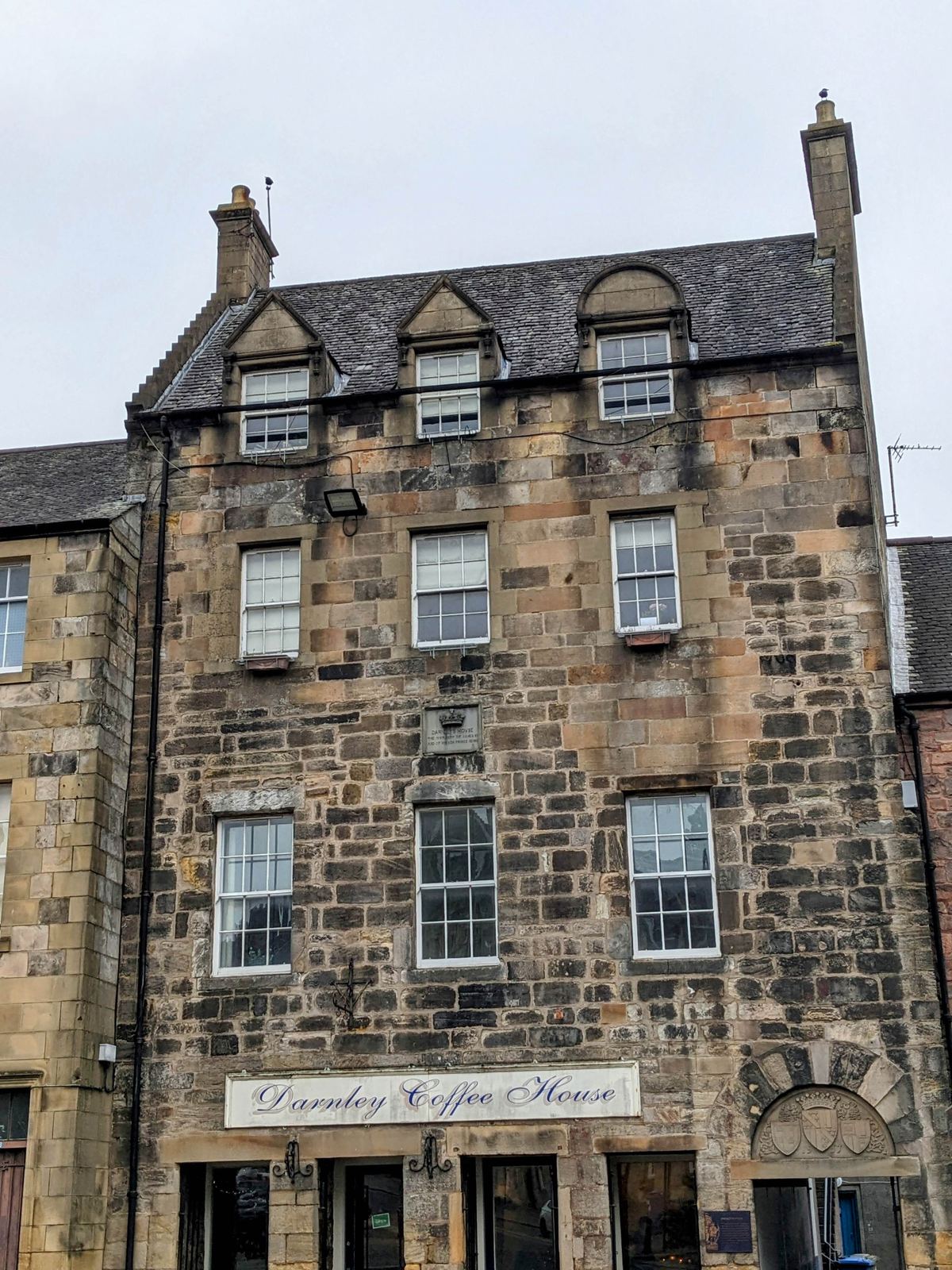
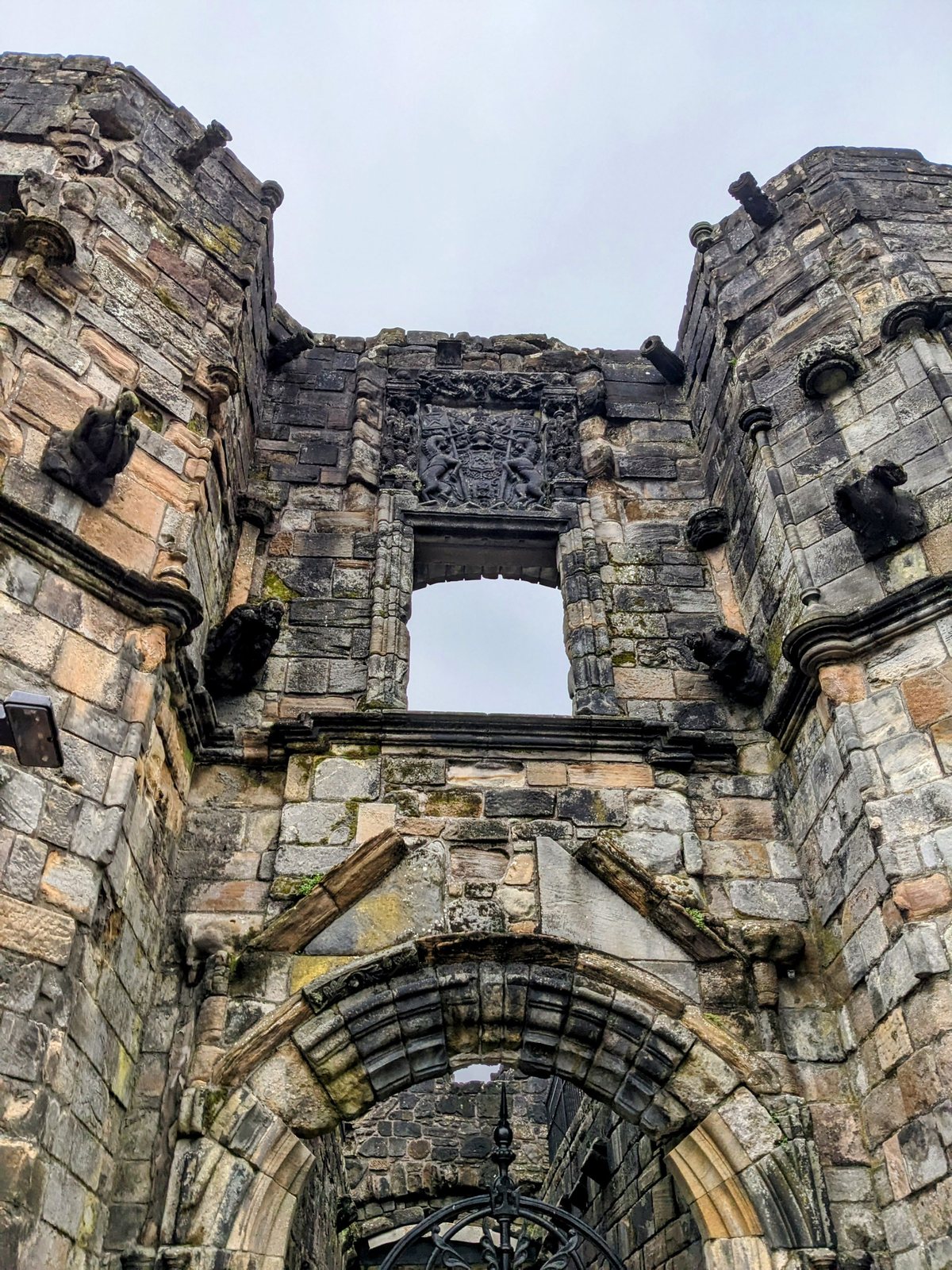
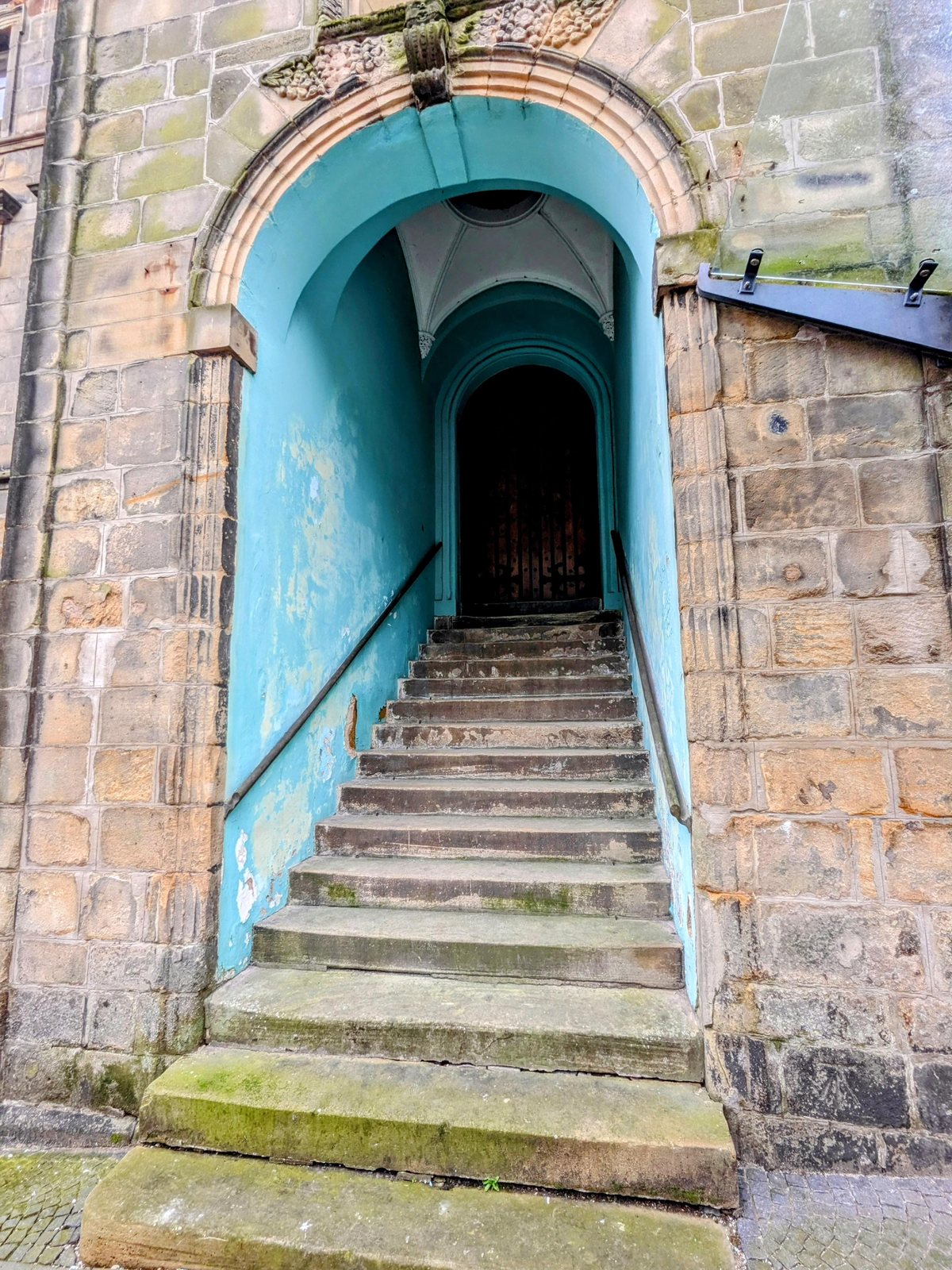
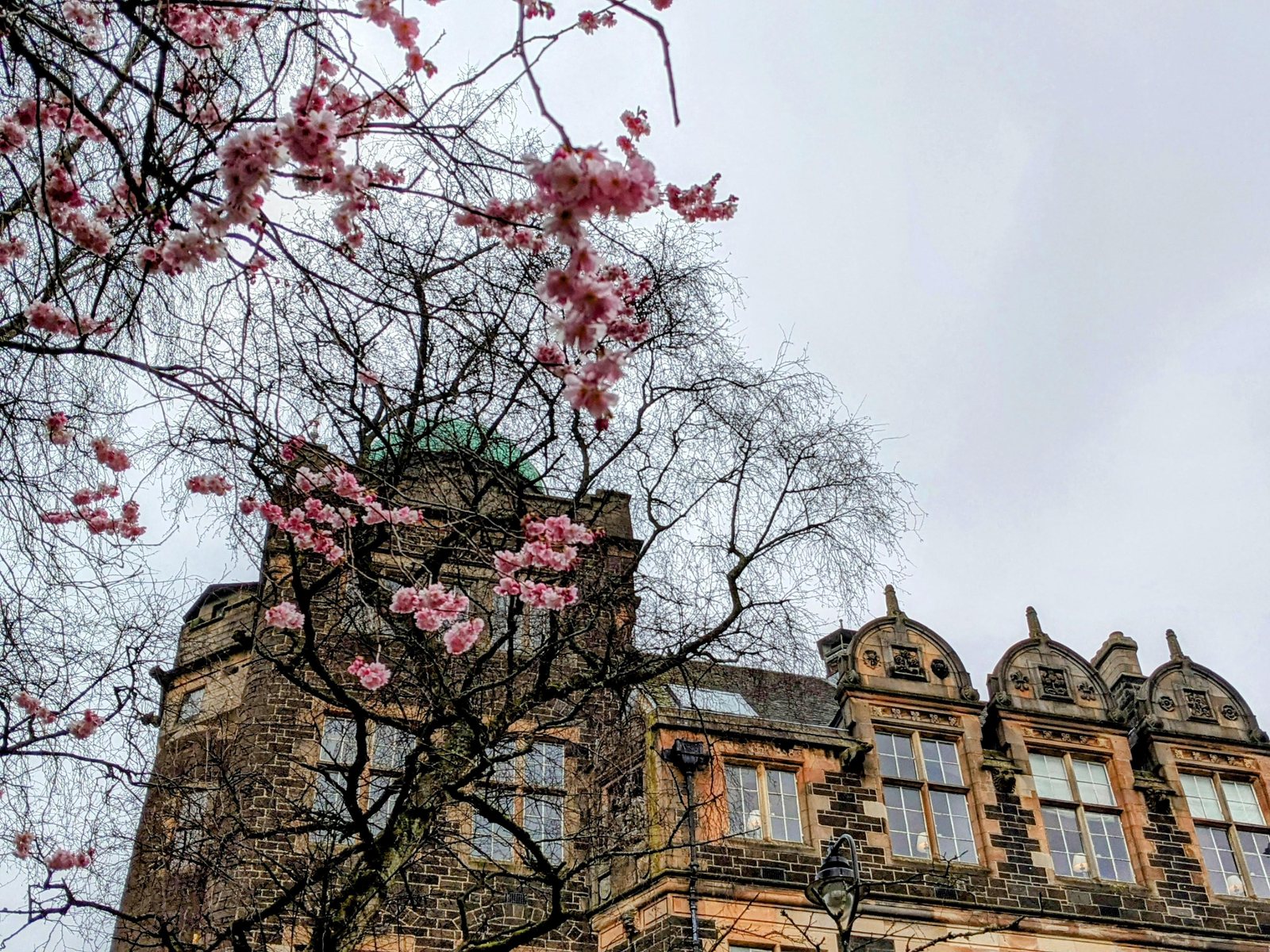
The street climbing from the town up to the castle is one of the finest stretches of historic townscape in Scotland, and it’s free to wander. Half-way up stands Mar’s Wark, the ornate, roofless facade of a grand Renaissance townhouse begun in the 1570s by the Earl of Mar — a showy ruin right on the street. Just beyond it is Argyll’s Lodging, the most complete 17th-century townhouse in Scotland. All around run the steep wynds and closes of the old burgh, and the forbidding Old Town Jail looms over it all.
The Church of the Holy Rude & the Old Town Cemetery
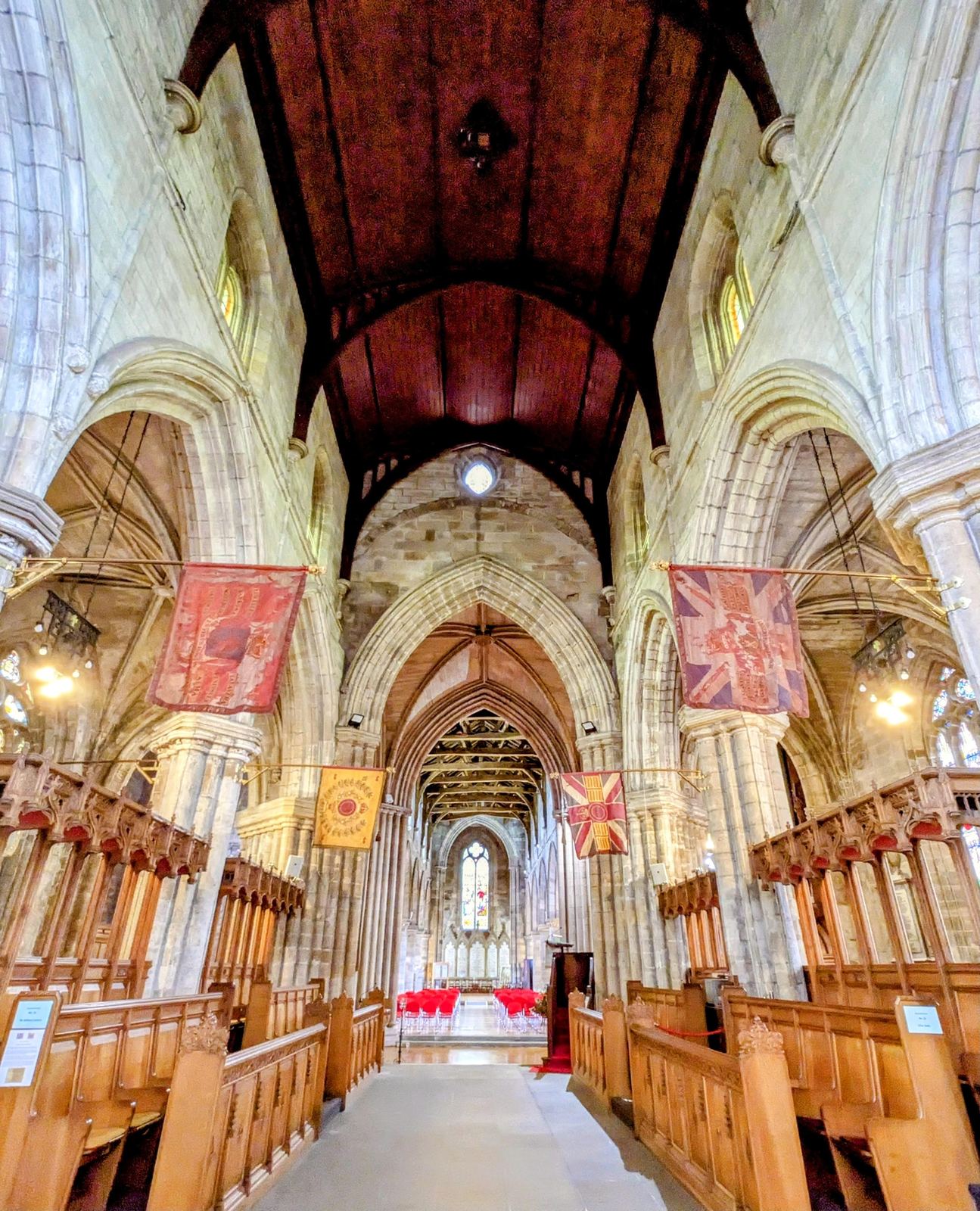
Below the castle stands the Church of the Holy Rude, the second-oldest building in Stirling after the castle itself and one of the very few churches in Britain still in use to have hosted a coronation: the infant James VI was crowned here in 1567, with John Knox preaching the sermon. Inside it’s a great, calm medieval space of stone pillars and an ancient oak roof.
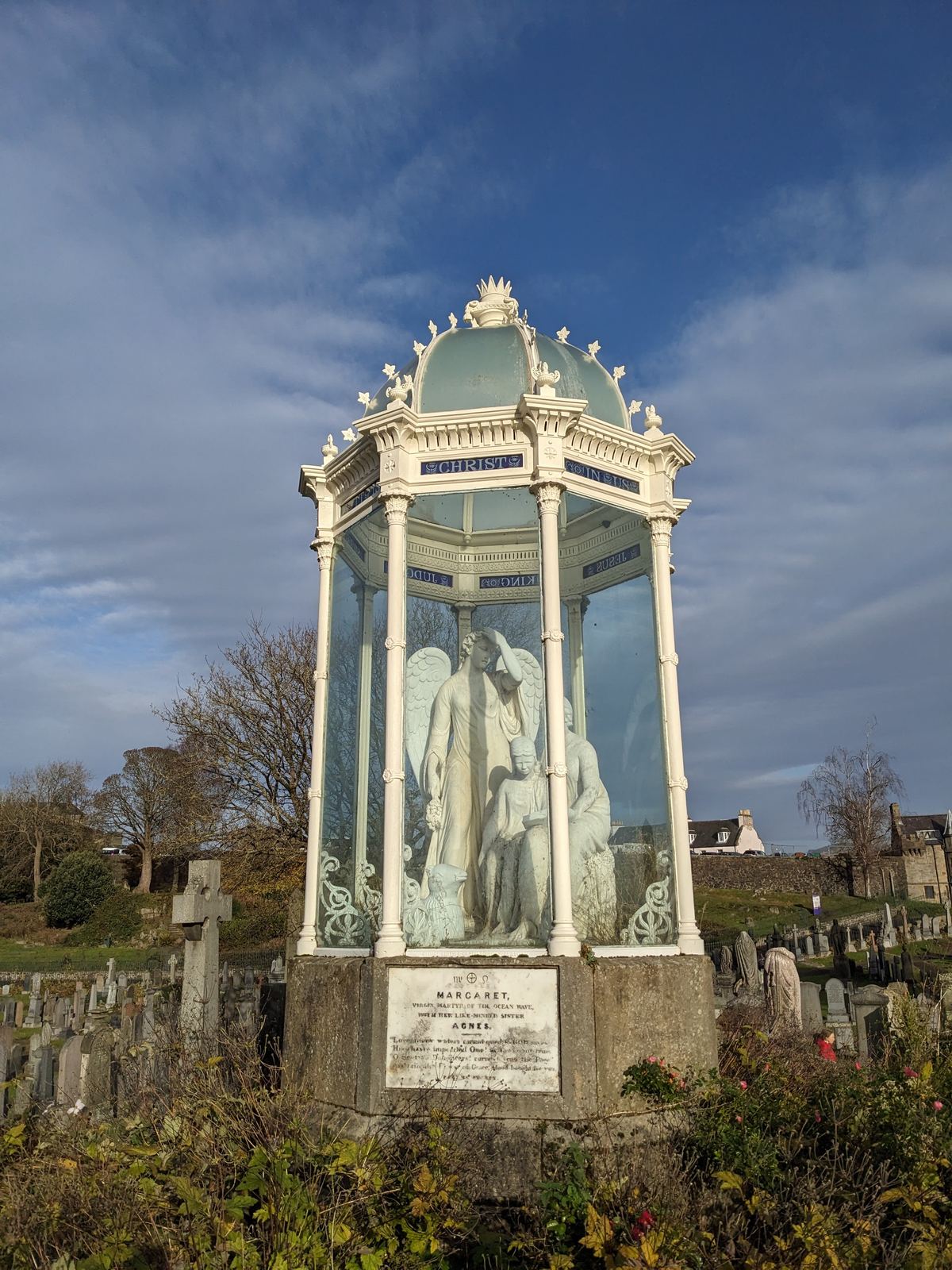
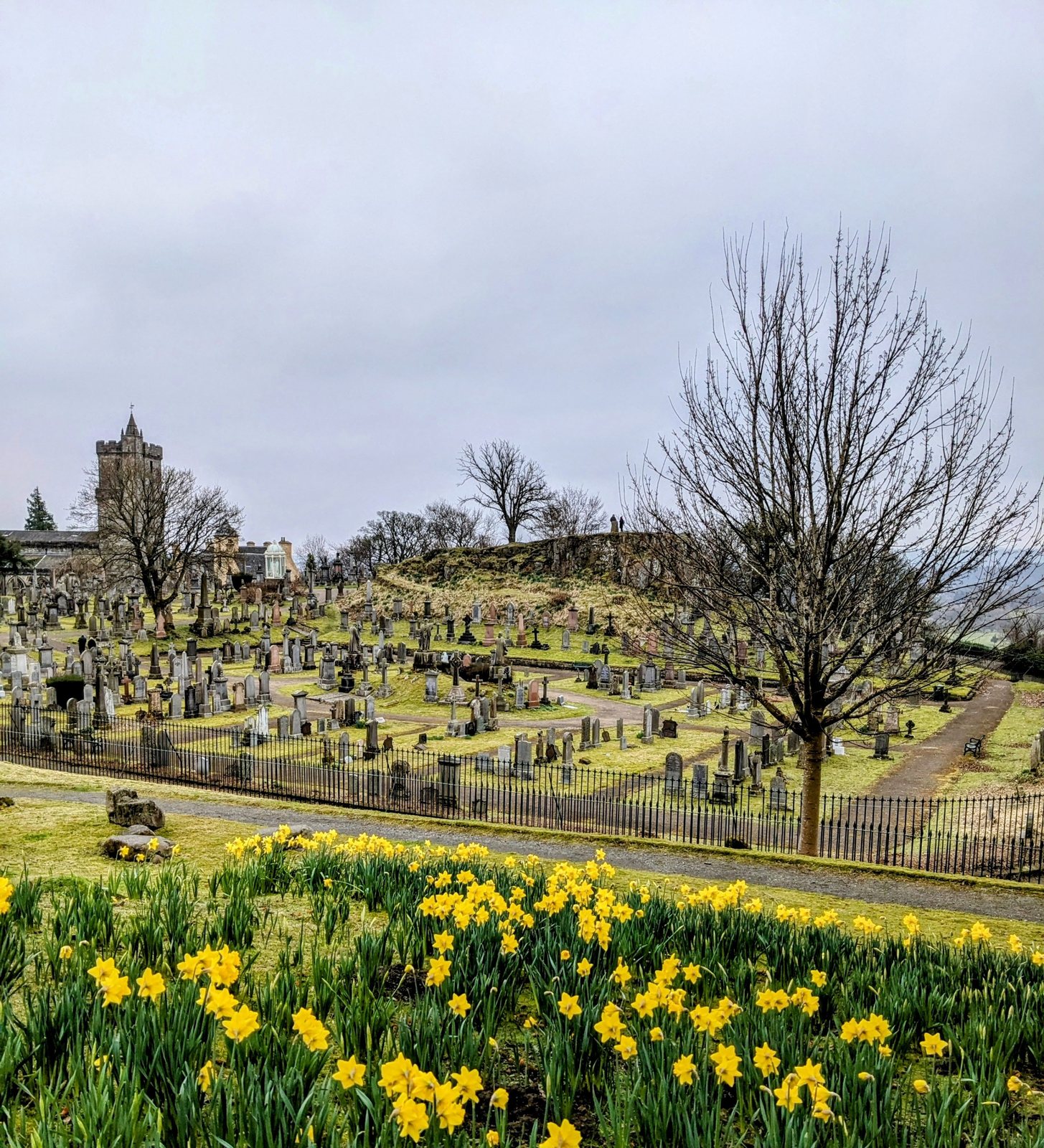
Wrapped around the church and spilling down the ridge is the Old Town Cemetery and the adjoining Valley Cemetery — a wonderfully theatrical Victorian graveyard laid out as a kind of open-air sermon in stone. Look for the gleaming white Star Pyramid, and the extraordinary glass-domed Wigtown Martyrs’ Monument commemorating two Covenanter women drowned for their faith. It’s one of the most atmospheric spots in town, with the castle rearing up behind every headstone.
The National Wallace Monument — Braveheart’s tower
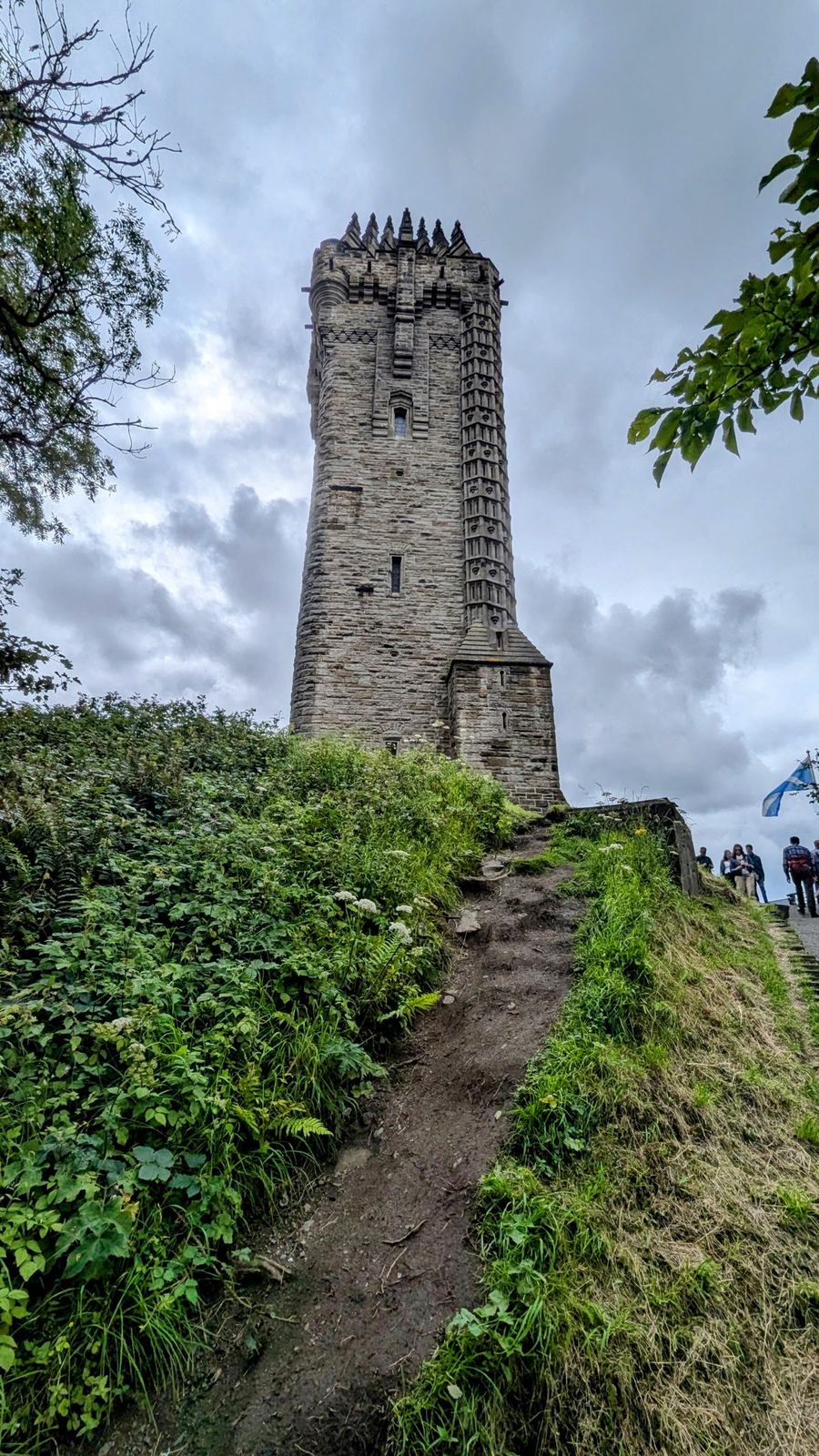
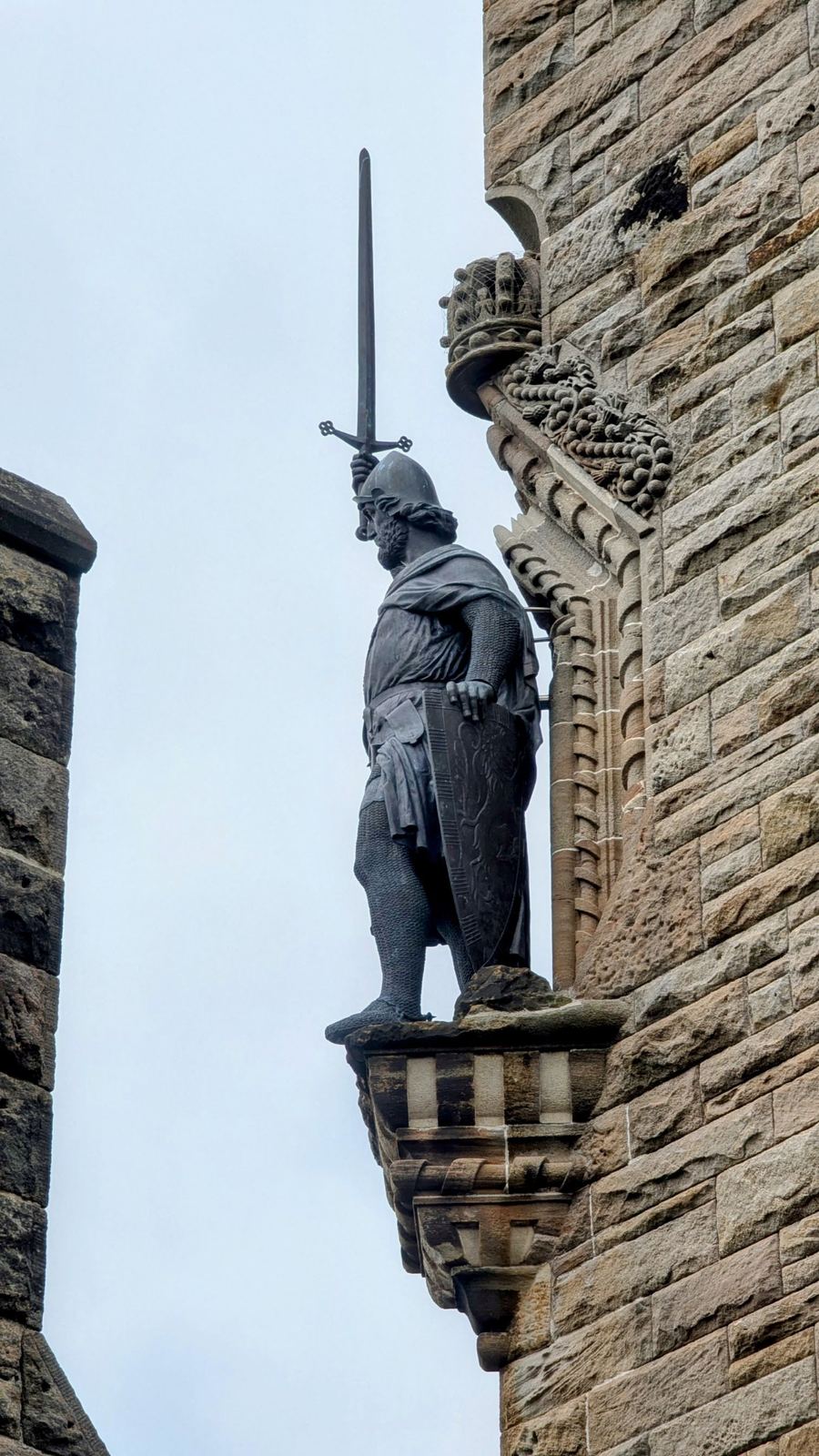
Across the valley, on the wooded crag of Abbey Craig, stands the National Wallace Monument — a 67-metre Victorian Gothic tower built by public subscription between 1861 and 1869 to honour Sir William Wallace. It stands where, in 1297, Wallace and Andrew Moray are said to have watched the English army before the Battle of Stirling Bridge, where a far smaller Scots force destroyed them by trapping them on the boggy ground at the river crossing. Inside the tower, up its tight spiral of 246 steps, you can see the enormous Wallace Sword, and from the crown at the top the view over the battlefield, the castle and the Highlands is simply immense.
Cambuskenneth Abbey — Bruce’s parliament on the river
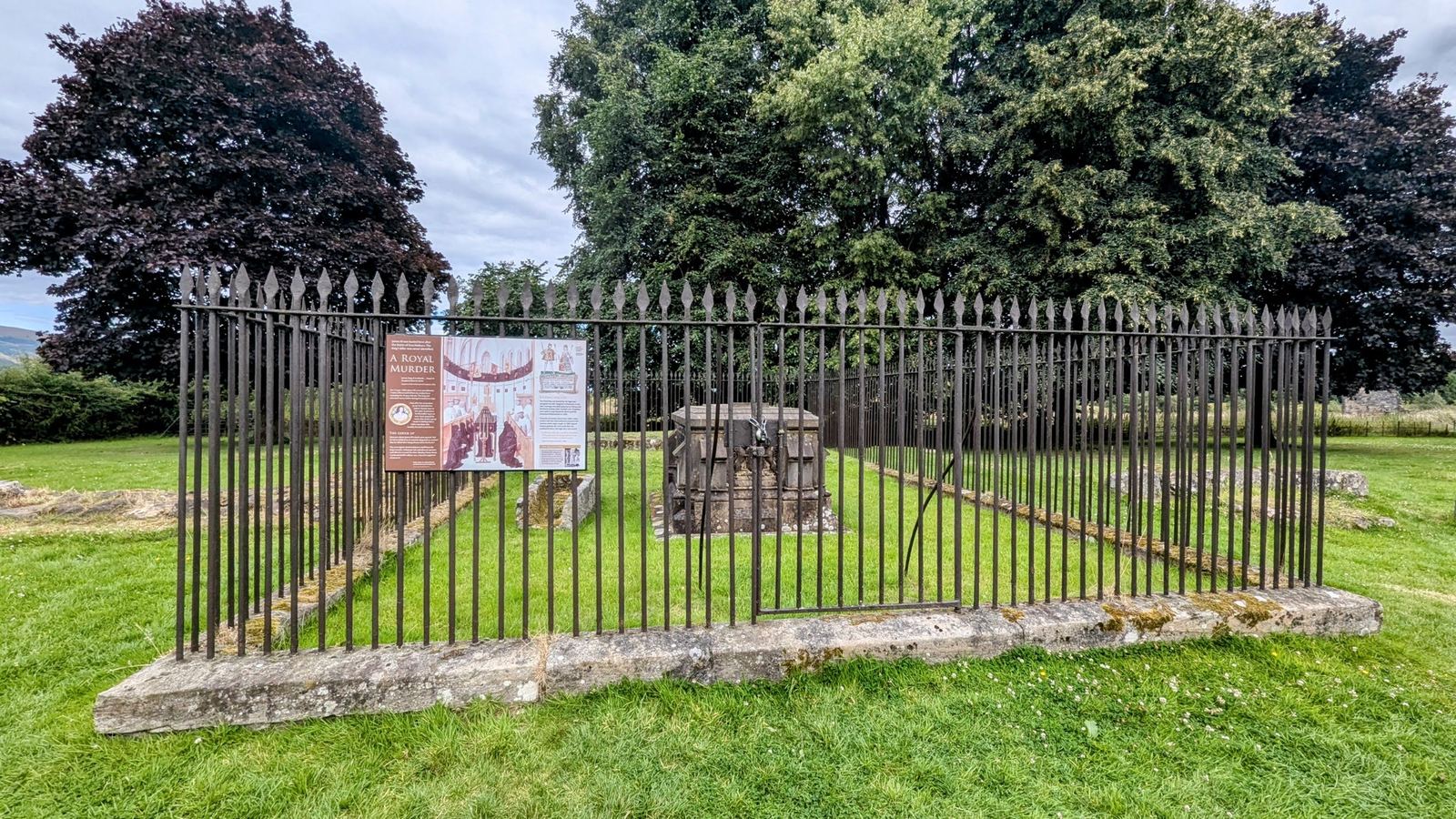
A short walk over a footbridge from the town, in a loop of the Forth, stand the ruins of Cambuskenneth Abbey, an Augustinian house founded around 1140 by David I. It punched well above its weight: Robert the Bruce held a parliament here in 1326, and James III and his queen, Margaret of Denmark, are buried here, their tomb restored by Queen Victoria. Little survives above ground now except the fine, tall bell tower — but the setting, in green meadows by the river with the castle on the skyline, is gorgeous and almost always deserted.
Walks & rides
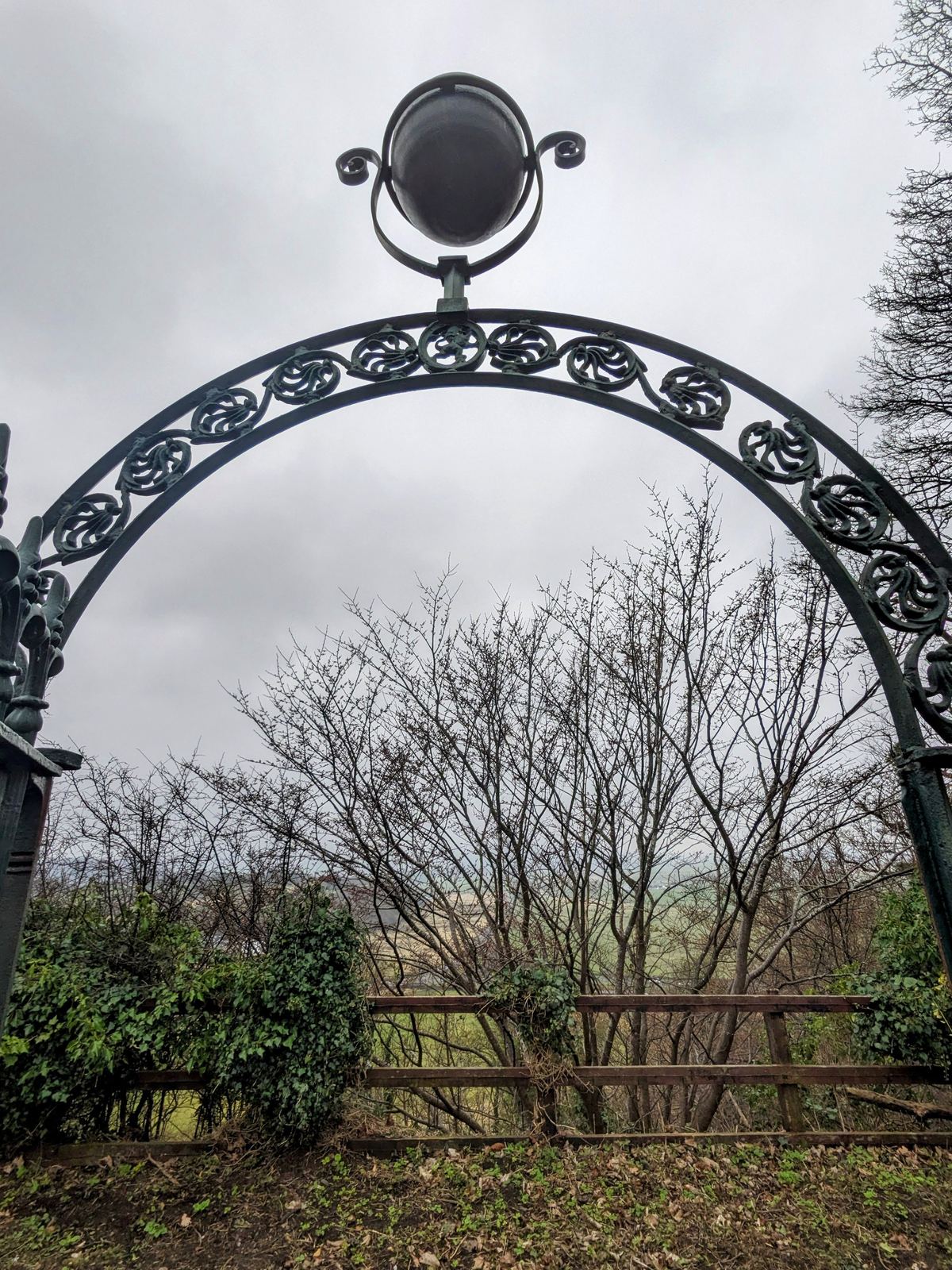
You could spend a day here and never pay to go inside anything. The essential free walk is the Back Walk — an 18th-century promenade that circles the whole old town below the castle rock, hugging the town wall, through the cemetery and out to viewpoints over the carse. Add the Old Town heritage climb (bottom of town up to the castle esplanade, past Mar’s Wark and the Holy Rude) and the Abbey Craig path up to the Wallace Monument, and you’ve a full, varied day on foot.
- 🚶 The Back Walk — roughly 1.5 miles, mostly gentle, right around the castle rock and the old town. The best free viewpoints in Stirling, and a proper sense of the medieval defences.
- 🚶 Abbey Craig / Wallace Monument — a short but steep woodland climb (or take the shuttle) to the tower; then 246 more steps if you go up inside.
- 🚶 Cambuskenneth Abbey — a flat, easy riverside stroll from town over the footbridge.
- 🚴 On two wheels — the flat carse and the riverside make for easy, quiet cycling, and Stirling links into the wider National Cycle Network toward the Trossachs and the Forth.
Coffee, cake & lunch
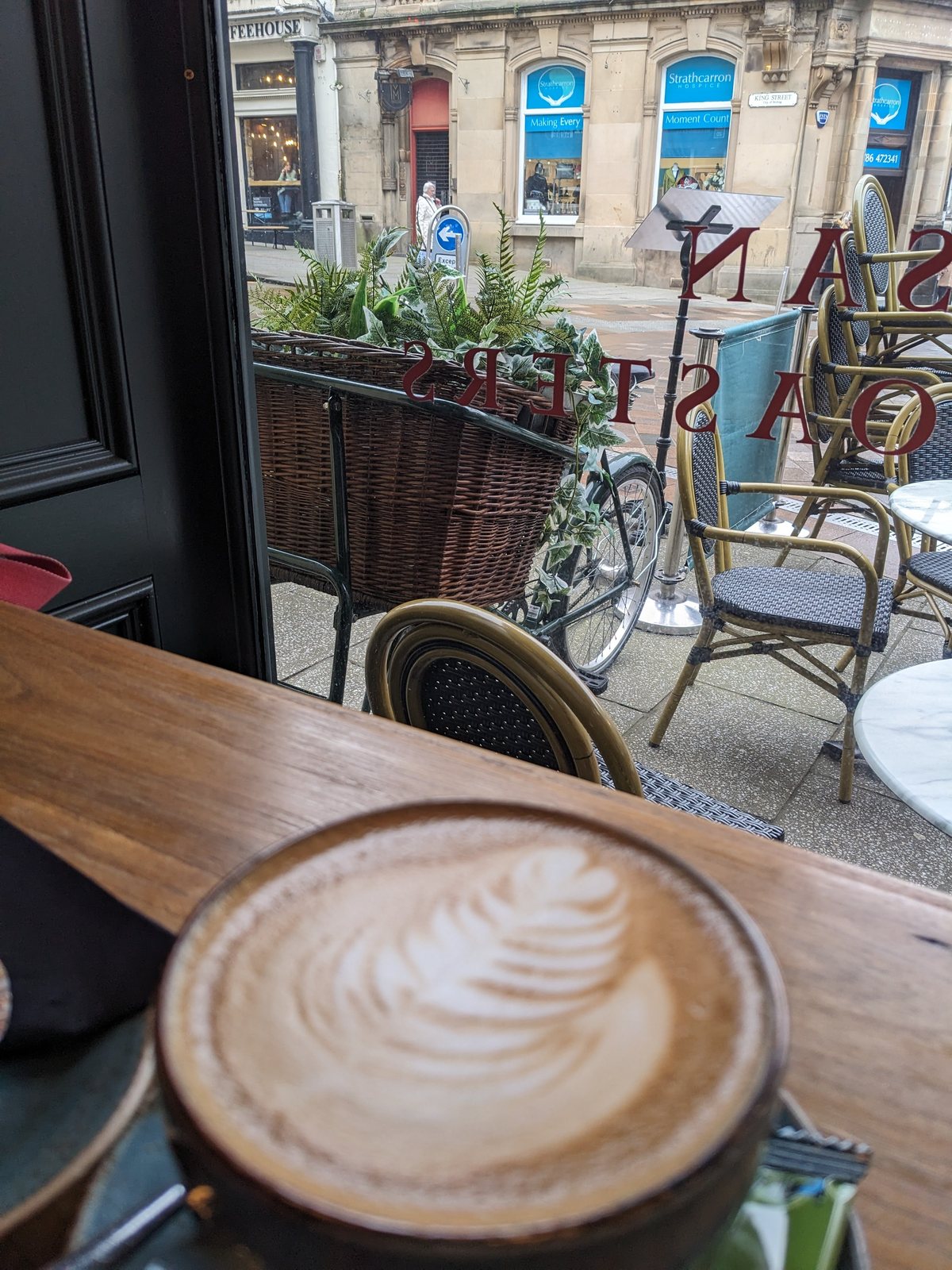
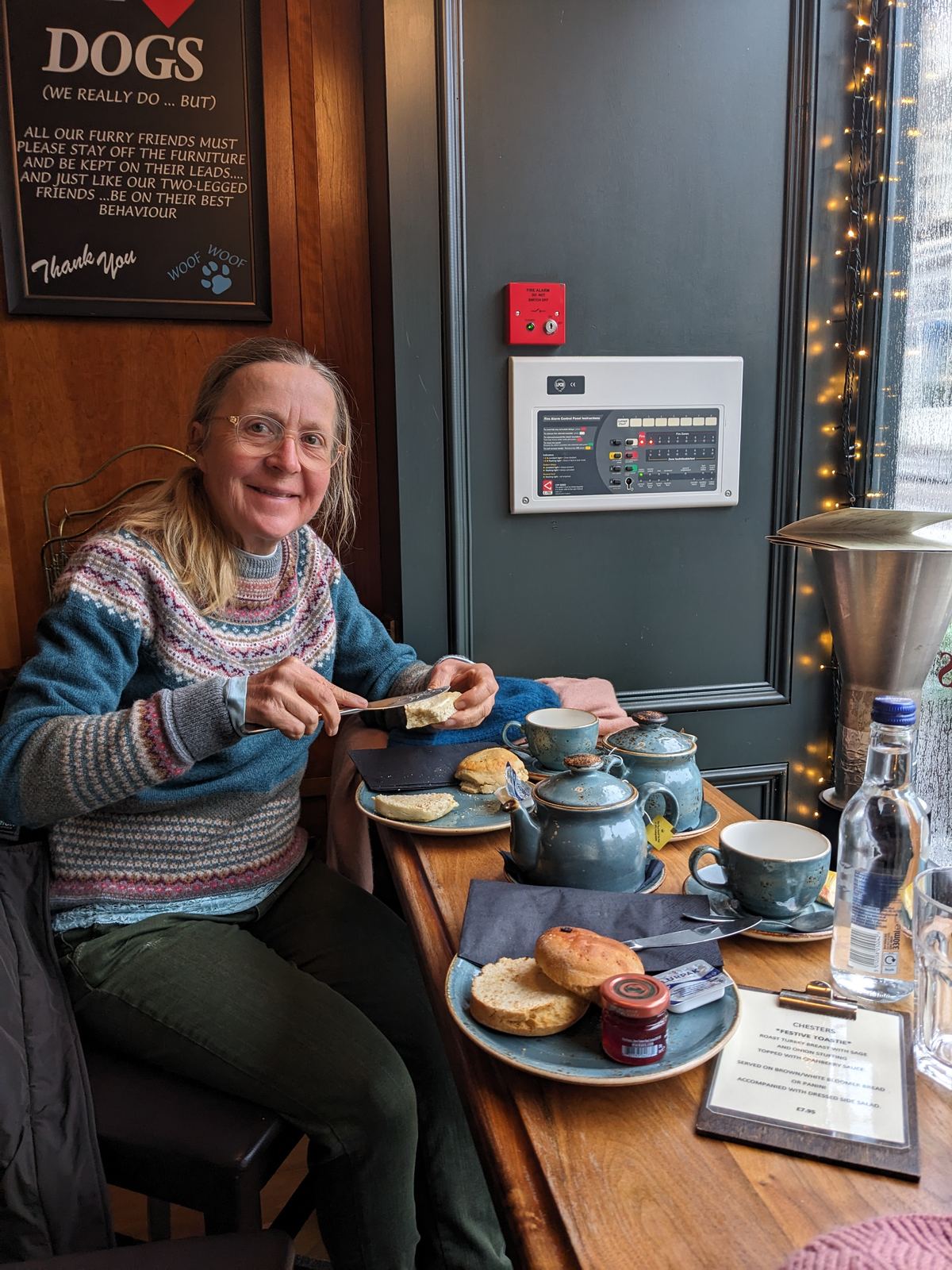
Stirling does the essentials very well. The Old Town and the streets around the Thistles centre are full of good independent coffee shops — and if you just want a quick, reliable fix, Greggs, Costa and Starbucks are all right in the centre too. We’ve never struggled to end a walk with a proper coffee and a slab of something. In winter we treated ourselves to a full afternoon tea, which felt exactly right after a cold morning on the ramparts.

Getting there & around
- 🚆 Trains — excellent: Stirling is a major rail hub with fast, frequent services to Edinburgh, Glasgow, Perth and beyond, and the station sits right in the town centre — a few minutes’ walk from the shops and the foot of the Old Town. One of the easiest historic day-trips in Scotland by rail.
- 🚌 Buses & coaches: regular services from Glasgow and Edinburgh, and direct coaches from Edinburgh Airport — genuinely handy if you’re flying in and want to start your Scottish trip somewhere with real history rather than a motorway junction.
- 🎓 A living university town: the University of Stirling sits in beautiful parkland just north of the centre, and its students keep the cafés, buses and buzz going all year round — this is a proper working town, not just a heritage stop.
- 🚗 Parking: there’s a car park up on the castle esplanade (limited, busy) and larger ones in the town centre; walk up from there.
- 🚐 Motorhome: a day-trip town for us — use the town-centre car parks, not the tight old-town streets. Nearest scenic overnights are out toward the Ochils and the Trossachs.
More from our visits
Nearby
- Bannockburn — the 1314 battlefield where Robert the Bruce won Scotland’s freedom, with a modern visitor centre, the rotunda and the great mounted Bruce statue, a couple of miles south.
- Doune Castle — a magnificent medieval keep and a screen superstar (Monty Python and the Holy Grail, Outlander‘s Castle Leoch, Game of Thrones), 8 miles north-west.
- Alloa and the Dollar Hillfoots — our home patch, along the foot of the Ochils to the east.
- Callander and the Trossachs — the gateway to the first National Park, north-west.
- Bridge of Allan — a genteel Victorian spa town just north, and the Blair Drummond Safari Park for families.
Best time to visit
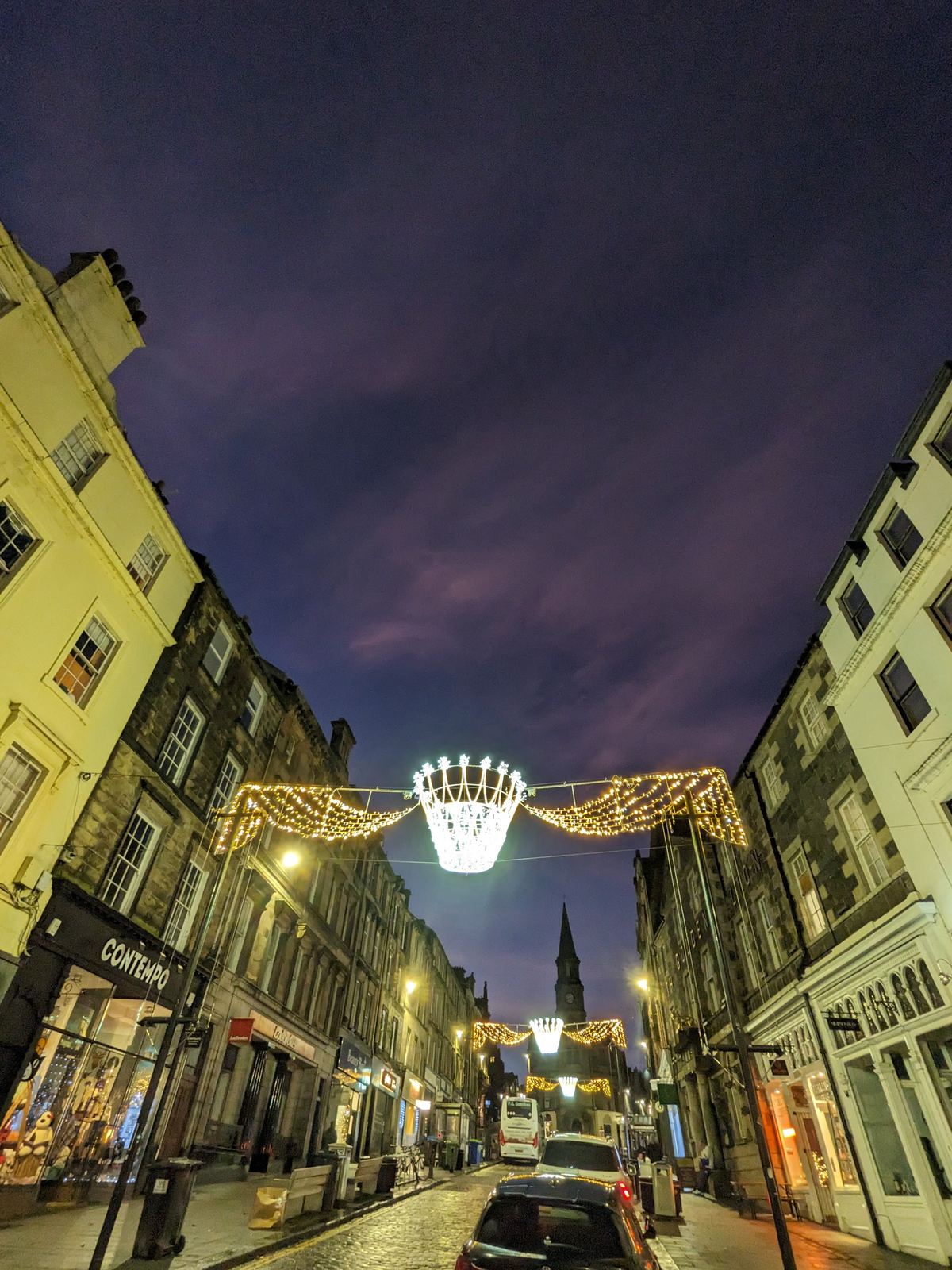
Year-round. The castle, the Holy Rude and the Old Town Jail are weather-proof; the walks and the cemetery are lovely in any season. Spring and autumn give the best light on the carse and the quietest ramparts, and Stirling makes a genuinely magical Christmas trip — the old town strung with lights, as we found it one December evening.
Why you’ll want a pack in Stirling
Stirling is a vertical town. The castle esplanade, the Back Walk under the old walls, the climb to the Wallace Monument — you gain and lose height all day, and you do it in a place where the weather off the Forth valley changes while you are inside a museum. A light pack that swallows a fleece and a waterproof, and stays comfortable on 246 steps up a Victorian tower, is the difference between a good day and a damp one.
☔ Stirling stands at the gateway to the Highlands and takes its weather cue from them: from September to June the rain comes most days, whenever it pleases. A clear morning under the castle rock can be a downpour by the time you reach the Wallace Monument. The locals you pass carry a daypack with a lightweight waterproof — over-trousers too when it means business — and a compact umbrella. On foot or by bike, do the same and the city stays a pleasure whatever falls.
MOUNTAINTOP 80L Waterproof Rucksack
If Stirling is your launchpad for the Highlands, this 80-litre waterproof rucksack is the workhorse for the trips beyond — masses of room, a rain cover for the inevitable downpour, and comfortable enough for a full day under load.
Check price on Amazon
Where we stand
- 🏰 Castle: paid entry (HES) — an Explorer Pass or membership covers it plus dozens of others; allow 2–3 hours. Check opening before you go.
- 💷 Free Stirling: the Old Town, the Holy Rude, both cemeteries, the Back Walk, Cambuskenneth Abbey and Mar’s Wark are all free — you can have a superb day without paying to go inside anything.
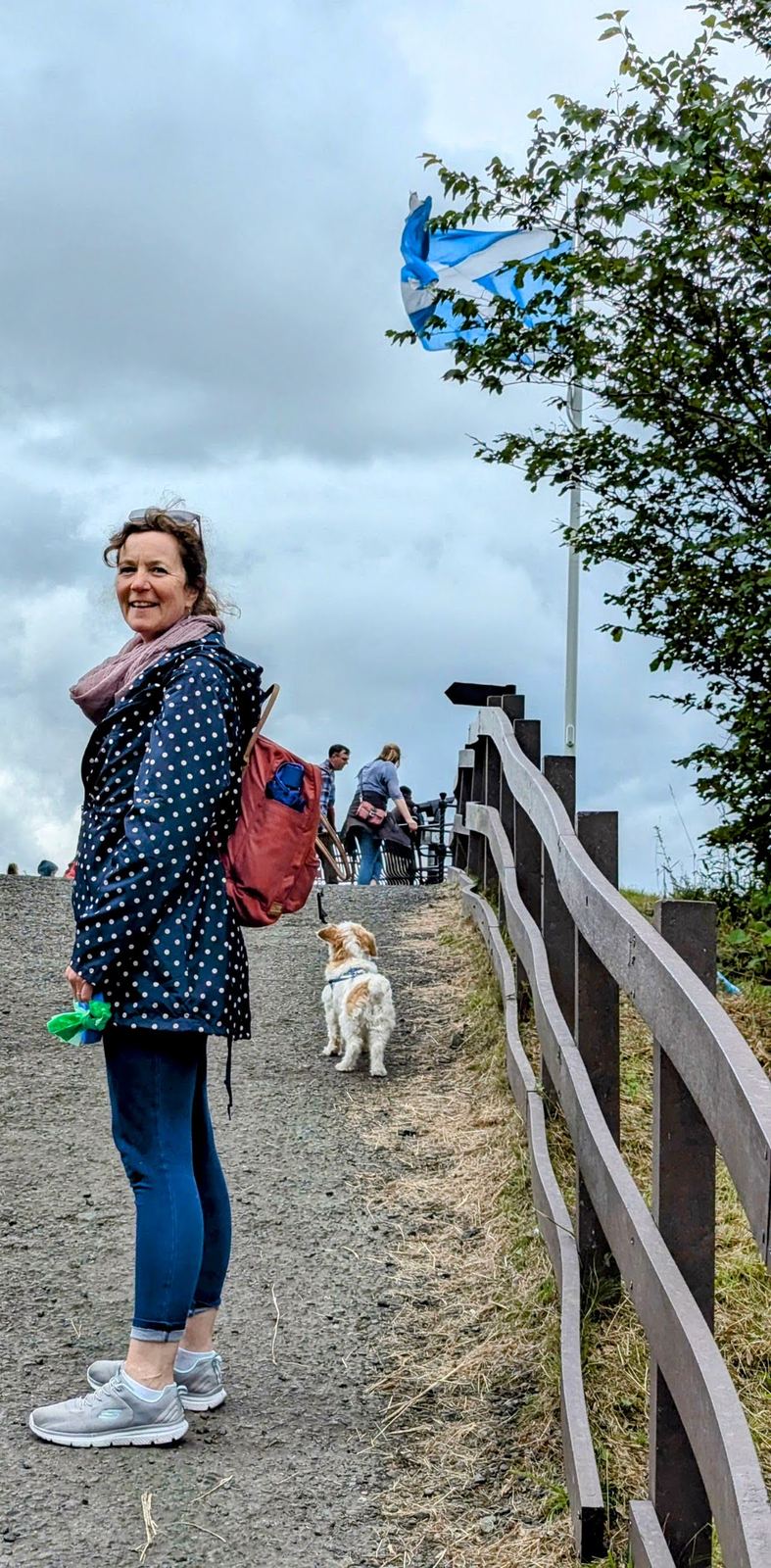
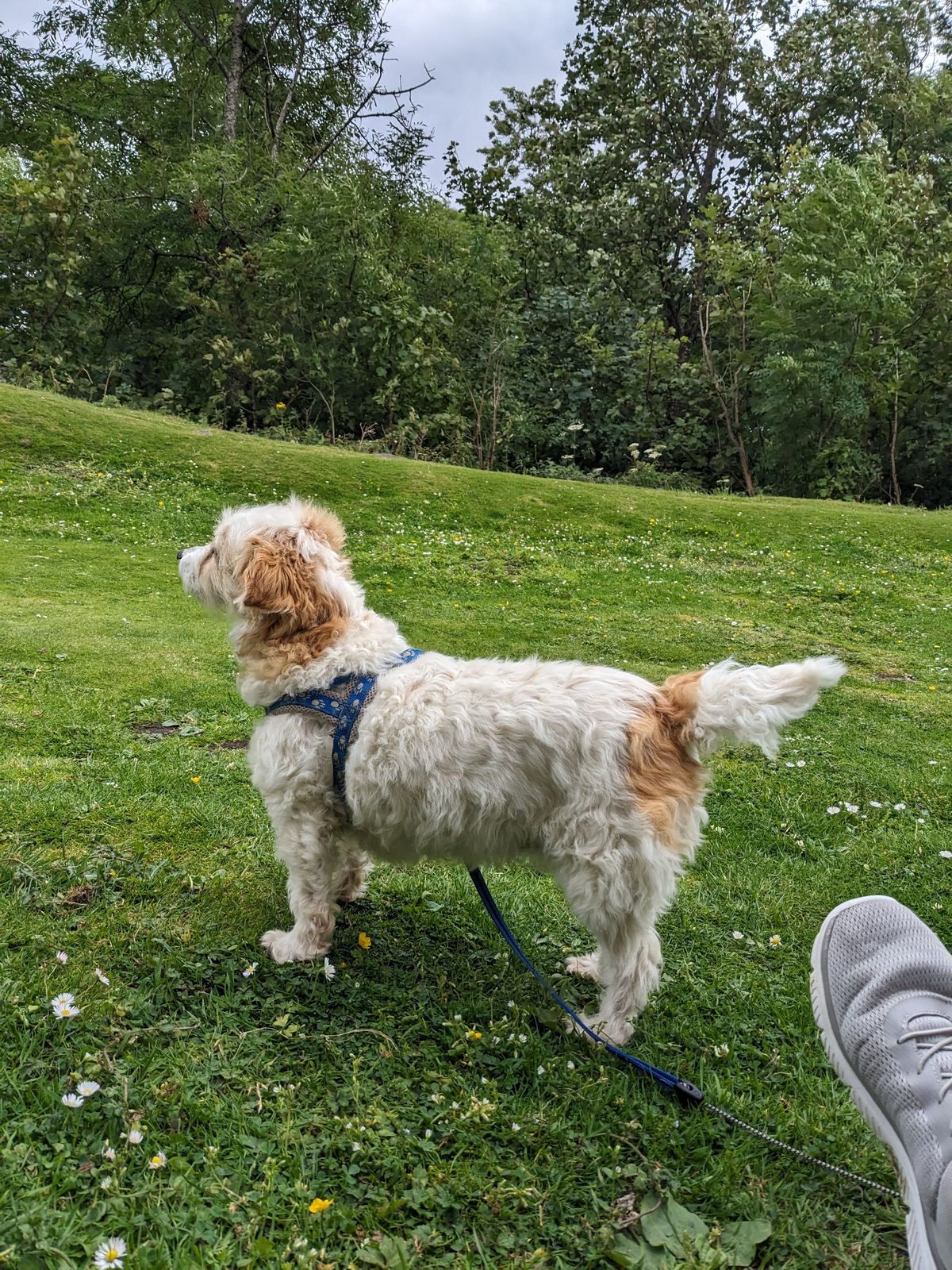
- 🐕 Dogs: brilliant for the Back Walk, the cemetery and the Old Town on a lead; the castle and monument have their own rules. Lillie has walked all the outdoor bits.
- 🚆 Car-free friendly: one of the best rail day-trips in the country — leave the van.
- 📸 What you’re seeing: all our own photos over several visits — the castle and its views, the Wallace Monument, Cambuskenneth, the Old Town and its cemetery, and the town under Christmas lights.