Dalrigh: The Battle Where Bruce Lost the Brooch of Lorn
Overview — the King’s Field
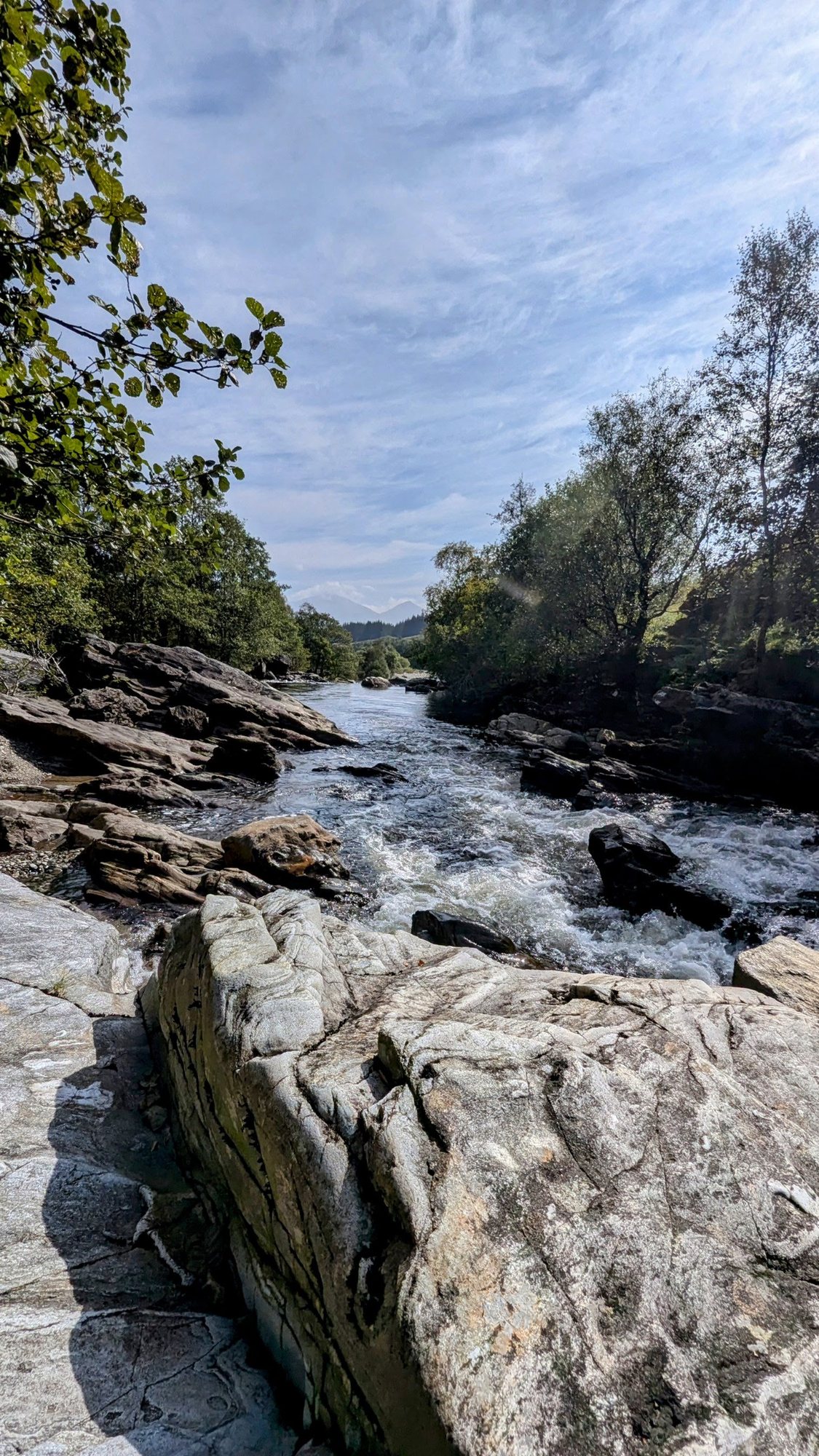
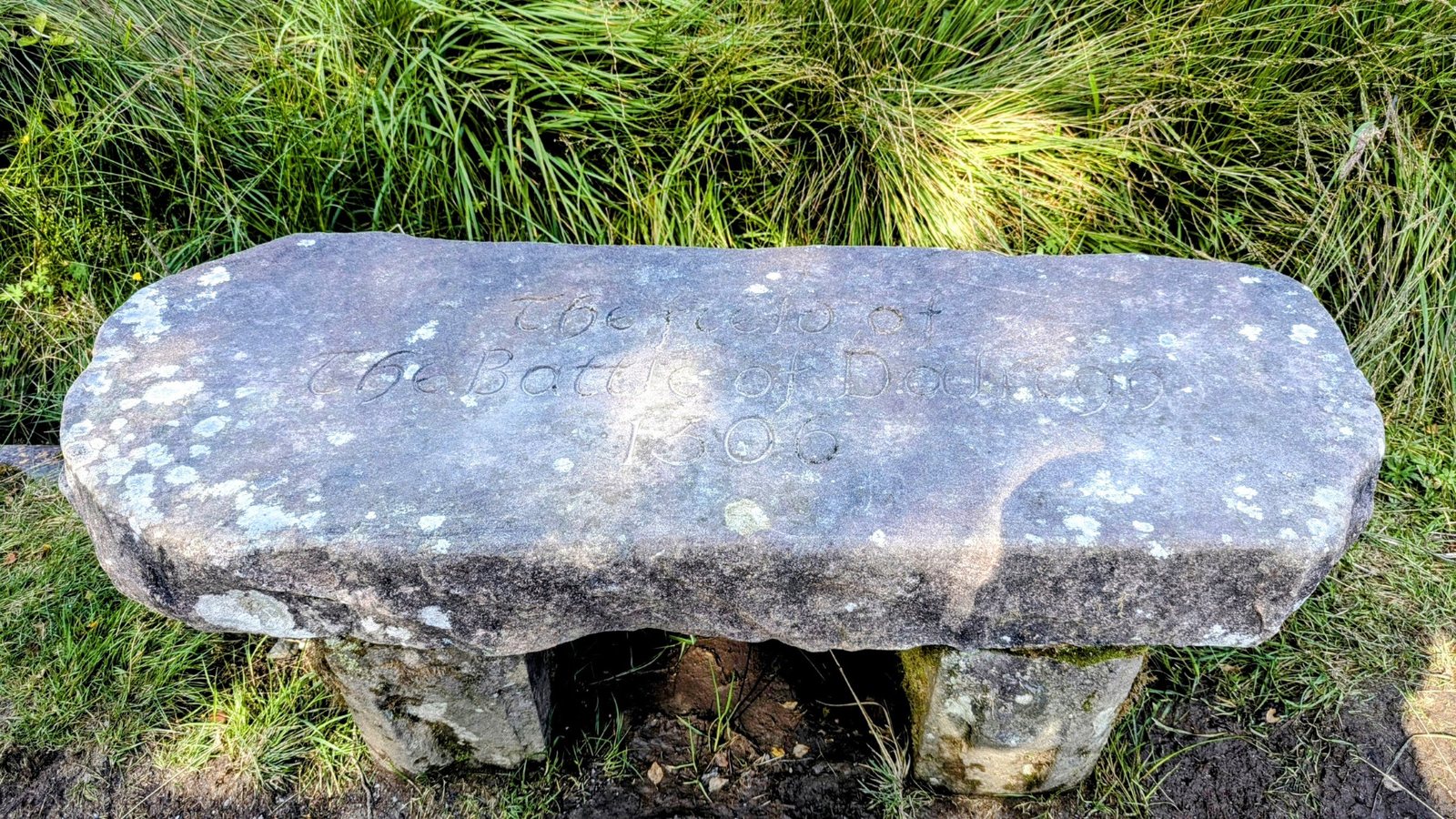
Dalrigh — in Gaelic Dail Rìgh, “the King’s Field” — is a quiet spot on the West Highland Way just south-east of Tyndrum, where the River Cononish runs down out of the hills. Most walkers pass straight through. But in the summer of 1306 this was the site of a battle that nearly finished Robert the Bruce — and it gave Scotland one of its most famous relics.
The battle, 1306
Bruce had been crowned king at Scone that spring, then shattered at the Battle of Methven by the English. He fled west with a small, exhausted band. At Dalrigh he ran straight into the MacDougalls of Lorn — no friends of his, for their chief John of Lorn was kin to the Red Comyn, the rival Bruce had stabbed to death in a Dumfries church only months before. The MacDougalls fell on the king’s party and mauled it badly, and Bruce was lucky to escape into the hills.
The Brooch of Lorn
The clan’s proudest story comes from that fight. As Bruce covered his men’s retreat, three MacDougall brothers are said to have seized him. He cut them down — but as the last man fell, dying, he kept his grip on the king’s cloak and tore the great brooch clean off it. That brooch — the Brooch of Lorn — is still held by the MacDougall chiefs at Dunollie, near Oban to this day, one of the oldest clan relics in Scotland.
The Lochan of the Lost Sword
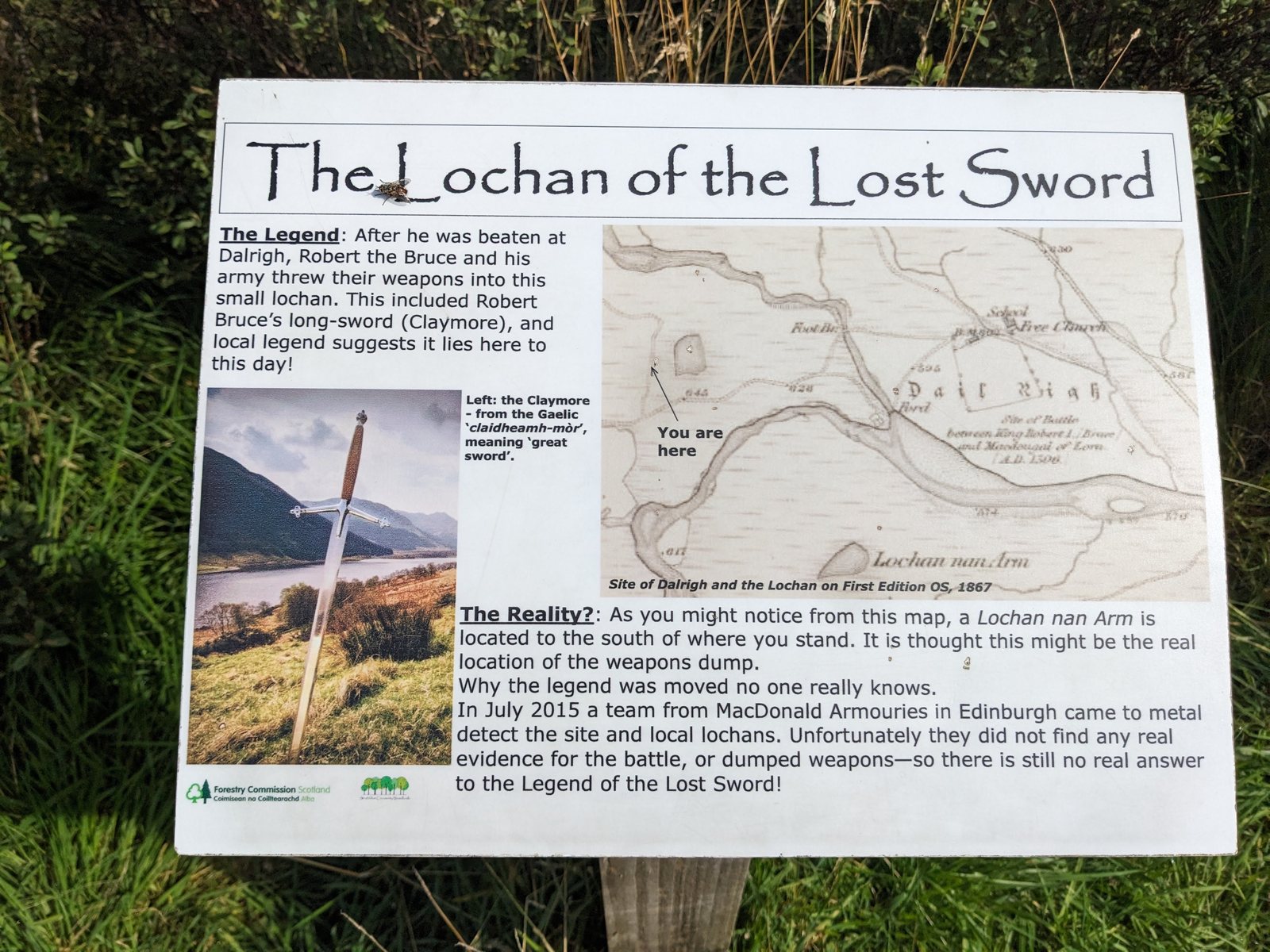
The other Dalrigh legend is at the little lochan nearby, Lochan nan Arm — “the lochan of the weapons.” As they fled, Bruce’s men are said to have thrown their heavy weapons — including the king’s own great two-handed sword — into the water, both to lighten the run and to keep them from enemy hands. Local tradition says the sword lies there still.
The walk today
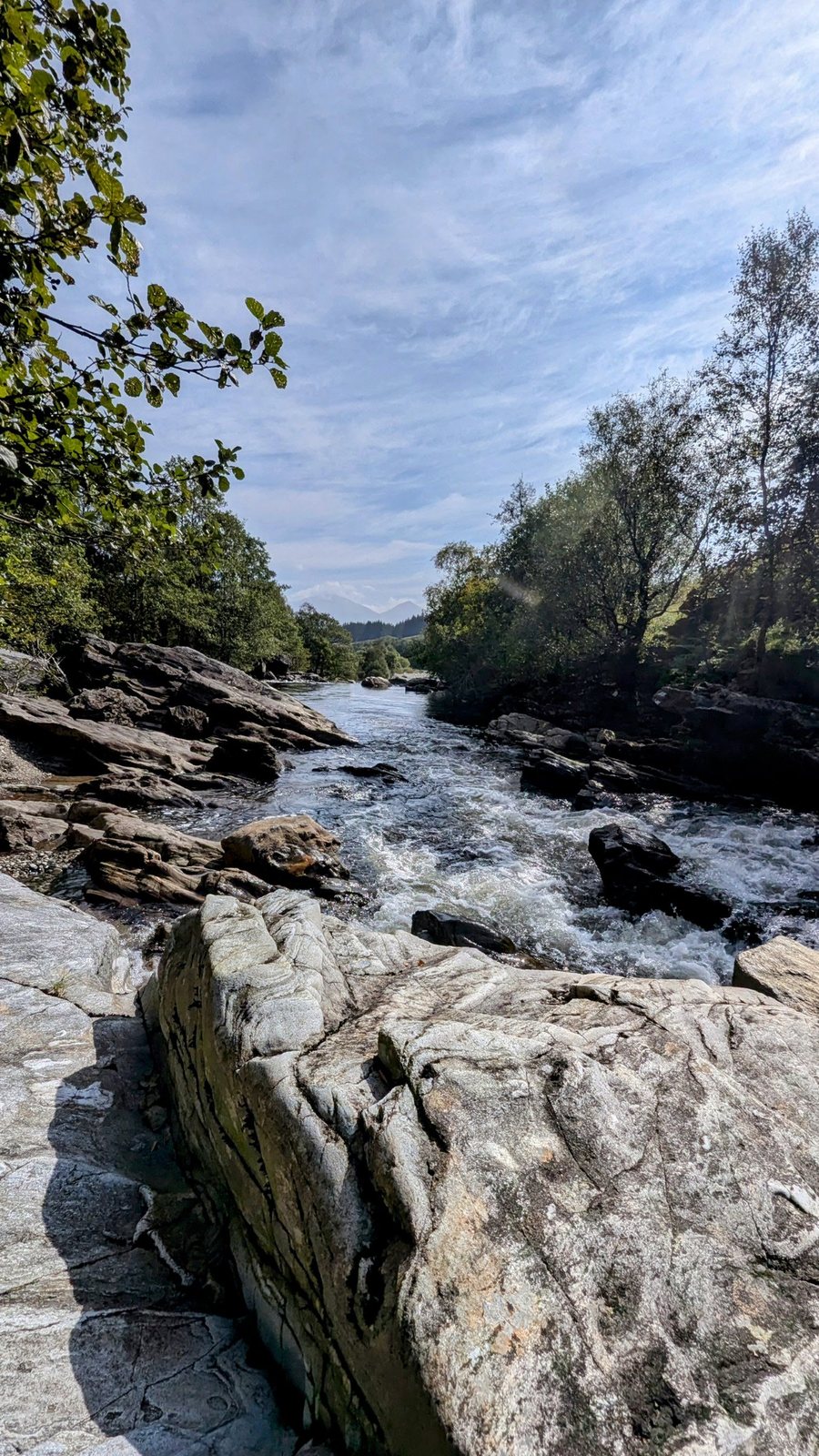
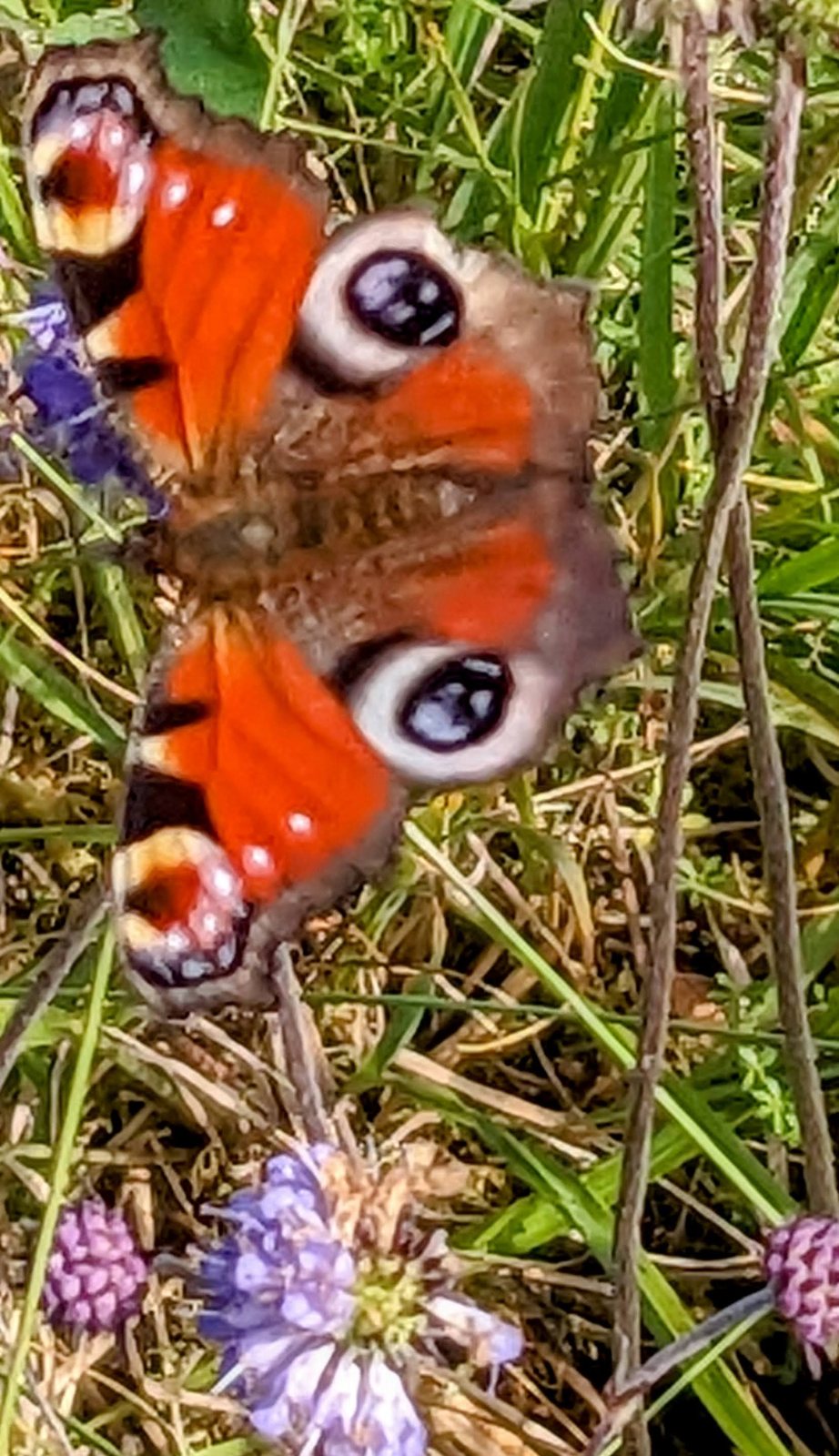
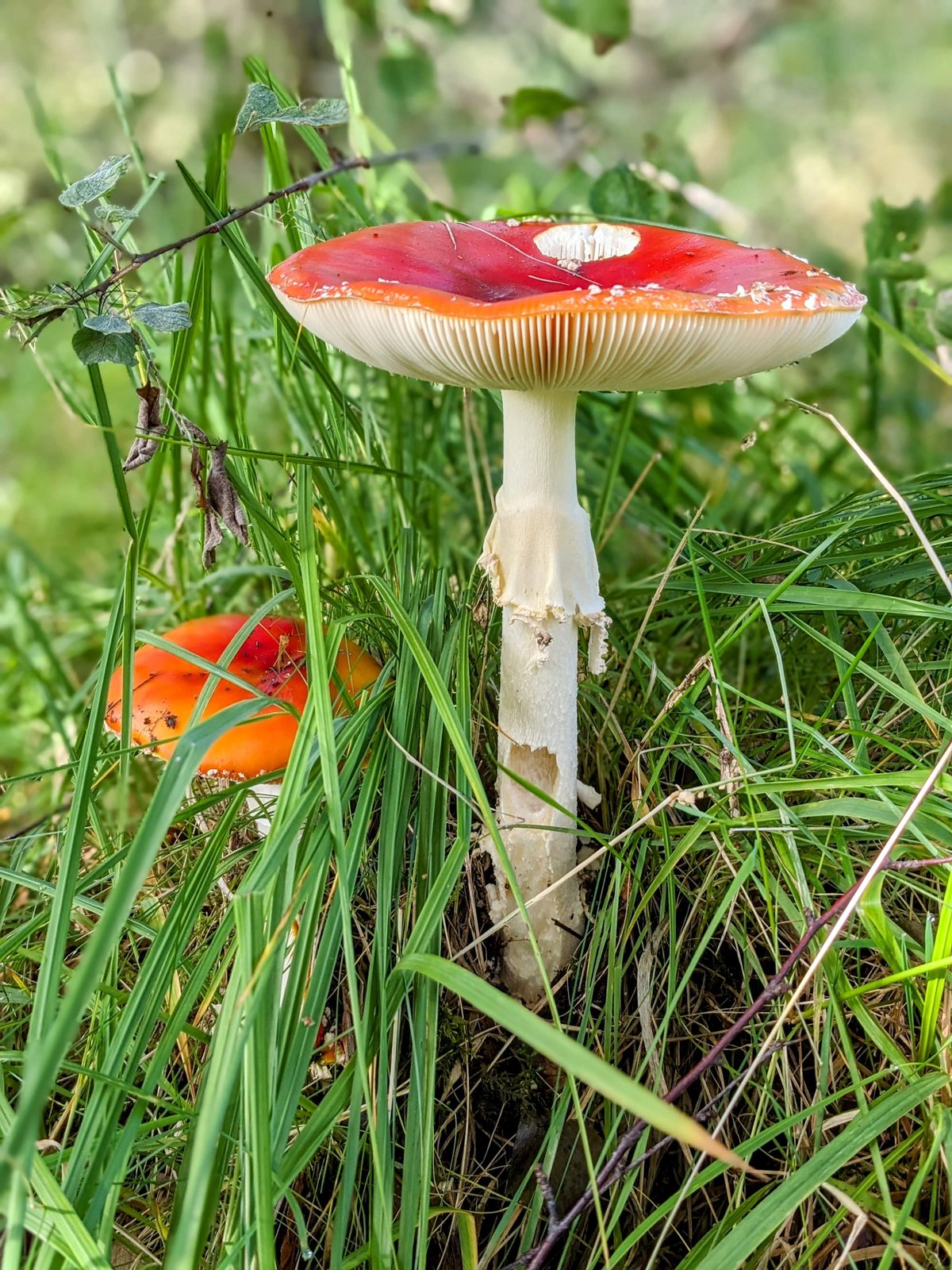
There’s no monument and no crowd — just the West Highland Way threading through, the river running clear off the Cononish hills, and the quiet you’d want for a place with a story like this. It’s an easy, lovely stretch, and as good for the wildlife as for the history.
Nearby & related: Killin (and its Kinnell Estate) and St Fillan lie just down Strath Fillan; the story ties to Clan Bruce and the country of Loch Awe, heart of the old MacDougall lordship of Lorn.
Sources
- First-hand: our own walk at Dalrigh (all photos our own)
- On-site interpretation board (Killin/Loch Lomond & the Trossachs National Park) · Battle of Dalrigh — Wikipedia