Clan MacDougall: The Lords of Lorn & the Brooch of Lorn
The clan by the numbers
| First on record | Descended from Dougall, son of Somerled (d. 1164) — a documented 12th-century origin |
| Peak fighting strength | The 13th-century Lords of Lorn were the dominant Hebridean sea-power — but no reliable head-count of their medieval strength survives |
| People bearing the name today | ~2,270 in Scotland, ~20,300 worldwide (estimate) |
The MacDougalls’ medieval peak as Lords of Lorn is best told qualitatively — no reliable muster survives, and a “~200 (1745)” figure is weakly sourced. Surname totals are estimates.
Overview — the clan that ruled a sea-kingdom
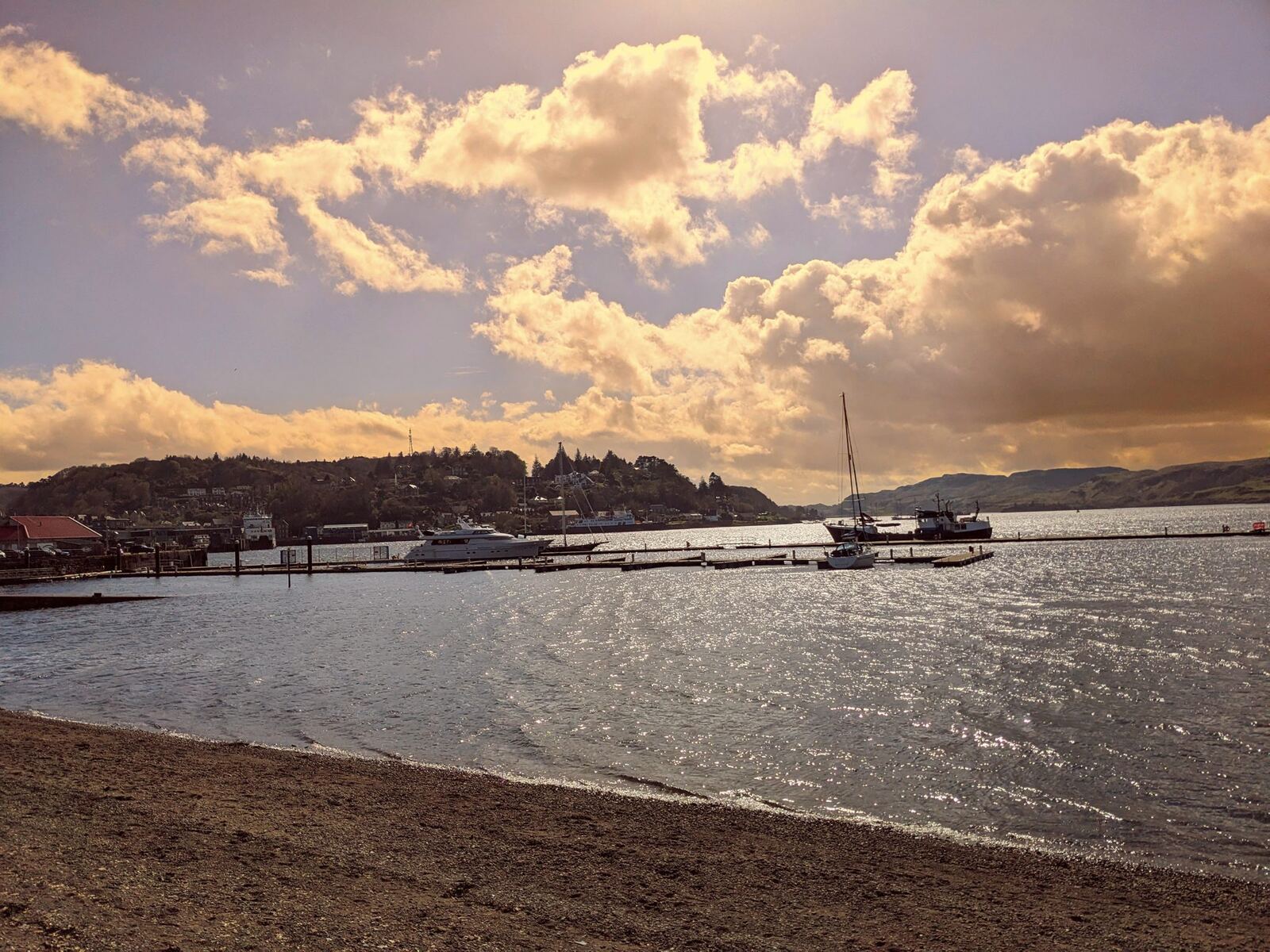
Clan MacDougall was, in the 1200s, one of the most powerful families in all Scotland — the Lords of Lorn, ruling a sea-kingdom of the southern Hebrides from a ring of castles around Oban. Then they backed the wrong side against Robert the Bruce, and it cost them nearly everything. Their vast lands passed to the rising Campbells — but the chiefs endure at Dunollie to this day, still keepers of the famous Brooch of Lorn.
The name & the origins
The Gaelic name is Clann Dhùghaill — “the children of Dougall (Dubhghall).” He was the eldest son of Somerled, the great 12th-century Lord of Argyll and the Isles who broke Norse power in the west. That makes the MacDougalls the senior line of Somerled’s house — older than Clan Donald, who descend from Somerled’s grandson. Dougall’s share was Lorn and the isles of Mull, Lismore and Kerrera.
The Lords of Lorn
At their height the MacDougalls held Lorn, Loch Awe and Loch Etive, and a string of great strongholds — Dunollie and Dunstaffnage, Gylen on Kerrera, Ardchattan. They were sea-lords with a fleet of galleys, masters of the western seaways, powerful enough that Ewen of Lorn was courted by the kings of both Scotland and Norway.
The great fall — Bruce, and the Brooch of Lorn
Their undoing was their feud with Robert the Bruce. John of Lorn (“John the Lame”) was kin to the Red Comyn, whom Bruce had murdered in 1306 — so the MacDougalls became his bitterest enemies. They mauled Bruce at the Battle of Dalrigh that year, and as the king covered his men’s retreat a dying MacDougall tore the Brooch of Lorn from his cloak.
But when Bruce’s fortunes turned, he came for them. At the Battle of the Pass of Brander (around 1308), on the slopes above Loch Awe, Bruce and the Campbells ambushed and shattered the MacDougall army. The clan was forfeited, and their lands of Lorn and Loch Awe passed largely to the Campbells — the making of one house, the breaking of the other.
Dunollie, and the survival of the line
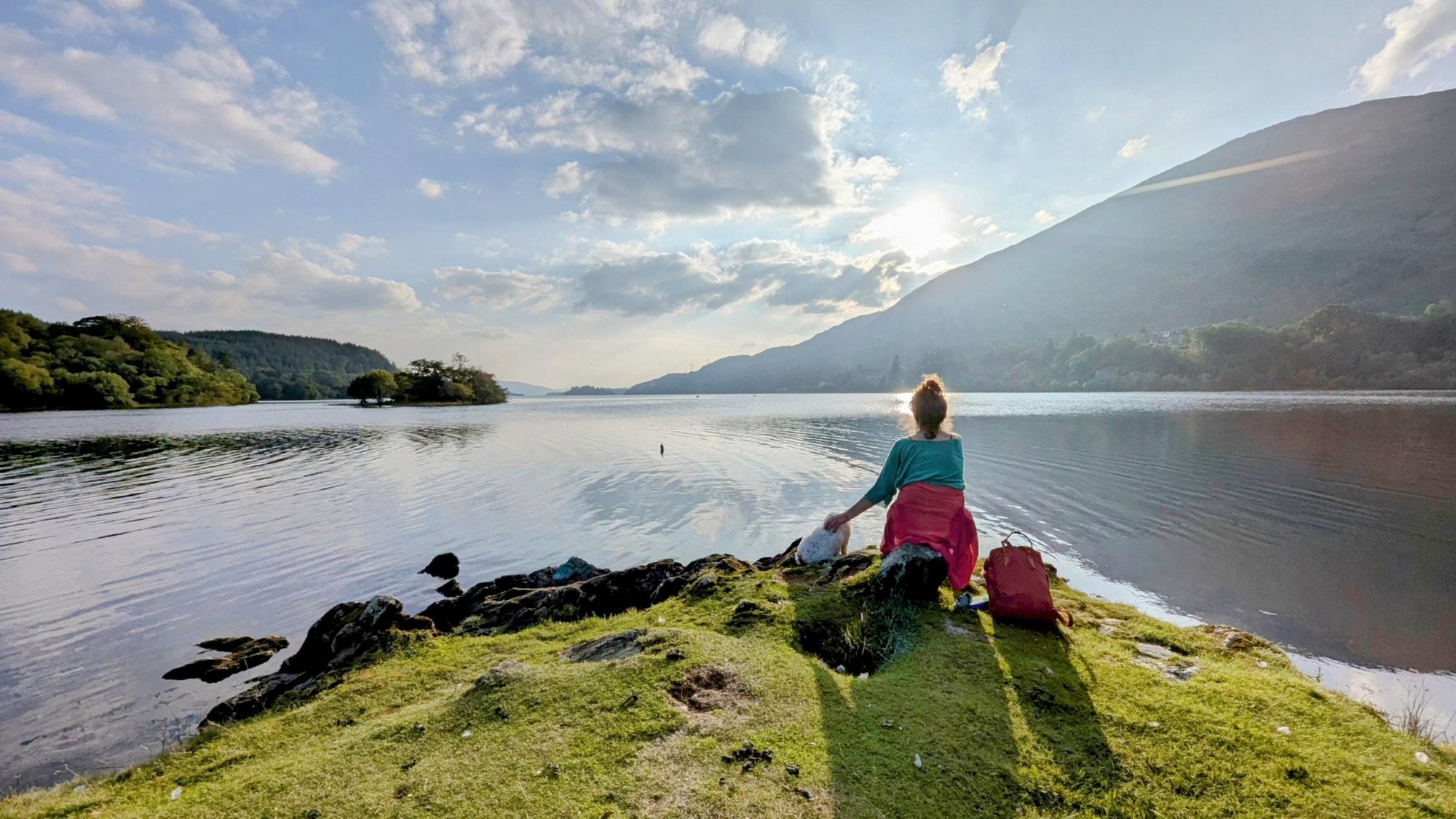
The chiefs clung on at Dunollie Castle, above Oban Bay. Later loyalty won back some ground, and the MacDougalls of Dunollie — MacDougall of MacDougall — are still there today, one of the very few Highland chiefly families never fully parted from their ancestral seat. And in the house beside the old castle they still keep the Brooch of Lorn, torn from a king seven centuries ago.
Motto & badge
The MacDougall motto is “Buaidh no Bàs” — “Victory or Death.” The plant badge is bell heather, and the crest an armoured arm holding a cross.
MacDougall country on our travels
- Oban — the clan’s heart on the bay, with Dunollie on the headland above.
- Dalrigh — the 1306 battle where they took the Brooch of Lorn from Bruce.
- Loch Awe — the Pass of Brander, where their lordship fell.
← Back to Scottish Clans · see also Clan Campbell (who rose on their ruin) and Clan Donald (the junior line of Somerled).
Battles — won and lost
The most notable actions the clan fought, and how they ended:
- Dalrigh (1306) — vs Robert Bruce (the Brooch of Lorn) — WON
- Pass of Brander (c. 1308–09) — vs Robert Bruce (clan power broken) — LOST
- Bannockburn (1314) — vs the Scots (on the anti-Bruce side) — LOST
- Culloden (1746) — vs the government — LOST
Kin-by-marriage of the murdered Red Comyn, the MacDougalls were Bruce’s enemies — the feud that cost them Lorn.
The clan lands
Orange markers = the clan’s chief castles, seats and territories; where we have a page, they link through.
Explore Scottish Outposts
Clans · Whisky · Castles · Lochs · Kirks & Cathedrals · Standing Stones · Metal Detecting · Trips So Far
Sources
- First-hand: our own visits to Oban, Loch Awe and Dalrigh (own photos)
- Standing Council of Scottish Chiefs · Clan MacDougall — Wikipedia