Loch Leven & Kinross: Mary Queen of Scots’ Prison Loch & a Great Walk Round the Water
Overview — a queen’s prison and a brilliant loch walk
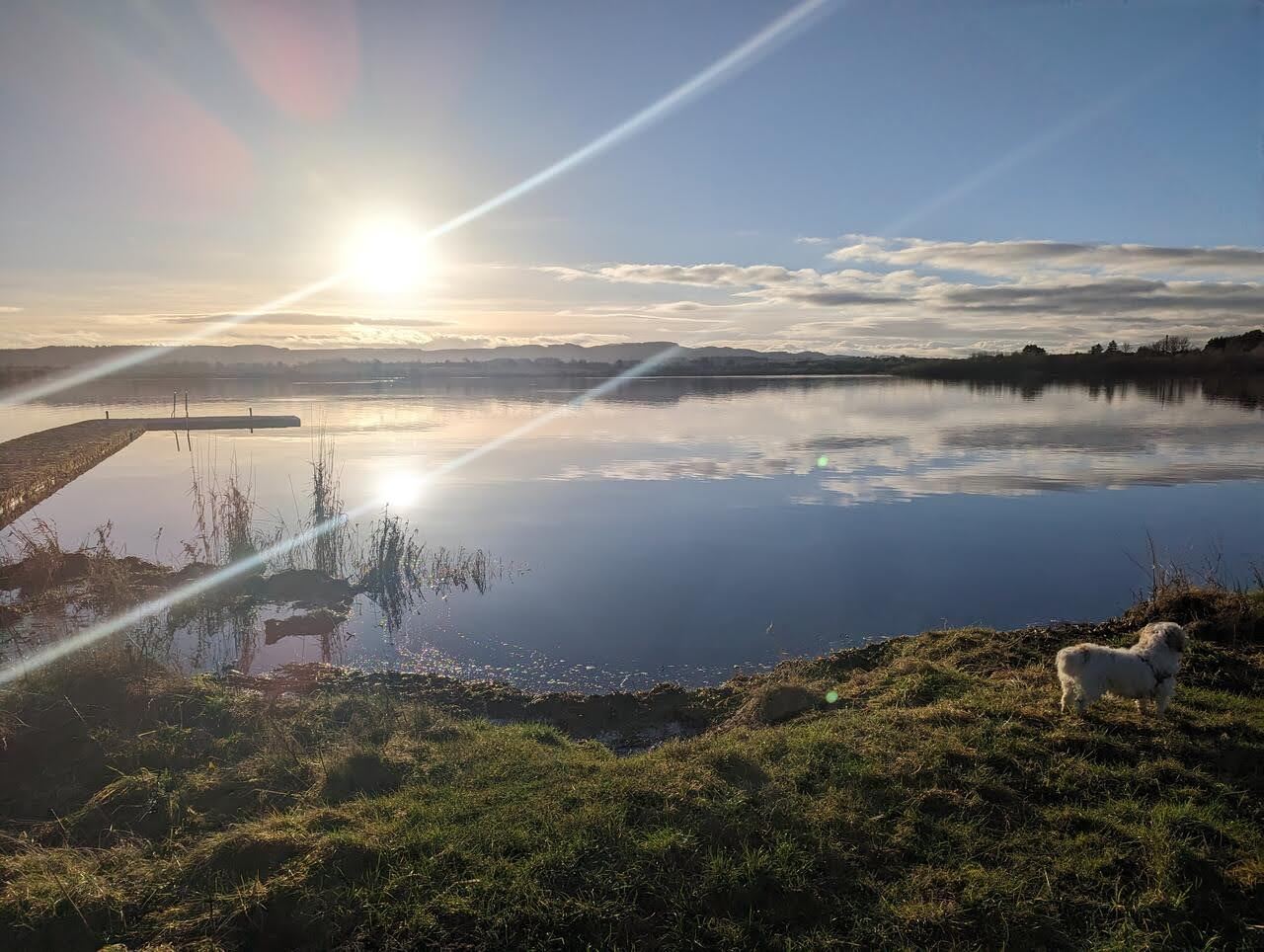
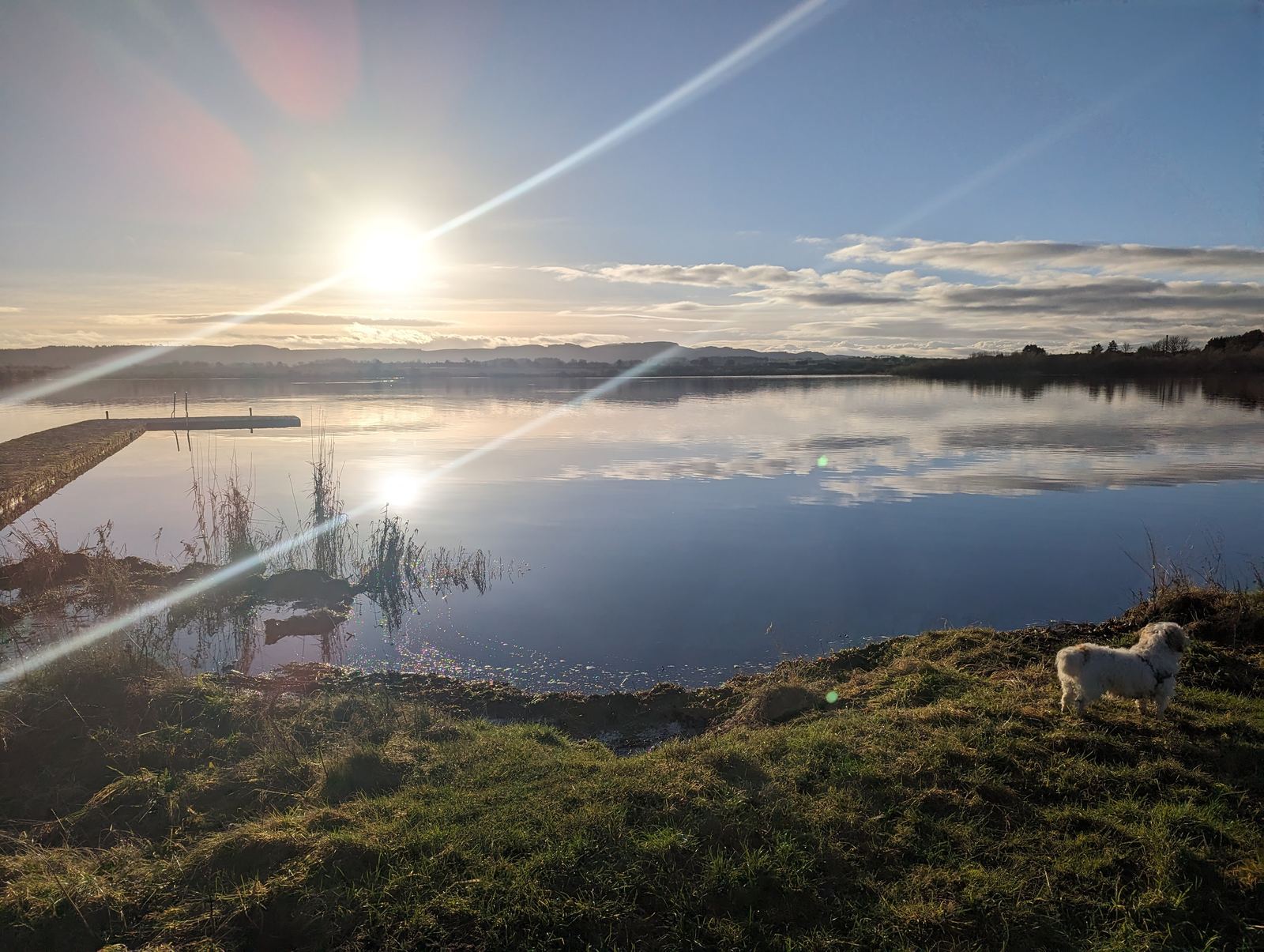
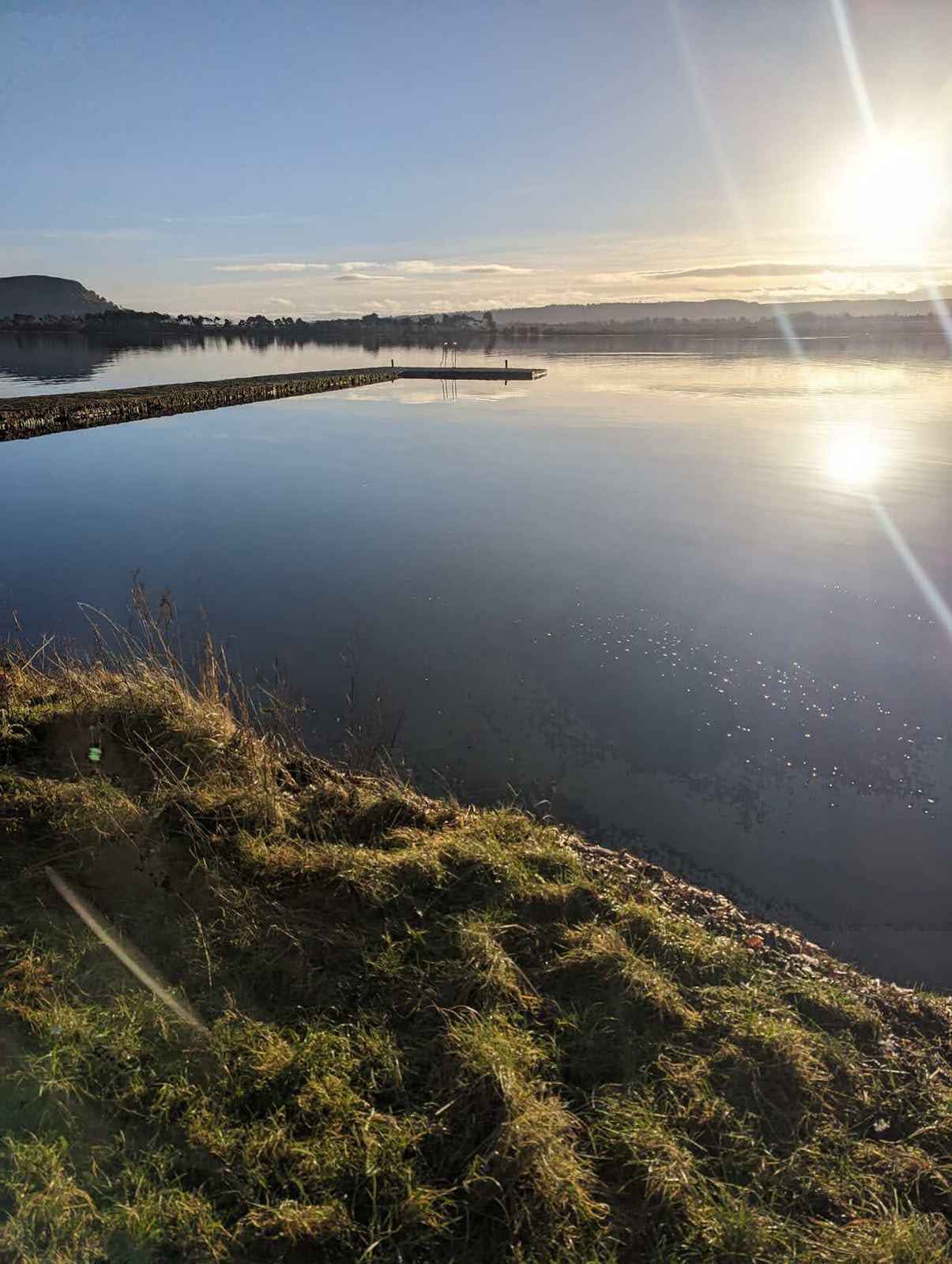
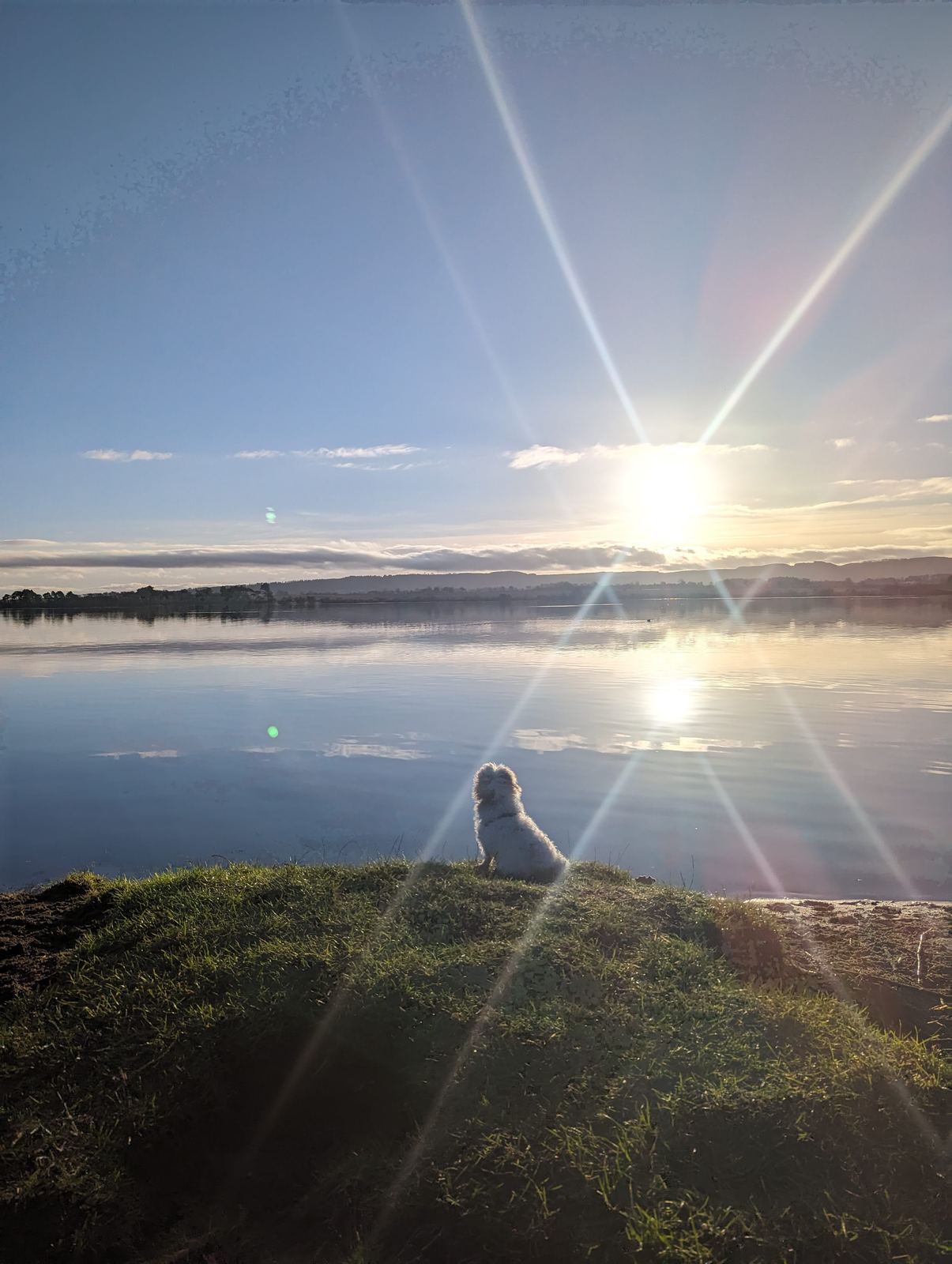
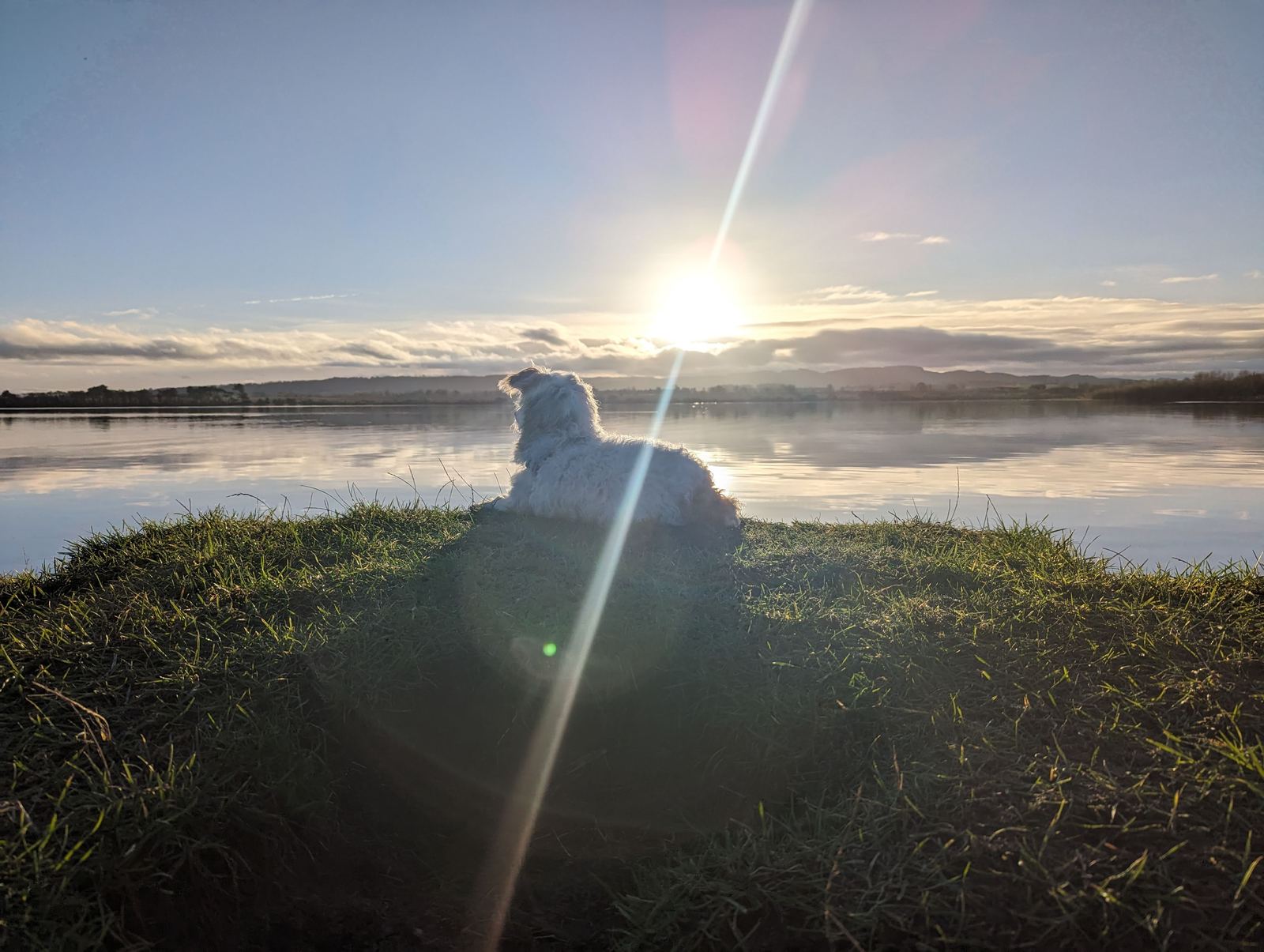
Loch Leven, at Kinross, is one of those places where huge history and everyday joy sit side by side. On a little island out in the water stands Loch Leven Castle — the grim island prison where Mary Queen of Scots was locked up, forced to give up her crown, and from which she made one of the most famous escapes in Scottish history. And wrapped right around the same loch is a flat, easy 13-mile trail that has become one of the best-loved walks and cycles in central Scotland, alive with tens of thousands of wild geese in winter. We came on a still, frosty morning, walked the shore and into town, and had the loch throwing back the sunrise the whole way. A proper stop.
Where it is
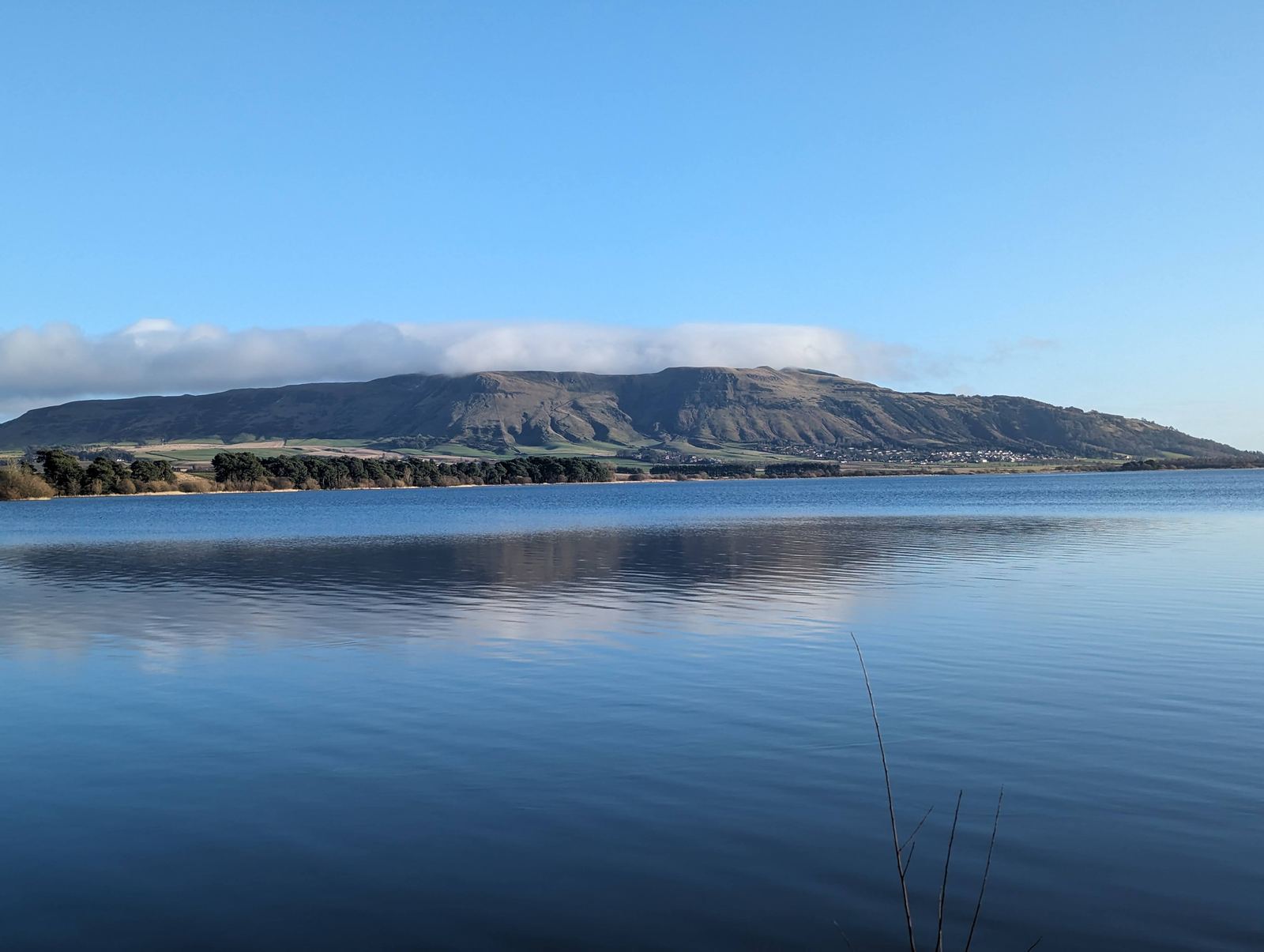
Loch Leven sits right beside Kinross, in Perth & Kinross, immediately off the M90 about 30 minutes north of Edinburgh and 20 south of Perth — which makes it one of the easiest good stops in the whole of central Scotland, whether you’re heading for the Highlands or the Fife coast just east. The loch and its shores are a National Nature Reserve, one of the most important freshwater wildlife sites in Britain.
Loch Leven Castle & Mary Queen of Scots
This is the big story. In June 1567, after her disastrous marriage to Bothwell and defeat by the rebel lords, Mary Queen of Scots was brought as a prisoner to Loch Leven Castle — a tower on a small island, owned by the Douglas family, chosen precisely because water made it so hard to escape. She was pregnant when she arrived; within weeks she miscarried twins, and while she was still weak and grieving she was forced to abdicate in favour of her one-year-old son, who became James VI (later also James I of England).
But Mary had a way of turning heads. Over the long months of her captivity she won over the family’s young men — George Douglas, the laird’s brother, and a teenage page called Willie Douglas. On the evening of 2 May 1568, during supper, Willie palmed the castle keys, quietly locked the gates behind them, smuggled Mary down to a boat and rowed her across the loch to freedom, dropping the keys in the water as they went. She raised an army within days — but after defeat at Langside she fled south into England, and never set foot in Scotland again. Nineteen years later, Elizabeth I had her executed.
The castle still stands on its island, in the care of Historic Environment Scotland, reached by a little ferry from Kinross pier — but only in the summer season. We were here on a frosty winter’s day with the boat long tied up, so we did what you do out of season: admired the island from the shore, and let the loch tell the story. If you want to actually land on the island and stand where Mary was held, come between spring and autumn and check the ferry times. The full story — the medieval sieges, the 300 years of Douglases and Mary’s midnight escape — is on our dedicated Loch Leven Castle page.
The Heritage Trail — the walk round the loch
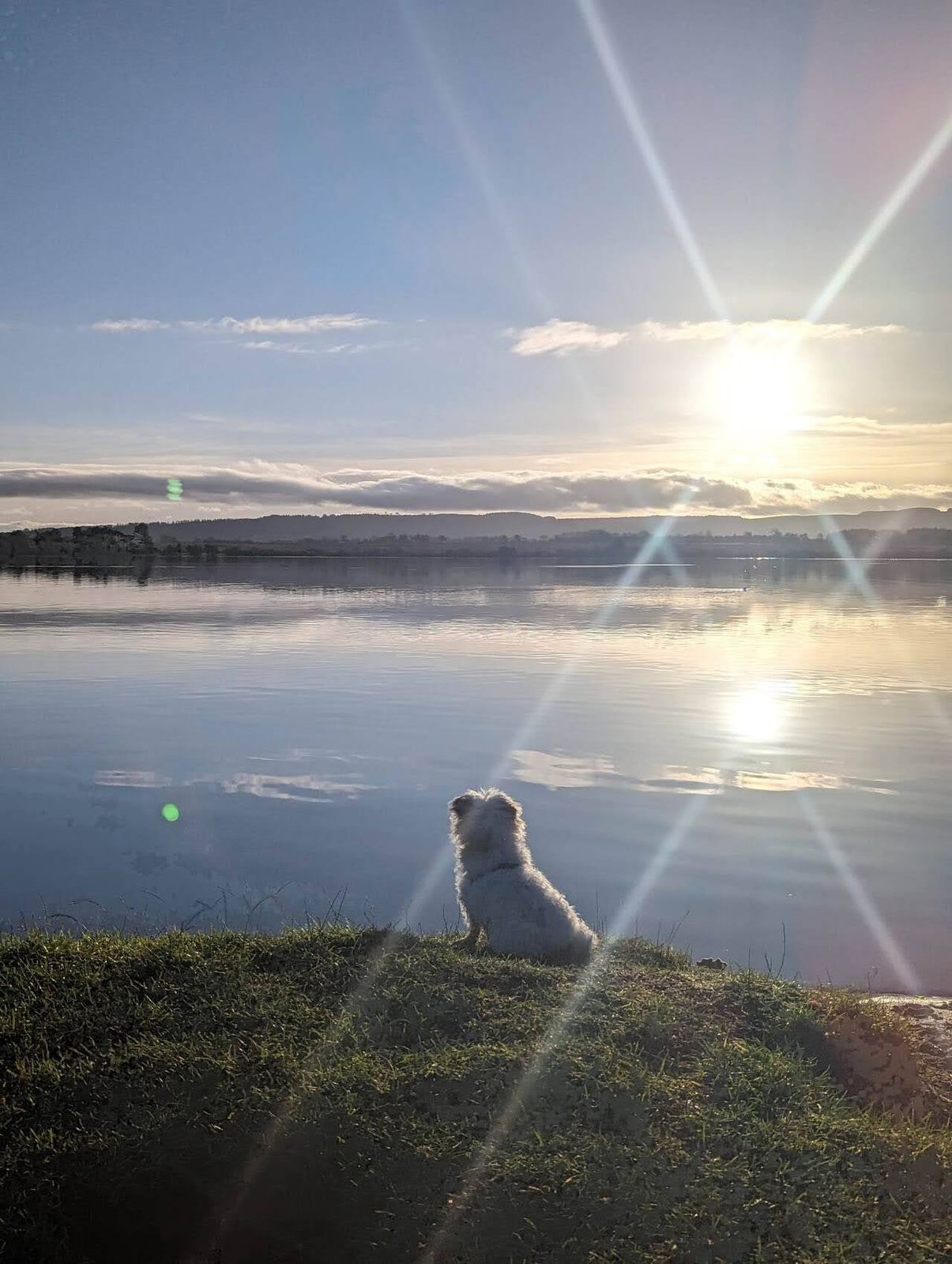
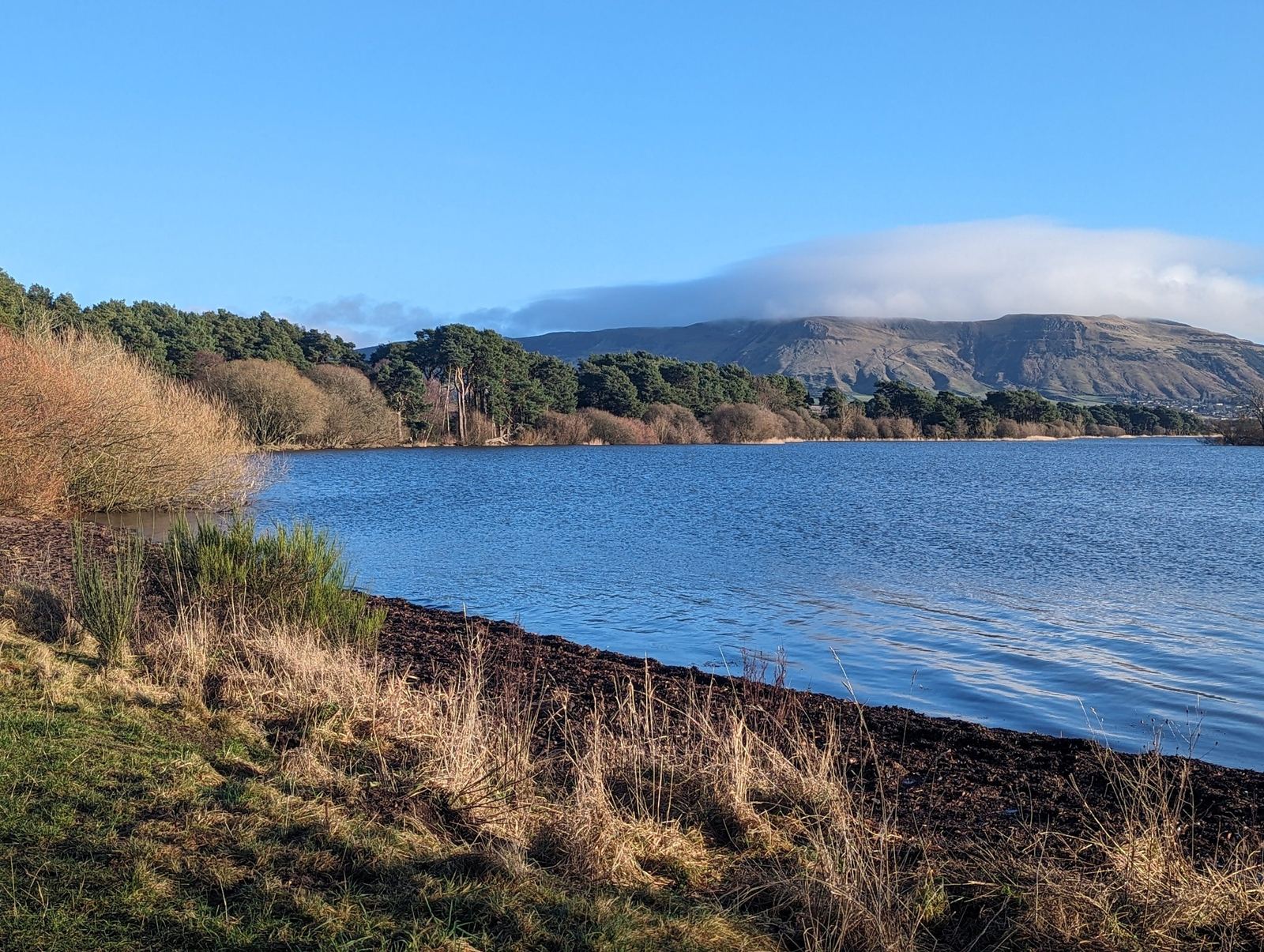
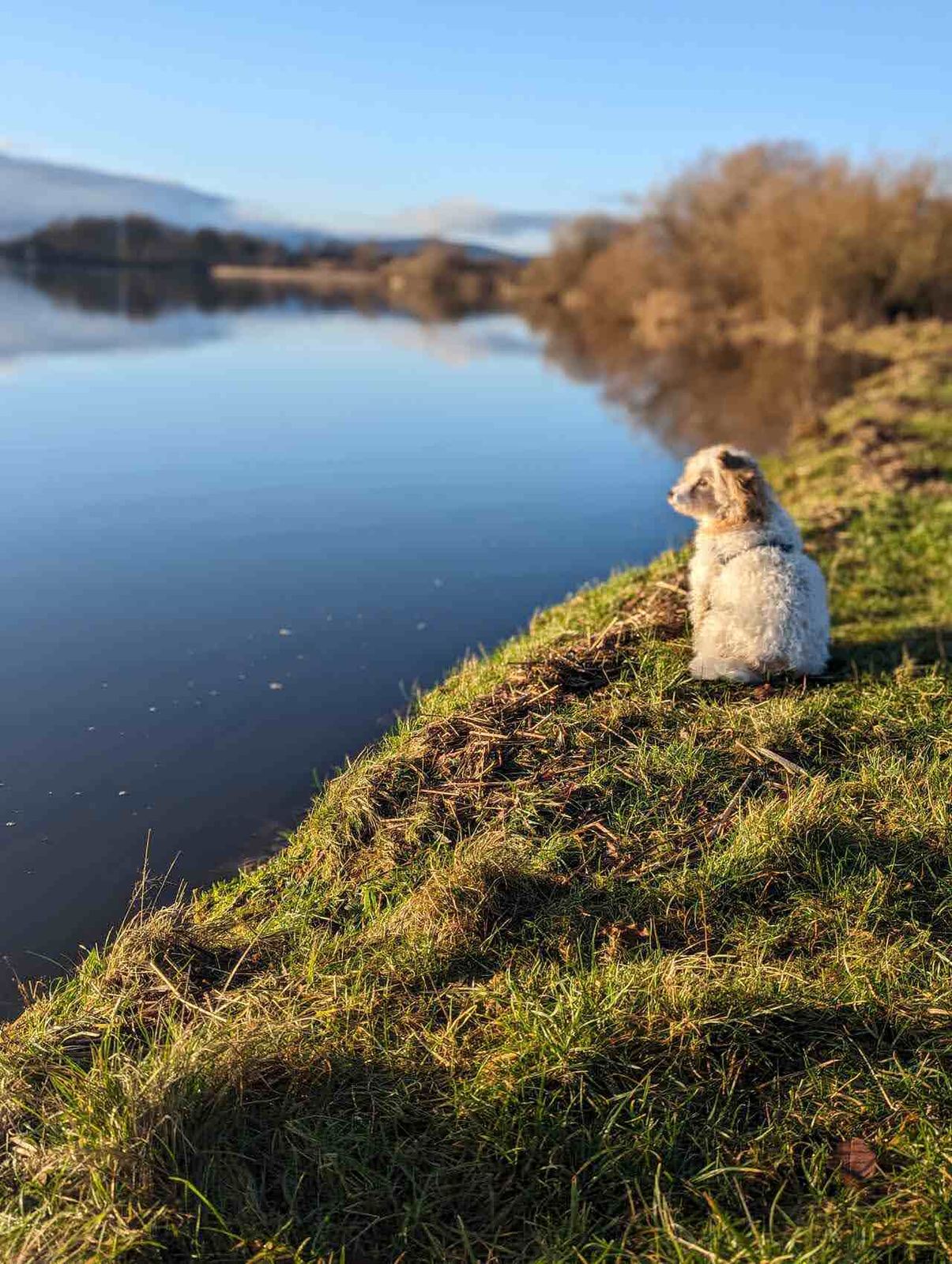
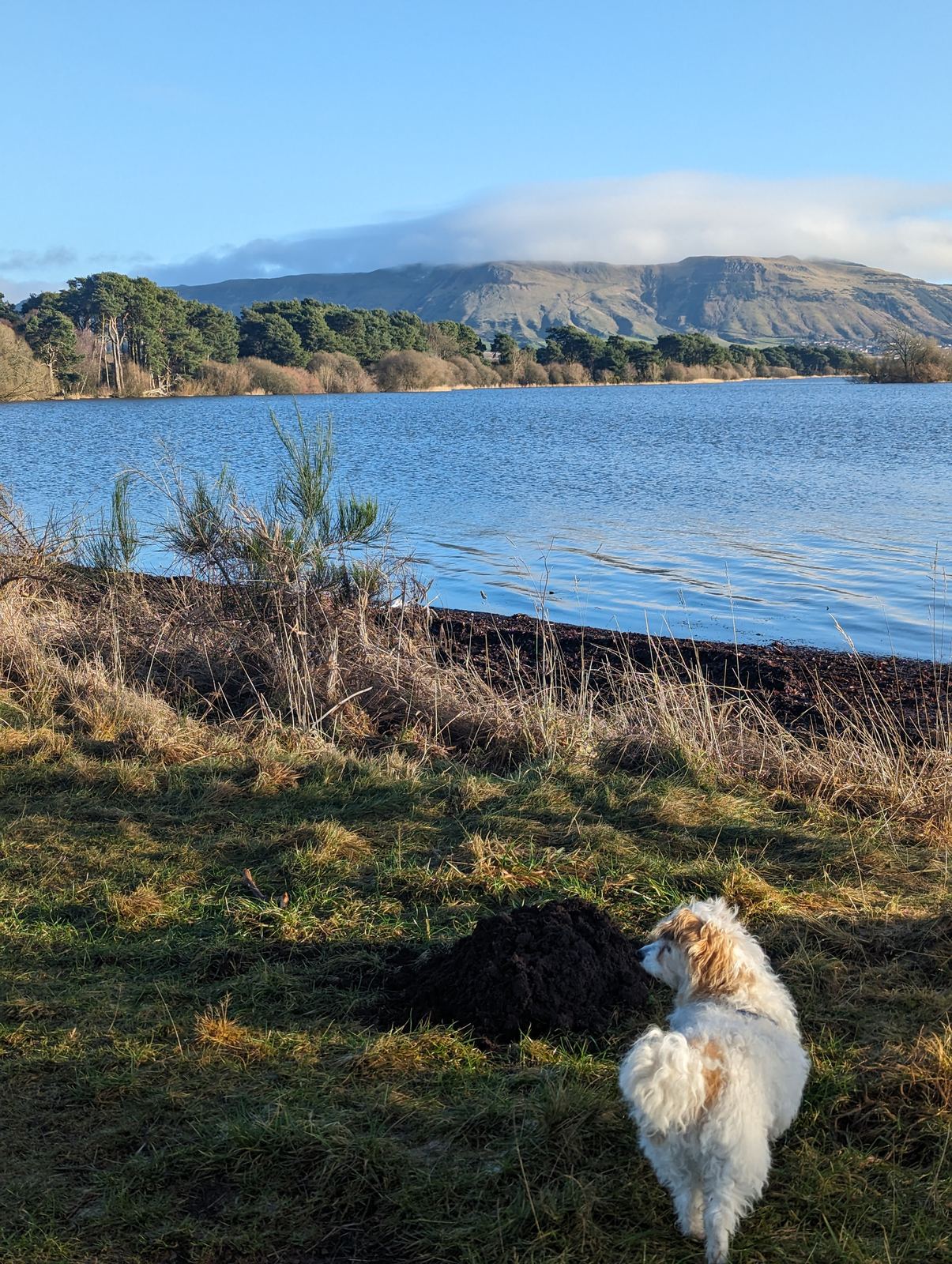
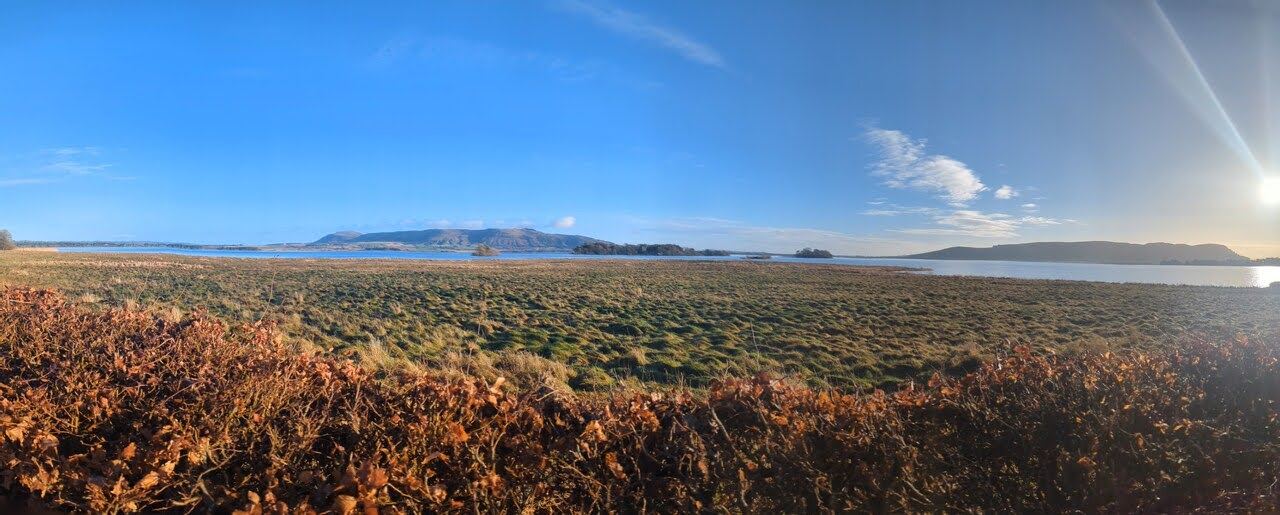
The modern glory of Loch Leven is the Loch Leven Heritage Trail: a 21 km (13-mile) path that runs the whole way around the loch, level, well-surfaced and barrier-free — brilliant for walkers, cyclists, buggies and wheelchairs alike. You don’t have to do the full circuit; most people pick a stretch, and the section from Kirkgate Park in Kinross is the easy, obvious start. We did the walk round the park and into town, along the water with the sun coming up over it — flat, gentle and gorgeous.
Along the way the trail passes the ornate old Fish Gate, with its glimpse into the walled gardens of Kinross House, threads through little woods, and opens out again and again onto big loch-and-hill views. It’s the kind of path you set out on “just for a stretch” and end up walking for miles.
A surprise on the path — the wood-sculpture trail
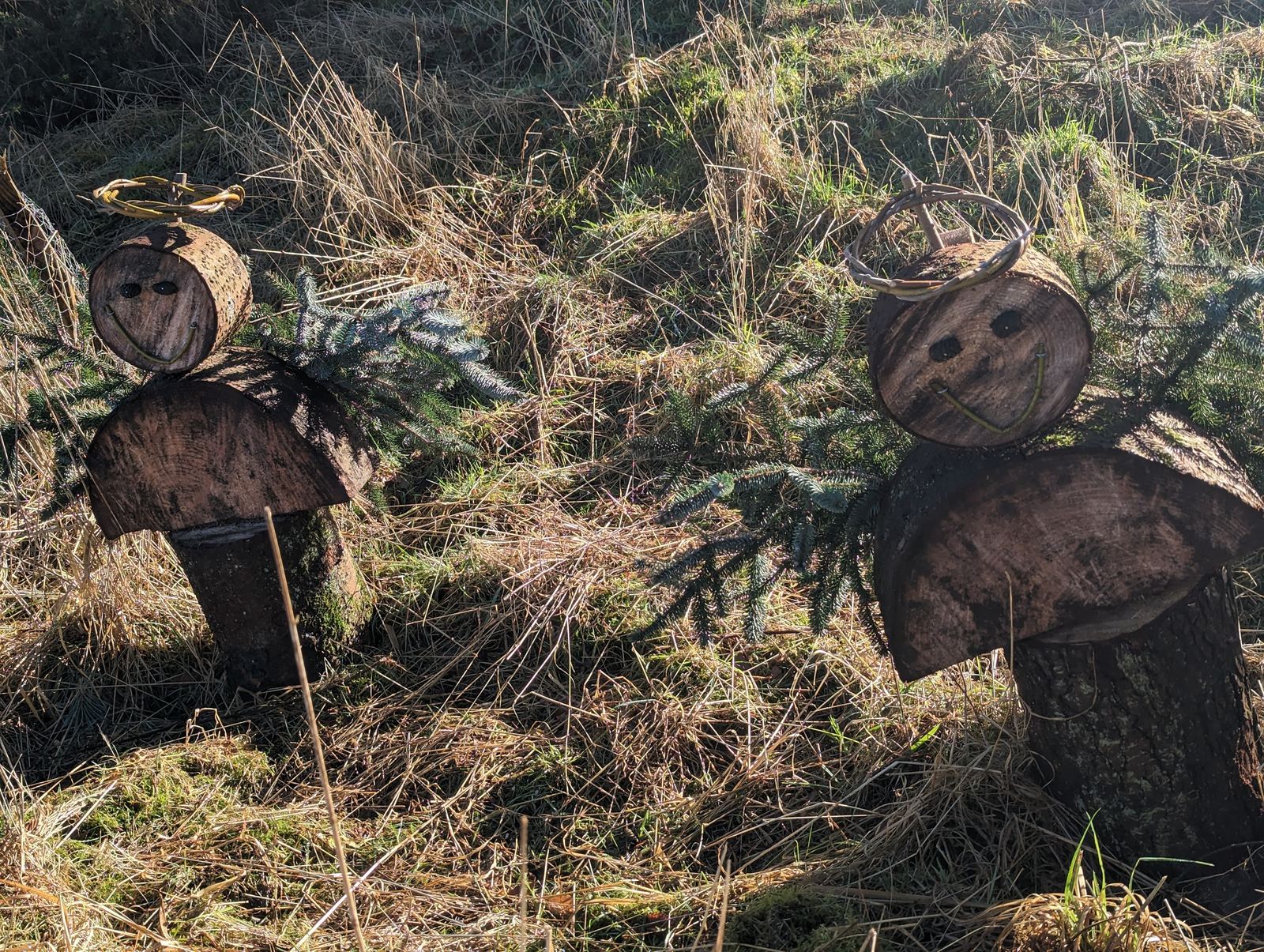
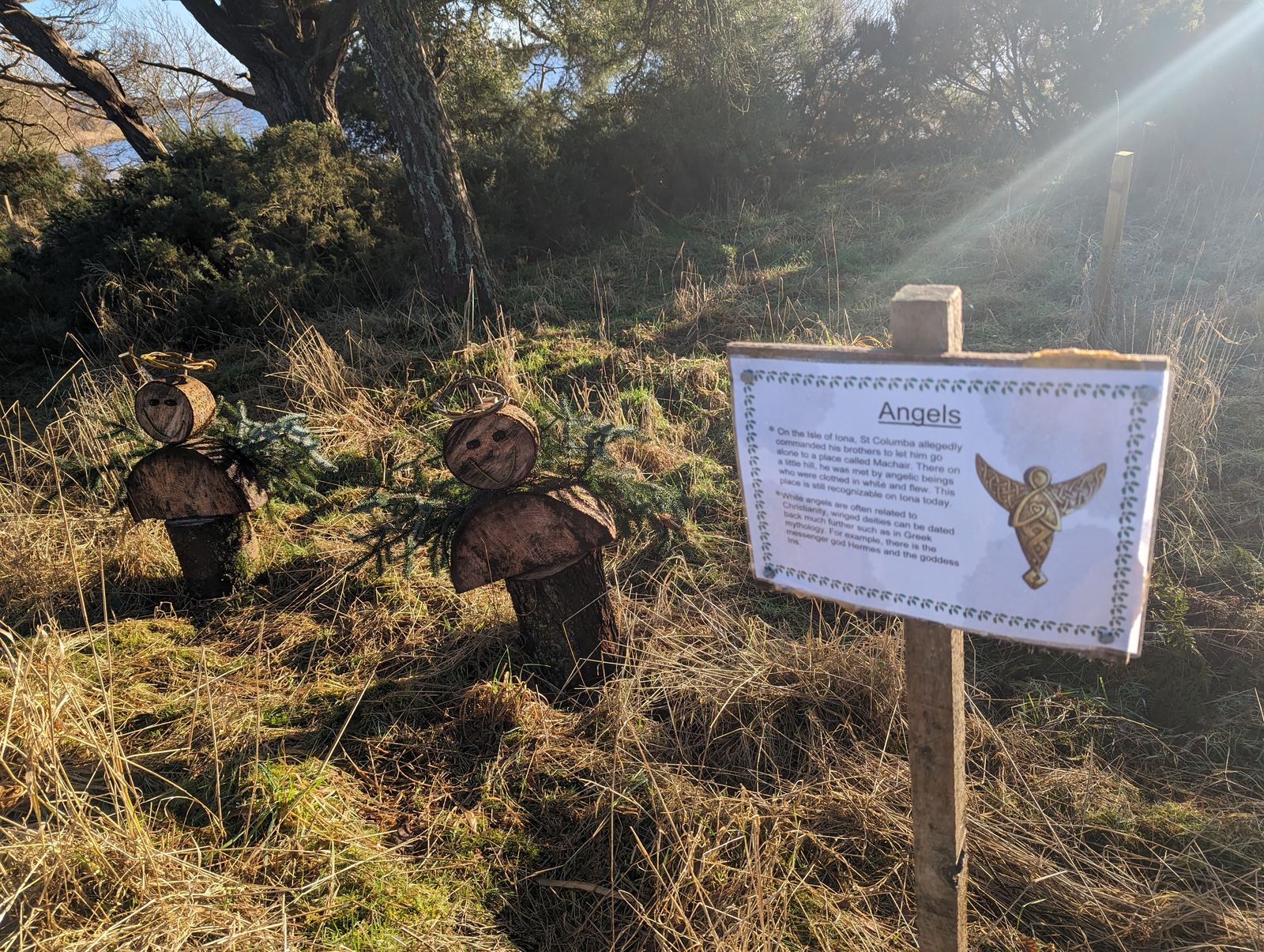
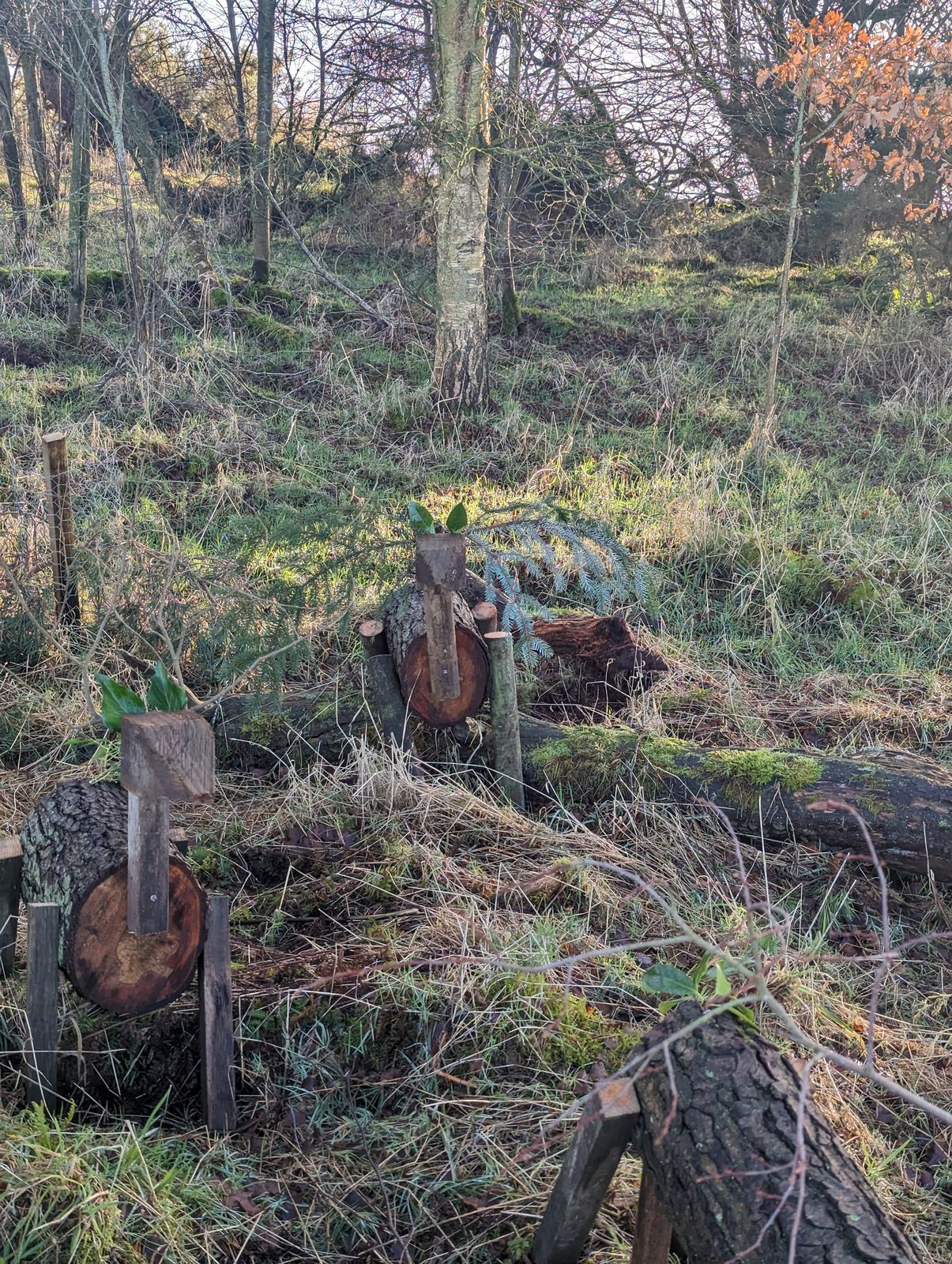
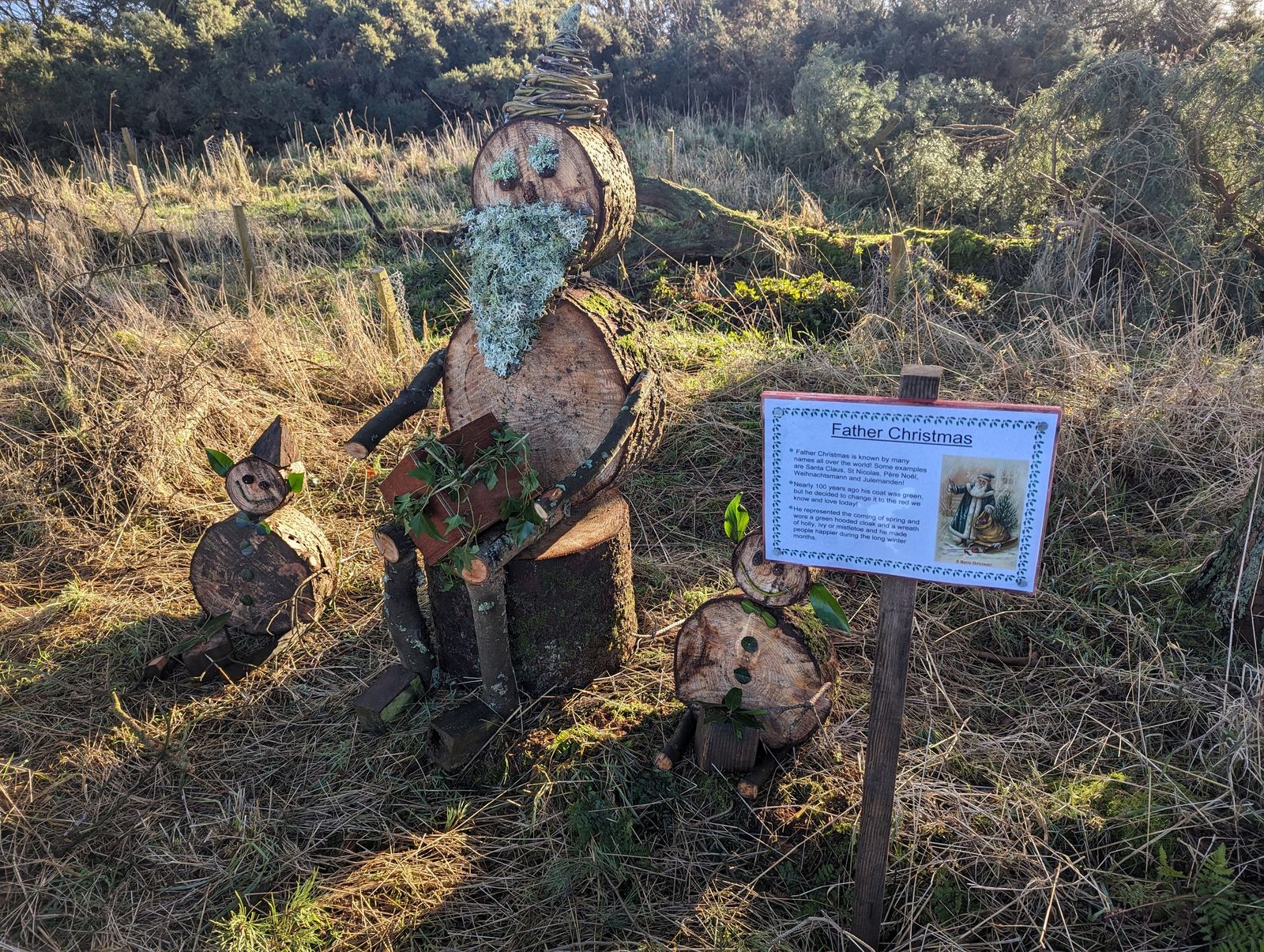
One lovely surprise along the shore: a scatter of carved wooden figures and creatures hidden in the grass and trees, each with a little story board beside it. It’s exactly the sort of thing that turns a good walk into a magical one, especially with kids — you find yourself hunting for the next carving. A charming, unexpected bit of art in the middle of a nature reserve.
The wildlife — and the famous geese
Loch Leven is one of the great wildlife loches of Britain. In autumn and winter it fills with wildfowl, and the headline act is the pink-footed geese: over 20,000 of them — close to one in ten of the entire world population — roost on the loch, pouring off the water at dawn and back at dusk in great honking skeins. Add whooper swans, ducks in their thousands, ospreys in summer and the loch’s famous wild brown trout, and it’s no wonder the whole place is a National Nature Reserve. The RSPB Loch Leven reserve on the south shore (the old Vane Farm) has a visitor centre, café, hides and a climb up Vane Hill for the big view — a brilliant add-on to the trail.
Kinross town & Kinross House
The walk runs you right into Kinross, the old county town of Kinross-shire — a douce wee market town with cafés, pubs and shops for a warm-up. Down at the water, Kirkgate Park is the green heart of it, with the pier where the castle ferry leaves in summer. And beside the loch stands one of Scotland’s finest houses, Kinross House — a perfectly symmetrical 1690s mansion designed by Sir William Bruce (the architect who remodelled Holyrood), with celebrated formal gardens that run down toward the loch and the castle view. The gardens open to visitors in the summer months.
Overnight & motorhomes
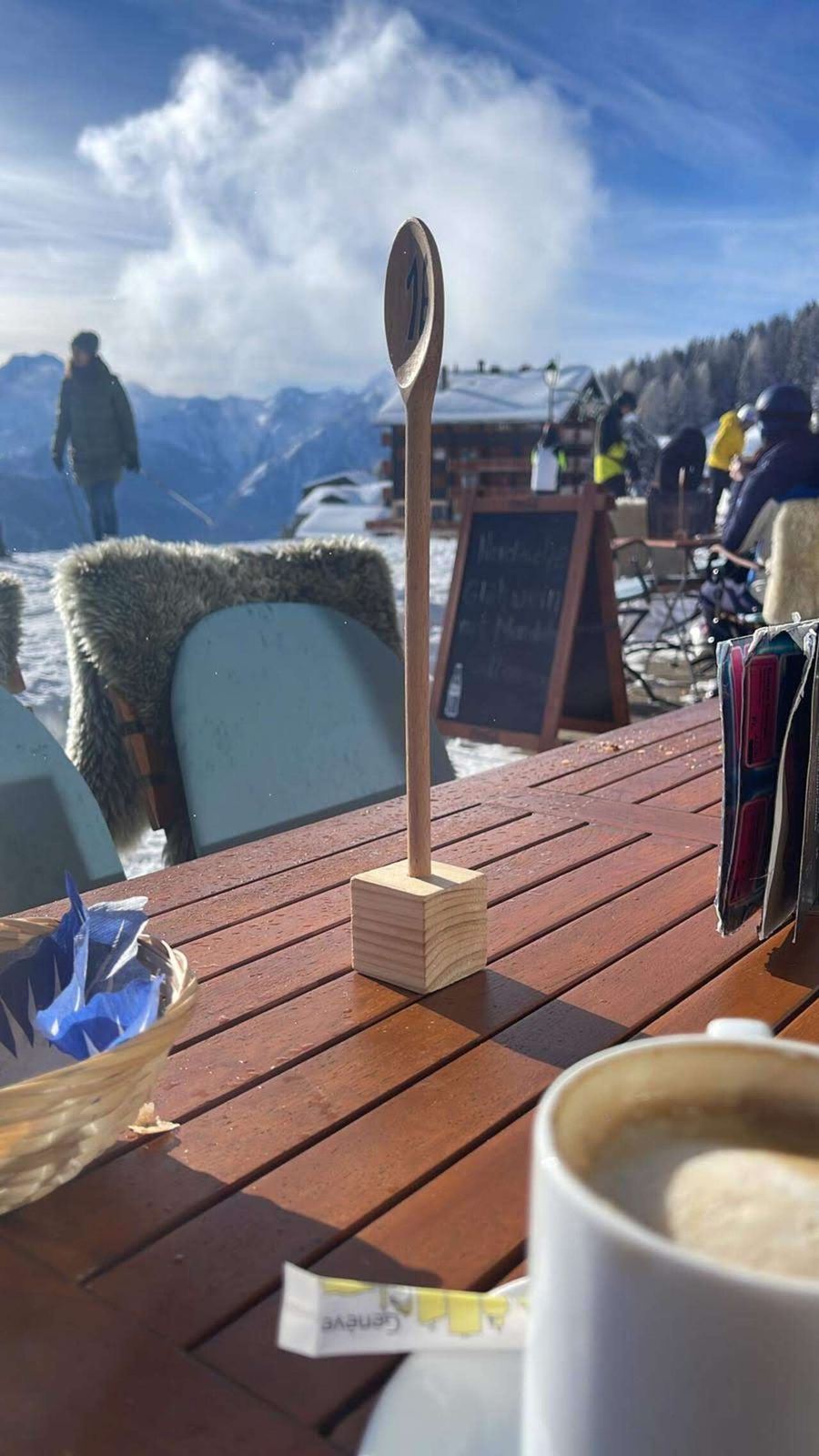
We stayed nearby and woke up to breakfast and coffee with the loch right there — one of those mornings that’s the whole reason we tour. Kevin’s honest note: we’re fairly sure we slept on a small car park near an old farm at the loch’s edge rather than in the town itself, but it’s a while ago now and we want to get it exactly right before we send anyone there.
Best time to visit
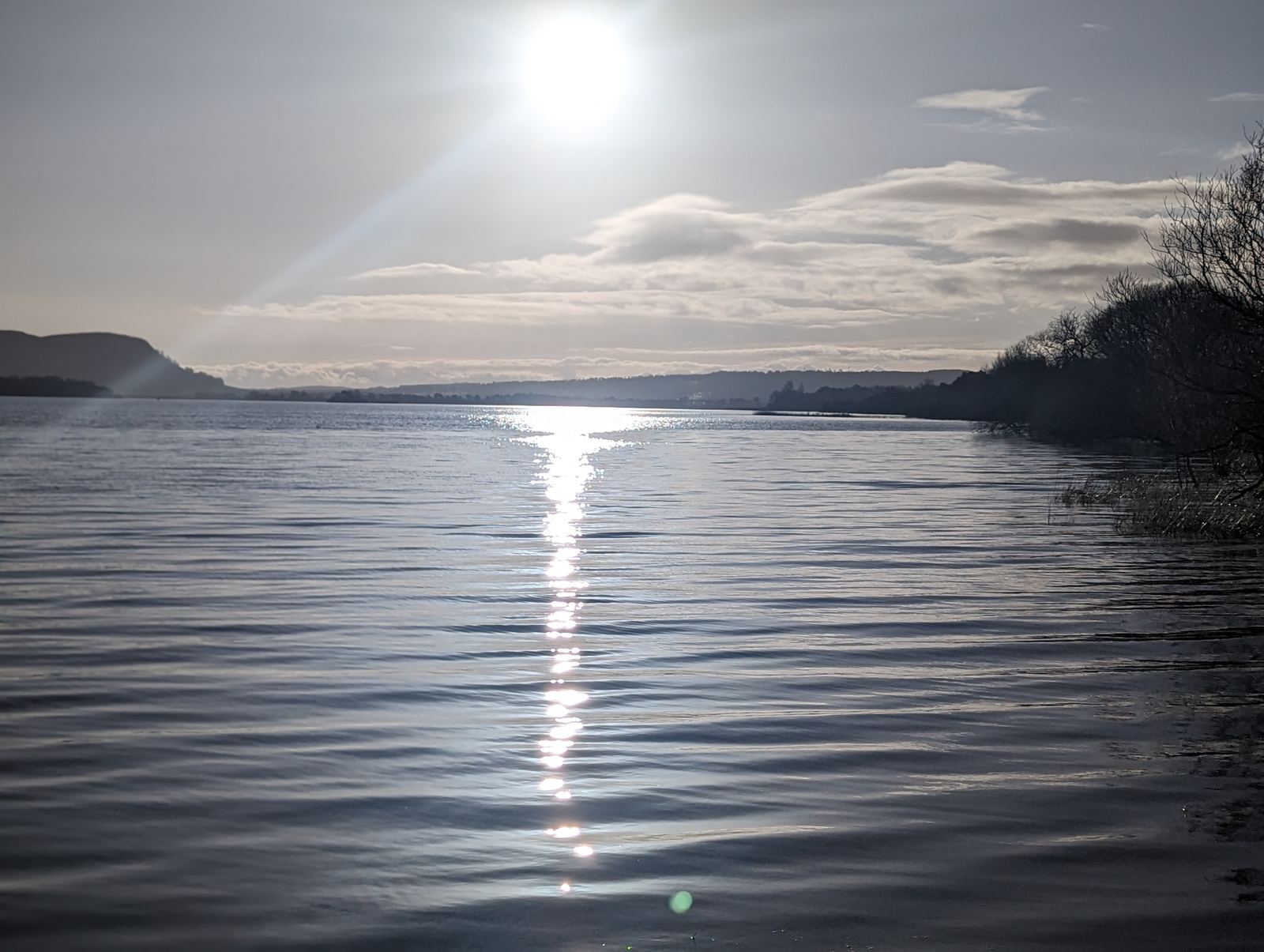
Winter is magic for the geese and the dawns — cold, still mornings with the sun coming up over the water (just wrap up). Summer is the time if you want to take the ferry to the castle and see Kinross House gardens, and the trail is at its greenest. Really, there’s no bad time — but come at first light whatever the season.
Practical
- 🅿️ Parking / trail: main pay-and-display at Kirkgate Park, Kinross (the easy start); other access at the RSPB reserve and Burleigh Sands. Check current overnight rules before relying on any of them.
- 🚶 The trail: 21 km / 13 miles, flat, surfaced, barrier-free — walk or cycle any length; the full loop is a big but easy day.
- 🏰 The castle: Historic Environment Scotland; island reached by ferry from Kinross pier, summer season only — check times/booking.
- 🦆 Wildlife: huge for wintering geese and swans; RSPB Loch Leven (Vane Farm) has a centre, café and hides. Dawn/dusk for the geese.
- 🐕 Dogs: a superb dog walk — but it’s a nature reserve, so keep them close near wildlife and stock, and clean up.
- ☕ Food: cafés at Kirkgate Park, the RSPB centre and in Kinross town.
Nearest places
- Loch Leven Castle — the island prison of Mary, Queen of Scots, out on the loch; the full history is on its own page.
- Kinross — the town is part of the walk: cafés, pubs, Kirkgate Park and the pier.
- Dunfermline — the abbey where the Bruce is buried, a straightforward run south-west from the loch.
- Aberdour — the “Fife Riviera” on the Forth, with Silver Sands and a castle, a little further south.
- Dollar — Castle Campbell and its dramatic glen in the Hillfoots, a short hop west.
- Alloa — the underrated heart of Clackmannanshire, not far to the west.
- The East Neuk of Fife — Pittenweem, Lower Largo and the fishing villages, under an hour east; St Andrews about 40 minutes on.
- The Lomond Hills & Falkland — the “Paps of Fife” across the loch, and the royal-palace village of Falkland just beyond. (Page coming.)
Sources
- First-hand: Kevin & family (and Lillie), Loch Leven & Kinross, winter (own photos)
- Lochleven Castle history — Historic Environment Scotland · Lochleven Castle — Wikipedia
- Loch Leven NNR — NatureScot · Loch Leven Heritage Trail — Walkhighlands