
Loch Leven Castle: The Island Prison of Mary, Queen of Scots
Overview — a tower on an island with an outsized history
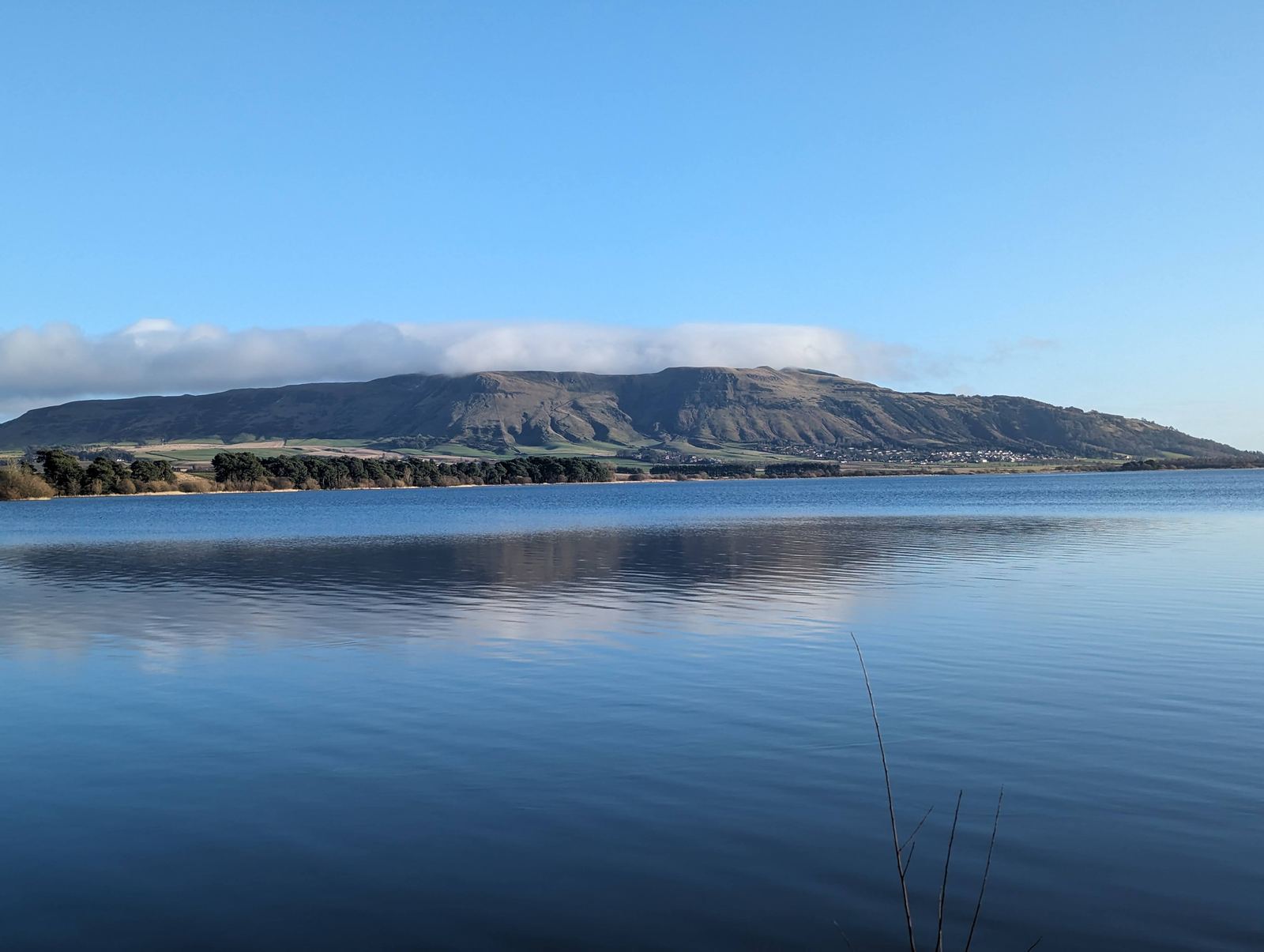
Loch Leven Castle is a grey stone tower on a small island in the middle of a Kinross-shire loch — and few castles its size carry so much history. It is one of the oldest tower houses in Scotland still standing, it survived one of the most dramatic sieges of the Wars of Independence, it was a Douglas stronghold for 300 years, and above all it was the prison of Mary, Queen of Scots — the place where she was forced to give up her crown, and from which she made her famous midnight escape by boat. Today it’s a romantic ruin in the care of Historic Environment Scotland, reached by a little ferry across the water.
Where it is & getting there
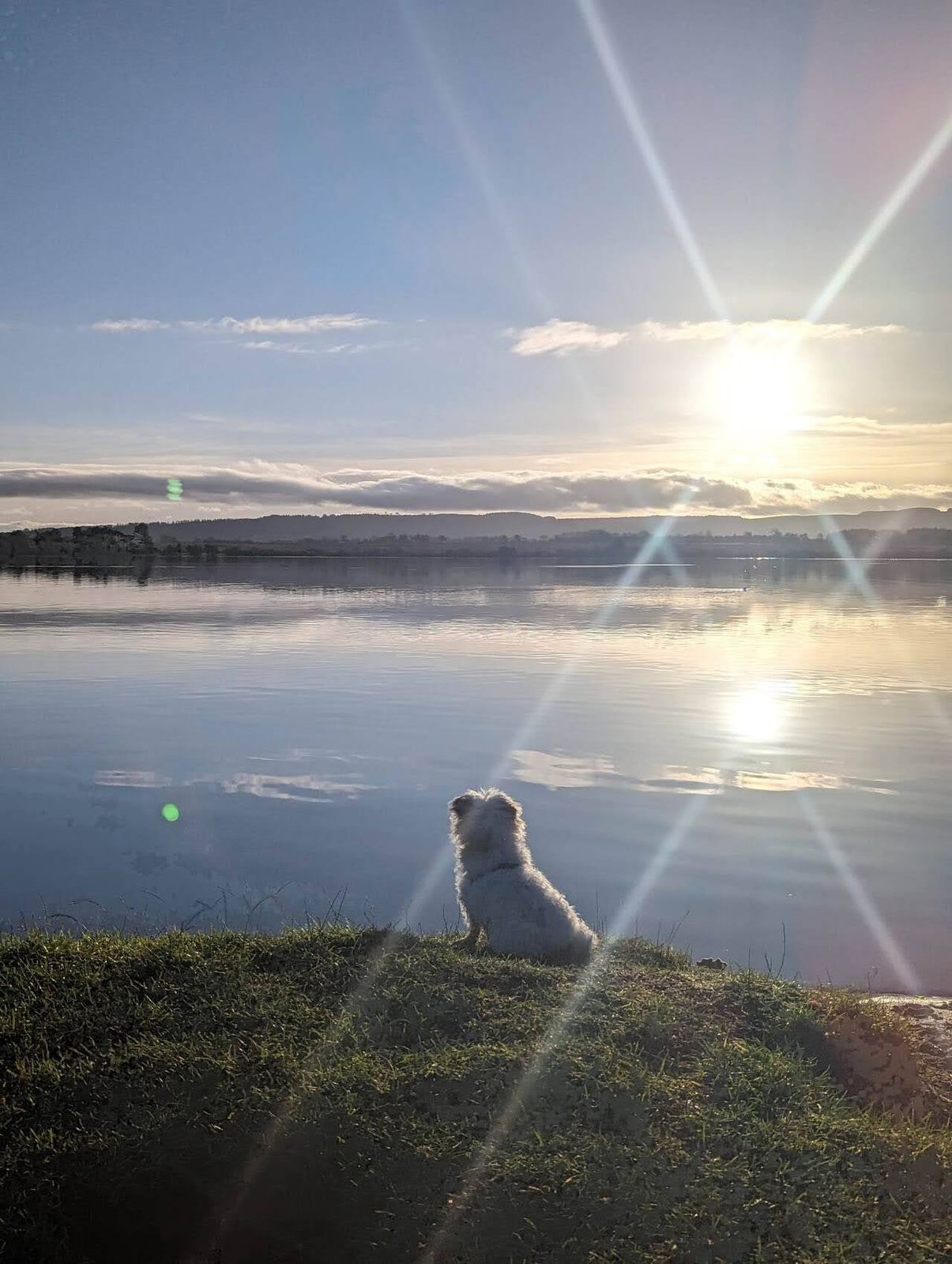
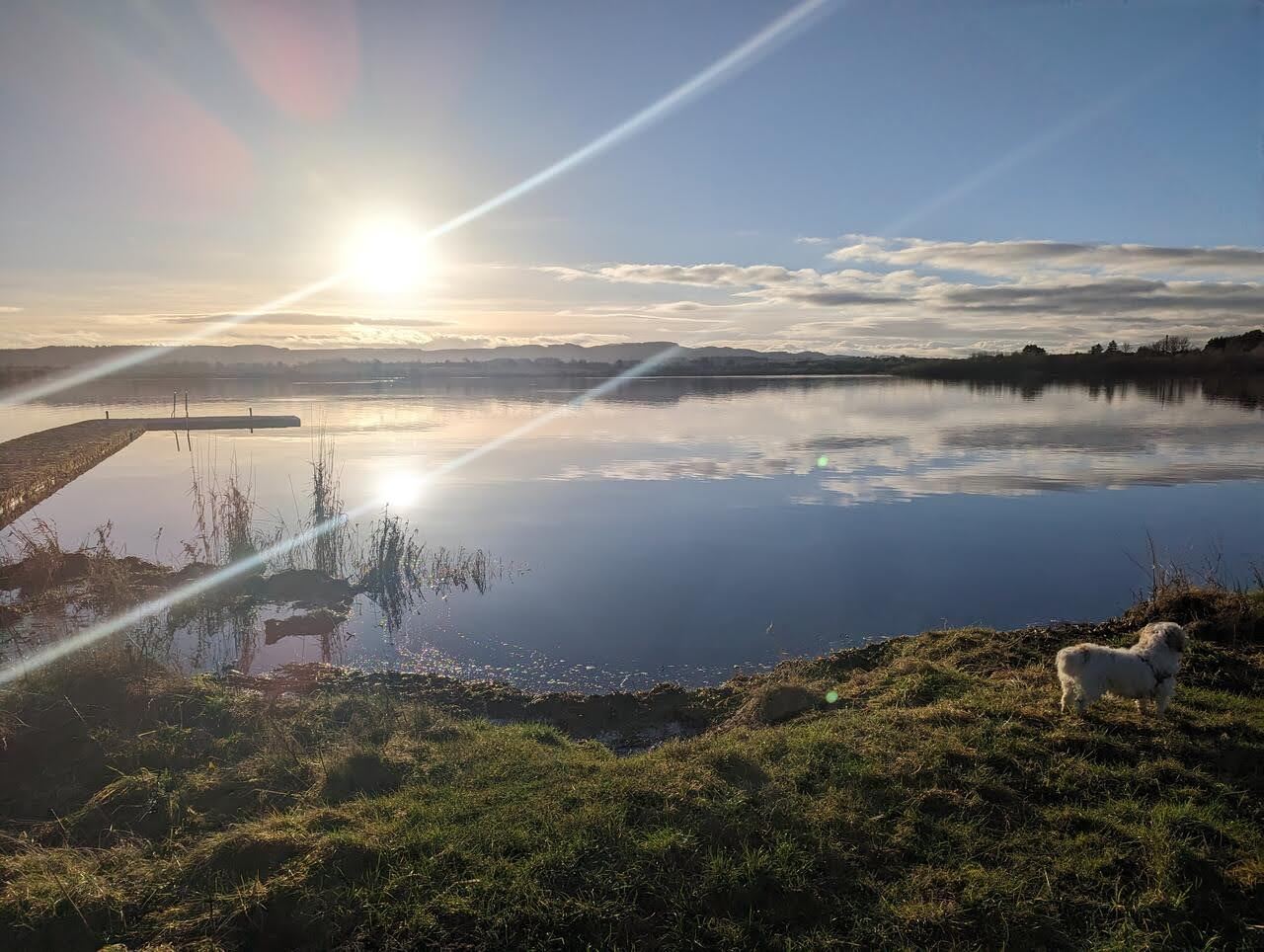
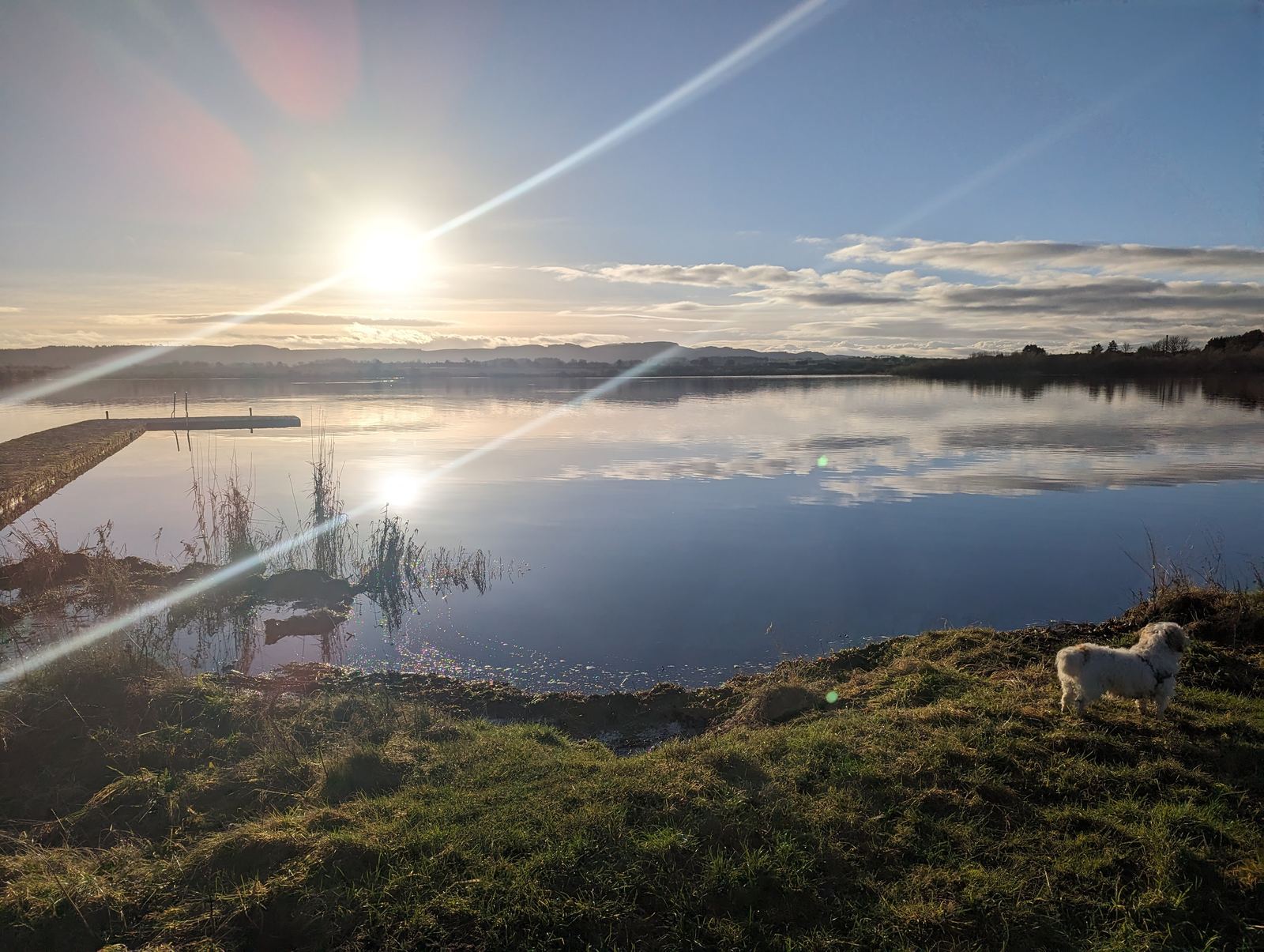
The castle stands on Castle Island in Loch Leven, right beside the town of Kinross in Perth & Kinross, just off the M90. You can only reach it by ferry from Kinross pier (Kirkgate Park), and — this matters — the boat runs in the summer season only. We came on a frosty winter’s day with the ferry long tied up, so we did the honest out-of-season thing: we walked the shore, picked out the island across the water, and let the loch tell the tale. If you want to actually land and climb the tower Mary was held in, come between spring and autumn and check the sailing times first. It pairs perfectly with the Loch Leven Heritage Trail right around the water.
One of Scotland’s oldest tower houses
There has been a stronghold on this island since around 1300, and the tall five-storey tower house that still dominates the ruin was raised in the 14th century — making it, according to Historic Environment Scotland, one of the oldest tower houses in Scotland that substantially survives. Around it runs a curtain wall enclosing a small courtyard, with a later round tower at one corner — the Glassin Tower — which is the very tower in which Mary was lodged. The island you see today is bigger than the medieval one: when the loch was lowered by around 1.4 metres in the 1830s to drain farmland, far more land appeared, so in Mary’s day the water lapped much closer to the walls.
Siege & survival — the medieval castle
Long before Mary, Loch Leven was a fortress that mattered in the Wars of Independence. Tradition — via the old minstrel Blind Harry — says William Wallace stormed an English garrison here, though there’s no hard proof. What we do know is solid enough: the English besieged the castle in 1301, only for it to be relieved by Sir John Comyn; and after the disaster of Halidon Hill in 1333, Loch Leven was one of only five castles in all Scotland still holding out against the English and Edward Balliol.
Its finest hour came in 1335. An English force under Sir John de Strivelin, fighting for Edward Balliol, laid siege to the island, and its keeper Sir Alan de Vipont refused to yield. Unable to storm the water, the besiegers tried something audacious: they built a dam across the loch’s outflow to raise the water and flood the castle out. According to the chronicler John of Fordun, the defenders waited — then broke the dam, and the pent-up water burst back on the English camp. Vipont’s garrison held on through a nine-month siege and beat the besiegers off. It’s the kind of story that sticks to a place.
The Douglases of Lochleven
In the later 14th century the castle passed to William Douglas, 1st Earl of Douglas, and it would stay in Douglas hands for the next 300 years. The Douglases of Lochleven were the loyal, respectable branch of that vast and dangerous family — the wider Clan Douglas that also held Tantallon on the far side of the country — and it was precisely because they were trusted crown servants — and because their castle sat on an island no prisoner could easily flee — that the Scottish government would later hand them their most famous, and most troublesome, guest.
Mary, Queen of Scots — the island prison
This is the story everyone comes for. In June 1567, after the murder of Lord Darnley, her disastrous marriage to the Earl of Bothwell, and her surrender to the rebel lords at Carberry Hill, Mary, Queen of Scots was brought to Loch Leven as a prisoner. She was placed in the keeping of Sir William Douglas, and the island did its job: there was nowhere to run.
The months here were brutal. Mary was pregnant when she arrived, and miscarried twins at the castle. Still weak and grieving, on 24 July 1567 she was forced to abdicate the throne in favour of her one-year-old son, crowned days later as King James VI (who would go on to unite the crowns as James I of England). Her half-brother, the Earl of Moray, was made regent. It looked like the end.
But Mary was formidable company, and over the long captivity she won the hearts of the Douglas household’s young men — George Douglas, the laird’s brother, and a teenage page, Willie Douglas. On the evening of 2 May 1568, during the family’s supper, Willie quietly lifted the castle keys, slipped Mary out through a locked gate, rowed her across the loch — dropping the keys into the water so no one could follow — and set her free on the far shore, where George and her supporters were waiting. (Centuries later a set of old keys was reportedly dredged from the loch.)
Mary raised an army within days, but was beaten at the Battle of Langside outside Glasgow. Rather than fight on, she made the fateful choice to flee south into England and throw herself on the mercy of her cousin Elizabeth I. She never set foot in Scotland again. After 19 years of English captivity, she was executed at Fotheringhay in 1587. Her escape from Loch Leven was the last time she was ever truly free.
After Mary — from prison to garden ornament
The castle’s great days ended with Mary. In 1588 her old gaoler’s family rose in the world — Sir William Douglas inherited the title of Earl of Morton — and the Douglases moved on to grander homes, leaving the island tower to fade. Then, in 1675, it found an unlikely second life: the architect Sir William Bruce bought it, and rather than restore it he kept it as a romantic ruin — the focal point of the great garden vista of his new Kinross House on the shore. Stand at the house’s Fish Gate and the whole garden axis runs straight down to the castle on its island: a queen’s prison turned into an eye-catcher. It has been a ruin ever since, and today it’s cared for by Historic Environment Scotland.
Visiting
- 🚤 Getting there: ferry from Kinross pier (Kirkgate Park) — summer season only; check current sailings and booking with Historic Environment Scotland.
- 🎟️ Entry: HES ticket (includes the boat); free for HES members. Out of season you can still see the island beautifully from the shore and the Heritage Trail.
- 🧗 On the island: uneven ground, a spiral stair up the tower, and open water all round — sensible shoes, mind children near the edge.
- 🚶 Combine it with: the Loch Leven Heritage Trail round the loch, the RSPB reserve and its geese, and Kinross town.
- 🏰 More castles: see it on our Castles of Scotland hub.
Nearest places
- Loch Leven & Kinross — the loch, the Heritage Trail round the water, the geese and the town, right on the doorstep.
- Dunfermline — royal Scotland’s other great seat, and where Mary’s dynasty is buried rather than imprisoned.
- Aberdour — the “Fife Riviera” on the Forth: Silver Sands, a castle and sunsets, a little further south.
- Dollar — Castle Campbell and its dramatic glen in the Hillfoots, a short hop west.
- Alloa — the underrated heart of Clackmannanshire, not far to the west.
Sources
- First-hand: Kevin & family, Loch Leven & Kinross, winter — seen from the shore, ferry off-season (own photos of the loch)
- Lochleven Castle history — Historic Environment Scotland · Lochleven Castle — Wikipedia
- Lochleven Castle — Undiscovered Scotland