East Wemyss & the Wemyss Caves: Britain’s Pictish Carvings, a Mining Village & Mary’s Castle
Overview — the honest take
East Wemyss is a quiet former mining village on the Fife coast that most people drive straight past — which is a shame, because it hides something genuinely extraordinary. Strung along its red-sandstone shore are the Wemyss Caves, home to the largest single collection of Pictish carvings known anywhere in Britain. The village name gives the game away: Wemyss comes from the Gaelic uaimh, meaning “cave.”
We came in February 2024 on a cold, grey couple of days, and got far more than we expected: ancient carvings, a ruined castle on the cliff, a private castle where Mary, Queen of Scots once met her future husband, a proud and scarred coal-mining story, a dog-friendly café, and a lovely stretch of the Fife Coastal Path round to the little harbour at West Wemyss. Here’s everything we found.
Where it is
East Wemyss sits on the north shore of the Firth of Forth in Fife, between Kirkcaldy and Leven, about 30 miles north of Edinburgh. The Fife Coastal Path runs straight through, and the caves are a short, level walk along the shore from the village. There’s parking near the shore and the old miners’ welfare ground; the caves are signposted from there.
The Wemyss Caves — Britain’s greatest Pictish carvings
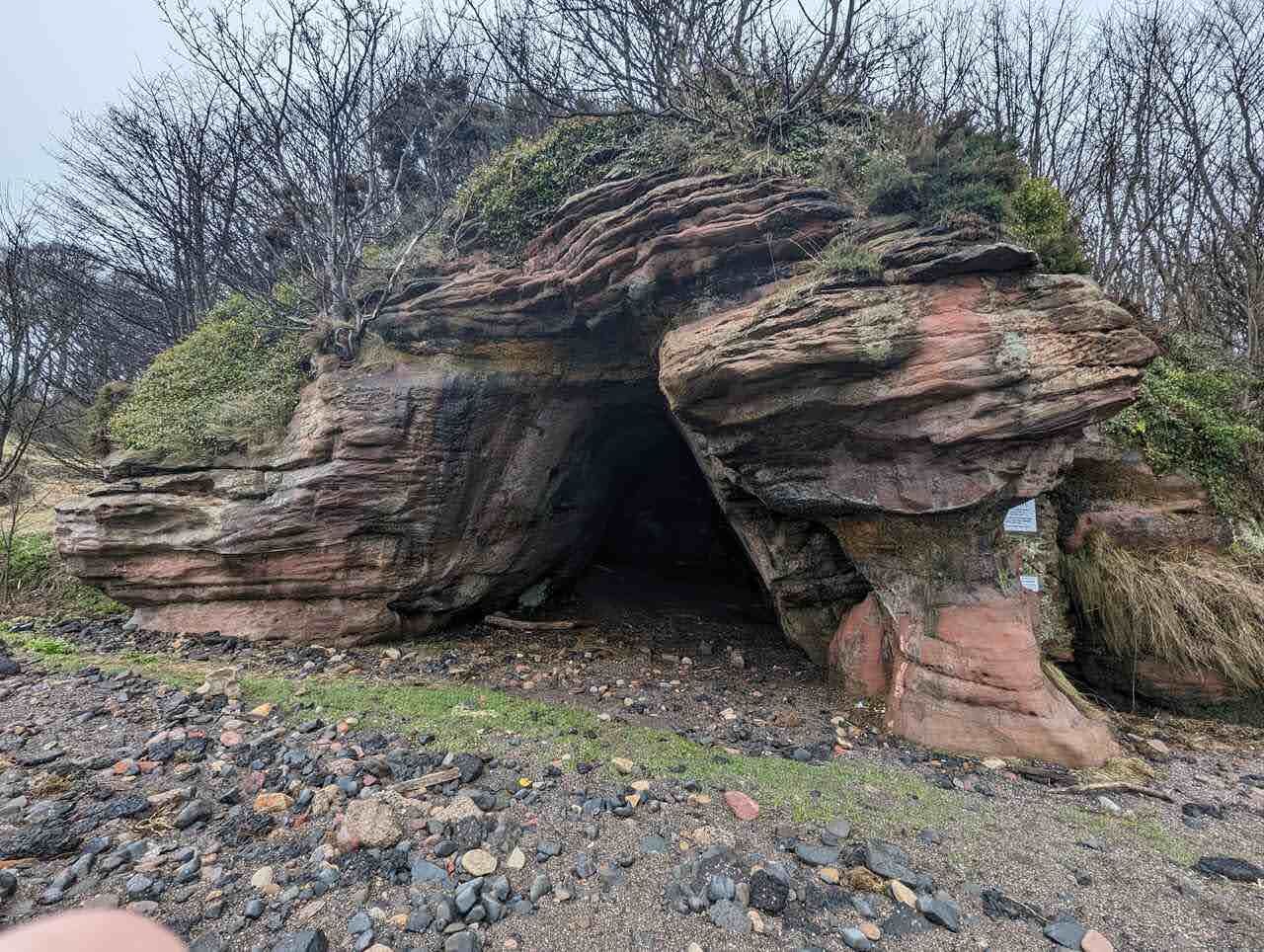
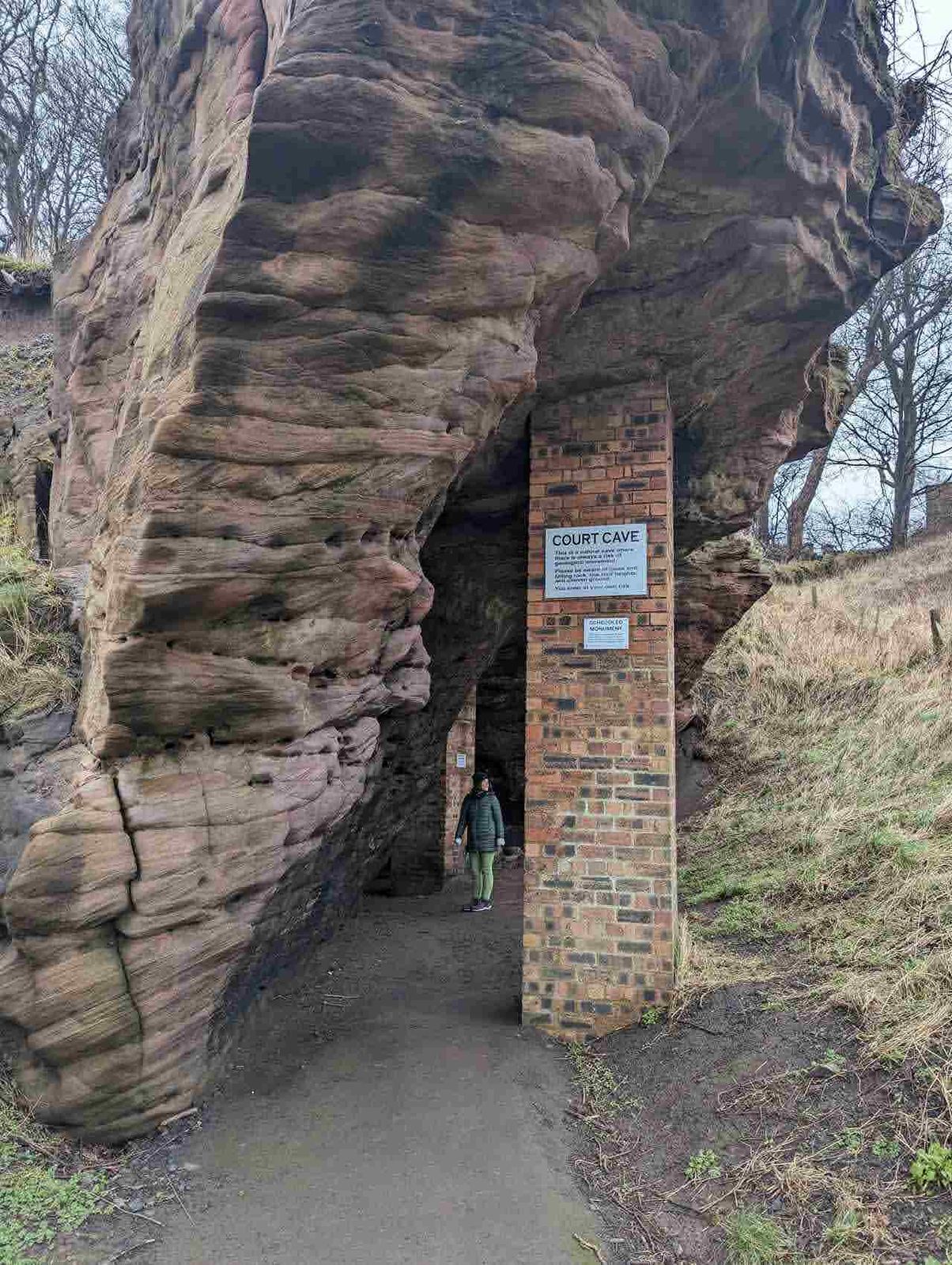
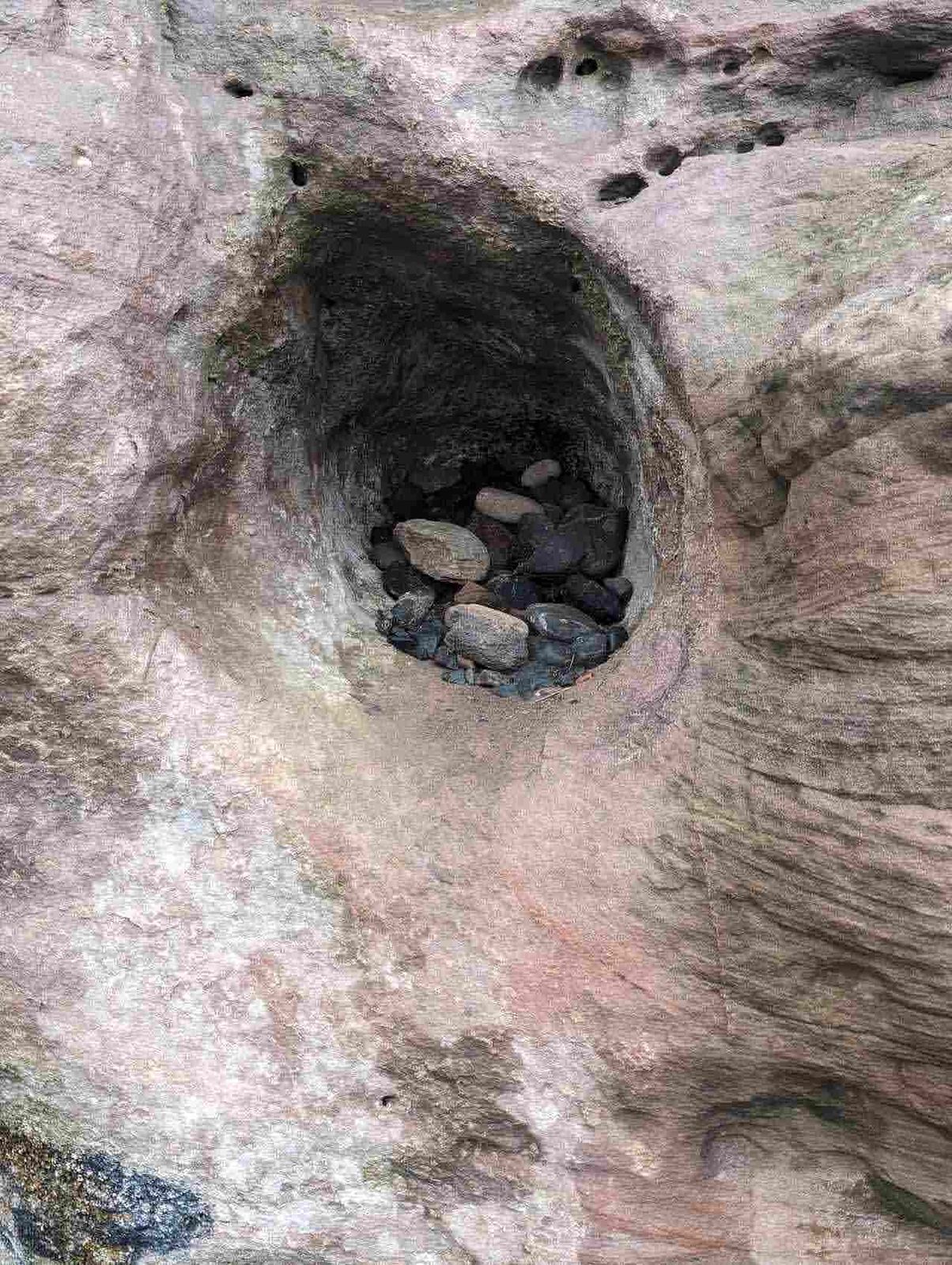
The caves were cut by the sea into the sandstone thousands of years ago, and people have sheltered, worshipped and left their mark in them ever since. Antiquarians first recorded the carvings in the 1860s; today they hold over 50 inscribed symbols, animals and figures, the earliest of them Class I Pictish art — the oldest style there is. Five of the nine recorded caves carry carvings.
The most famous is the boat scratched into the wall of Jonathan’s Cave — a six-oared vessel thought to be probably the earliest depiction of a boat anywhere in Scotland. Court Cave, the biggest, takes its name from a legend that the Thane of Fife gathered his followers here. Some caves are gated to protect what survives inside.
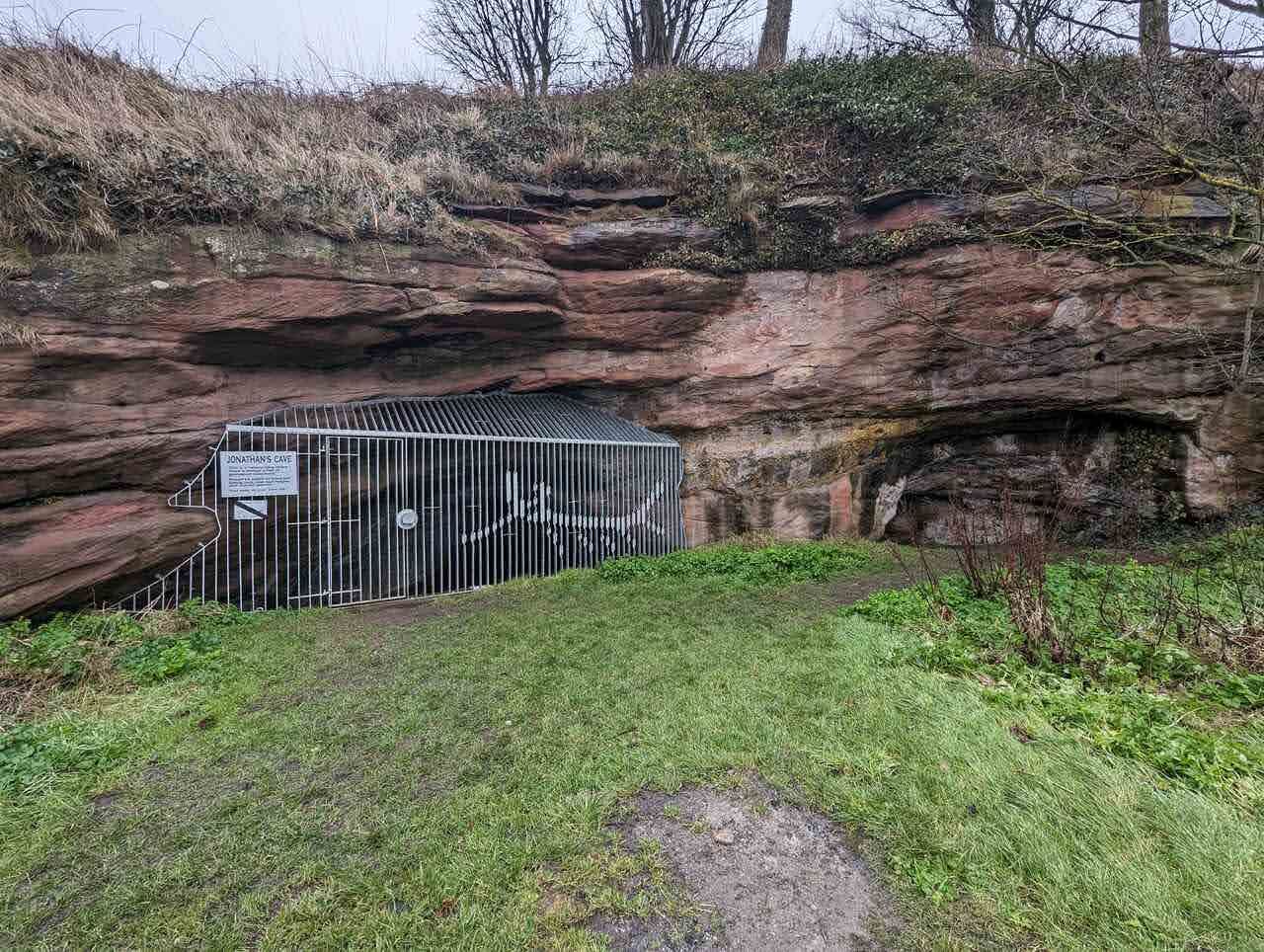
They are, sadly, fragile and under threat: since the 1860s at least 25 carvings have already been lost to rockfall, erosion and vandalism. The volunteers of the Save Wemyss Ancient Caves Society (SWACS), formed in 1986, work year-round to protect them and run guided tours in summer and a small visitor centre and museum — well worth timing your visit around if you want to understand what you’re looking at.
Macduff’s Castle — the red ruin on the cliff
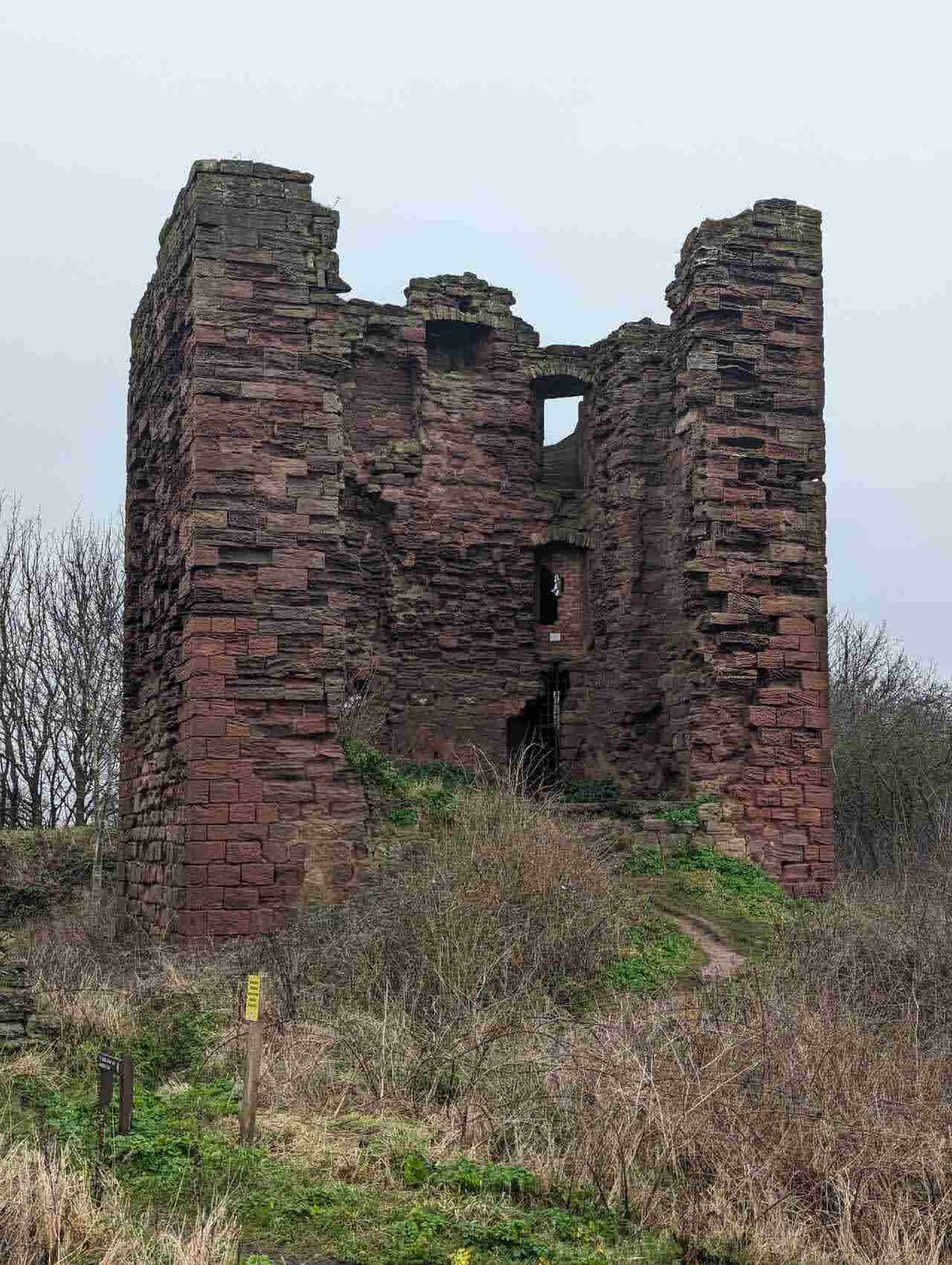
Right above the caves stand the gaunt red-sandstone remains of Macduff’s Castle, tied by tradition to the mighty MacDuff Earls of Fife — the Macbeth-era Thanes — and later the seat of the Wemyss family. It’s a free, open ruin with a resident ghost, the “Grey Lady.” We’ve given it its own page: Macduff’s Castle — the full story.
Wemyss Castle & Mary, Queen of Scots
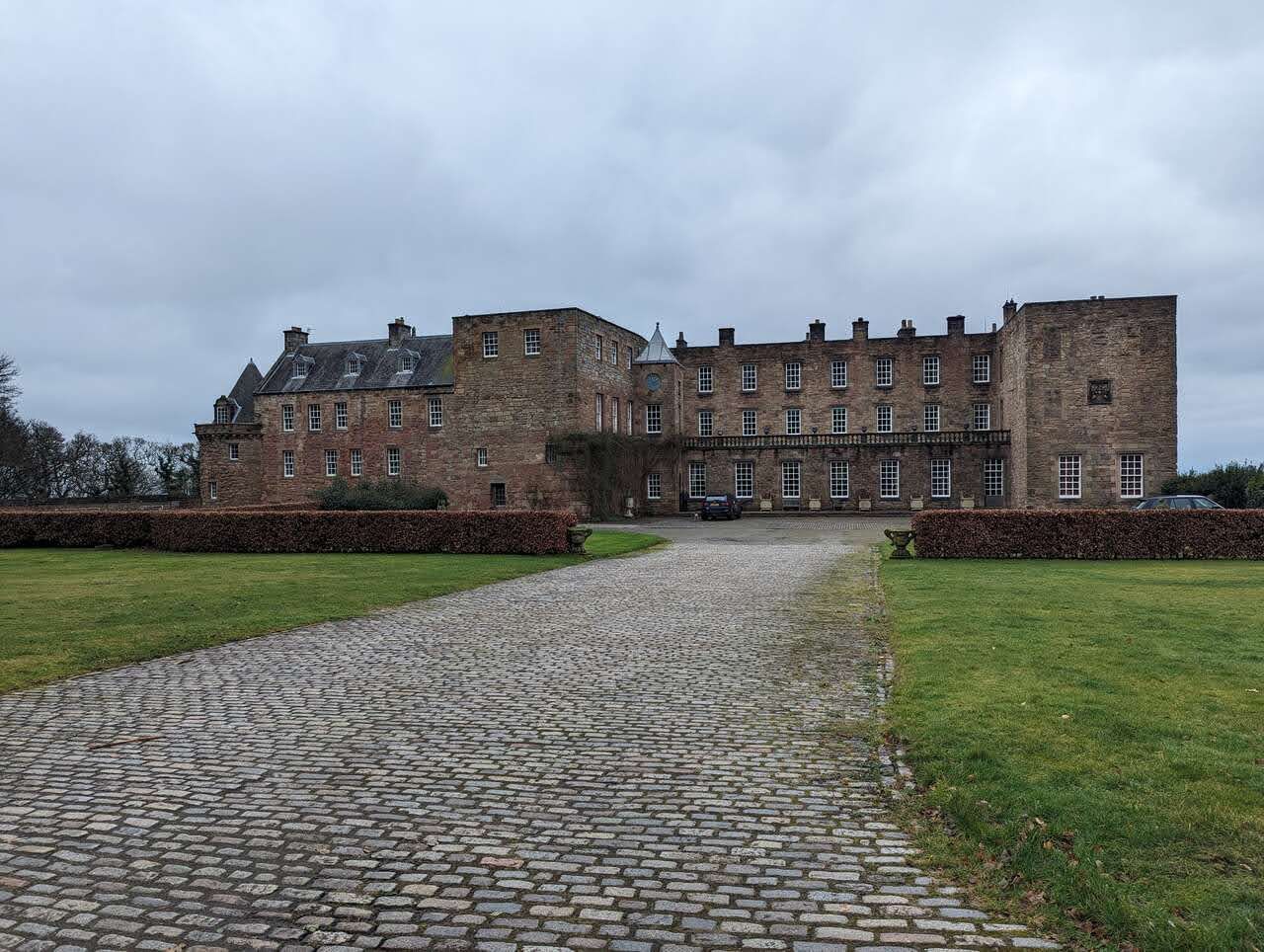
On the cliffs between East and West Wemyss stands Wemyss Castle — not a ruin at all, but the ancient, still-lived-in seat of the Wemyss family. Its place in history is a big one: it was here, on 17 February 1565, that Mary, Queen of Scots first met Henry Stuart, Lord Darnley, the man she would marry that July. The match, chosen away from the gossip of court, would end in disaster — and Mary would later be imprisoned across the water at Loch Leven Castle. We visited almost to the day, 459 years on.
It’s a private family home, so you can’t simply wander in — but we had a lovely bit of luck: we got chatting to the lady of the castle, who very kindly let us walk through her grounds. The family are slowly restoring a six-acre walled garden, and it was a real privilege to see it. A genuine highlight of the trip — and a reminder that a friendly hello goes a long way in Scotland.
A mining village — and a hard-won pride
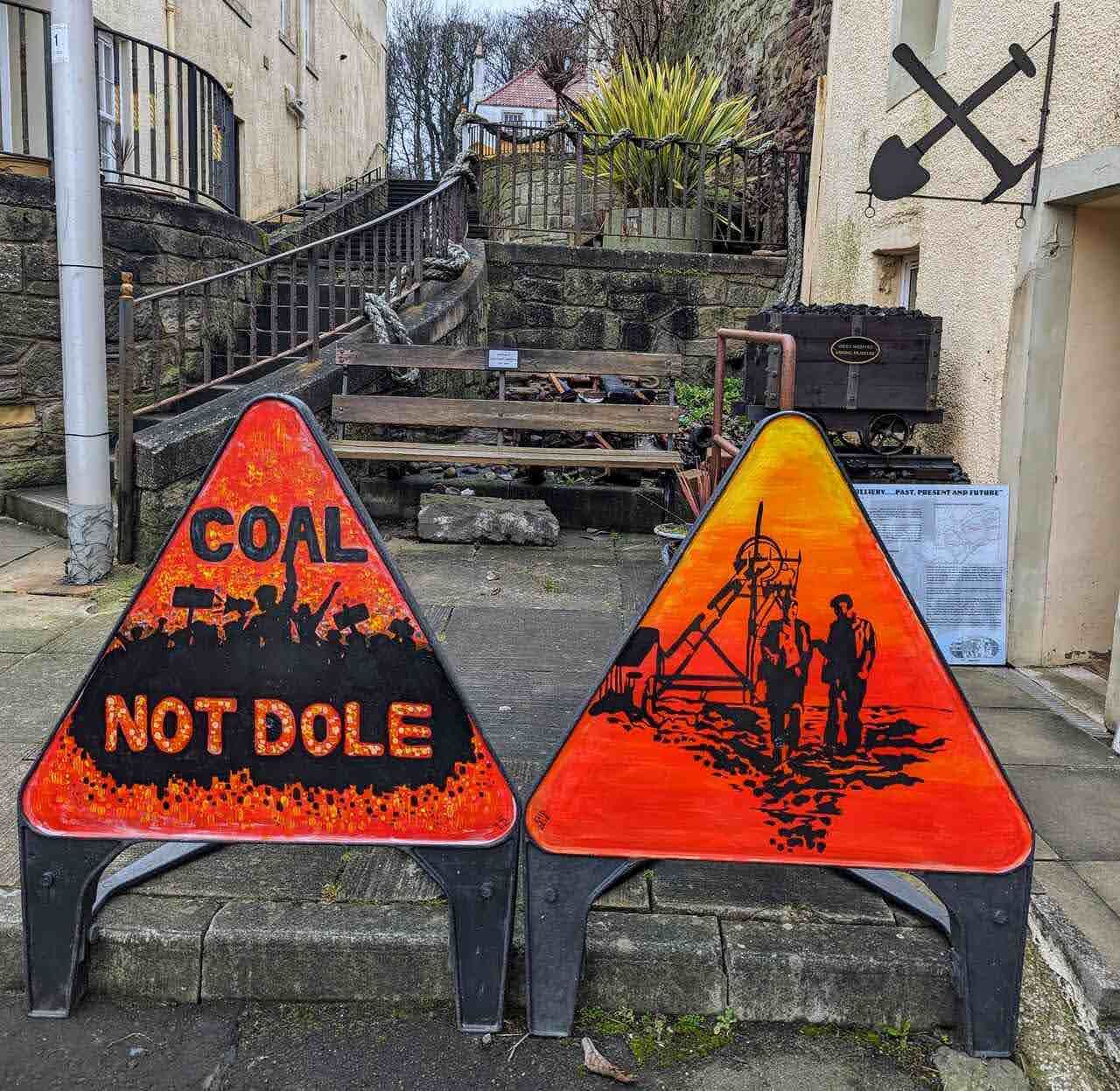
For all its ancient history, East Wemyss is at heart a coal-mining village, and you feel it everywhere — not least in the “Coal Not Dole” sign, a relic of the 1984 miners’ strike. The village carries a heavy memory: the Michael Colliery disaster of 9 September 1967, when an underground fire on the night shift left around 300 men fighting out through smoke and gas. Nine died; three were never recovered. The pit — sunk in 1892 and once among Scotland’s most productive — was sealed and never reopened. Out of that tragedy came a change that saved countless lives since: every underground miner in Britain was afterwards issued a self-rescuer breathing set. It’s a proud, sombre place, and worth remembering as you walk the shore.
The shore & the coast walk to West Wemyss
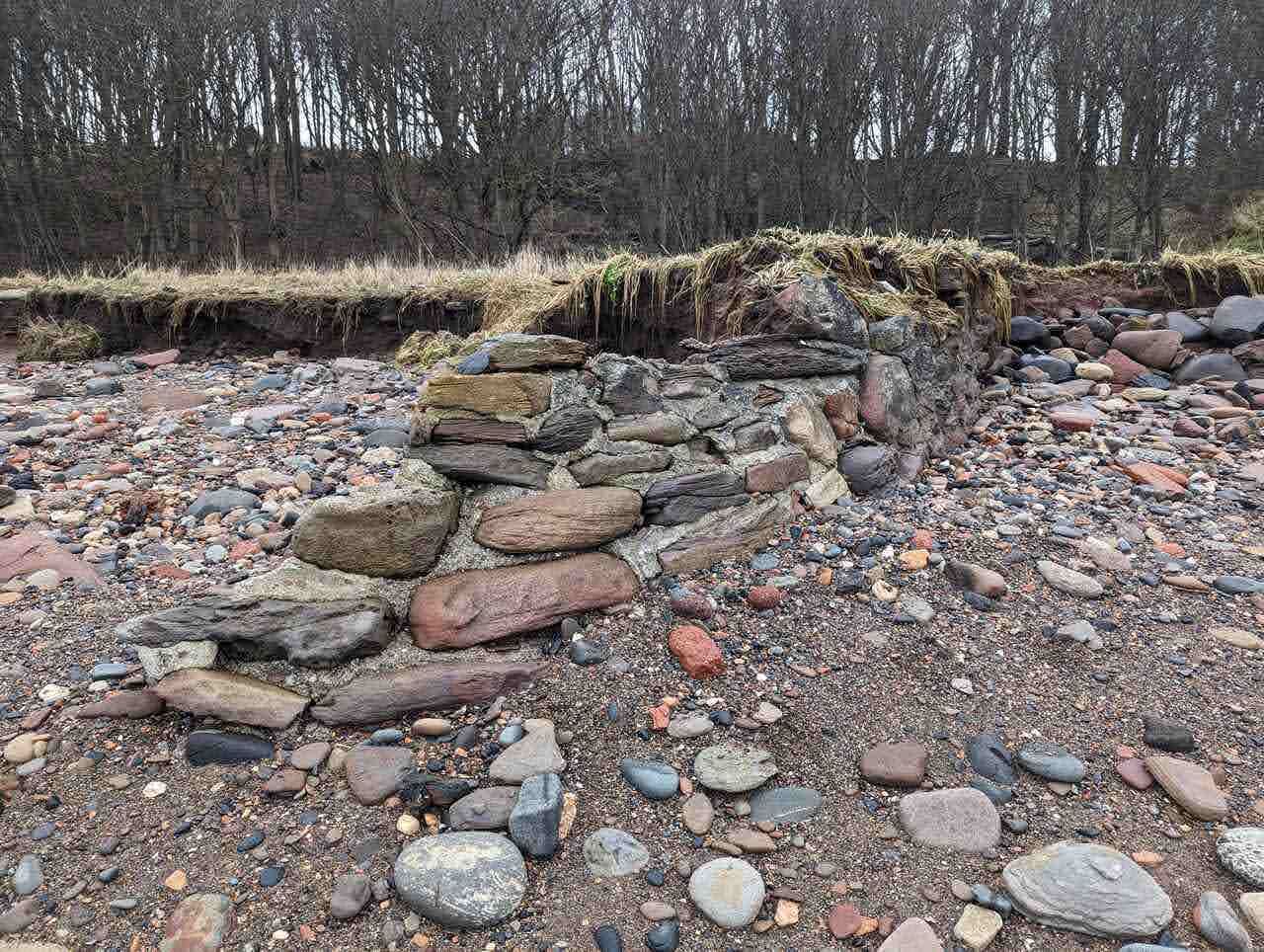
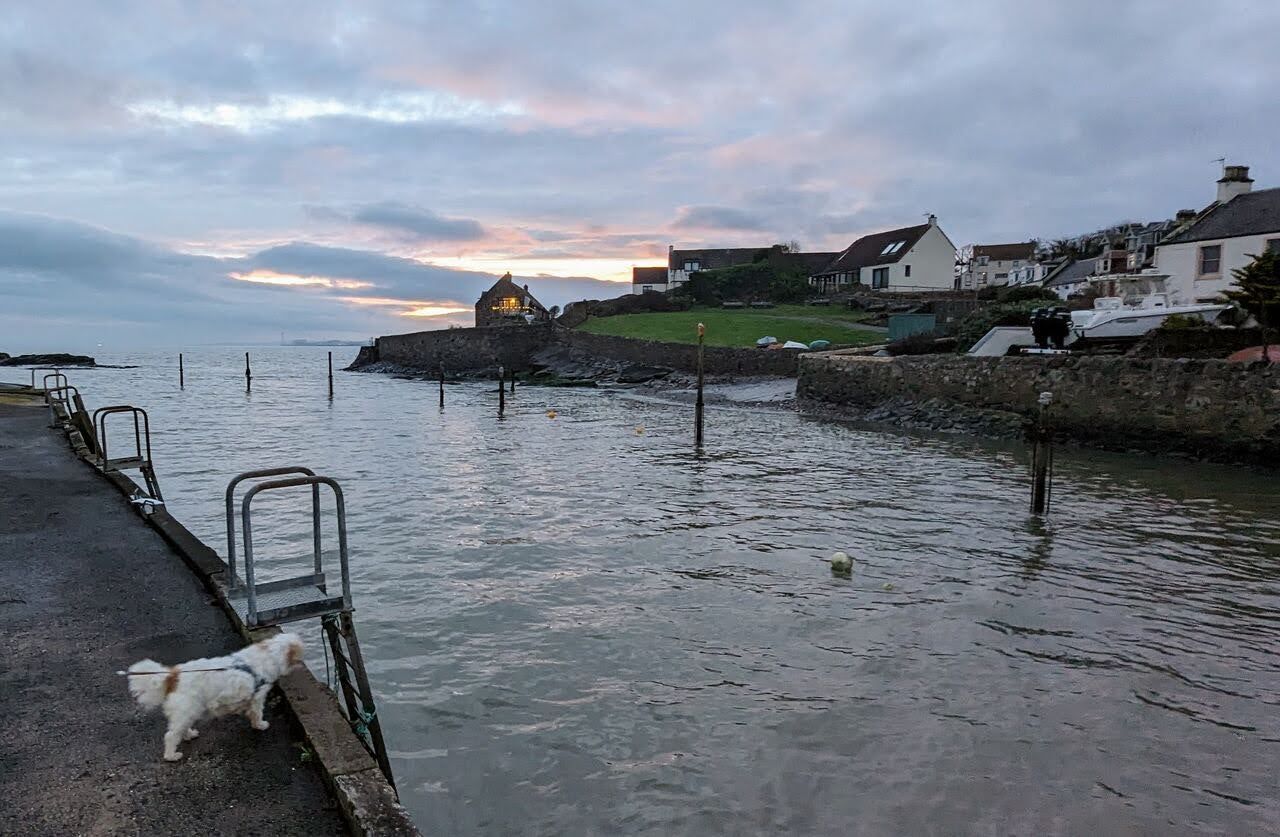
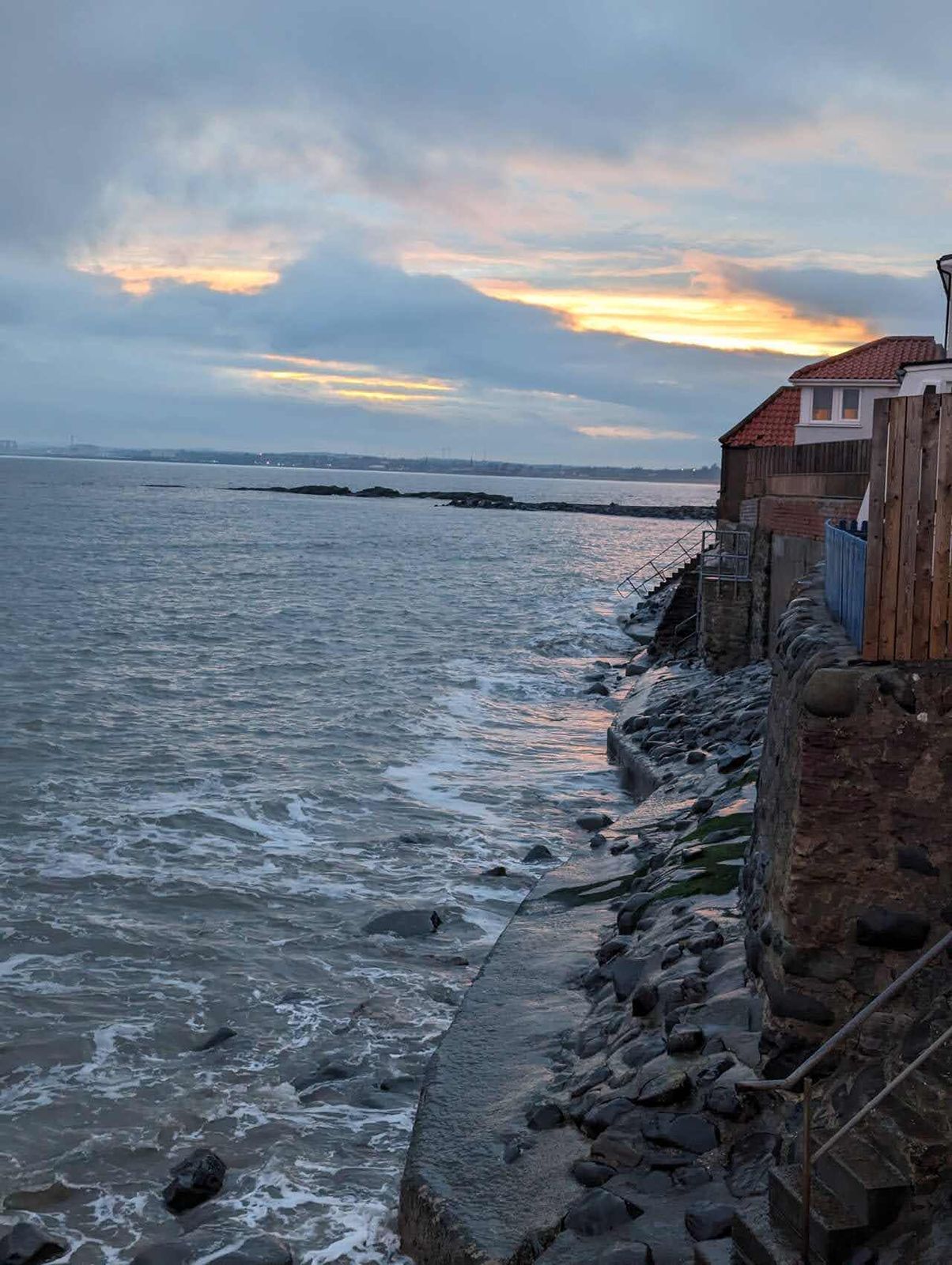
The coast here is all warm red sandstone, sculpted into ledges and hollows, with driftwood and rock pools at low tide and long views across the Forth. The Fife Coastal Path makes an easy, level walk in either direction — west toward the pretty harbour village of West Wemyss, past painted community pebbles left on the beach, or east toward Buckhaven. Lillie, our wee dog, thoroughly approved of the whole shoreline.
Where we ate
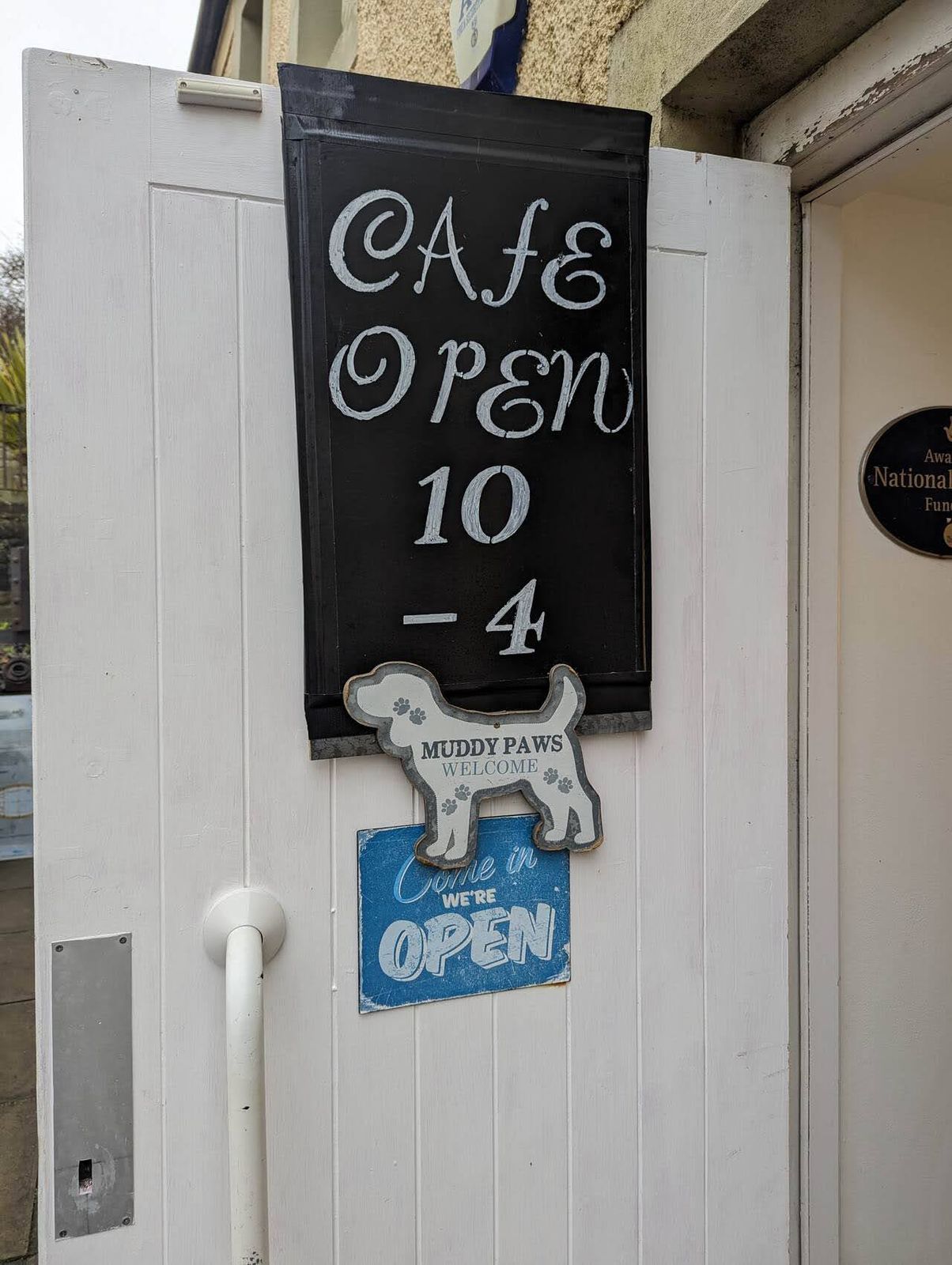
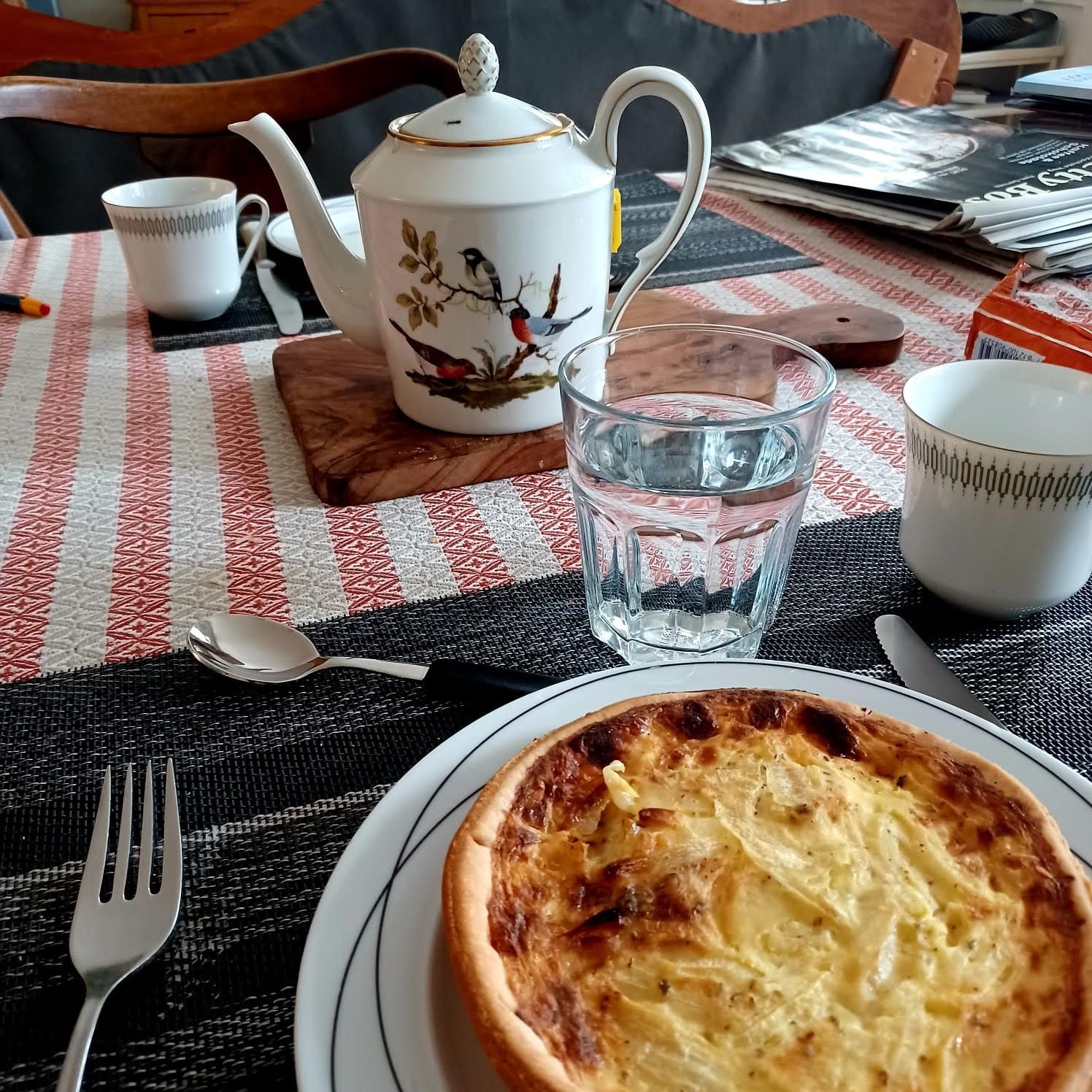
There’s a friendly, dog-friendly café in the village (open 10–4 when we were there) — we had good coffee and cake, and a proper quiche lunch to warm up on a raw February day. Just the ticket after an hour on the cold shore.
Overnight
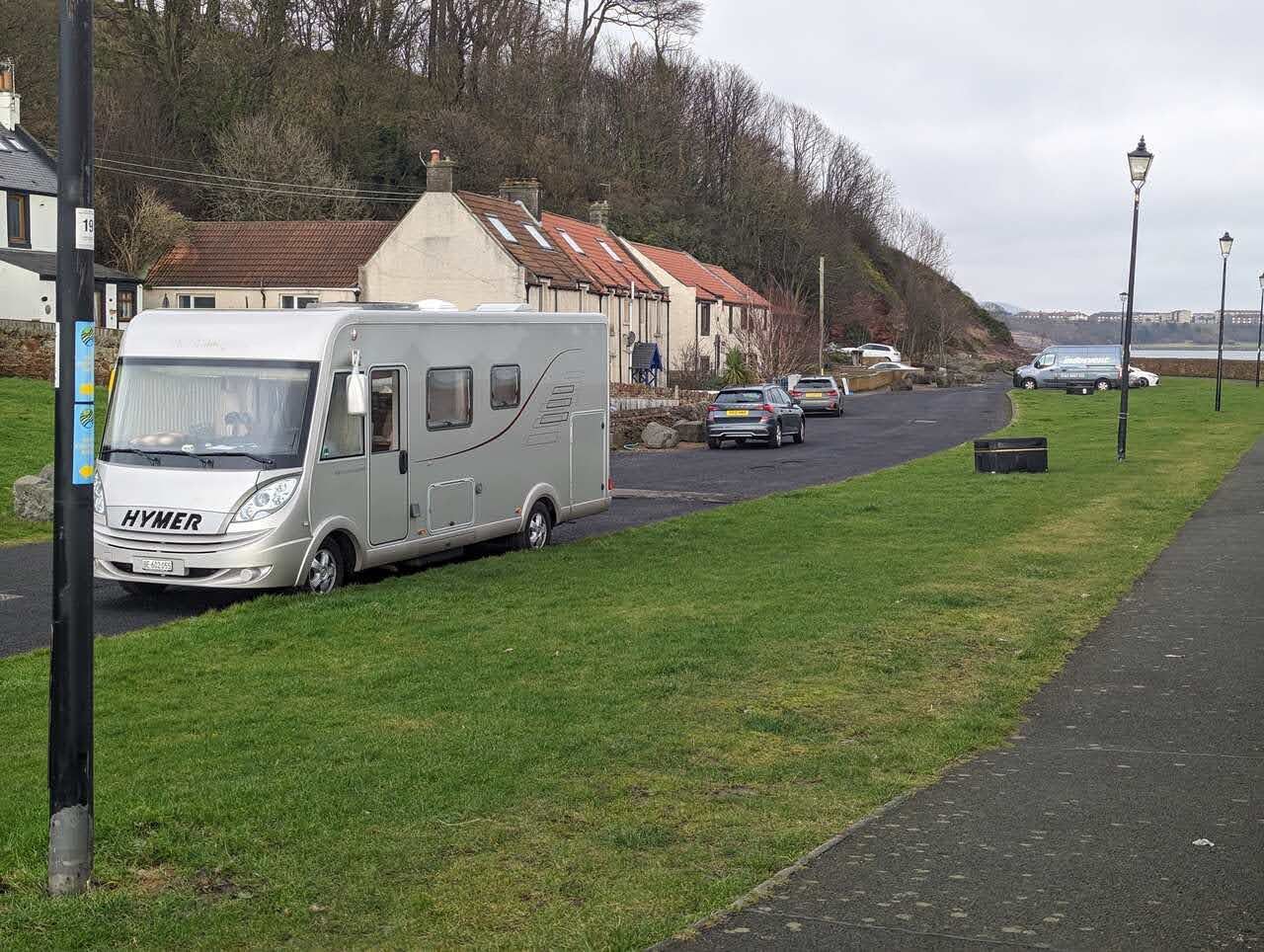
We parked up on the East Wemyss seafront for the night in the motorhome — a quiet, level spot with the sea right there. As ever on the Fife coast, always check current signage and local rules before you settle in for the night.
Nearby — the rest of the Fife coast
- Lower Largo — Robinson Crusoe’s village, just up the coast on Largo Bay.
- Aberdour & Culross — the “Fife Riviera” and Scotland’s best-preserved 17th-century village, west along the shore.
- Dunfermline — Scotland’s ancient capital and the resting place of kings, a short hop inland.
- Loch Leven Castle — where Mary was later imprisoned; browse the rest of our Castles of Scotland too.
Sources
- Save Wemyss Ancient Caves Society (SWACS) & the SCAPE Trust — the caves and their Pictish carvings.
- Historic Environment Scotland, “When Mary met Darnley” — Wemyss Castle, 1565.
- The Courier — the Michael Colliery disaster, 1967.
- Everything first-hand is from our own February 2024 visit.