
Macduff’s Castle: The Red Ruin of the Thanes of Fife, Above the Wemyss Caves
🏰 FREE · open ruin, no charge
Overview
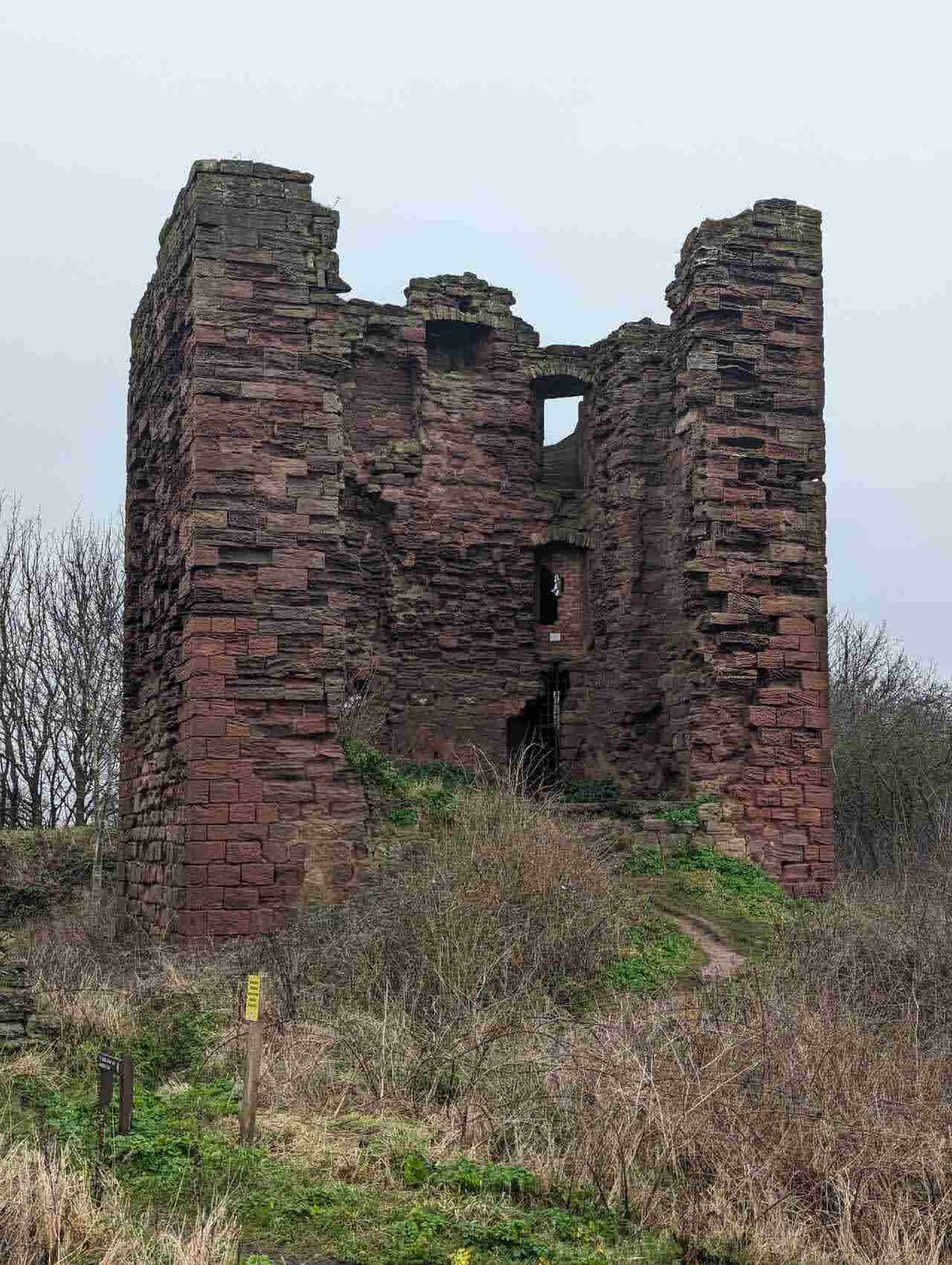
Macduff’s Castle is a free, open ruin standing on the low cliff directly above the Wemyss Caves at East Wemyss, on the Fife coast. It carries one of the great names of Scottish history — the MacDuffs, Earls of Fife — a resident ghost, and the scars of a very modern decision. It’s a short, rewarding detour off the Fife Coastal Path, and it pairs perfectly with a walk along the caves below.
Where it is
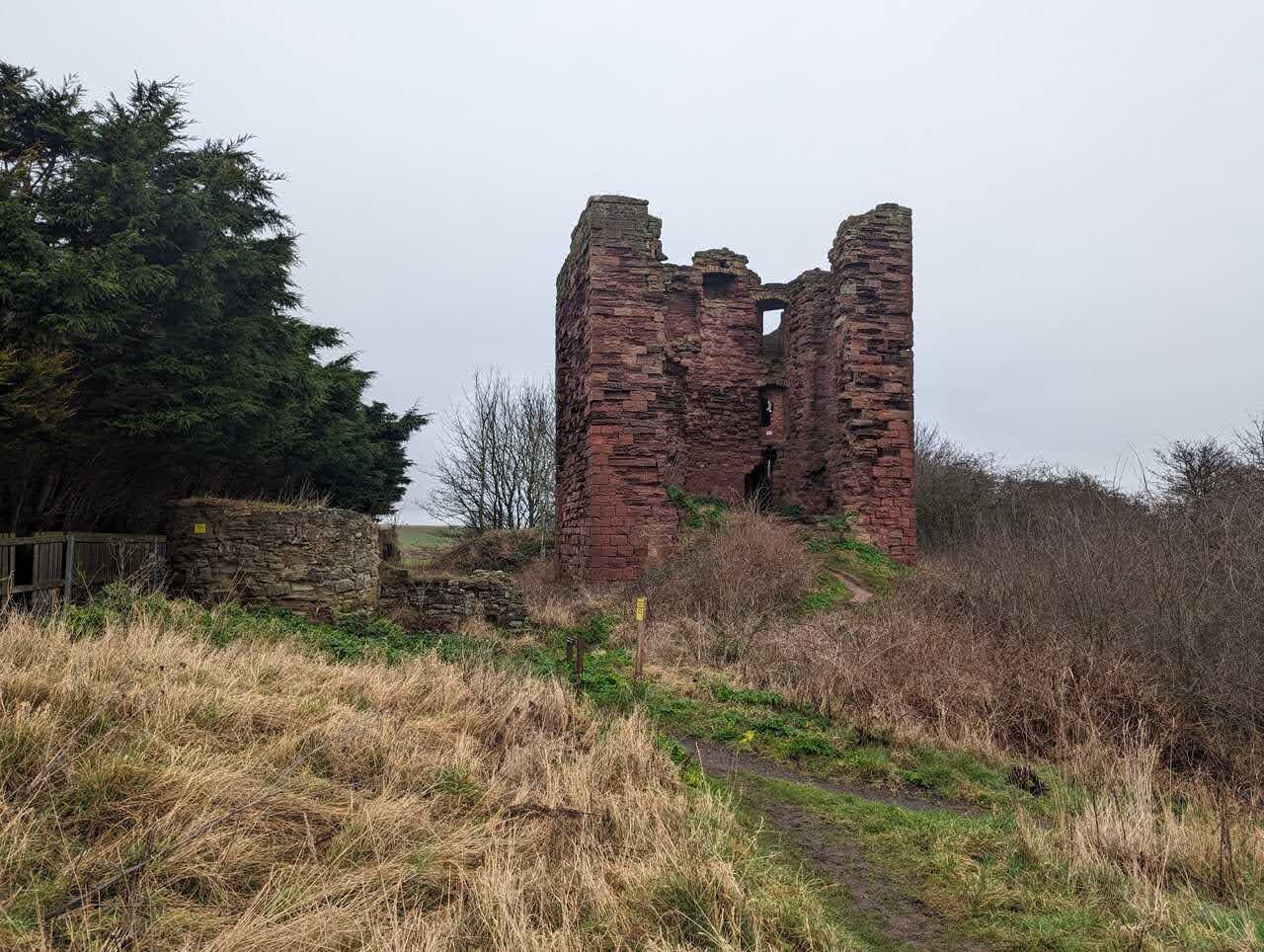
The castle sits on the shore side of East Wemyss, a few minutes’ walk from the village and the cave path. It’s unstaffed and open at any reasonable time, with no charge — but it is a genuine ruin, so take care near the walls and keep an eye on children.
The history
The site is bound up with the MacDuff Mormaers (Earls) of Fife, the most powerful family in the province through the Middle Ages — the line of the Thane of Fife of Macbeth’s day (King Macbeth died in 1057). A stronghold may have stood here as early as the 11th century, though nothing of that first castle survives.
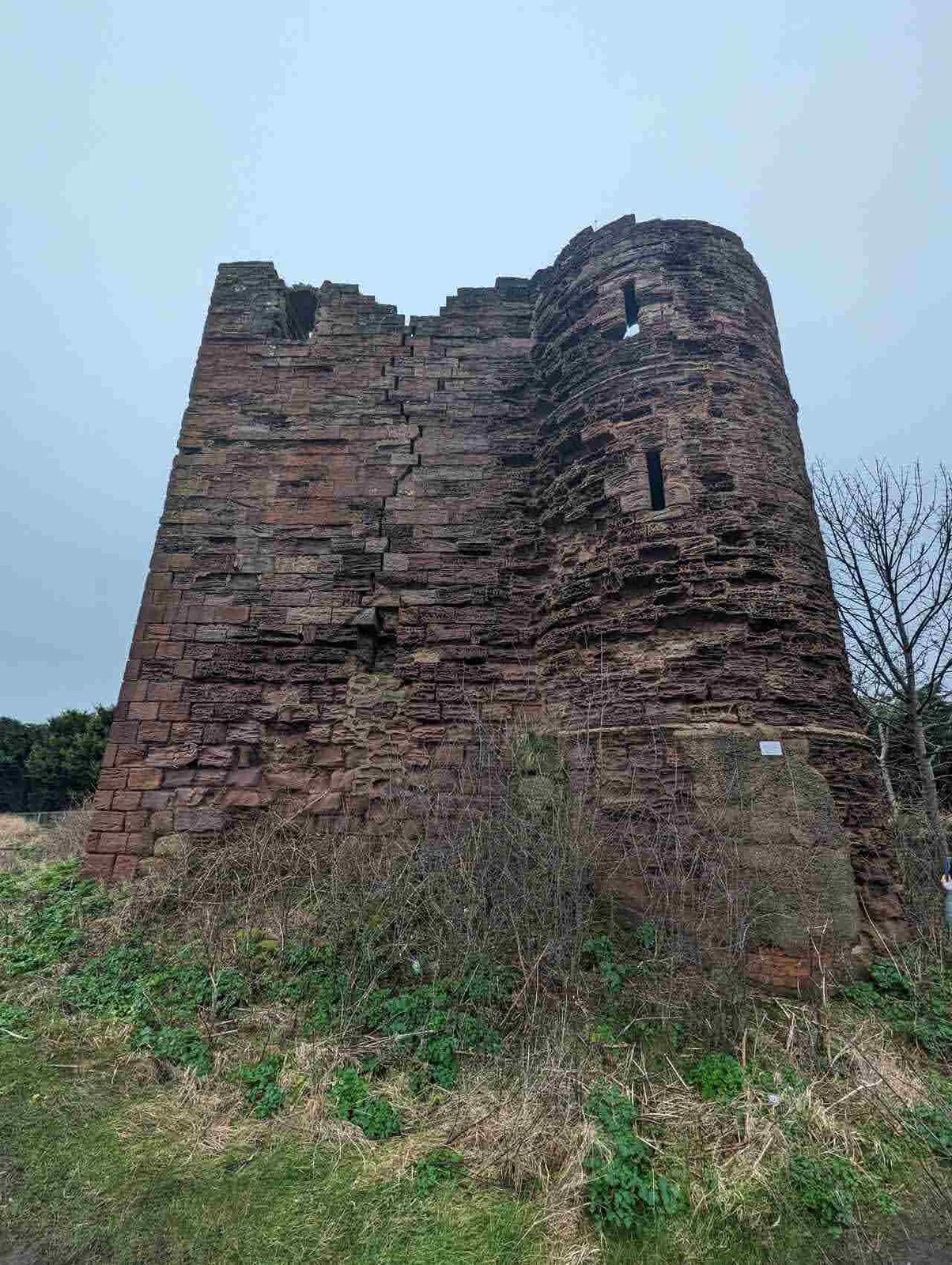
What you see today is later. From the 14th century this was a home of the Wemyss family and their successors, who built and rebuilt it across the following centuries. At its height it comprised a four-storey 14th-century tower and a five-storey 16th-century tower, linked by a 16th-century gatehouse range, with 17th-century walls pierced by gun loops. It is a Scheduled Ancient Monument.
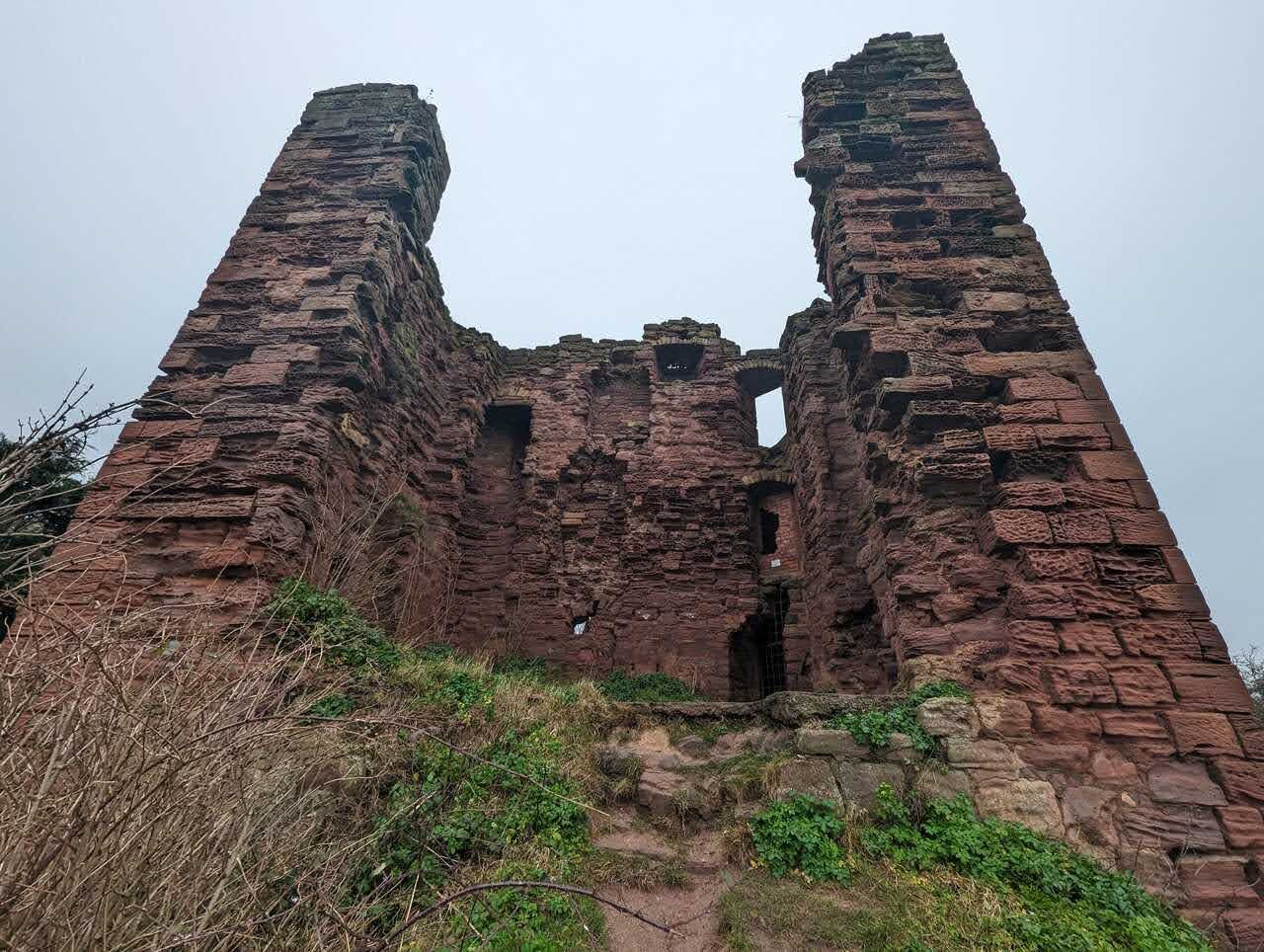
The reason it looks the way it does is surprisingly recent: in 1967, Fife County Council demolished the eastern tower after a child was injured falling from it — which is why the ruin today feels a little lopsided, one tower gone and the other left standing over the sea.
The Grey Lady
Like any self-respecting Scottish ruin, Macduff’s Castle has a ghost. Local lore tells of a “Grey Lady” — said to be Mary Sibbald, a woman found guilty of theft who died at the castle — who is still seen drifting about the walls. Whether or not you believe it, she adds to the atmosphere of a place that already feels heavy with age on a grey Fife day.
Visiting — and combining it with the caves
Macduff’s Castle is best done as part of a wider wander at East Wemyss: park in the village, walk the shore to the Wemyss Caves with their Pictish carvings, and take in the castle on the cliff above. Between the two you’ve got Pictish art, a medieval stronghold, a ghost and a mining village all within a few hundred yards — remarkable value for a village most people have never heard of.
Nearby & more castles
- East Wemyss & the Wemyss Caves — the full guide to the village, the caves and Wemyss Castle right below.
- Loch Leven Castle — the island prison of Mary, Queen of Scots, a short drive inland.
- See every ruin we’ve visited in our Castles of Scotland collection.
Sources
- Macduff’s Castle & Canmore — history, structure and the 1967 demolition.
- Everything first-hand is from our own February 2024 visit to East Wemyss.