Clan Campbell: The Lords of Argyll
The clan by the numbers
| First on record | Gillespie Campbell, 1263; the clan hero Cailean Mòr (“MacCailean Mòr”), baron of Argyll 1292 |
| Peak fighting strength | ~4,000 men (General Wade, 1724), rising to ~5,000 by 1745 — the largest single-clan force in the Highlands |
| People bearing the name today | ~39,000 in Scotland (a top-ten surname), ~828,000 worldwide (estimate) |
“Fighting strength” is the armed following, not a population count. Surname totals are estimates and include many bearers with no clan connection.
Overview — the clan that shaped Argyll
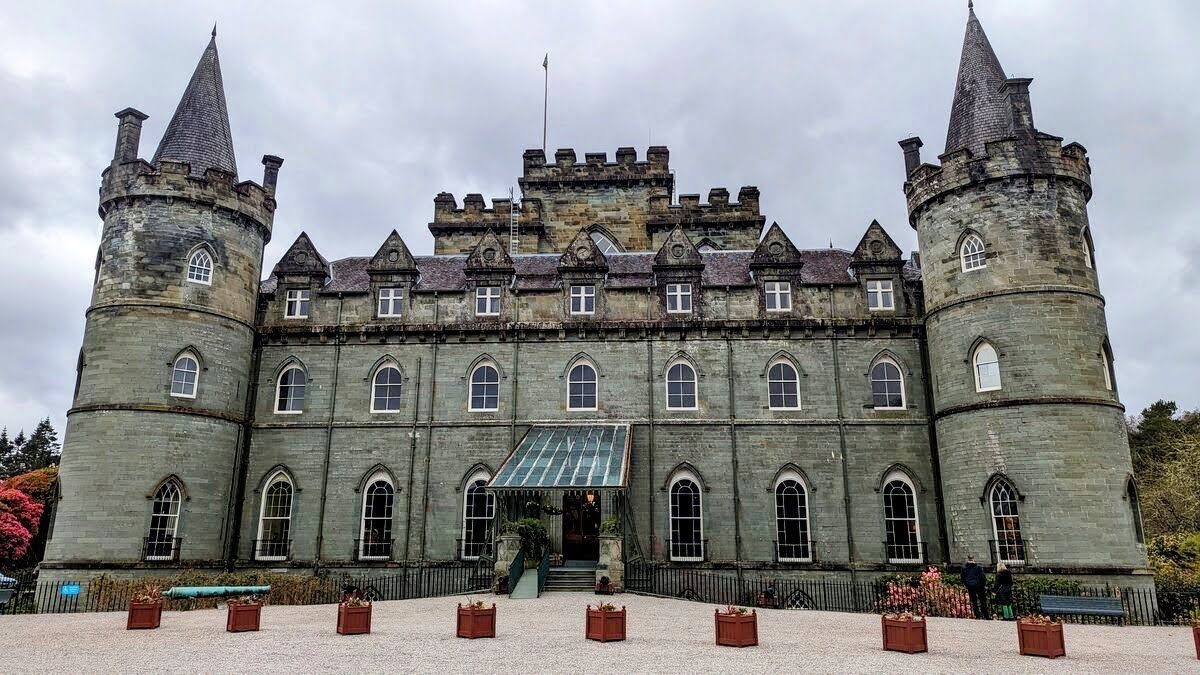
Clan Campbell is one of the largest and most powerful clans in Scottish history — for centuries the dominant family of the west Highlands. Where other clans rose and fell by the sword, the Campbells rose by a canny mix of the sword, the law and the crown’s favour, and by the 1700s they held sway over a huge swathe of Argyll and beyond. Their chief is the Duke of Argyll — in Gaelic MacCailein Mòr, “son of great Colin” — and their seat is the fairytale Inveraray Castle on Loch Fyne. Travel the west coast and you’re travelling through Campbell country.
The name & the origins
The clan’s Gaelic name is Clann Duibhne, tracing a legendary descent from Diarmid O’Duibhne of Celtic myth — which is why Campbells are sometimes called “Siol Diarmid,” the race of Diarmid. The surname “Campbell” itself comes from the Gaelic cam beul, meaning “crooked” or “wry mouth.” The clan’s reliable history begins with Sir Colin Campbell of Lochawe — “Cailean Mòr,” Great Colin — killed around 1296; every chief since has been styled MacCailein Mòr in his memory.
The rise — Bruce, and the winning of Argyll
The Campbells’ great leap came in the Wars of Independence. They threw in their lot with Robert the Bruce — Sir Neil Campbell married Bruce’s sister, Mary — and when Bruce triumphed, the Campbells were rewarded with the forfeited lands of his enemies (the MacDougalls and Comyns) across Argyll. From that base they expanded relentlessly over the next three centuries, absorbing neighbours, building castles, and turning royal service into ever more land and titles: Earls of Argyll from 1457, Marquess in 1641, and finally Dukes of Argyll in 1701.
The great branches — Argyll, Glenorchy & the rest
Clan Campbell is really a family of powerful branches (“cadets”):
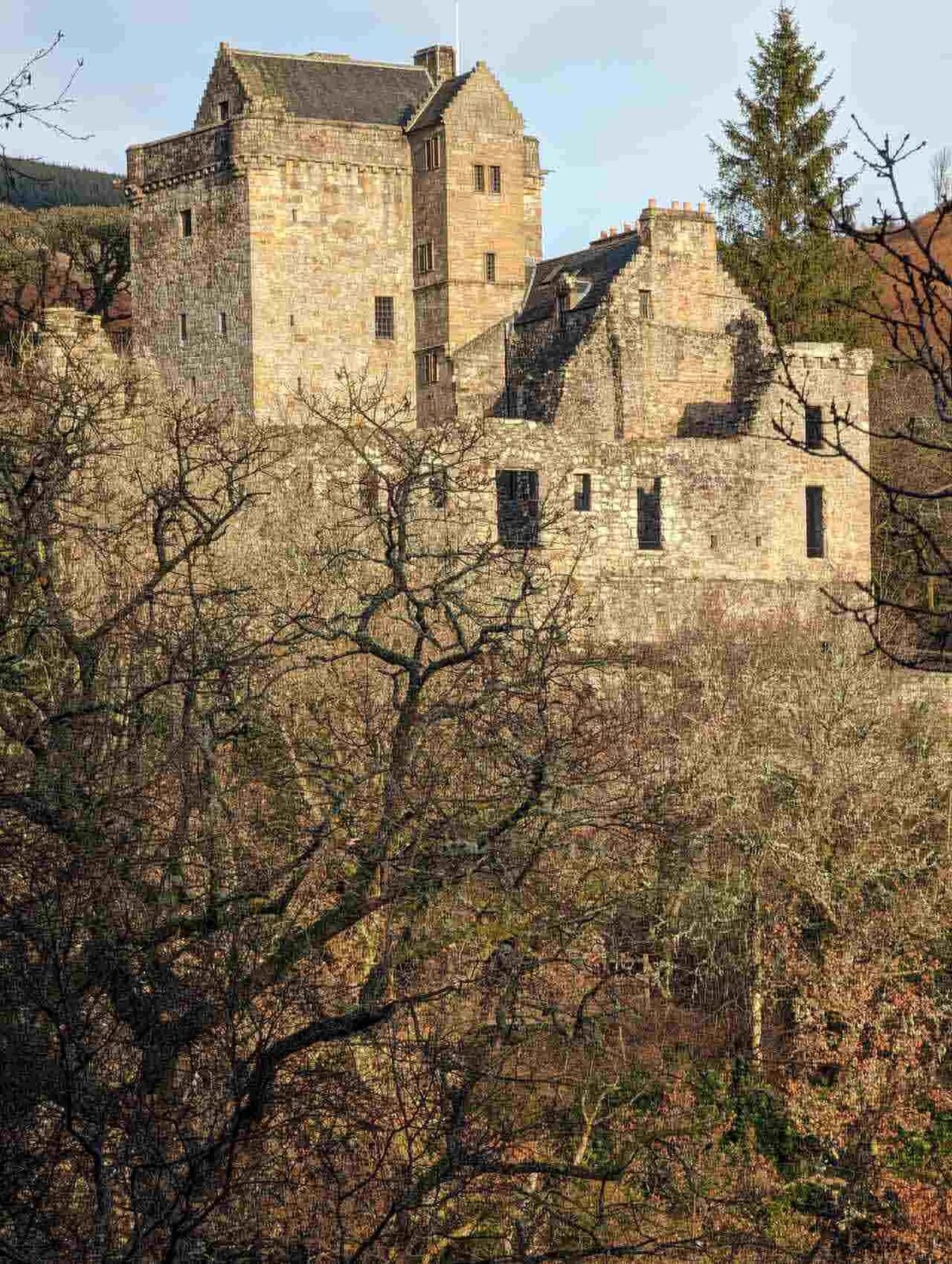
- Campbells of Argyll — the chiefs themselves, at Inveraray. They also held Castle Campbell above Dollar (bought about 1465 by Colin, 1st Earl of Argyll, who had it renamed from the gloomy “Castle Gloom”) as their Lowland stronghold near the royal court.
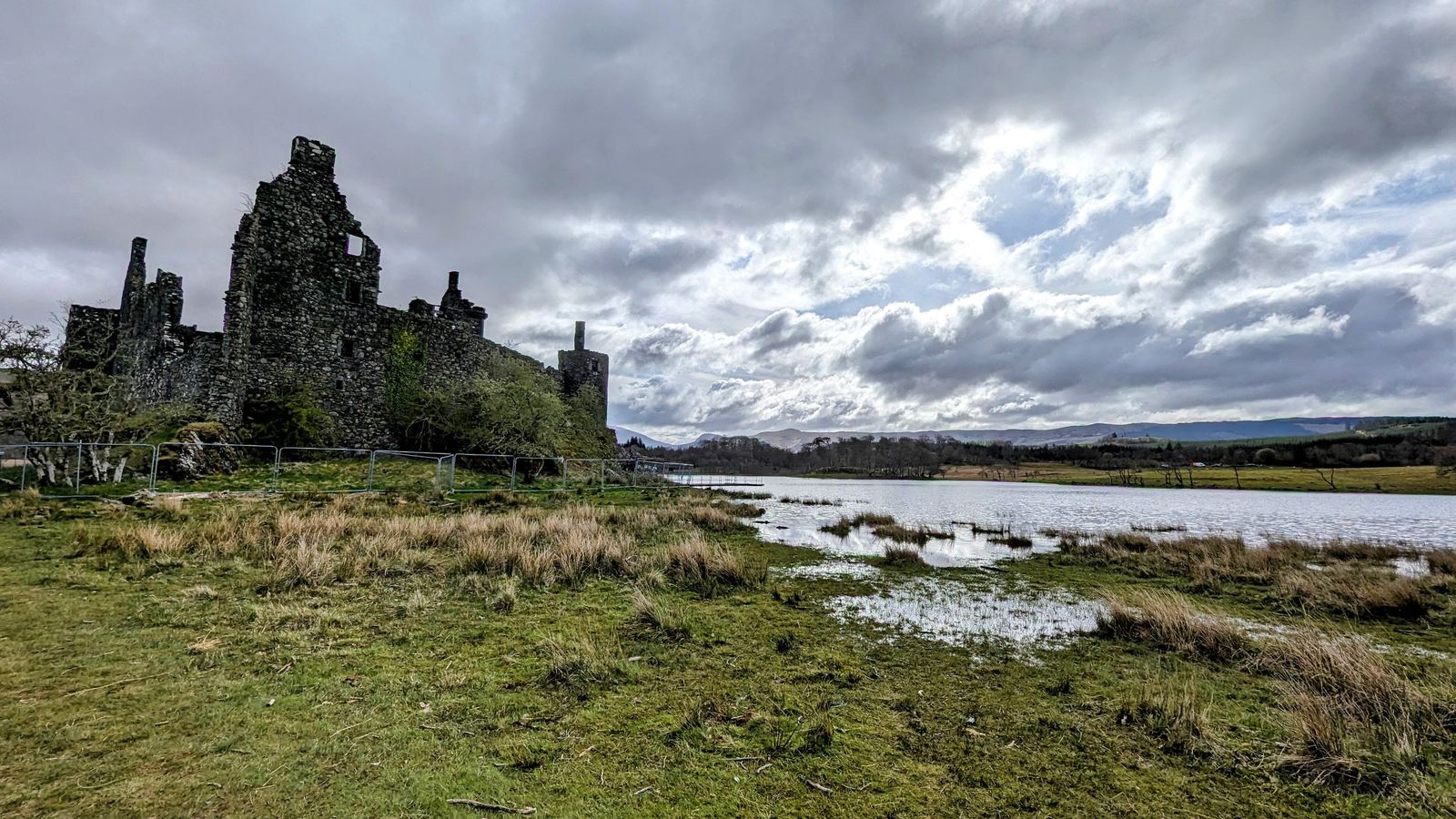
- Campbells of Glenorchy — later the Earls of Breadalbane, who built Kilchurn Castle at the head of Loch Awe around 1450 and spread east to Taymouth and to Finlarig at Killin. “As grasping as a Campbell of Breadalbane” became a Highland saying.
- Campbells of Cawdor and of Loudoun — further powerful lines, in Nairnshire and Ayrshire.
Power, politics & the shadow of Glencoe
The Campbells’ rise made them enemies as well as land. They were the great rivals of Clan Donald (the MacDonalds) in the west, and prime movers in the fall of both the Lords of the Isles and Clan Gregor (the MacGregors), whose very name was outlawed. Staunchly on the side of the crown, the Protestant cause and later the Whig government, the Campbells gained hugely from backing the winning side — though it cost two chiefs their heads (the Marquess of Argyll executed in 1661, the 9th Earl in 1685) before the dukedom finally came.
And then there’s Glencoe. The Massacre of Glencoe in 1692 — when soldiers turned on their MacDonald hosts — was carried out by a government regiment led by Robert Campbell of Glenlyon, and the Campbell name has been shadowed by it ever since. In fairness it was a government atrocity, ordered from on high, not a clan raid — but the memory runs deep, and to this day you’ll still see the odd “no Campbells” joke in a Glencoe pub.
Motto & badge
The Campbell motto is “Ne Obliviscaris” — “Forget Not.” The clan’s plant badge is bog myrtle (wild gale), and the Duke of Argyll remains chief of the whole name today, still seated at Inveraray.
Campbell country on our travels
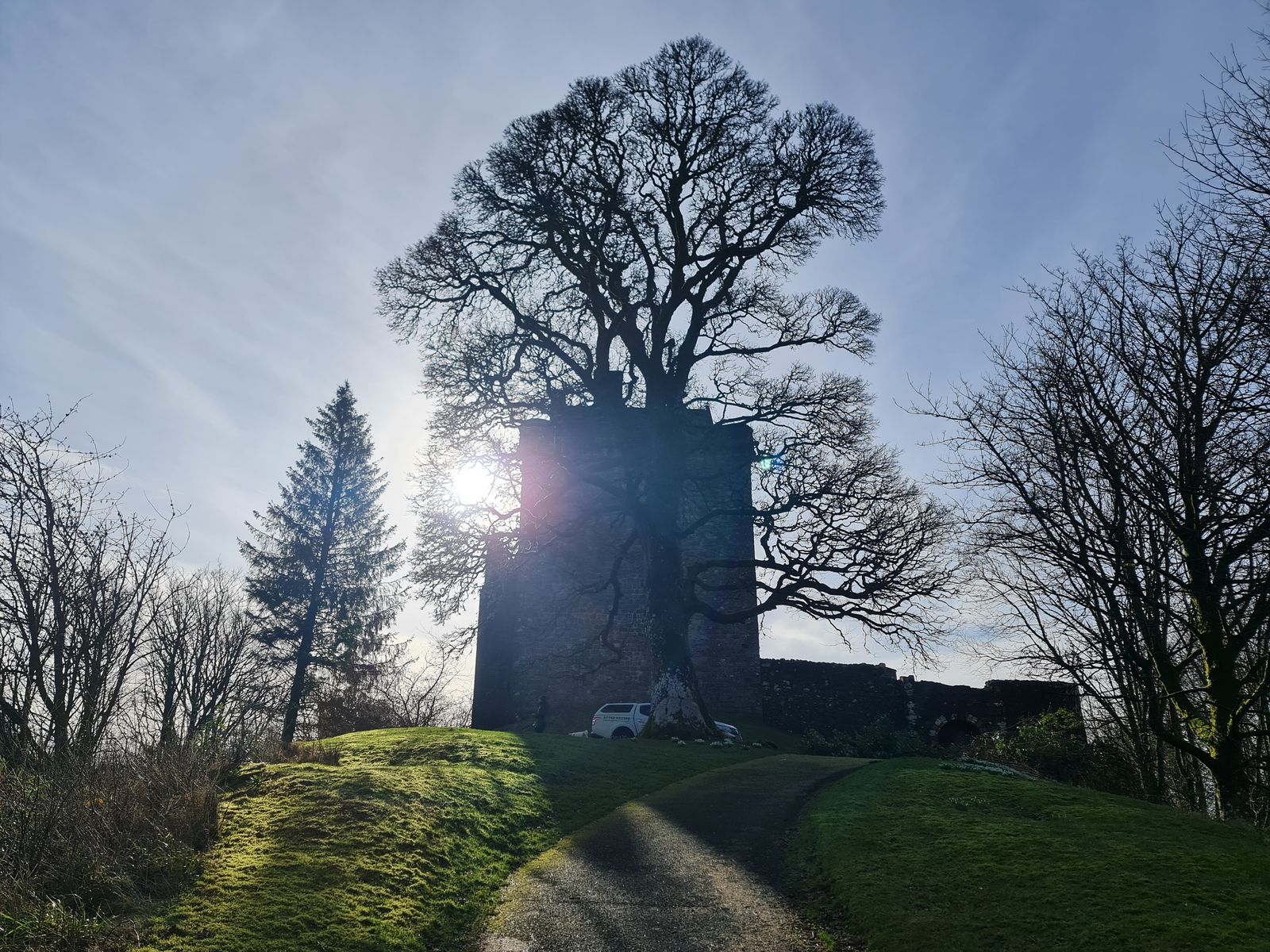
You’ll meet the Campbells all across the west of this site:
- Inveraray — the planned town and fairytale castle of the Dukes of Argyll, the clan’s beating heart.
- Kilchurn Castle & Loch Awe — the Glenorchy/Breadalbane stronghold and its loch.
- Castle Campbell, Dollar — the Argyll Campbells’ dramatic Lowland castle above Dollar Glen.
- Killin — Breadalbane country at the head of Loch Tay (Finlarig).
← Back to Scottish Clans · see also our companion page on the Dukes of Argyll (the chiefs of the clan) and the Lochs of Scotland.
Battles — won and lost
The most notable actions the clan fought, and how they ended:
- Bannockburn (1314) — vs the English — WON
- Flodden (1513) — vs the English (2nd Earl killed) — LOST
- Langside (1568) — vs Mary, Queen of Scots’ party — WON
- Inverlochy (1645) — vs Montrose & the MacDonalds — LOST
- Sheriffmuir (1715) — vs the Jacobites — DRAWN
- Culloden (1746) — vs the Jacobites — WON
The defining rivalry was the long Campbell–MacDonald feud, which reached its infamy in the 1692 Glencoe Massacre.
The clan lands
Orange markers = the clan’s chief castles, seats and territories; where we have a page, they link through.
Explore Scottish Outposts
Clans · Whisky · Castles · Lochs · Kirks & Cathedrals · Standing Stones · Metal Detecting · Trips So Far
Sources
- First-hand: our own visits to Inveraray, Kilchurn, Loch Awe, Castle Campbell & Killin (own photos)
- Clan Campbell Society · Standing Council of Scottish Chiefs
- Clan Campbell — Wikipedia