The Dukes of Argyll: MacCailein Mòr, Chiefs of Clan Campbell
Overview — the family that ran the West
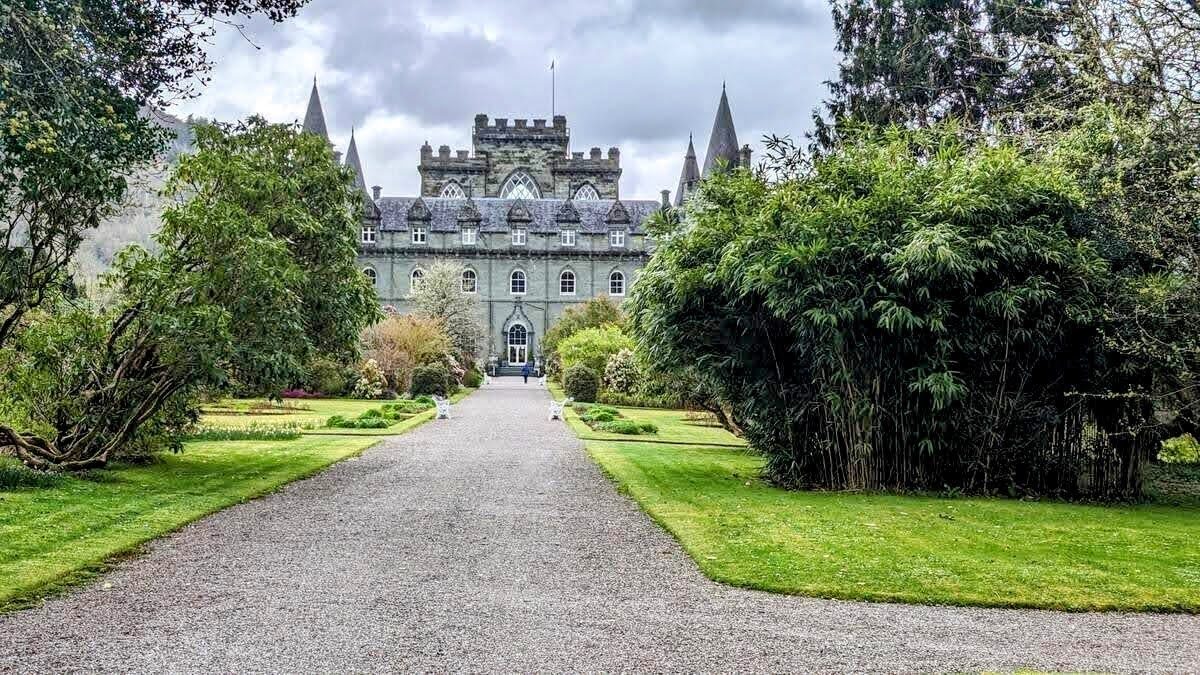
Behind Clan Campbell — the mightiest and most feared name in the Scottish West — stands one family and one man: the Duke of Argyll, chief of the clan, known in Gaelic as MacCailein Mòr. For the best part of 700 years the Campbell chiefs turned loyalty to the crown into land, land into power, and power into a dukedom, until they were quite simply the most powerful subjects in Scotland. This is the story of that ducal line — from a knight killed in 1296 to the duke who still lives at Inveraray Castle today.
MacCailein Mòr — the name
The chief’s Gaelic title, MacCailein Mòr, means “Son of Great Colin.” It looks back to Cailean Mòr — Colin the Great of Loch Awe — a Campbell knight killed in a feud with the MacDougalls of Lorn around 1296. Every chief since has carried his name: not “Campbell,” but MacCailein Mòr, the head of the whole kindred. It tells you everything about how this family thought of itself — as a dynasty, not just a surname.
From knights to earls
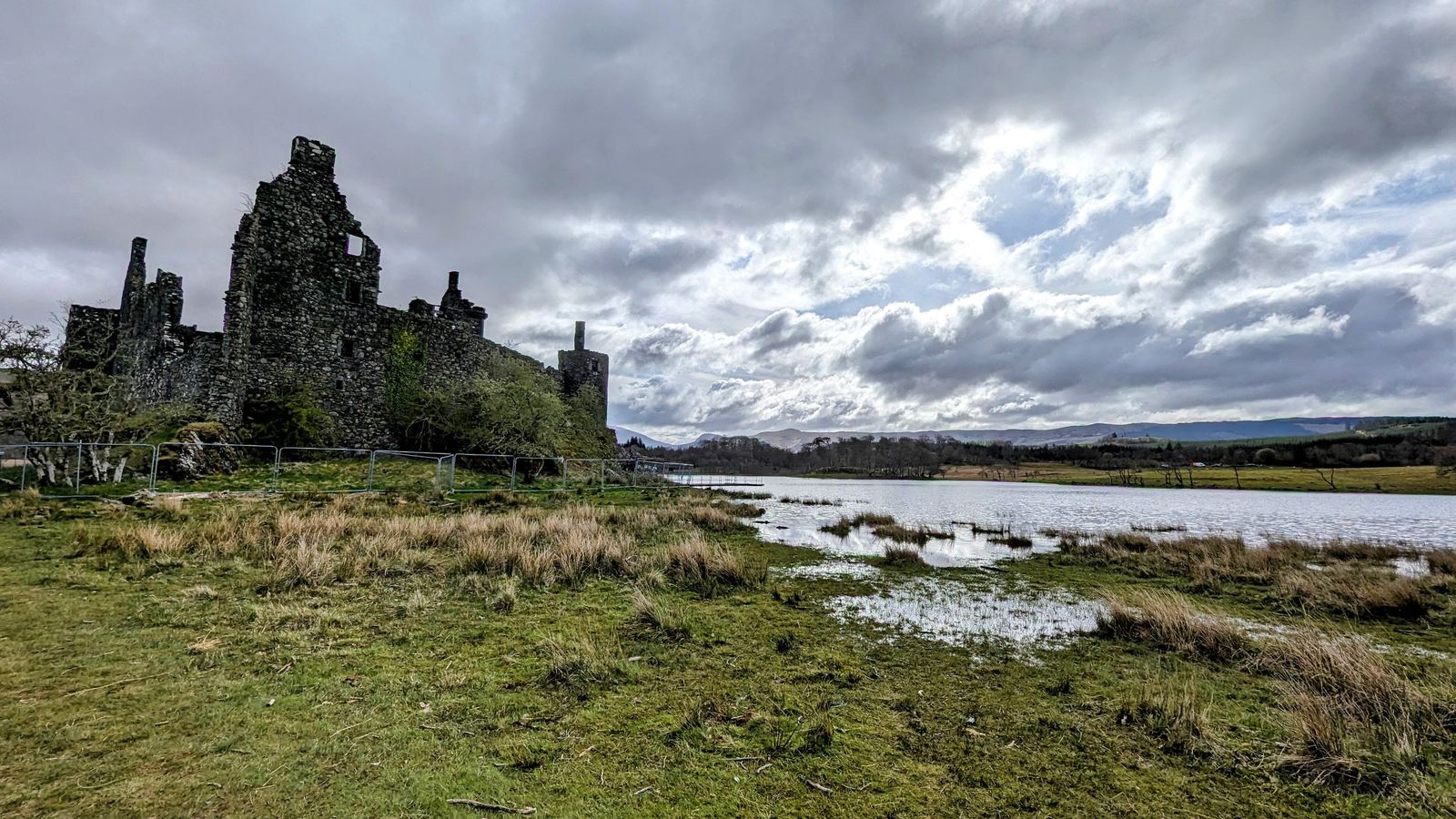
The Campbells’ rise was built on a simple, ruthless instinct: back the winning side, and back the crown. They were early and loyal supporters of Robert the Bruce, and were rewarded with lands across Argyll. From their first strongholds on Loch Awe — above all Kilchurn Castle — they spread out across the West, swallowing the lands of rival clans by marriage, law, feud and royal favour.
In 1457, Colin Campbell was created 1st Earl of Argyll, and the family moved its centre of gravity to Inveraray on Loch Fyne. Successive earls became the crown’s enforcers in the Highlands — Justiciars, Lieutenants, Sheriffs — and grew rich and dangerous on the job.
The Marquess & the Covenant — the dangerous years
Power on this scale cut both ways. The most formidable of all the earls was Archibald Campbell, 8th Earl and 1st Marquess of Argyll — the great Covenanter leader who, in the 1640s, was effectively the ruler of Scotland. A cold, clever, squint-eyed politician, he crowned Charles II at Scone yet crossed him too, and when the king was restored in 1660 the reckoning came: the Marquess was executed in Edinburgh in 1661.
His son, the 9th Earl, met the same fate — executed in 1685 after leading “Argyll’s Rising” against the Catholic James VII. Twice in a generation the head of the family went to the scaffold. And yet the Campbells kept coming back, because they kept backing the eventual winners — and the biggest win of all was just around the corner.
The dukedom — 1701
When William of Orange took the throne in the Protestant cause, the Campbells were, as ever, on the right side. In 1701 the 10th Earl was raised to 1st Duke of Argyll, Marquess of Kintyre and Lorne — a Scottish dukedom of the first rank. In two centuries the family had gone from a knight on Loch Awe to a duke; there was now no grander subject in Scotland.
The great dukes
Two brothers made the dukedom legendary. The 2nd Duke, John Campbell — “Red John of the Battles” (Iain Ruadh nan Cath) — was a brilliant soldier and statesman: a driving force behind the Union of 1707, and the general who broke the Jacobites at Sheriffmuir in 1715. He was so celebrated in his day that he has a monument in Westminster Abbey.
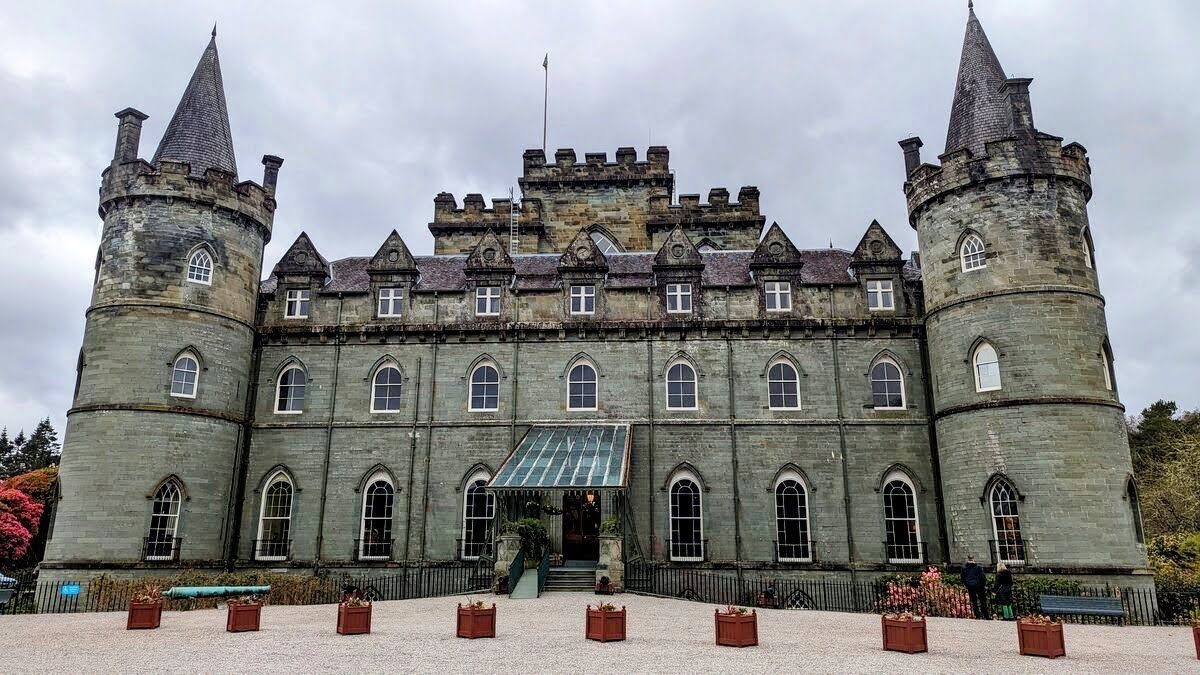
His brother the 3rd Duke, Archibald Campbell, was the great “manager” of Scotland — for decades the most powerful man in the country, so dominant that people called him “the King of Scotland.” It was he who, from 1746, swept away the old castle and built the fairytale Inveraray Castle you see today, and laid out the elegant new planned town of Inveraray beside it — the seat and showpiece of a ducal dynasty at the height of its power.
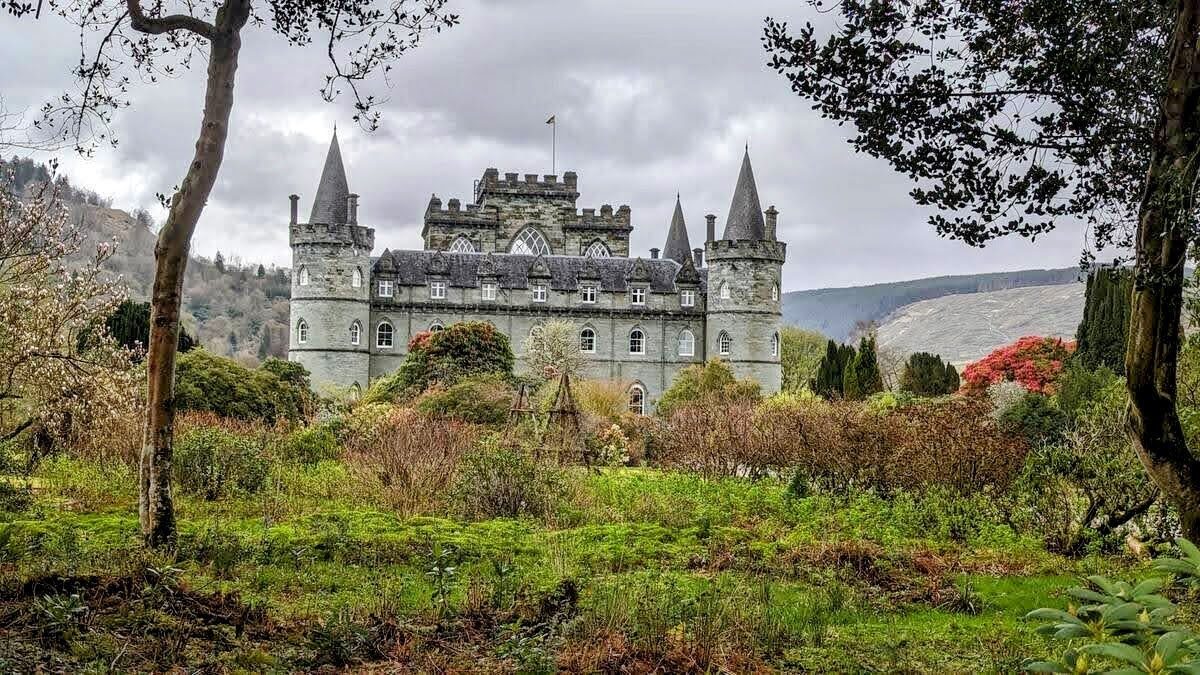
Inveraray Castle — the ducal seat
The heart of it all is Inveraray Castle, on the shore of Loch Fyne. Grey-green, turreted and impossibly romantic, it is one of the earliest and finest examples of the Gothic Revival in Britain — and, unusually for a house this famous, it is still a family home, lived in by the Dukes of Argyll to this day. Inside are the great armoury hall, the state rooms and the family’s centuries of history; outside, the gardens, the tower of Dun na Cuaiche above, and the little white town the dukes built.
Campbell strongholds on our travels
- Inveraray — the ducal seat and its planned town on Loch Fyne. The place to feel the family’s power.
- Kilchurn Castle & Loch Awe — the early Campbell heartland, where the story begins.
- Castle Campbell, above Dollar — the Campbells’ dramatic Lowland stronghold (once grimly nicknamed “Castle Gloom”), a reminder that their reach stretched far beyond Argyll.
The family today
The line runs unbroken. The present chief, Torquhil Campbell, 13th Duke of Argyll, still lives at Inveraray Castle with his family — MacCailein Mòr in the 21st century. Among the duke’s many ancient honours are Hereditary Master of the Royal Household in Scotland, Admiral of the Western Coasts and Hereditary Keeper of Dunstaffnage Castle. The clan motto sits over the gate: Ne Obliviscaris — “Forget Not.”
← Back to Scottish Clans · see also Clan Campbell and the Castles of Scotland.
Explore Scottish Outposts
Clans · Whisky · Castles · Lochs · Kirks & Cathedrals · Standing Stones · Metal Detecting · Trips So Far
Sources
- First-hand: our own visits to Inveraray, Loch Awe and Castle Campbell (own photos)
- Duke of Argyll — Wikipedia · Clan Campbell — Wikipedia