
Tantallon Castle: The Red Douglas Fortress That Stares at the Bass
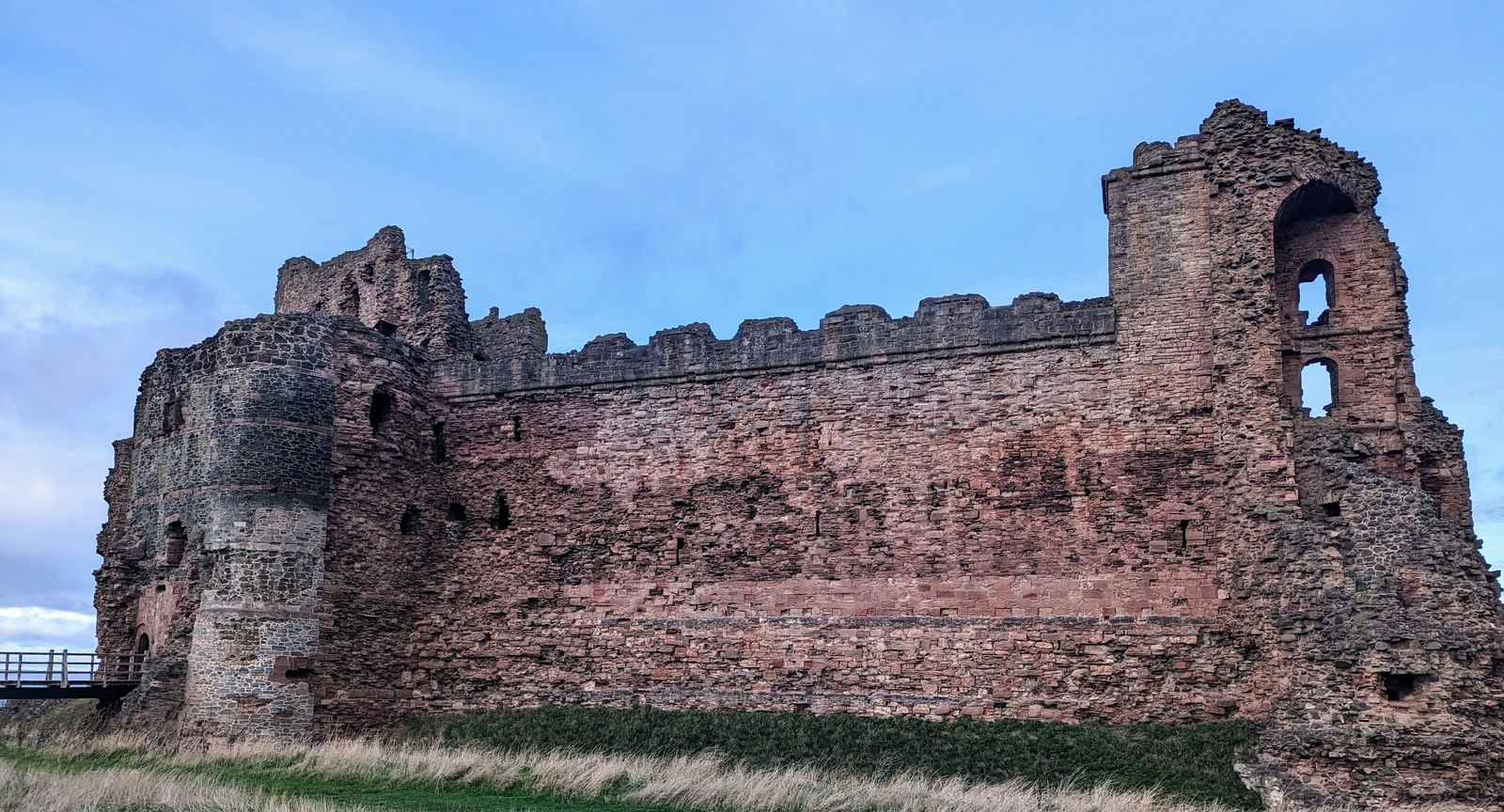
Overview — a cliff, a curtain wall and the Bass
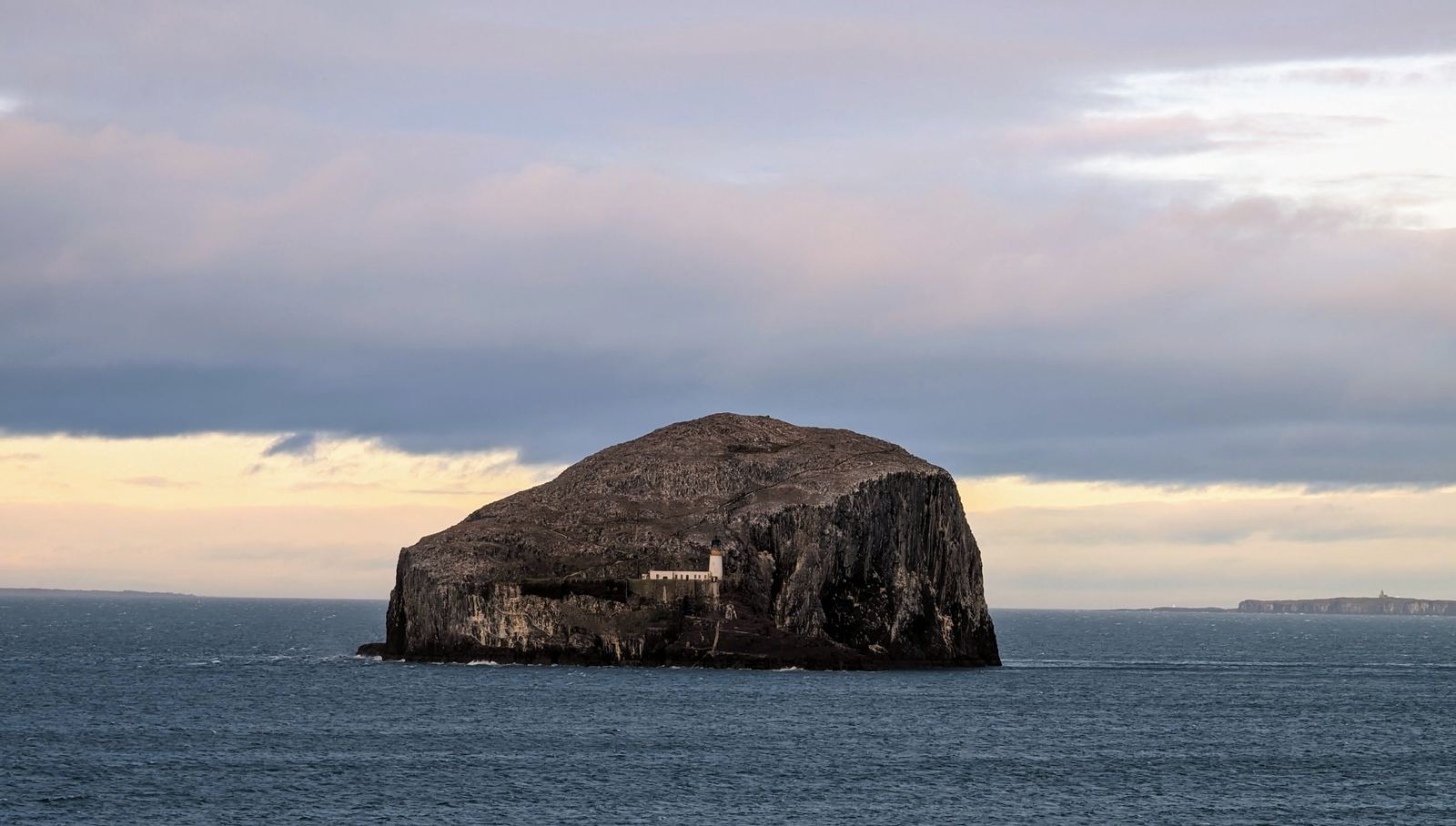
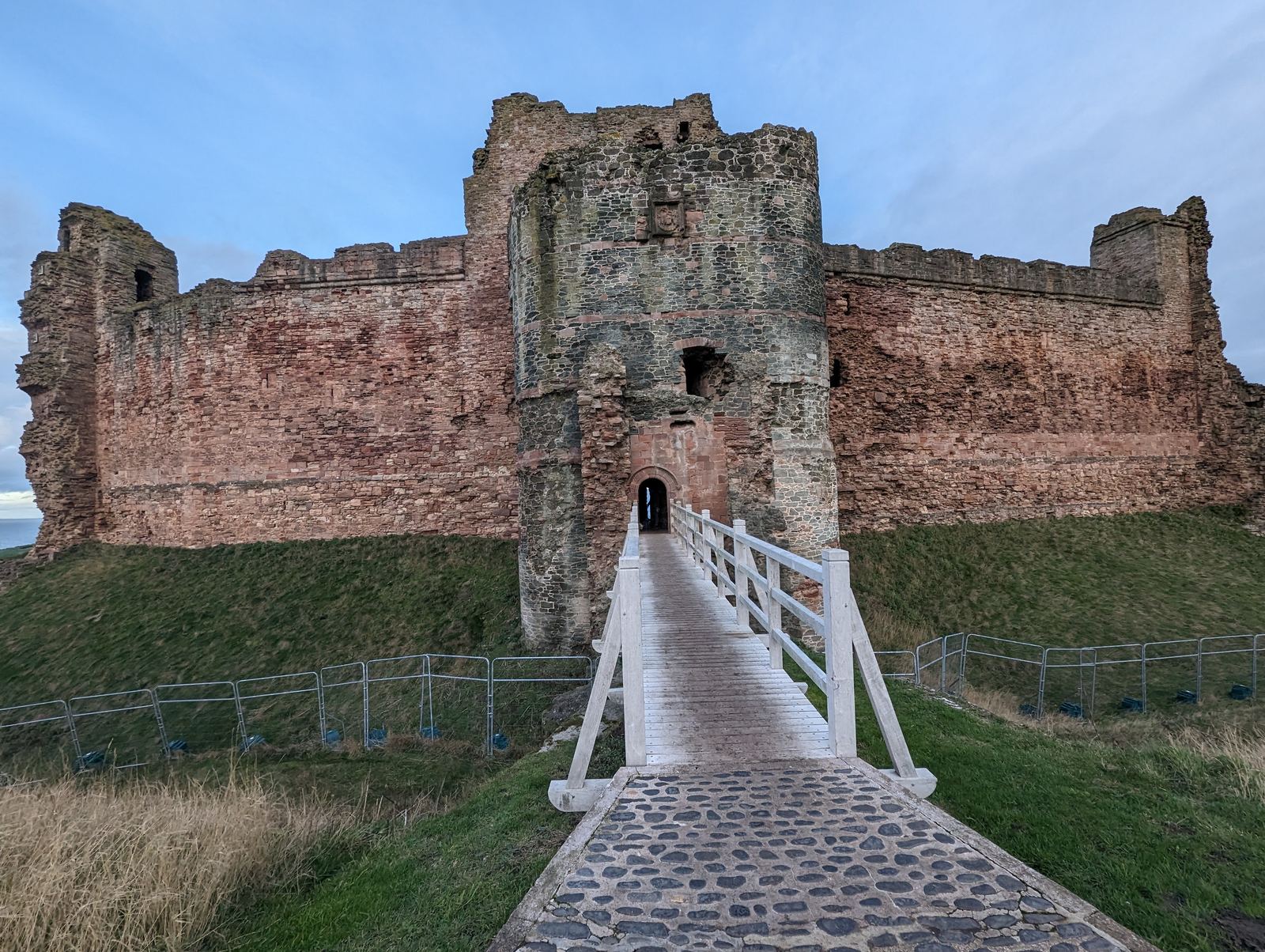
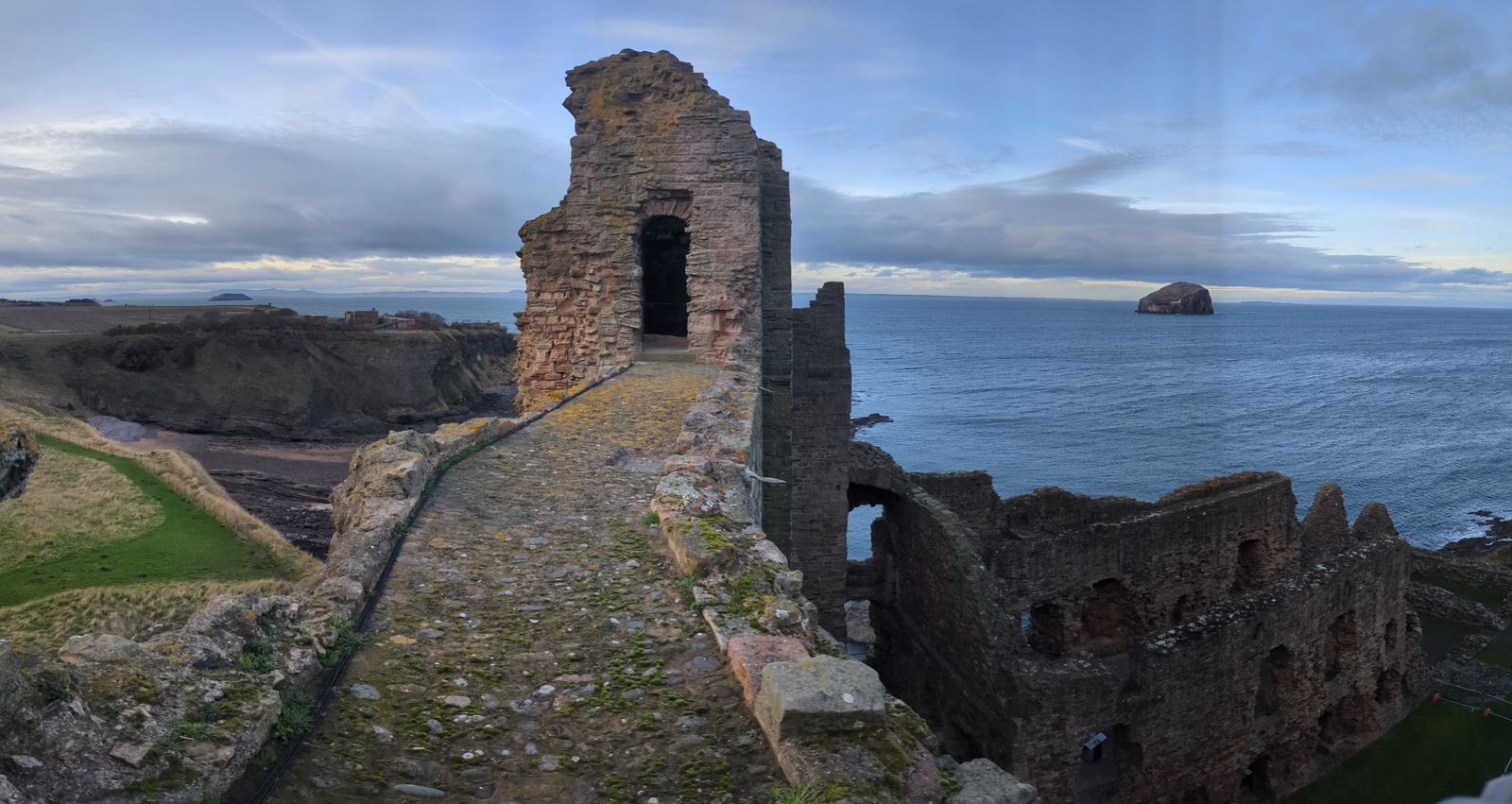
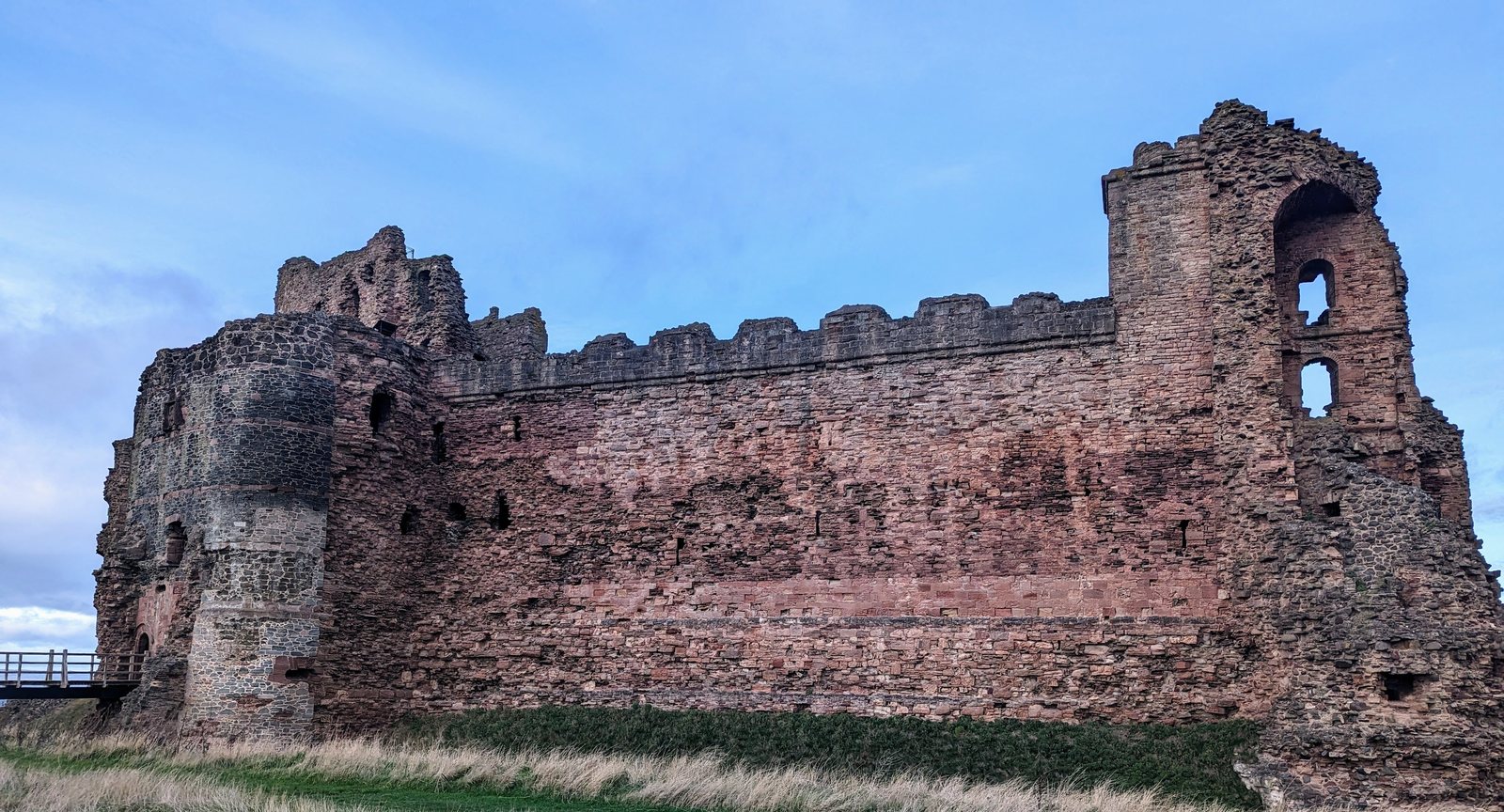
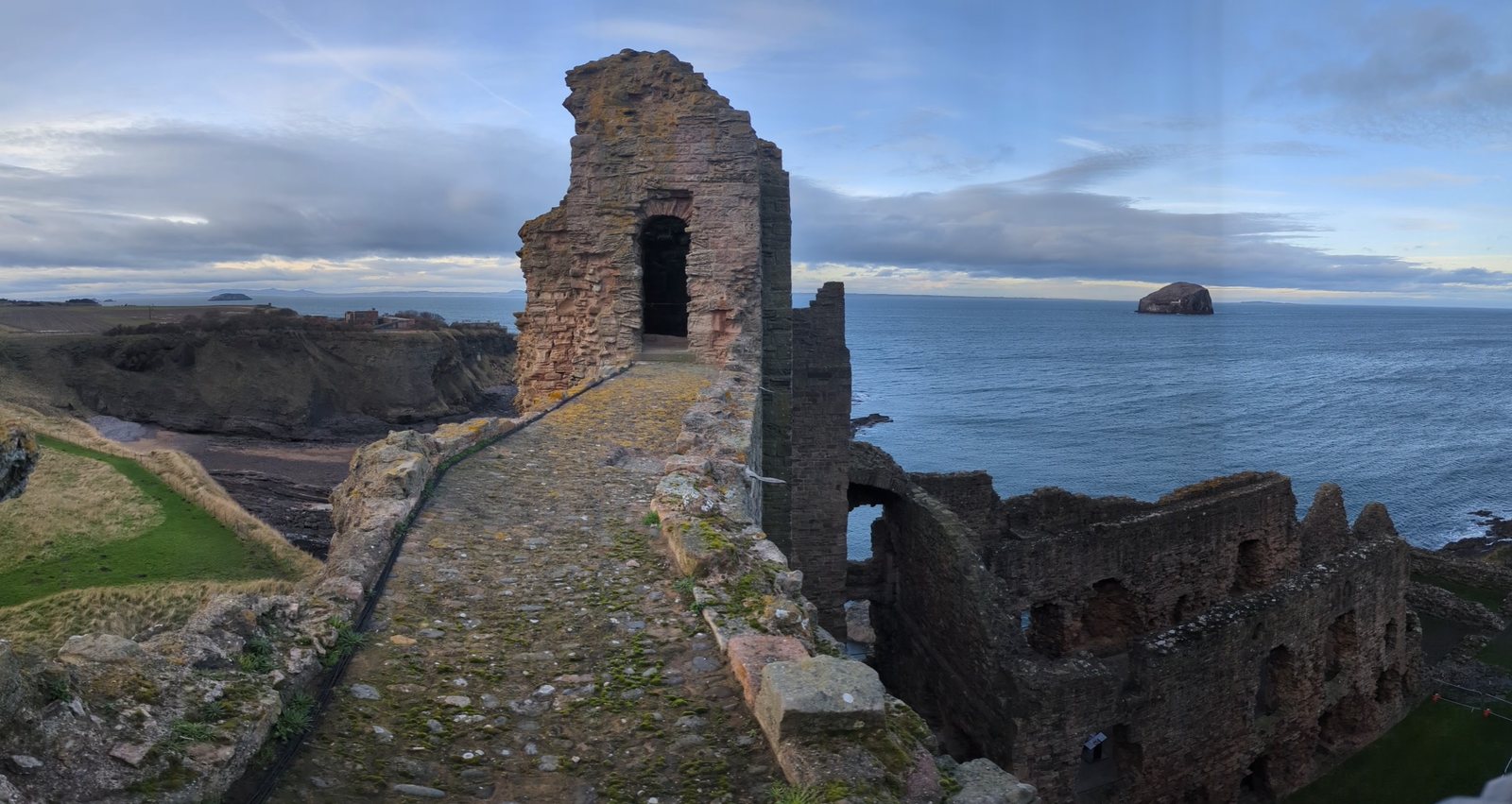
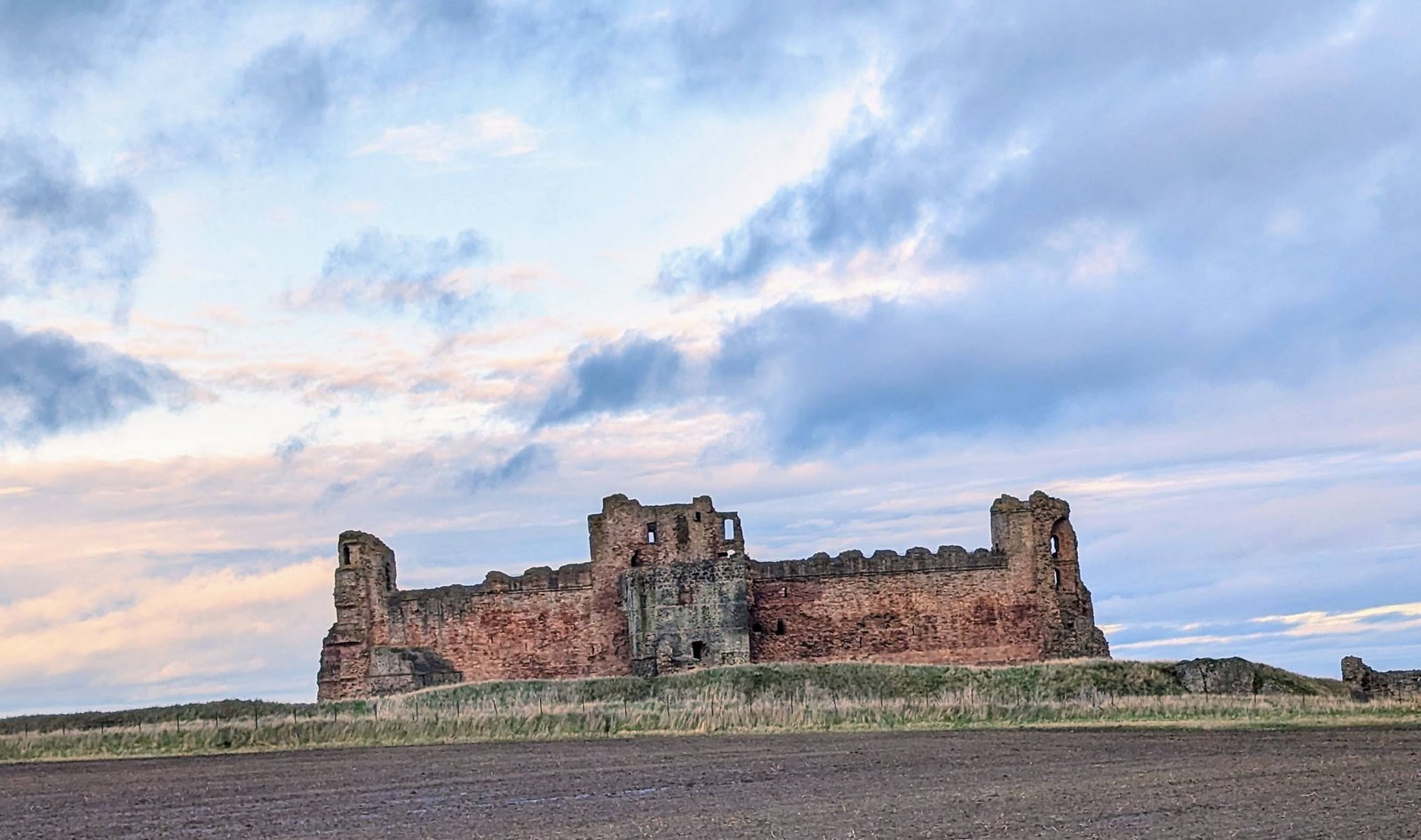
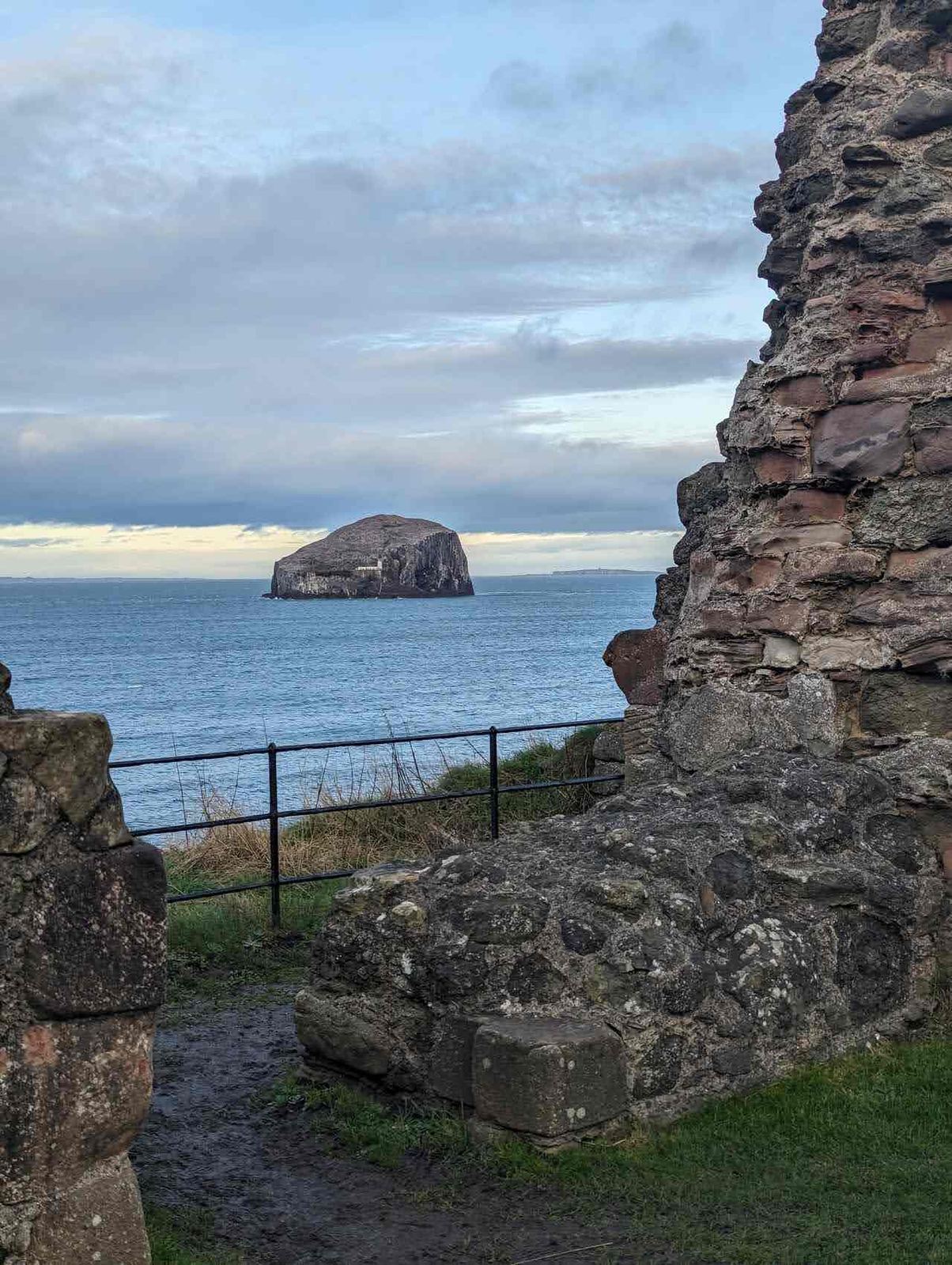
Tantallon Castle is a jaw-dropper: a huge red sandstone curtain wall flung right across a clifftop headland, with the sea booming on three sides and the great white lump of the Bass Rock filling the view out to sea. It’s the last great curtain-wall castle built in Scotland, the mighty stronghold of the Red Douglases, and for our money one of the most dramatic ruins on the whole east coast. It sits on the North Berwick coast and is an absolute must if you’re anywhere near.
Where it is
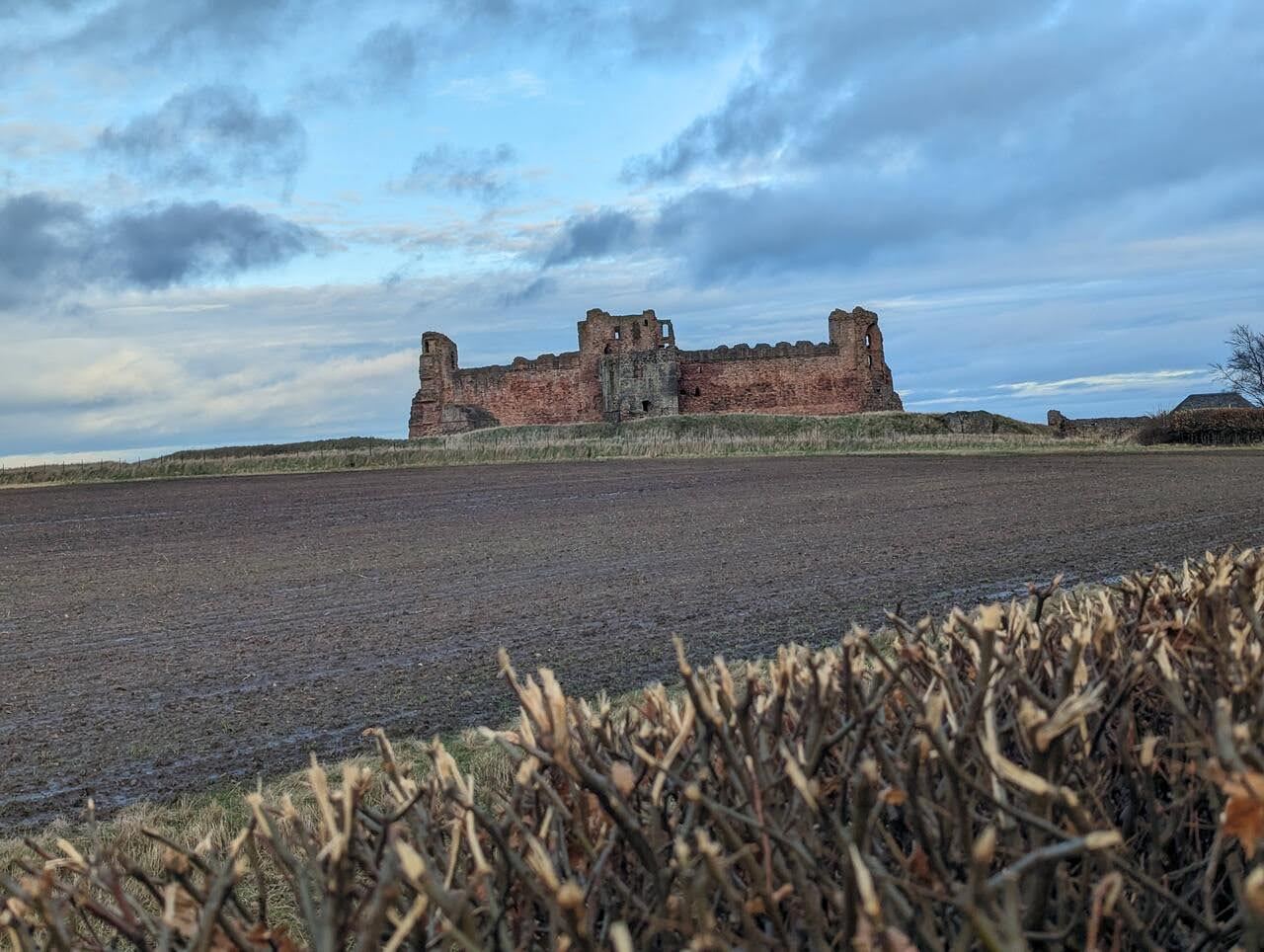
Tantallon stands on the cliffs about 3 miles east of North Berwick, off the A198 in East Lothian — roughly 30 miles east of Edinburgh, and an easy pairing with Dunbar and the wider coast. It’s in the care of Historic Environment Scotland (ticketed).
The last great curtain-wall castle
Tantallon was built in the mid-14th century (around the 1350s), and it’s the last of the great curtain-wall castles raised in Scotland. The design is brutally simple and brilliant: instead of walling all the way round, the builders used the sea cliffs as three of the walls and threw one colossal wall — over 50 feet high and 12 feet thick — straight across the neck of the headland, with a tower at each end and a great gatehouse in the middle. Attack it and you had only one way in, into the teeth of everything the garrison could throw.
The Red Douglases
Tantallon was the great stronghold of the Douglas Earls of Angus — the “Red Douglases” — one of the most powerful families in late-medieval Scotland, and often powerful enough to defy the king himself. To hold Tantallon was to be a force the crown had to reckon with, and its history is really the history of the Douglases’ long, dangerous dance with the Stewart monarchy.
The sieges — and “Ding doon Tantallon”
A castle this strong was a standing challenge, and Tantallon was besieged again and again. James IV and then James V (in 1528, with heavy artillery) both marched on it to bring the over-mighty Douglases to heel. It was so hard to take that it gave Scots a proverb for an impossible task: “Ding doon Tantallon? Mak a brig to the Bass!” — i.e. knocking down Tantallon is about as likely as building a bridge to the Bass Rock.
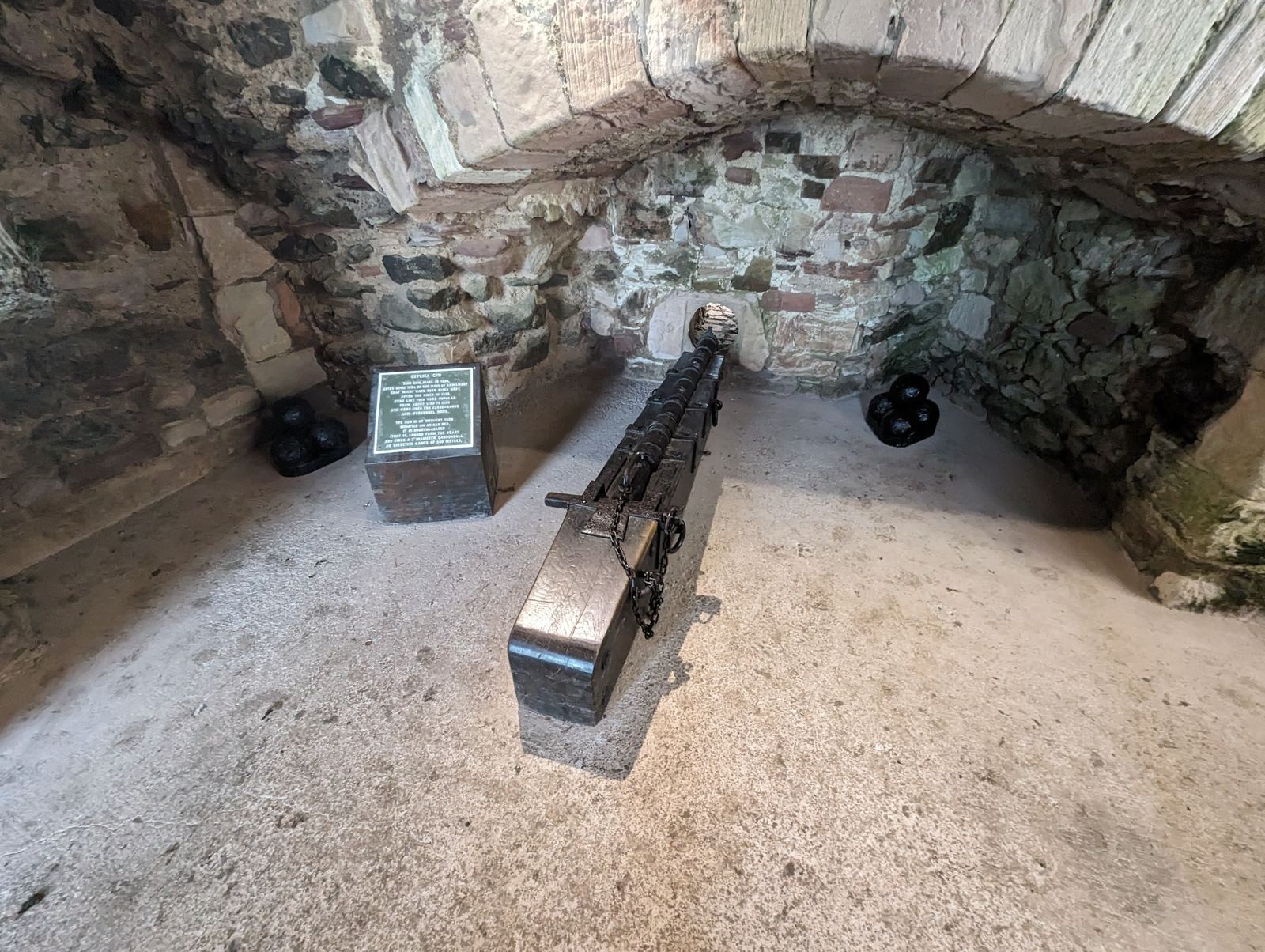
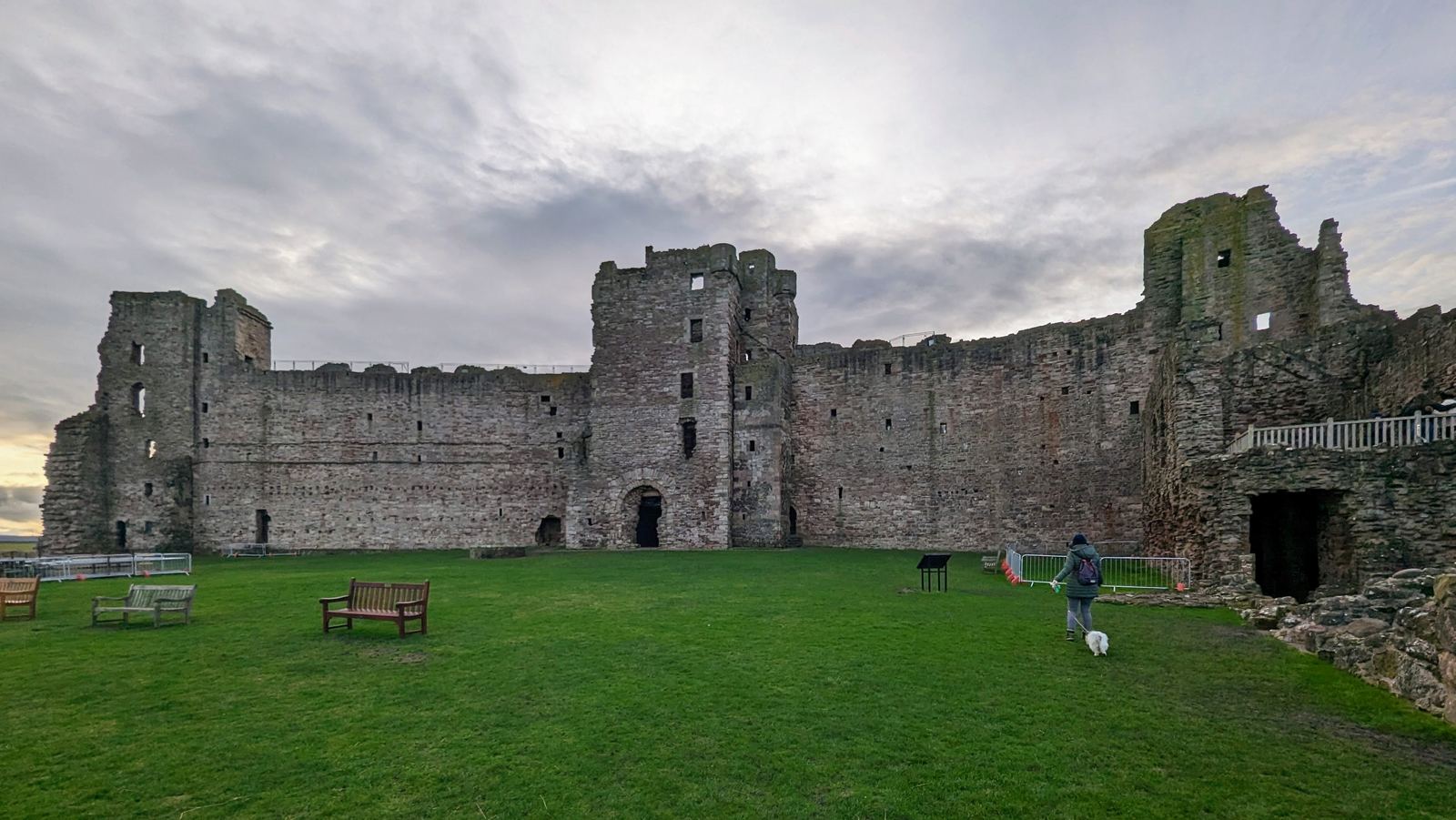
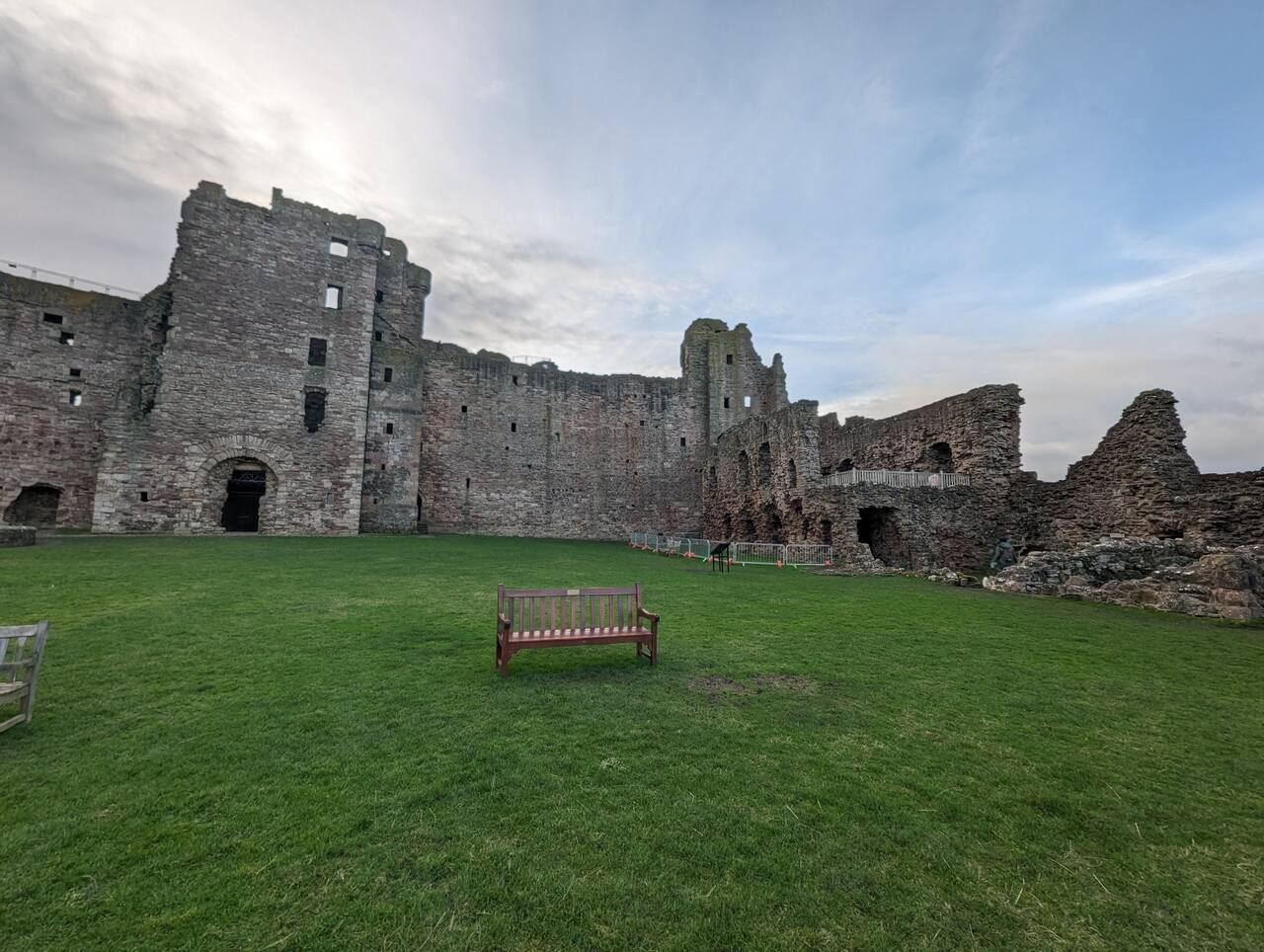
What finally did for it was Cromwell’s army. In 1651, General Monck battered the castle for 12 days with cannon until the garrison surrendered, and it was so wrecked it was never properly lived in again. The great gap you see blasted through the wall is the work of his guns.
Inside — passages, stairs, towers & the doocot
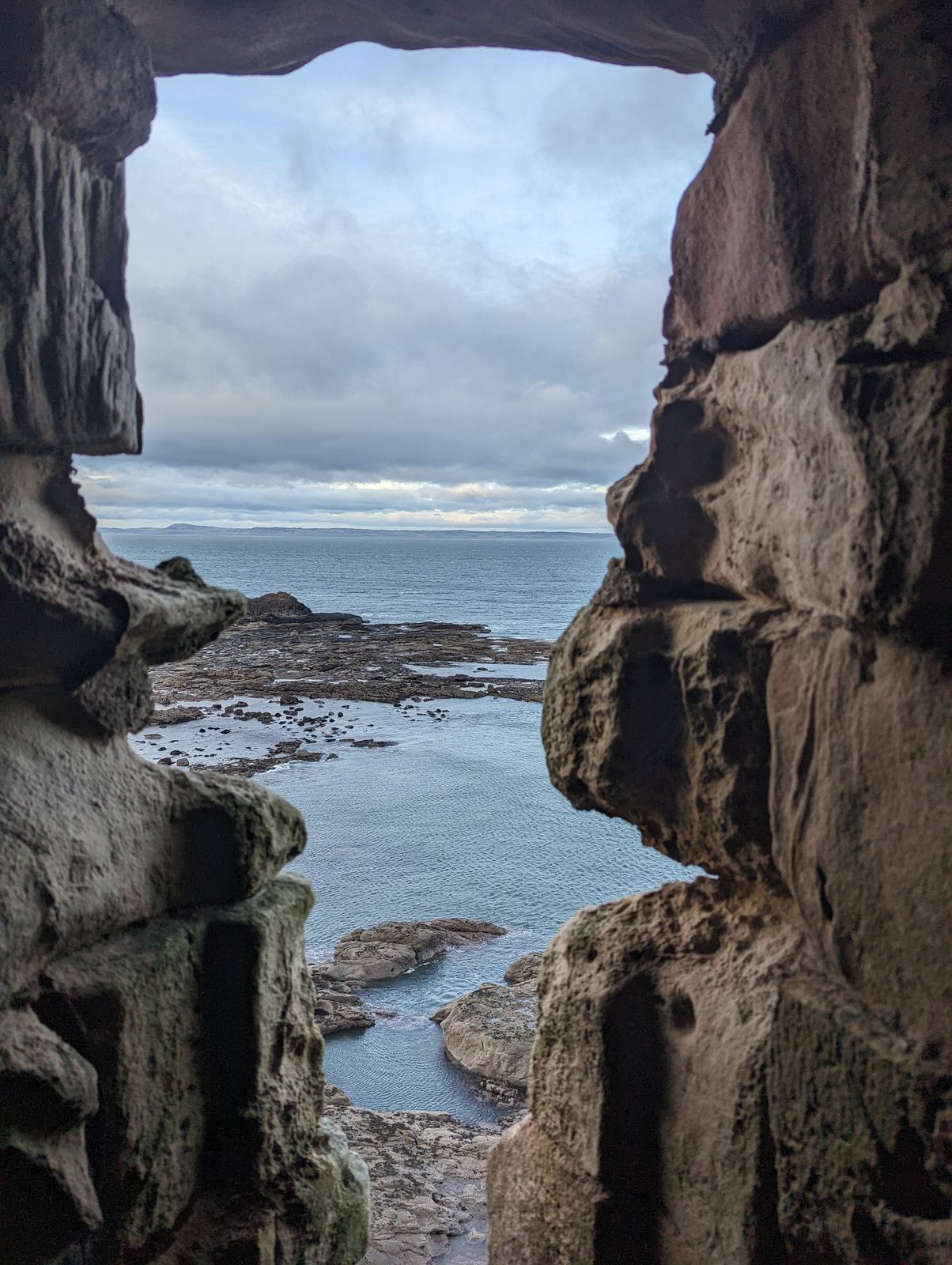
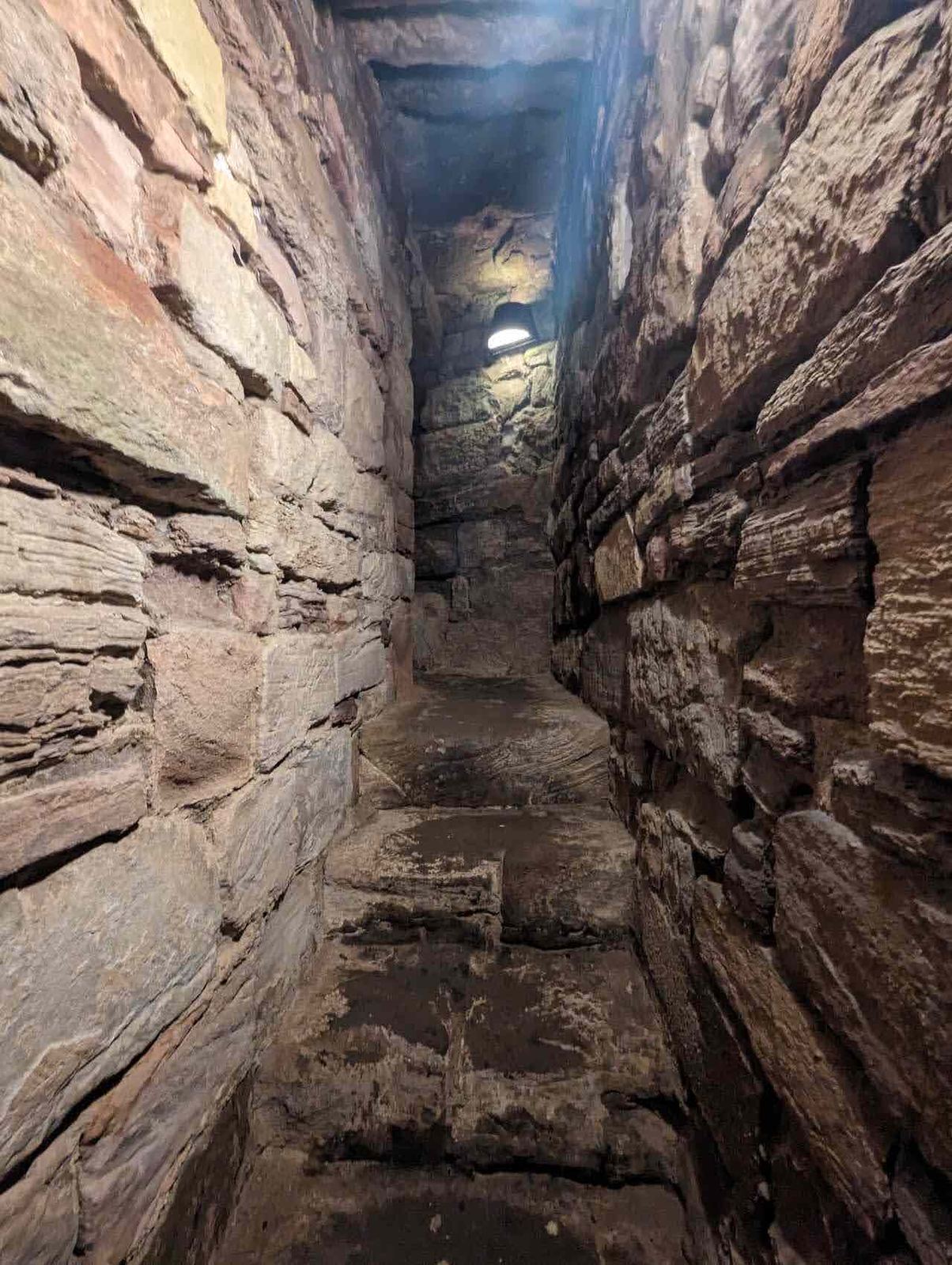
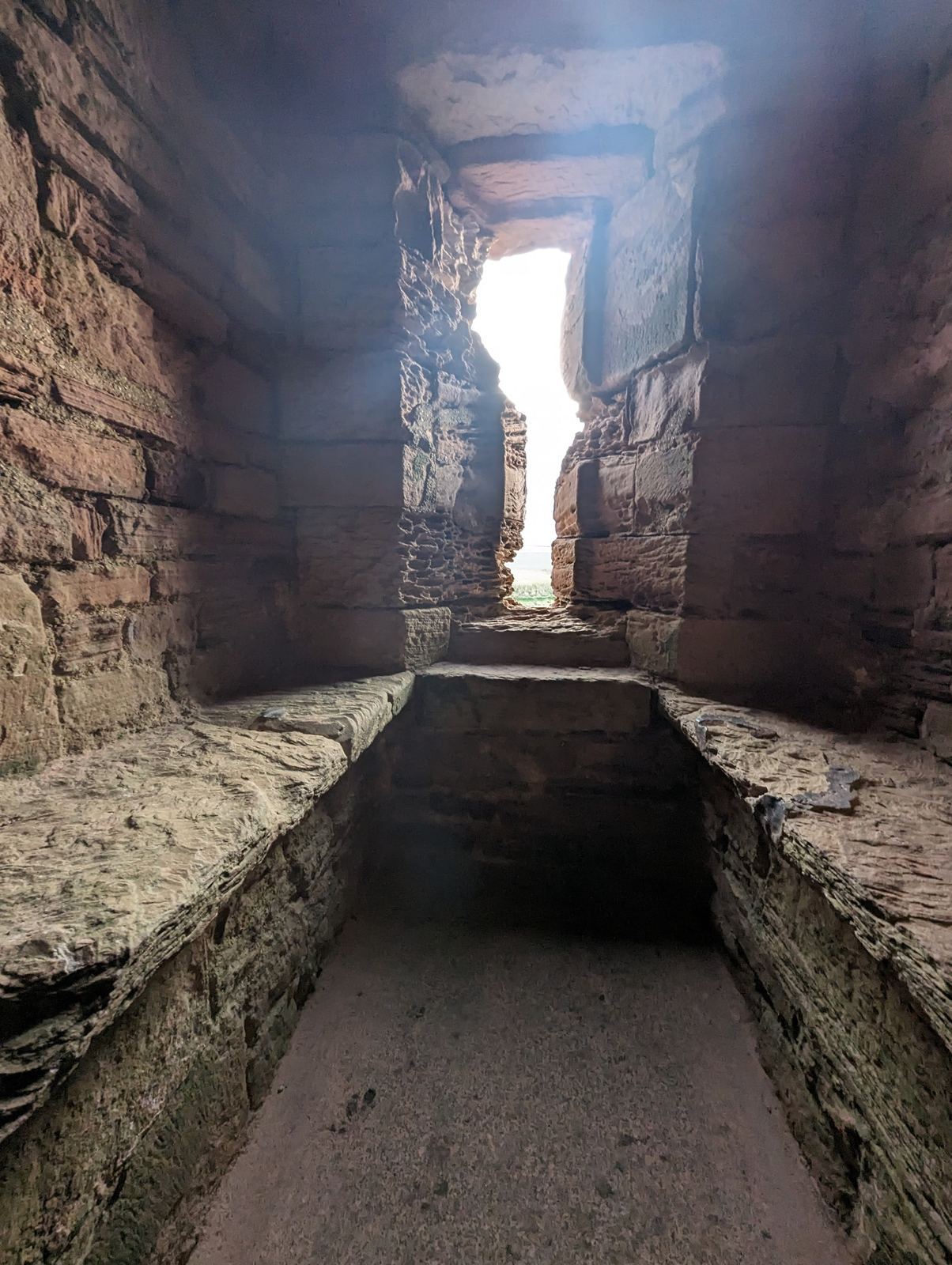
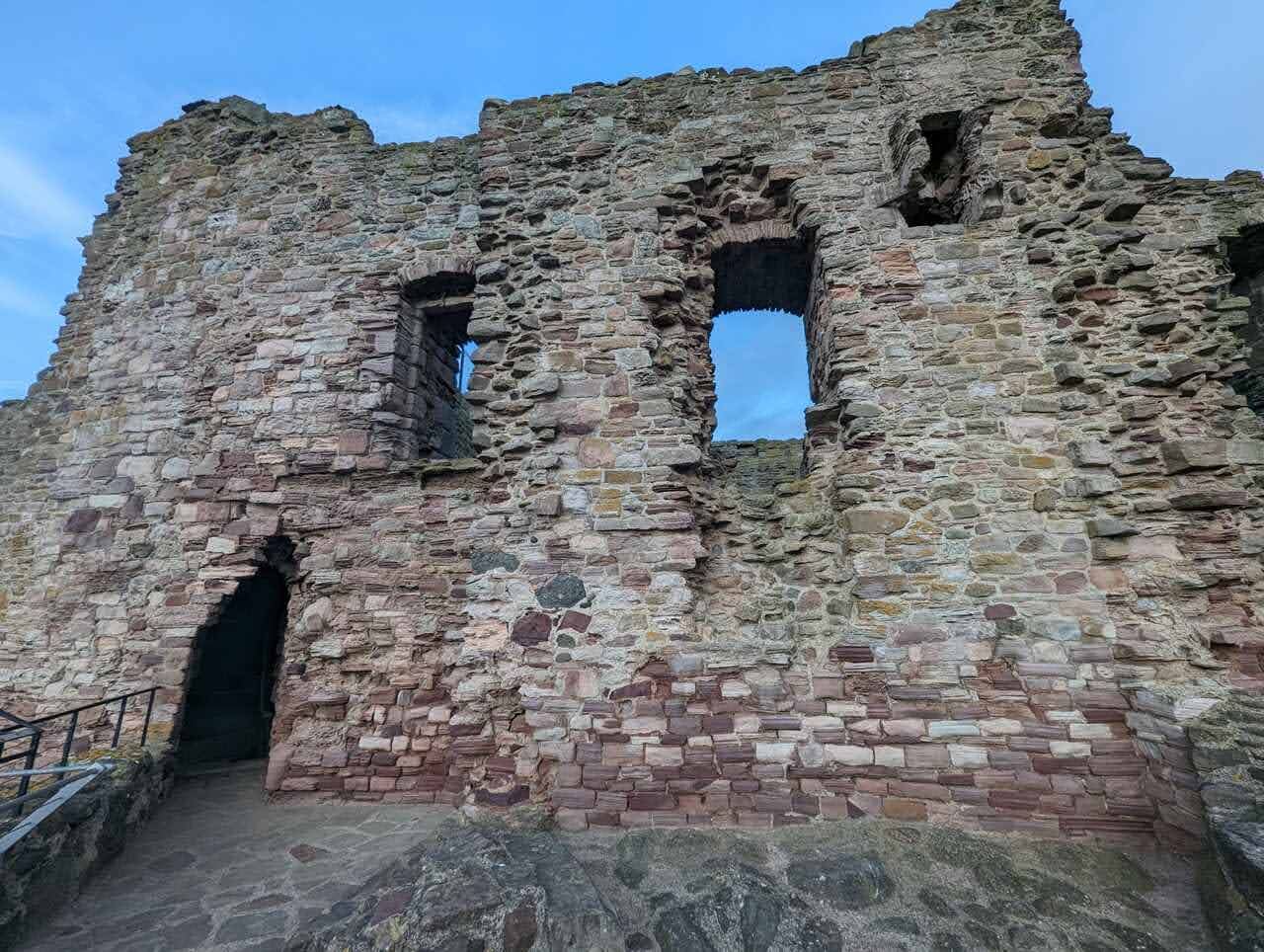
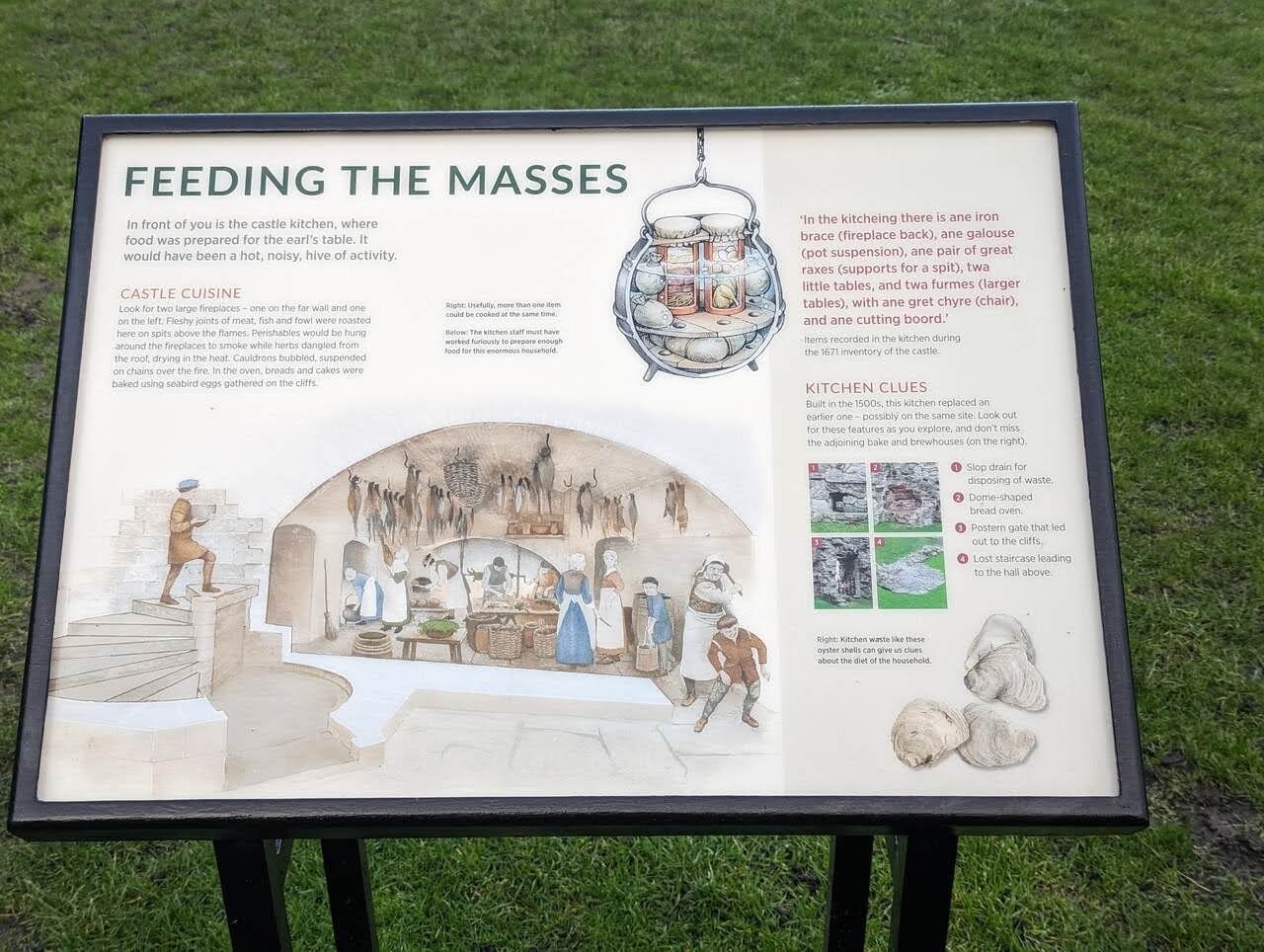
Half the fun of Tantallon is exploring it. You can climb the towers, thread the vaulted passages and spiral stairs built into the thickness of that enormous wall, and lean out of windows straight onto the sea. Down in the grounds, look for the fine old doocot (dovecot) — a reminder that a castle this size had to feed a small army, and pigeons were part of the answer.
The Bass Rock & the view
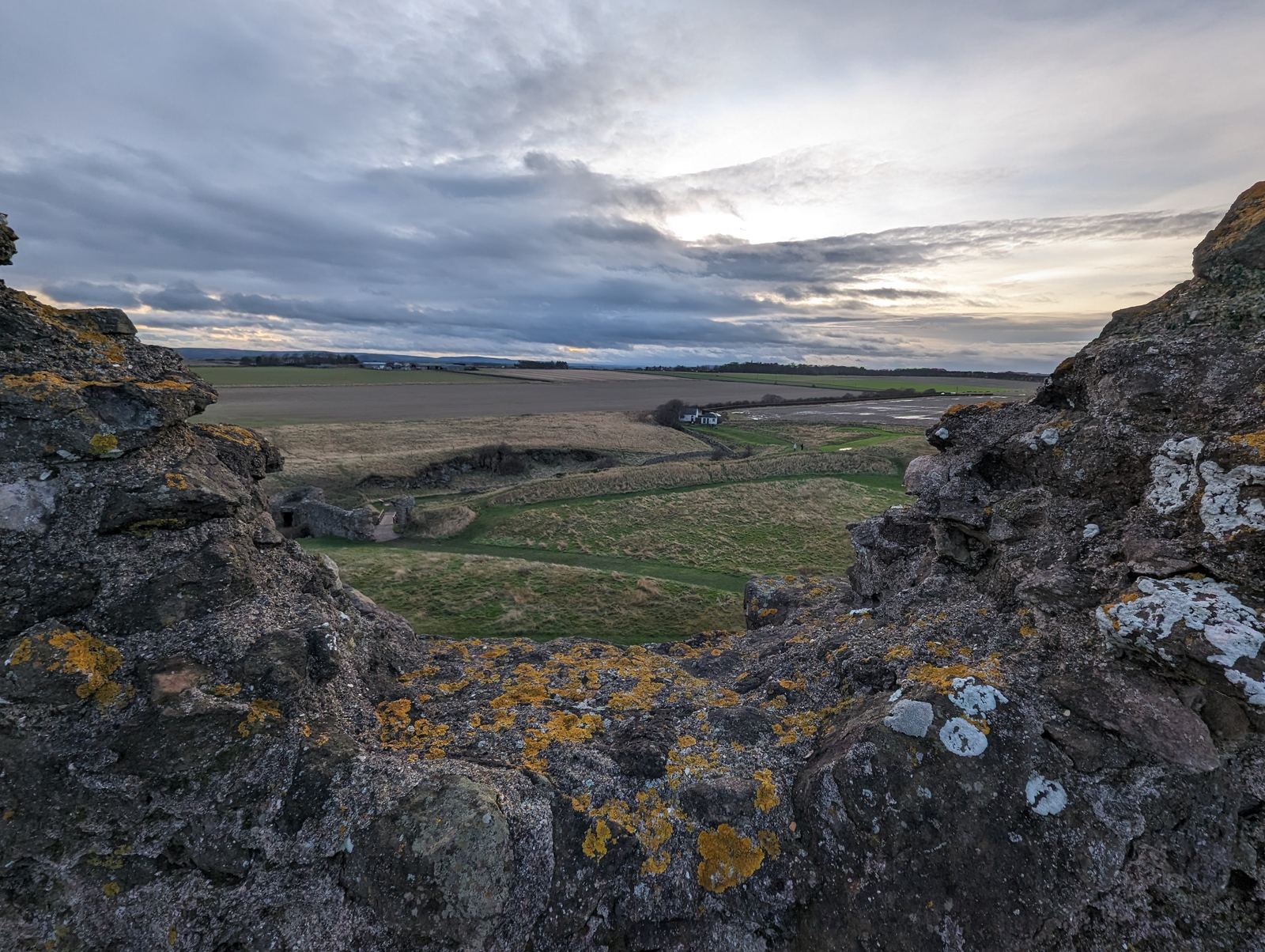
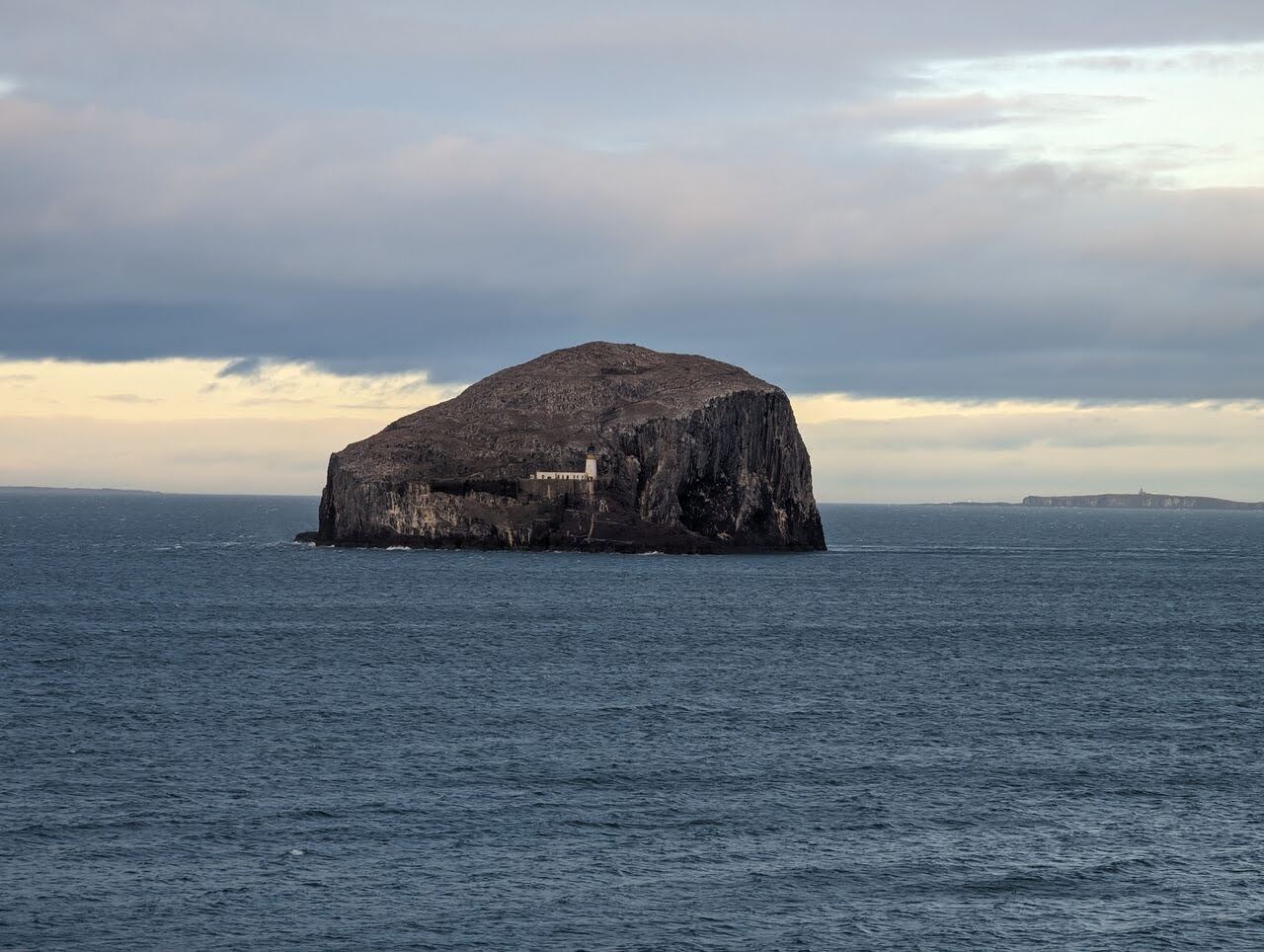
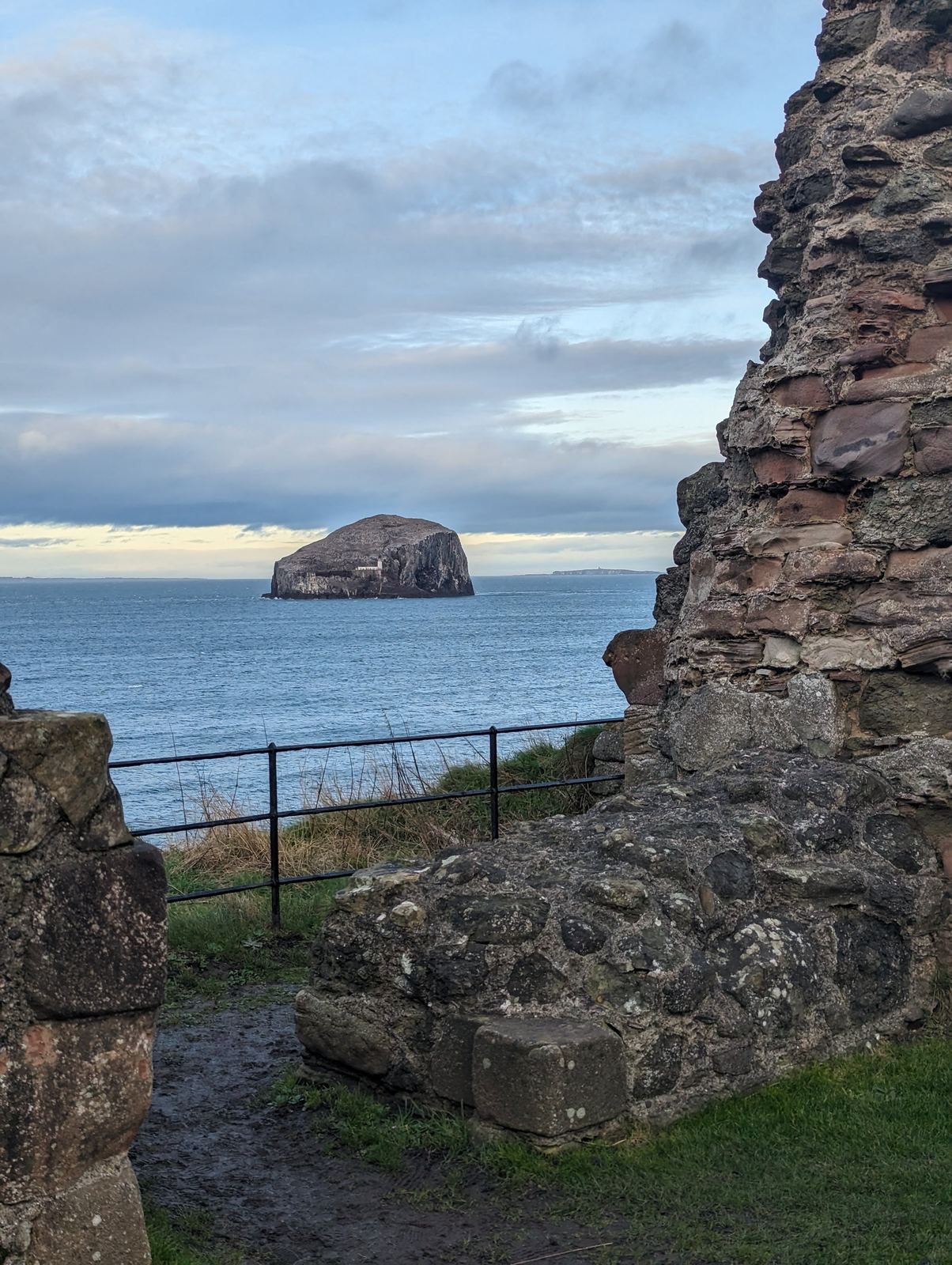
You can’t talk about Tantallon without the Bass Rock. The two are forever linked in that proverb, and the view from the castle out to the great gannet-white rock — with the Forth stretching away and the cliffs falling sheer below — is simply one of the best in the country. Bring binoculars in spring and summer for the gannets on the Bass.
🚦 Overnight — Tantallon has a lovely big car park for daytime visits — but Historic Environment Scotland locks it at night, so it is not an overnight stop. Enjoy the castle and the coast walk by day, and stay elsewhere.
Practical
- 🎟️ Entry: Historic Environment Scotland, ticketed (free for HES/English Heritage members — check current rules); car park on site.
- 🧗 Underfoot: lots of steep spiral stairs, uneven floors and open drops — sensible shoes, and mind children near the edges and windows.
- 🔦 Bring a torch for the internal passages.
- 🐦 Bass Rock: superb from here — binoculars for the gannets (spring–summer).
- 🐕 Dogs: welcome on a lead in the grounds (check current HES policy for the interior).

Nearby — combine it with
- North Berwick & the Bass Rock coast — the town, the Law and the beaches, just along the shore.
- Dunbar — John Muir’s town and the red castle, a little to the east.
- Clan Douglas — the mighty family whose fortress this was.
- See it on our Castles of Scotland hub.
Sources
- First-hand: Kevin & family, Tantallon Castle (own photos)
- Tantallon Castle — Historic Environment Scotland · Tantallon Castle — Wikipedia