Over Rannoch Moor to Glen Coe — the great road west
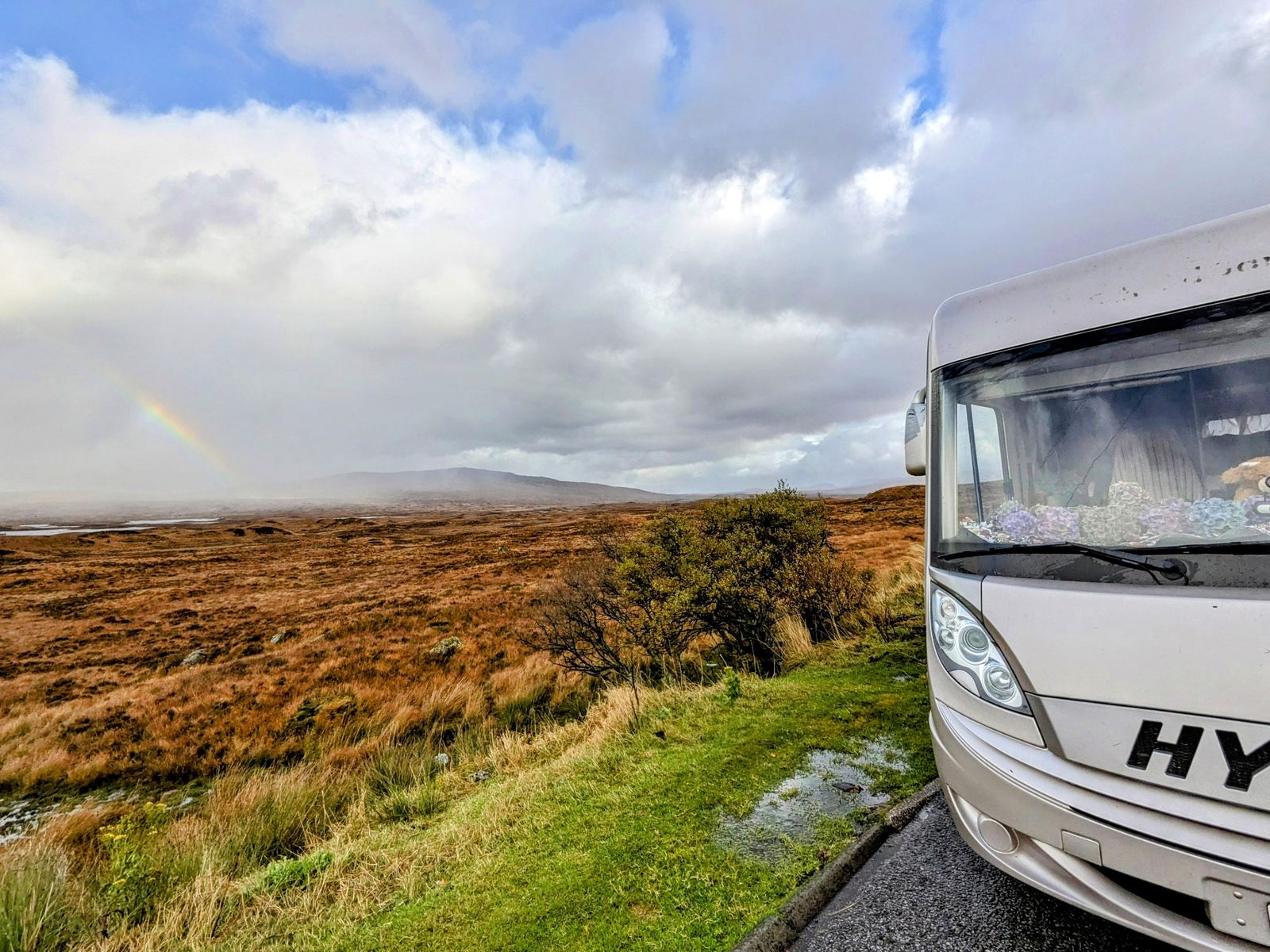
⚙️ This page is growing — we’ve more photos coming from this run, and we’ll fill in the exact stops and our own notes as we do. What’s here is the drive as we took it, west out of the Loch Tay and Trossachs country.
The drive — from the Trossachs to the coast
Leave the head of Loch Tay or the Trossachs and point west, and within an hour the country changes utterly: the woods and lochs give way to one of the biggest, wildest, emptiest landscapes in Britain. The road runs up through Crianlarich and Tyndrum, over Bridge of Orchy, and out across Rannoch Moor to the jaws of Glen Coe — the classic Highland drive, and one we never tire of.
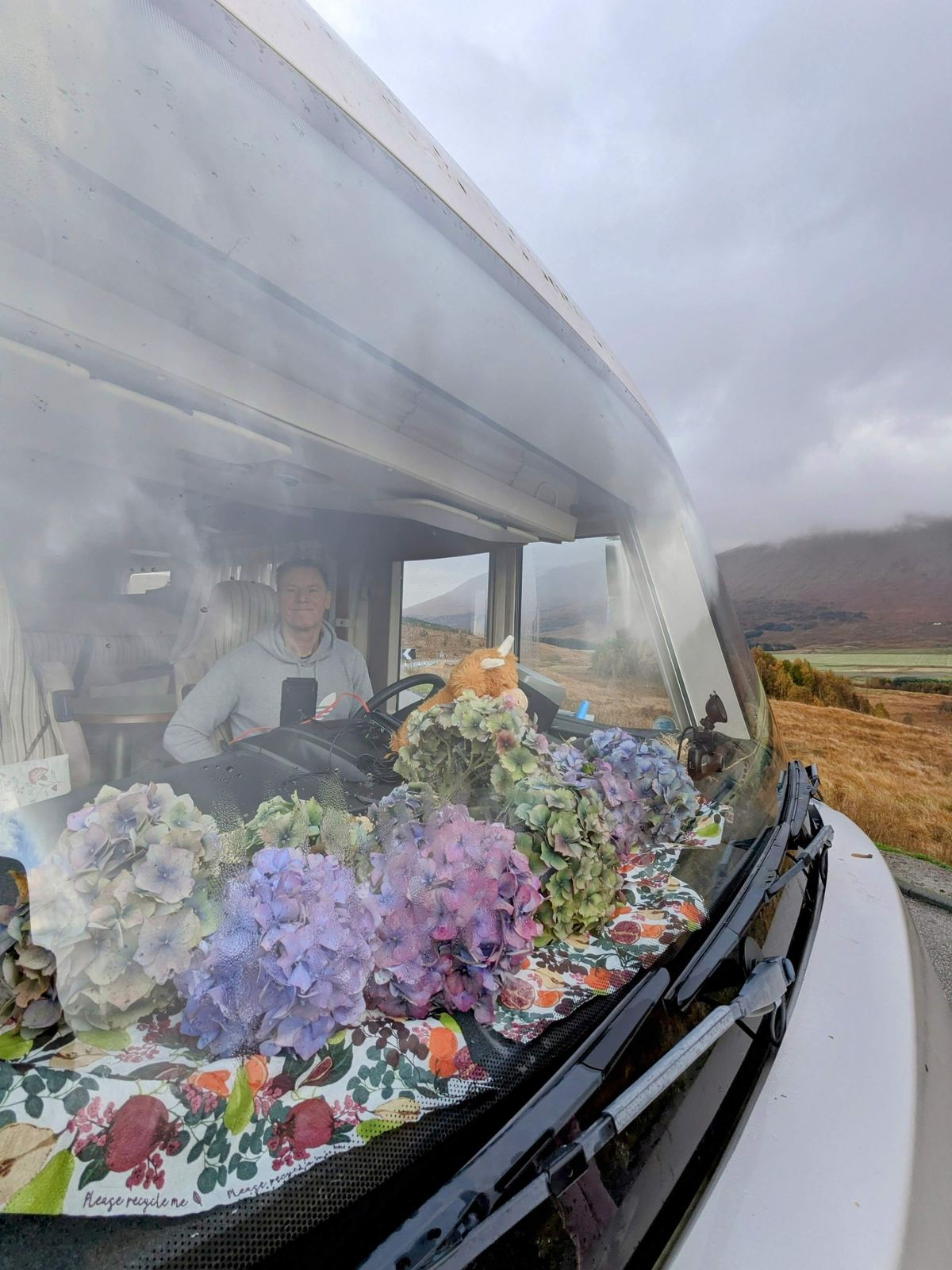
Rannoch Moor — one of Europe’s last great wild places
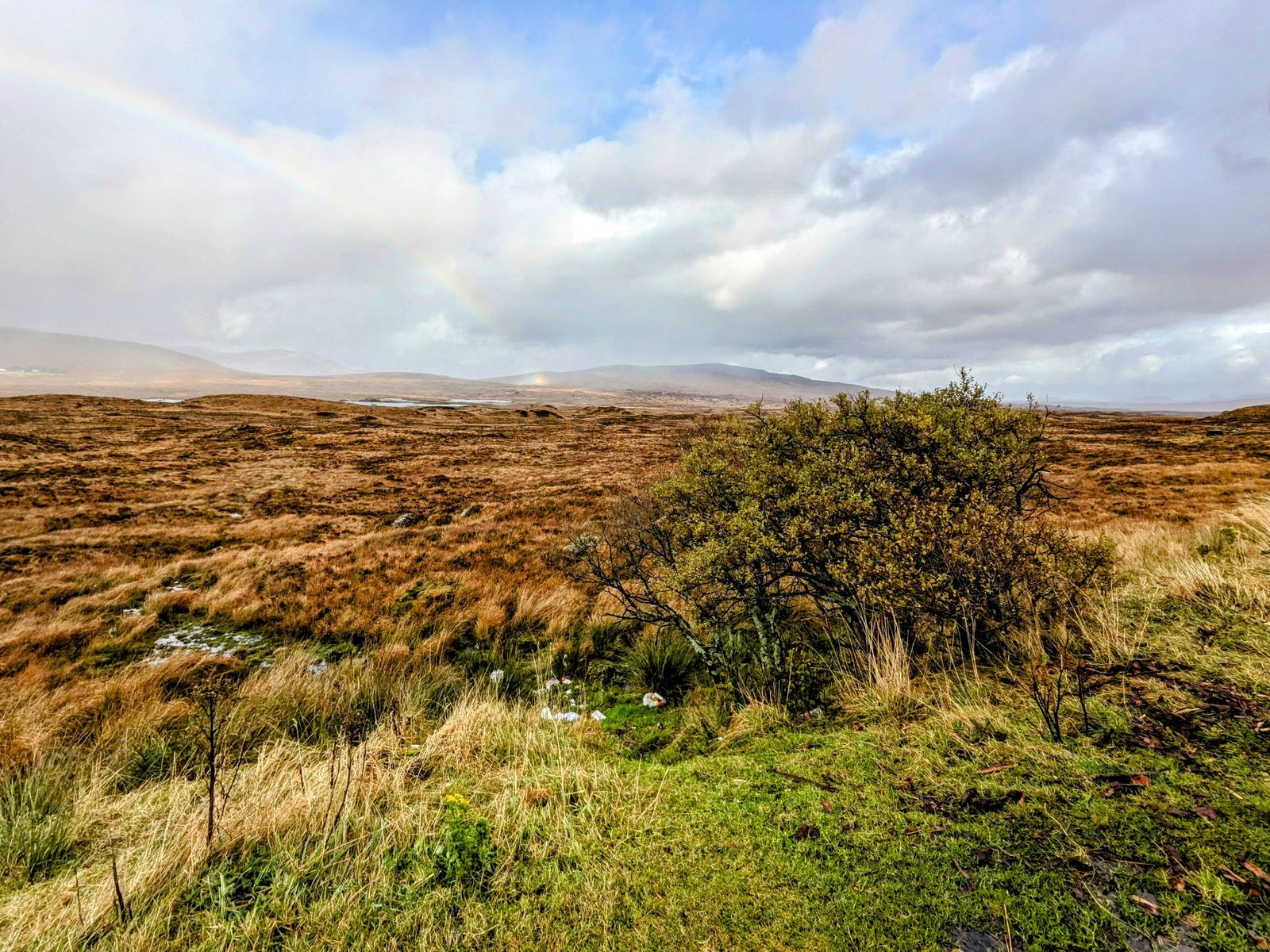
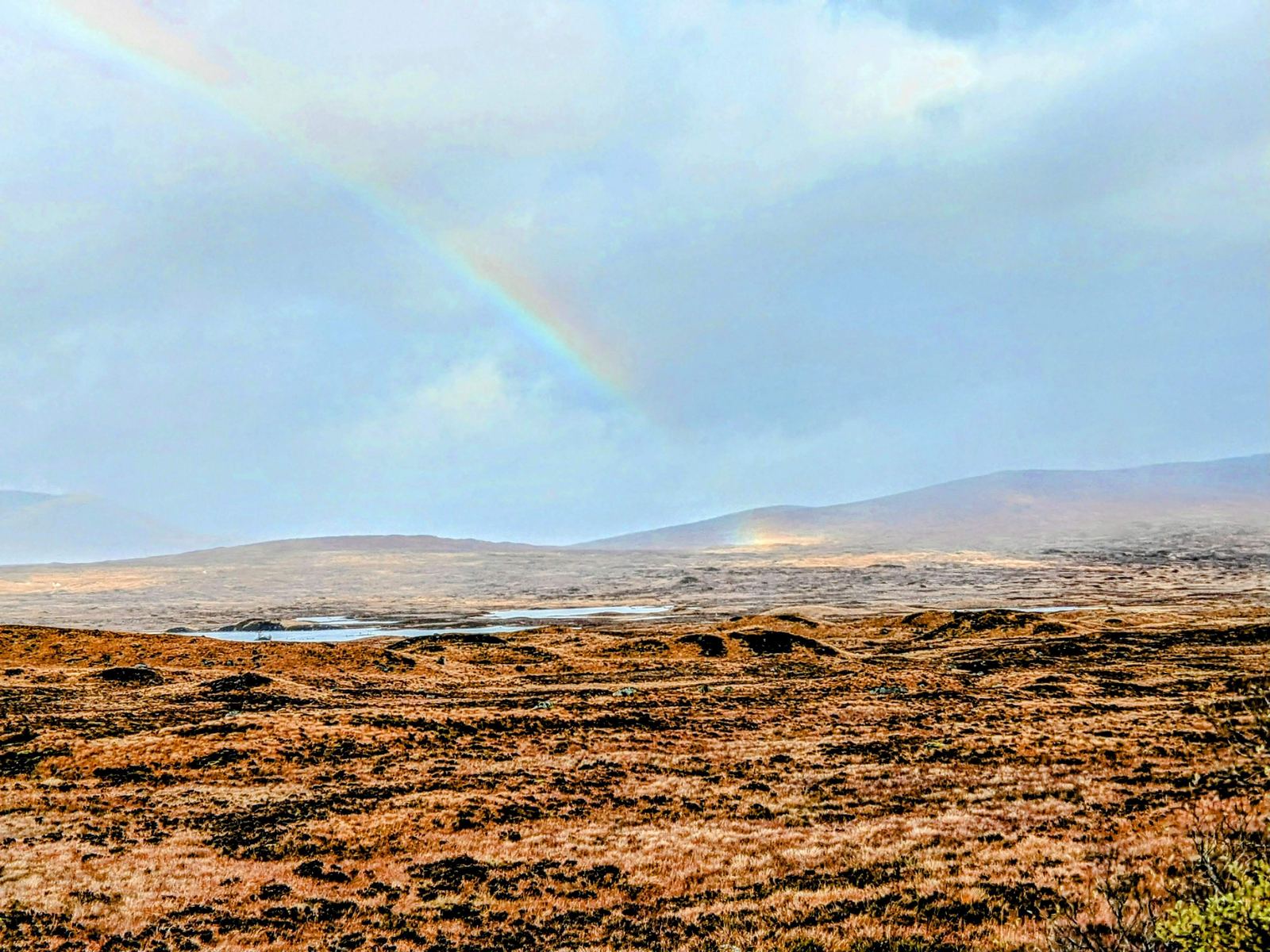
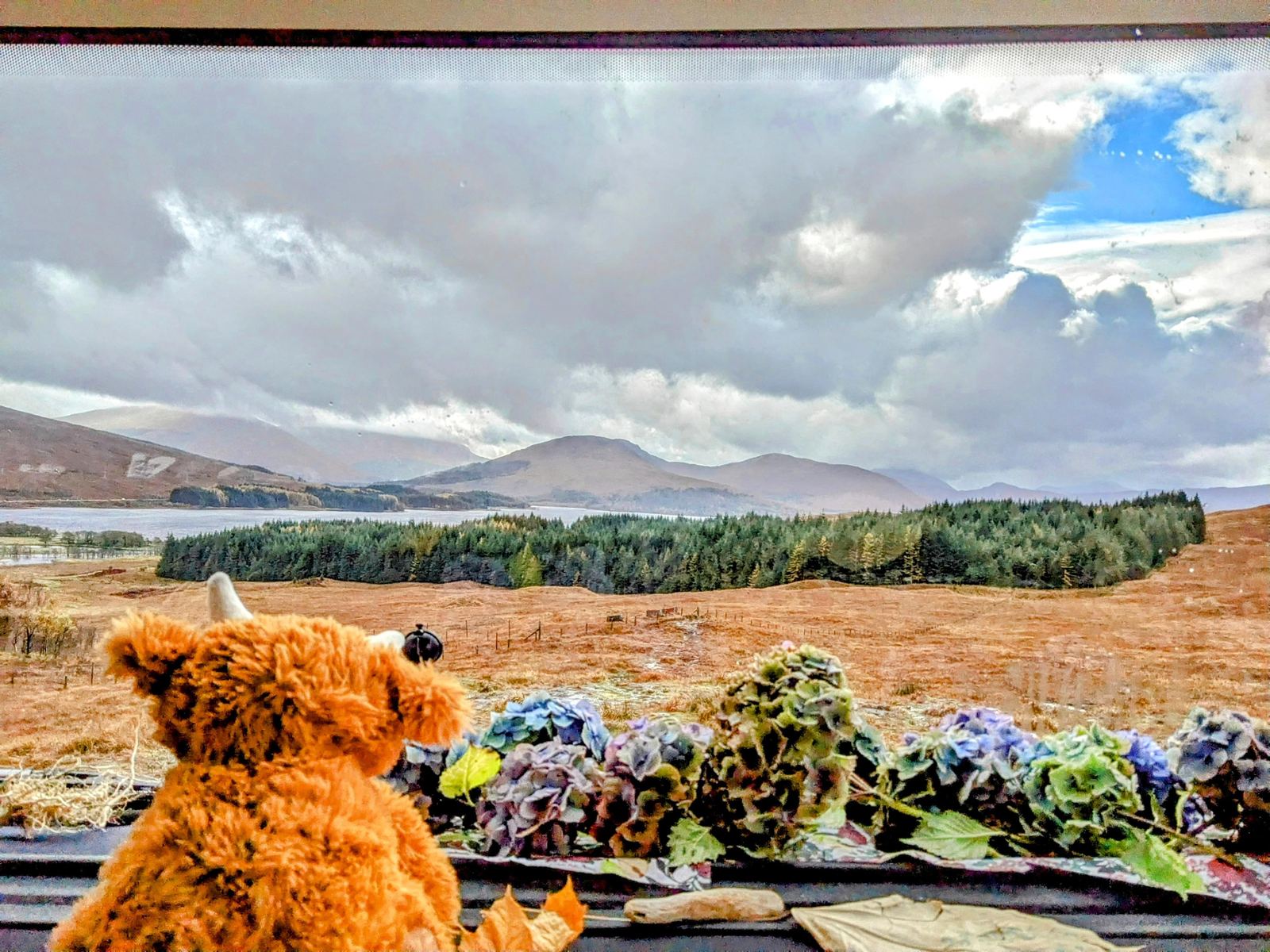
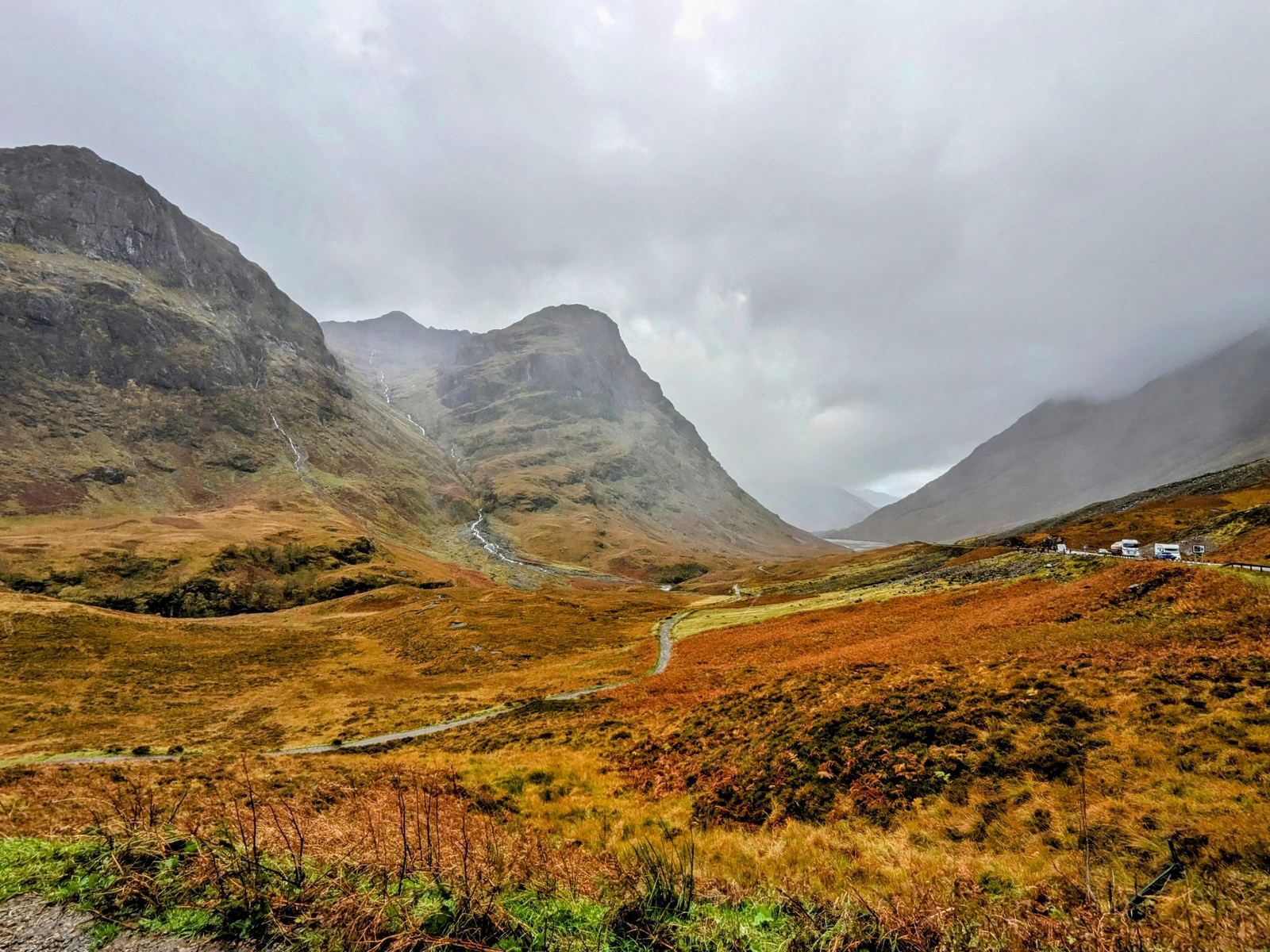
Rannoch Moor is roughly 50 square miles of blanket bog, lochans and peat, sitting over 300 m up and ringed by mountains — a National Nature Reserve and one of the largest and least-touched wild bogs in Europe. The A82 skirts its western edge and the West Highland Railway famously floats across it on a raft of brushwood and ash, but step a few yards off either and you’re into country that has barely changed since the ice left. In autumn the whole moor turns tawny gold, and the light and weather change by the minute — we caught rainbow after rainbow.
Bridge of Orchy & Glen Orchy
The moor’s southern gateway is Bridge of Orchy, an old staging point on the military road north and now a landmark on the West Highland Way. From here the single-track B8074 down Glen Orchy is a beautiful quiet alternative, following the River Orchy — a famous white-water river — past falls and old bridges toward Dalmally and Loch Awe. We came down off the moor this way on the run west.
Glen Coe — the most famous glen in Scotland
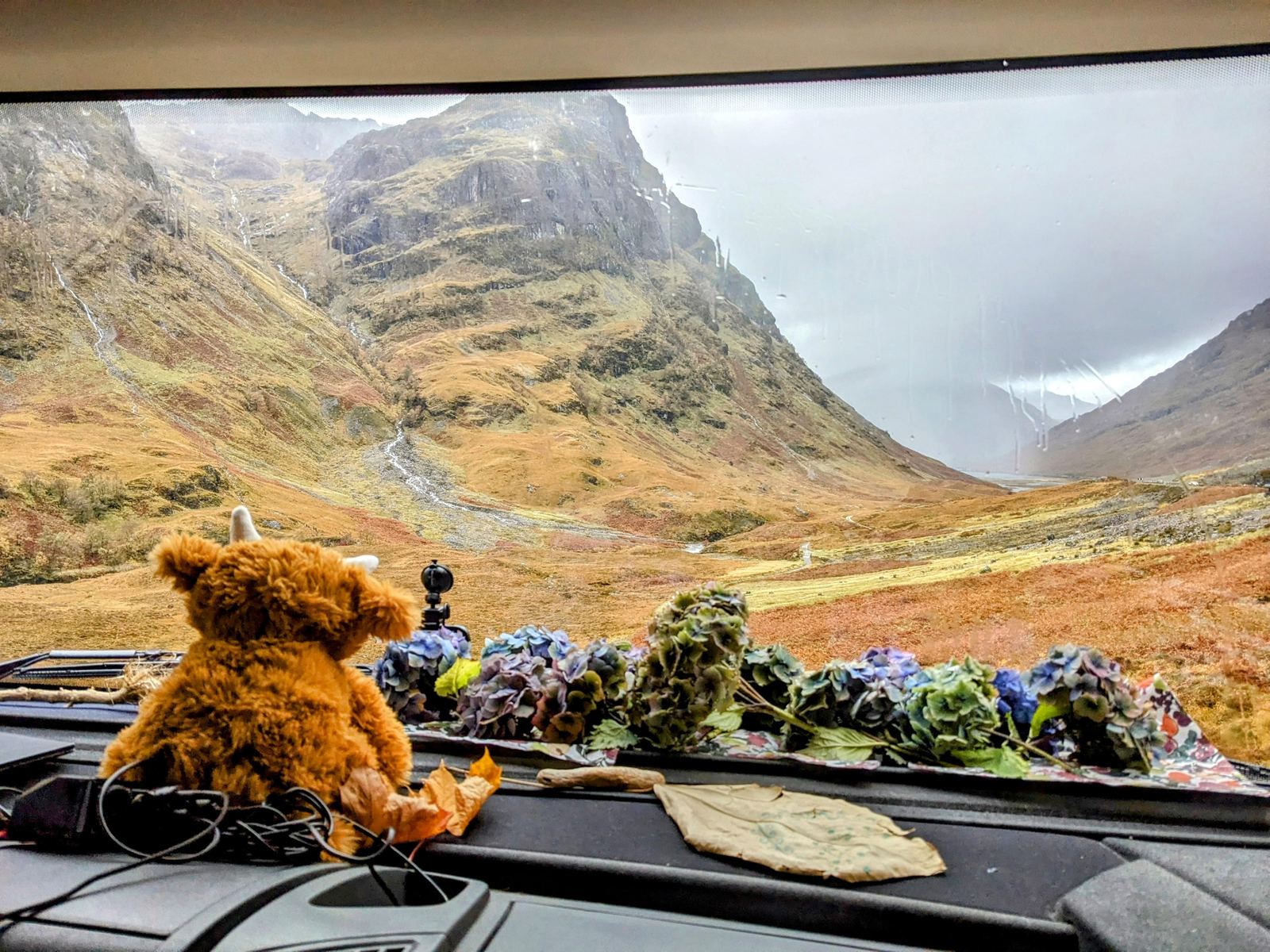
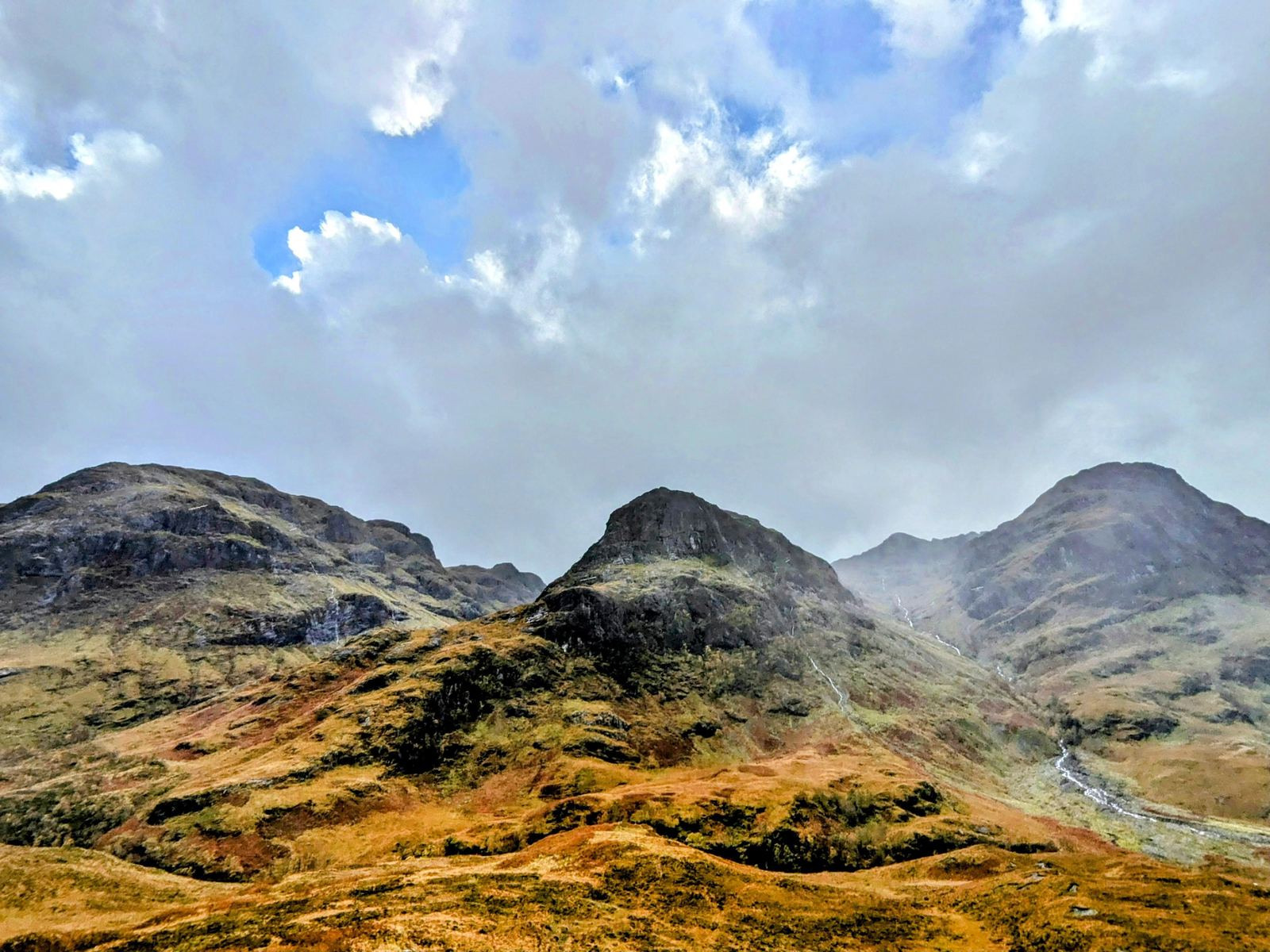
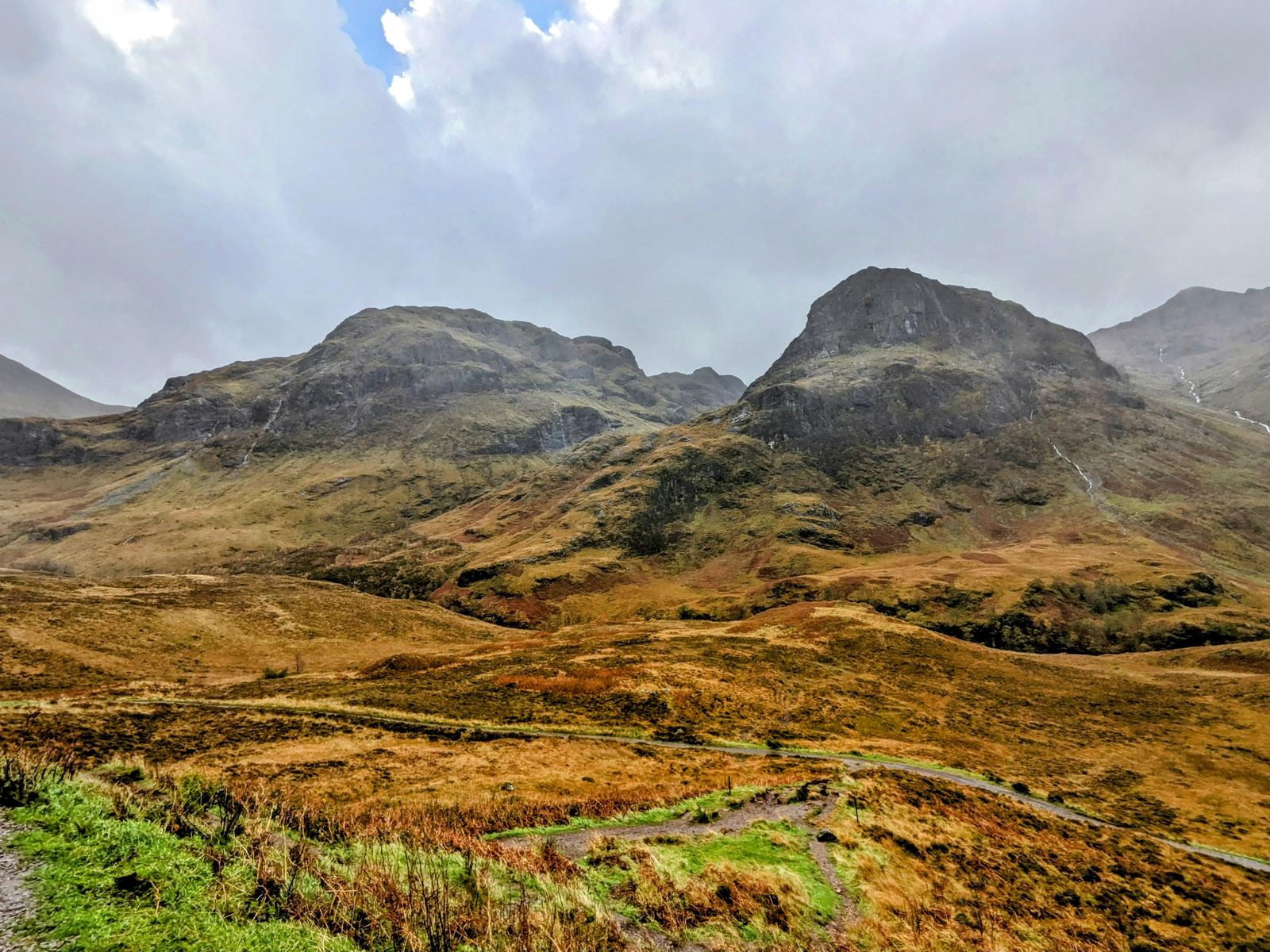
Ahead, the moor narrows and the mountains close in: this is the eastern entrance to Glen Coe. Guarding the mouth of the glen is the great pyramid of Buachaille Etive Mòr (the “Great Herdsman of Etive” — we’ll confirm the exact peaks in our photos as we caption them), one of the most photographed mountains in Britain, with the Three Sisters ranged along the glen beyond.
Glen Coe wears its history heavily. It was here, on 13 February 1692, that the Massacre of Glencoe took place — government soldiers, quartered as guests among the MacDonalds of Glencoe, turned on their hosts at dawn and killed some 38 people, with more dying in the winter hills. The glen has never forgotten it, and the sense of that history still hangs about the place. Today most of it is cared for by the National Trust for Scotland, with a visitor centre near the village.
Nearby — where this drive begins and ends
- Killin — the Falls of Dochart and the head of Loch Tay, our jumping-off point to the north-east.
- Callander — the Trossachs gateway town, the other end of this run.
- Loch Katrine — the heart of the Trossachs, on the way through.
- Loch Lomond — the A82 comes up its west shore before Crianlarich.
- Oban — carry on west from Glen Orchy and Loch Awe for the seafood coast.
- See it in context on our Lochs of Scotland guide.