Loch Katrine: The Heart of the Trossachs, by Boat and by Bike
Overview — the jewel of the Trossachs
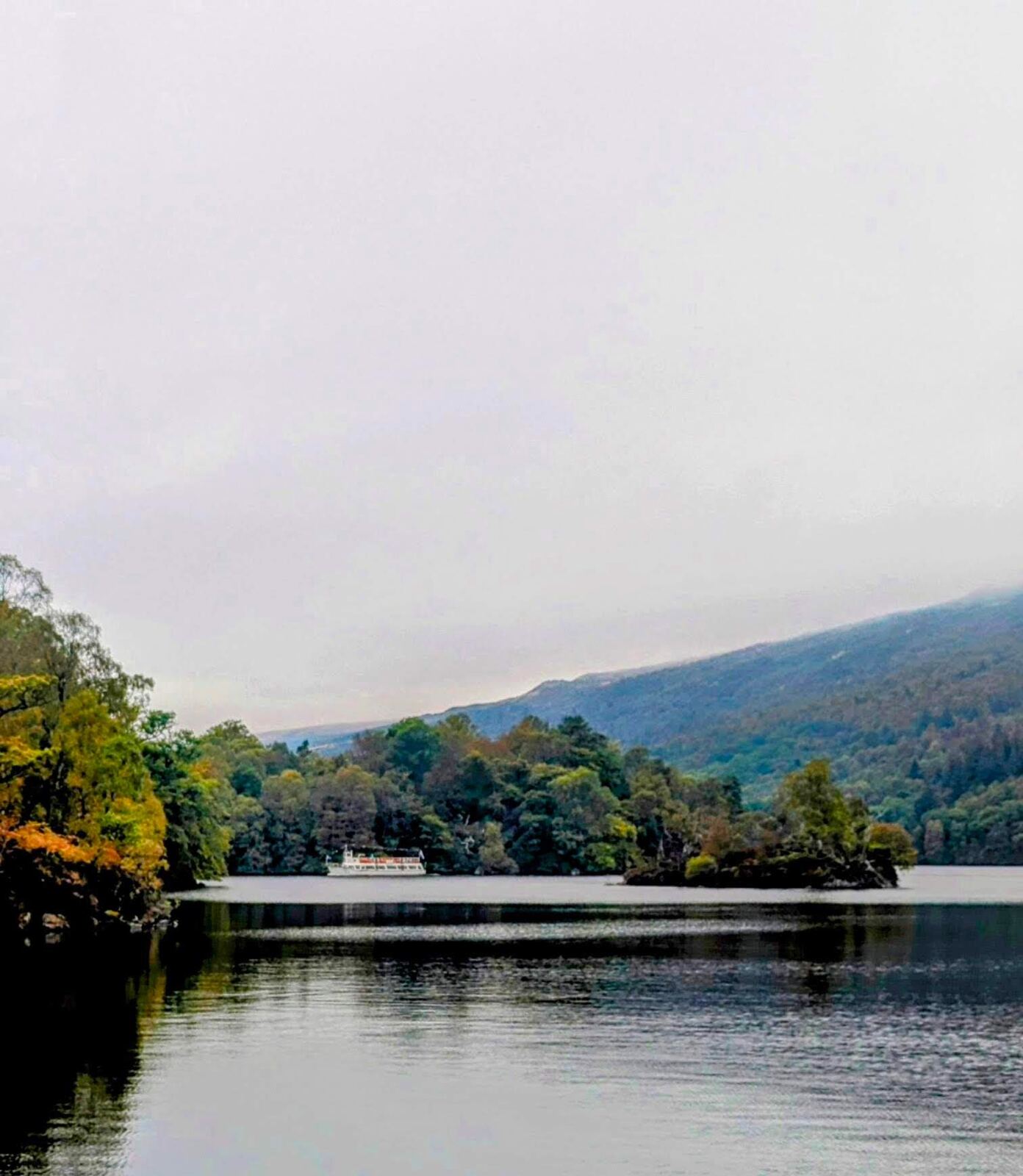
If the Trossachs have a heart, this is it. Loch Katrine lies at the centre of it all — a long, dark, hill-ringed loch that has drawn visitors for two centuries, ever since Sir Walter Scott set his poem here and started a tourism craze that never really stopped. It’s the loch the steamers sail, the loch that quenches Glasgow’s thirst, and the loch that gave Rob Roy MacGregor his birthplace.
We came over from Callander on the bike and by camper, and it lived up to every bit of the hype: still water, ancient oakwoods, and one of the great boat trips in Scotland. It’s a place you leave already planning your return.
The boat trips ⛴️
The boats are the reason most people come — and rightly. Cruises run from Trossachs Pier at the eastern end of the loch, and there’s a proper little fleet:
- the SS Sir Walter Scott — a genuine 1899 steamship, one of the last of her kind still in regular passenger service in Scotland;
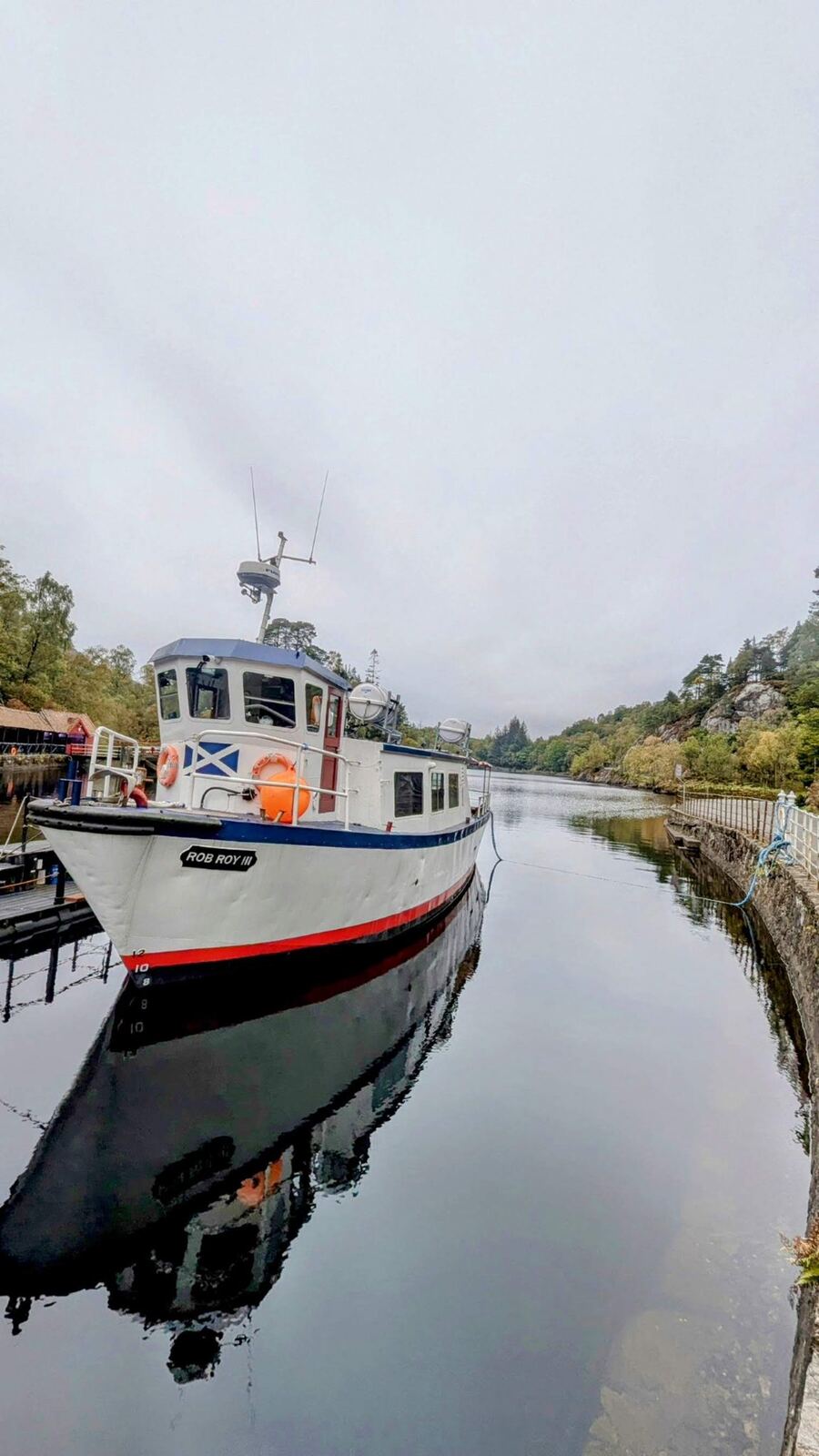
- the Rob Roy III — a 72-seat motor vessel named for the outlaw born at the head of this very loch (we caught her at the pier);
- plus the Lady of the Lake and the Osprey.
Short 45-minute cruises and longer sailings run through the season from Trossachs Pier, some going the full length to Stronachlachar at the western end. Check the current timetable before you travel — sailings and boats vary by day and season.
Sir Walter Scott & Rob Roy — the loch that made the Trossachs
Loch Katrine is drenched in story. Sir Walter Scott’s poem The Lady of the Lake (1810) was set right here, and it was a runaway bestseller — it sent Georgian and Victorian tourists flooding north to see the scenery for themselves, and effectively invented Trossachs tourism. Scott followed it with his novel Rob Roy (1817), and the connection is no accident: Rob Roy MacGregor was born at Glengyle, at the loch’s remote north-western head, in 1671. The whole area is MacGregor country, and the steamers and the paths still carry his name.
Glasgow’s water since 1859
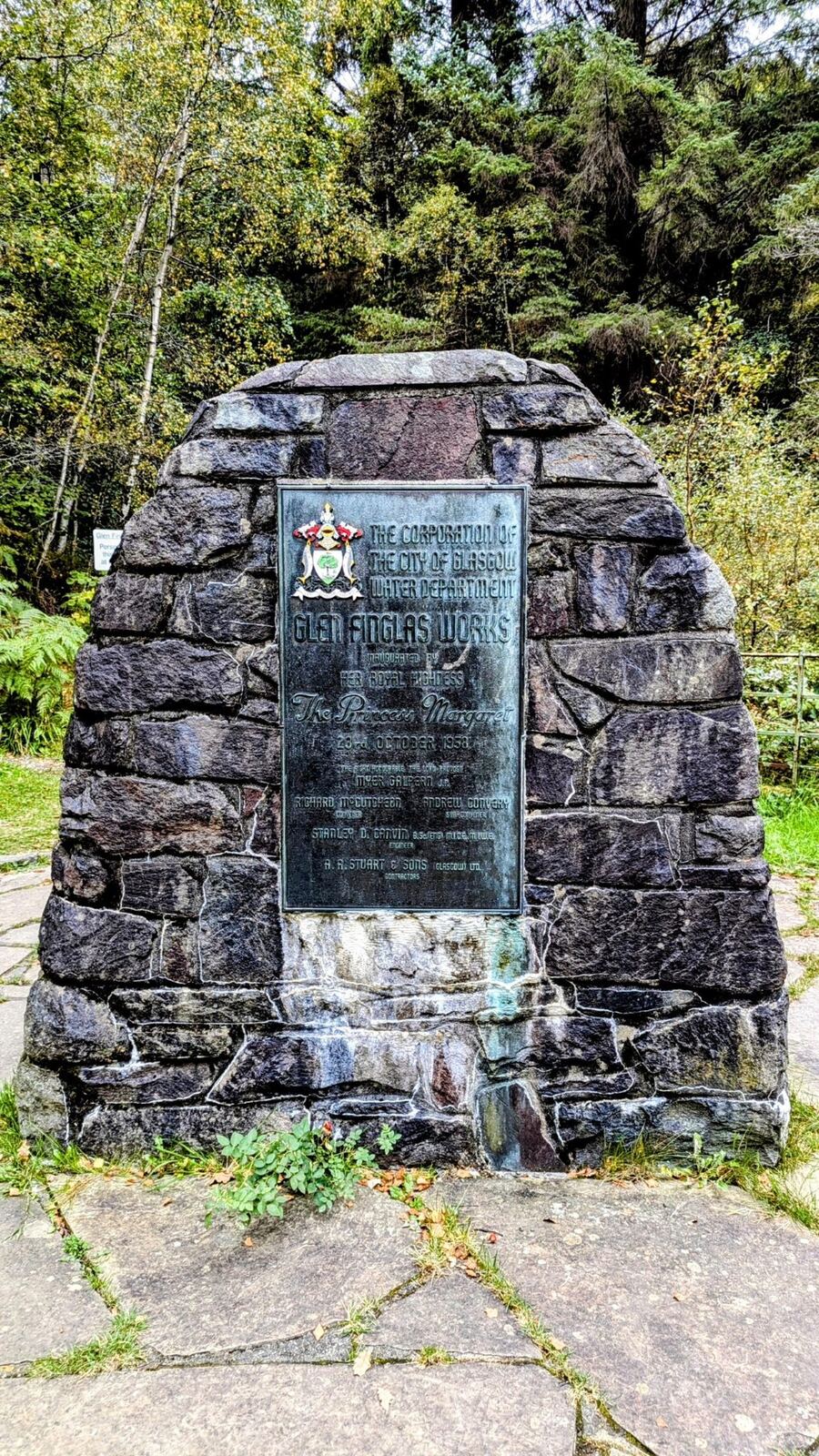
Here’s the fact that surprises people: for over 160 years, Loch Katrine has supplied Glasgow’s drinking water. The great Loch Katrine aqueduct was opened by Queen Victoria in 1859, carrying famously pure Highland water some 26 miles to the city — a Victorian engineering marvel that transformed public health in Glasgow. It’s why the loch is so carefully protected, and why for years the steamer burned smokeless fuel to keep the water clean.
The scenery, the oakwoods & the walks
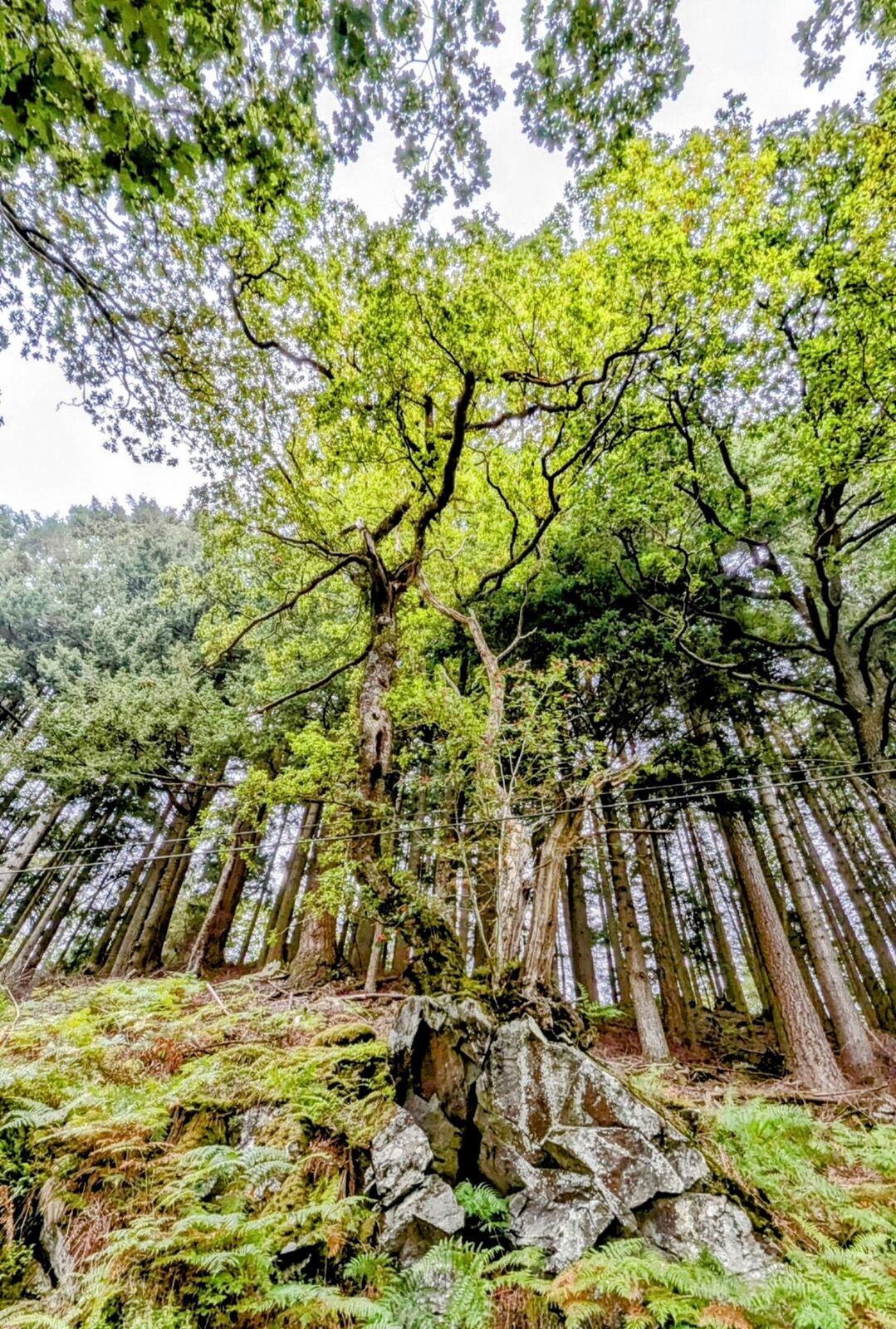
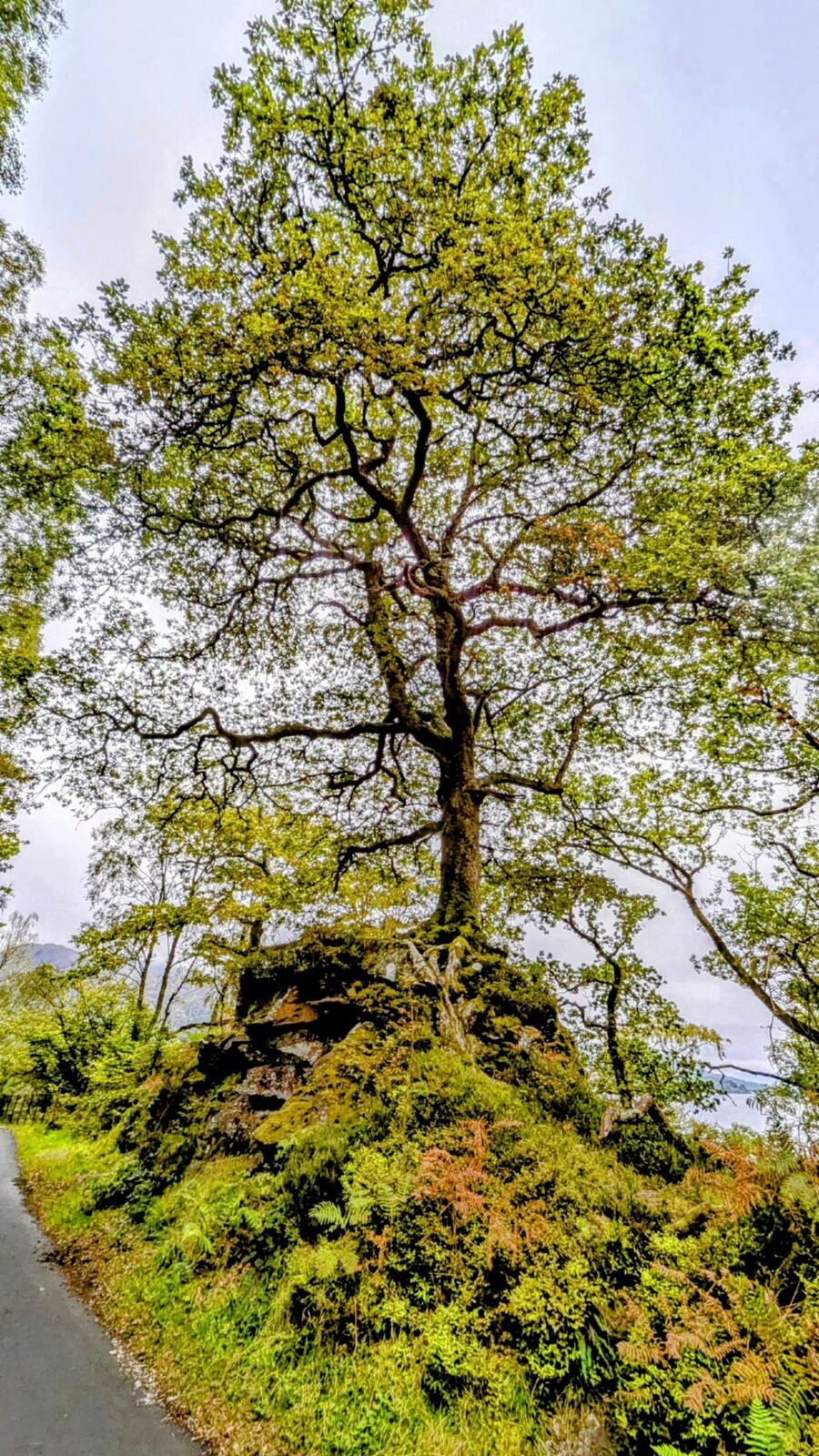
Away from the pier, Loch Katrine is all ancient oak and birch woodland, rocky knolls and big Highland skies — part of the Great Trossachs Forest, a vast native-woodland restoration. The trees here are the sort you stop and stare at.
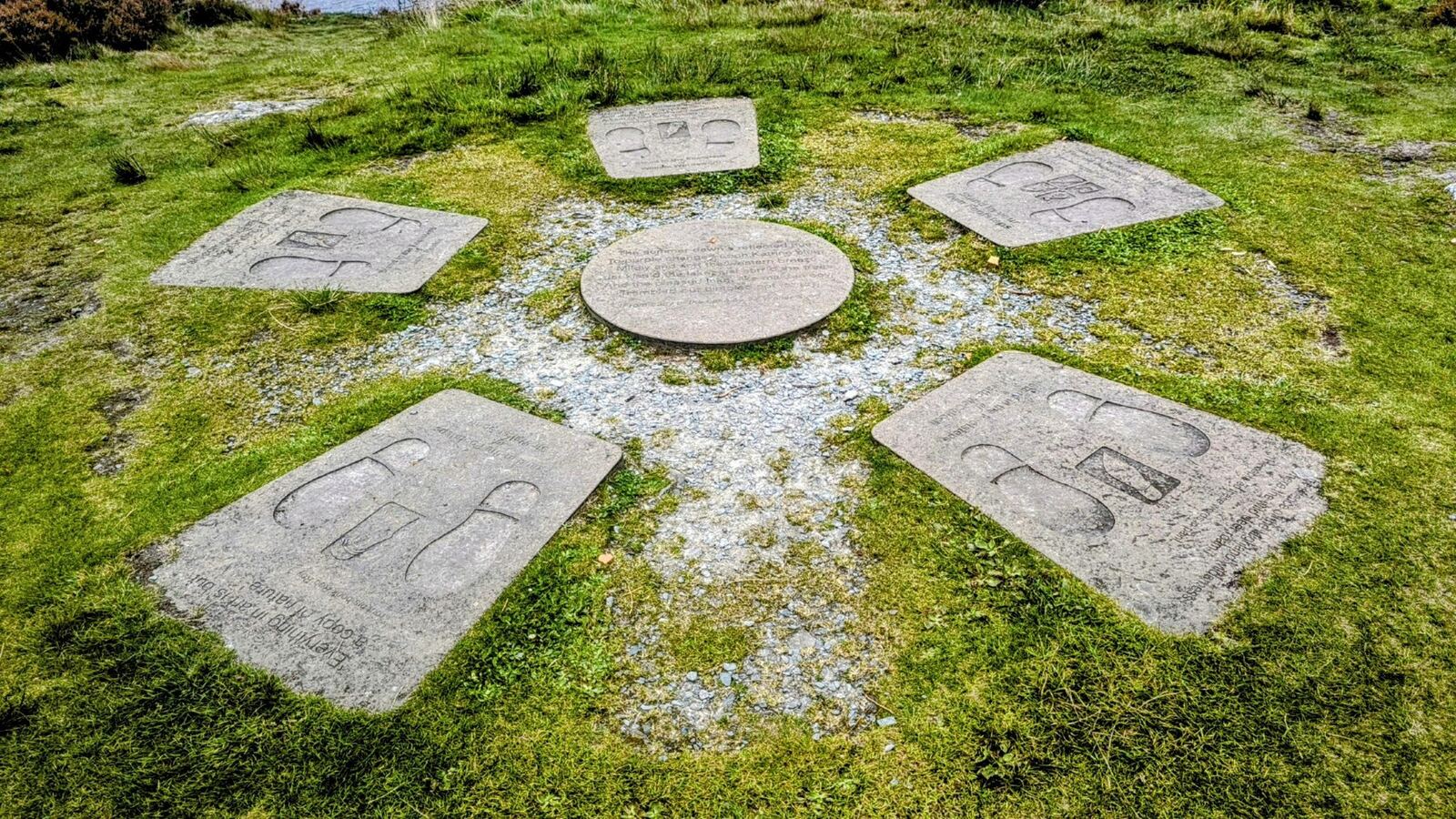
Look out, too, for the poetry stones near the shore — an engraved circle of stone slabs set among the grass, carved with lines of verse: a quiet, modern nod to the loch’s literary fame.
Cycling Loch Katrine — traffic-free along the shore
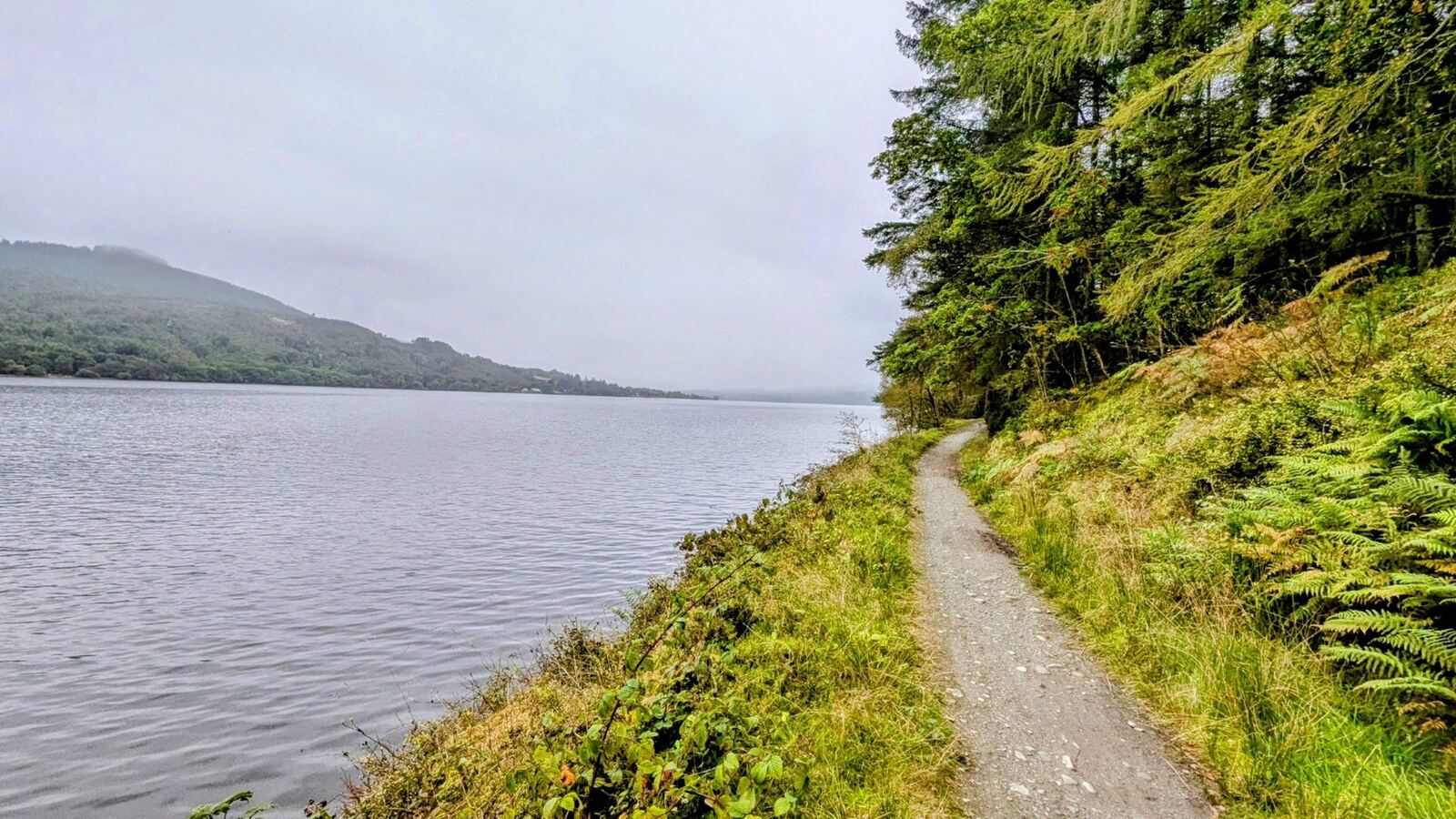
For us, this is one of the best easy rides in Scotland. A private, traffic-free tarmac road runs the full north shore of Loch Katrine, from Trossachs Pier to Stronachlachar — no cars, just you, the water and the woods. You can ride out and back, or take your bike on the boat one way and pedal home. It links into the Great Trossachs Path (Callander to Inversnaid on Loch Lomond, ~30 miles), so you can make a proper day, or days, of it.
Getting here (and our ride)
Loch Katrine’s Trossachs Pier is reached by the A821 from Callander via Kilmahog and the Duke’s Pass (or up from Aberfoyle). We based ourselves around Callander and made a Trossachs day of it — the loch is the natural high point of any trip into this country.
Practical
- ⛴️ Boats: from Trossachs Pier (east end); car park, café and visitor facilities there. Check the current timetable and which boats are sailing before you go.
- 🚲 Cycling: the north-shore road (Trossachs Pier → Stronachlachar) is private and traffic-free — brilliant for families; bike hire is available at the pier.
- 🅿️ Parking: at Trossachs Pier (charged). The single-track approaches can be busy in summer — arrive early.
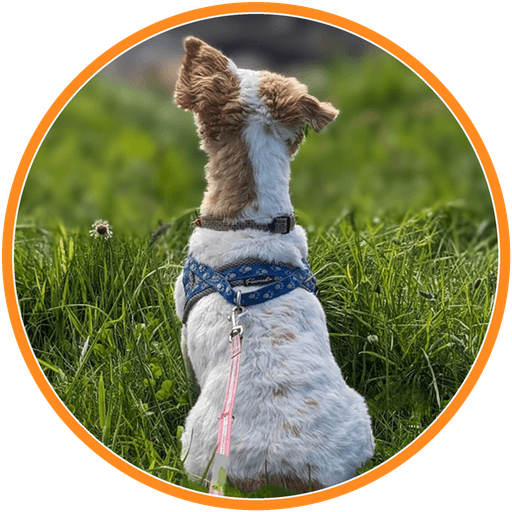
- 🐕 Dogs: welcome on the paths and (check current rules) often on the boats — Lillie approved of the whole outing.
- 📅 Season: boats run spring–autumn; the woods are stunning in autumn colour (our September visit) and fresh green in spring.
Nearby — combine it with
- Stirling — the castle on its crag and the Wallace Monument above the carse, an easy run east once you come back down from the Trossachs.
- Callander — the Trossachs gateway town, and the base we rode from.
- Killin — north over the hills: the Falls of Dochart and the head of Loch Tay.
- Loch Lomond — the Great Trossachs Path links Loch Katrine directly to Inversnaid on Loch Lomond’s east shore.
- See it in context on our Lochs of Scotland guide.
Reality notes
- ⛴️ Timetables change — boats and sailing times vary by day/season; always check before travelling.
- 🅿️ Busy & single-track — the Duke’s Pass and pier get busy in summer; go early or late.
- 🚲 The traffic-free road is a real gem but it’s a proper distance to Stronachlachar and back — take water and layers.
- 🐕 Dogs & livestock — open, wooded, worked country; leads where signed.