
Fort Augustus: The Caledonian Canal Locks, Loch Ness & the Heart of the Great Glen
Overview — the honest take
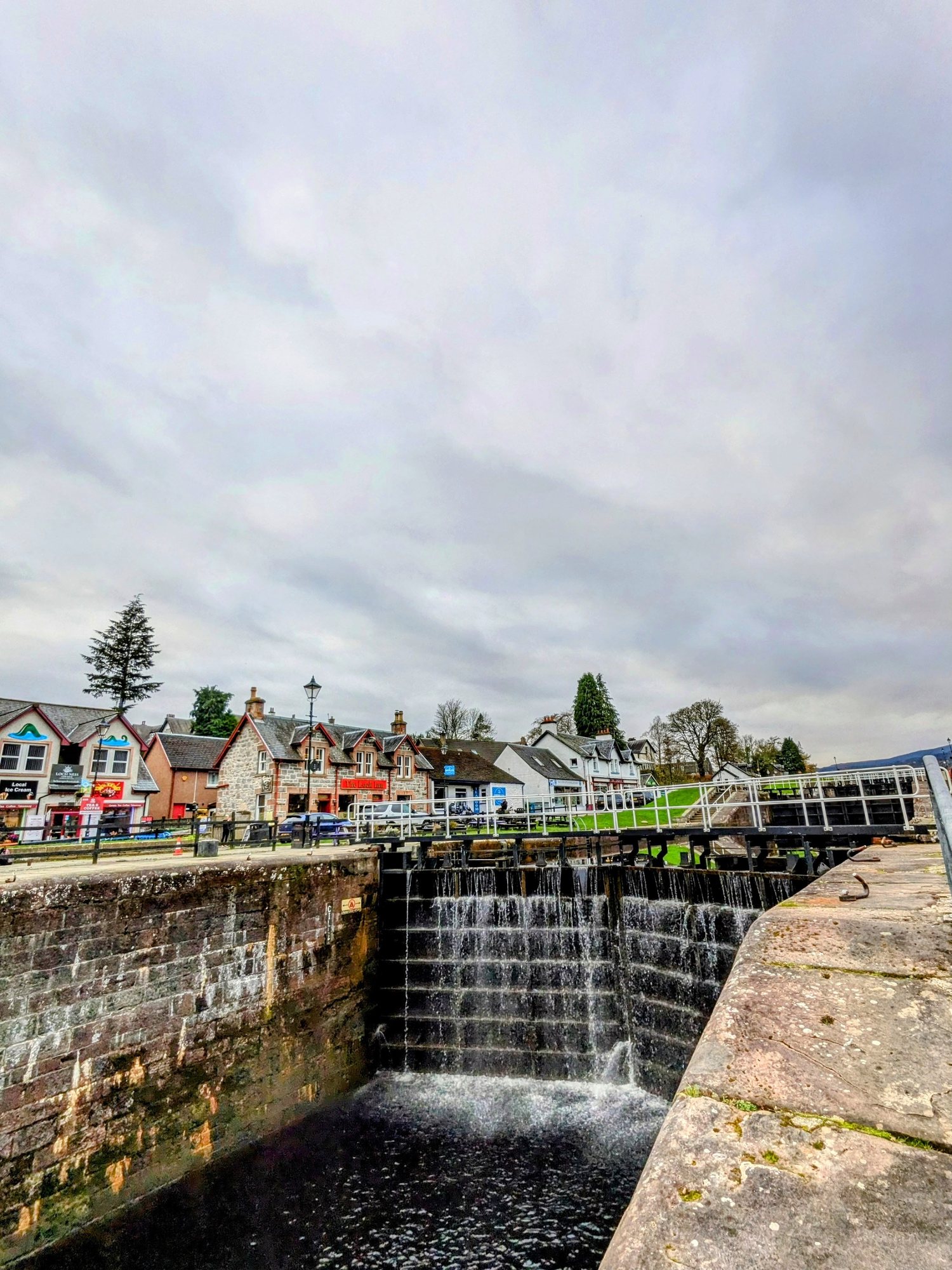
Fort Augustus sits at the south-western tip of Loch Ness, right in the middle of the Great Glen, and its party piece runs straight through the centre of the village: a staircase of canal locks lowering boats down into the loch. Watching the boats work slowly through the flight, with Loch Ness opening out beyond, is a genuinely lovely way to pass an hour — and there’s a fish supper and a canal-side wander to be had while you do it.
Where it is
Fort Augustus lies at the foot of Loch Ness on the A82, roughly halfway along the Great Glen between Inverness and Fort William. The Caledonian Canal runs right through it, and it’s a natural stop on the run to or from Skye and the west.
The canal locks
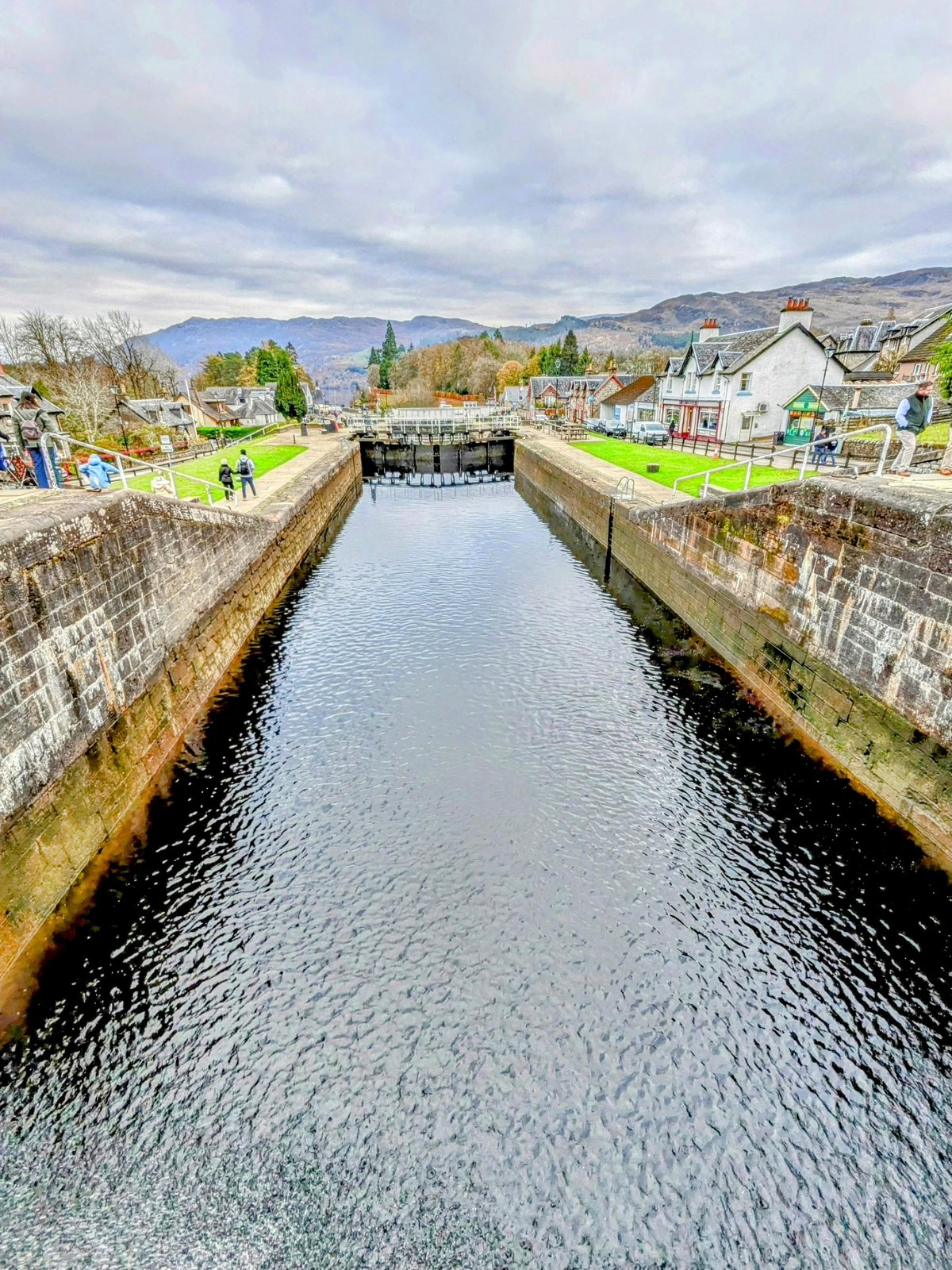
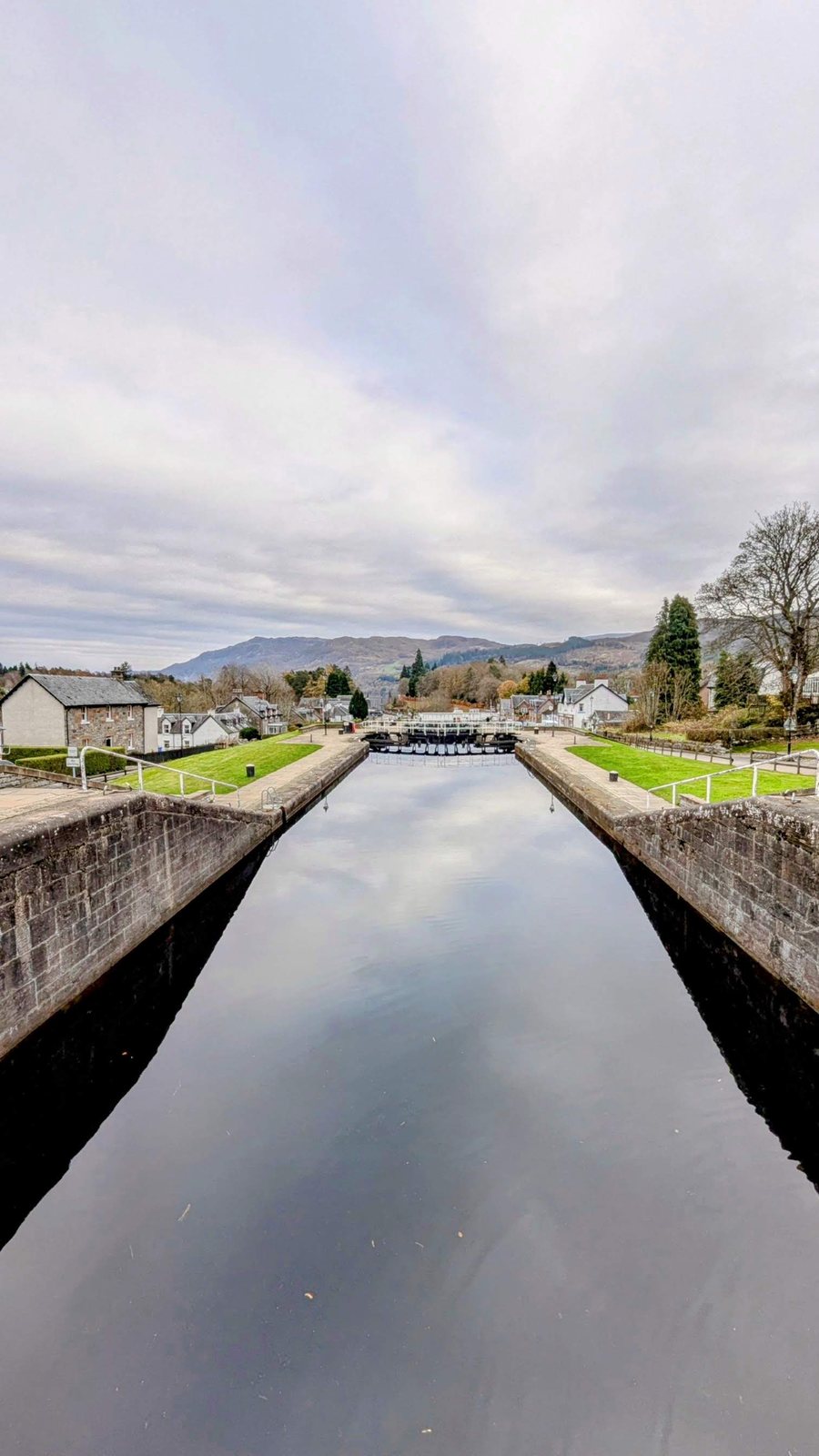
The heart of the village is the flight of five locks that carries the Caledonian Canal down into Loch Ness. The canal was the masterwork of the great engineer Thomas Telford, opened in 1822 to link the coast at Inverness to the coast at Fort William — stitching together Lochs Ness, Oich and Lochy through the Great Glen so that ships could avoid the long, dangerous sail round the north of Scotland. At Fort Augustus the locks step right through the town, and in season you can stand on the footbridges and watch yachts and cruisers rise and fall through the chambers, gates swinging and water surging. It’s free, and quietly mesmerising.
Loch Ness
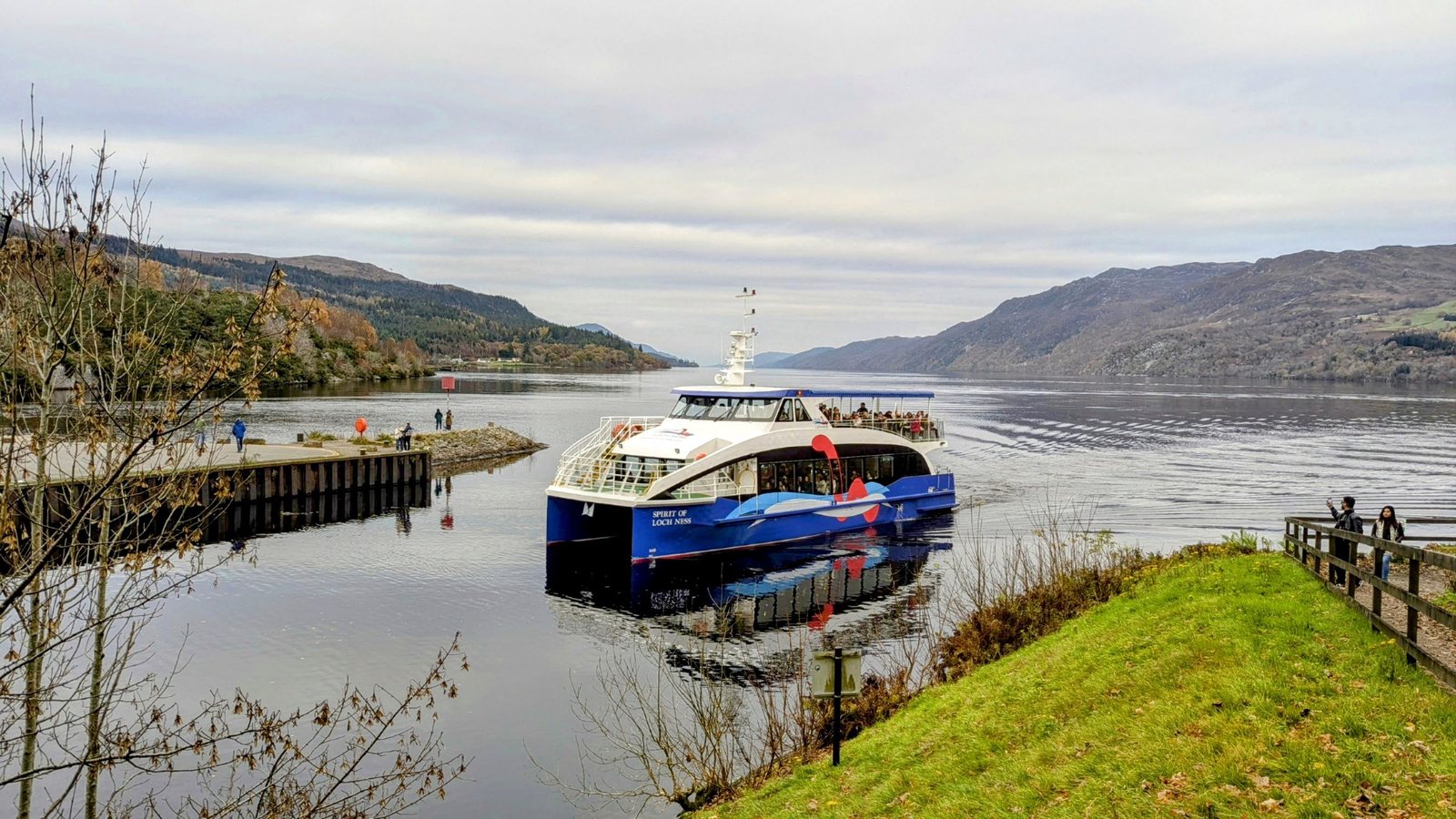
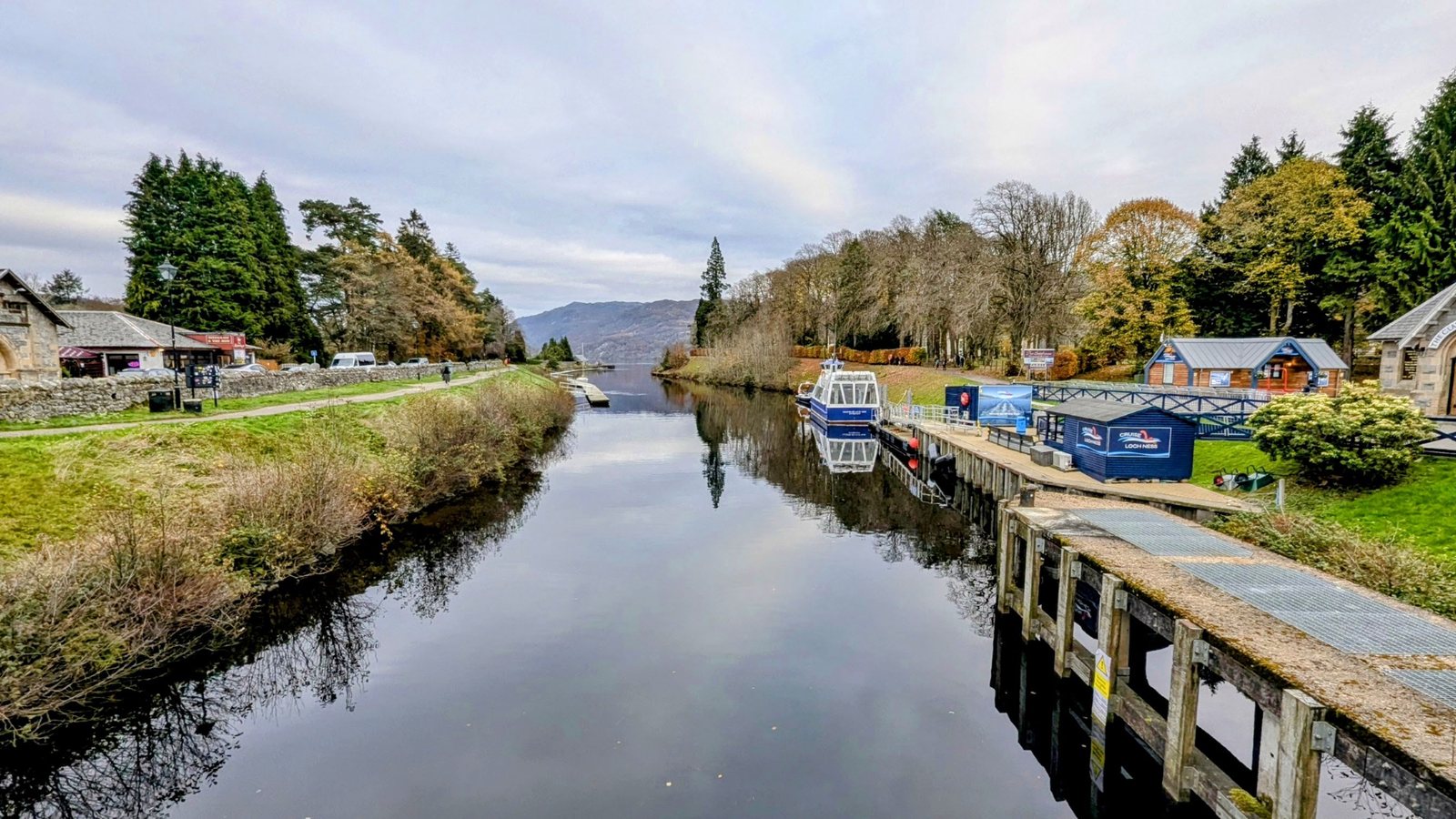
Below the locks, Loch Ness opens out — the vast, dark, 23-mile freshwater loch that holds more water than every lake in England and Wales combined, and, of course, its legendary monster. Boat cruises head out from Fort Augustus onto the loch (Nessie-spotting optional but encouraged), and the views up the Great Glen from the pier are superb.
The village & the fort
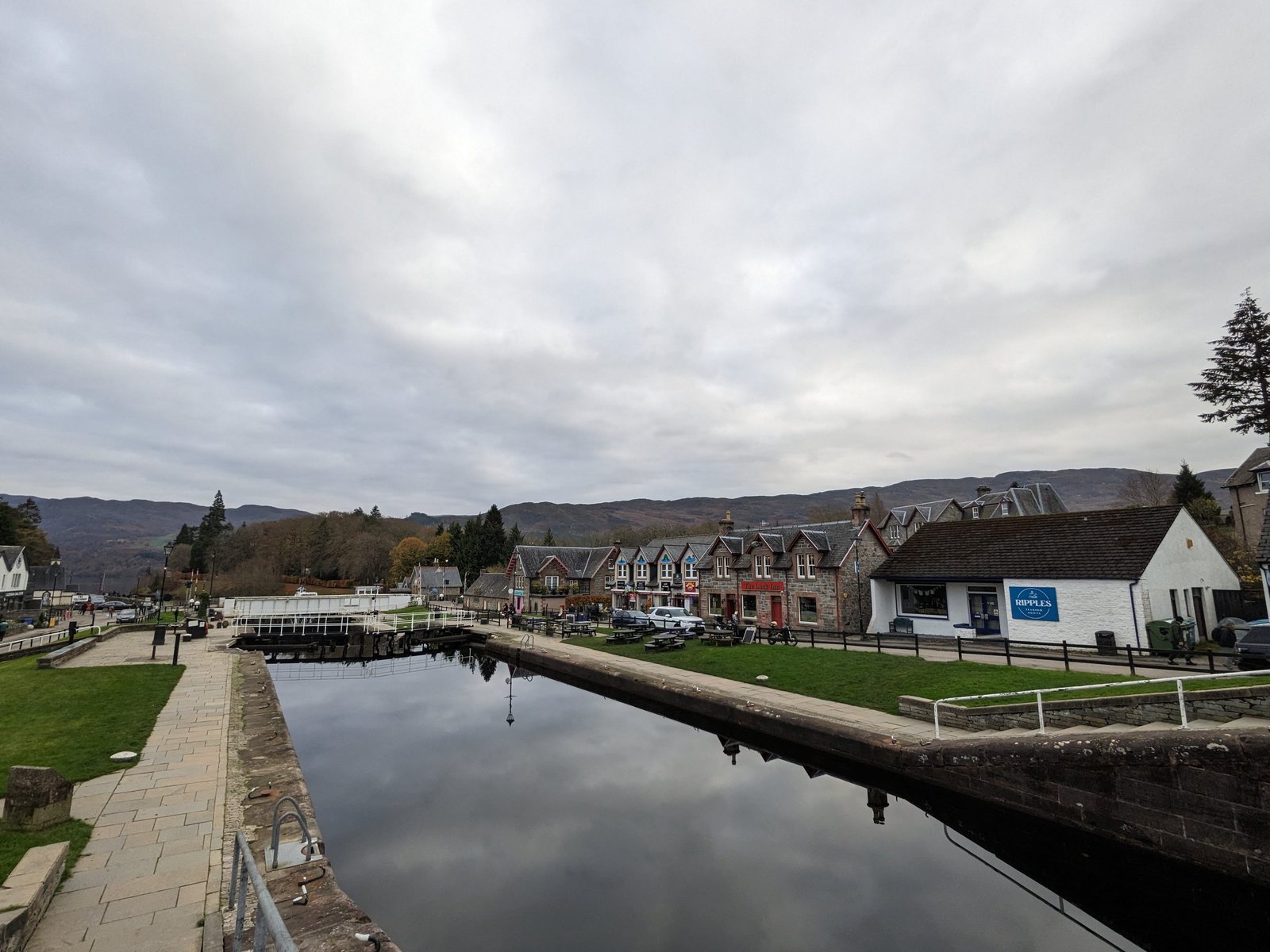
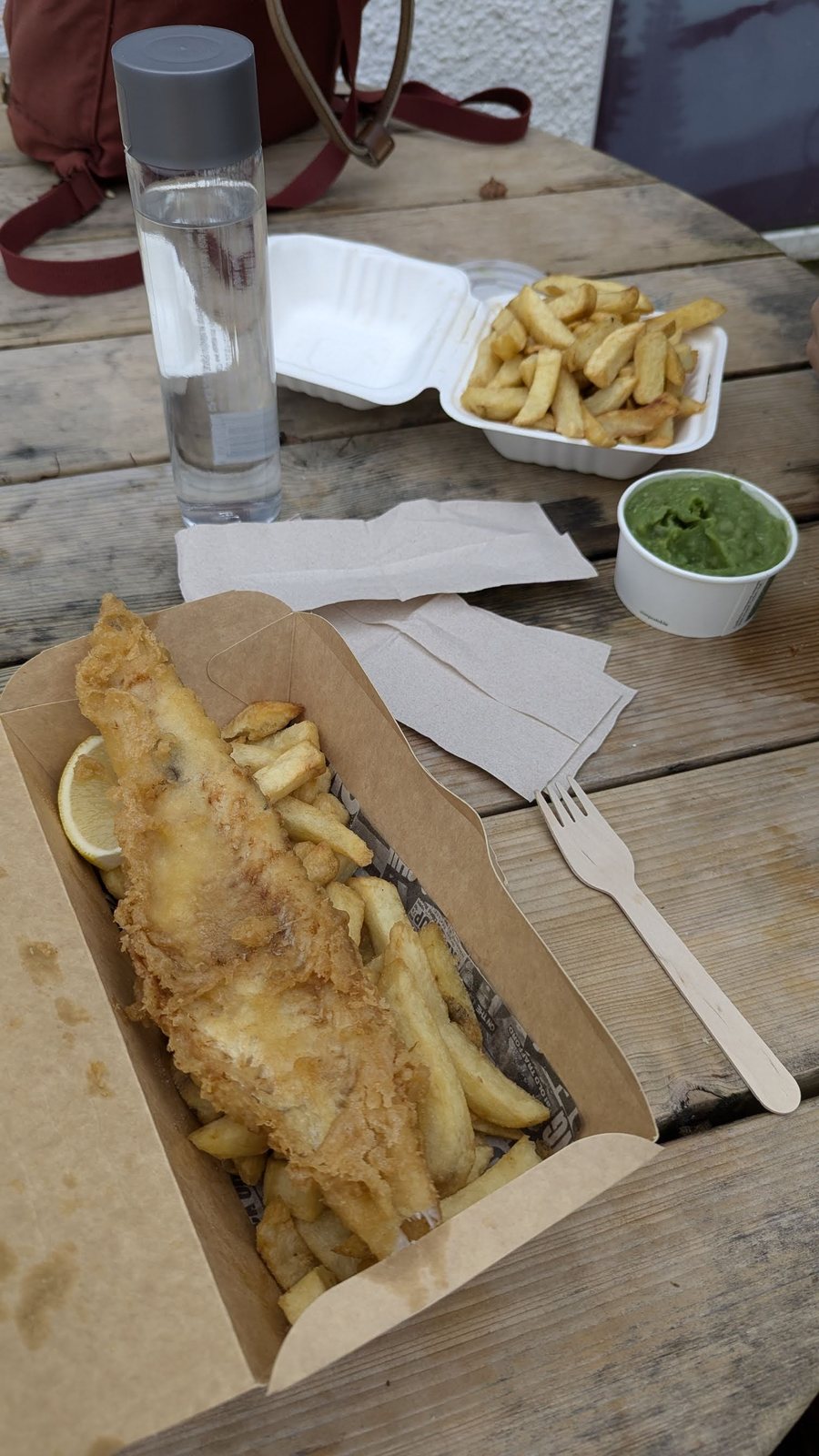
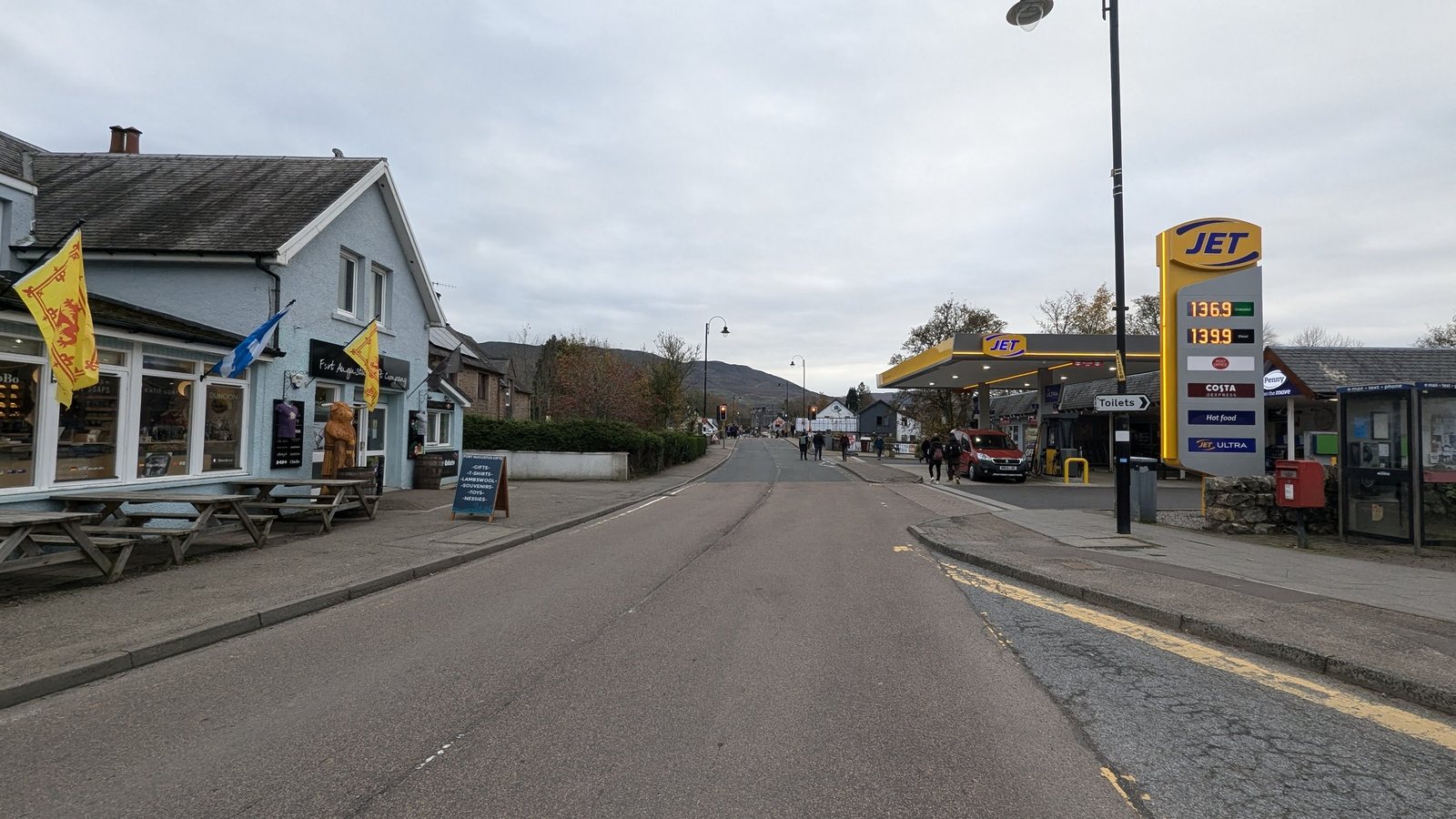
The village takes its name from an old government fort, built here in 1729 to hold down the Highlands after the Jacobite risings and named for the Duke of Cumberland, “Augustus.” The fort later became a grand Benedictine abbey and school, now converted to housing. Today Fort Augustus is a cheerful little tourist village of cafés, pubs and shops strung along the canal — and yes, we had a fish supper by the water.
Walking & cycling the Great Glen
Fort Augustus is a fine spot to walk. The Caledonian Canal towpath and the long-distance Great Glen Way both pass through, giving flat, easy, beautiful walking (and cycling) along the canal and the lochs in either direction — see our guide to cycling Scotland’s towpaths and old railways. There are also steeper woodland trails up to viewpoints over the loch.
More from our visit
Nearby
- Loch Ness & Urquhart Castle — the great ruined castle stands on the loch shore towards Inverness.
- Eilean Donan Castle and the road west to Skye.
- Glenfinnan — the viaduct and Jacobite monument, on the Road to the Isles south-west of the glen.
- Neptune’s Staircase — the canal’s great eight-lock flight at the Fort William end.
- Laggan Locks — a quieter canal stop just south, on Loch Lochy and Loch Oich.
- The Well of the Seven Heads — the grim little monument on Loch Oich, a few miles south.
Sources
- Scottish Canals — the Caledonian Canal (Telford, 1822, the Great Glen).
- Wikishire on the fort, the abbey and the village.
- Everything first-hand is from our own visit to Fort Augustus.