Clan Mackenzie: Kintail, Seaforth & the Cabar Fèidh
The clan by the numbers
| First on record | Alexander Mackenzie of Kintail (Alasdair Ionraic), documented 1465–71 |
| Peak fighting strength | ~3,000 men (General Wade, 1724) — one of the larger northern clans |
| People bearing the name today | ~15,200 in Scotland (Mackenzie + McKenzie ~26,000), ~101,000 worldwide (estimate) |
“Fighting strength” is the armed following, not a population. In 1745 the clan was split between Jacobite and government sympathisers, so no single figure applies.
Overview — the clan that rose from Kintail
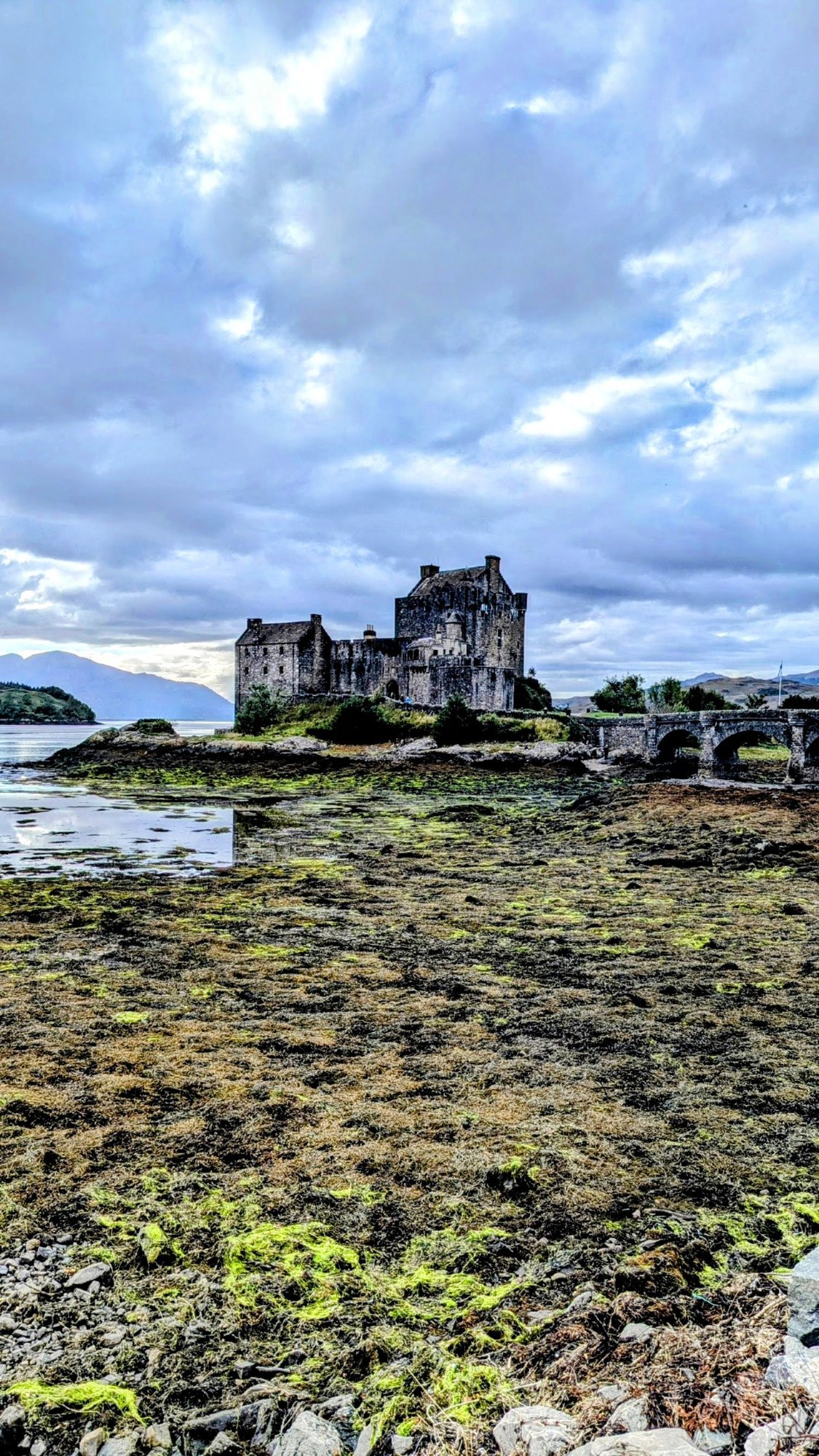
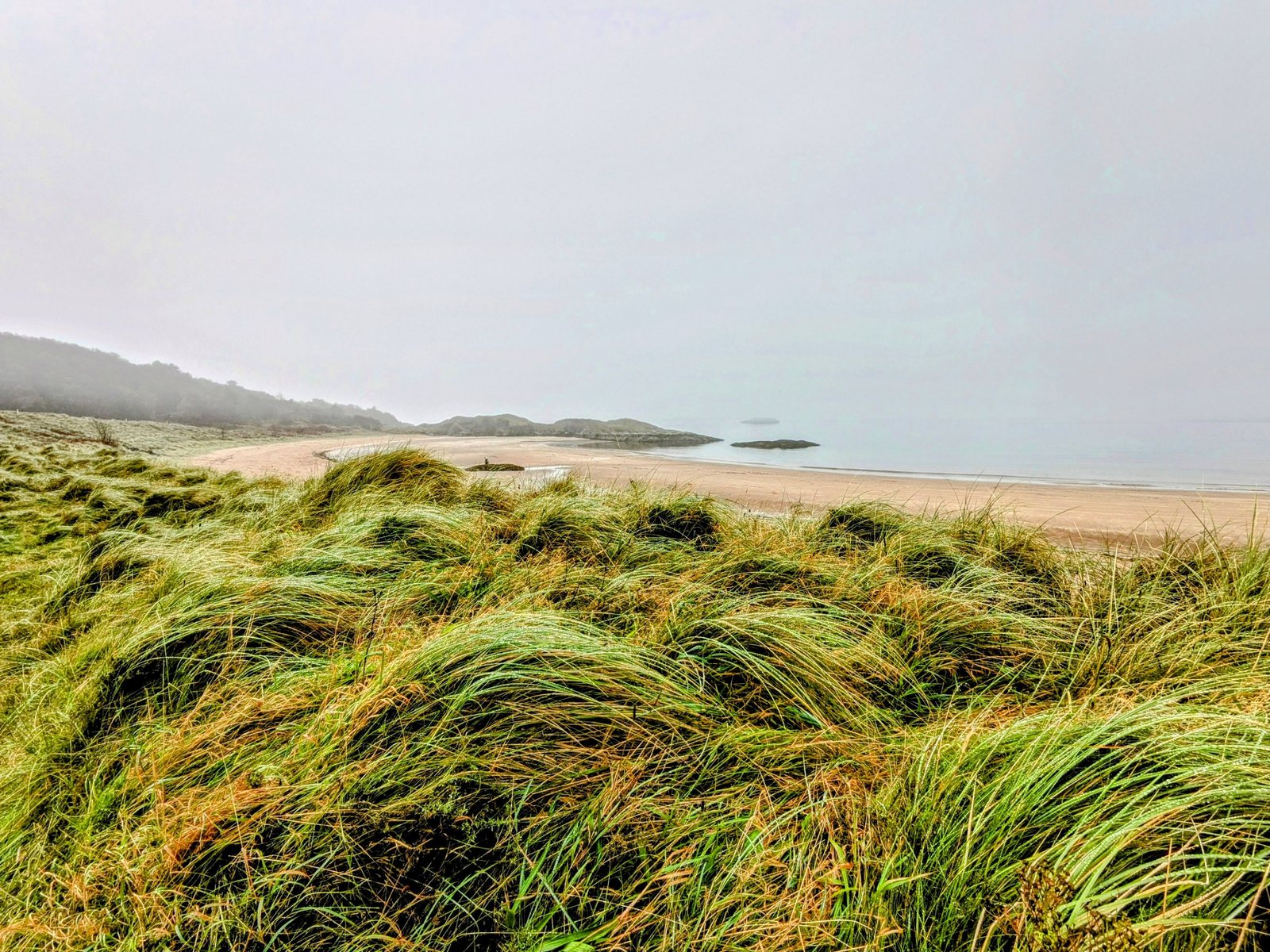
Clan Mackenzie was, for four centuries, the dominant power of the north-west Highlands. From a single glen — Kintail, at the head of Loch Duich — the family spread east and west until they held a swathe of country from the Outer Hebrides to the Black Isle, ruling as Earls of Seaforth and answering to the war-cry Cabar Fèidh, “the deer’s antlers.” Their most famous seat is the picture-postcard Eilean Donan Castle, and their reach ran right out to the beaches of Gairloch. Travel Wester Ross and Kintail today and you are travelling through Mackenzie country.
The name & the origins
The Gaelic name is Clann Choinnich — “the children of Coinneach (Kenneth).” Clan tradition traces the line to a Colin (Cailean) of Kintail in the 13th century, though the genealogists have argued the earliest descent for generations. What is solid is that by the 14th century the Mackenzies held Kintail as crown vassals, in the shadow of the mighty Earls of Ross and the MacDonald Lords of the Isles. When those great powers fell, the Mackenzies were perfectly placed to inherit the ground.
The rise — against the Lords of the Isles
The Mackenzies’ great leap came from backing the crown against the MacDonalds. At the Battle of Blàr na Pàirce (the Battle of the Park, in the late 1400s) they broke a much larger MacDonald army in Strath Conon — a victory that announced them as a clan to be reckoned with. Over the following century they absorbed neighbour after neighbour, pushing west into Lochalsh, Lochcarron and Loch Broom and east onto the fertile Black Isle, always trading loyal service to the king for yet more charters and land.
Eilean Donan & the MacRaes
No place tells the Mackenzie story better than Eilean Donan. The castle guarded the sea-road into Kintail, and the chiefs held it not in person but through the Clan MacRae, their hereditary constables and bodyguard — so trusted that they were known as “Mackenzie’s shirt of mail.” Its most dramatic hour came in 1719, when a small Spanish force garrisoned it for a doomed Jacobite rising. Three Royal Navy frigates sailed up the loch and blew the castle to rubble. It lay a ruin for two hundred years until a MacRae — fittingly — rebuilt it stone by stone in the early 20th century into the Eilean Donan the world photographs today.
Seaforth, Brahan & the Seer
The chiefs climbed the ranks of the peerage as the Earls of Seaforth (from 1623), ruling from Brahan Castle near Dingwall. It is Brahan that gives us Scotland’s most famous prophet — the Brahan Seer, Coinneach Odhar, said to have foretold the doom of the Seaforth line: a last chief, deaf and dumb, who would outlive his four sons and see the inheritance pass to a “white-hooded lassie from the east.” When the last Lord Seaforth died in 1815 having buried all his sons, Highlanders remembered the words. The Mackenzies had also thrown in with the Jacobites in 1715 and 1719, and paid for it with forfeiture — though, canny as ever, the family clawed much of it back.
The Mackenzies of Gairloch & Wester Ross
Clan Mackenzie is really a family of powerful branches. The most enduring on the west coast were the Mackenzies of Gairloch, founded by Hector Roy Mackenzie (Eachann Ruadh) around 1500. From Flowerdale House they held Gairloch, the shores of Loch Maree and much of the western seaboard for close to five hundred years — one of the rare Highland estates to stay in the same family’s hands right through the centuries of upheaval.
Motto & badge
The Mackenzie motto is “Luceo Non Uro” — “I shine, not burn.” The crest is a stag’s head — the cabar fèidh of the war-cry — and the plant badge is deer-grass. The clan slogan, “Tulach Àrd,” is the name of a hill in Kintail where the men would gather.
Mackenzie country on our travels
You’ll meet the Mackenzies right across the north-west of this site:
- Eilean Donan Castle — the great stronghold of Kintail, held for the chiefs by the MacRaes.
- Gairloch & Loch Maree — the long-held country of the Mackenzies of Gairloch.
← Back to Scottish Clans · see also Clan Donald (the Lords of the Isles the Mackenzies helped bring down) and the Lochs of Scotland.
Battles — won and lost
The most notable actions the clan fought, and how they ended:
- Bealach nam Broig (c. 1452) — vs the Munros & allies — WON
- Blar na Pairc (c. 1491) — vs the MacDonalds of Lochalsh — WON
- Drumchatt (1497) — vs the MacDonalds — WON
- Flodden (1513) — vs the English — LOST
- Auldearn (1645) — vs Montrose — LOST
- Sheriffmuir (1715) — vs the government — DRAWN
- Glen Shiel (1719) — vs the government (Eilean Donan destroyed) — LOST
The chief rivals were the MacDonalds of Lochalsh and neighbouring Ross-shire clans.
The clan lands
Orange markers = the clan’s chief castles, seats and territories; where we have a page, they link through.
Explore Scottish Outposts
Clans · Whisky · Castles · Lochs · Kirks & Cathedrals · Standing Stones · Metal Detecting · Trips So Far
Sources
- First-hand: our own visits to Eilean Donan and Gairloch (own photos)
- Standing Council of Scottish Chiefs · Clan Mackenzie — Wikipedia