
Staffin & the Quiraing: Skye’s Dinosaur Coast, Kilt Rock & the Great Trotternish Walk
Overview — the honest take
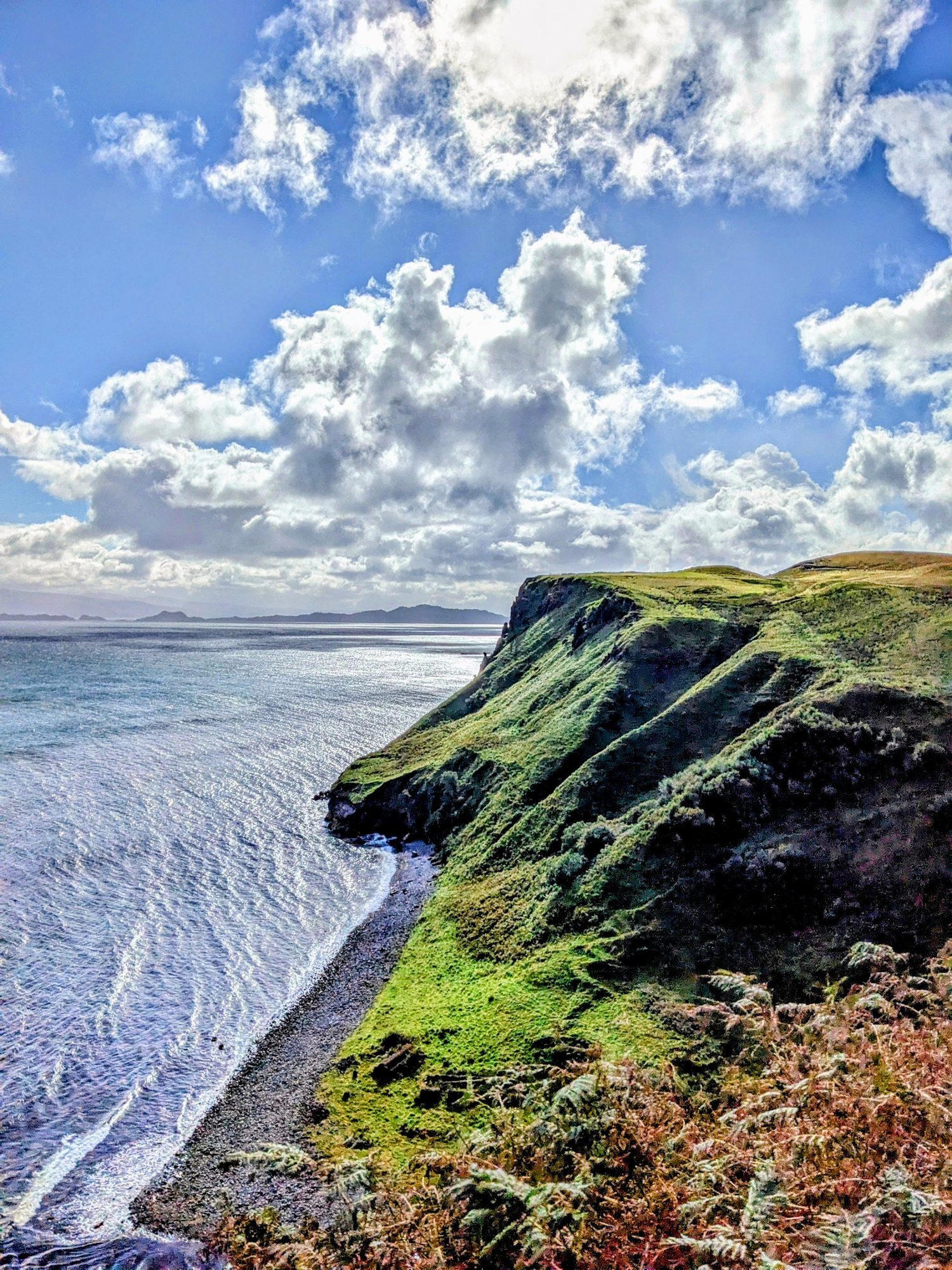
Staffin and the Trotternish peninsula are, for our money, the most spectacular corner of Skye — and the best walking on the island. This is the land of the Quiraing, a fantastical landslip of pinnacles and hidden plateaus; of Kilt Rock and its cliff-edge waterfall; and of a beach where you can stand in genuine dinosaur footprints. We did a lot of walking around here, and every path seems to end at a jaw-dropping view.
Where it is
Staffin is a crofting district on the north-east coast of Skye, on the Trotternish peninsula, about 16 miles north of Portree. The single-track road over to Uig climbs right past the Quiraing; the coast road runs north to Kilmuir and Duntulm.
The Quiraing walk
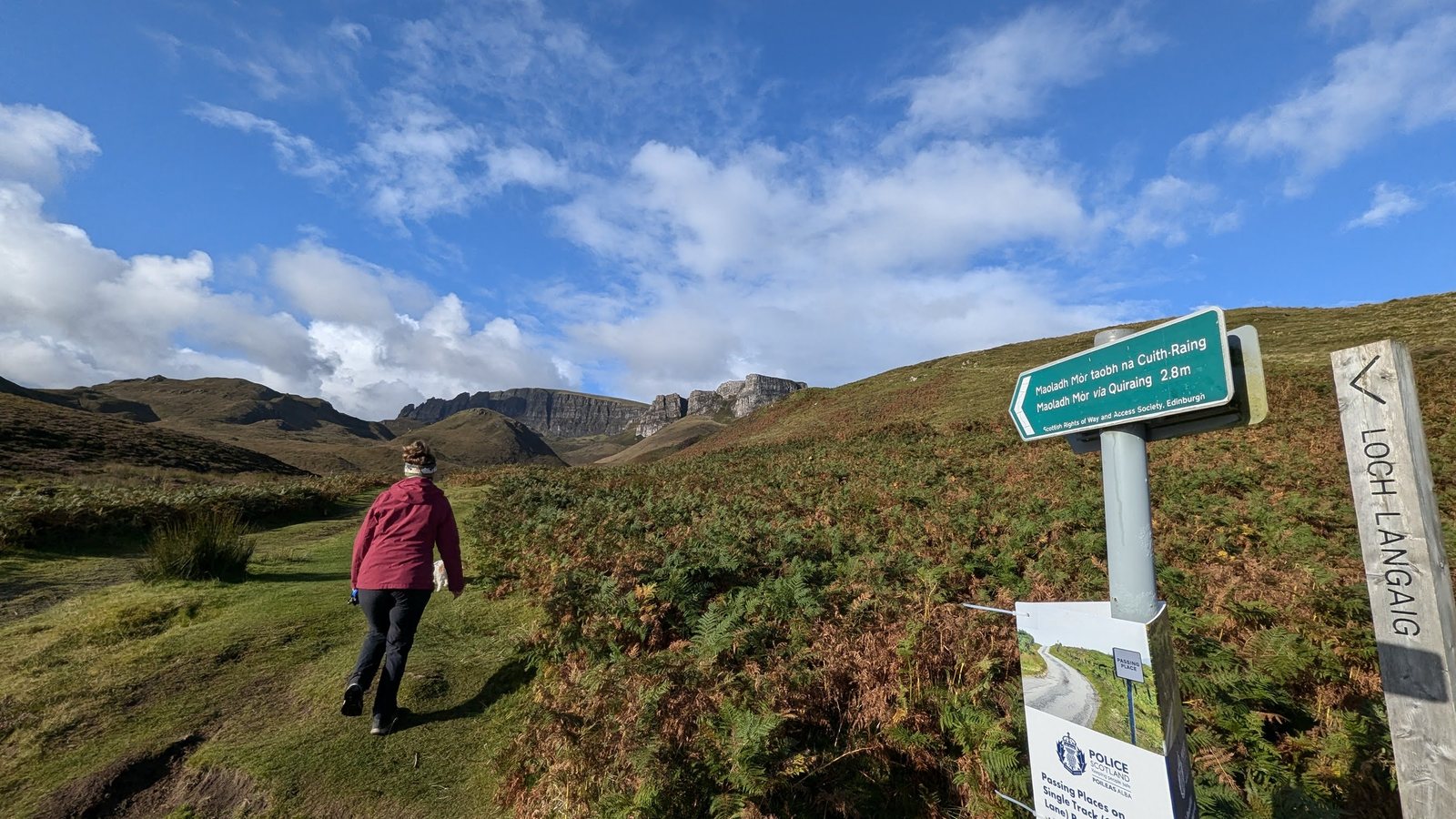
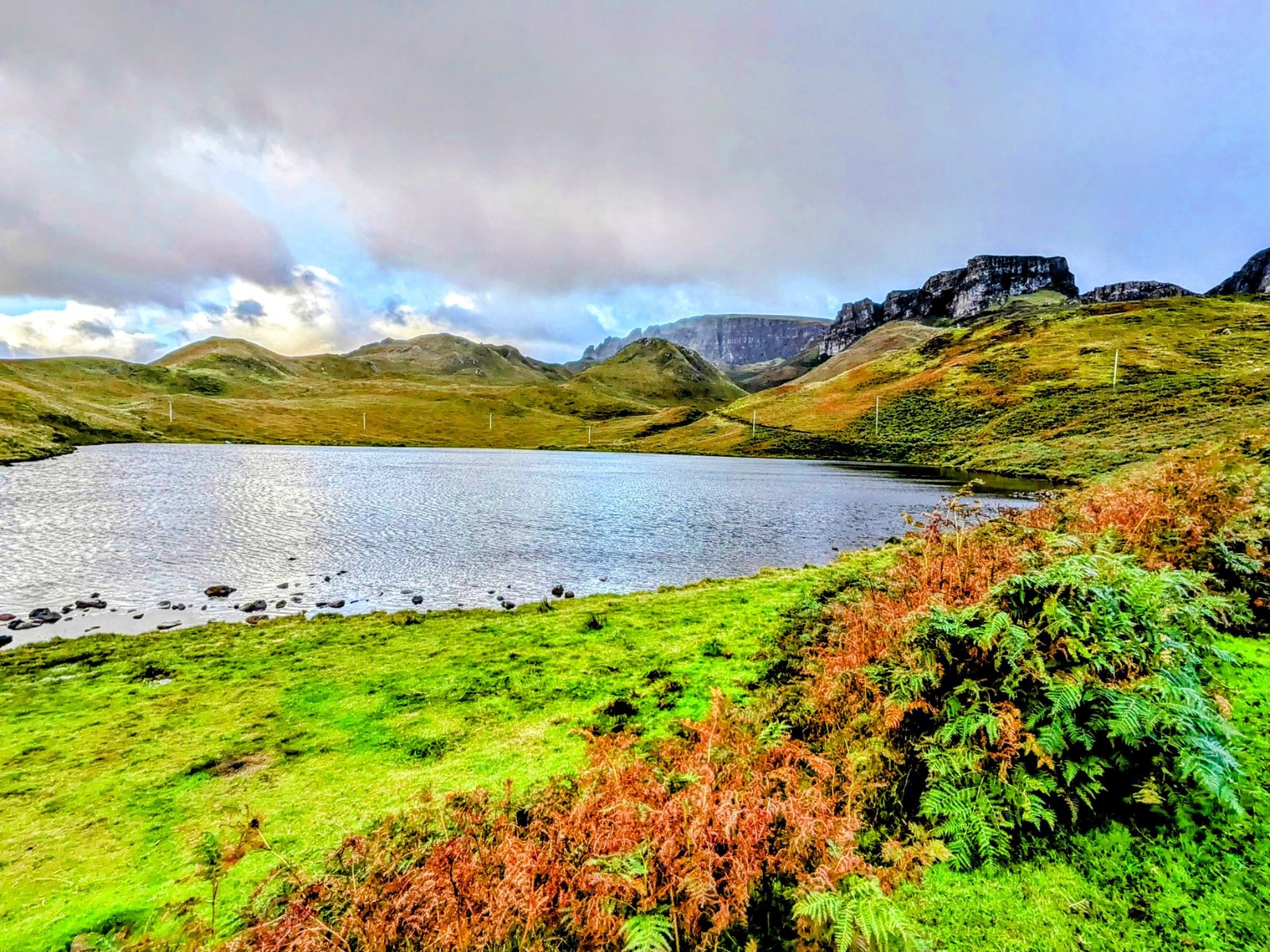
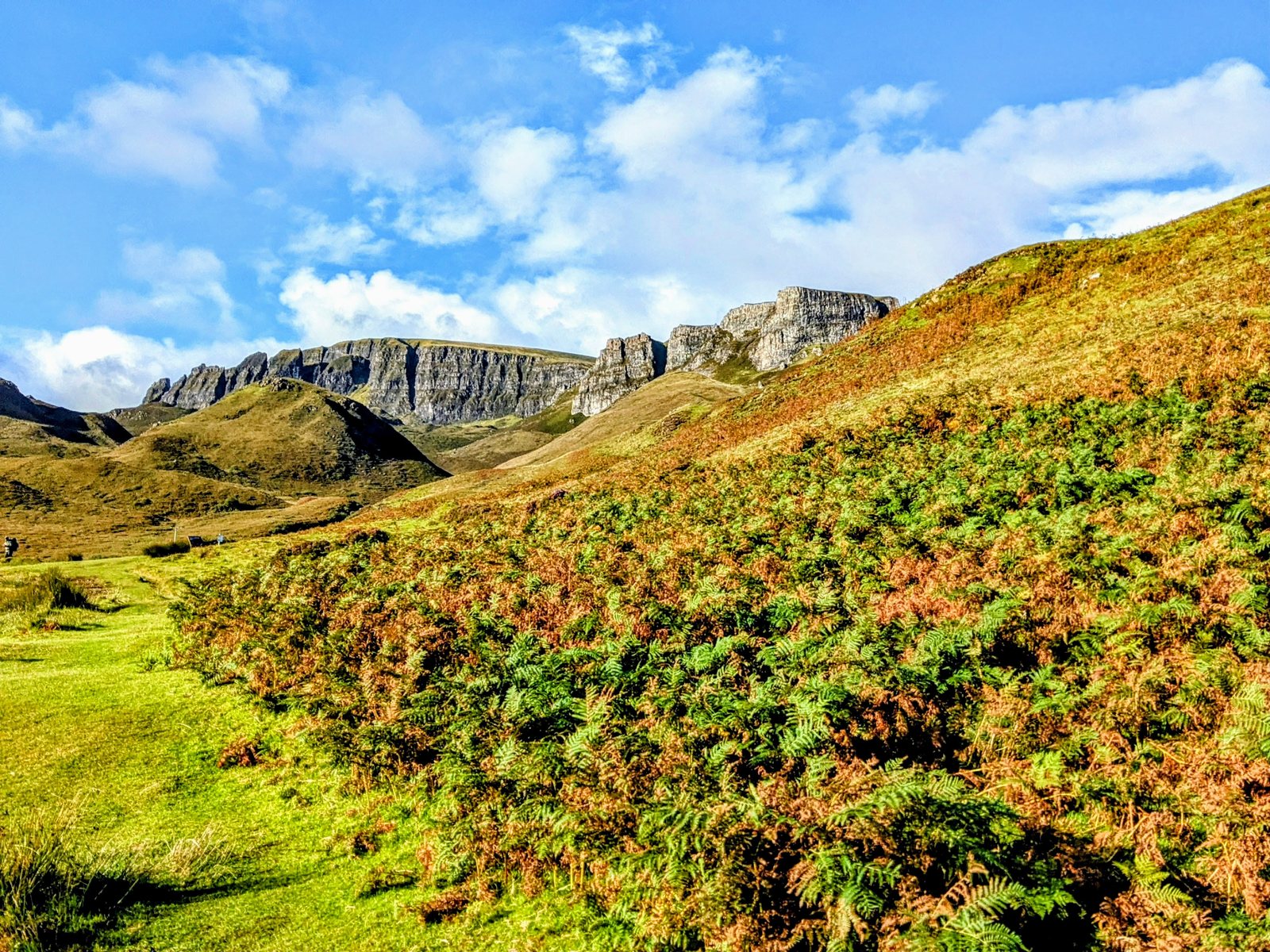
The Quiraing is the great set-piece: a still-slipping section of the Trotternish ridge that has crumpled the land into towers, cliffs and hidden green tables, with romantic names — the Prison, the Needle, the Table. The classic Quiraing circular walk (around 4¼ miles / 6.8km) sets off from the car park on the Staffin–Uig road and loops out beneath the pinnacles and back along the top. It’s rough and exposed in places, with steep drops, so it wants decent boots and a dry-ish day — but it’s one of the finest walks in Scotland, and you don’t have to go far from the car park for the views to start.
Kilt Rock & Mealt Falls
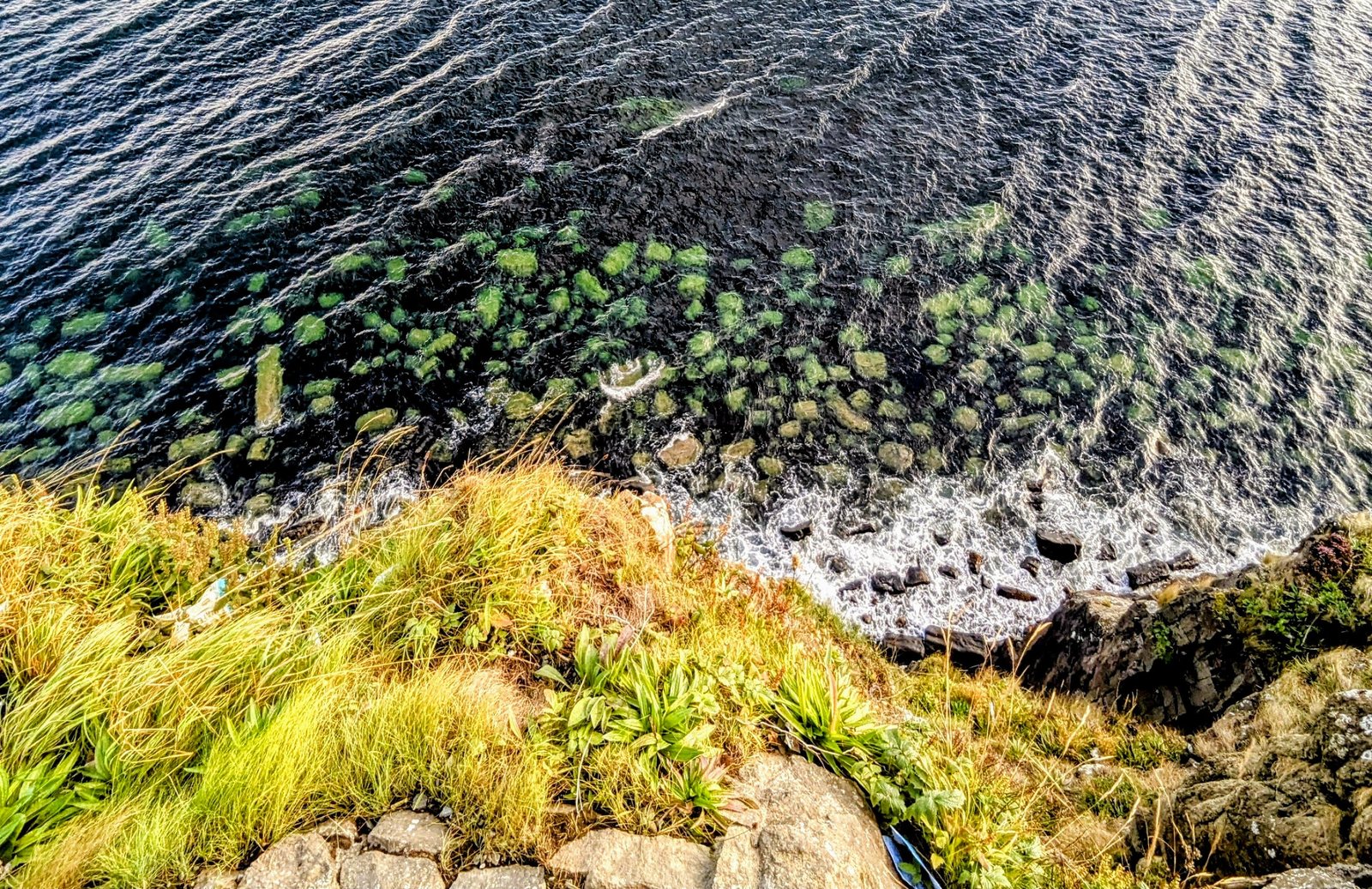
A few minutes’ walk from the road brings you to the Kilt Rock viewpoint, where the sea cliffs are ribbed with vertical basalt columns like the pleats of a kilt — and where the Mealt Falls pour straight off the clifftop into the sea below. It’s an easy, safe, fenced viewpoint with one of the most photogenic outlooks on Skye.
Walking with dinosaurs
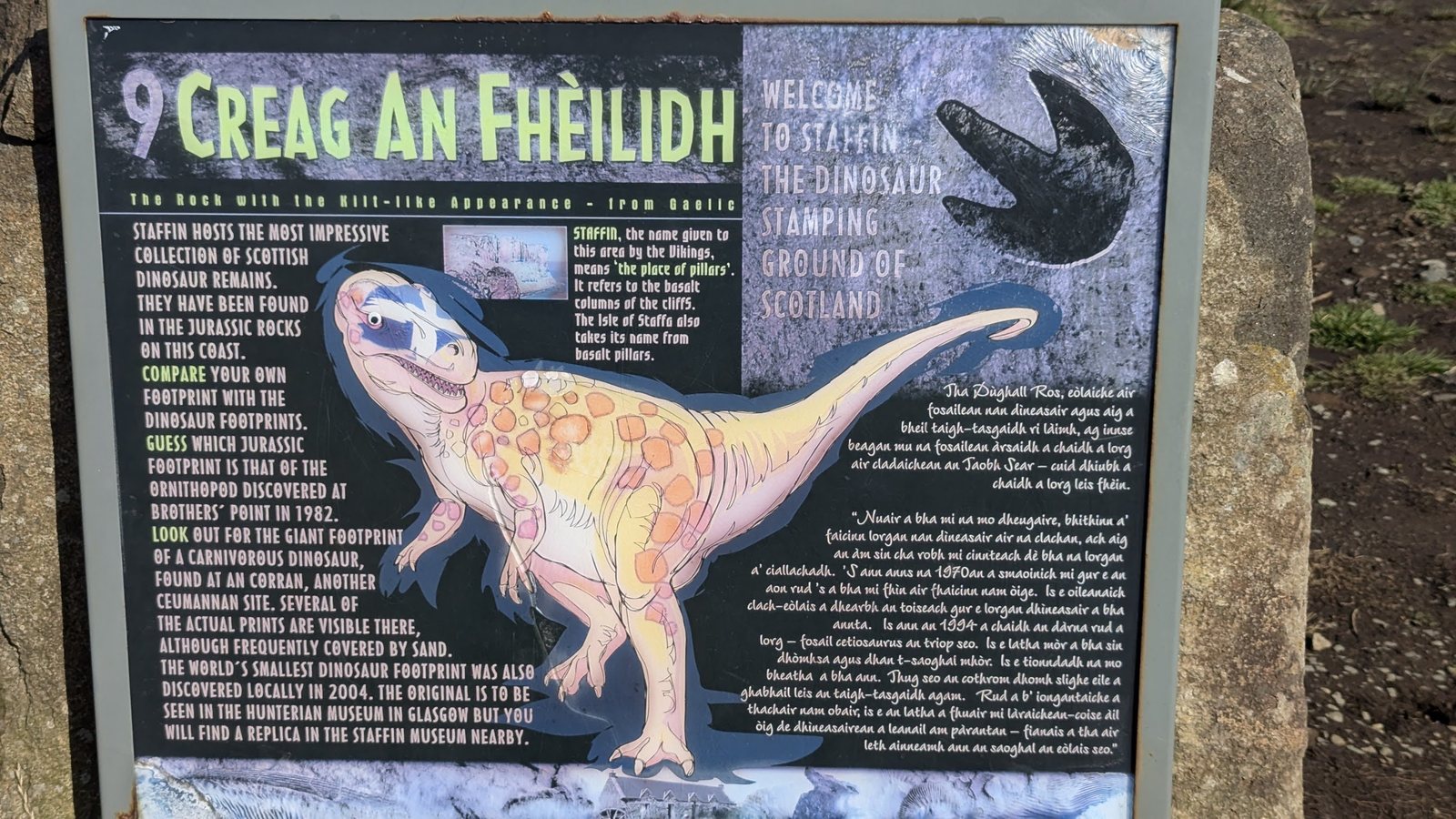
Staffin has a genuinely astonishing claim: dinosaur footprints. Down at An Corran beach, and around Brothers’ Point, you can find tracks left by dinosaurs some 165 million years ago, when this was a warm lagoon — visible at low tide if you know where to look (the little Staffin Dinosaur Museum will point you to them). Walking a Skye beach and putting your foot in a dinosaur’s print is a strange and wonderful thing.
Lealt Falls & the gorge
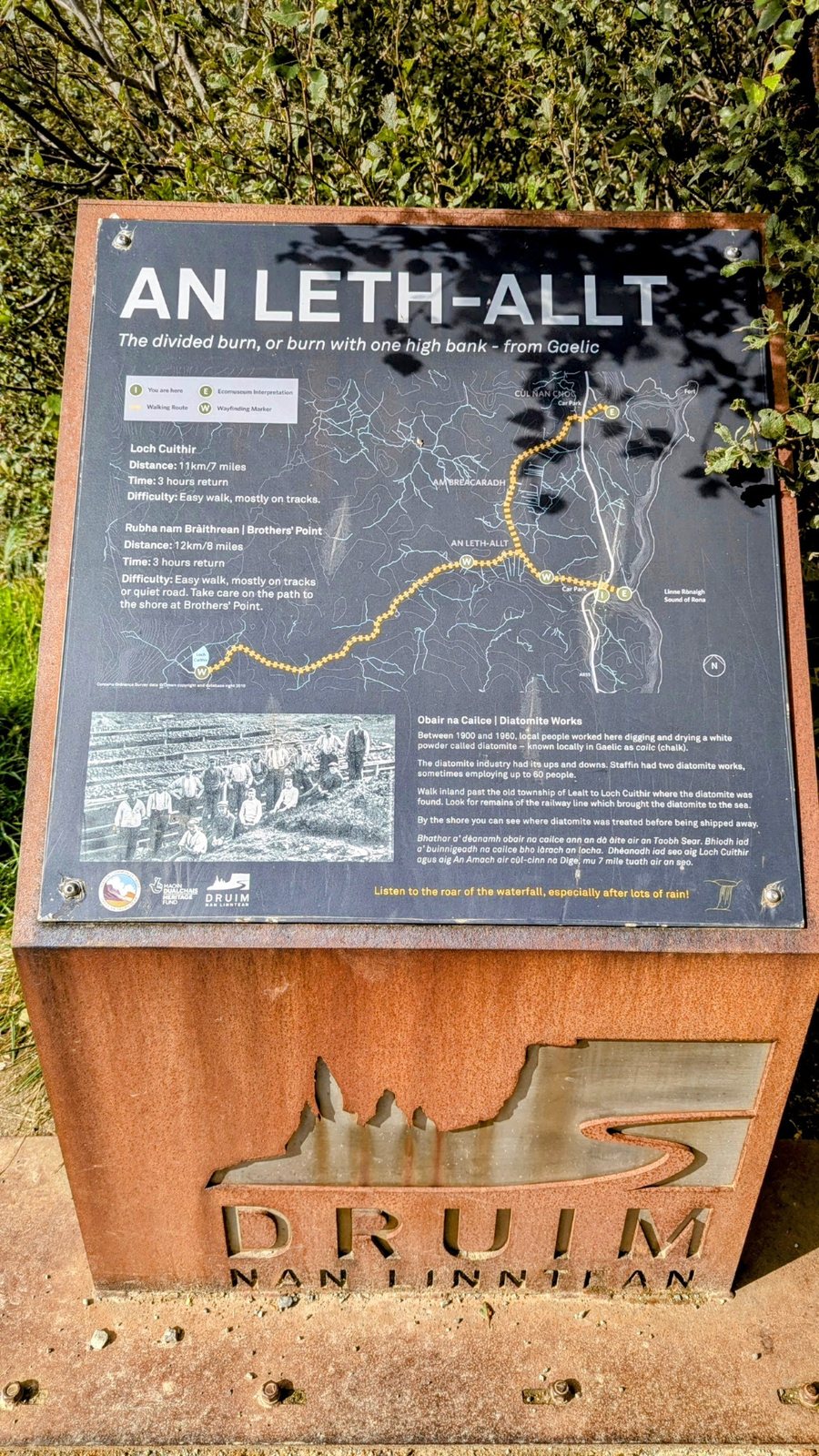
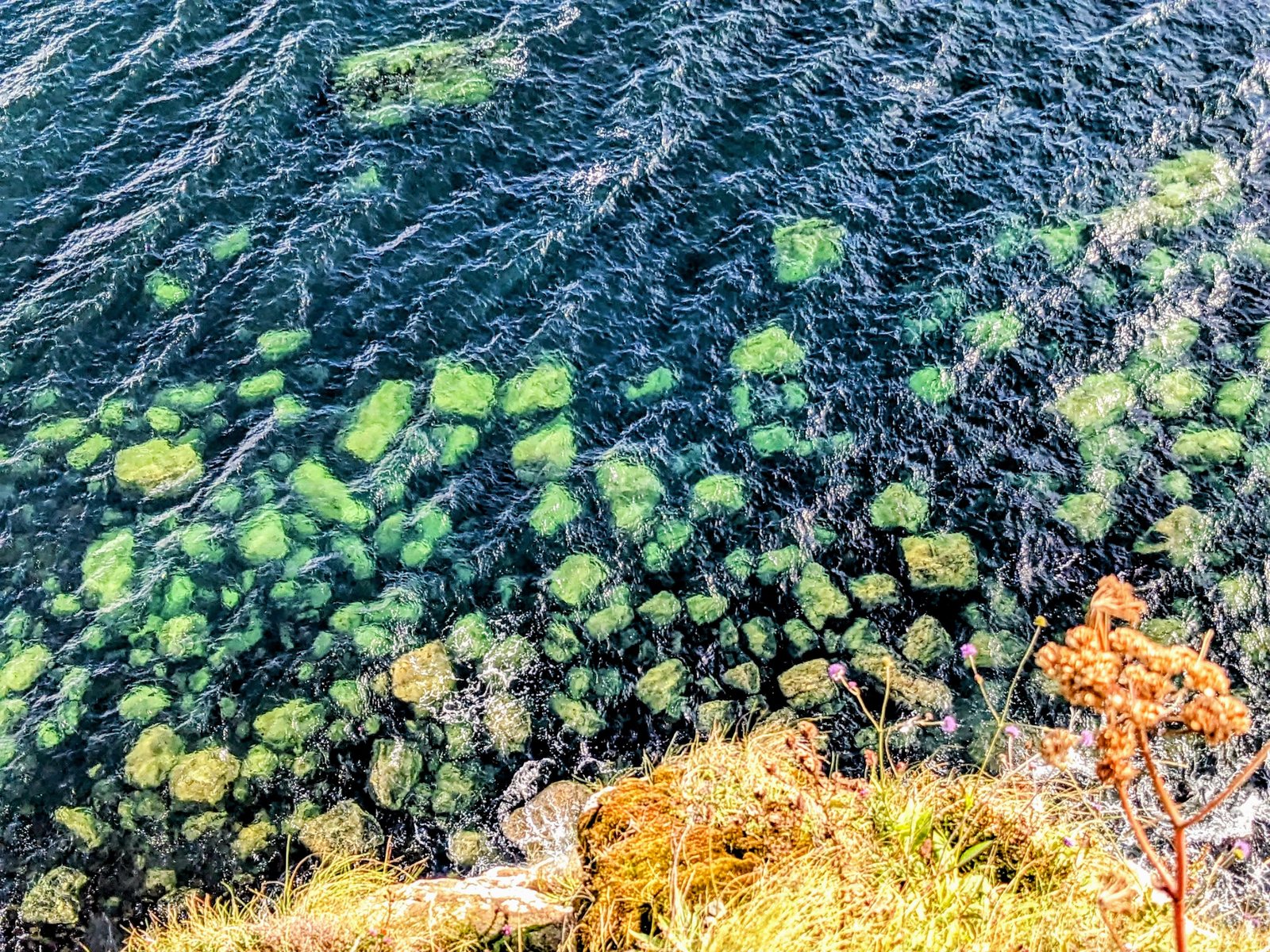
Just south of Staffin, a short walk from the road leads to the Lealt Falls and its dramatic gorge, dropping towards a hidden shingle bay where diatomite was once worked and shipped out. It’s a lovely, steep little walk with viewing platforms and big coastal views.
Nearby
- Kilmuir — the Skye Museum of Island Life, Flora MacDonald’s grave and Duntulm Castle, on north Trotternish.
- Portree — Skye’s colourful capital, the natural base for this coast.
- The Old Man of Storr — the island’s most famous pinnacle walk, a little further south down the Trotternish road.
Sources
- Walkhighlands — the Quiraing (route, distance, terrain).
- Wikishire and the Staffin Dinosaur Museum on Kilt Rock, Mealt Falls and the An Corran footprints.
- Everything first-hand is from our own walking around Staffin and Trotternish.