Kilmuir: The Skye Museum of Island Life, Flora MacDonald’s Grave & Duntulm Castle
Overview — the honest take
Kilmuir, on the north-west shoulder of the Trotternish peninsula, is one of the most rewarding stops on Skye for anyone who loves history. In a short stretch of coast you’ll find a village of restored thatched cottages showing how islanders really lived, the grave of Flora MacDonald — the heroine of Bonnie Prince Charlie’s escape — and the dramatic clifftop ruin of Duntulm Castle. There’s lovely coast walking here too, with the Outer Hebrides out across the Minch.
Where it is
Kilmuir sits on the coast road round north Trotternish, between Staffin and Uig, about 20 miles north of Portree. The museum, the cemetery and Duntulm are strung along a few miles of this beautiful, exposed shore.
The Skye Museum of Island Life
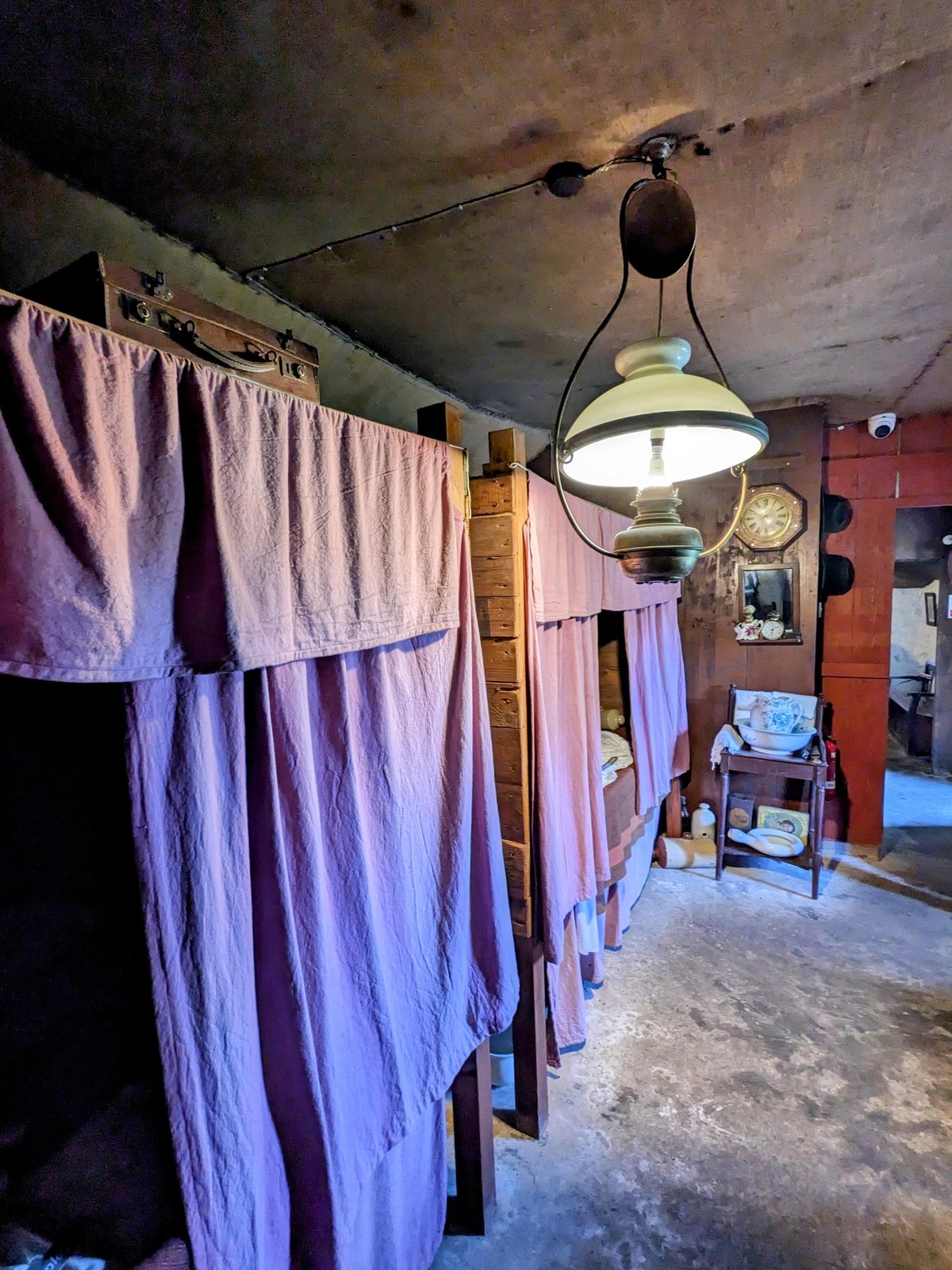
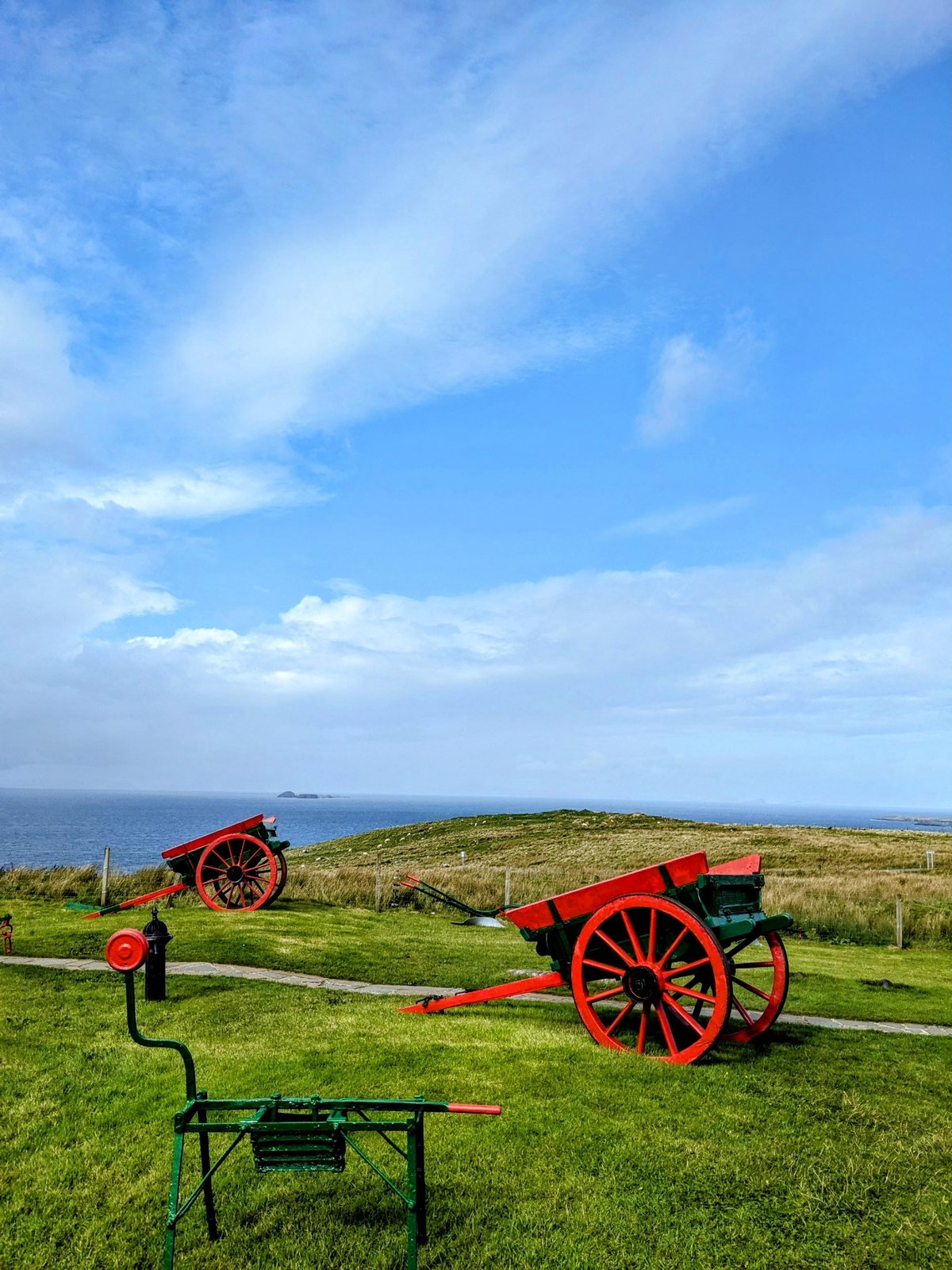
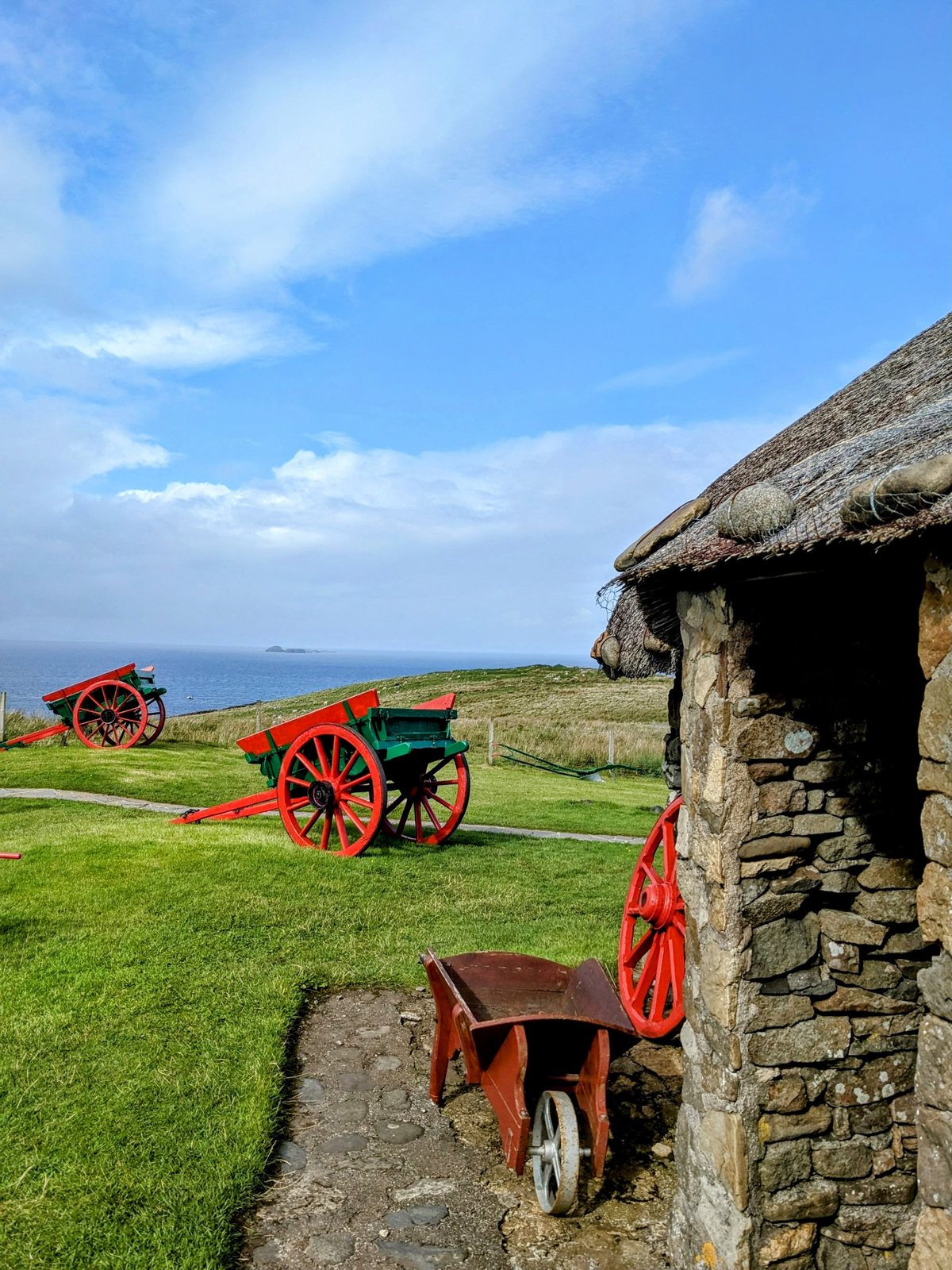
The Skye Museum of Island Life is a group of thatched croft cottages — a “blackhouse” township — restored to show how a Skye community lived in the 19th century. You walk from house to house: the family home with its box beds and peat fire, the weaver’s, the smithy, the barn, all laid out with the tools and furniture of the day. It’s beautifully done and genuinely moving — a window into the hard, close, self-reliant life of the crofting island.
Flora MacDonald’s grave
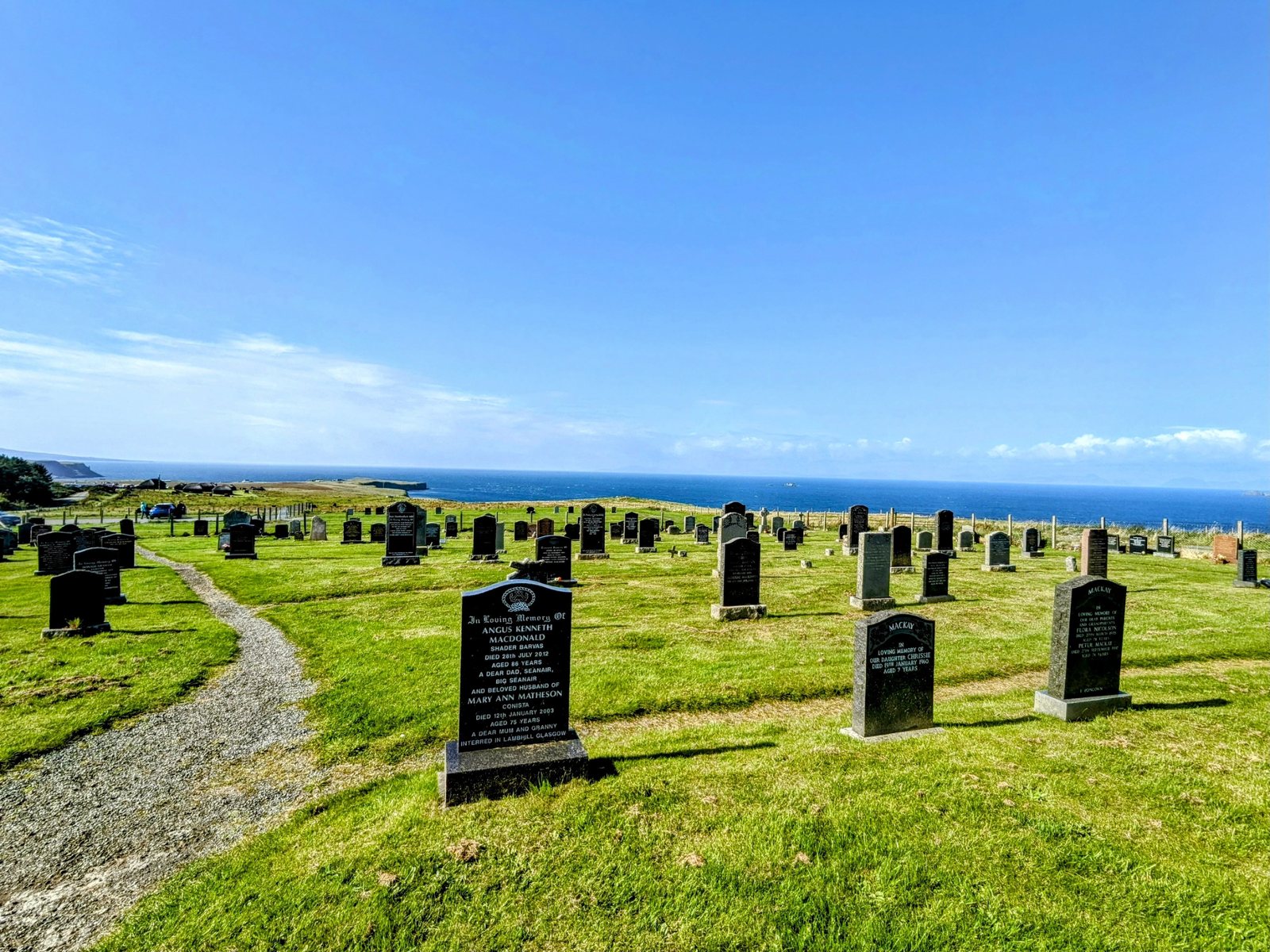
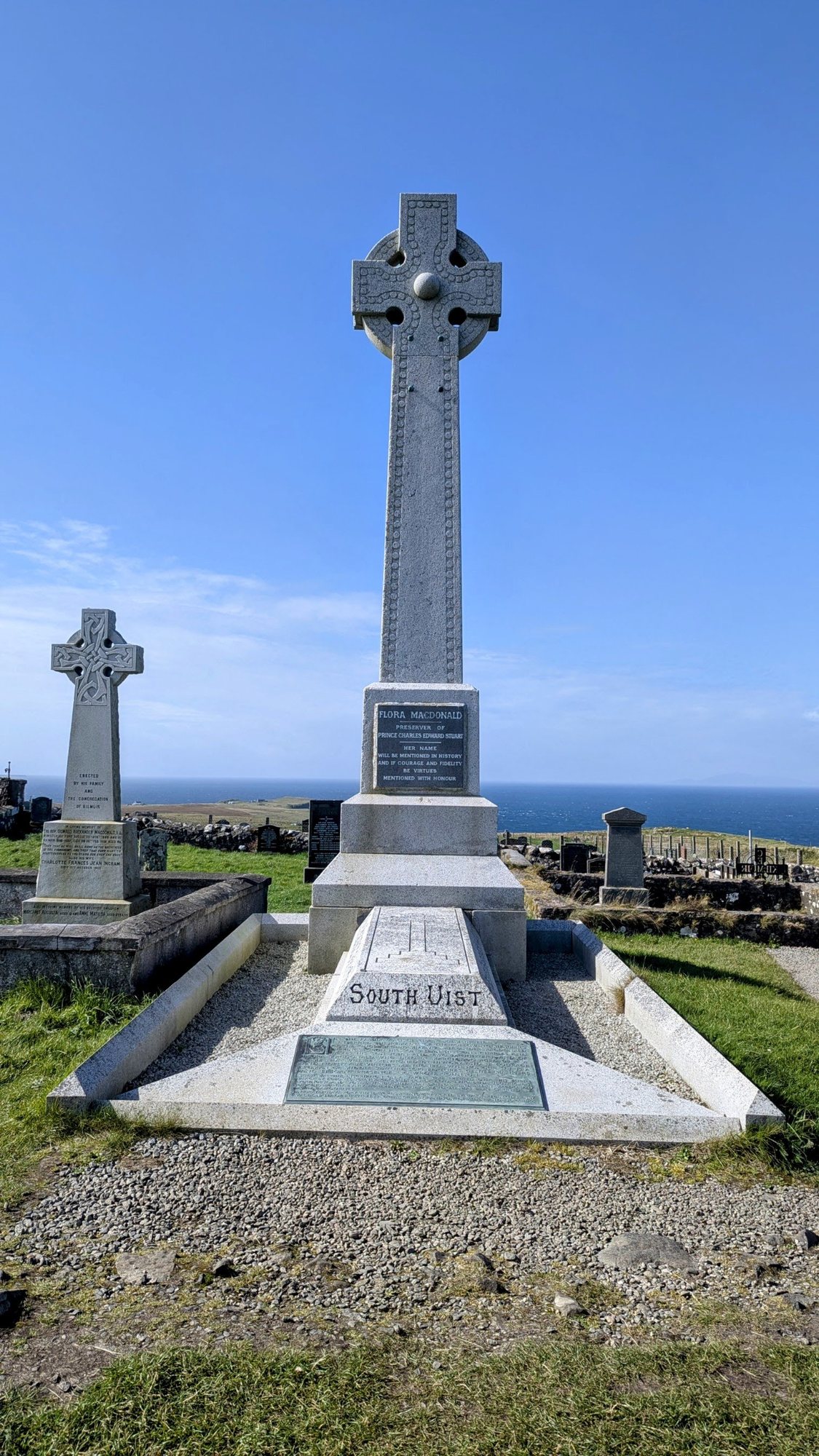
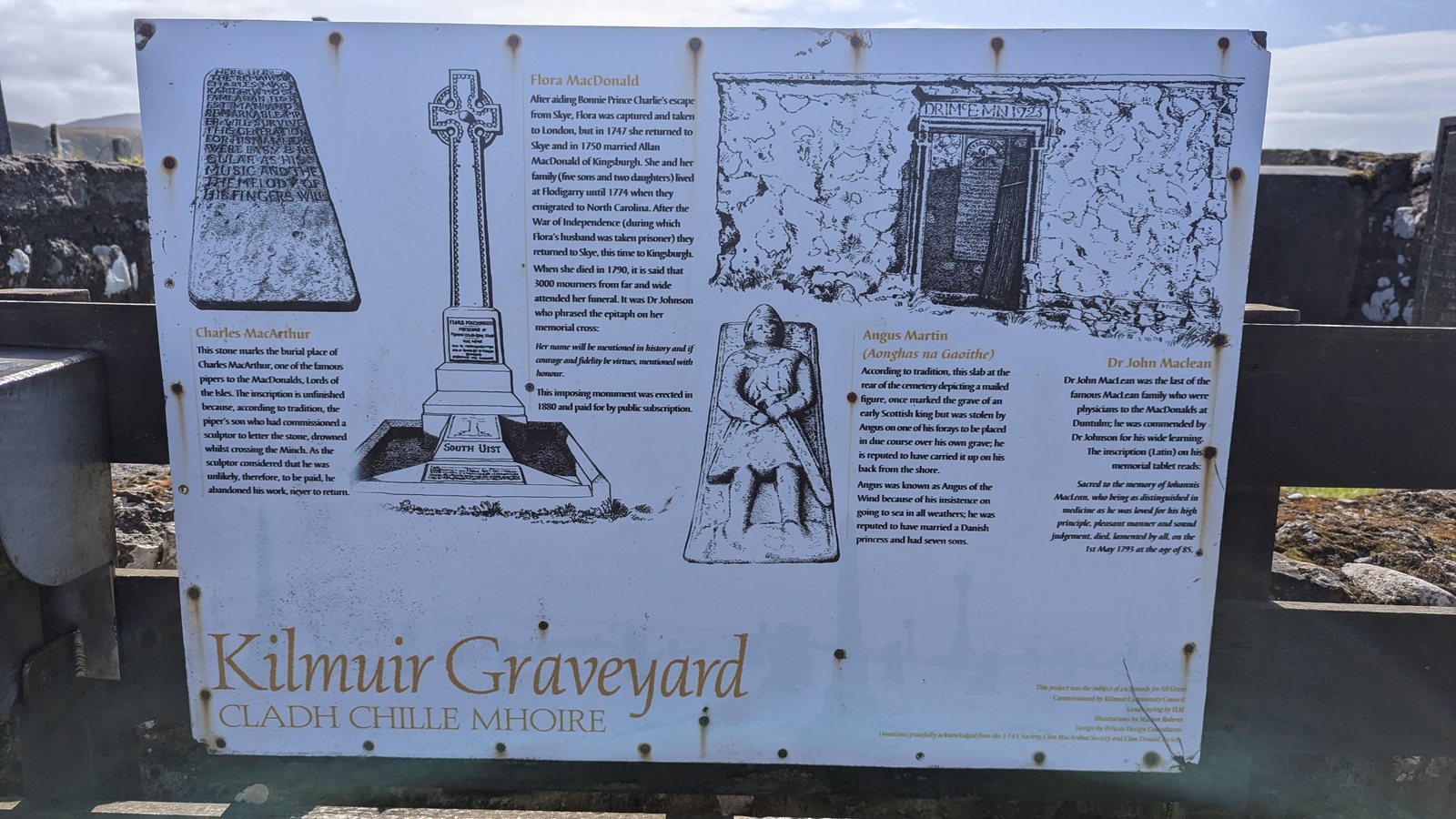
Just above the museum, in the windswept Kilmuir cemetery, lies one of Scotland’s most famous women: Flora MacDonald (1722–1790). After the disaster of Culloden in 1746, with a price of £30,000 on his head, it was Flora who smuggled Bonnie Prince Charlie “over the sea to Skye” — disguised as her Irish maidservant, “Betty Burke.” She was arrested and held in the Tower of London for her part, later emigrated to America, and finally came home to Skye to die. She was buried, tradition says, wrapped in a sheet the Prince had once slept in. Her grave is marked by a tall Celtic cross — a replacement, after Victorian souvenir-hunters chipped the original away — and Dr Johnson wrote the epitaph. It’s a stirring spot, with the wind off the sea and the whole story of the ’45 gathered into one grave.
Duntulm Castle
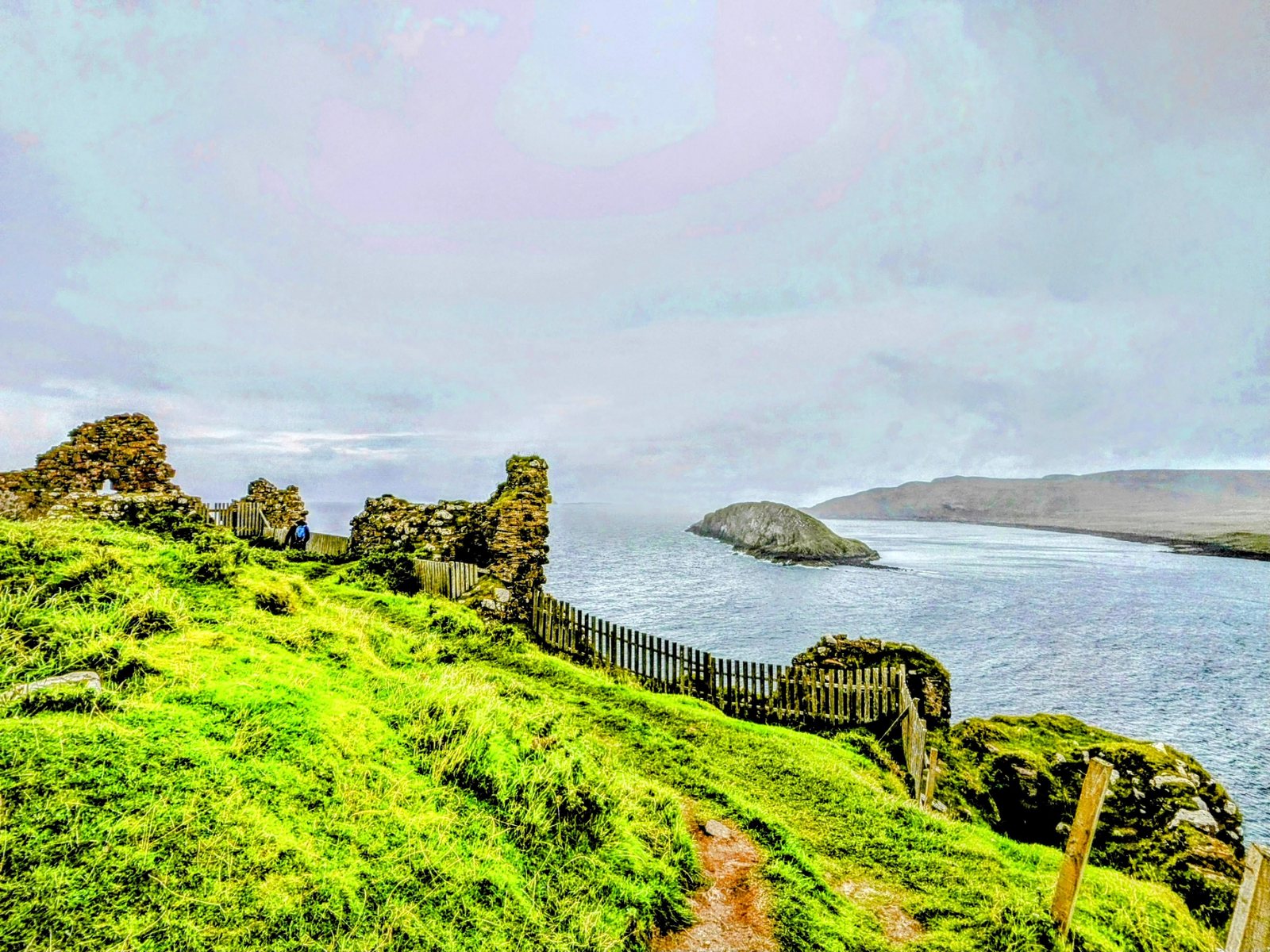
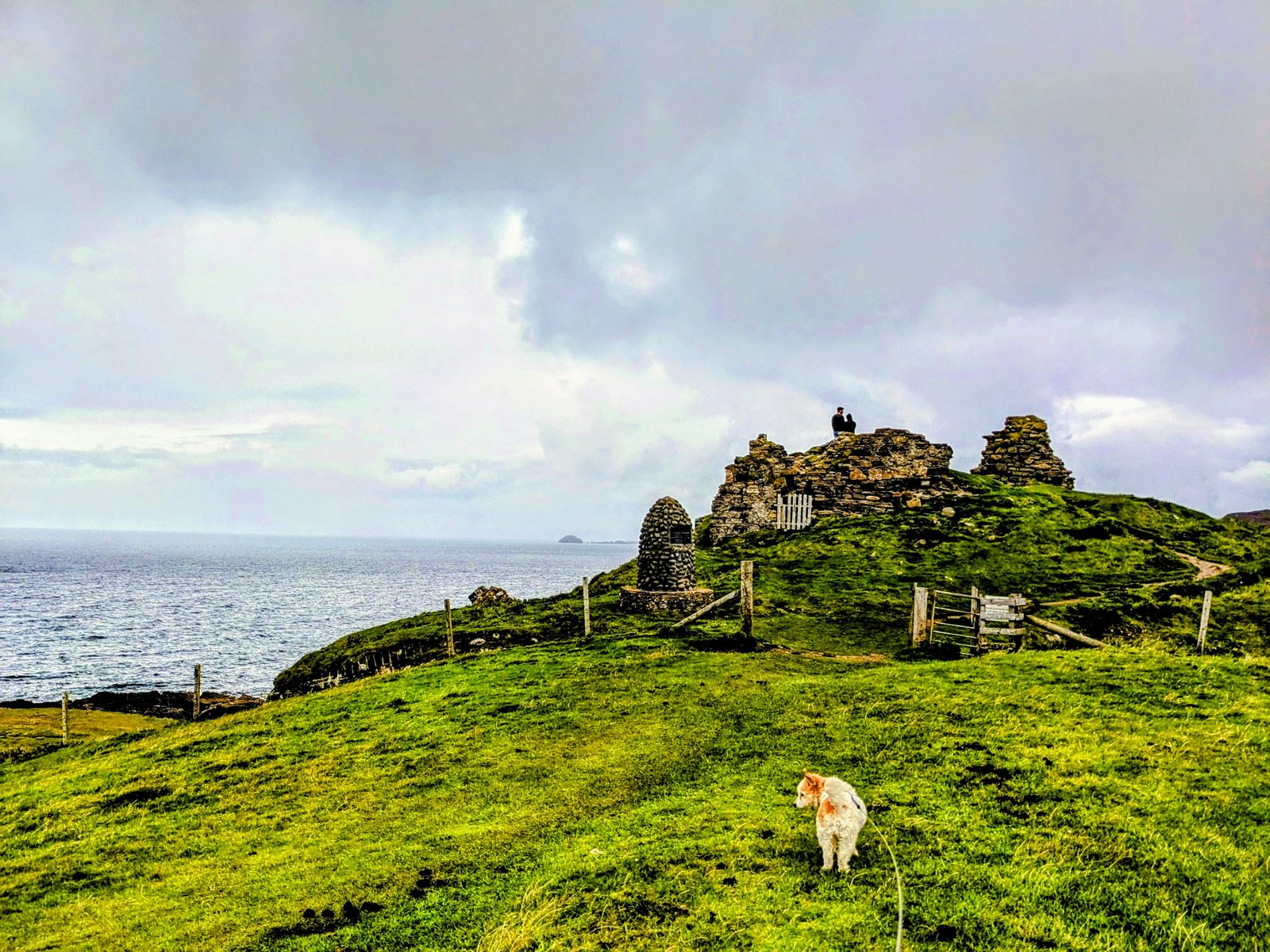
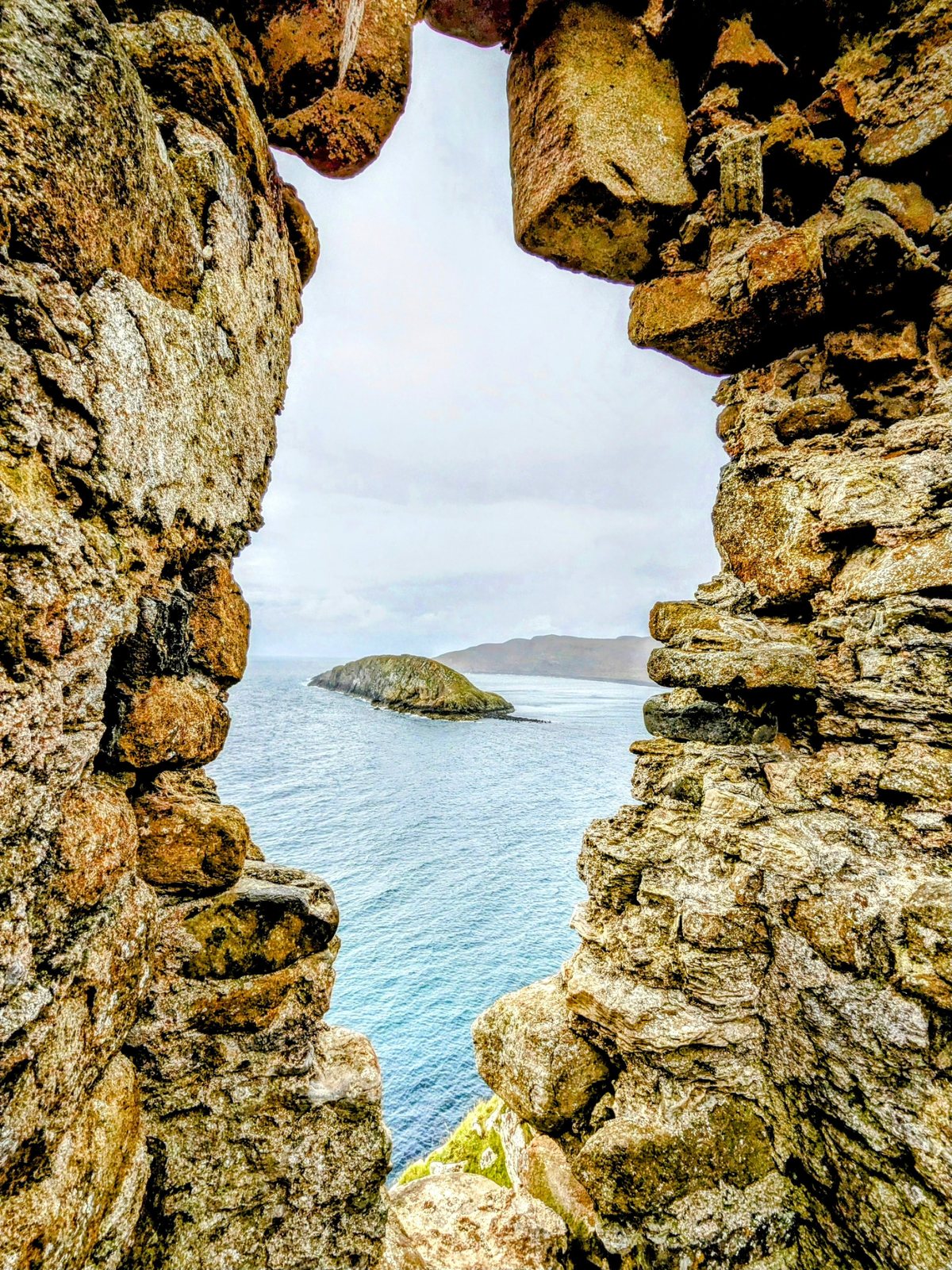
At the very north tip of Trotternish stand the gaunt clifftop ruins of Duntulm Castle, once the chief stronghold of the MacDonalds of Sleat — Clan Donald — who ruled much of Skye from here. Perched above the sea with views to the Outer Hebrides, it was abandoned around 1730 and has crumbled ever since, wrapped in dark clan legends. There’s not a lot left standing, and the cliff edges are unfenced, so take care — but the setting is magnificent.
The coast walk
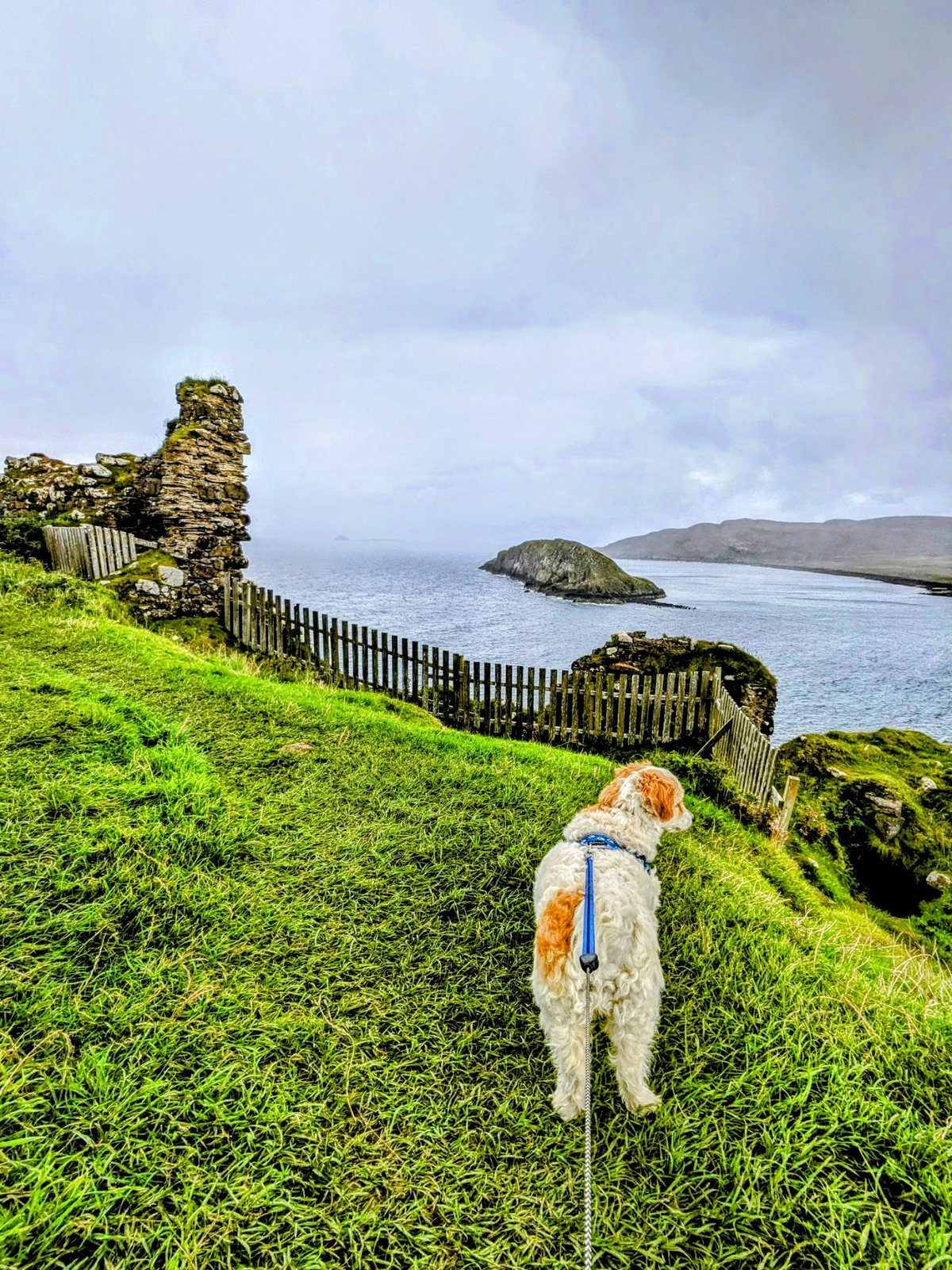
We did a fair bit of walking along this shore — the grassy clifftops between Duntulm, Kilmuir and the museum give big, breezy views across the Minch to the Western Isles, with old ruins and croft ground all around. It’s easy, open walking, and a lovely way to join the sights together on foot.
Nearby
- Staffin & the Quiraing — Kilt Rock, the dinosaur coast and the great Quiraing walk, just south.
- Portree — the island capital and the base for Trotternish.
- Sleat — Clan Donald’s southern heartland and the Museum of the Isles.
Sources
- Skye Museum of Island Life (the thatched township, Flora MacDonald’s grave).
- Canmore on Duntulm Castle and the MacDonalds of Sleat.
- Everything first-hand is from our own visit to Kilmuir.