
Assynt: Ardvreck Castle, the Kylesku Bridge & the Wildest Corner of the North-West
Overview — the honest take
Assynt is one of the strangest and most spectacular landscapes in Britain — a wilderness of ancient rock where isolated, fantastical mountains like Suilven, Stac Pollaidh and Quinag rear straight out of the moor and the lochans. Threaded through it is a stretch of the north-west Highlands that we think is the finest of the lot, and it’s dotted with things worth stopping for: the haunting ruin of Ardvreck Castle, the elegant Kylesku Bridge, and a wartime submarine memorial with a remarkable story. This is deep, wild north-west Sutherland, and it’s unforgettable.
Where it is
Assynt lies in the far north-west of Sutherland, on the north-west Highlands (NC500) between Ullapool and Durness. Its main village is Lochinver, on the coast; Ardvreck Castle stands inland on Loch Assynt, and Kylesku is on the road north towards Scourie and Cape Wrath.
Ardvreck Castle
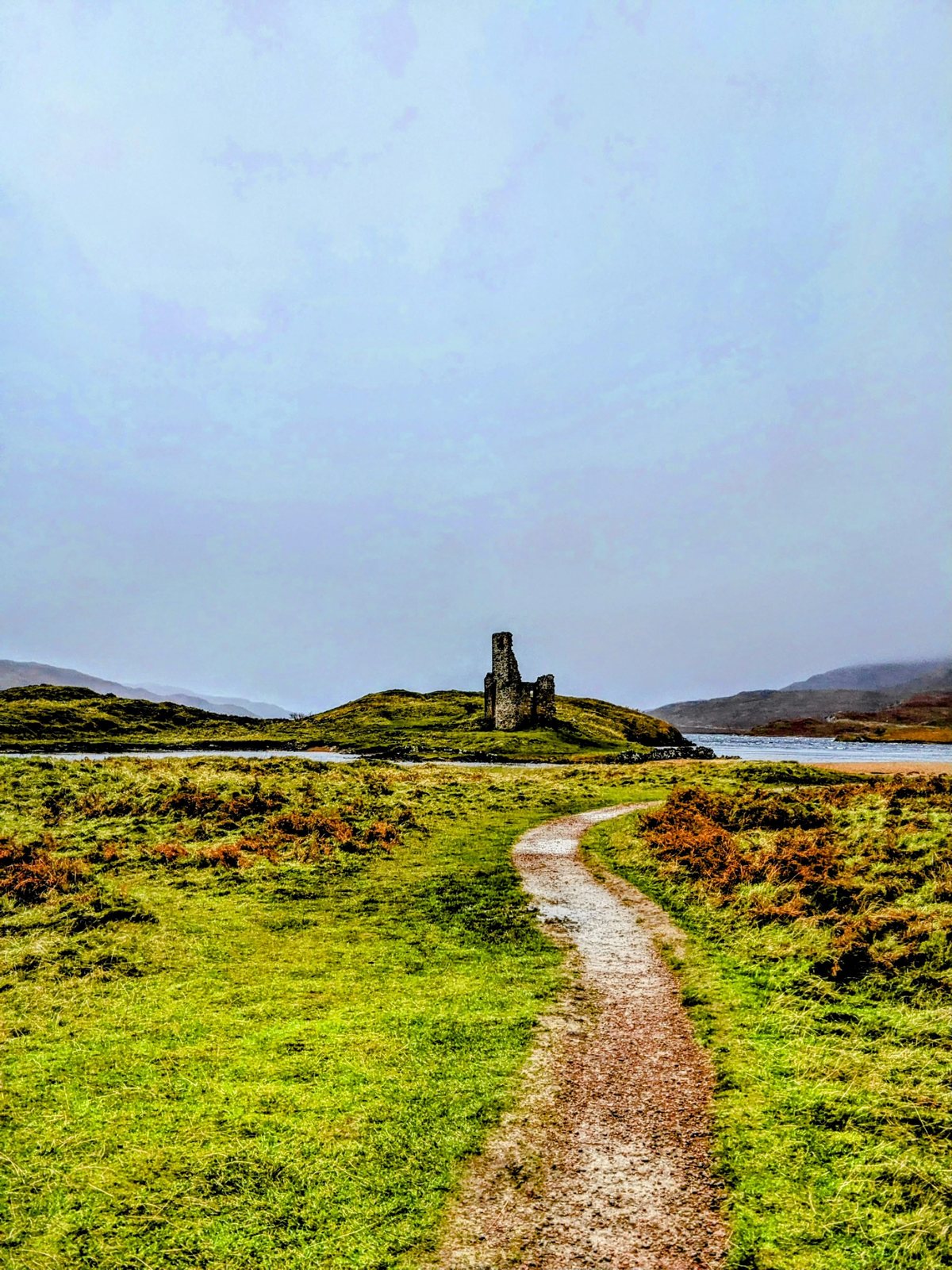
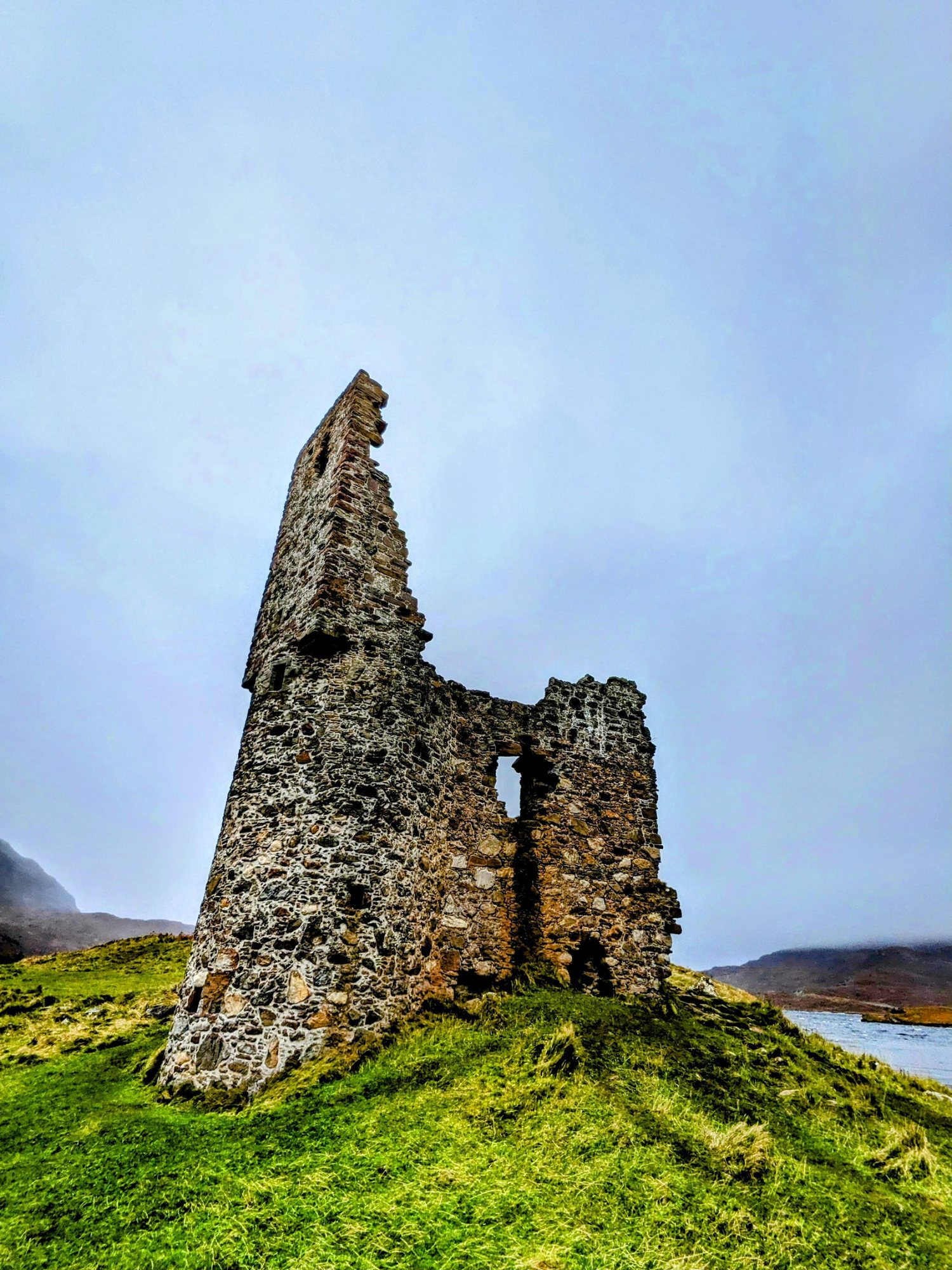
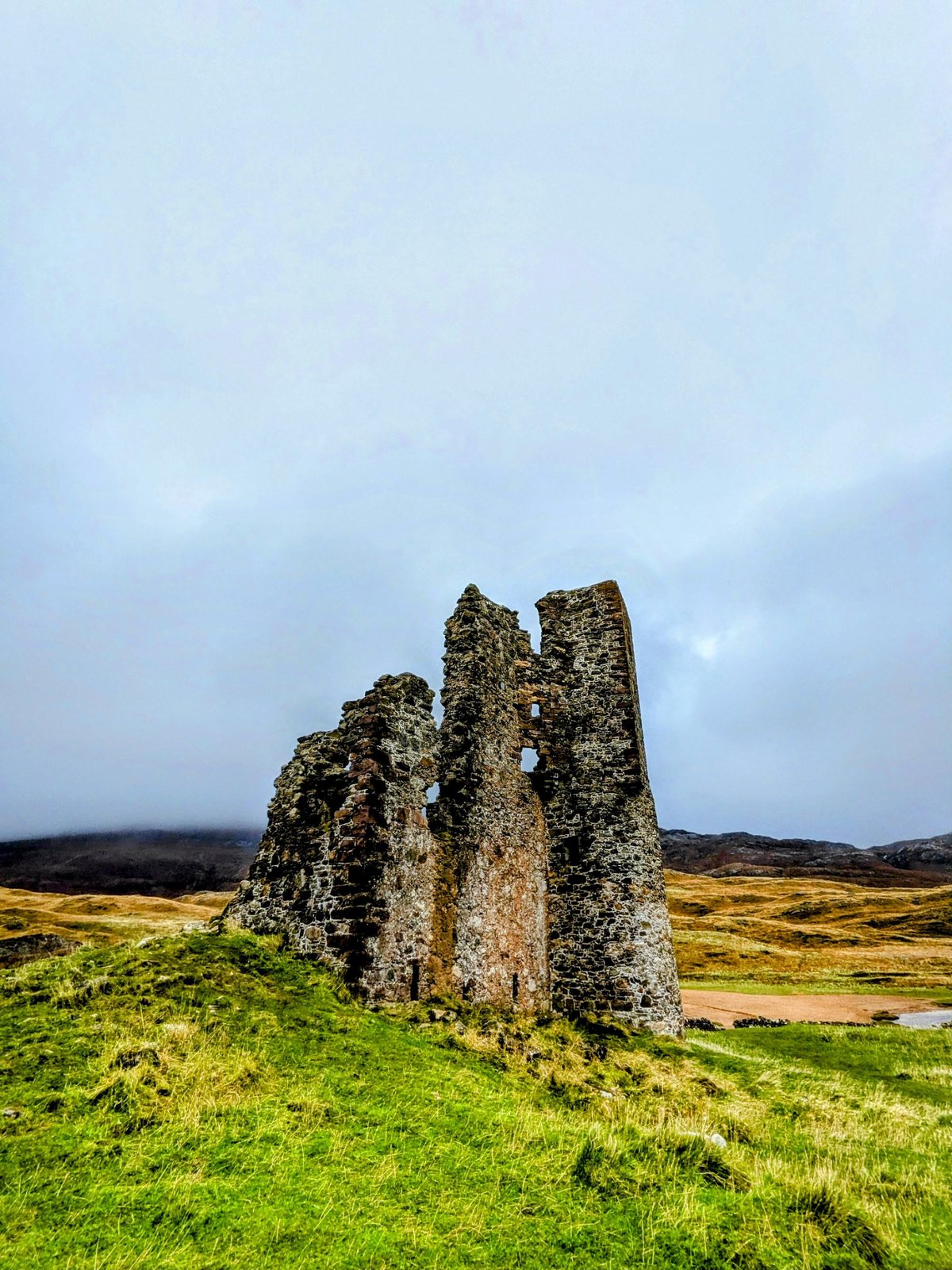
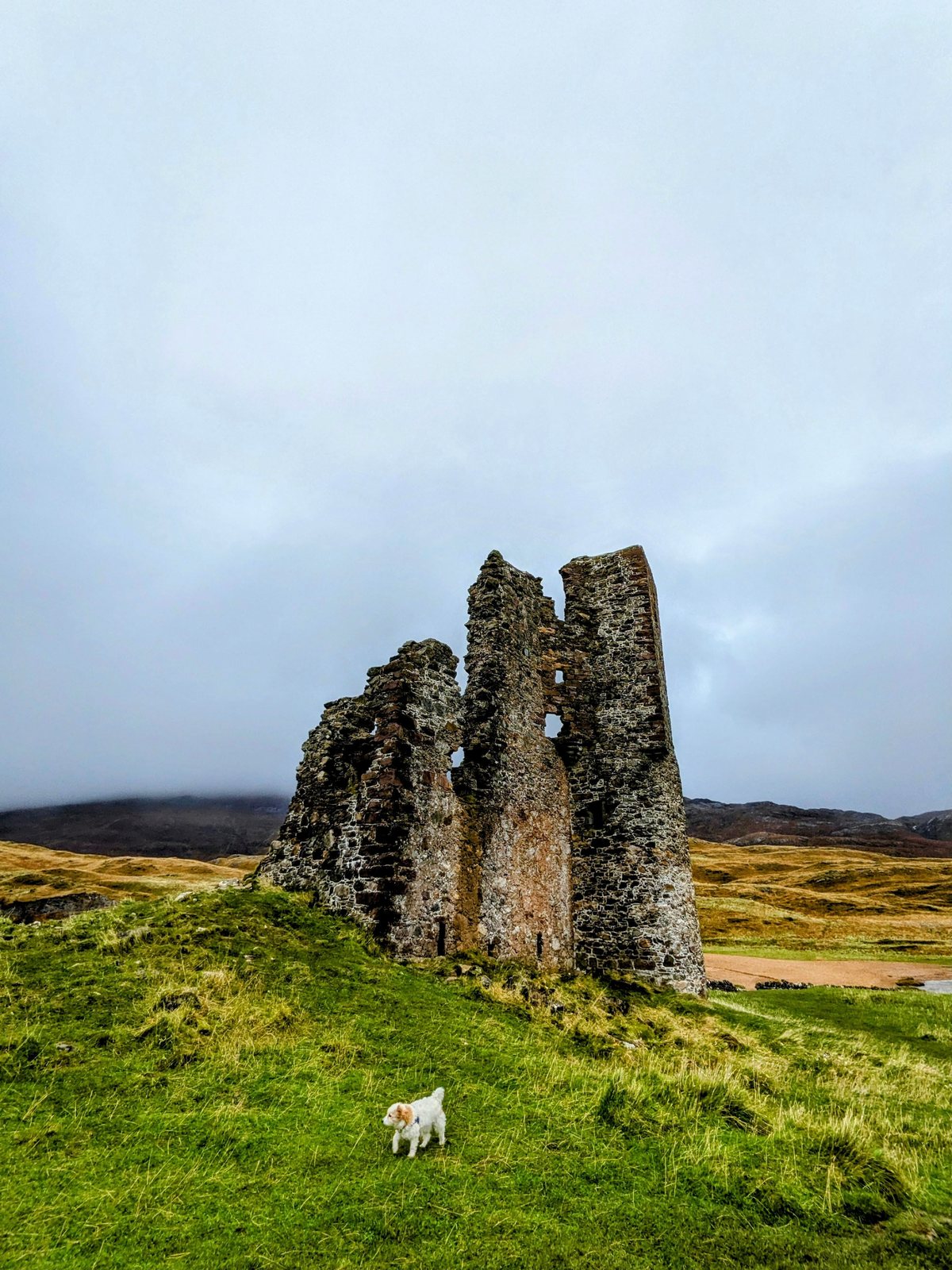
On a low promontory jutting into Loch Assynt stand the broken walls of Ardvreck Castle, a 16th-century stronghold of the MacLeods of Assynt. Its most famous moment came in 1650, when the great Royalist general the Marquis of Montrose, defeated and on the run, was captured and held here before being handed over to his enemies and executed in Edinburgh — a betrayal the old ballads never forgave. The castle later passed to the Mackenzies, who built the nearby Calda House (its shell still stands), and legend has it Ardvreck is haunted, and even that it was raised with the Devil’s help. Ruined, roofless and lashed by the weather off the loch, it’s one of the most atmospheric castles in Scotland.
Kylesku & its bridge
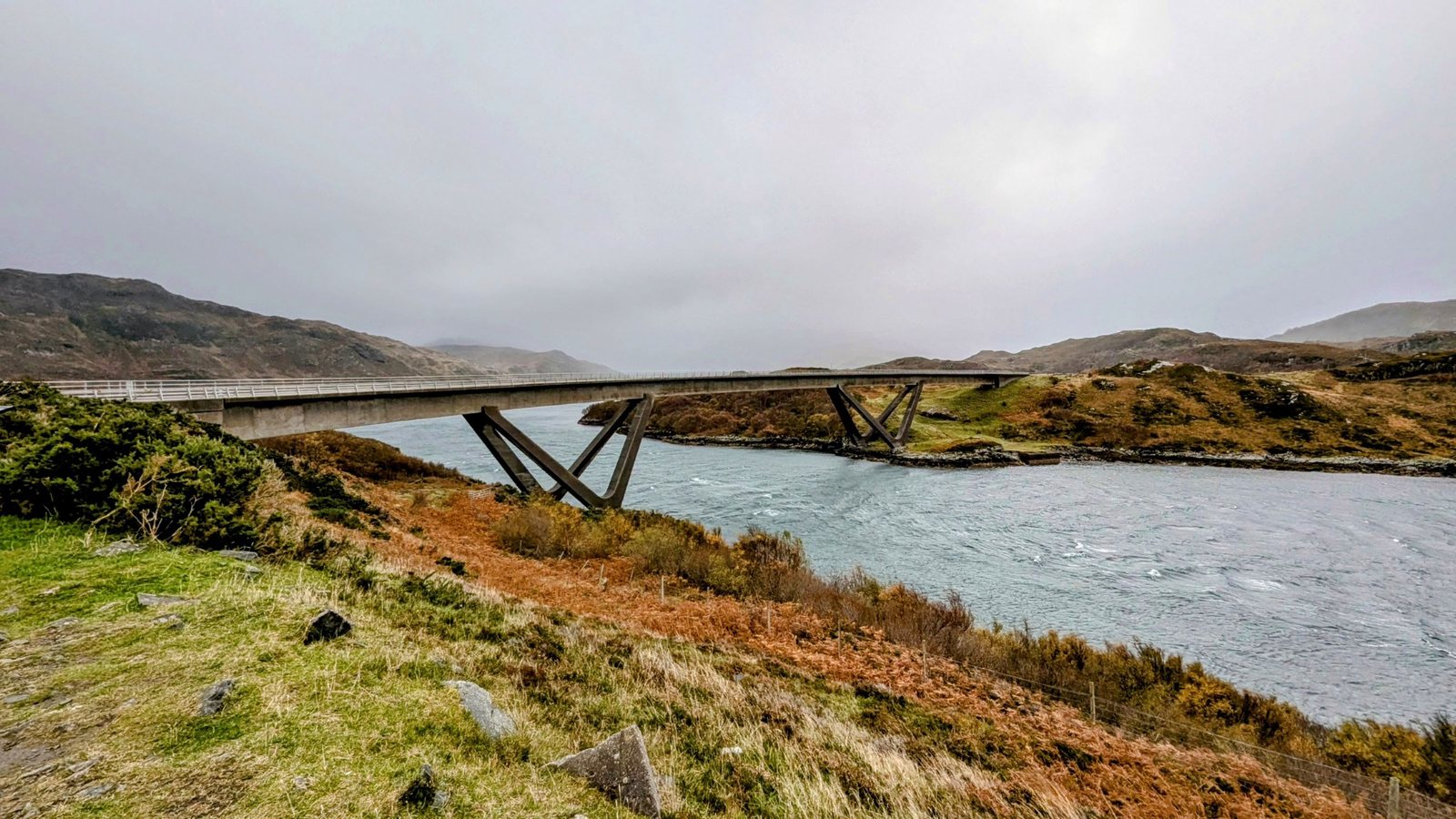
North of Loch Assynt the road reaches Kylesku, where the elegant, curving Kylesku Bridge (opened 1984) sweeps across the narrows of Loch a’Chàirn Bhàin — before it, a little ferry was the only way over. It’s a genuinely lovely piece of engineering in a jaw-dropping setting, with the mountains of Quinag rising behind, and boat trips run from the old ferry slip up the loch to the Eas a’ Chùal Aluinn, the highest waterfall in Britain.
The submarine memorial
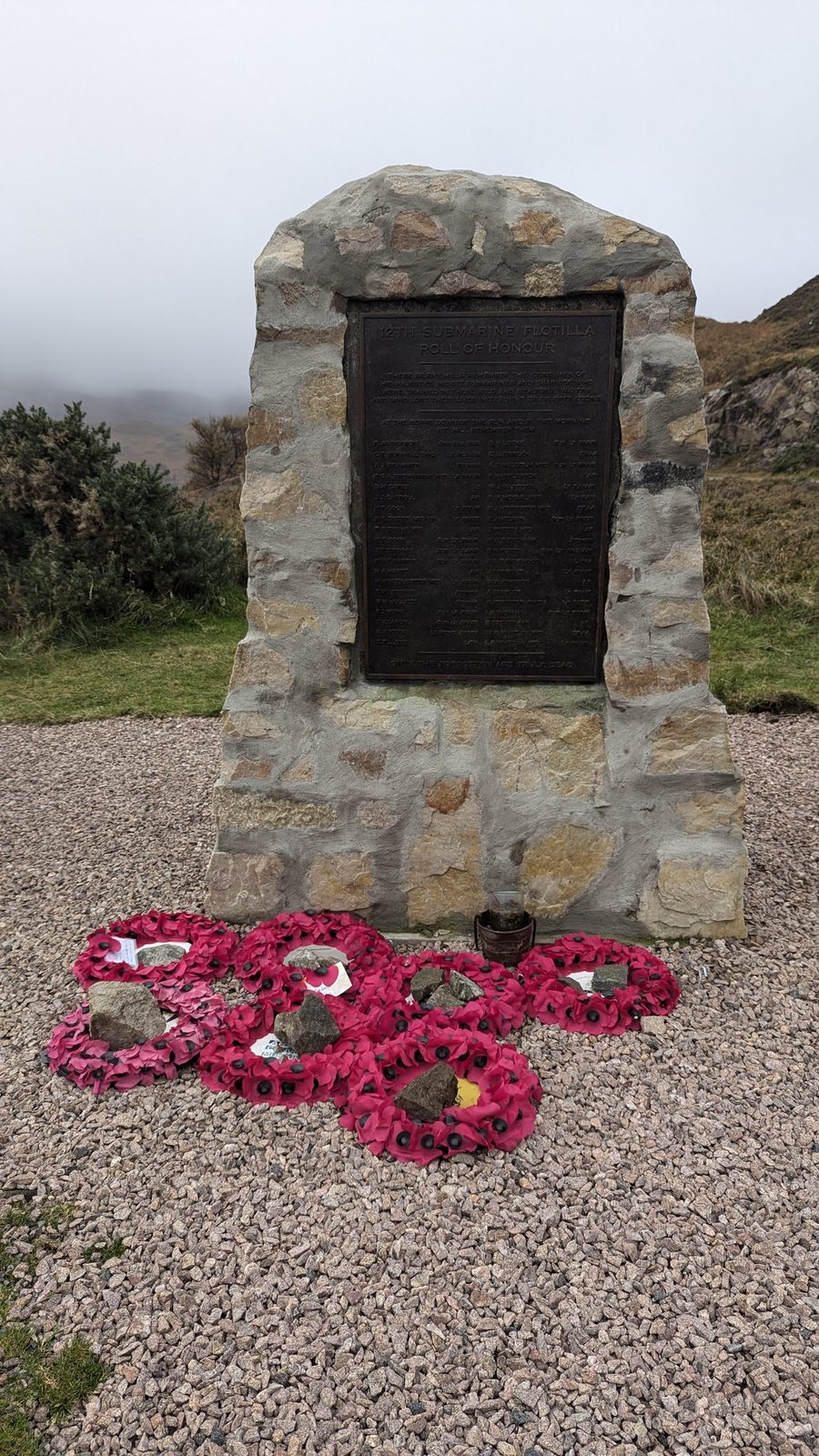
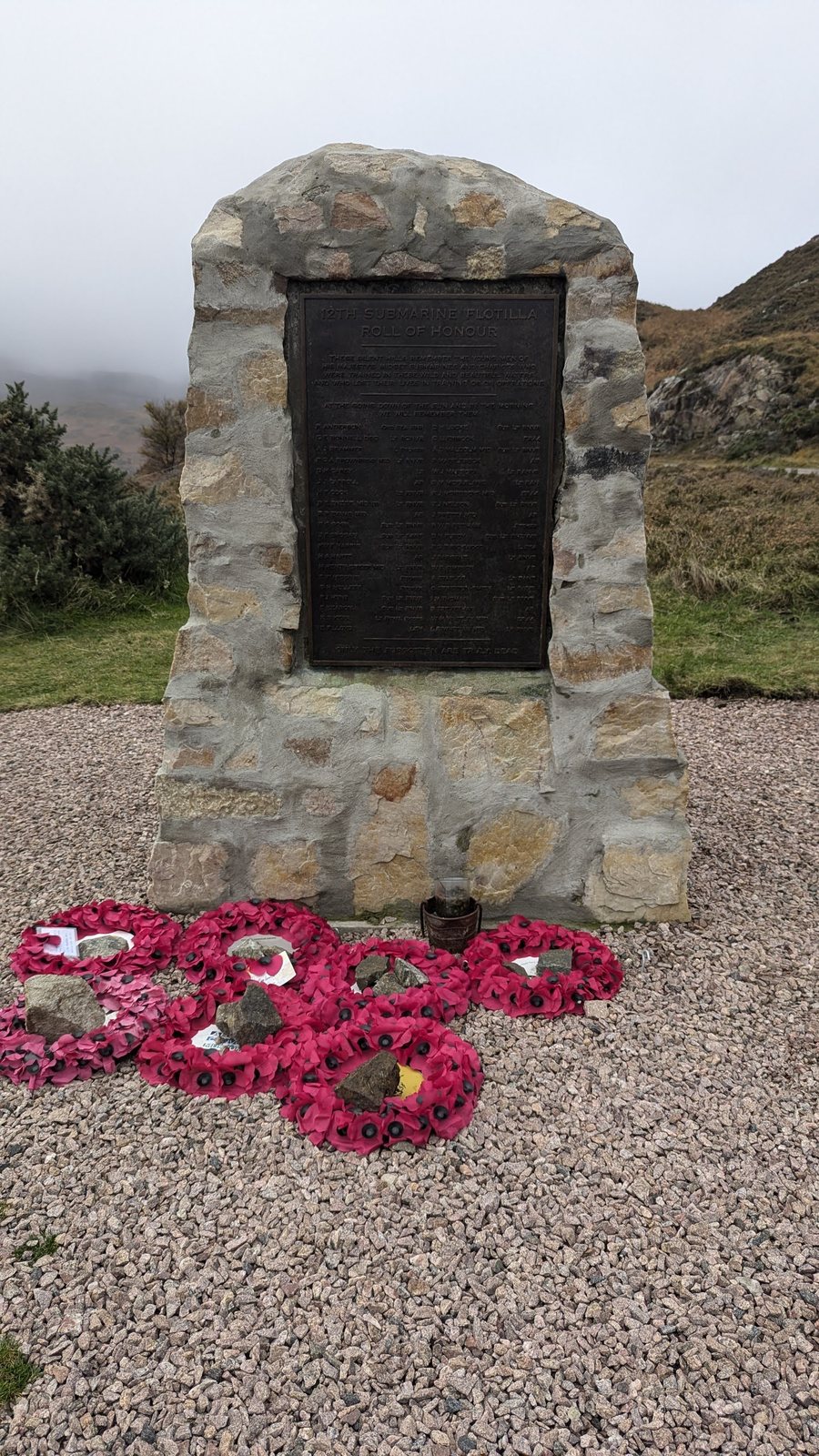
By the bridge stands a moving memorial to the XII Submarine Flotilla. During the Second World War, the sheltered, secret waters around Kylesku were the training base for the Navy’s midget submarines (X-craft) and human torpedoes — the crews who went on to daring raids including the crippling of the German battleship Tirpitz. Many died training in these very lochs, and the memorial remembers them. It’s a poignant thing to come upon in such a remote, beautiful place.
The mountains & Lochinver
Above all, Assynt is about its mountains. These aren’t rolling hills but individual, otherworldly peaks — the sugar-loaf of Suilven, the shattered crest of Stac Pollaidh, the great whaleback of Quinag — standing alone on a base of some of the oldest rock in the world. The coastal village of Lochinver is the hub, with a harbour, and the famous Lochinver Larder for its legendary pies. It’s a paradise for walkers, geologists and anyone who just wants to stare at scenery that looks like nowhere else on Earth.
Nearby
- Ullapool — the NW ferry town, south down the north-west Highlands.
- Durness — Smoo Cave and the white sands, on north around the top.
- Castles of Scotland — the rest of the ruins and strongholds we’ve visited.
Sources
- Canmore on Ardvreck Castle (the MacLeods, Montrose 1650, Calda House).
- north-west Highlands — Assynt and the Kylesku / XII Submarine Flotilla memorial.
- Everything first-hand is from our own drive through Assynt.