
Kilmartin Church & the Carved Stones: Crosses, Knights & the Poltalloch Slabs
Overview
Standing at the head of the glen, Kilmartin Parish Church carries on the valley’s long story of the dead — only here it’s the medieval and early-Christian dead. The church and its yard hold one of the finest collections of carved stones in the West Highlands, and it’s a beautiful, peaceful place to end a day among the cairns. It’s part of our Kirks, Cathedrals & Abbeys of Scotland collection.
Bishop John Carswell & the first book in Gaelic
Kilmartin’s church has one genuinely momentous claim to fame. Its rector in the mid-1500s was John Carswell (Séon Carsuel), born locally around 1500 — a towering figure of the Scottish Reformation who rose to become Superintendent of Argyll and then Bishop of the Isles. In 1567 he published Foirm na n-Urrnuidheadh, his Gaelic translation of the Reformed Book of Common Order (“Knox’s Liturgy”) — and in doing so produced the very first book ever printed in Scottish Gaelic, indeed in any Goidelic language. It is hard to overstate: the entire printed history of one of Scotland’s great languages begins with a minister of this little Argyll parish. Carswell built nearby Carnasserie Castle as his home, and when he died in 1572 his coffin was carried 23 miles to be buried at Ardchattan Priory.
An ancient Christian site & the Kilmartin crosses
The church you see today is a Victorian rebuilding of 1835, but Christian worship on this spot is far older — a holy place since the early medieval centuries, which is exactly why so many carved stones gathered here. Among its greatest treasures are the two Kilmartin crosses, finely carved late-medieval high crosses — one bearing the figure of Christ — and reckoned among the finest of their kind in the West Highlands.
The carved stones — knights in stone
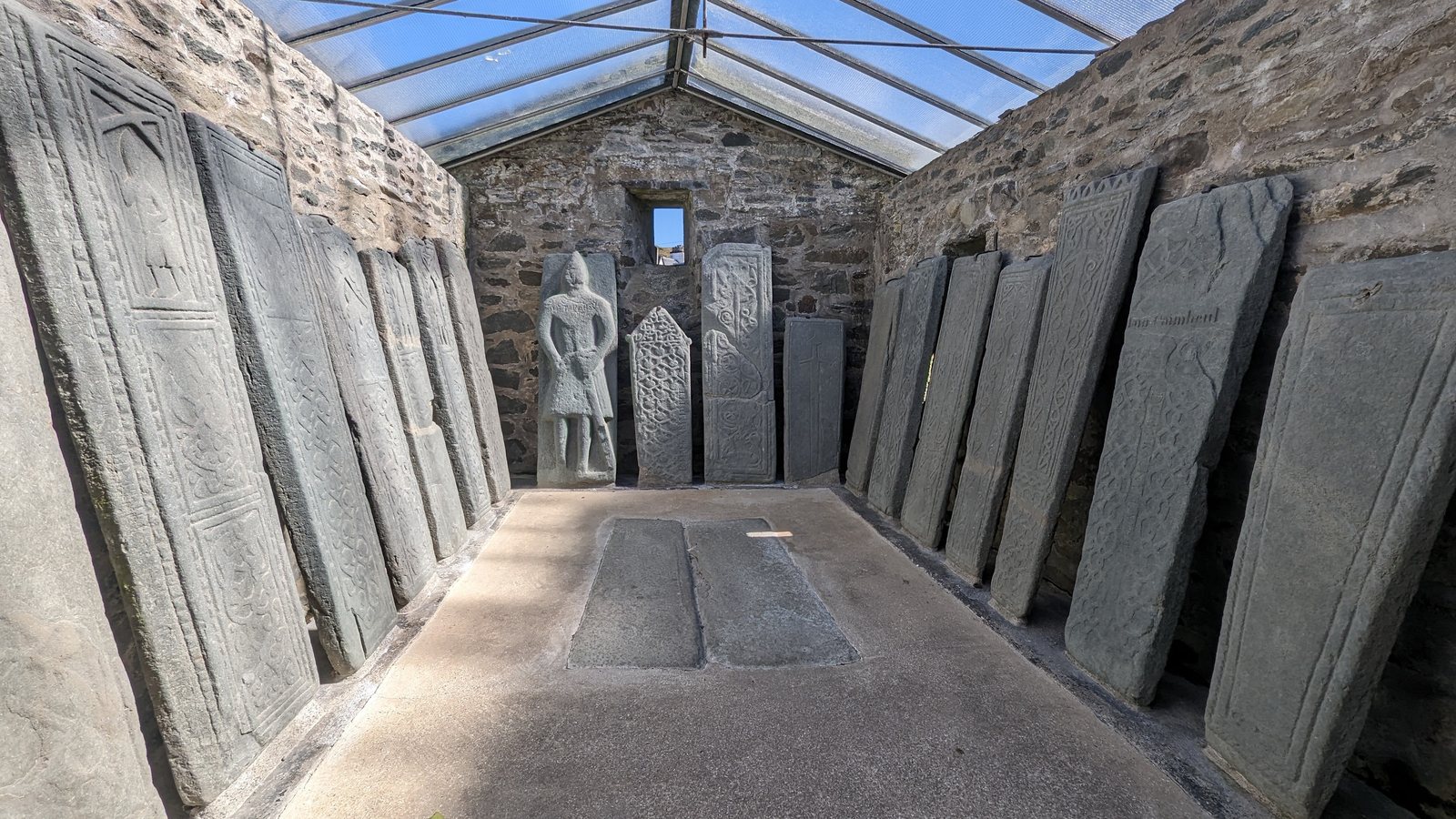
Gathered and sheltered here is a superb array of medieval grave-slabs, many of the great West Highland school of carving — slabs bearing swords, Celtic interlace, foliage and the effigies of armoured knights and clergy, the memorials of the lairds and warriors of medieval Argyll. Known as the Poltalloch Stones (after the local Malcolm family who preserved them), they are astonishing in their number and quality. Alongside them stand the Kilmartin crosses, carved in the early Christian centuries.
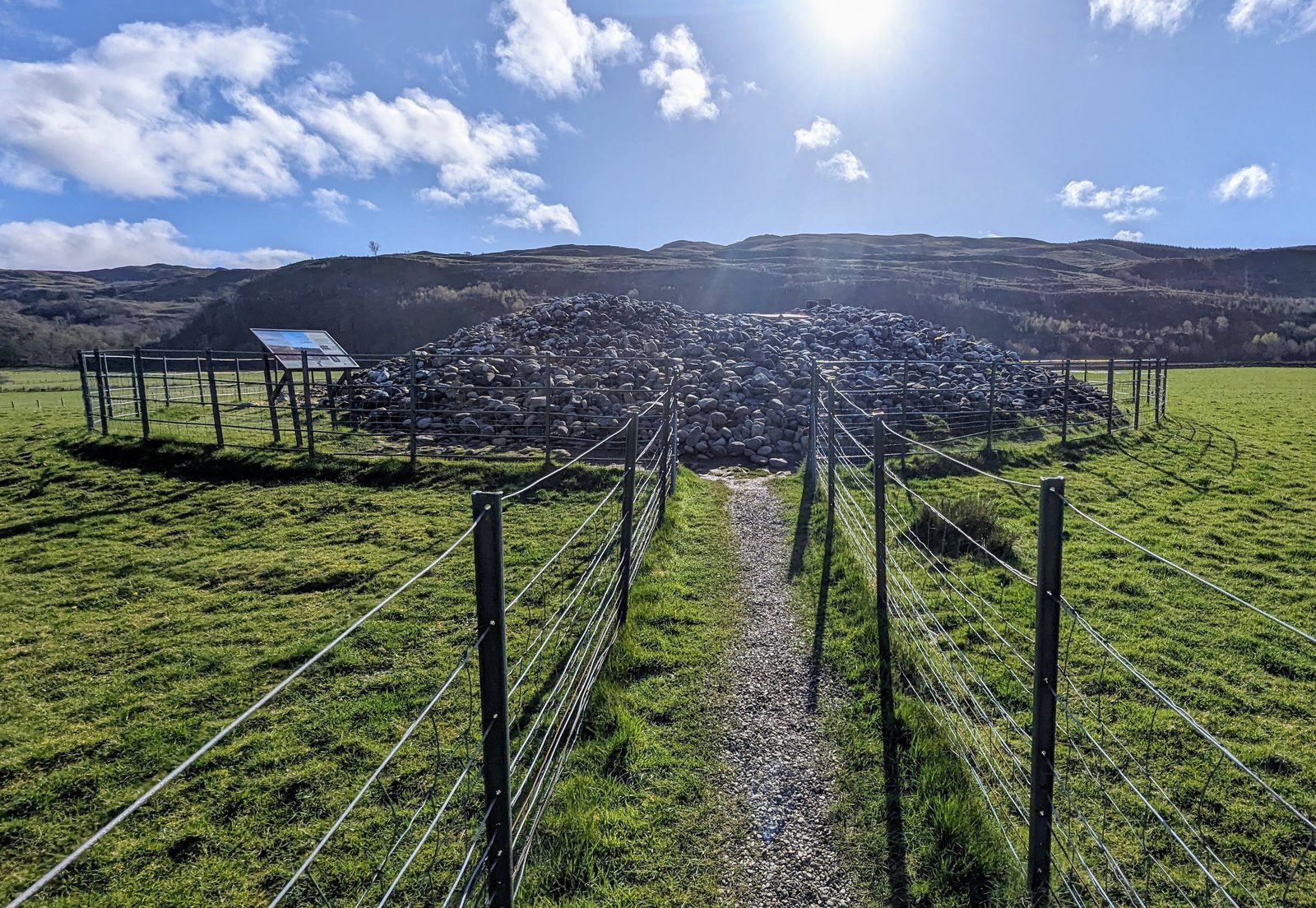
The kirkyard
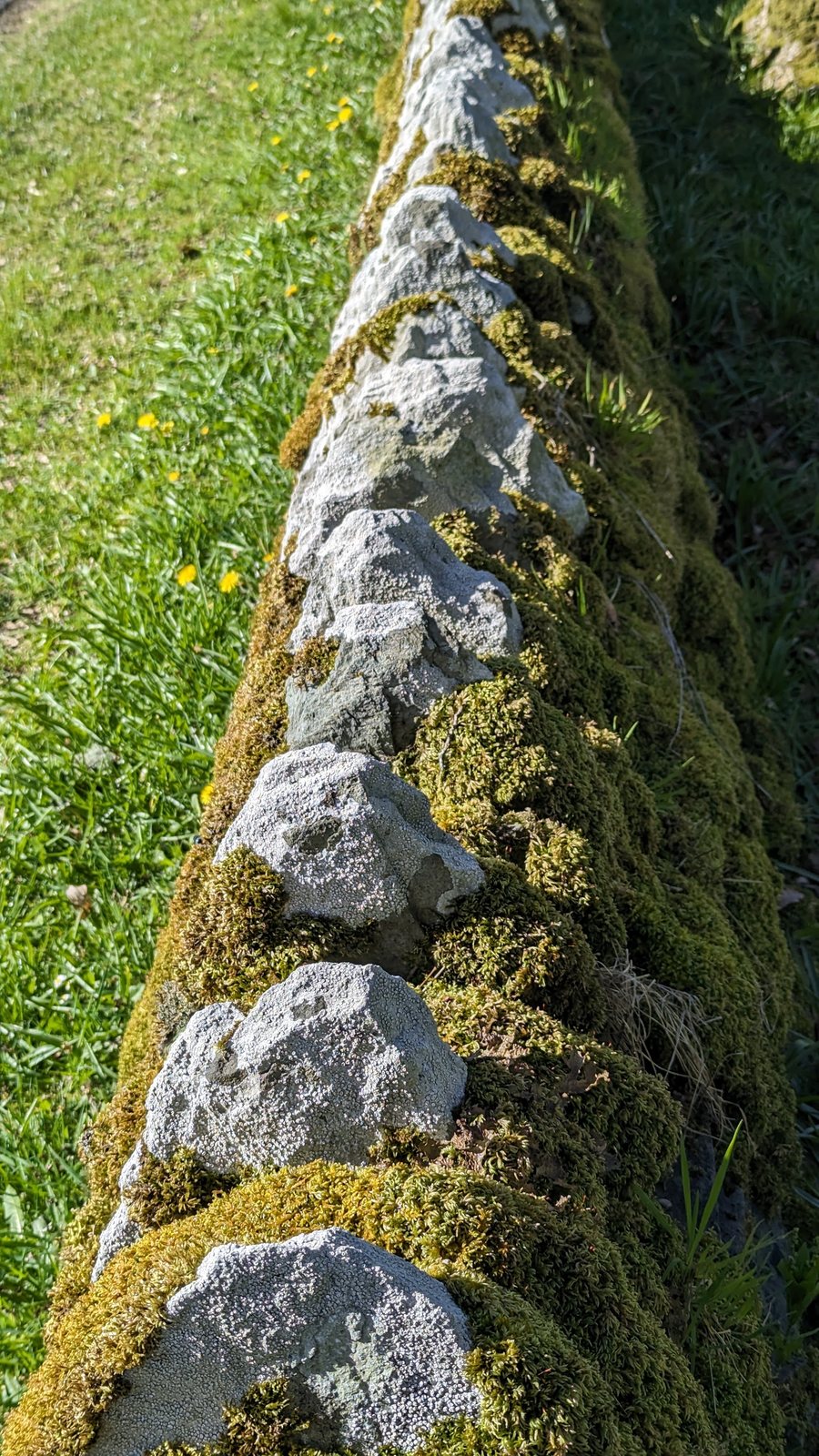
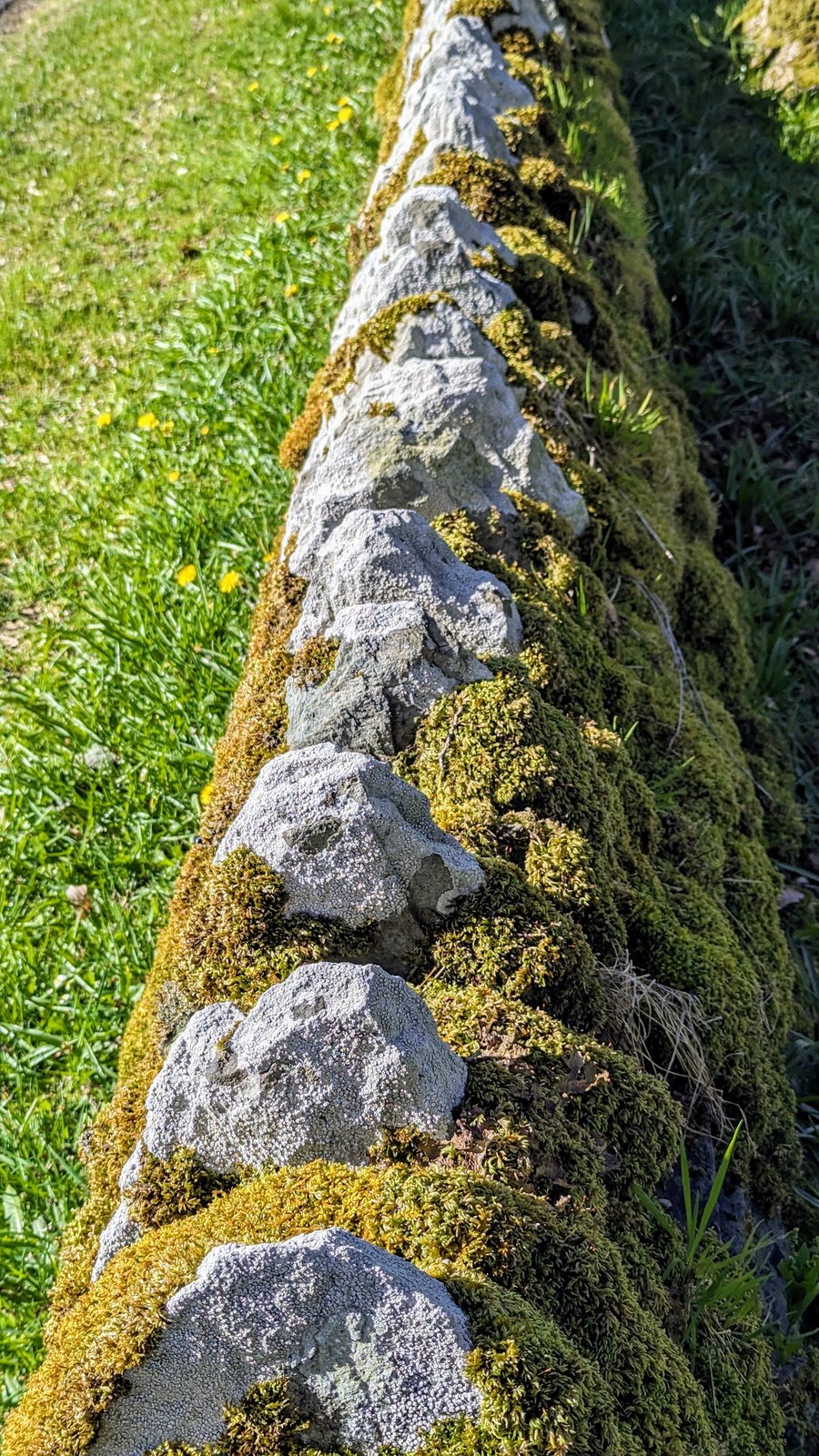
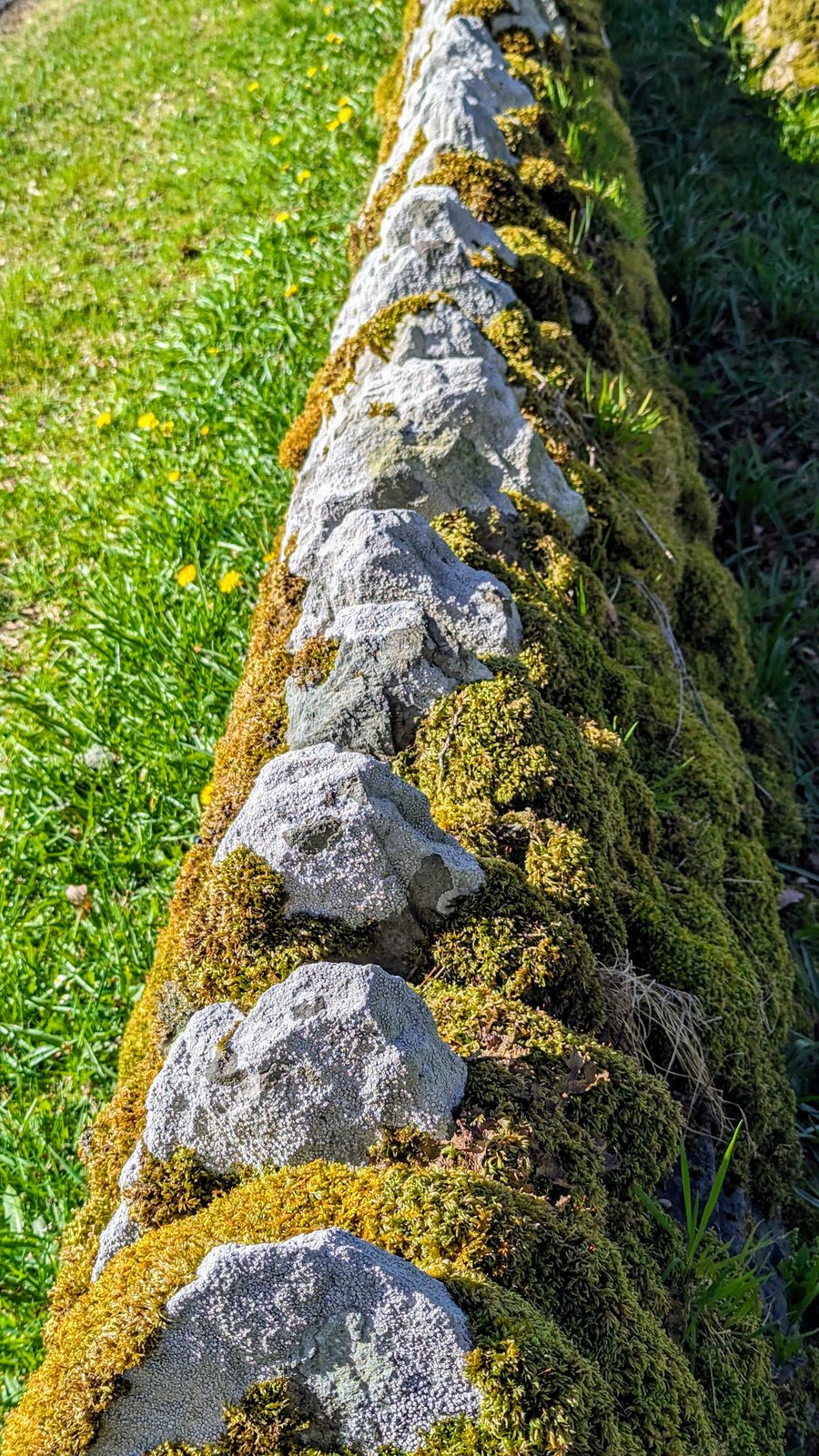
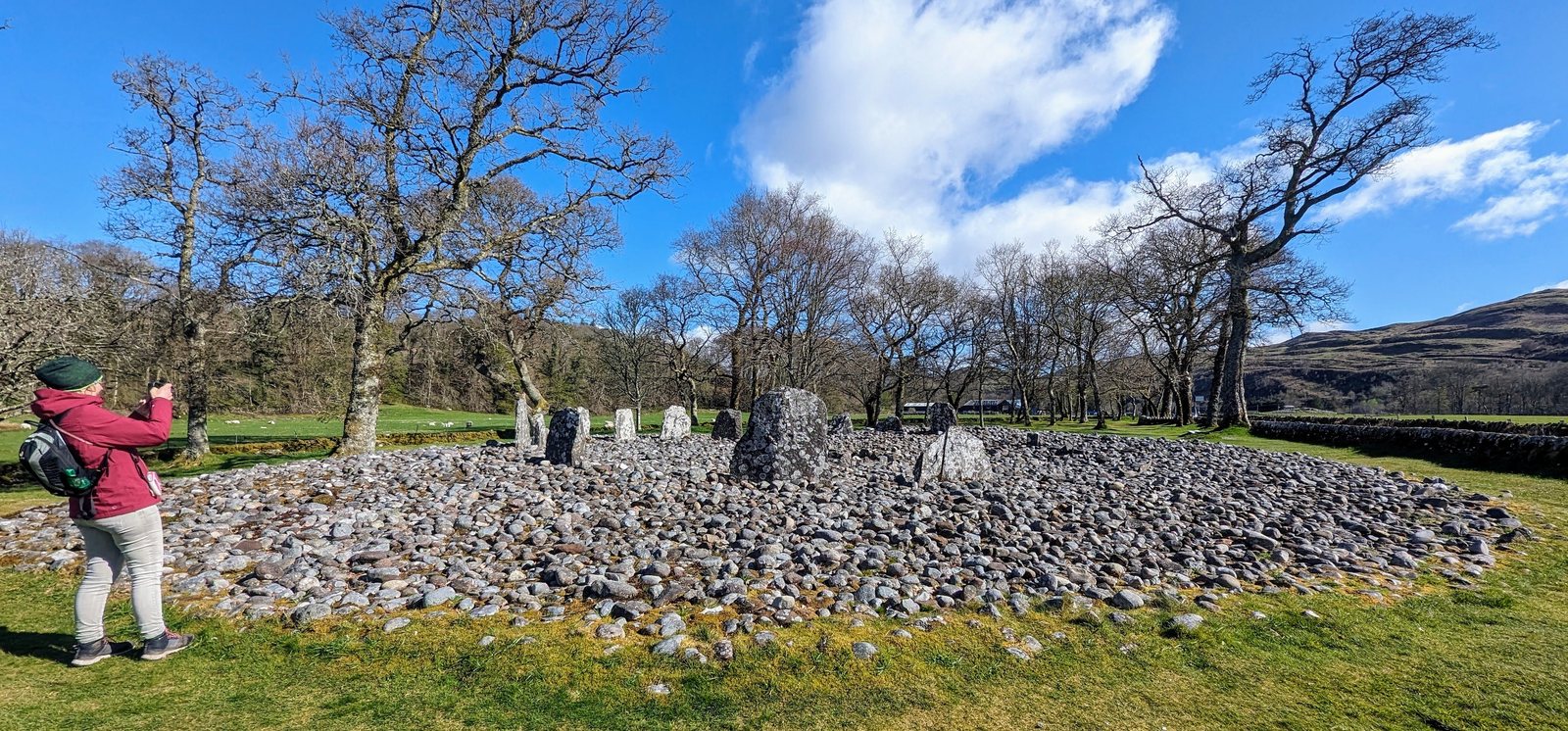
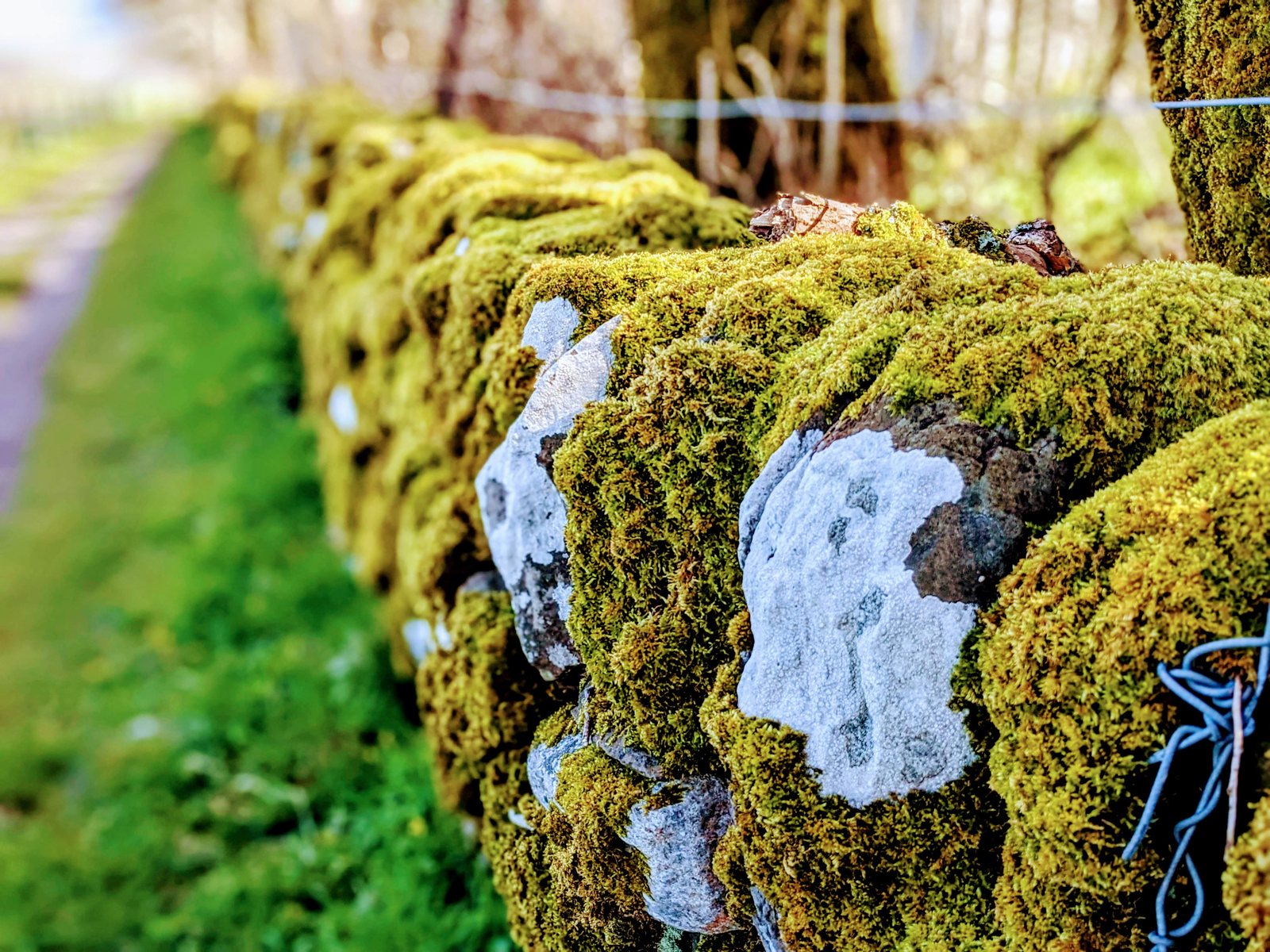
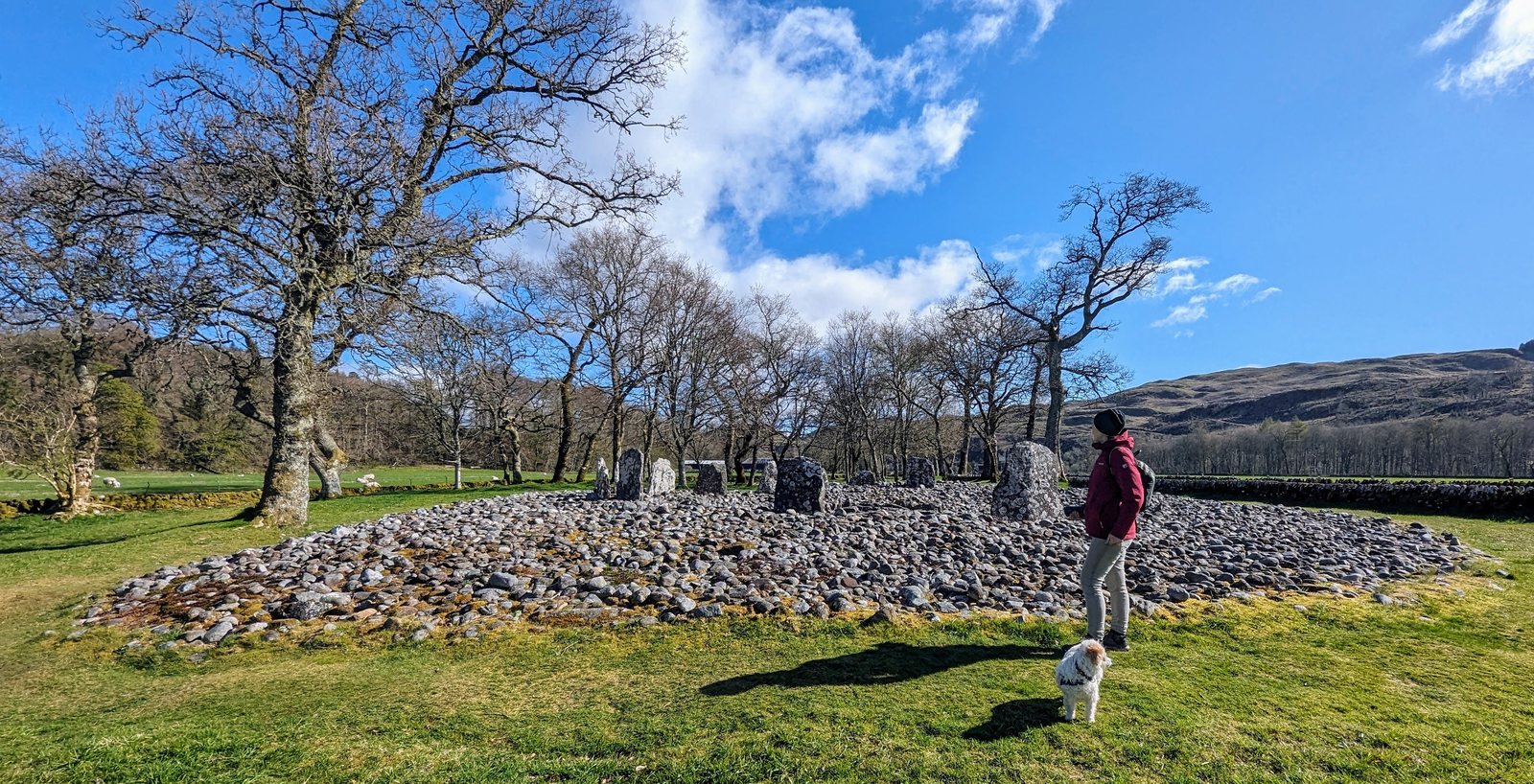
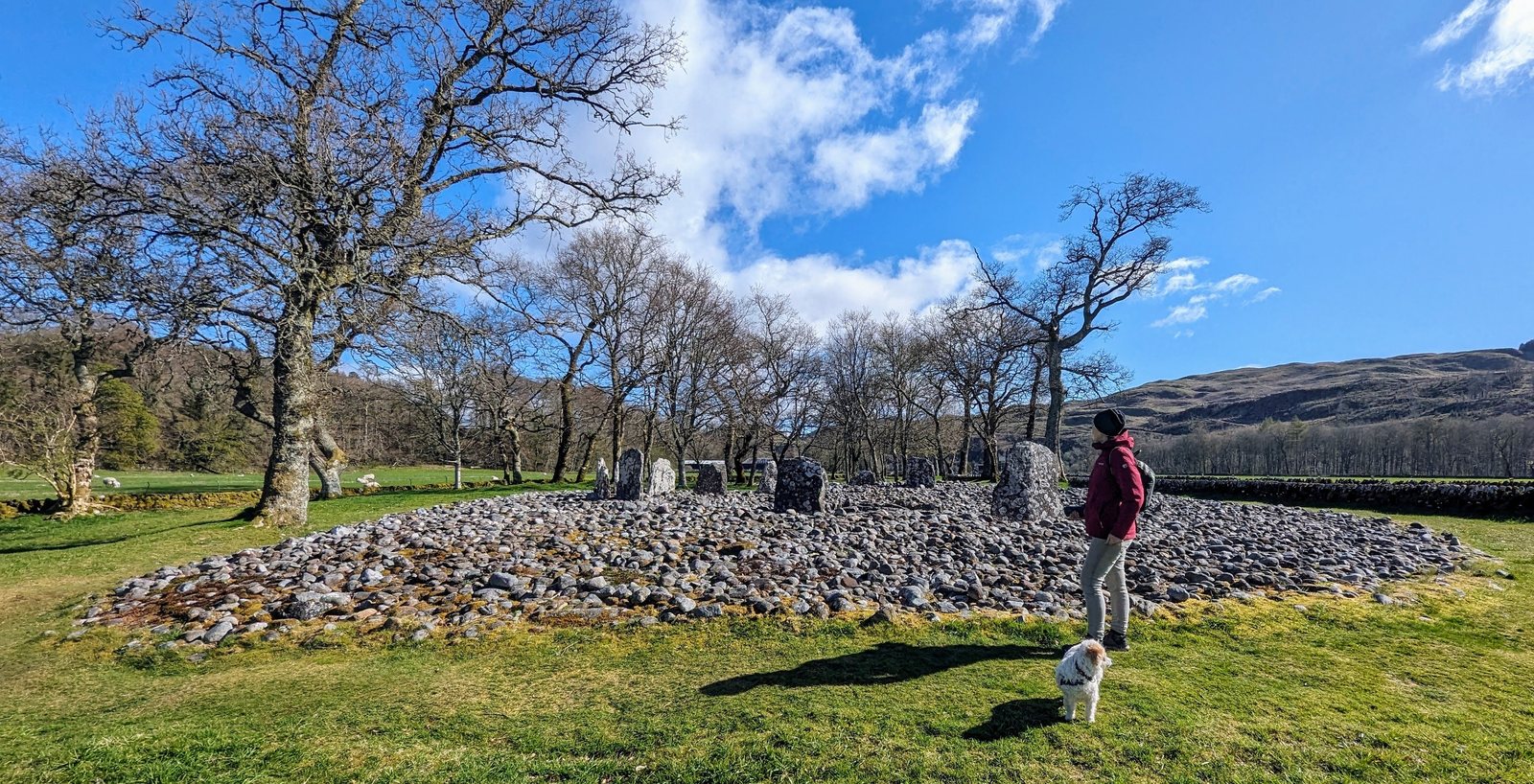
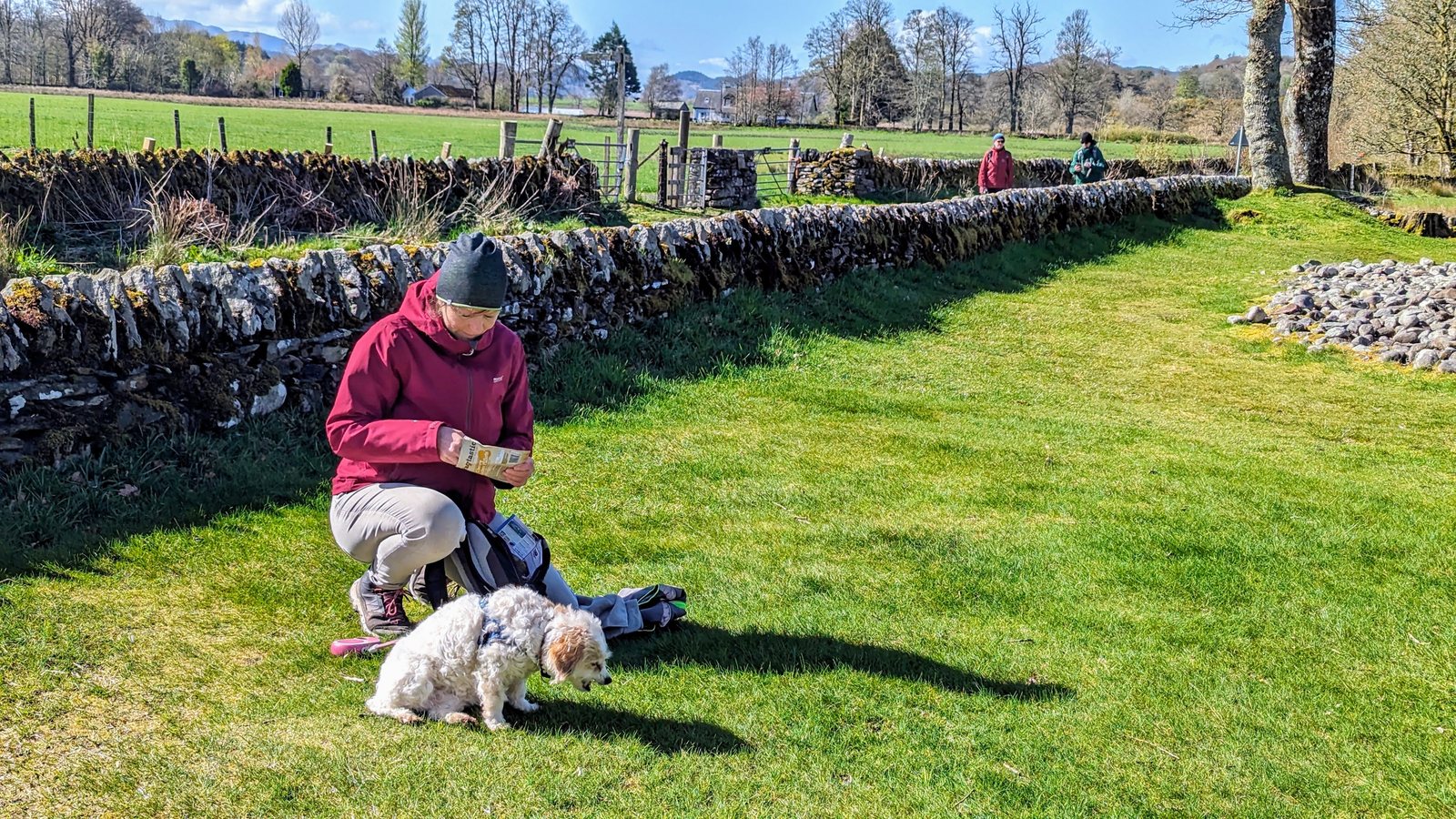
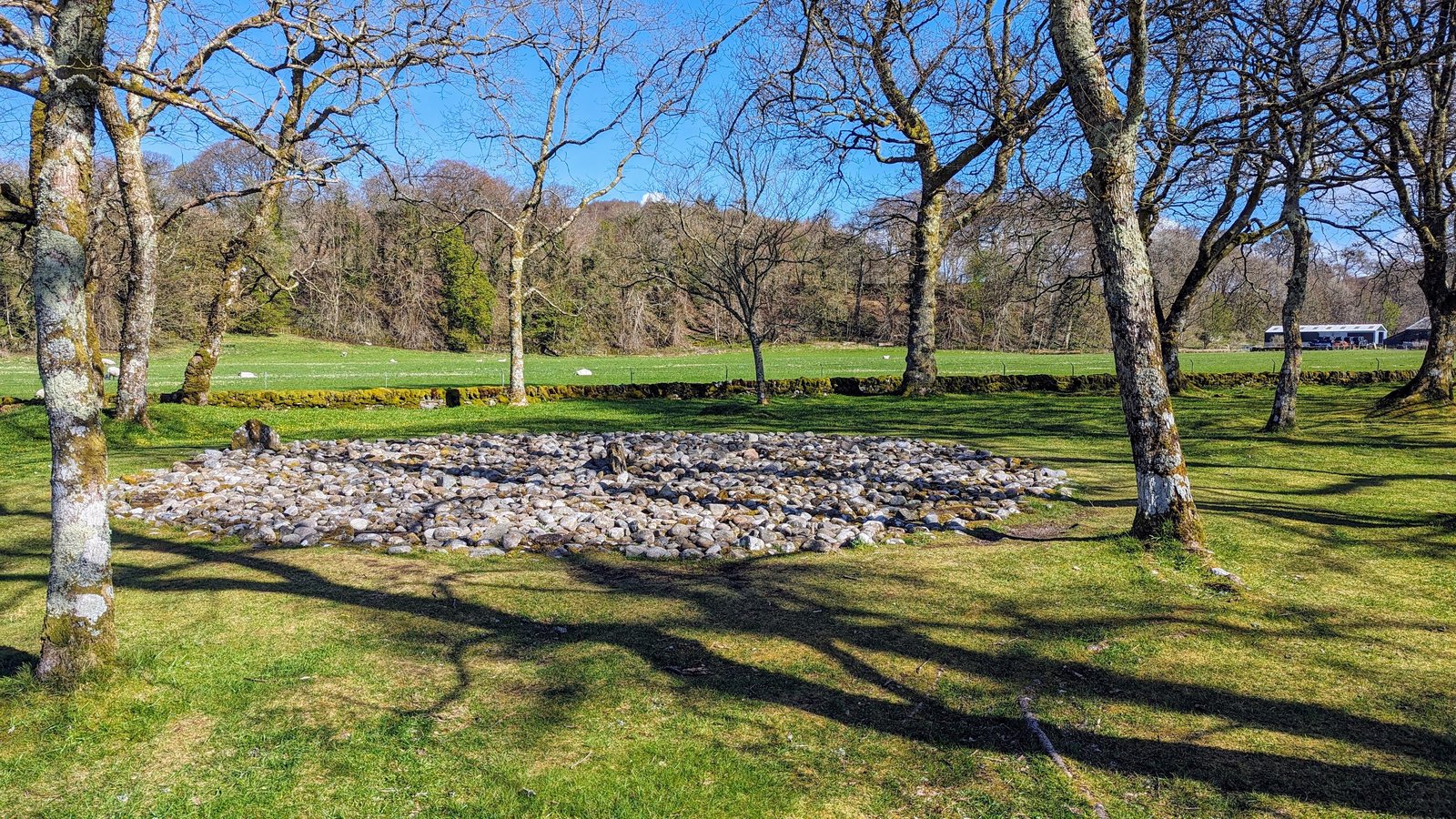
The churchyard itself is lovely — ringed by old trees and a mossy drystone dyke, its stones running from the medieval to the modern, and looking out over the very glen where people have buried their dead for five thousand years. There can be few churchyards in Scotland with a deeper sense of continuity.
Nearby — the rest of Kilmartin Glen
- The Kilmartin Standing Stones — the Bronze-Age setting of Nether Largie.
- Temple Wood & the Kilmartin Cairns — the stone circles and burial line.
- Kilmartin Glen — the whole valley, the museum and the pub.
Sources
- First-hand: Kevin & family, Kilmartin Glen, 2024 (own photos).
- Historic UK & Kilmartin Museum (the parish church, the carved grave-slabs & the Poltalloch stones); on Carswell: Wikipedia & Historic Environment Scotland (Rector of Kilmartin, Bishop of the Isles, the 1567 first Gaelic book, Carnasserie Castle).