
Gretna Green: Scotland’s Runaway-Wedding Village — Anvils, Elopements & the Border
Overview — the honest take
Gretna Green is the first village you reach crossing into Scotland on the old west-coast road from England — and that single fact made it one of the most famous wedding spots in the world. For the best part of three centuries, couples who couldn’t marry in England — too young, or without a father’s blessing — simply bolted for the border and were married “over the anvil” by a Gretna blacksmith. It’s unashamedly a tourist stop now, built around the Old Blacksmith’s Shop, but the story behind it is a genuinely fascinating bit of British social history — and it’s an easy, worthwhile pause right as you enter or leave Scotland.
Where it is
Gretna Green sits in Dumfries & Galloway, in the far south-west, right on the England–Scotland border where the M74/A74 crosses from Cumbria. The little River Sark marks the frontier, and the Esk runs just beyond. It’s the very first — or very last — Scottish village on the main road, which is exactly why it matters.
Why couples ran to Gretna — the marriage law
The whole story turns on a difference in the law. In 1754, England’s Marriage Act (Lord Hardwicke’s Act) tightened the rules hard: no one under 21 could marry without a parent’s consent, and weddings had to be held formally in church. Scotland kept the old, easy way. North of the border a couple could contract an “irregular marriage” simply by declaring themselves married before two witnesses — from the age of 16, with no need for parents, banns or a minister.
So Gretna Green — the first place across the line on the coaching road from London — became the natural bolt-hole for the young, the eloping and the disapproved-of. Runaway couples raced north with furious fathers sometimes in pursuit, and the village grew rich on the trade.
“Married over the anvil” — the blacksmith priests
Because anyone could conduct a Scottish irregular marriage, it fell to whoever was on hand — and at Gretna that was very often the village blacksmith. The smiths became known as the “anvil priests,” joining couples over the blacksmith’s anvil in the forge. The anvil became the enduring symbol of a Gretna wedding — two people, like iron, welded together for life — and the Old Blacksmith’s Shop of 1712 is still the heart of the visitor attraction today.
How the law changed — and why weddings still happen here
The runaway trade was curbed step by step. In 1856, Lord Brougham’s Act demanded 21 days’ residence in Scotland before a marriage — ending the sprint-across-the-border wedding. Marriage by simple declaration was finally abolished in Scotland in 1940, and the residence rule was dropped in 1977. Yet the romance never faded: Gretna Green remains one of the most popular places to get married in the world, with thousands of couples still tying the knot here every year — many of them, by choice, still over the anvil.
What’s here now
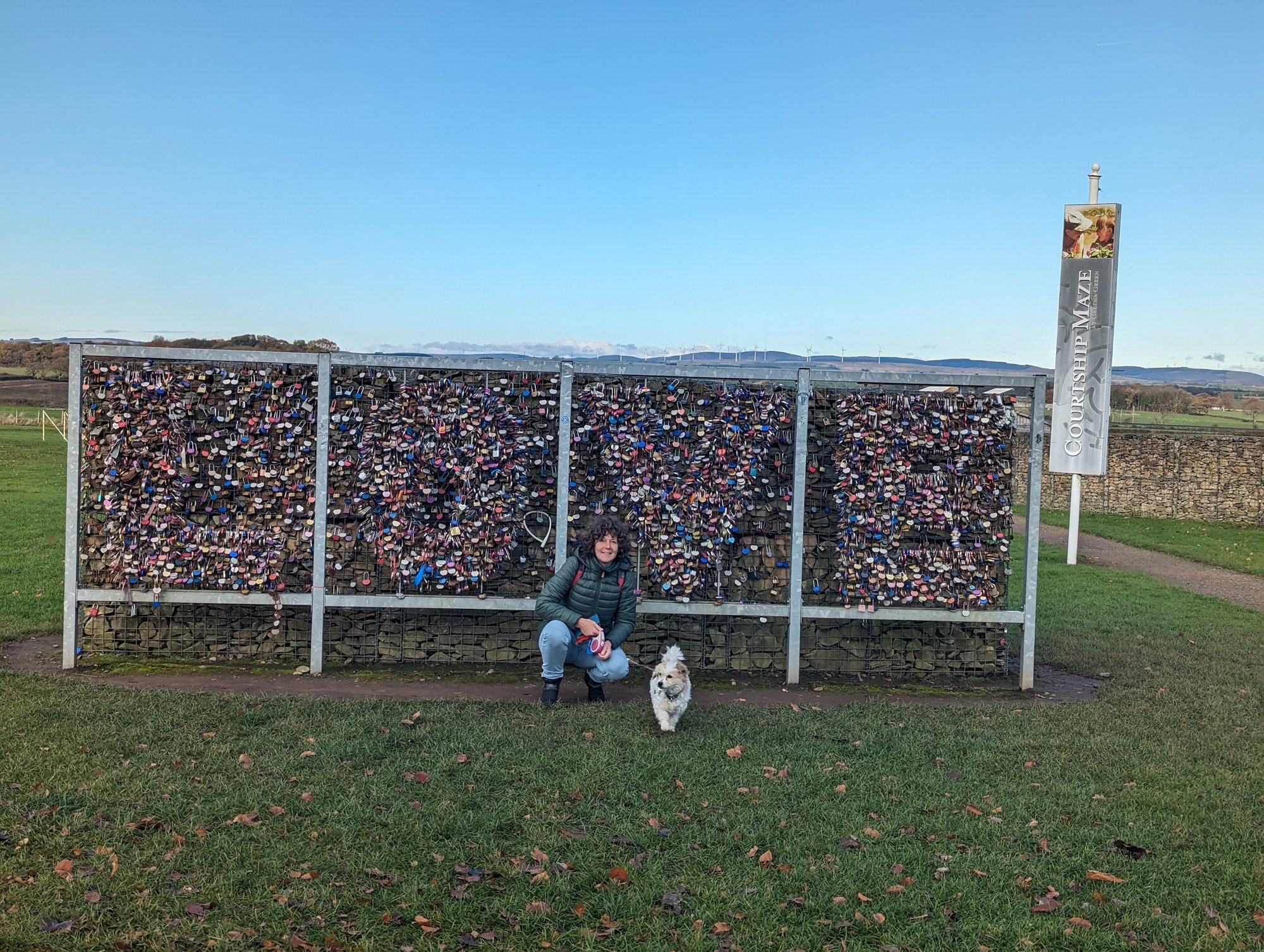
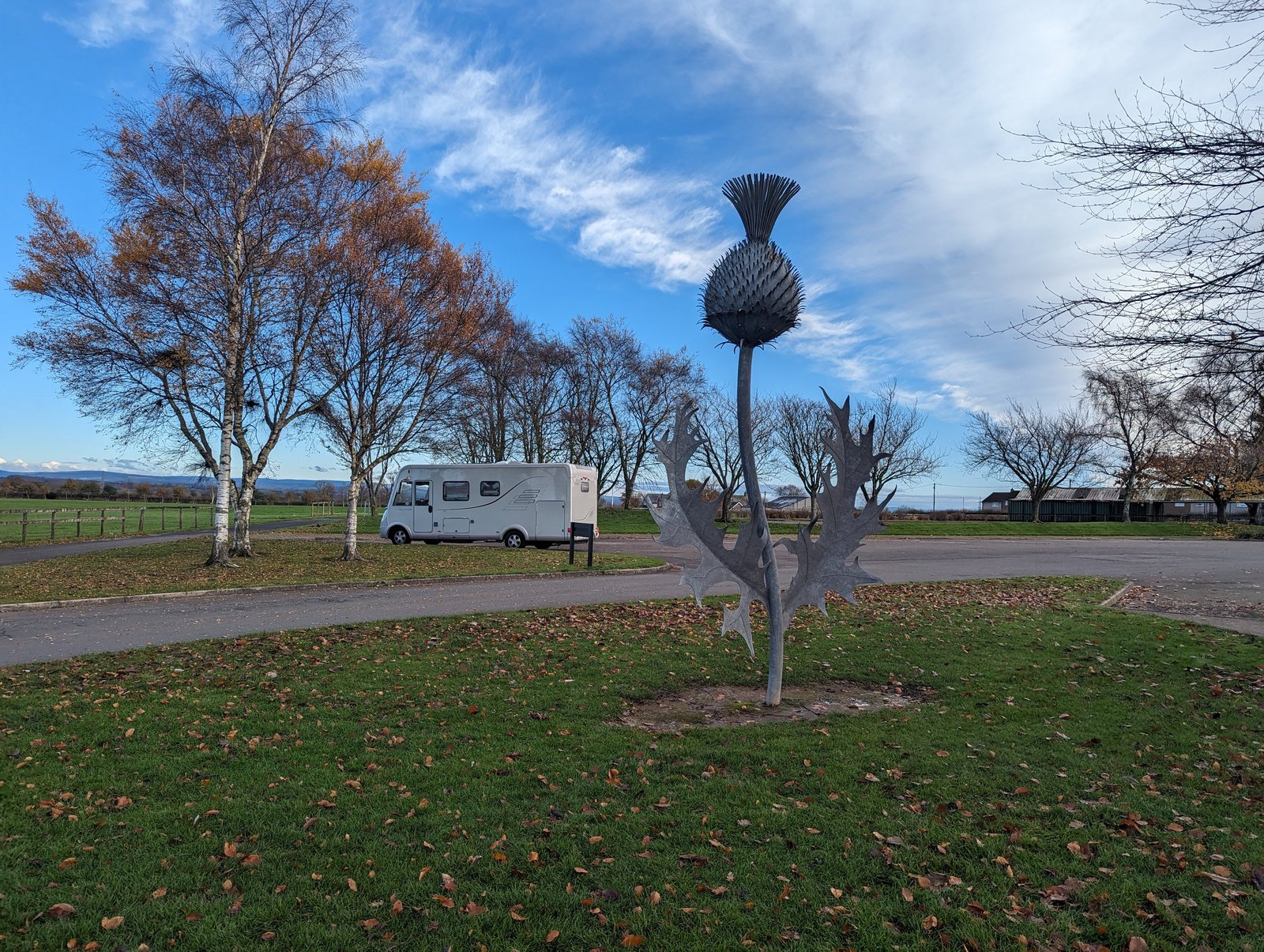
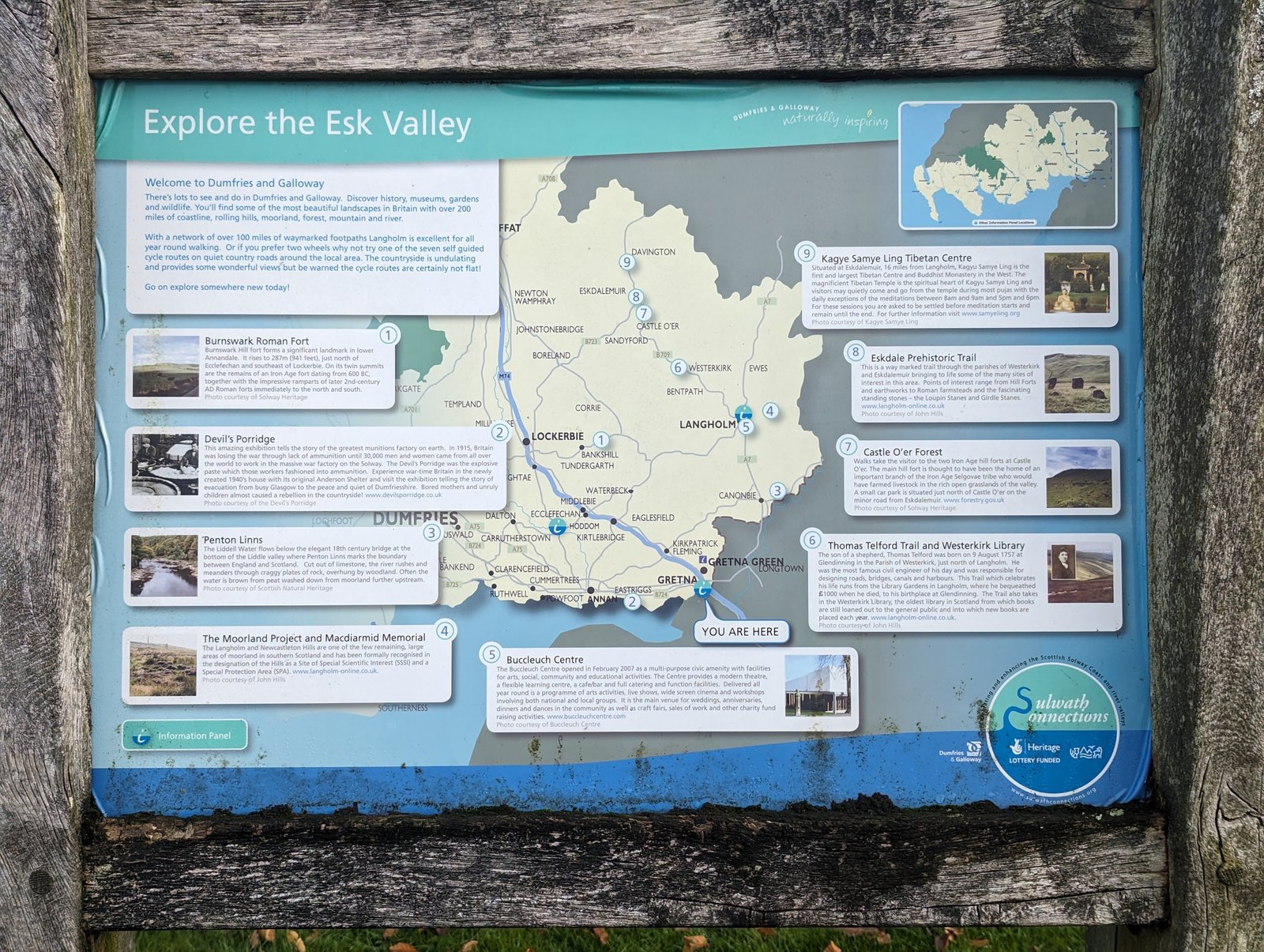
The modern Gretna Green is a well-run visitor complex: the historic Blacksmith’s Shop and its marriage room, sculptures and photo spots (including walls of love-lock padlocks left by couples), a courtyard of shops and food, and the big Gretna Gateway outlet village next door. It’s frankly commercial — but it’s free to wander the grounds, and the tale it tells is a good one. There are also gentler walks nearby along the Esk valley if you want to stretch the legs away from the crowds.
A darker note nearby — the Quintinshill disaster
A short way up the line at Quintinshill, near Gretna, lies the site of Britain’s worst-ever rail disaster. On 22 May 1915, a troop train carrying soldiers of the Royal Scots to the Great War collided in a signalling blunder; in the fire that followed, around 226 people died and many more were injured. It’s a sobering counterpoint to the wedding-village cheer, and worth a quiet thought as you pass.
Nearby
- Gretna is the gateway from England — the first Scottish village on the west-coast route, and a natural first or last stop on a Scottish trip.
- Browse the rest of our Scottish Outposts guides for where to head next once you’re over the border.
Sources
- Gretna Green (official) & Wikishire (the blacksmiths, the anvil, the marriage trade).
- On the law: the 1754 Marriage Act, the 1856 residence rule and the 1940 abolition of irregular marriage in Scotland.
- On the Quintinshill rail disaster, 1915.
- Everything first-hand is from our own visit to Gretna Green.