Dunvegan Castle: 800 Years of Clan MacLeod, the Fairy Flag & Skye’s Great Stronghold
🏰 Clan MacLeod · paid entry
Overview — the honest take
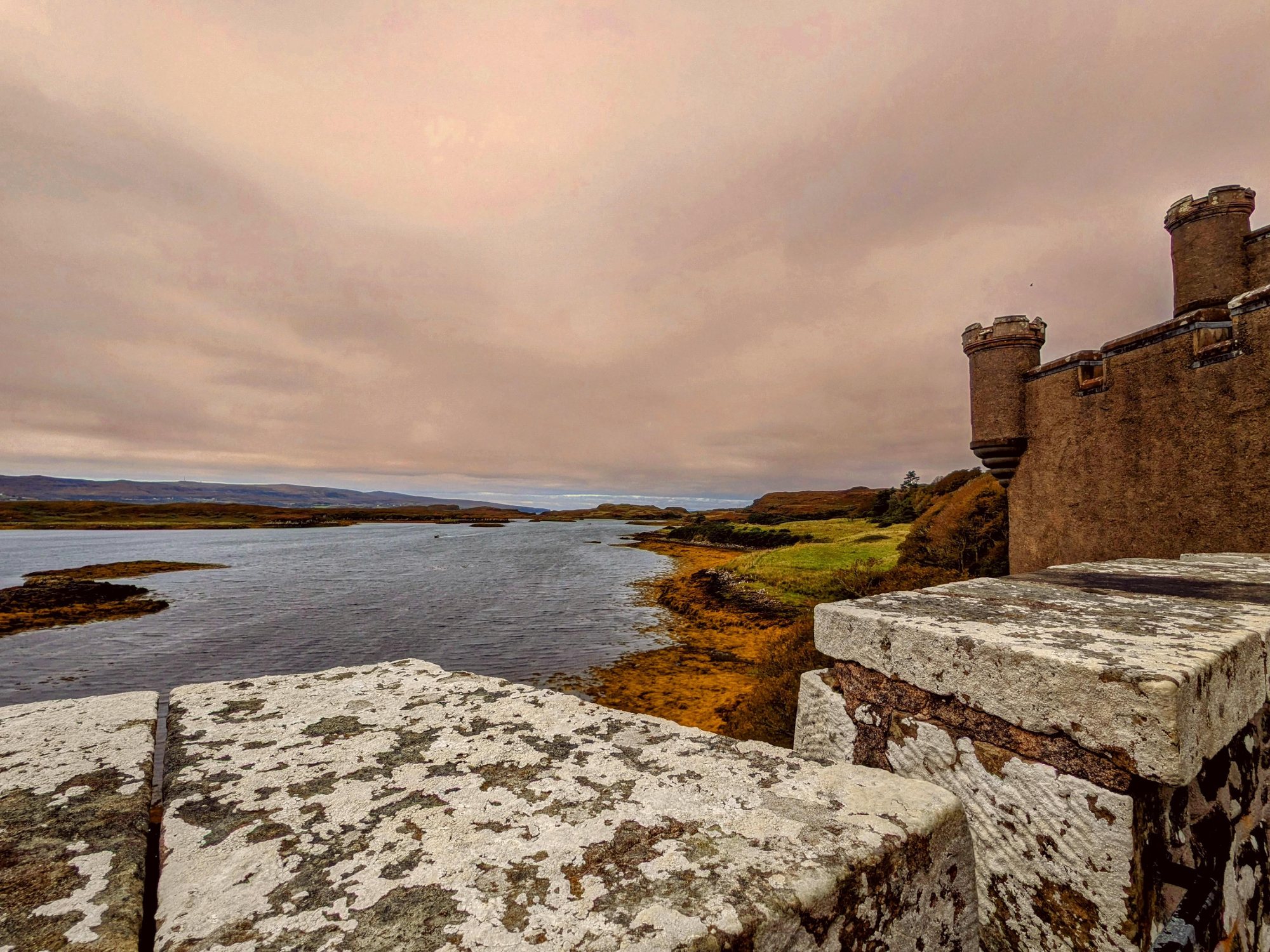
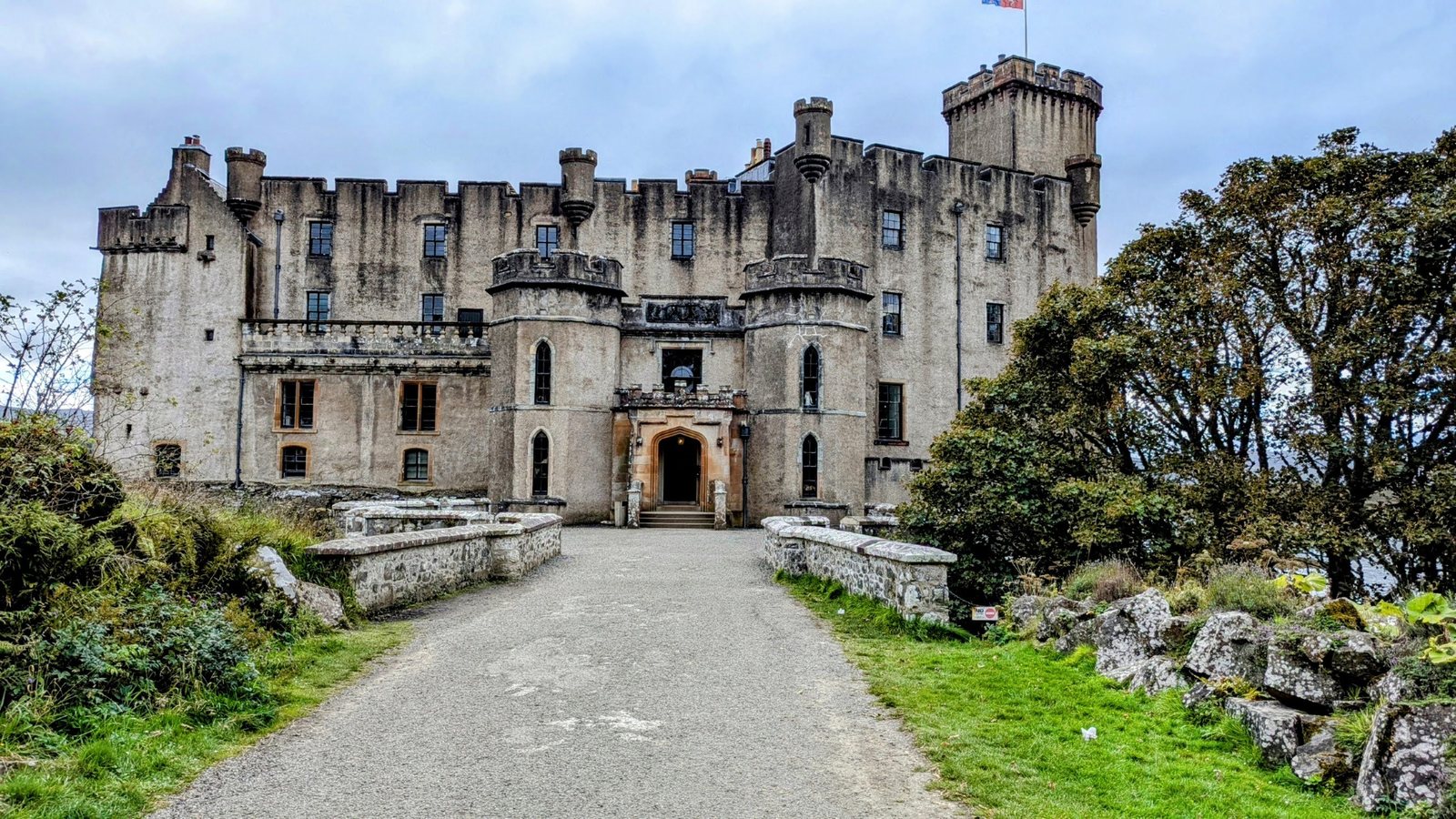
Dunvegan Castle is the great stronghold of the MacLeods of Skye, and one of the most remarkable castles in Scotland — because it’s still a home. The Chiefs of Clan MacLeod have lived here for around 800 years, making it the oldest continuously inhabited castle in the country. It sits on a rock above Loch Dunvegan on the west of Skye, with beautiful gardens tumbling down to the water, and inside it holds one of the strangest treasures in the Highlands: the clan’s sacred Fairy Flag.
Where it is
The castle stands on the northern shore of Loch Dunvegan, on the west coast of Skye by the village of Dunvegan, about 23 miles from Portree. It’s an easy and worthwhile drive across the island, and a natural pairing with the Waternish and Duirinish peninsulas beyond.
Eight hundred years of MacLeods
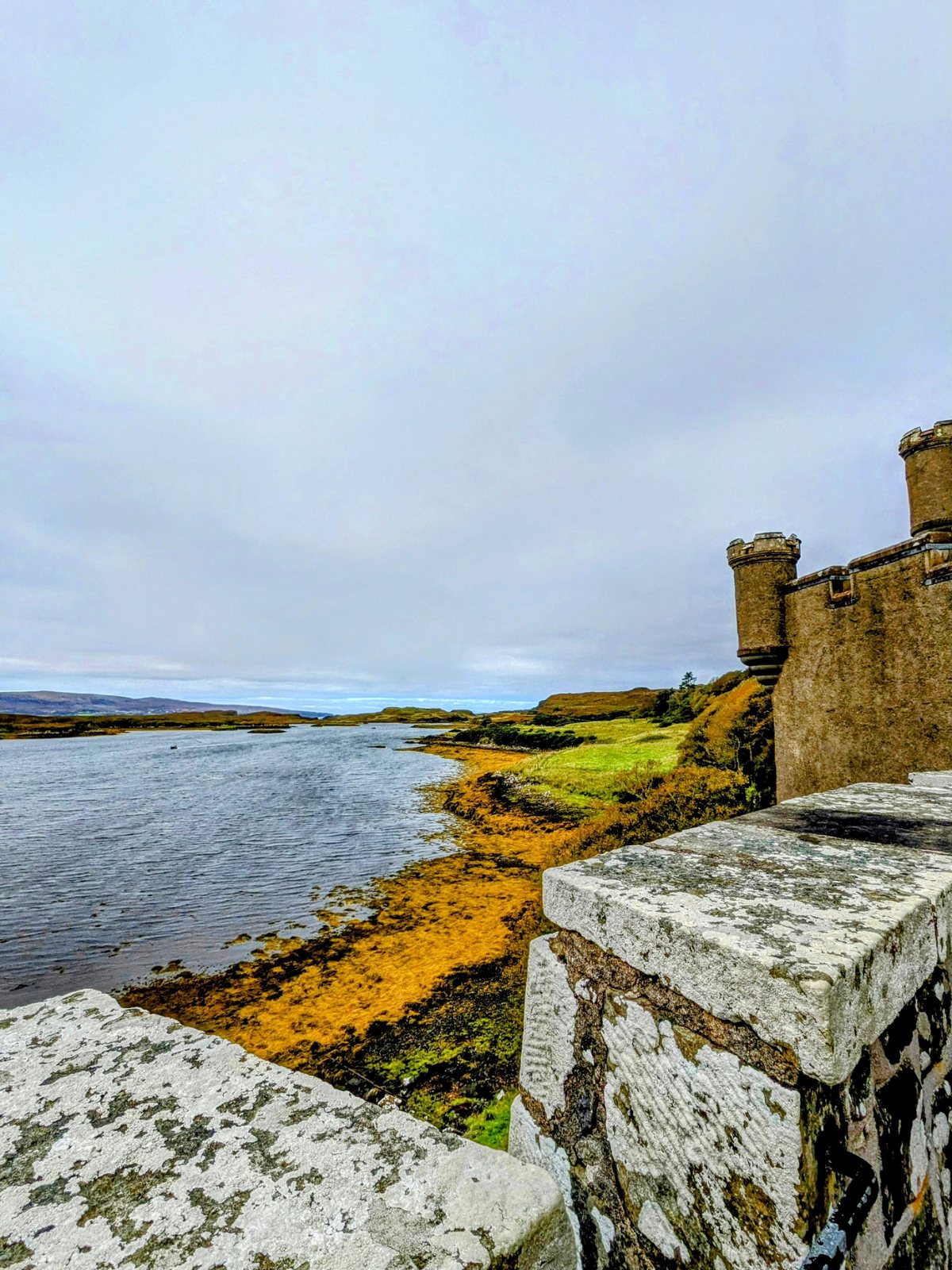
There has been a fortified home on this rock since the 13th century, and the MacLeods — descended from Leod, a son of the Norse-Gaelic kings of Man and the Isles — have held it ever since. Over the centuries it grew from a sea-guarded keep into a rambling, romantic castle, its ages all jumbled together behind one 19th-century face. The present chief still lives here, which gives Dunvegan a lived-in warmth that pure ruins never have.
The Fairy Flag
Dunvegan’s greatest treasure is Am Bratach Sìth — the Fairy Flag: a fragile, faded scrap of ancient silk, kept in the castle and hedged about with legend. The clan story says it was a gift from the fairies — and that when the MacLeods are in their greatest peril, waving it will summon miraculous help. It is said to have been unfurled to save the clan in battle, and it can only be used three times (two already spent, by tradition). Historians think the cloth may really be an early-medieval relic from the Middle East. Either way, standing before it, you’re looking at one of the most treasured clan relics in Scotland.
The gardens
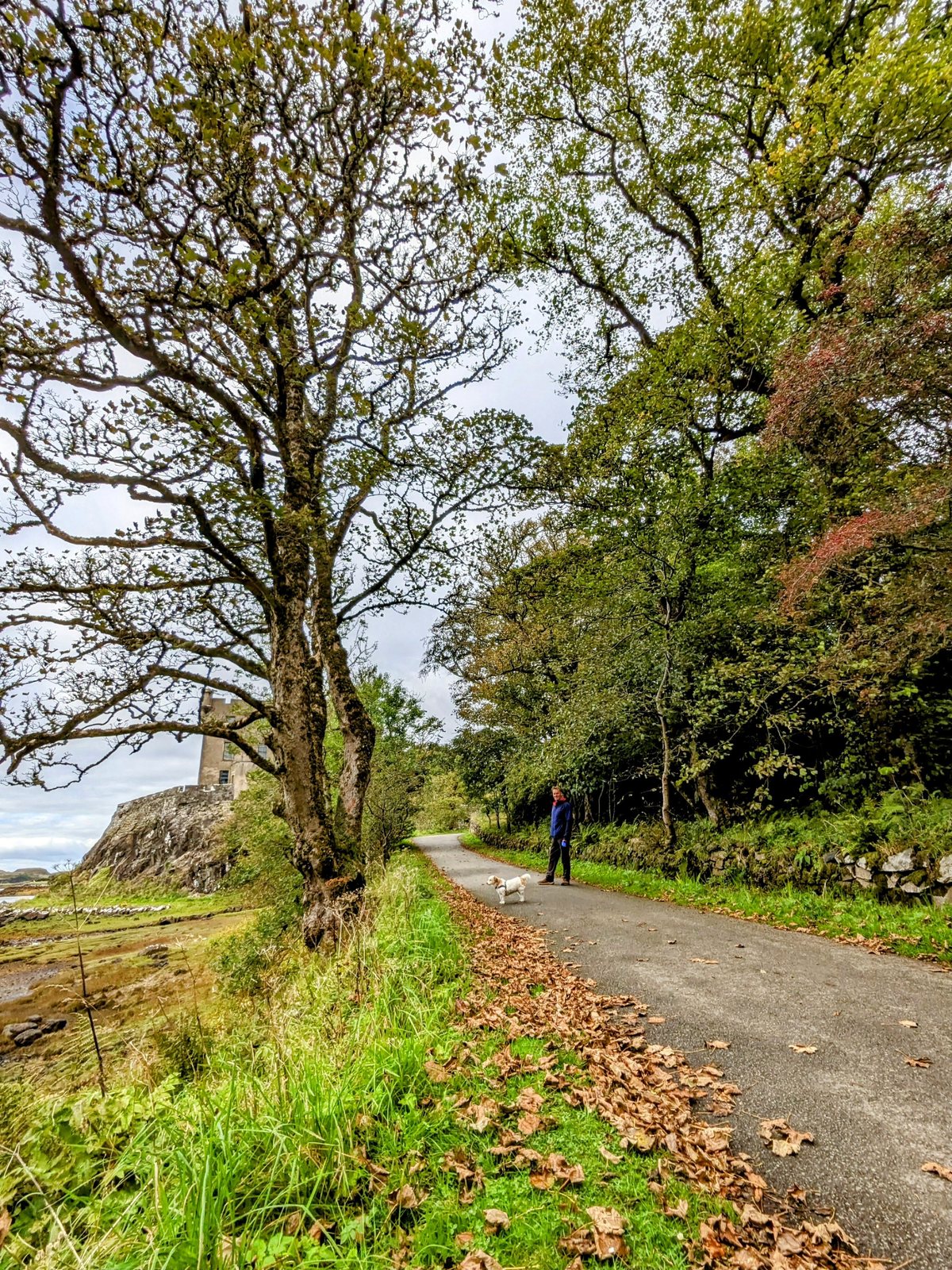
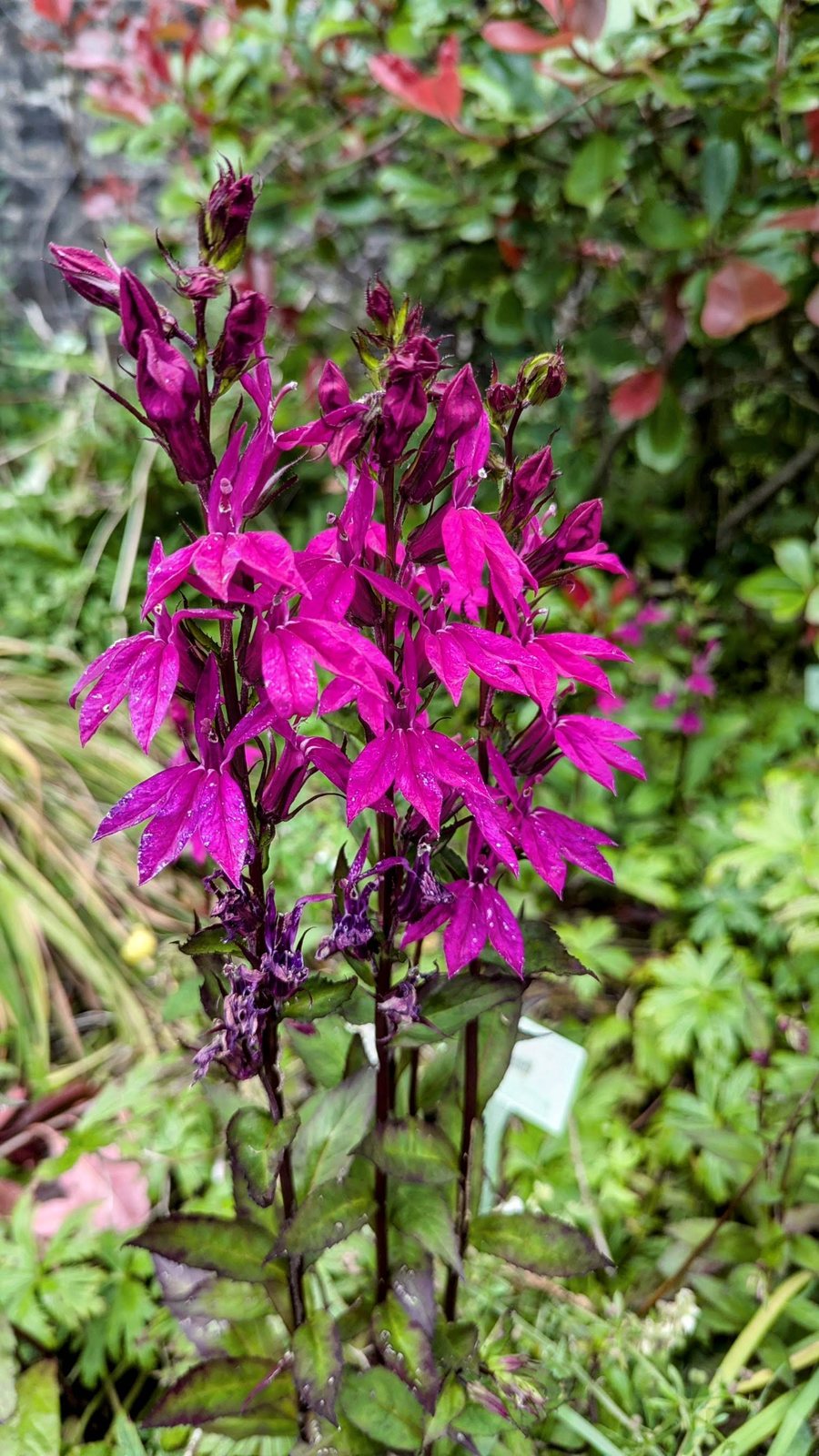
For all the castle’s drama, the gardens are a real surprise on this wild, treeless coast — a sheltered, five-acre world of water gardens, a walled garden and woodland walks, lush with rhododendrons, foxgloves and pools. They’re a lovely, gentle counterpoint to the sternness of the keep, and well worth the time.
The seals of Loch Dunvegan
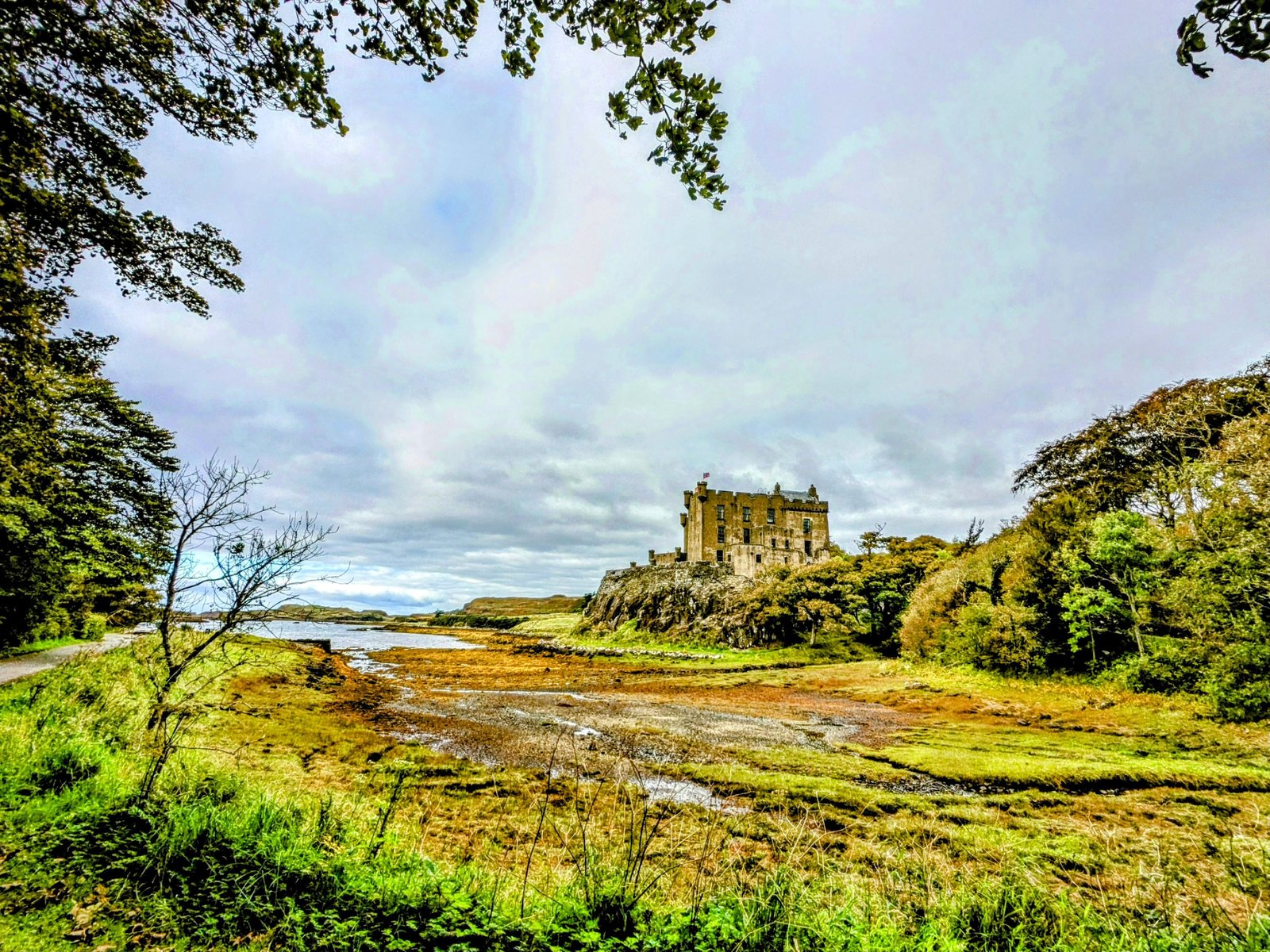
From the castle jetty, little boat trips run out onto Loch Dunvegan to see its resident colony of common seals — a lovely add-on to a visit, and a fine way to see the castle from the water as the MacLeods’ enemies once did.
Visiting
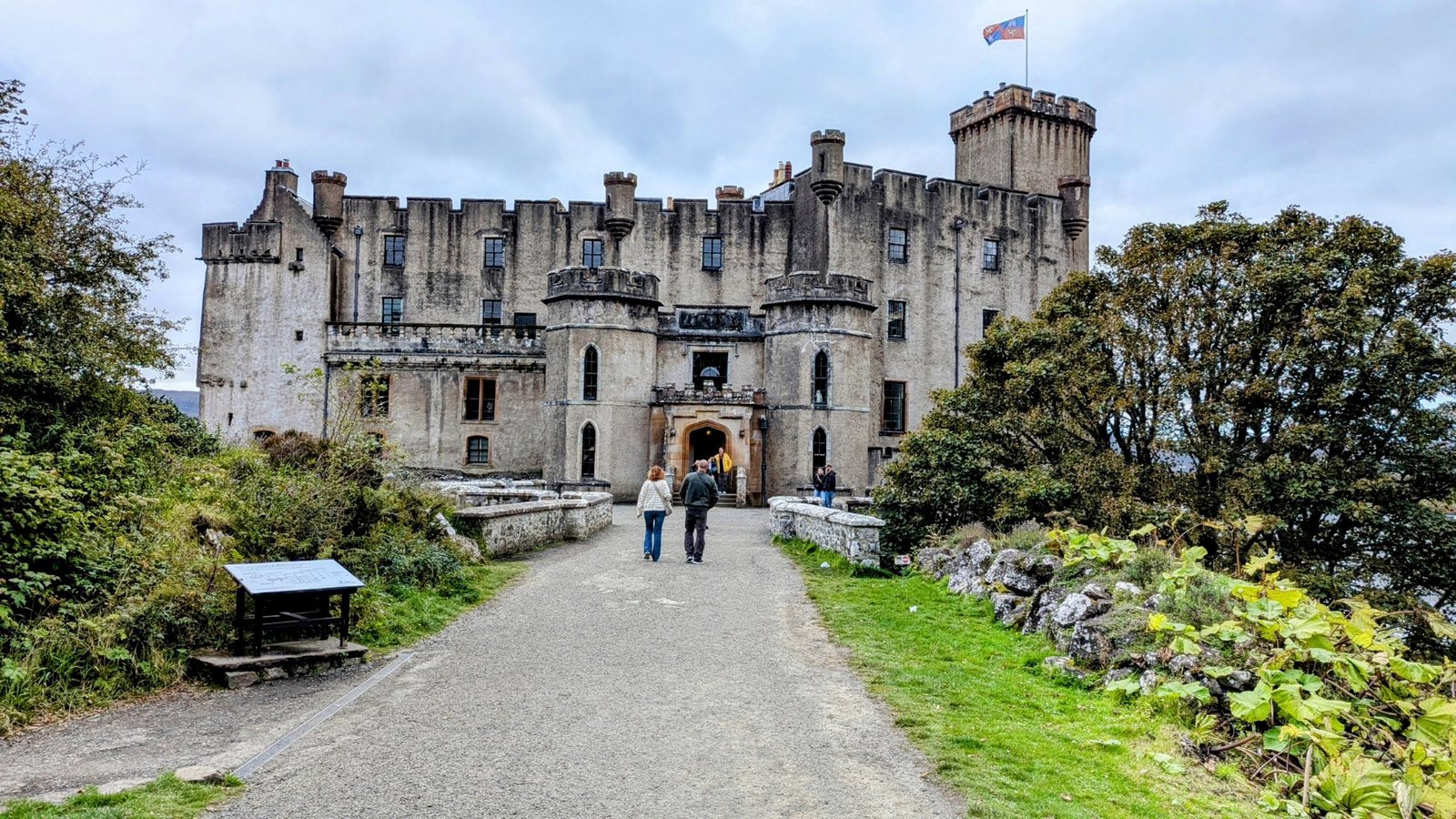
Dunvegan is privately owned by the MacLeods and open to visitors, with paid entry to the castle and gardens, a café and shop, and the seal boat trips in season. Check current opening times and prices before you go, and allow a good couple of hours for the castle, the Fairy Flag and the gardens together.
Nearby
- Coral Beach & Neist Point — the white shell-sand beach north of Dunvegan and Skye’s westernmost lighthouse, both close by.
- Talisker Distillery — Skye’s oldest malt, down at Carbost on Loch Harport.
- See the rest of our Castles of Scotland collection.
Sources
- Dunvegan Castle (official) & Wikishire (the MacLeods, the Fairy Flag, the gardens).
- Everything first-hand is from our own visit to Dunvegan.