
Clan Sinclair: The Norse-Norman Earls of Caithness
The clan by the numbers
| First on record | Sinclairs, Barons of Roslin, from the 1200s (William granted Roslin 1280); Earls of Caithness from 1455 |
| Peak fighting strength | No reliable muster figure survives — the honest anchor is the ~300 Caithness men who fell with their king at Flodden, 1513 |
| People bearing the name today | ~10,200 in Scotland, ~117,000 worldwide (estimate) |
No dependable clan-muster total is recorded for the Sinclairs, so we give no “peak strength” number — the Flodden loss is a casualty figure, not a muster. Surname totals are estimates.
Overview — from Normandy to the far north
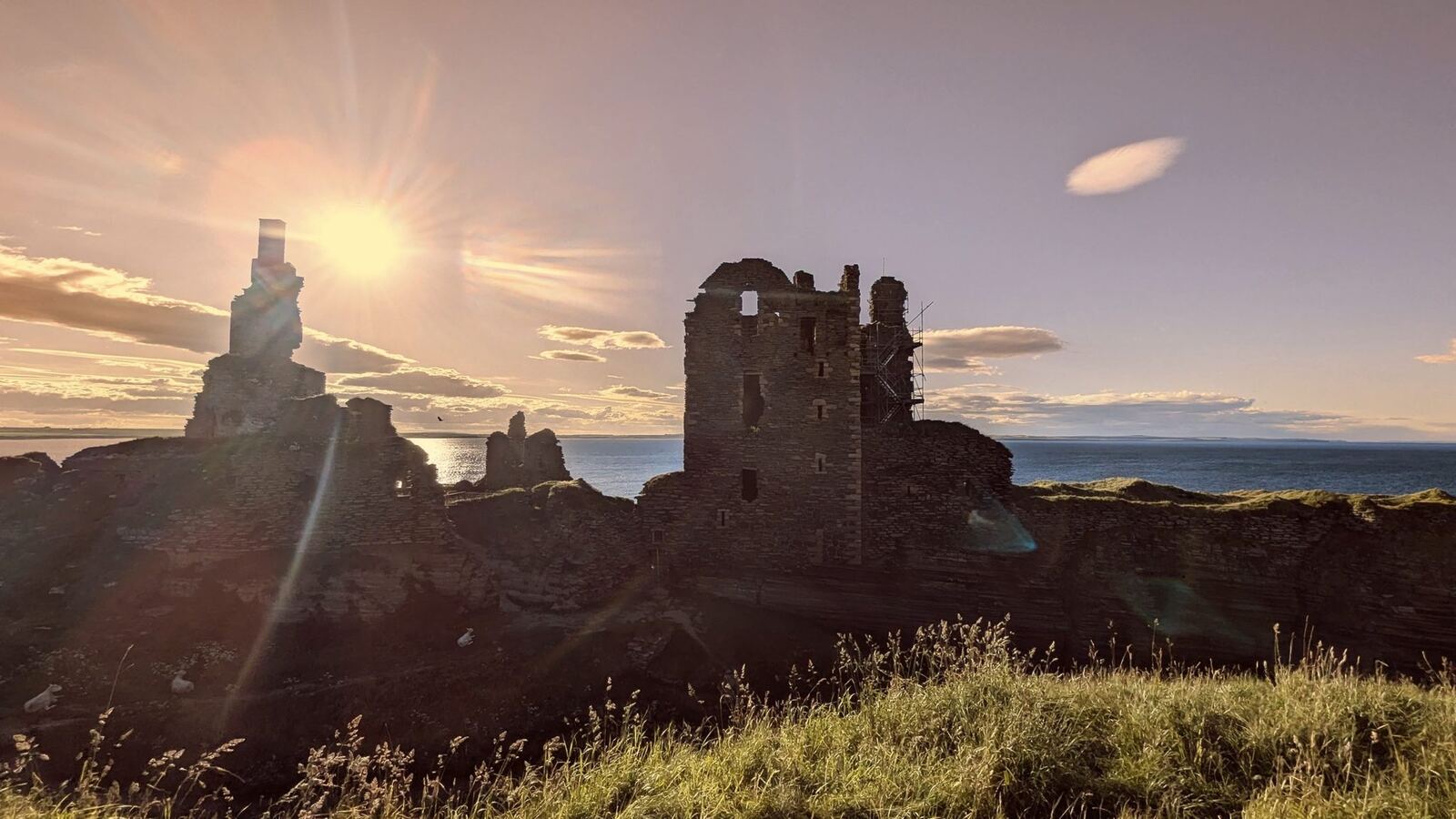
Clan Sinclair is one of the great families of the far north of Scotland — a clan with Norman blood, Norse titles and a Caithness heart. For centuries the Sinclairs were Earls of Orkney and then Earls of Caithness, and their dramatic strongholds still stand on the cliffs above Wick and Keiss. If you’ve stood in the ruins of Castle Sinclair Girnigoe, you’ve stood in the heart of Sinclair country.
The name & the origins
The name comes from Saint-Clair-sur-Epte in Normandy — the Sinclairs (originally “de Saint-Clair”) came to Scotland in the 12th century among the Normans who followed David I. They rose fast: by 1379 Henry Sinclair was made Earl of Orkney, ruling the Northern Isles for the Norwegian crown, and the family held a foot in both the Norse and Scottish worlds. When Orkney passed to Scotland in the 1470s, the Sinclairs took the Earldom of Caithness (1455) instead — and the far north has been Sinclair country ever since.
Rosslyn & the castles of Caithness
The Sinclairs left two very different monuments. In the south, Sir William Sinclair built the astonishing Rosslyn Chapel (begun 1446) near Edinburgh — the carved, mysterious church of a thousand legends. In the north, they raised the clifftop castles of Caithness: Castle Sinclair Girnigoe on its dramatic promontory near Wick (really two castles of different dates on one rock), and the older tower at Keiss above Sinclair’s Bay. The clan motto is “Commit thy work to God.”
Sinclair country on our travels
- Castle Sinclair Girnigoe — the spectacular main seat of the Earls of Caithness, on the cliffs near Wick.
- Keiss Castle — the older Sinclair tower above Sinclair’s Bay.
- Wick — the county town at the heart of Sinclair Caithness.
← Back to Scottish Clans · see also the Castles of Scotland.
The Battle of Roslin
The Battle of Roslin (1303), a famous Scottish victory over an English column, was fought on the St Clairs’ own ground at Roslin.
Battles — won and lost
The most notable actions the clan fought, and how they ended:
- Roslin (1303) — vs the English (Henry Sinclair, with Comyn) — WON
- Bannockburn (1314) — vs the English — WON
- Flodden (1513) — vs the English (2nd Earl killed, ~300 dead) — LOST
- Summerdale, Orkney (1529) — vs an Orcadian force (3rd Earl killed) — LOST
- Altimarlach (1680) — vs Campbell of Glenorchy (for the Caithness earldom) — LOST
Long feud with the Earls of Sutherland; the Sinclairs were once Earls of Orkney too.
The clan lands
Orange markers = the clan’s chief castles, seats and territories; where we have a page, they link through.
Explore Scottish Outposts
Clans · Whisky · Castles · Lochs · Kirks & Cathedrals · Standing Stones · Metal Detecting · Trips So Far
Sources
- First-hand: our own travels in Caithness (own photos)
- Clan Sinclair · Clan Sinclair — Wikipedia